Your Cart is Empty


Causes & Solutions
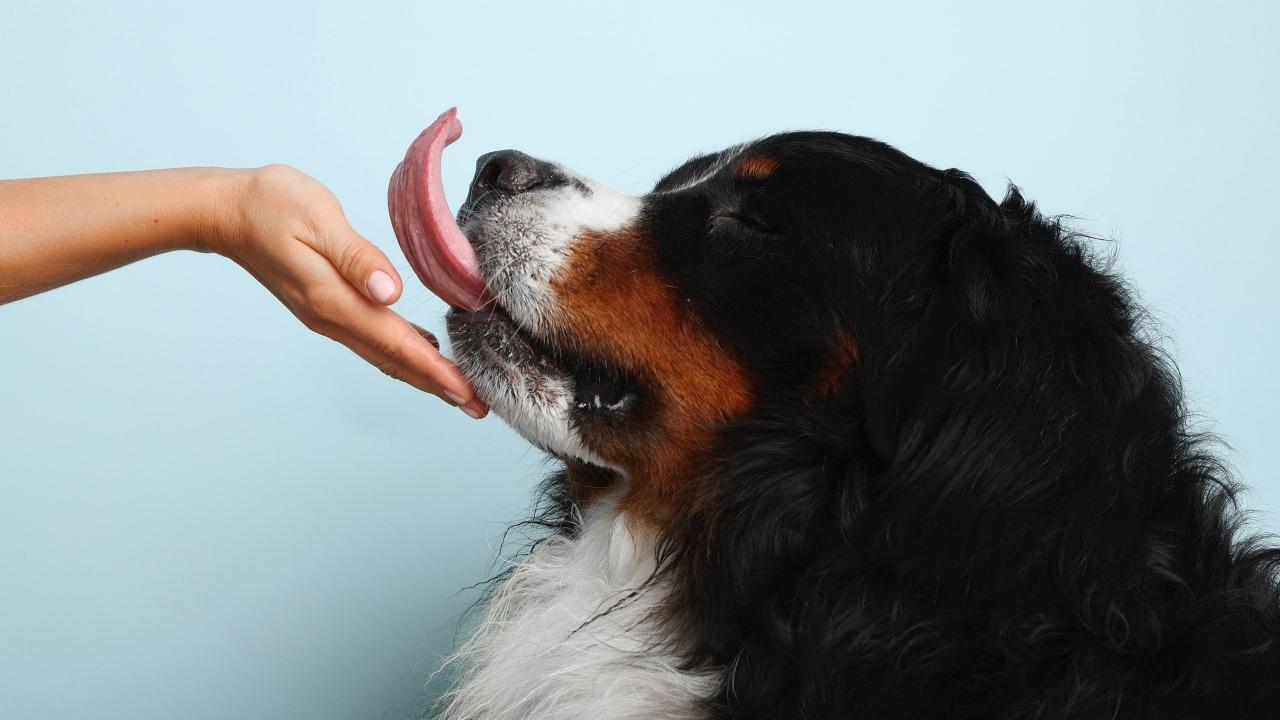
Dogs lick other dogs' pee mainly to gather information. Urine carries scent and chemical signals that tell a dog about the other dog's age, sex, social status, diet, and sometimes even health, so licking it is part of normal canine communication rather than simple "bad" behavior.
If you're a dog owner wondering whether this is harmless, gross, or something you should stop, this guide covers what it means and when it may be a problem. We look at the instincts behind the behavior, how puppies and adult dogs differ, hormones, health risks, and what to do if the licking becomes obsessive.
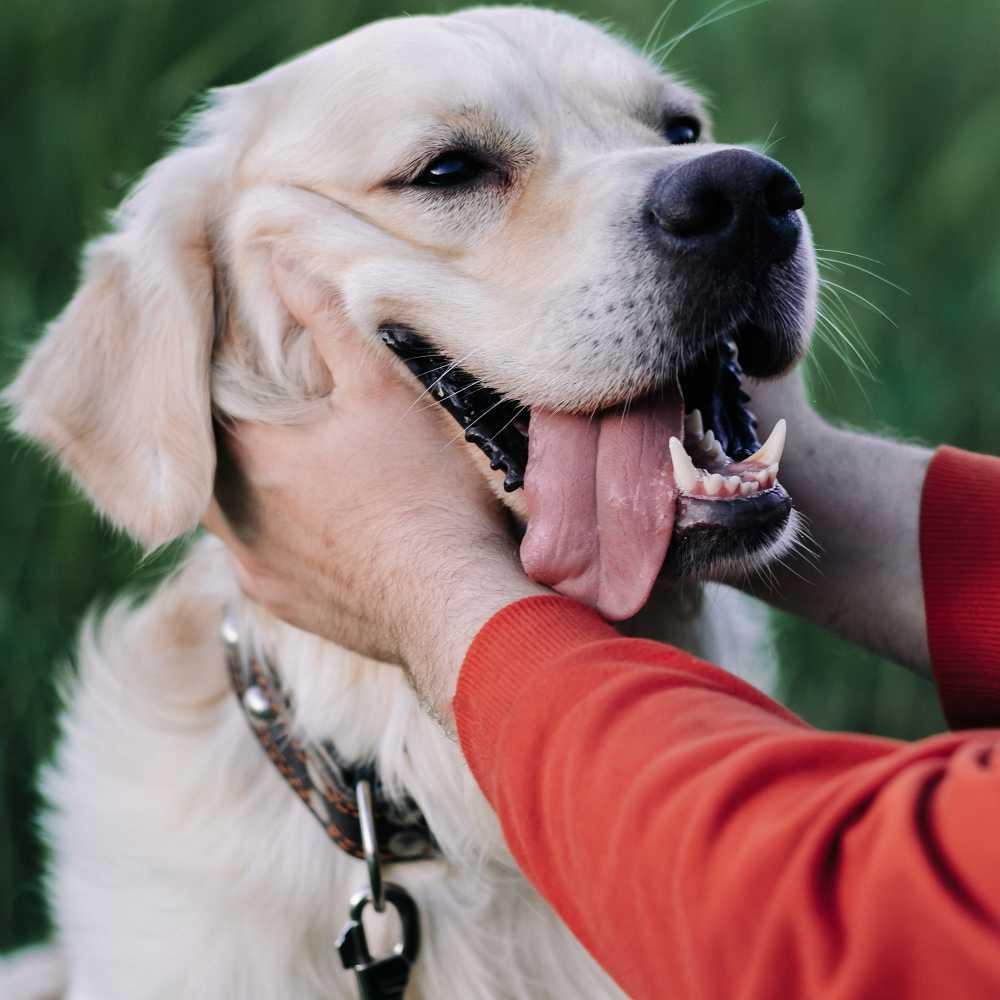
The first step in understanding why dogs lick other dogs' pee is in determining what drives them. This is something they've been doing for hundreds of years and that is written in their DNA.
While most of us think of canine communication meaning their vocalisations and body language, there are lots of other ways that these clever canines get messages to and from their furry friends. As crazy a concept as it may seem to you and I, they use their bodily secretions, including their stool, sweat, urine, and anal gland fluids, in order to speak to each other. Strange but true!
Their advanced sense of smell means they can read complex layers in even a scant urine sample left behind on the grass or sidewalk, and dogs lick urine to gather information about other dogs. Urine contains unique chemicals and pheromones that provide clues about identity, including a dog's sex, reproductive status, age, social status, diet, and even certain medical issues.
A very obvious example is when a male detects a female in heat nearby by sniffing or licking the urine she has passed. Licking helps dogs smell pheromones more fully through Jacobson's organ in the nasal passages. For an unneutered male, this message will drive them crazy and they can be frantic and vocal for days as they try to find the female.
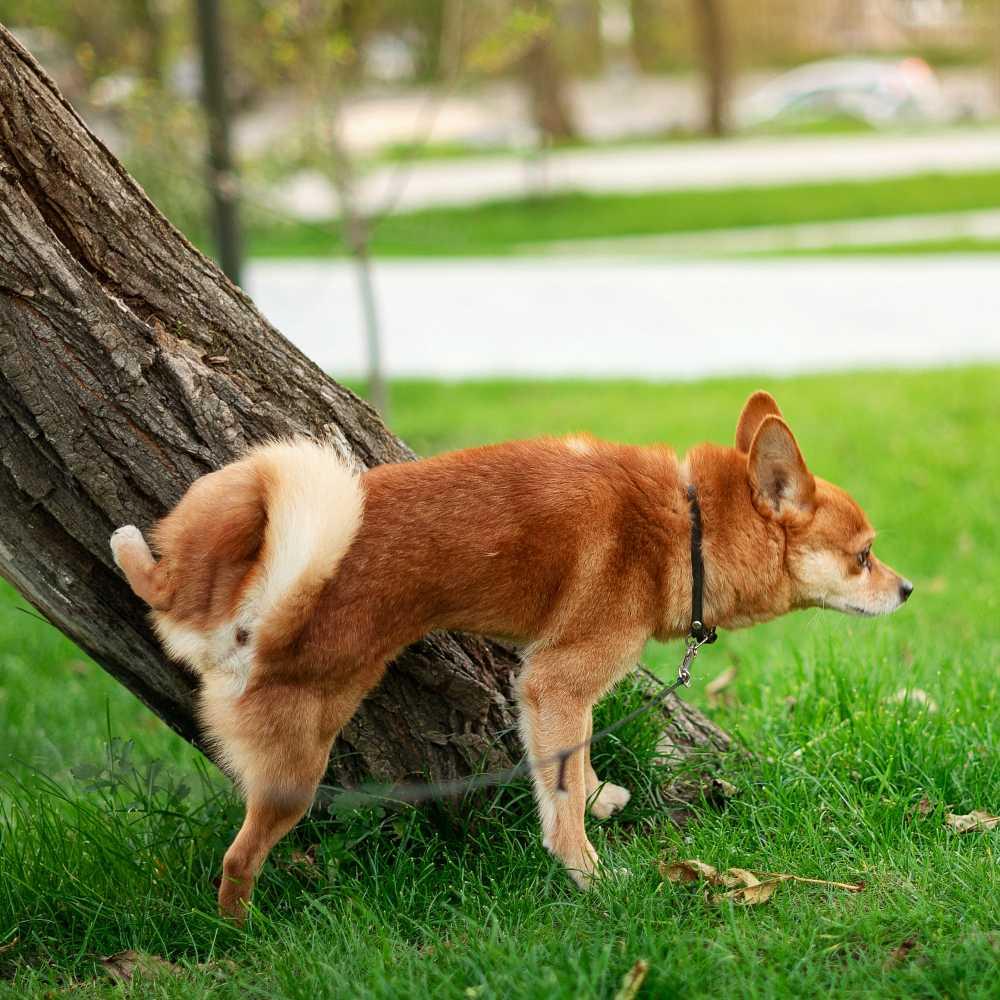
No, generally speaking your dog wanting to lick other dogs' pee is a normal behavior and simply one of the many ways they communicate with their own kind. It is quite a clever system that helps with canine socialisation and provides mental stimulation as they explore other dogs' scents and pheromones. Even if a dog is constantly sniffing out another dog's urine, this does not indicate there is any problem.
There are a few reasons why you'll find your dog licking another dog's urine; licking urine is a normal, instinctive behavior that helps them investigate another dog's urine.
The hormones, pheromones, and other chemicals within urine can be analysed by dogs as they sniff and taste. Urine marks left by dogs are part of urine marking and help other dogs identify an individual dog. These scent marks provide clues about the dog who has passed the urine, and can sometimes even identify the individual from their urine smell alone.
It's also thought that urine sniffing and licking is a way for the more submissive dogs in a pack to show respect for the dominant dogs around them. The more interest they show in the urine, the more they let them know they're happy being the submissive dog in the pack.
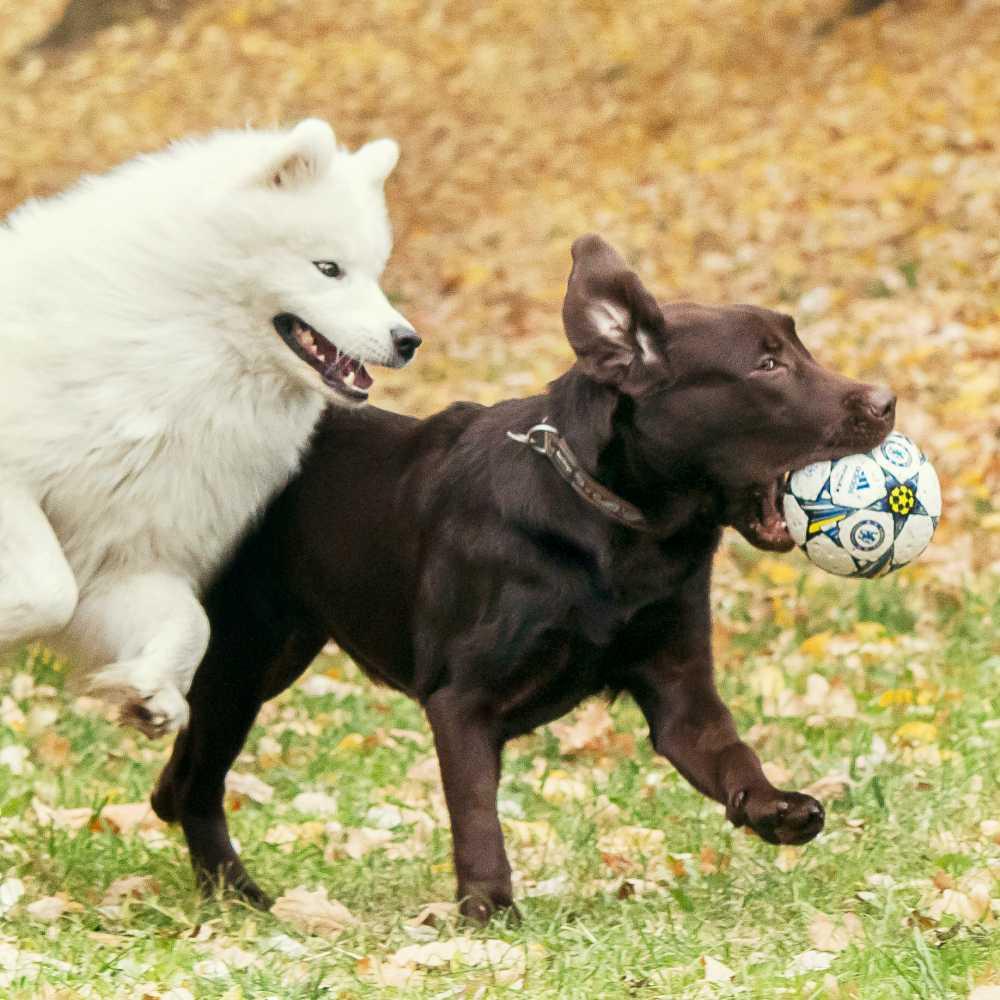
Your dog is a curious critter, and young dogs especially explore their environment through taste and smell. This is one of the ways they interact with other animals, and they may also lick objects during this exploration. For them, it's interesting to learn more about the other dogs who have recently been near their territory.
Puppies have been shown this behaviour from as long ago as when they were still nursing from their mother, who taught them how to decipher the world by licking and sniffing all of the puppies' urine. A dog licking another dog's urine is as natural to them as wagging their tail.

A male who has not been neutered is compulsively driven to breed and reproduce. If presented with a female in season, they can think about little else. The pheromones and oestrogen that they can detect in the urine send signals to the brain causing sexual arousal and they can even trigger increased testosterone production.
As owners, we may notice signs such as whining, shaking, panting, drooling, and hyperactivity. These dogs can seem crazed! They'll also have an urge to mount and hump dogs who are nearby, as well as to urinate in small amounts, to mark their own scent.
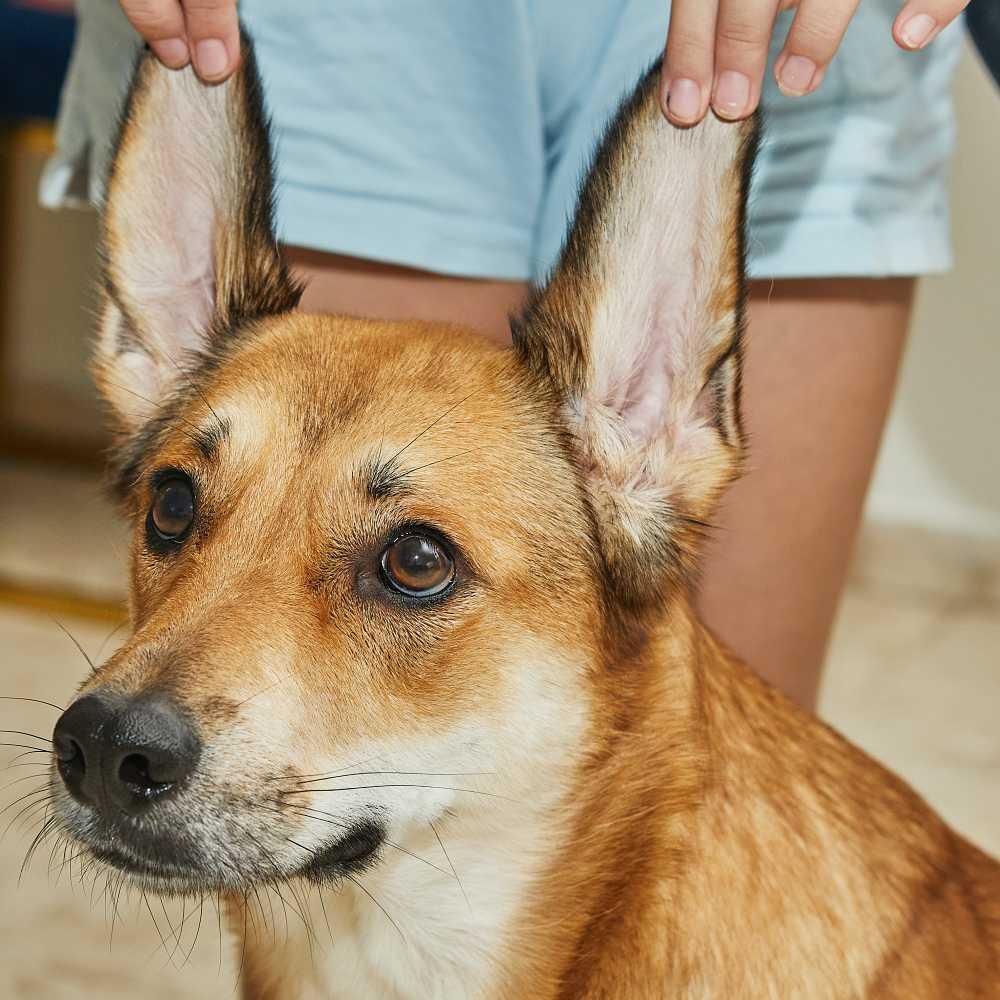
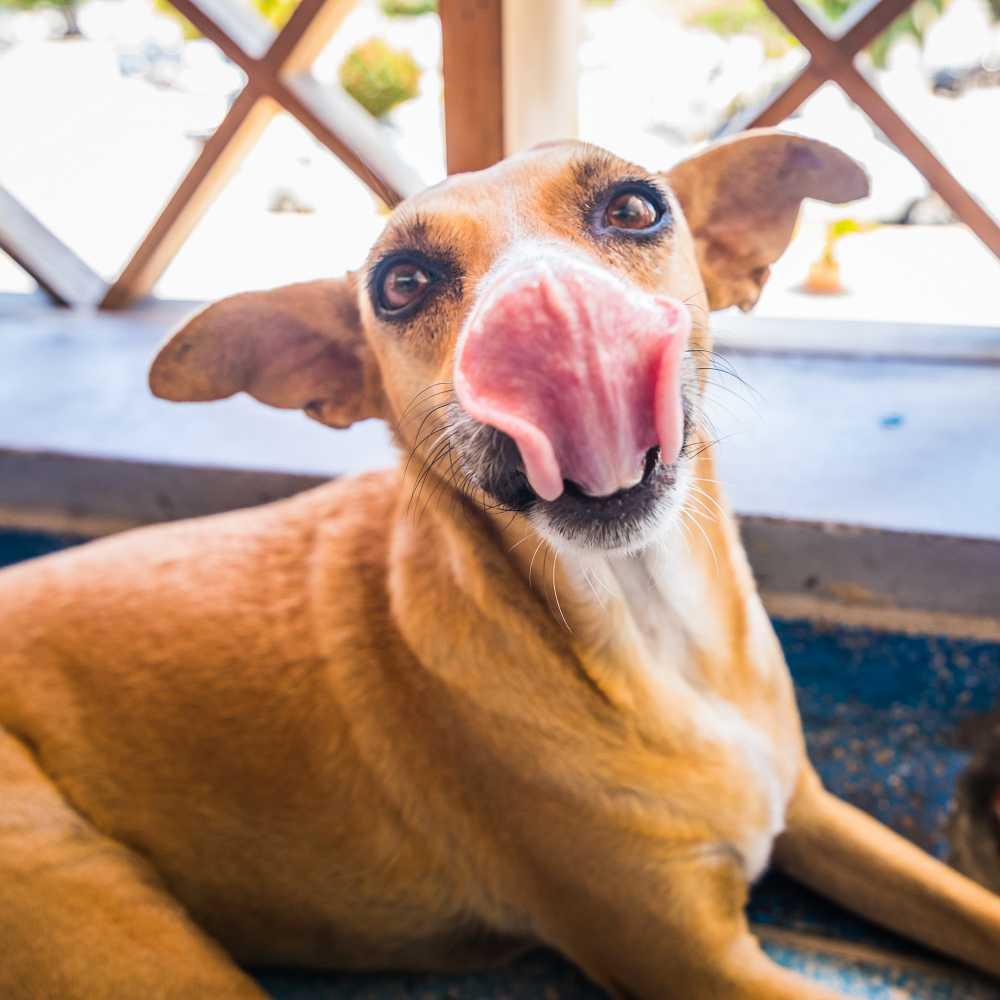
Not only adult dogs lick urine; it's also a behavior we see in puppies from a very young age.
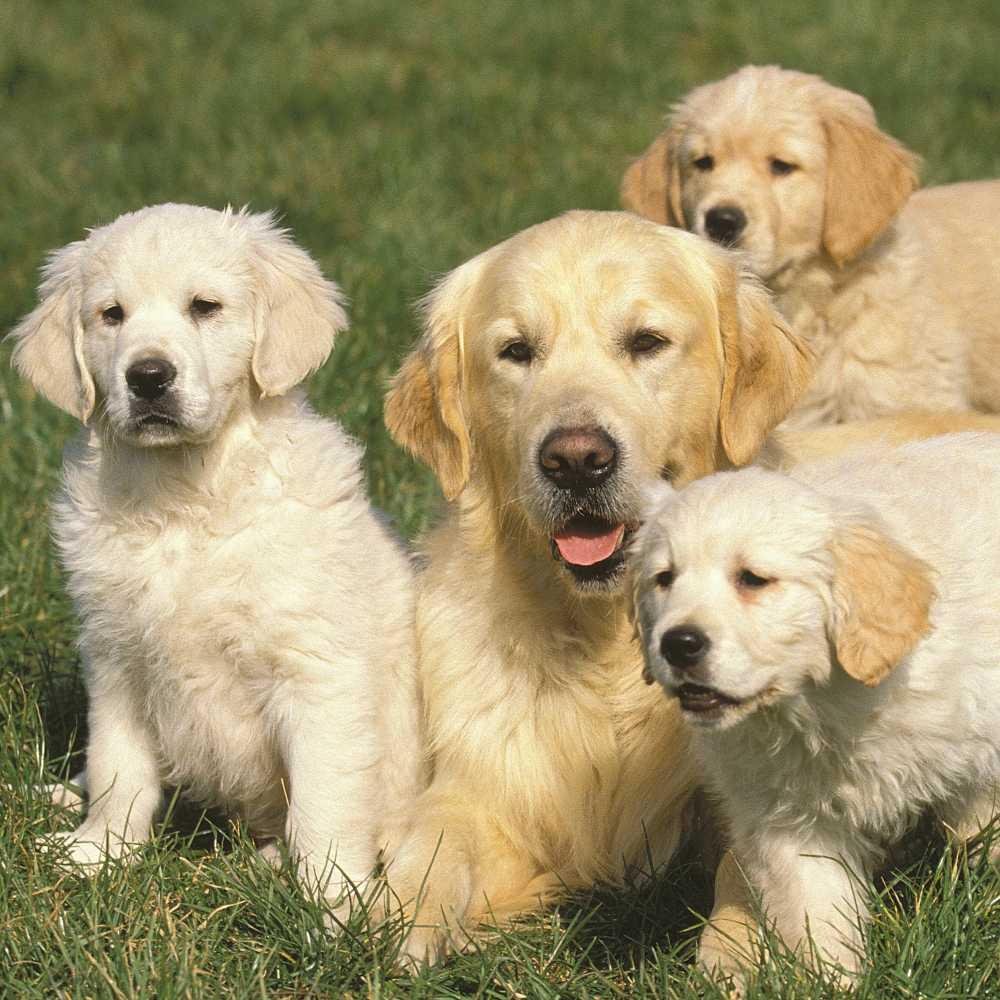
A puppy is constantly learning at a rapid rate, and the best way for them to determine how the world works is to explore it with every sense, including taste and smell. They gather lots of sensory information when they sniff or lick their mother's or siblings' urine.
While it may seem like an unconventional way to grow, puppies licking urine is an important milestone and one that isn't to be discouraged. As they learn to assess the chemicals they're exposed to, they gain a greater understanding of the doggy society around them.
There is no greater influence on a litter than their mother, who they look to for social cues and habits. As they witness her ingest the pee and poop that is being passed, they try to copy her.
Though the mother is only doing this to keep the environment clean, the pups will learn a lot along the way, realising how urine differs depending on who passed it, what they've been eating, their stress levels, and more.
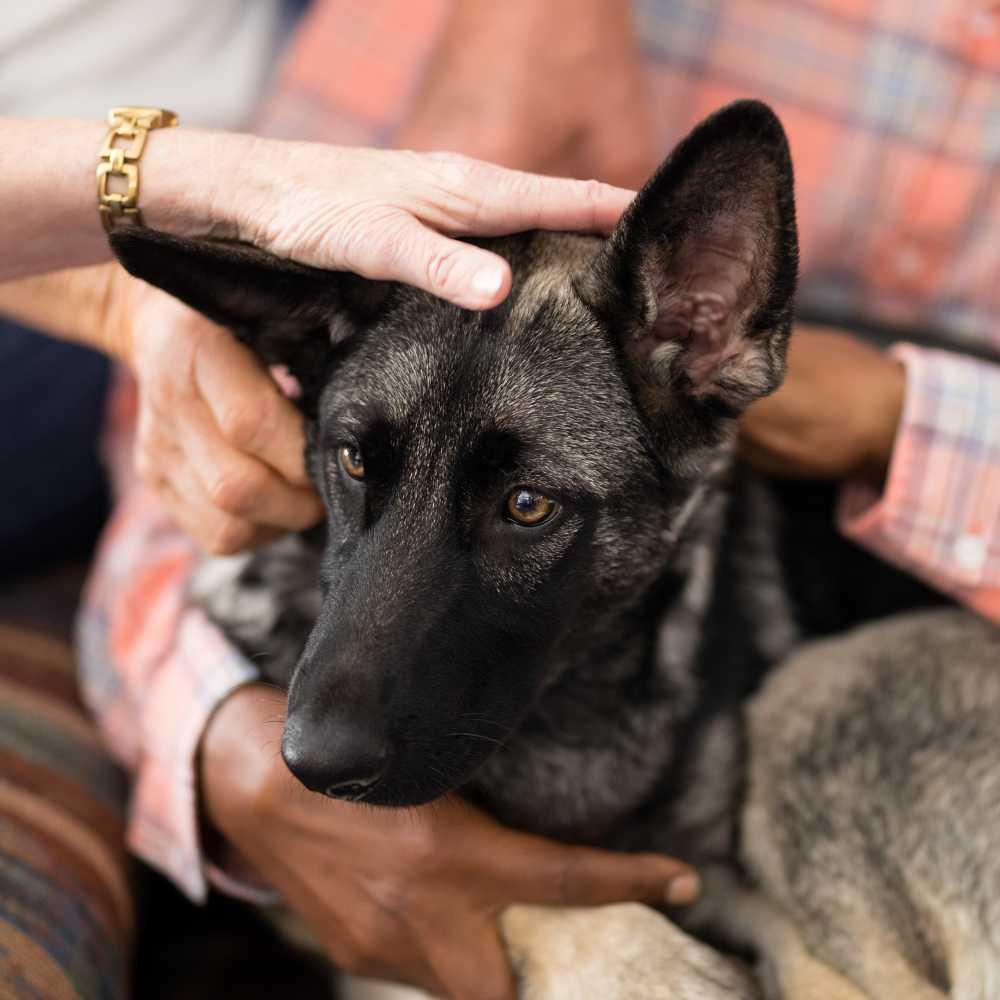
For many owners, the main thing they want to know is whether their dog is at risk from licking urine, whether it be their own or another dog's. Let's examine the potential consequences.
Though an uncommon issue, there is potential for certain medical issues to be passed from one dog to another via their urine.
For bacterial infections, a dog with a urinary tract infection (such as an E. coli infection) or an active leptospirosis infection can potentially spread disease, though the hope is that unwell dogs aren't being walked in public.
Leptospirosis is a bacterial disease that can also affect people, with the risk of infecting humans; it may start with flu like symptoms before progressing to liver failure or kidney failure. In practice, contaminated water is a more common source than catching it directly from urine.
Gastrointestinal viruses aren't spread through urine directly, but through contact with infected faeces or other secretions.
Some parasites can be picked up by licking another dog's genital area. A rare bladder parasite called Capillaria plica sheds parasite's eggs in urine, but infection usually happens indirectly when a dog eats an infected earthworm, not from urine contact alone.
You can greatly minimise the risk to your pooch by keeping them up to date with their vaccines and parasite prevention.

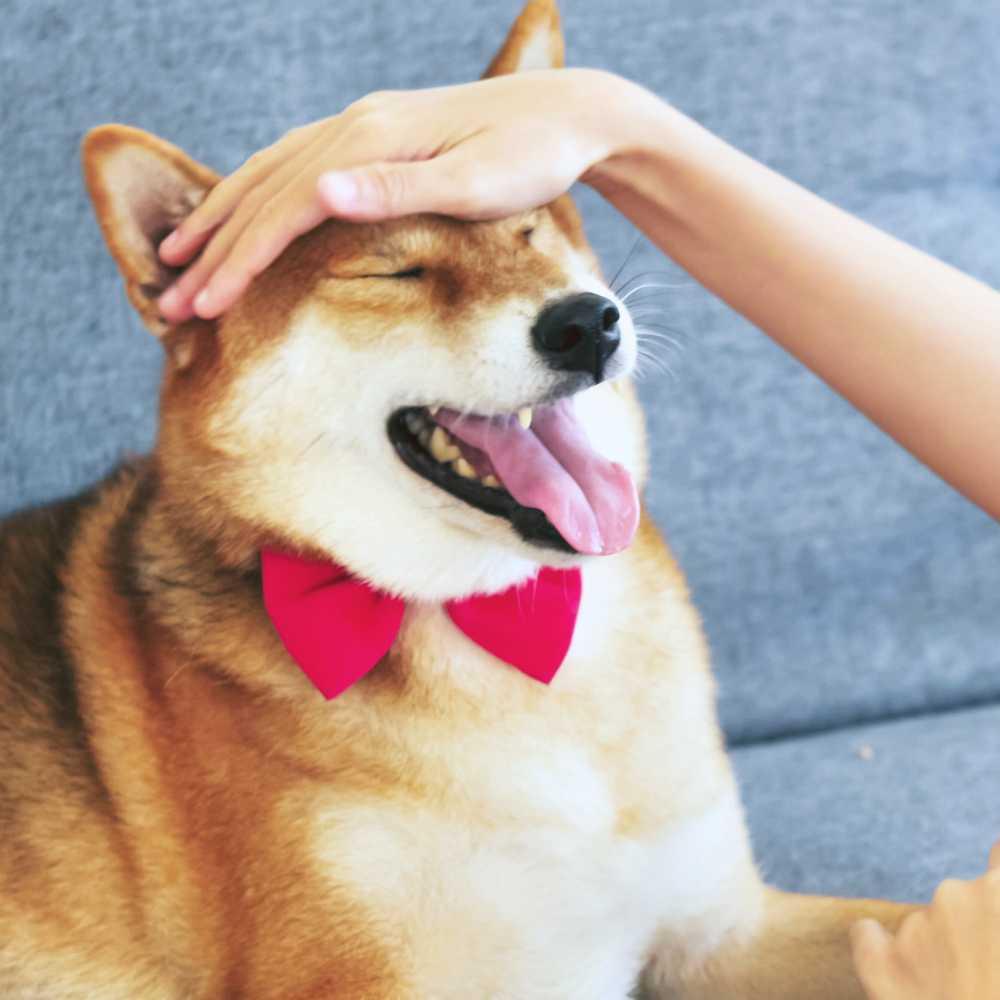
We are generally not going to be worried about this behaviour. A dog licking another dog's urine is normal and to be expected. Having said this, there are some situations where we'd want to contact a vet, such as if your dog starts showing signs of being unwell after urine exposure. This may include fever, jaundice, lethargy, increased thirst, or urinating within the home. These signs warrant an urgent vet visit.
If your dog seems obsessed with other dogs' urine, there could be a few things going on. If they're not neutered, you're likely dealing with exposure to the opposite sex, and there will be hormones flying! If your dog is neutered but seems obsessed by other dogs' urine, it could be that they've developed an unhealthy obsession or compulsive disorder.
For these dogs, we generally see success by providing lots of mental and physical enrichment. It's also wise to avoid high-traffic urine spots, and if the licking continues, take a break from the dog park until their behaviour starts to improve.
It is instinctive for a male to lick a female's urine, and this is not something we'll be able to stop (nor should we try). Though any male will do this, those who have not been neutered are going to have a much greater interest in female urine and in their privates (vulva).
A pheromone is a chemical signal from one dog to another and is one of nature's ways of getting dogs interested in each other, in order for them to reproduce. Exposure to pheromones within urine can have a range of effects on a male, including sexual arousal, momentarily forgetting their training, and even leading to aggressive behaviour among males.
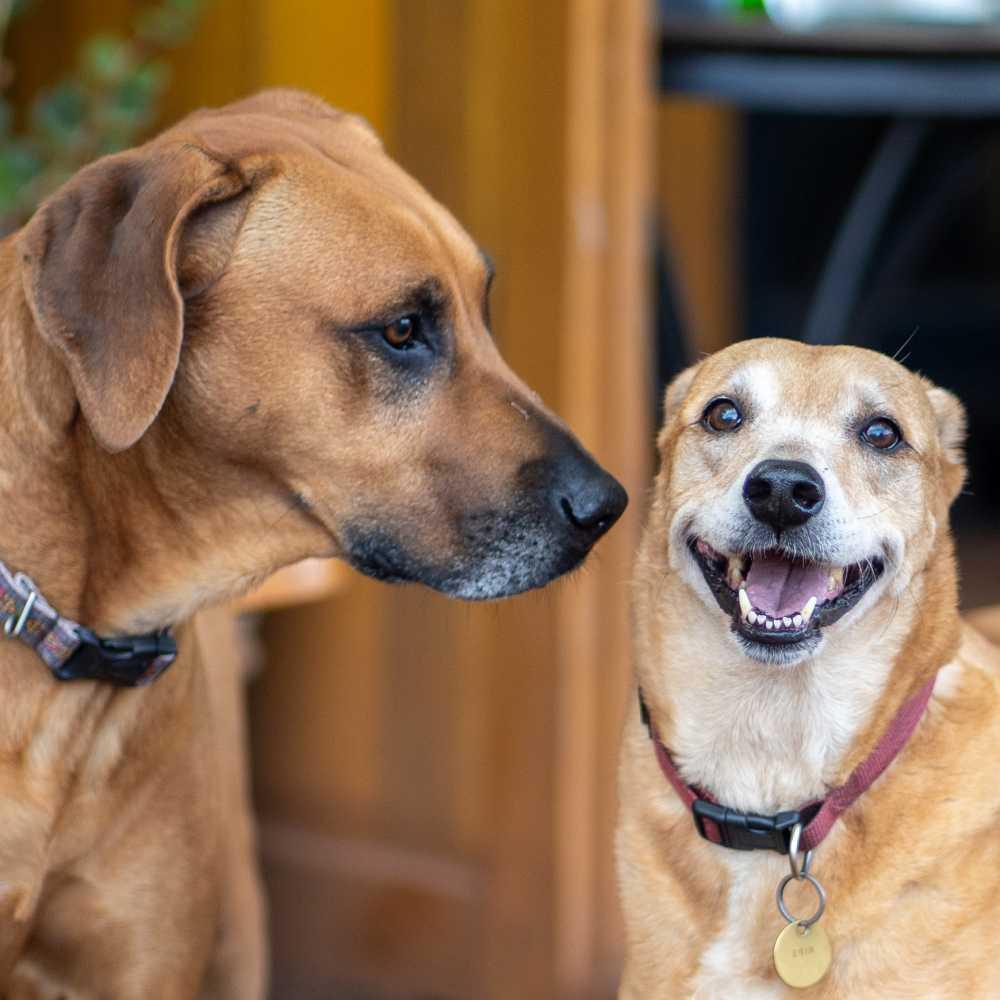
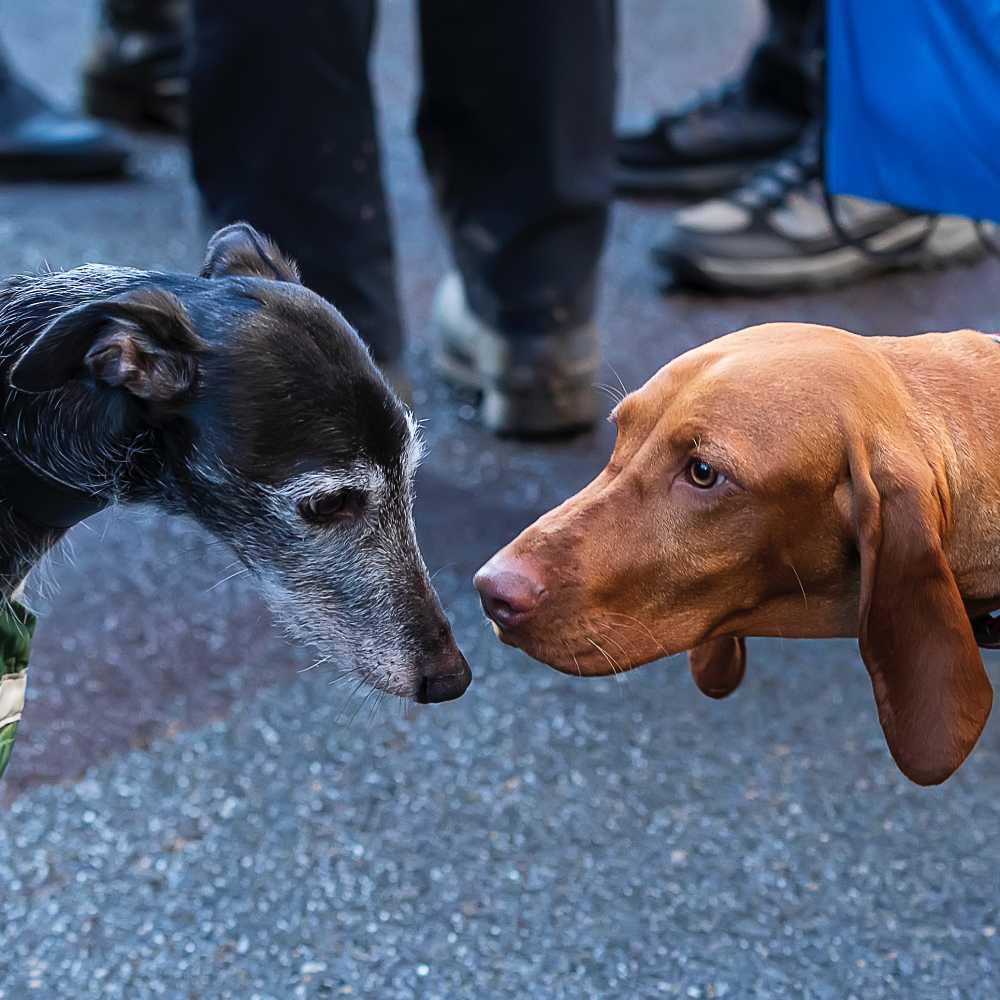
Dogs will follow pheromones great distances to locate females to mate with. The natural chemicals increase the dog's desire for the female and encourage them to find her, show attention to her private parts, mount her and mate.
It is the vomeronasal organ, also called Jacobson's organ, within the nasal passages and nasal septum, that detects the pheromones sniffed or licked from urine, helping dogs get a better whiff. After exposure, some dogs will curl their lip (the Flehmen response) to maximise their detection abilities when there aren't many pheromones present.
An adult dog who licks their own urine is somewhat less 'normal', and this isn't something every dog will do. Still, licking their own urine from time to time is nothing to get worked up about. As an owner, it's wise to keep an eye on things, and to consider a vet or behaviorist visit if the behaviour continues or worsens.
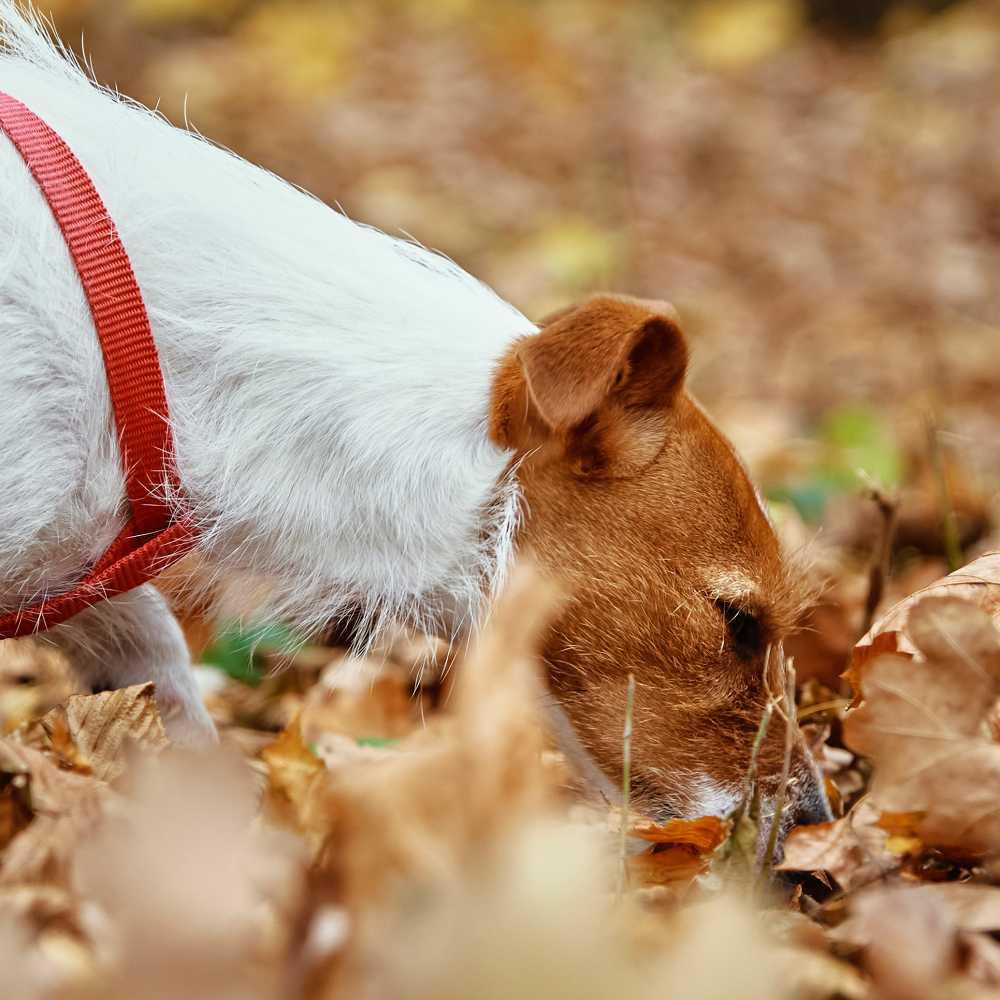
If a dog senses there is something different about their urine, this will be intriguing to them. Urine that is more concentrated than usual, that contains blood, sugar, bacteria, or protein, or that has a new smell, may be something that they want to sniff or lick, in order to learn more about it. UTIs in particular can increase thirst and change the smell of urine, which can lead dogs to investigate their own pee more than usual.
If there is a medical issue, you may notice other symptoms such as excessive drinking, passing urine more often, urinary incontinence, or lethargy. These warrant a vet check.
Some dogs have been conditioned to ingest their urine, for example those who aren't well toilet trained or who don't get enough chances to toilet outside, and who are told off for making a mess. These dogs may clean up their toileting accidents themselves because they're worried they'll be in trouble.
We also see very young dogs who ingest their own urine and stool because this is something they've seen their mother do, and it can become a habit. This is usually resolved when owners are able to toilet train adequately and be the ones cleaning up any indoor messes before their pup has a chance.
Hopefully by now you've learned that it's entirely normal for your dog to lick other dog's pee and that this isn't a behaviour that needs correcting. However, if it's happening very frequently, or there are times when you'd rather it wasn't, there are things you can do to help reduce it.
With anything a dog does, there is training that can help alter their habits and redirect them, which can help stop dogs from rehearsing the habit. For urine licking, it works to teach an approved training method, and owners should practice cues such as 'Leave it!' in a controlled environment before using them on walks.
Say 'Leave it!' as they show interest in the urine, then simply lead them away by using their lead. When they listen and come away, reward them with positive words and tasty treats. If your dog keeps showing interest, you may need a tastier treat! Done consistently, your dog should soon realise it's in their favour to ignore the urine.
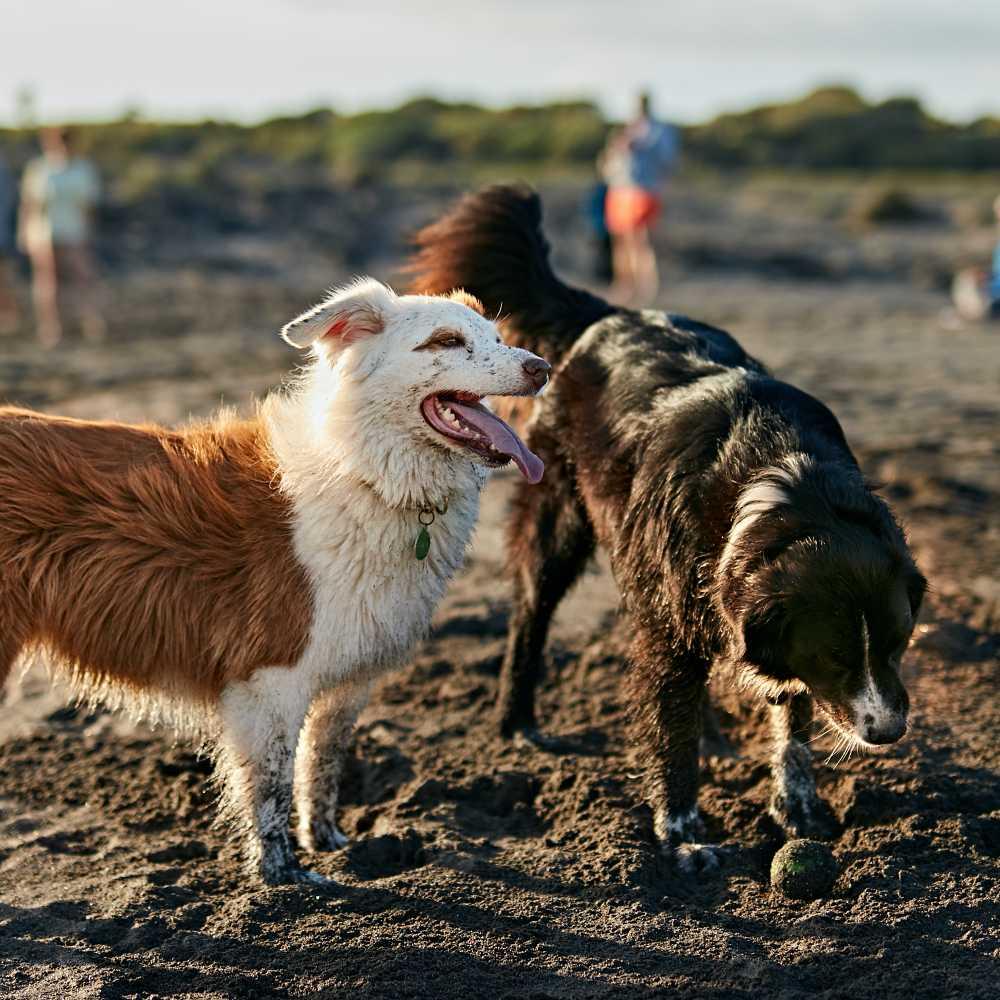
Most dogs are easily distracted, and this is something we can use to our advantage by watching your dog closely during walks or while they're playing outdoors. If there is a puddle of urine you'd rather your dog ignores, you can distract them by e.g. throwing a ball in another direction, or calling them to you for a quick training session. You can also invite familiar, healthy dogs for supervised play instead of exposing them to unknown dogs while working on this habit. The aim is to distract your dog to the point where they've forgotten about the urine, and then move on with the walk.
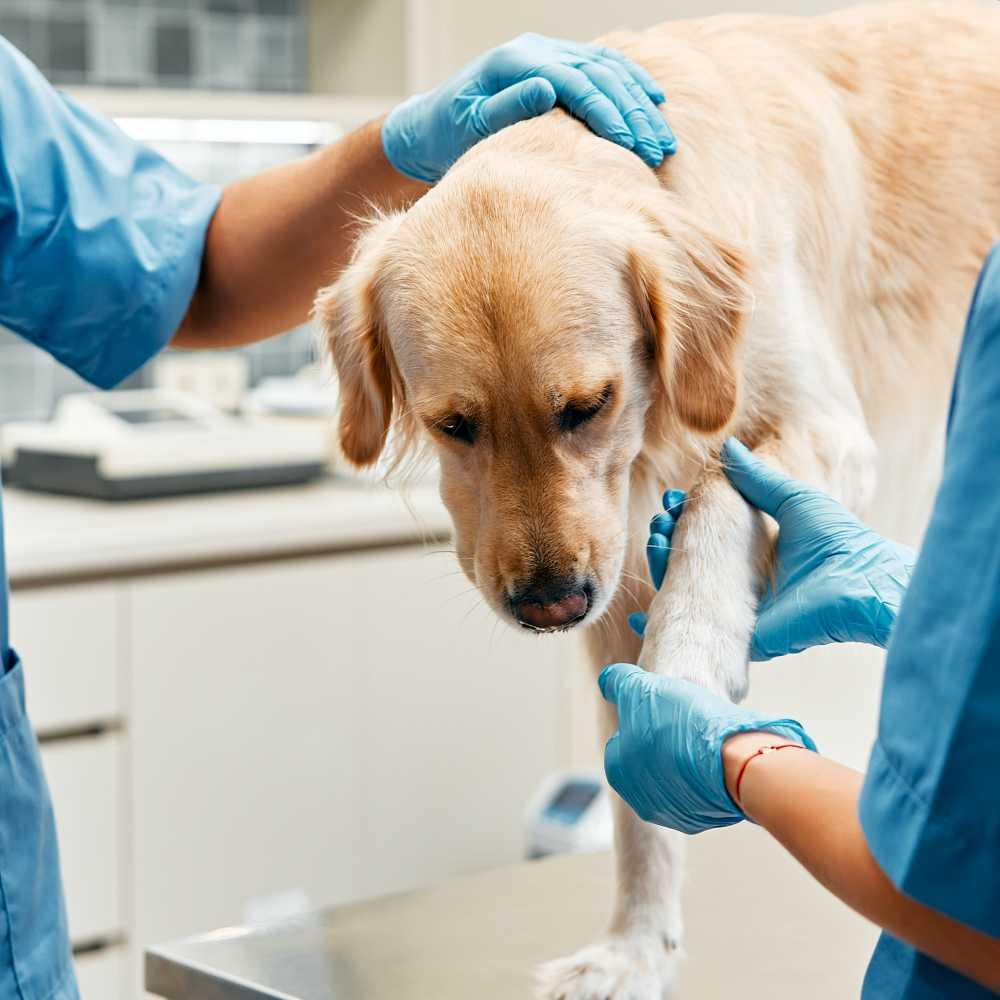
If you've got any concerns for your dog's health, do not hesitate to contact a vet. This may be the case if they're suddenly showing much more interest than before in their own urine or that of other dogs. Similarly, a check-up is a good idea if your dog develops additional symptoms such as a change in thirst or appetite, smelly urine, genital discharge, or fatigue.
For the most part, yes. It's normal, instinctive behavior, and stopping every sniff and lick would rob your dog of one of their key ways of reading the world. That said, monitor your dog closely and steer them away from urine that looks fresh from an unfamiliar or clearly unwell dog, and don't let the habit tip into obsession.
Dogs lick pee for a wide range of different reasons, most of which are entirely benign and can actually enrich their life and their relationships with other dogs. For the vast majority of dogs, it is a non-problematic behaviour that needs no type of intervention.
For a small number of dogs, you may need to consult with your vet or to contact a canine behaviourist. This is the case if they become obsessive over urine licking, or if they start to develop medical symptoms alongside the urine licking.
Keep an eye on your dog when you're out. A few sniffs and licks of another dog's urine isn't a major issue, but try to distract them if they're doing it often or becoming obsessive. And if your dog is unwell with something that can be passed to other dogs, don't walk them in areas where they could make other dogs unwell through urine exposure — wait until they're better first.
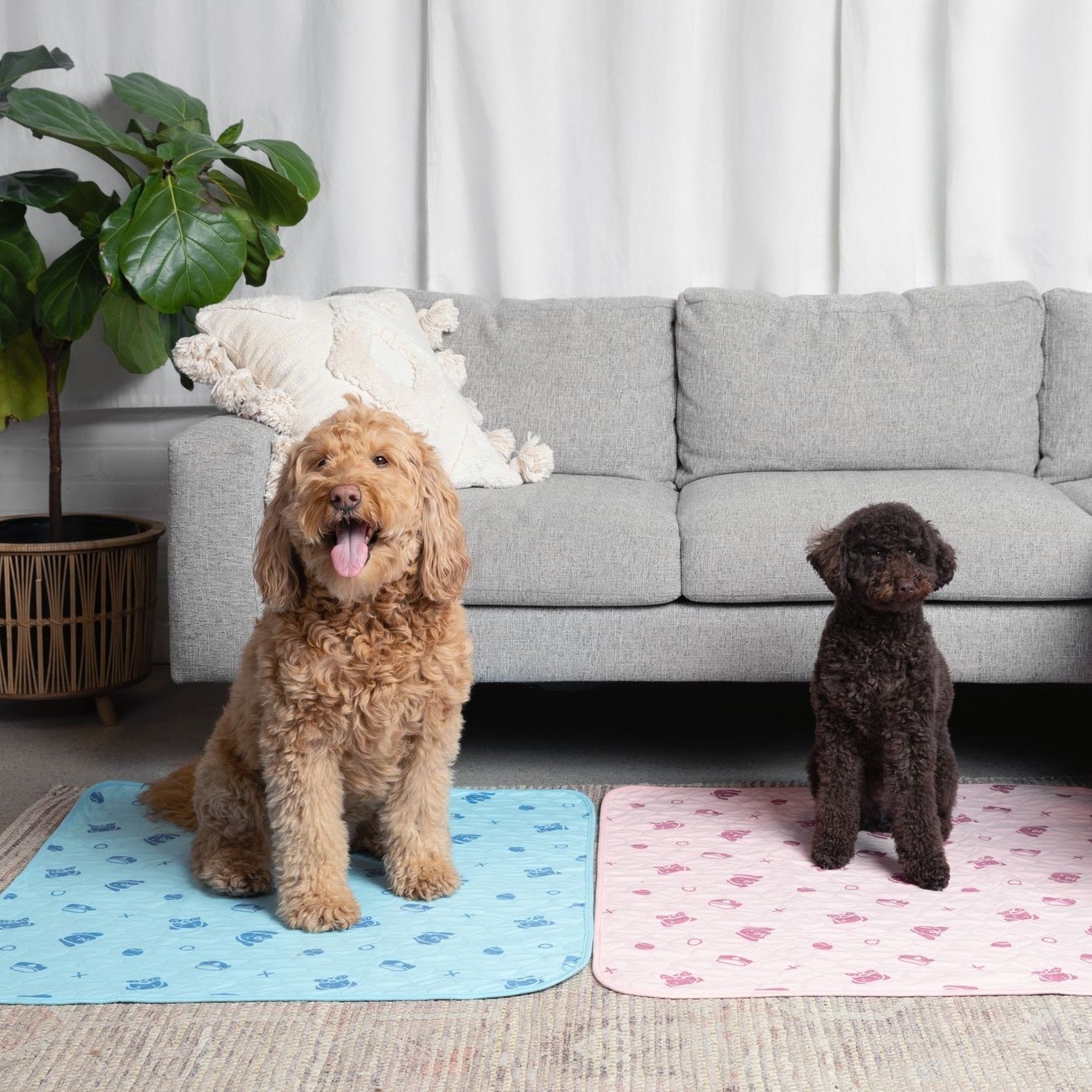
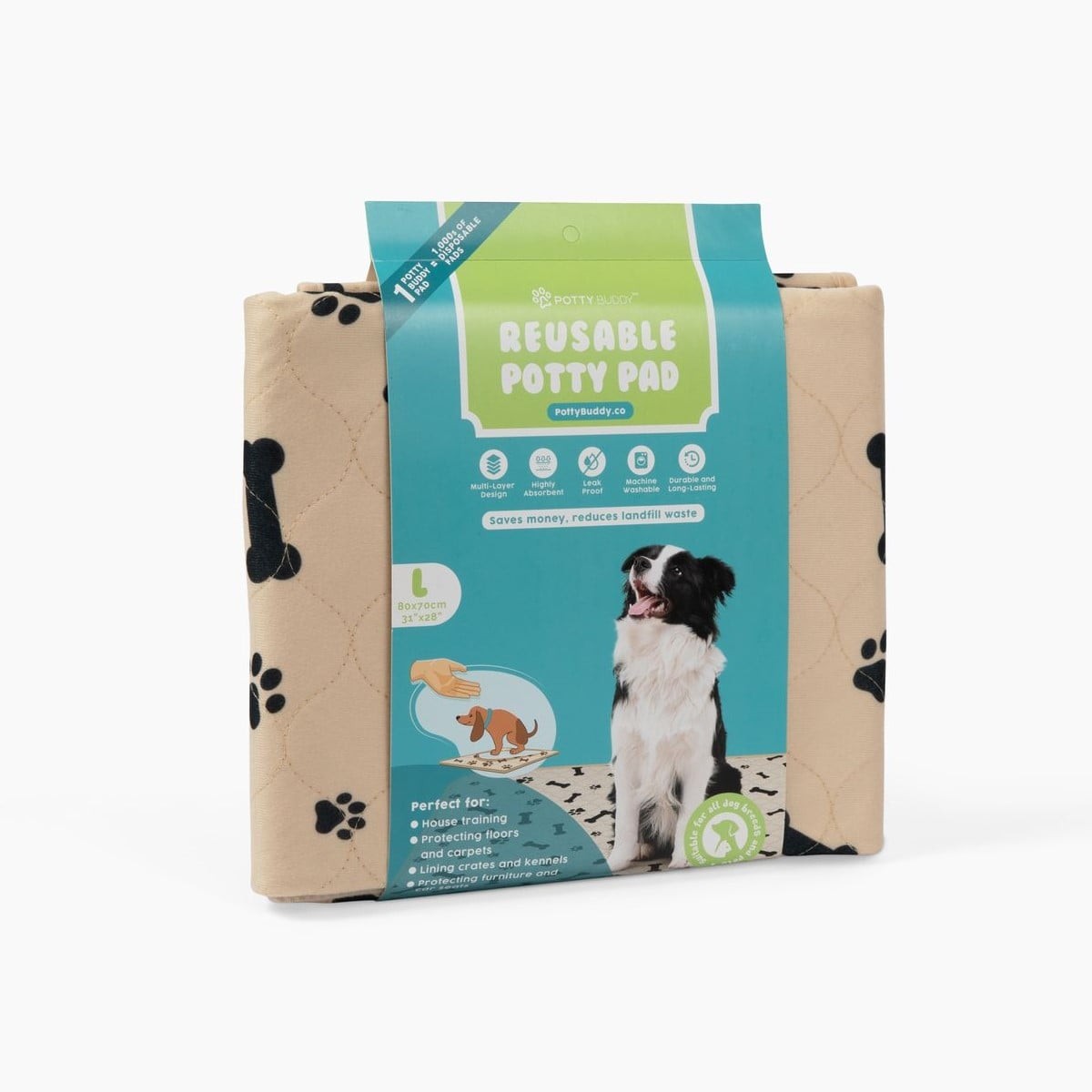
See How Dog Owners Are Using These Leak-Free Potty Pads to Keep Their Homes Clean and Pups Happy
4.7 ⭐⭐⭐⭐⭐
Over 100,000 Dog Owners Saved Money With Potty Buddy™
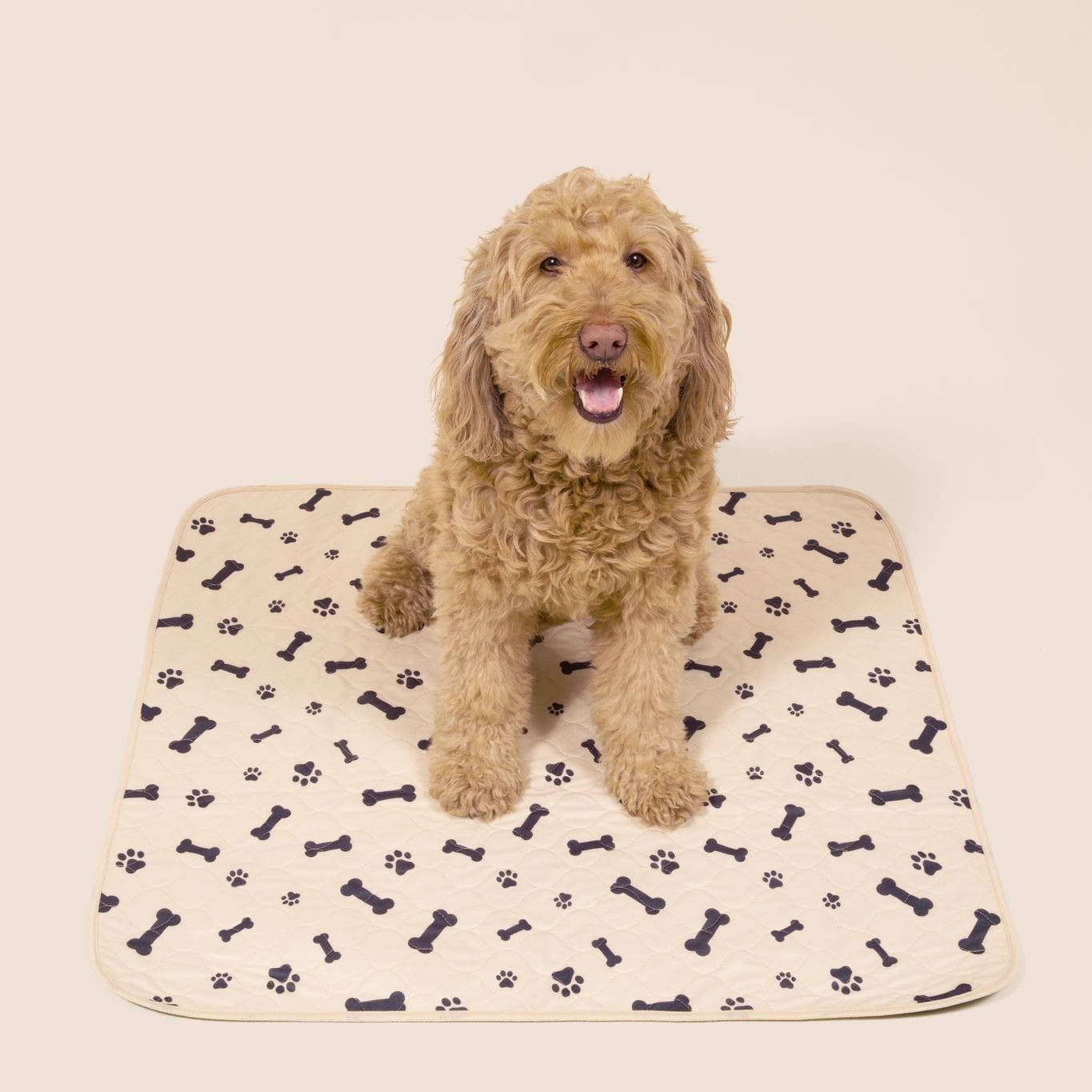
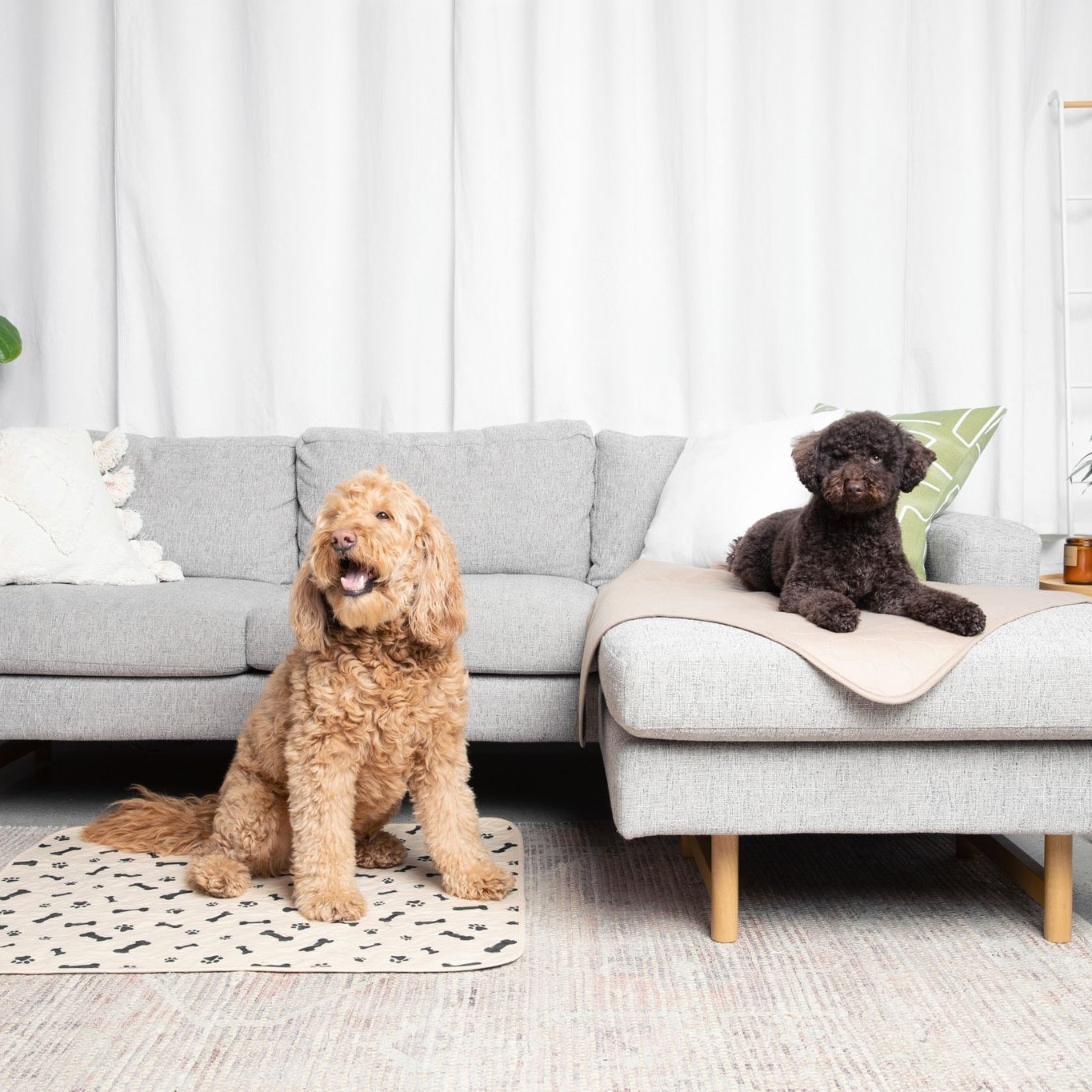
The washable pee pads that absorb anything your dog throws at them, while keeping your floors and furniture stain-free.
✅ Super Absorbent and Leak-Proof
✅ Great for Potty Training
✅ Ideal for Puppies and Older Dogs
✅ Washable and Reusable For Years
✅ Save over $400/year by not buying disposables
-60 Day Money Back Guarantee-
⭐⭐⭐⭐⭐
-Diana D.
These pads are a life saver for my kitchen floor and bedroom carpet! Just ordered 2 more!
Follow Us On
Check Out Our Most Popular Content