Your Cart is Empty


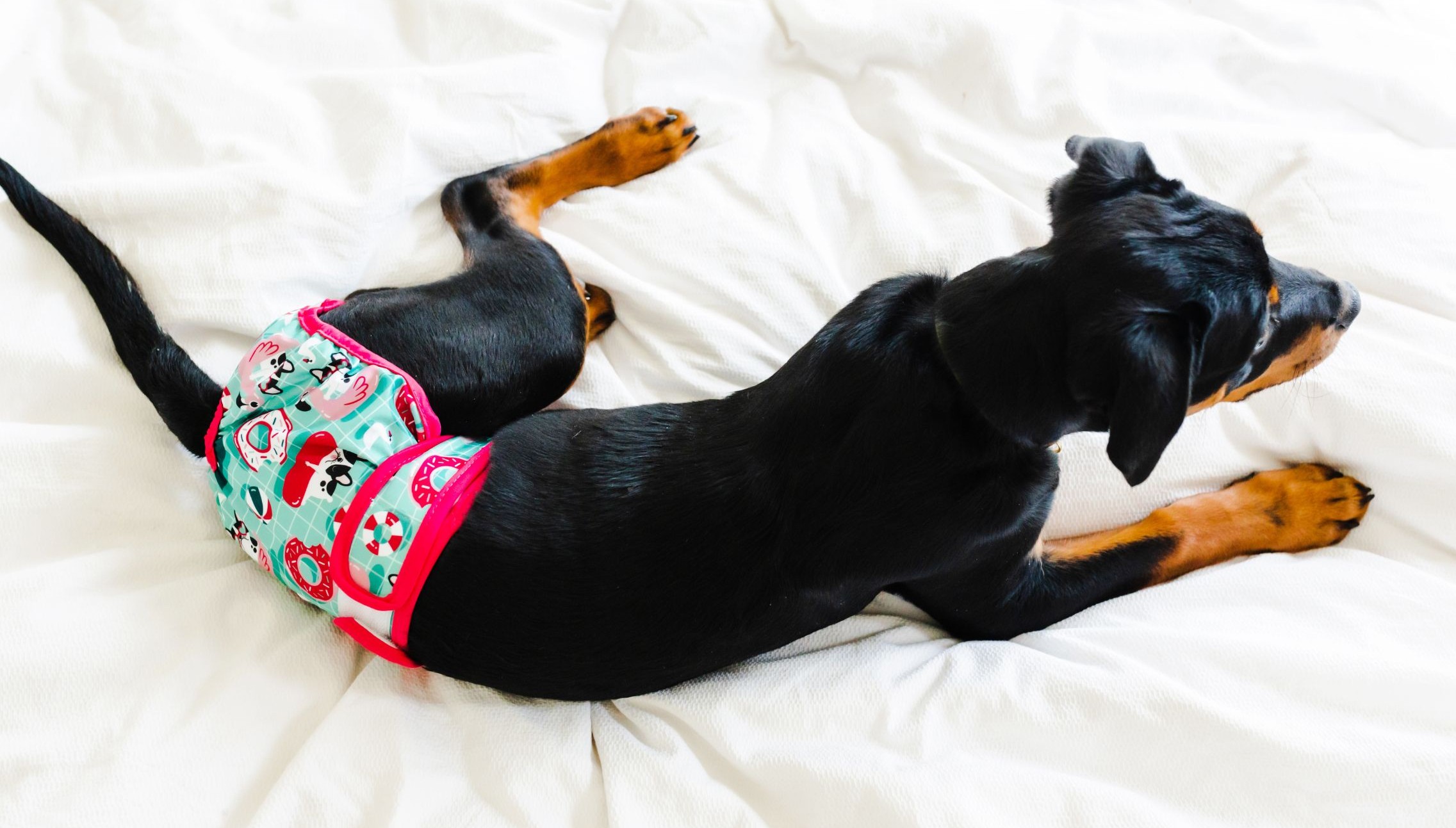
Most dogs shouldn’t stay in a diaper for more than 2–4 hours without a change, especially if it’s wet or soiled. Overnight, aim for a fresh diaper at bedtime and a change first thing in the morning, and check once during the night for heavy incontinence cases.
Dog diapers have become one of pet parents’ favorite ways to help keep unwanted messes and accidents to a minimum. Whether you have a new puppy going through potty training, or you have a sick or senior dog dealing with incontinence or behavioral accidents. No matter the reason, dog diapers can offer a little helping hand in the toilet department.
Using dog diapers can make life easier for pet owners by reducing stress and mess, especially during potty training, managing accidents, or coping with medical issues.
Want to know more about how and why dog diapers are used? Not sure how long a dog should wear a diaper for? Don’t sweat it!
Potty Buddy™ is on hand to help, and we are going to take you through the need-to-knows about the wonder of washable dog diapers.
1. Is it safe for dogs to wear diapers?
2. The dangers of doggie diapers
3. How long can you leave a dog diaper on?
4. Can a dog wear a diaper overnight?
5. Should dogs in heat wear diapers?
6. Can dogs poop in doggie diapers?
7. How often should you change your dog's diaper?
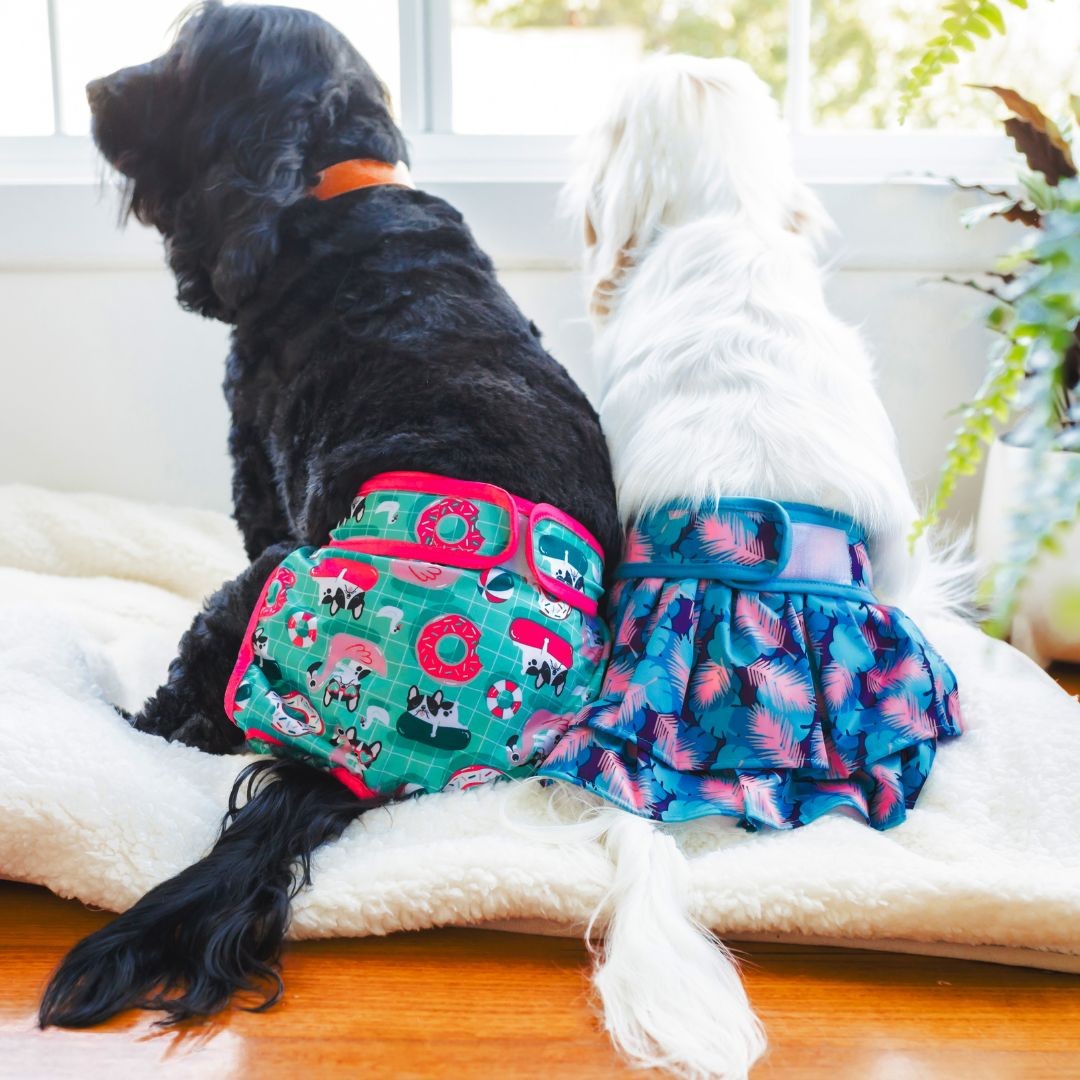
Using diapers for dogs can be safe and helpful in certain situations. It is essential to keep the area under the diaper clean and dry to prevent yeast or bacterial growth.
For example dog diapers are commonly used in the following situations:
Puppies in house training
Senior dogs with incontinence issues
Female dogs in heat
Dogs experiencing behavioral problems linked to urination
Poorly, elderly or differently-abled pups needing some extra potty support
Dogs with health conditions or medical conditions affecting bladder control
Dog diapers are often used to manage incontinence and support dogs with health conditions, including issues related to the bladder. Dogs can wear diapers overnight when medically or biologically necessary, such as for managing incontinence or recovery from surgery.
However, it’s important to choose the right size and type of diaper to prevent discomfort, skin irritation, or chafing. You will also need to regularly check the diaper’s fit and whether it needs a freshen up, to ensure your dog’s comfort and wellbeing. Barrier creams may be applied to protect the dog’s skin from moisture, but only vet-approved creams should be used due to potential toxicity of some ingredients. Always consult a veterinarian before using any products or if you have concerns about underlying medical conditions.

Veterinarian’s Comment:
“Dog diapers can be a genuinely useful tool when they’re used correctly, but correct use is the key phrase. The skin under a diaper is warm, moist, and largely out of sight, which makes it vulnerable to bacterial and yeast overgrowth if the diaper isn’t changed frequently enough.
I’d always encourage owners to treat diaper changes as a non-negotiable part of the routine, not something to stretch out for convenience. Check the diaper every two to three hours as a minimum, and clean the surrounding skin thoroughly at every change.“
While dog diapers can be beneficial, there are potential risks to consider. For instance, if a diaper is not changed promptly, prolonged exposure to urine can cause skin irritation, infections, or urinary tract issues due to trapped moisture.
Urine scald occurs when trapped urine breaks down into ammonia, causing painful chemical burns and severe contact dermatitis.
Ill-fitting diapers may also cause chafing or discomfort, and some dogs may develop allergies to the materials used in the diaper.
Additionally, dogs might try to remove the diaper, potentially ingesting it and causing a choking hazard. So it’s important to monitor your dog at all times, when they are wearing a diaper. Watch for warning signs such as foul-smelling urine, lethargy, or excessive licking, and consult your vet if these occur.
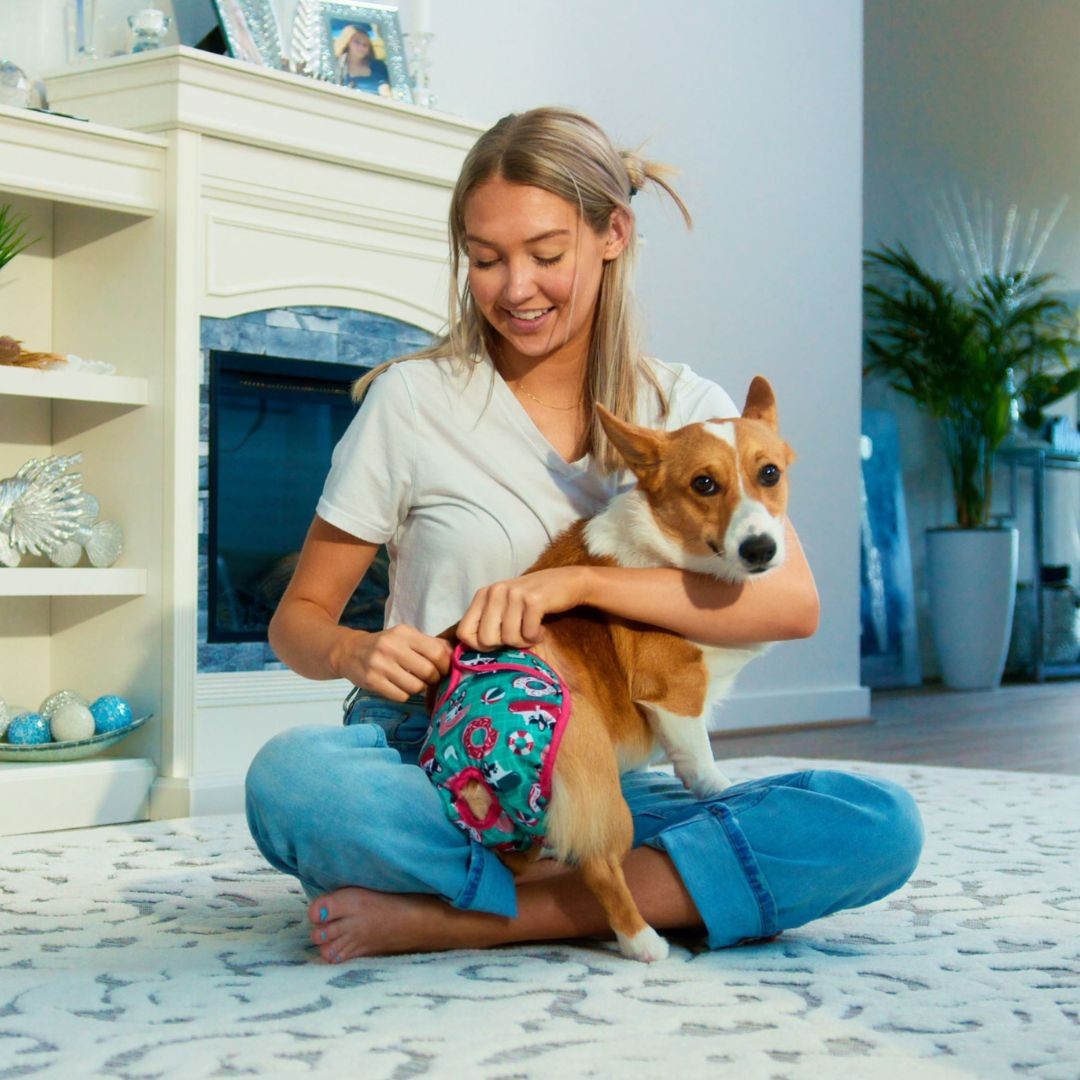
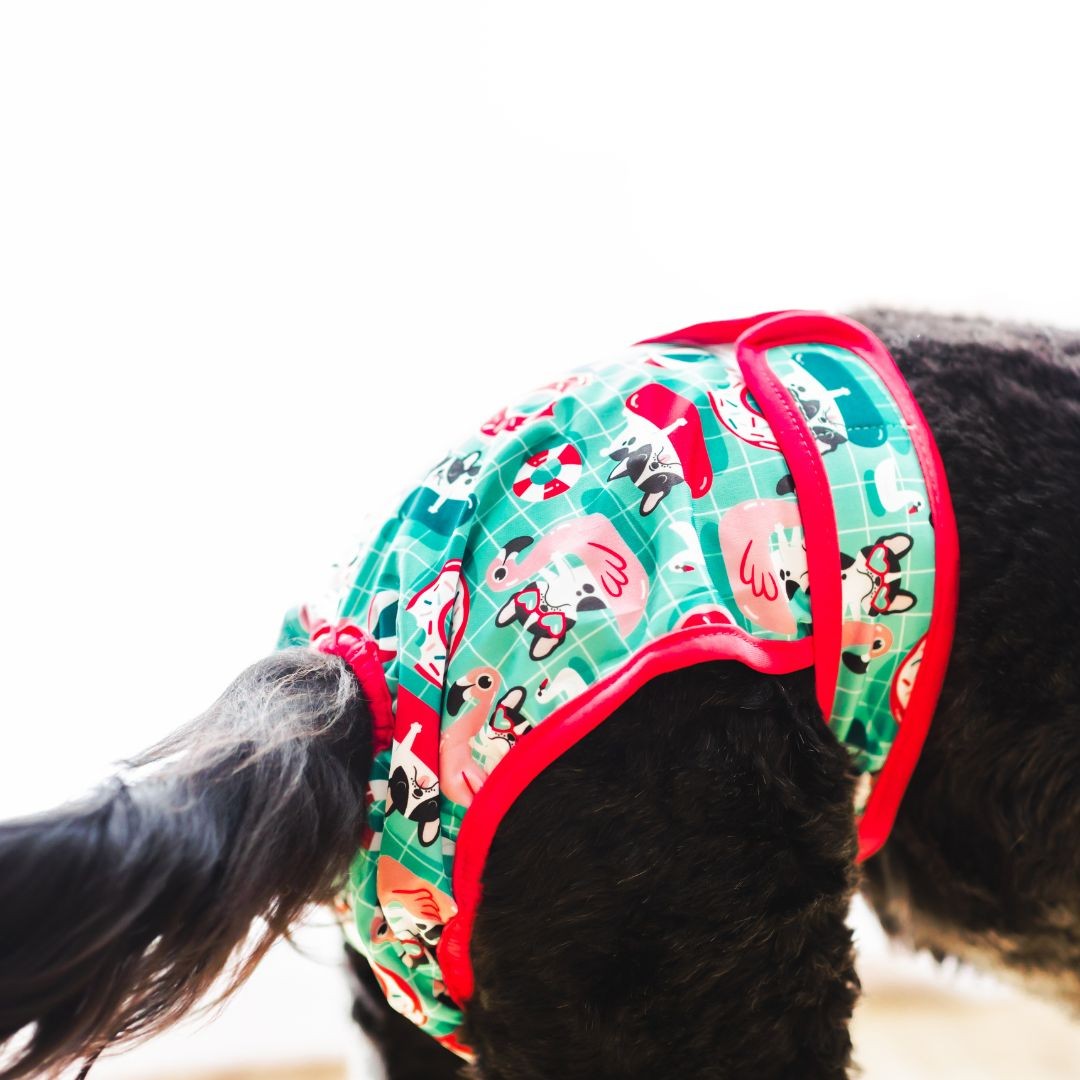
You should not leave a dog diaper on for more than a few hours at a time. Allow the dog diaper-free breaks to let the skin breathe when possible.
Regularly check the diaper to ensure it’s clean and dry. Prolonged use can lead to skin irritation and urinary tract infections.
Change the diaper promptly after your dog goes potty, especially after your dog passes feces, to maintain hygiene and prevent infections. Before putting on a new diaper, always clean your dog's genital area and hindquarters thoroughly using pet-safe, unscented, pH-balanced wipes or a damp cloth - never use human baby wipes. This helps prevent infections and odors. If you use reusable dog diapers, cloth options are washable, eco-friendly, and require regular laundering to maintain absorbency and cleanliness.
Yes, dogs can wear diapers overnight, but it’s essential to follow certain steps:
Choose a high-absorbency and breathable diaper specifically designed for dogs and extended wear
Ensure it fits comfortably
Change the diaper before bedtime
Promptly replace it if it becomes soiled during the night to prevent skin irritation or infections.
High-quality or overnight-specific diapers can handle more fluid but still need to be checked regularly for wetness. Make sure your dog’s bed or sleeping area is kept clean and dry to prevent infections and sores. Using overnight dog diapers also helps keep your home clean by preventing leaks and messes.
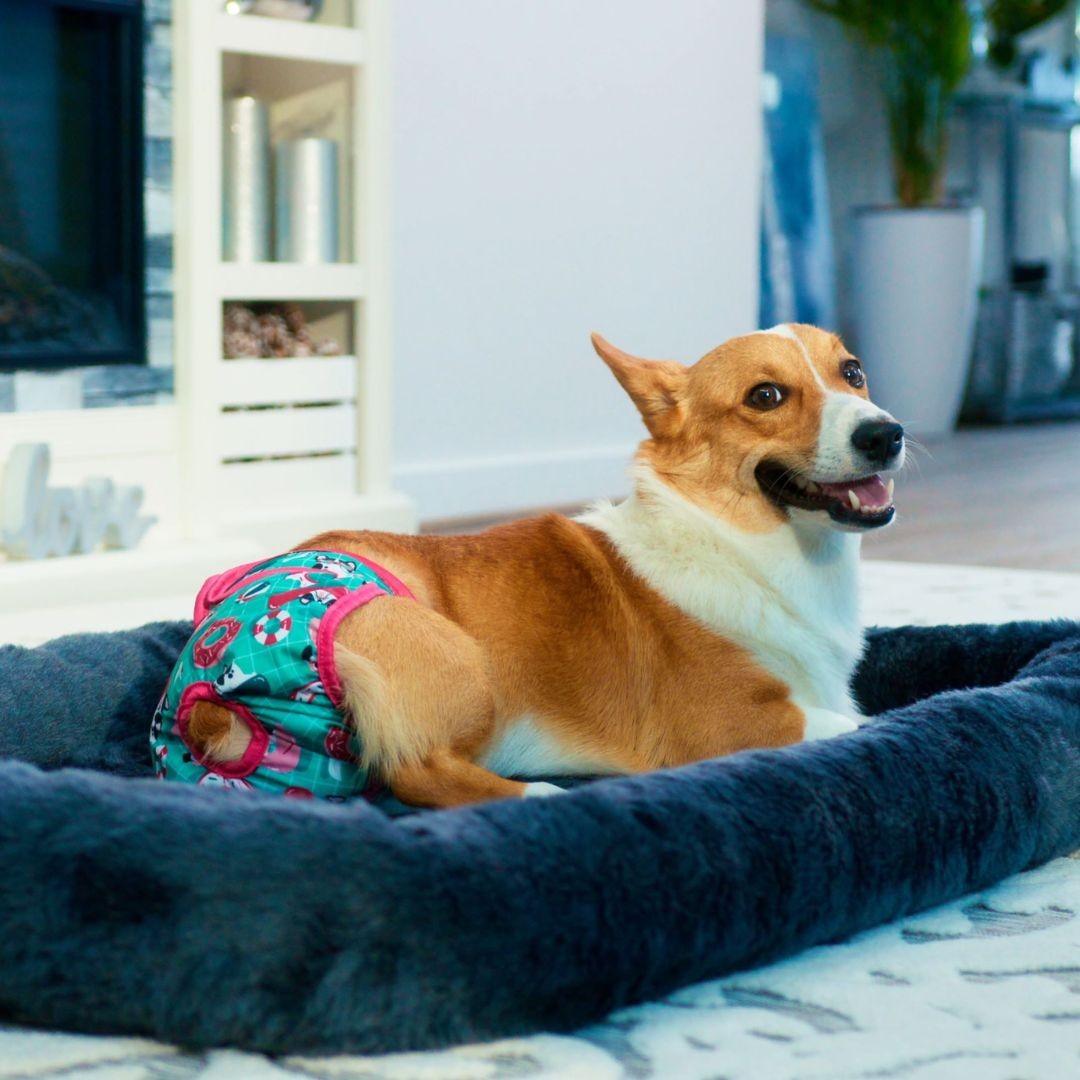
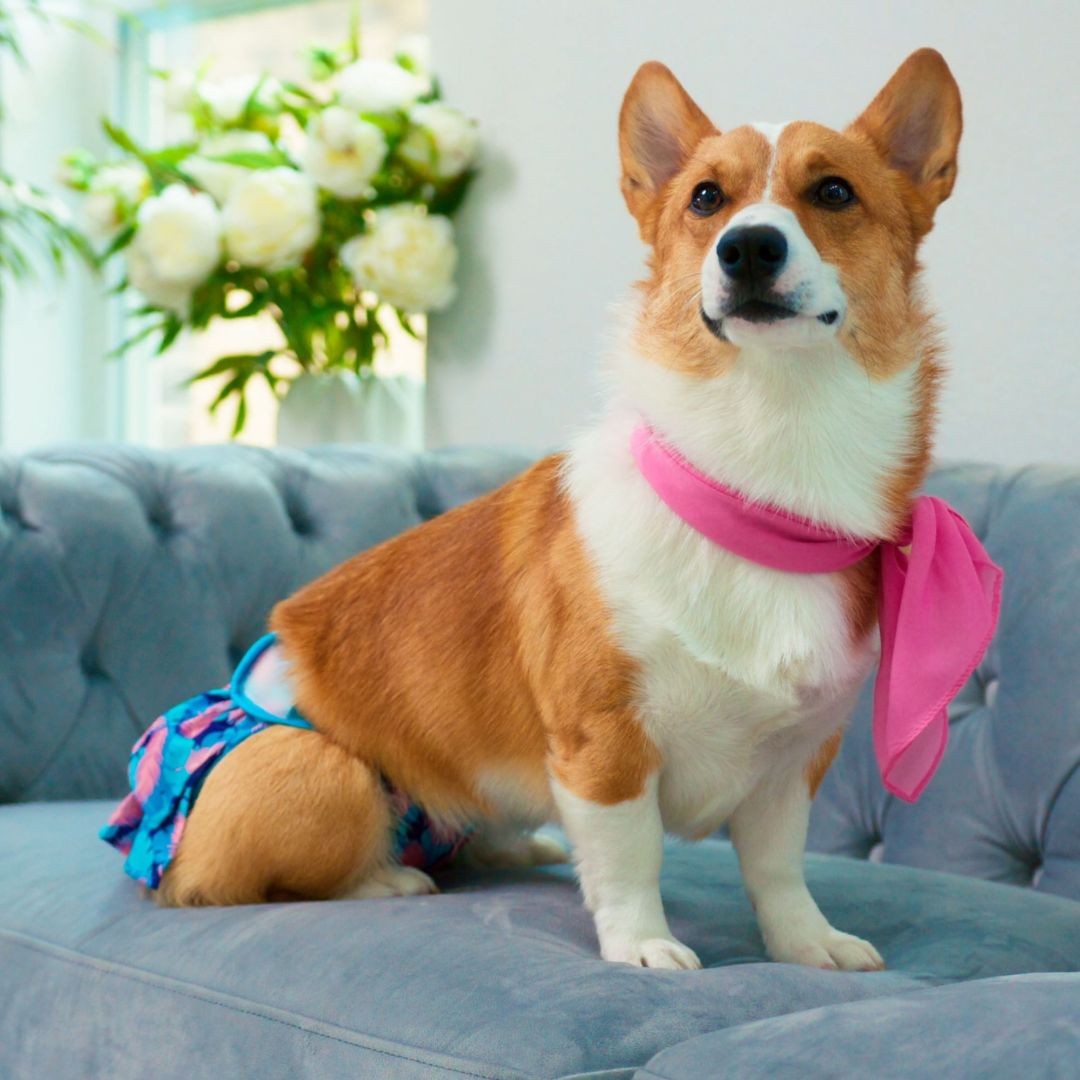
Dogs in heat can benefit from wearing diapers designed specifically for female dogs in heat, which help manage discharge and prevent messes. These diapers contain discharge and prevent excessive licking, helping to keep both the dog and the home clean. Diapers can help keep a female dog clean during her heat cycle by containing blood and preventing licking.
Diapers designed for dogs in heat also offer extra comfort and prevent the staining of furniture and floors. For male dogs, belly bands are designed to absorb urine and prevent marking.
For more detailed information on Diapers For Dogs In Heat - Do They Work?, check out this article.
Yes, dogs can poop in doggie diapers. However, it's important to choose a diaper with a secure fit to prevent leaks and messes.
Be prepared to promptly remove and clean the diaper after your dog poops, as this will help to avoid discomfort and hygiene issues.
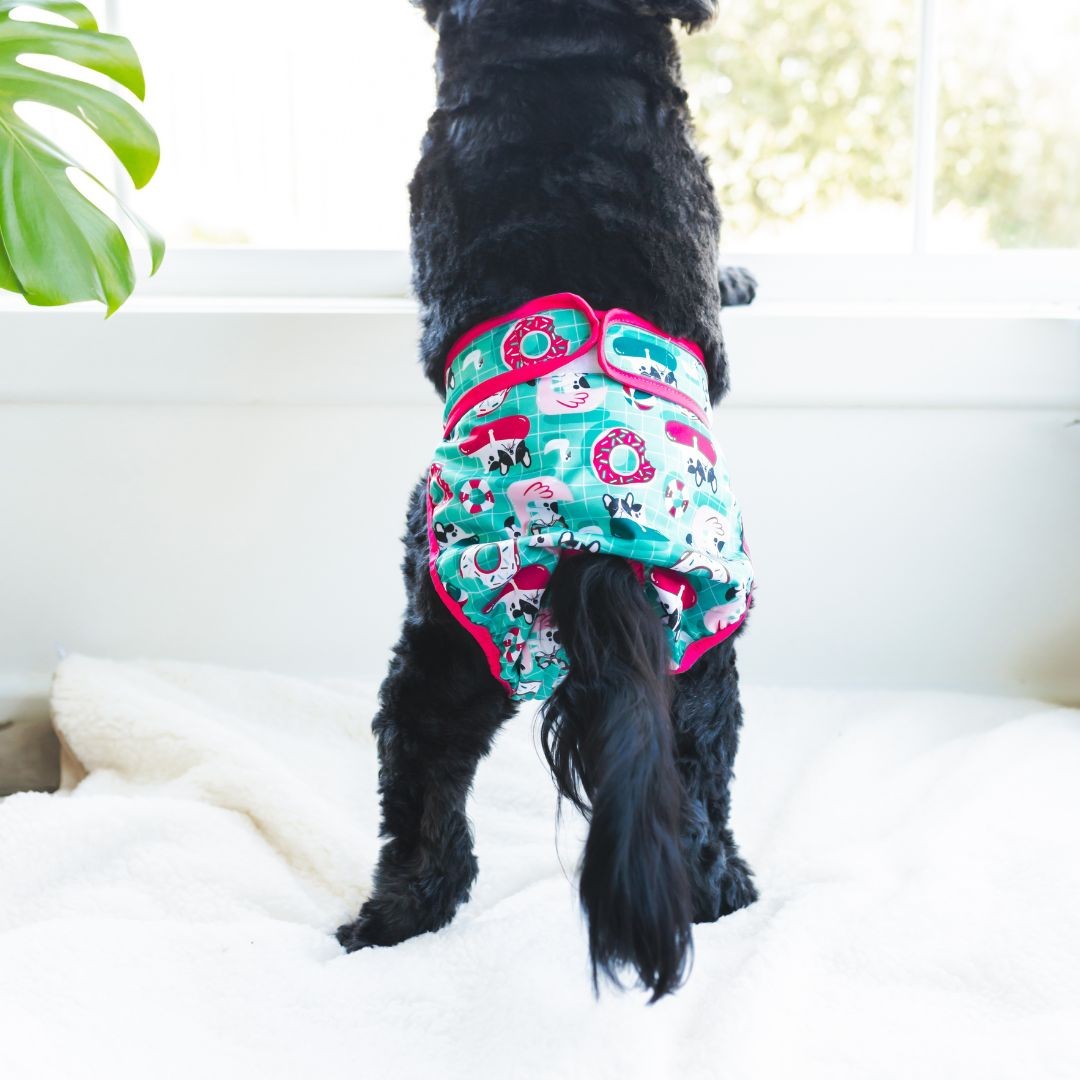
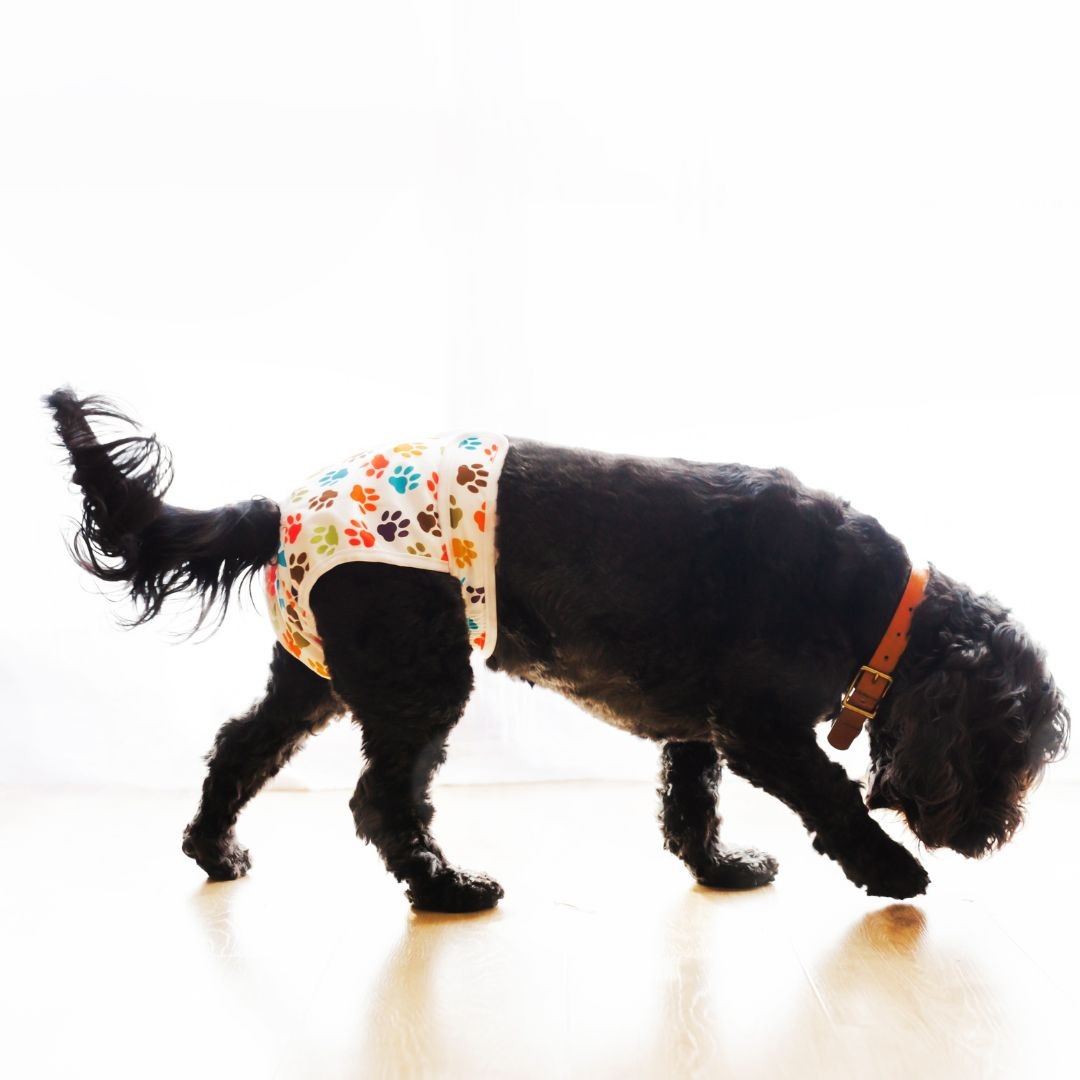
The frequency of diaper changes depends on your dog’s needs.
For puppies or dogs with incontinence, change the diaper every 2-4 hours or as soon as it becomes soiled. Choosing the right diaper for your dog's age, health, and potty training needs is important to ensure comfort and effectiveness.
You’ll also need to monitor your dog’s comfort and skin condition closely, and adjust the changing frequency accordingly.
Regular and correct cleaning and drying of your dog’s diapers will need to be done properly to ensure both the comfort of your dog and the effectiveness of the diaper.
Ensuring that you keep on top of changing your dog’s diaper will reduce the risk of skin irritation as well as bacteria and odor build up. Keeping your pup comfy is the priority!
Veterinarian’s Comment:
“One thing I see regularly in practice is owners using diapers as a reason to reduce veterinary visits, particularly when a dog develops incontinence. It’s worth being clear: diapers manage a symptom, they don’t address the underlying cause.
If your dog has suddenly developed incontinence, is urinating more frequently than usual, or you notice blood or unusual odor, please see a vet. These are clinical signals that deserve investigation, not just a more absorbent diaper.“
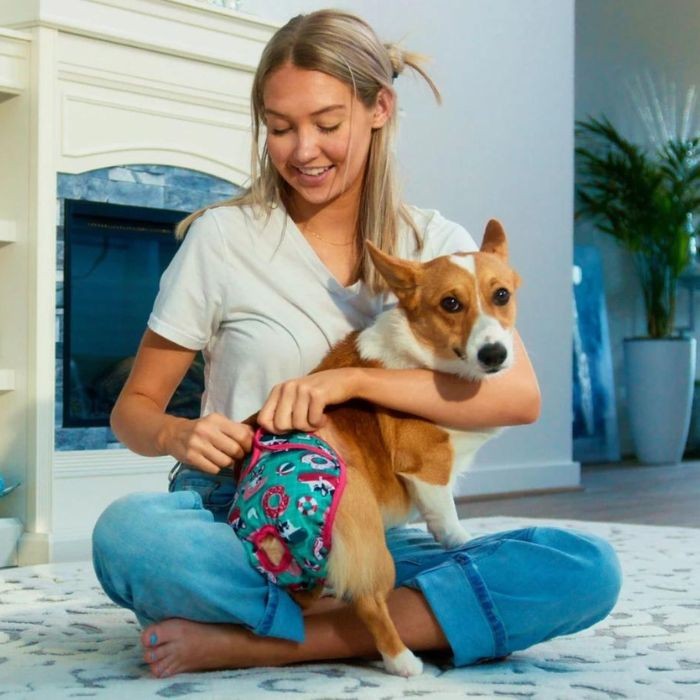
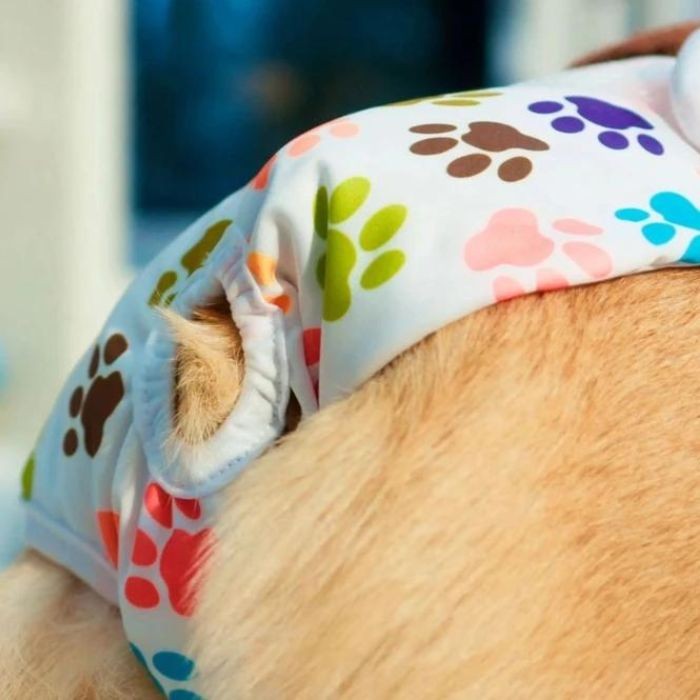
Keeping a diaper on a dog requires proper sizing and secure fastening. Choose a diaper that fits snugly but not too tight, finding the perfect fit is essential to prevent leaks, chafing, and irritation. You should be able to slip two fingers comfortably under the waistband to gauge the right fit.
Look for adjustable tabs or belts that provide a customizable fit.
Introduce the diaper as a positive experience: allow your dog to sniff and explore it first, and gradually increase the time they wear it. Use positive reinforcement, such as treats and praise, to help your dog associate wearing the diaper with pleasant experiences. Starting training before your dog actually needs a diaper can also reduce stress for both of you.
When initially putting a diaper on your dog, supervise them closely to ensure they don’t try to remove the diaper.
If your dog is persistent, consider using a diaper cover or onesie to prevent them from taking it off.
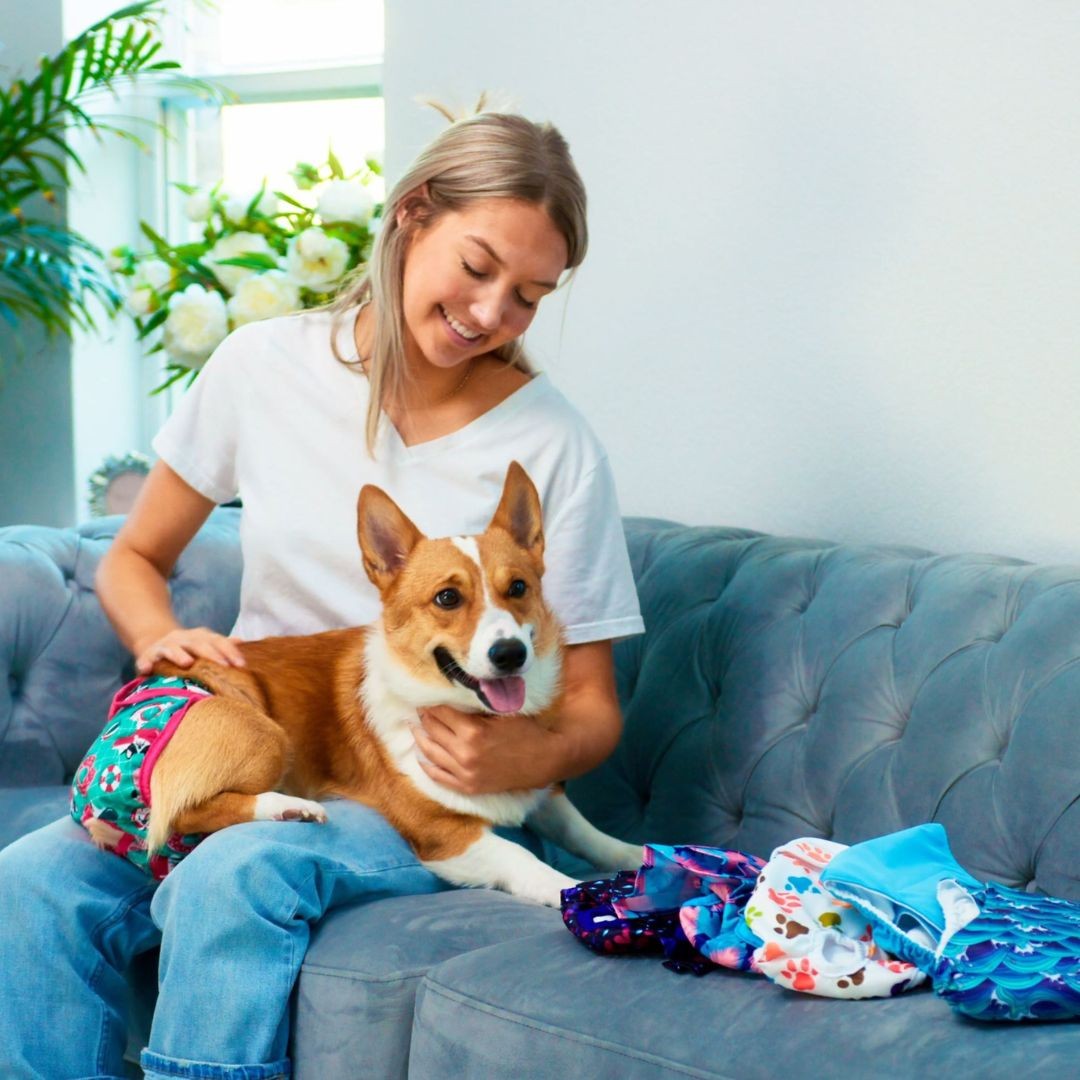
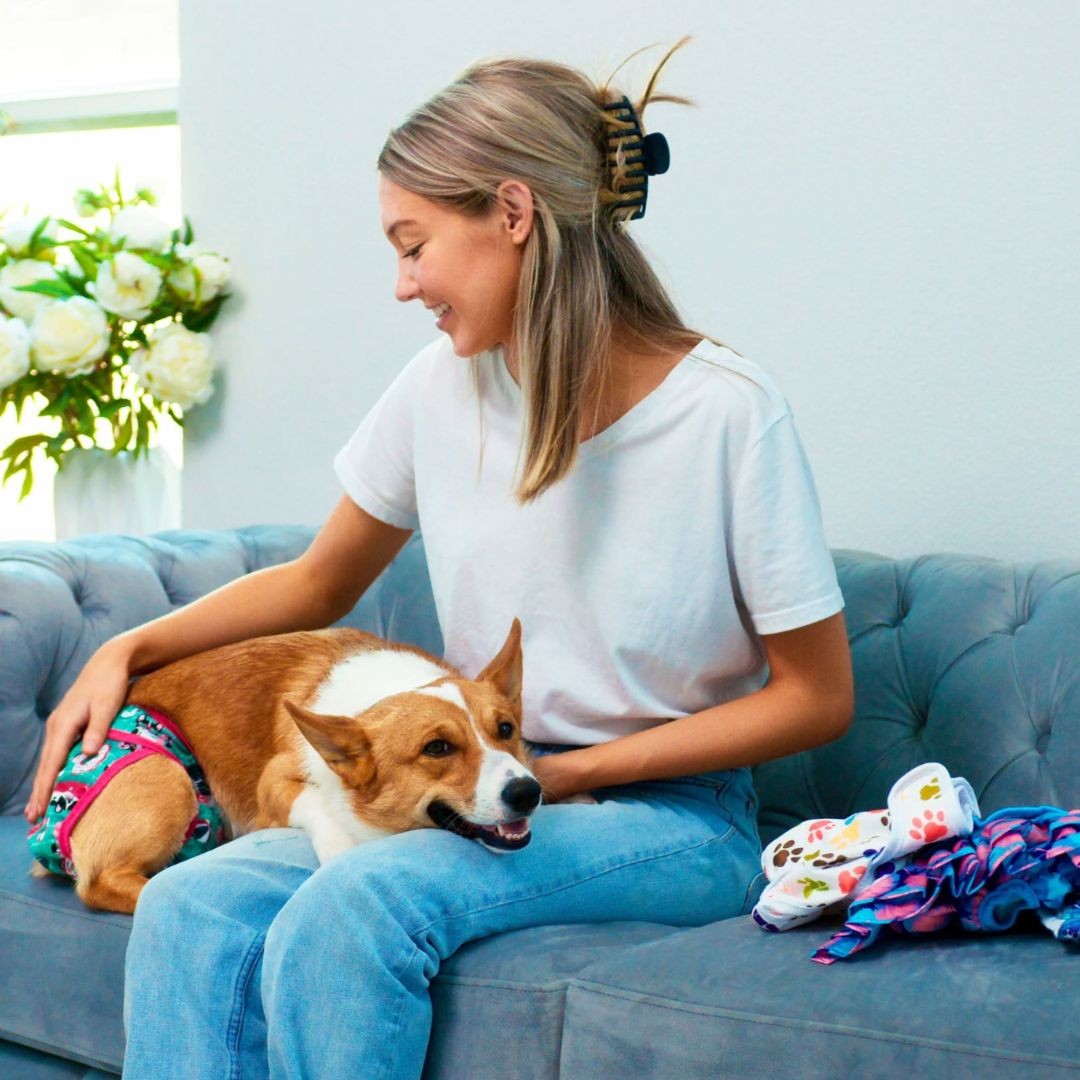
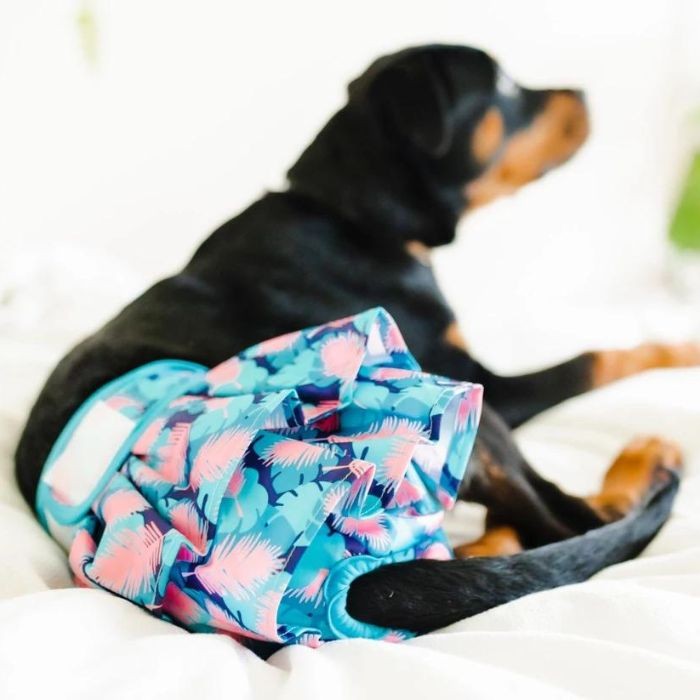
There are different styles of dog diaper to suit the shape, size and needs of your dog, all of which will sit slightly differently.
At Potty Buddy™ we offer a standard diaper which can be paired with a belly band for male dogs (to assist with potty training, marking or incontinence), as well as skirt diapers which are particularly effective for female dogs in heat.
You can measure your dog against the diaper sizing charts to ensure a comfortable and secure fit for your own pupper.
The anatomy of male and female dogs are different, meaning that their diapers will be too.
Male dog diapers and dog diapers for female dogs will look slightly different, and it is important to find the right shape and style of diaper depending on your dog’s sex to ensure they are comfortable and that the diaper is secure and doing its job. For male dogs, belly bands are a popular option, especially for managing marking or incontinence.
Puppy diapers are also available and can be especially useful for managing accidents during potty training, excitement urination, or submissive urination in puppies. However, while diapers can help prevent messes and support puppies as they learn proper bathroom habits, over-reliance on them may hinder potty training by encouraging indoor relieving behaviors.
There are different styles of dog diaper to suit the shape, size and needs of your dog, all of which will sit slightly differently.
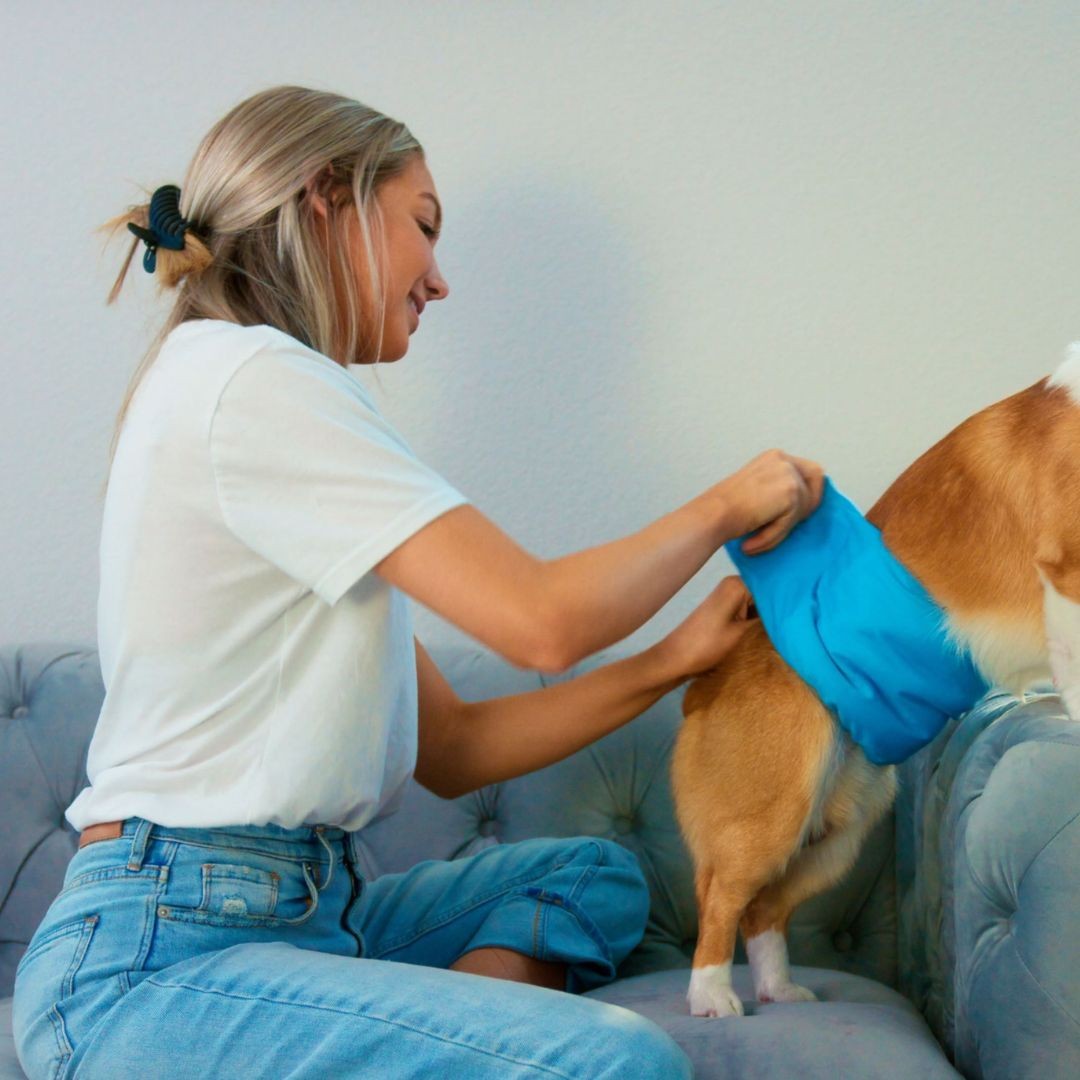
Dog diapers can be the ideal solution for both male and female dogs, supporting them with a range of potty and wellbeing needs.
Here at Potty Buddy™ our range of fun and colorful dog diapers are great for both puppies and older dogs, as they are size adjustable to fit any breed.
They are also leak resistant and super absorbent, with 3x better liquid absorption than the average diaper. Plus they're reusable, making them more planet-friendly - whilst saving you from flushing dollars down the drain. Disposable dog diapers are generally more convenient but can be more expensive and less environmentally friendly than reusable options.
You can try Potty Buddy™ Reusable Diapers completely risk free for 60 days. If you decide you aren't satisfied with our product, let our helpful customer support team know within 60 days of receiving your order and no questions asked…we'll refund you!
Find the perfect dog diaper fit with Potty Buddy™!
Follow Us On
Check Out Our Most Popular Content