Your Cart is Empty


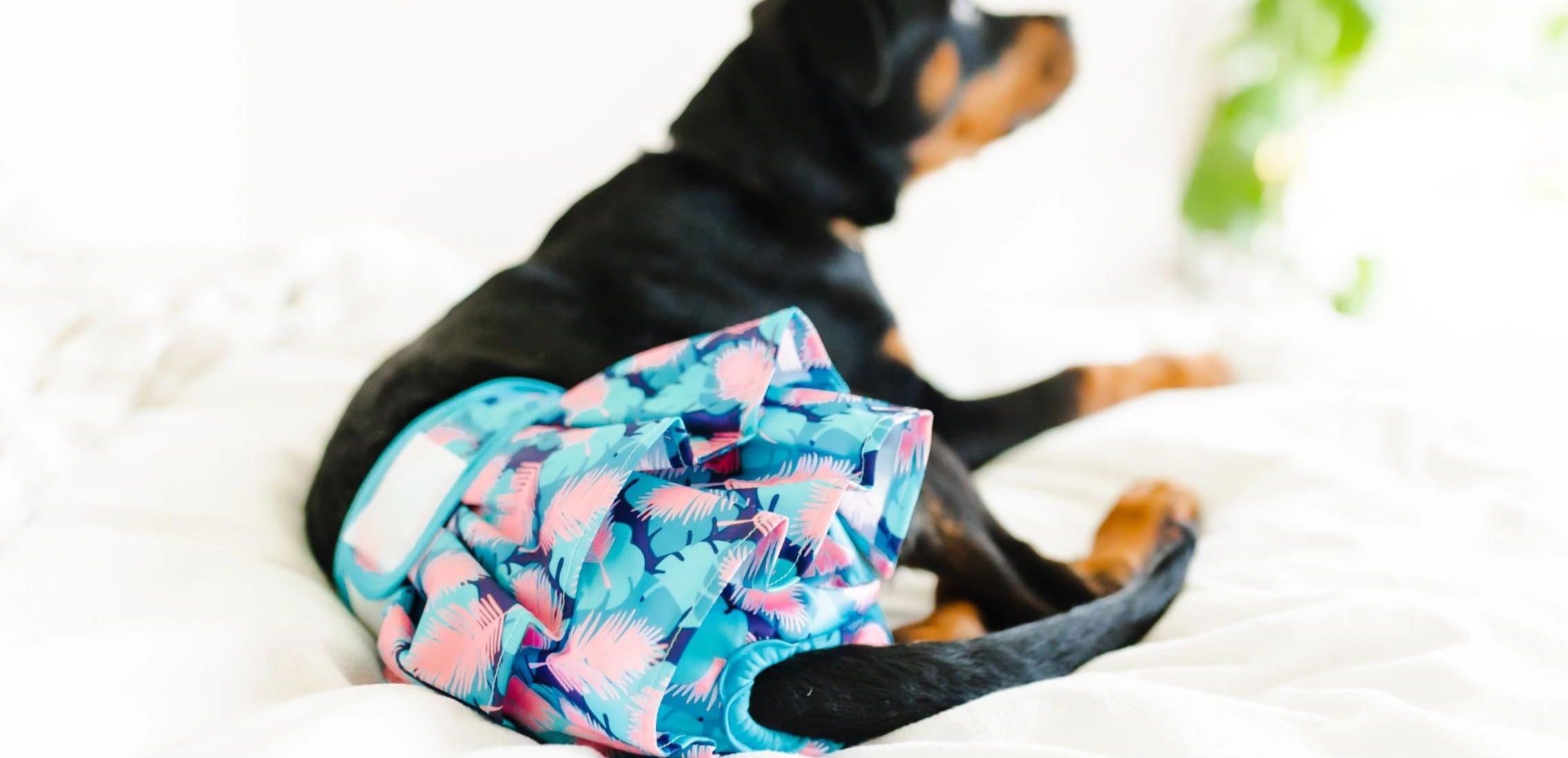
Do female dogs have periods? Just like humans, female dogs experience a distinct hormonal cycle which will bring them into ‘heat’ once or twice each year.
Whilst in this window of heat, a female dog is most likely to get pregnant, she may experience changes in mood and behavior and will often be prone to a small amount of vaginal bleeding.
Keeping your dog comfortable during this time is super important to ensure a calm and happy pup.
Your female dog is more vulnerable during this time, and if you aren’t looking to hand-rear a litter of puppies just yet, there are some easy preventative steps you can take to ensure your period-prone pup has a smooth ride.
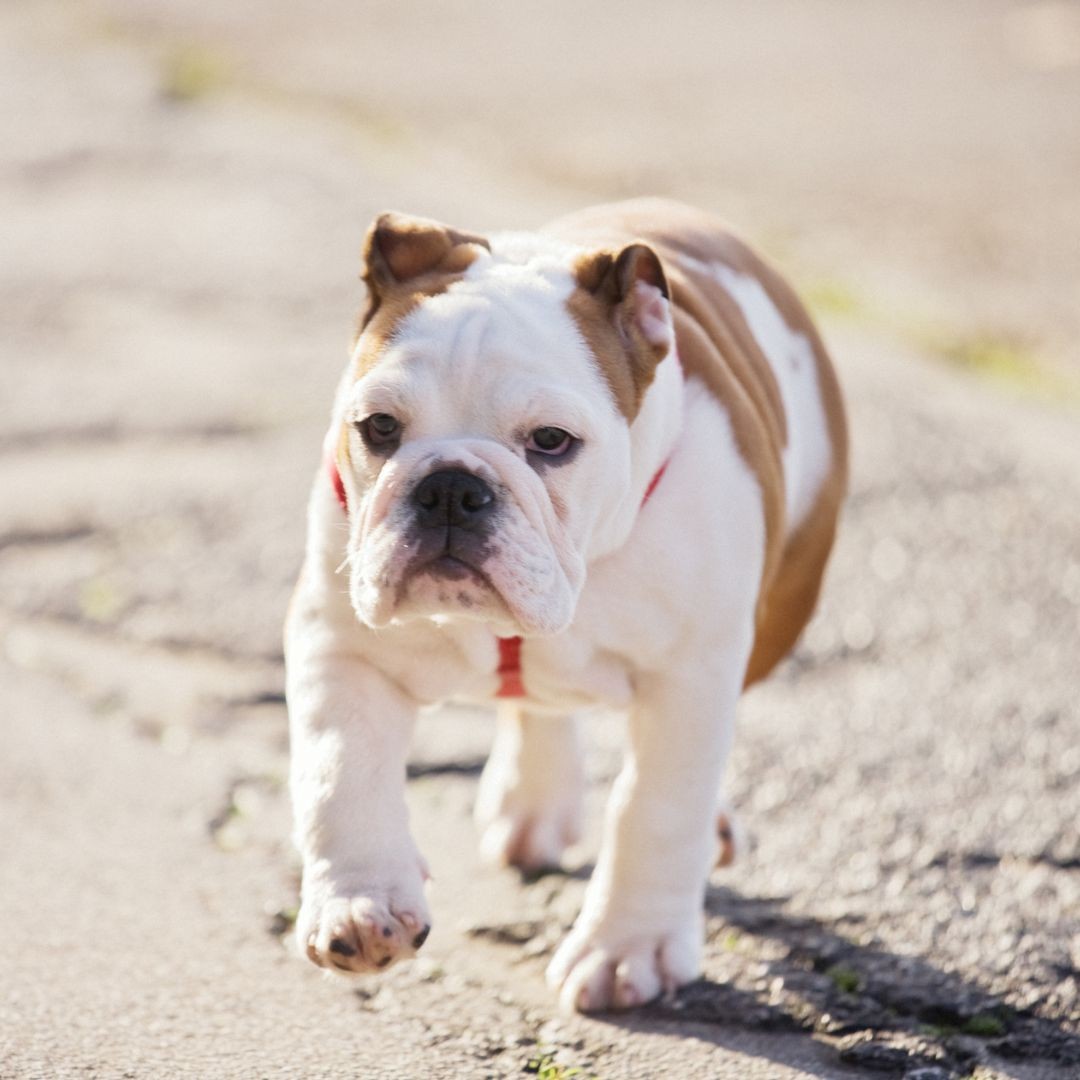
Being ‘in heat’ essentially refers to a female dog’s fertile window in which she is most likely to get pregnant. A dog’s first heat tends to be at around the 6 month old mark, and then repeats every 6-7 months until a dog is spayed.
A dog's heat cycle encompasses four distinct stages:
Stage One: Proestrus
Stage Two: Estrus
Stage Three: Diestrus
Stage Four: Anestrus
We'll break down each stage below.
Proestrus initiates the cycle, characterized by a swollen vulva and bloody discharge. It typically lasts around 9 days but varies between breeds. During this phase, a female dog may attract male attention but will not yet allow mating.
Following proestrus is estrus, the fertile phase lasting 5-13 days. The discharge may change from bloody to straw-colored, and the female becomes receptive to males. Behavioral signs include a willingness to mate, raising her tail to the side, and decreased interest in food. Ovulation usually occurs 2-3 days after the onset of estrus, and conception is most likely during this period.
The third stage is diestrus, spanning around 60 days whether pregnancy occurs or not. If fertilization transpires, the body produces progesterone to support pregnancy. If no conception happens, the body's progesterone levels decline, and the dog returns to a baseline state.
Anestrus concludes the heat cycle, during which the reproductive system rests. This stage can last for several months, and hormone levels remain low until the cycle recommences.
It’s important to note that each dog's heat cycle can vary in duration and intensity. Monitoring behavioral changes and physical symptoms can aid in understanding and managing your own dog's reproductive cycle.
As a responsible pet owner, one choice to consider is spaying your dog if you do not intend to breed them. This can prevent certain health risks associated with repeated heat cycles and unwanted pregnancies.

Veterinarian’s Comment:
“Each dog's heat cycle is unique, and the duration and intensity of symptoms can vary significantly between breeds and individual animals. If you notice any unusual discharge, prolonged bleeding, or signs of distress during your dog's heat cycle, I would always recommend consulting your vet rather than managing it at home alone.“
There are several signs and behaviors that your dog may display to indicate she is in heat, including:
Vaginal bleeding, spotting and discharge
General changes in behavior i.e. she may be more forthright or submissive around male dogs, as well as exhibiting nesting behaviors. She may also seem more skittish or anxious
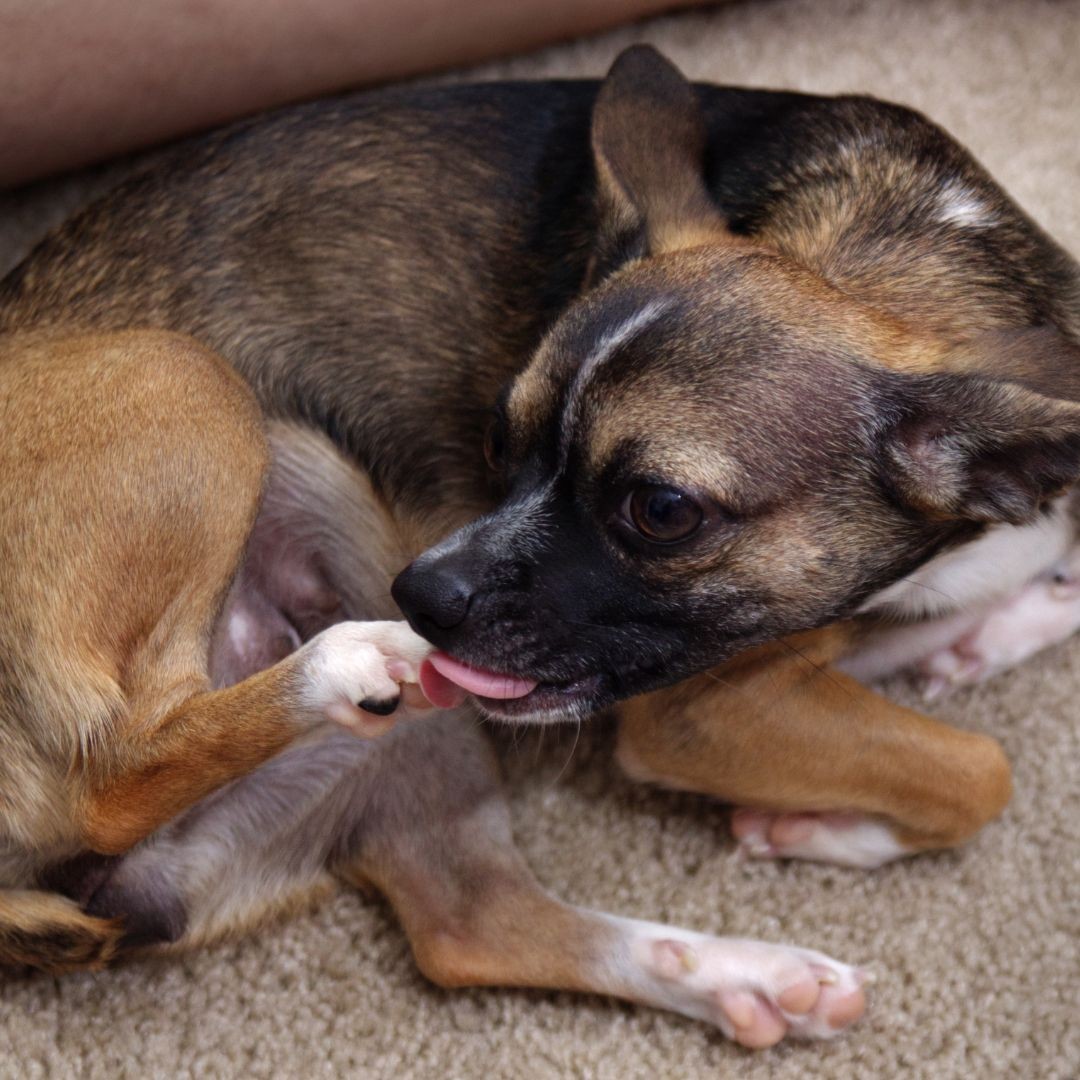
Licking of the genitals, also her vulva may appear swollen.
Peeing more often and in smaller amounts. Some dogs also start having indoor accidents.
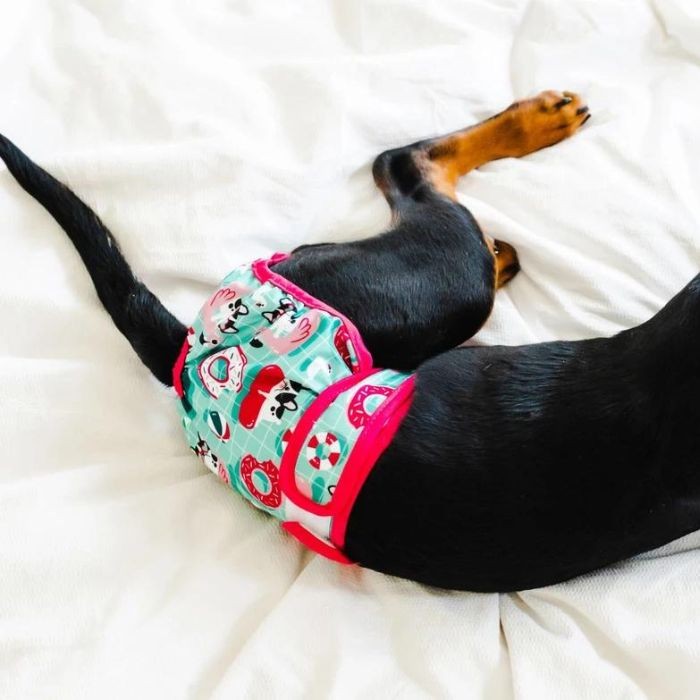
You may choose to invest in dog heat diapers - think of them like dog period pads - to help manage your dog’s period, prevent pee accidents and bleeding, and keep both her and your house, furniture, and floors clean and comfortable from pee and discharge.
Veterinarian’s Comment:
“Behavioral changes during heat can sometimes be mistaken for illness or anxiety. From a clinical standpoint, increased restlessness, appetite changes, and excessive licking are all normal responses to hormonal shifts.
That said, if your dog seems to be in pain or her symptoms appear severe, a veterinary check-up is always worthwhile.“
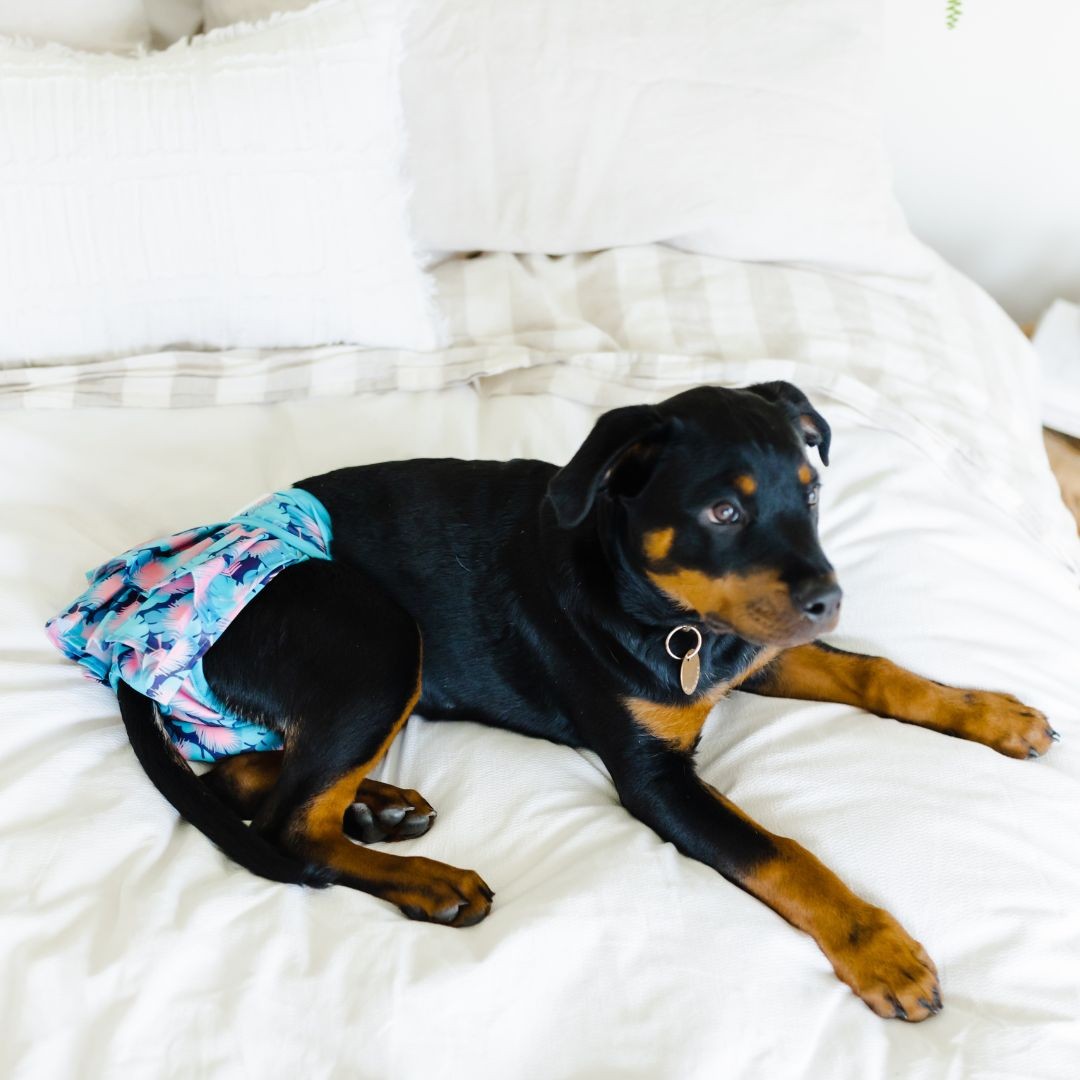
Dogs in heat are not only more susceptible to pregnancy during this time, but as we’ve mentioned they can also experience vaginal bleeding and discharge.
Female dog diapers for heat cycles have become a popular way of keeping messes to a minimum, whilst also being quite an effective pregnancy deterrent. Dog diapers are also helpful for managing urinary incontinence, especially in older female dogs experiencing hormone changes or bladder issues, and can be a temporary solution for dogs recovering from surgery or injury - particularly those with mobility issues that make it difficult to relieve themselves.
Veterinarian’s Comment:
“Consulting a veterinarian is important for proper diagnosis of urinary issues and to receive guidance on the safe and effective use of dog diapers.
Note that dog diapers are not suitable for managing diarrhea, as they are ineffective for this purpose and underlying medical conditions causing diarrhea should be addressed by a veterinarian.“
Diapers for dogs in heat allow your dog to move around freely whilst also keeping any excess blood or discharge off the floors and furniture. Dog heat diapers will also discourage your dog from over licking her genitals, and can make her feel safer and more secure during this more sensitive period.
Female dogs in heat are likely more submissive or eager around male dogs, and they will also become more attractive to male dogs. Using dog diapers for heat periods can be a successful way of reducing the risk of pregnancy in your dog, protecting them from the unwanted advances of male dogs.
Veterinarian’s Comment:
“Dog diapers can be a helpful management tool during heat, but they should never be relied upon as a sole method of pregnancy prevention. The only guaranteed way to prevent unwanted pregnancy is to keep your dog away from intact males entirely. If you have no plans to breed, spaying remains the safest long-term solution.“
Should you choose a dog diaper for your dog in heat, it is vital to monitor her closely, ensuring that the diaper is changed and cleaned often to avoid discomfort, irritation, as well as bacteria and odor build-up.
There are two main types of dog diapers: washable dog diapers (also called washable diapers or reusable cloth diapers) and disposable dog diapers (or disposable diapers).
Washable dog diapers are environmentally friendly and cost-effective over time, as they can be reused and washed, reducing waste and saving money.
Disposable dog diapers, on the other hand, are convenient for travel and easy disposal, but are less environmentally friendly due to single-use materials. Both types come with features like adjustable closures, absorbency, and leak resistance to suit your dog's needs.
PottyBuddy™ offers a standard reusable diaper which can be paired with a belly band for male dogs (to assist with potty training, marking or incontinence), as well as skirt diapers which are particularly effective for female dogs in heat.
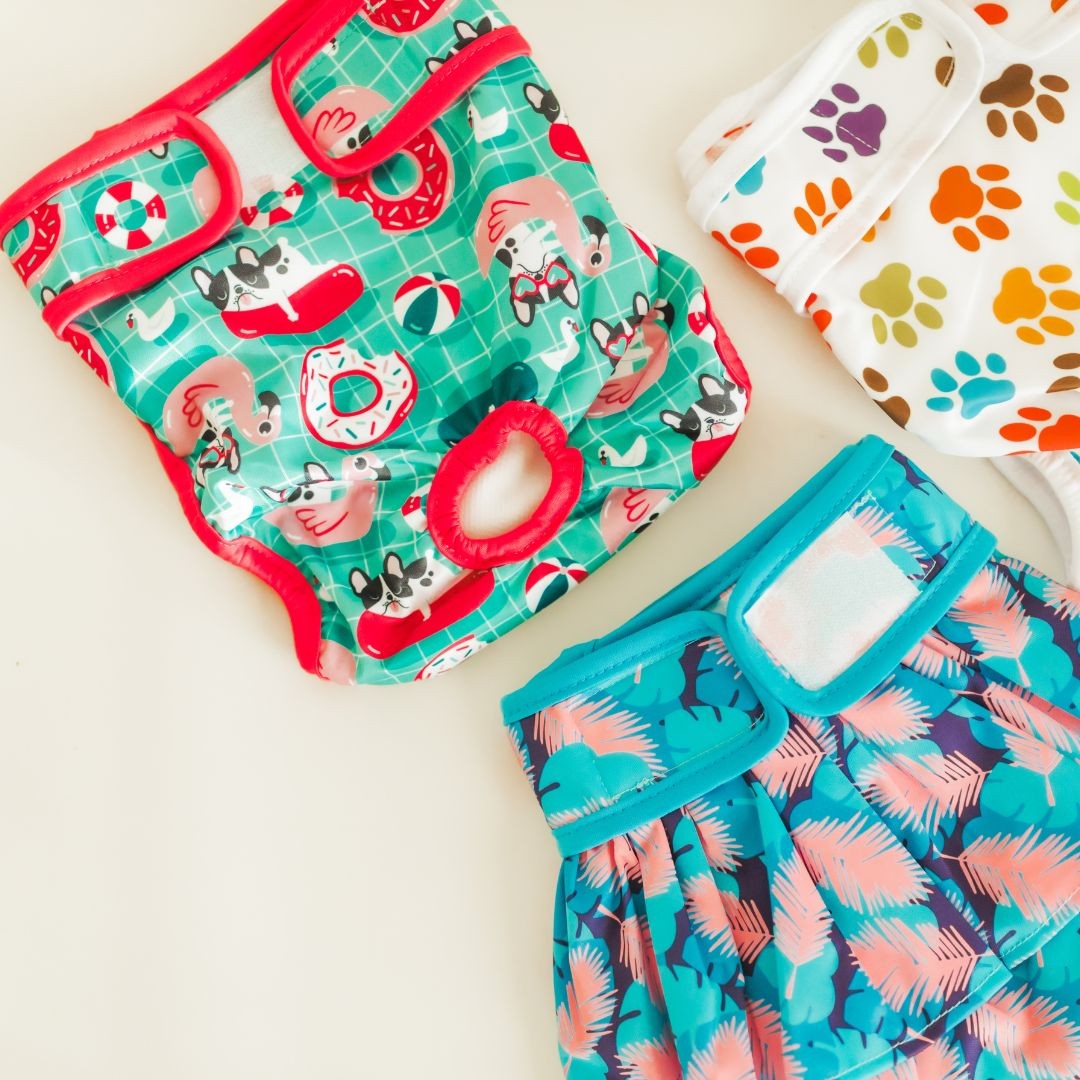
It is important to make sure that you buy the right size diaper for your dog. Too loose and discharge may leak, and too tight will cause discomfort and distress for your dog. The diaper should fit snugly without being tight; you should be able to slip your fingers underneath the band to ensure comfort and prevent chafing or skin irritation.
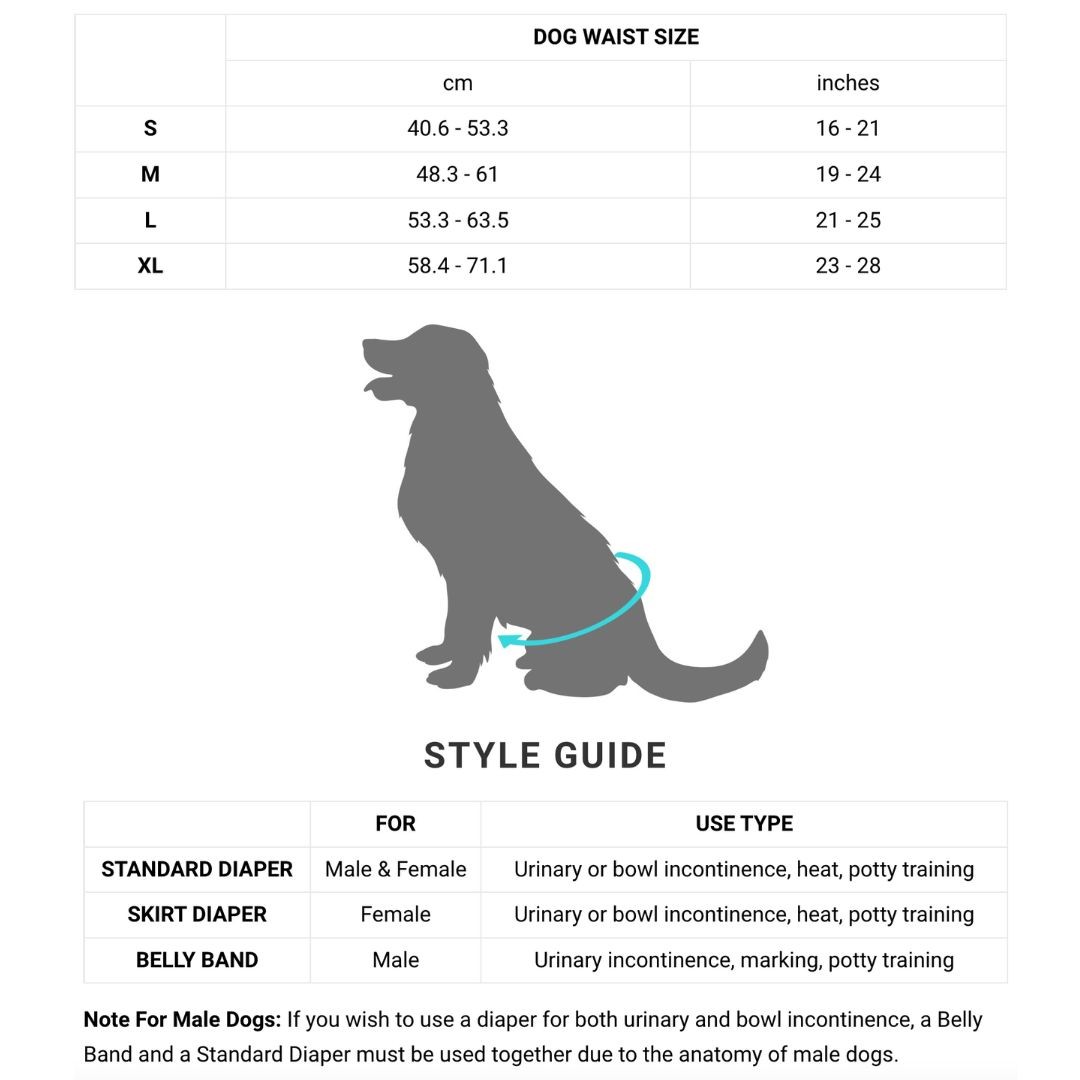
Here are our tips to correctly measure a dog for diapers, as well as other things to consider when fitting a diaper:
Dog's weight and waist measurement - Both your dog's weight and waist measurement are important for selecting the right size. The most important measurement is your dog's waist, as this is where the diaper will be secured. Measure your dog's waist at the widest part of their abdomen using a flexible tape measure, or use a piece of string and measure the length against a ruler afterwards.
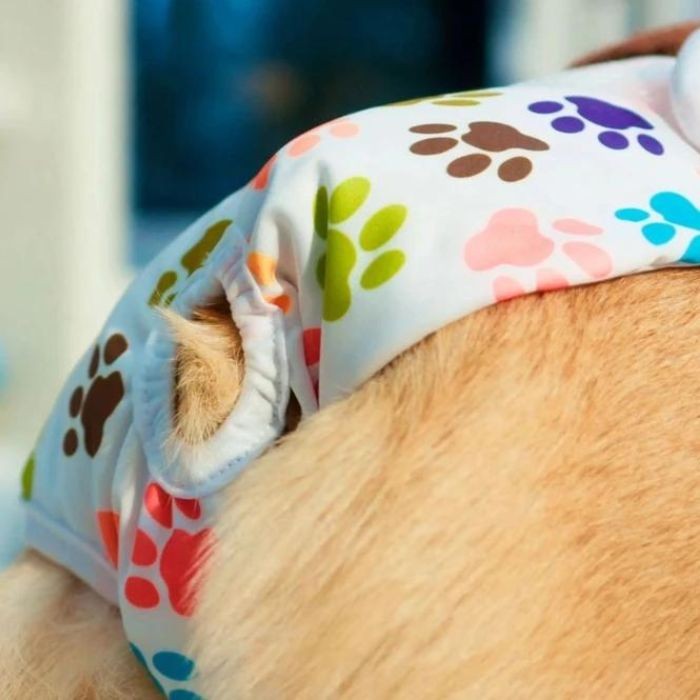
Tail hole comfort and fit - Consider the presence and comfort of the tail hole or hole for your dog's tail. A properly designed tail hole ensures a secure, leak-proof fit and prevents messes, especially for breeds with tails. For dogs without tails, diapers without a tail hole may be preferable.
Coat type - Take your dog's coat type into account. Fluffy dogs may require a different size or fit compared to sleek-coated dogs to ensure the diaper fits snugly and comfortably.
Age - It is also important to consider your dog’s age when choosing a dog diaper. For example, puppies have a tendency to grow very rapidly, meaning they will likely grow out of their diapers fairly fast.
Dog breed - All dog breeds are different shapes and sizes, with unique bodies that will need unique attention when finding the perfect diaper fit - there is no one size fits all solution in the dog world!
Adjustability and features - To leave room for growth and bodily change, as well as ensuring that the diaper is not restrictive, it can be beneficial to choose a diaper with an adjustable waistband, perhaps in the form of velcro. Look for features such as absorbency, ease of use, and leak-proof design. Washable dog diapers are available, offering reusability, eco-friendliness, adjustable closures, and comfort for both female and male dogs. This will help you be able to manually gauge the fit of your dog’s diaper from day to day. There are different styles of dog diaper to suit the shape, size and needs of your dog, all of which will sit slightly differently.
It is important to measure your dog against the diaper sizing charts to ensure a comfortable and suitable fit.
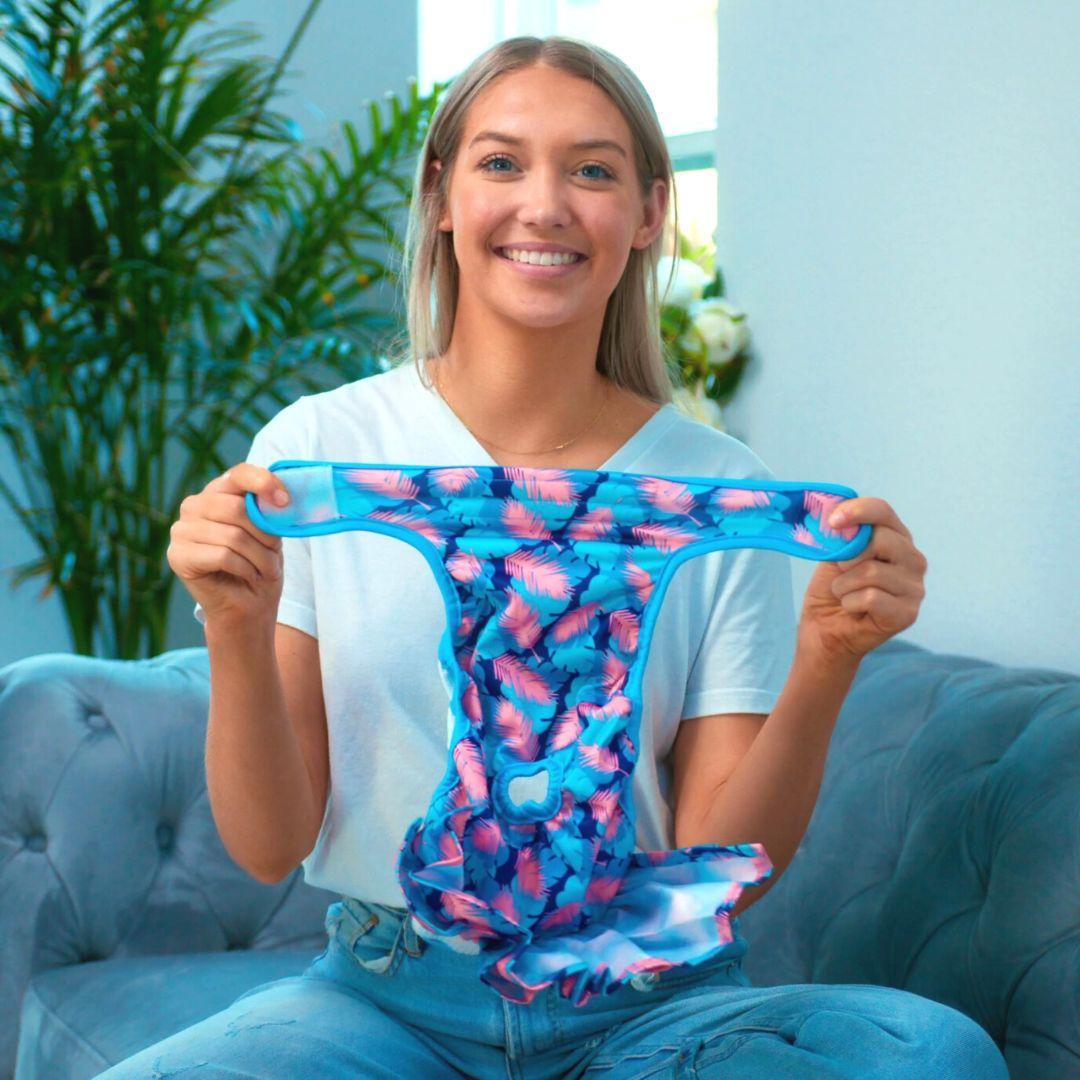
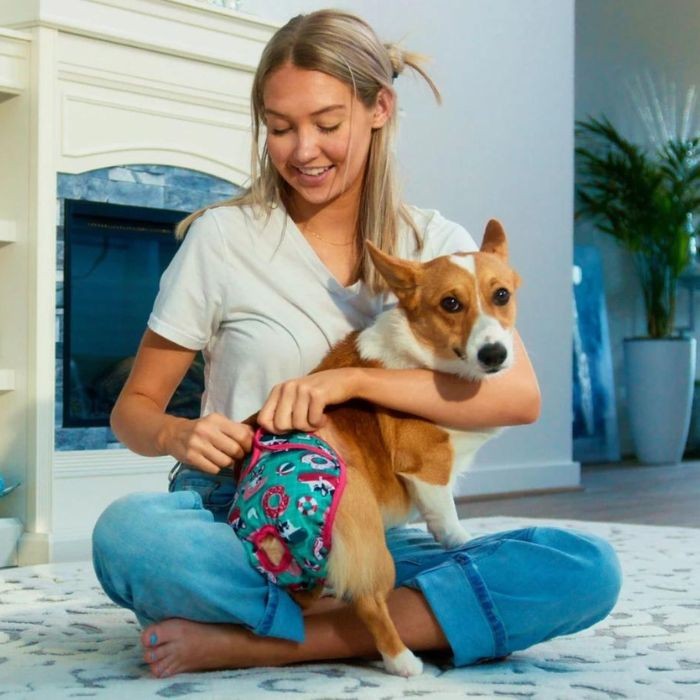
Introducing a diaper should be a positive experience for your dog, involving calmness, treats, and praise throughout the process. If possible, starting to train your dog to wear a diaper before they actually need it can help reduce stress for both the dog and the owner, making the experience much smoother when the heat cycle begins.
Begin by letting your dog sniff and explore the diaper before putting it on. Reward her with treats at each stage, and keep sessions short to avoid overwhelming her. With patience and consistency, most dogs adjust to wearing a diaper within a few days. Always monitor your dog closely when she is first wearing a diaper to ensure it is not causing discomfort or irritation.
It just so happens you have come to the perfect place for dog diapers! Here at Potty Buddy™ we have a range of fun and colorful dog diapers to suit the needs of your furry friend; especially female dog diapers for heat cycle.
They work great for both puppies and older dogs, and are size adjustable to fit any breed. All our reusable dog diapers are designed with a hole for your dog's tail, making them suitable for both feamle and male dogs, as long as they cover the intended anatomy.
Diapers for dogs in heat and pads for dogs in heat are one of the most effective ways to keep your pup safe and comfy during her cycle.
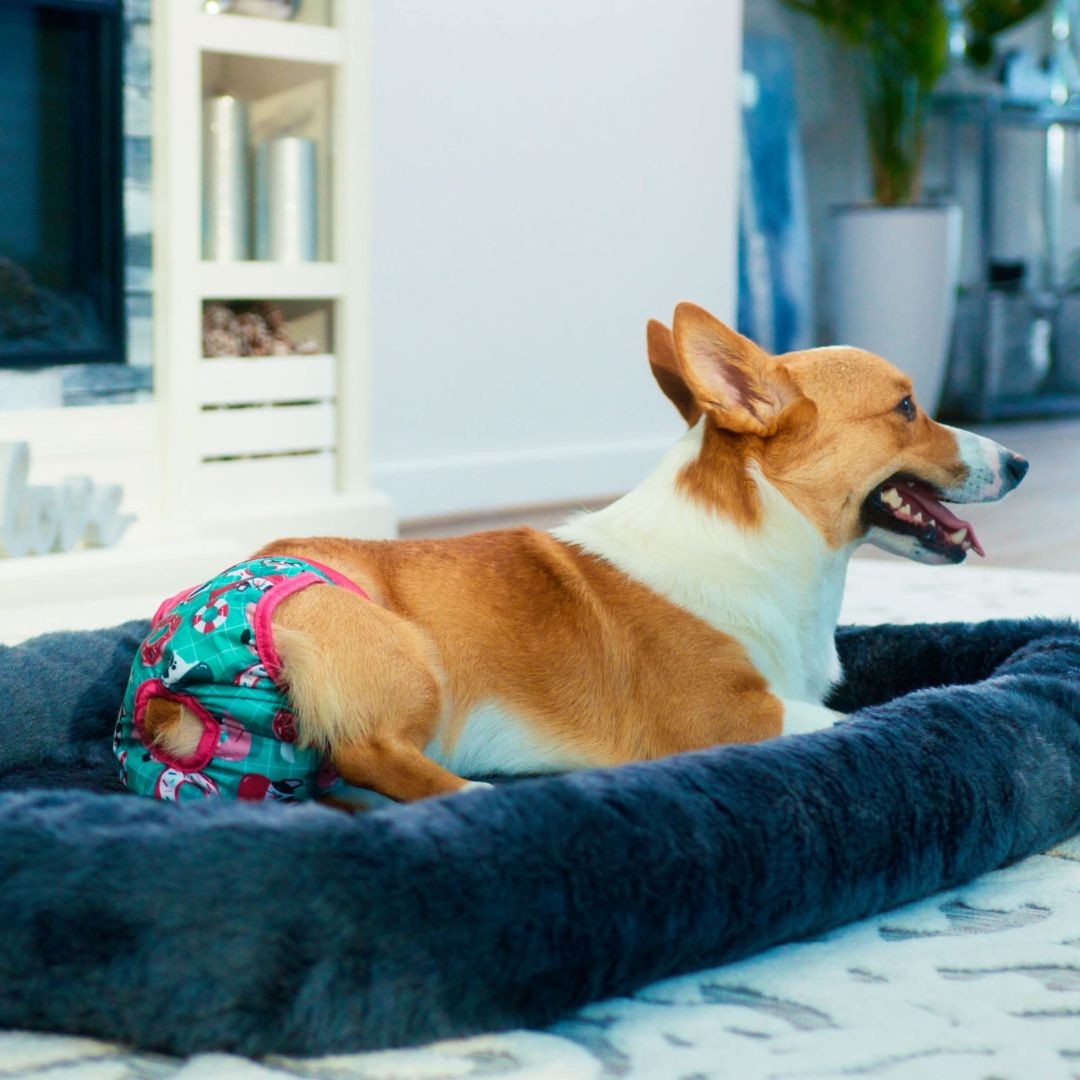
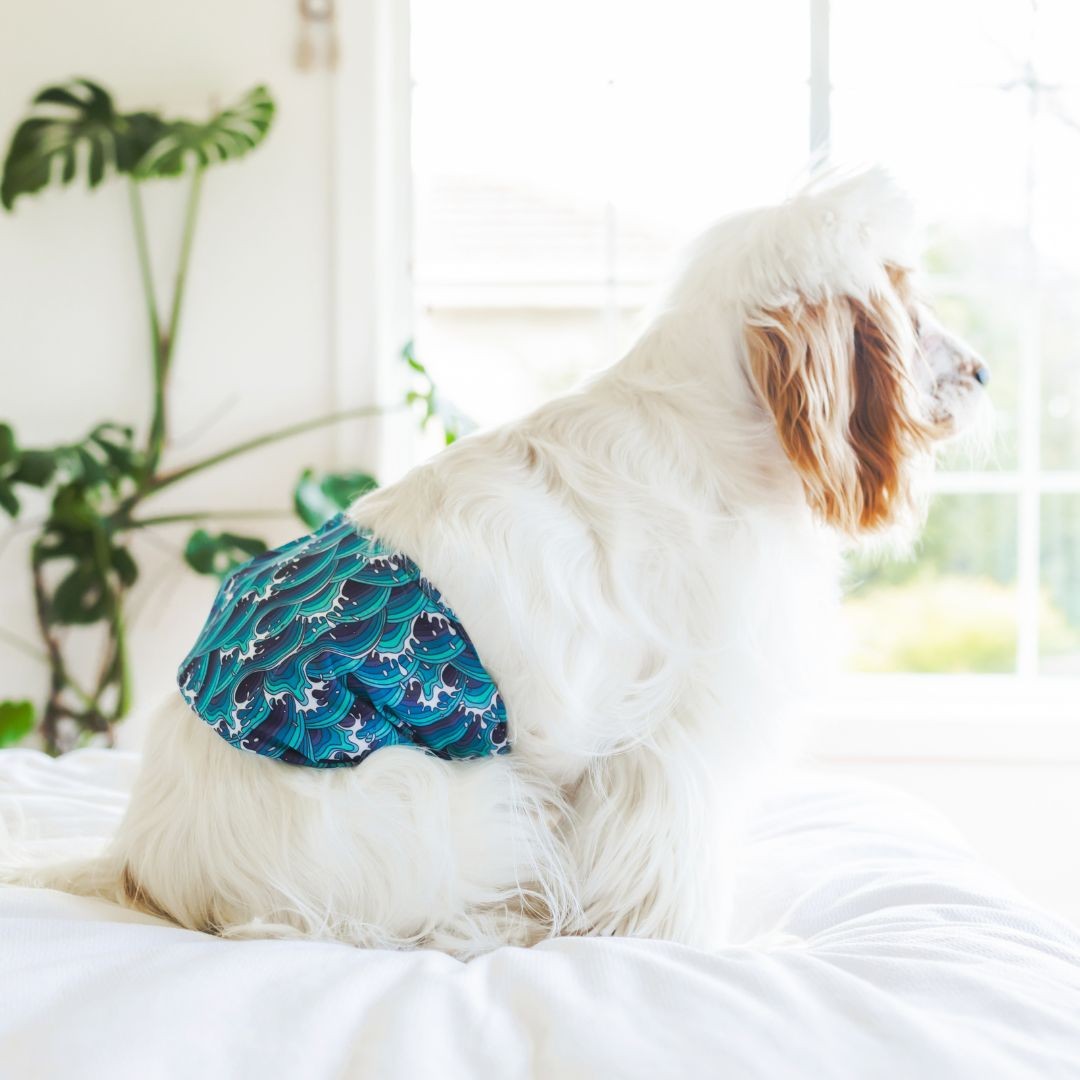
Our ultra comfy dog diapers are super absorbent, with 3x better liquid absorption than the average diaper. They are also leak resistant and planet-friendly - as all our dog diapers are reusable, helping save the planet and your wallet!
Potty Buddy™ reusable dog diapers allow you to keep your pup secure and comfortable, whilst also keeping your home free from unpleasant messes, stains and smells. Less time cleaning up and more fun bonding time with your beautiful buddy!
Bring home a Potty Buddy™ Reusable Diaper for your dog in heat, to make her experience as calm and comfortable as possible.
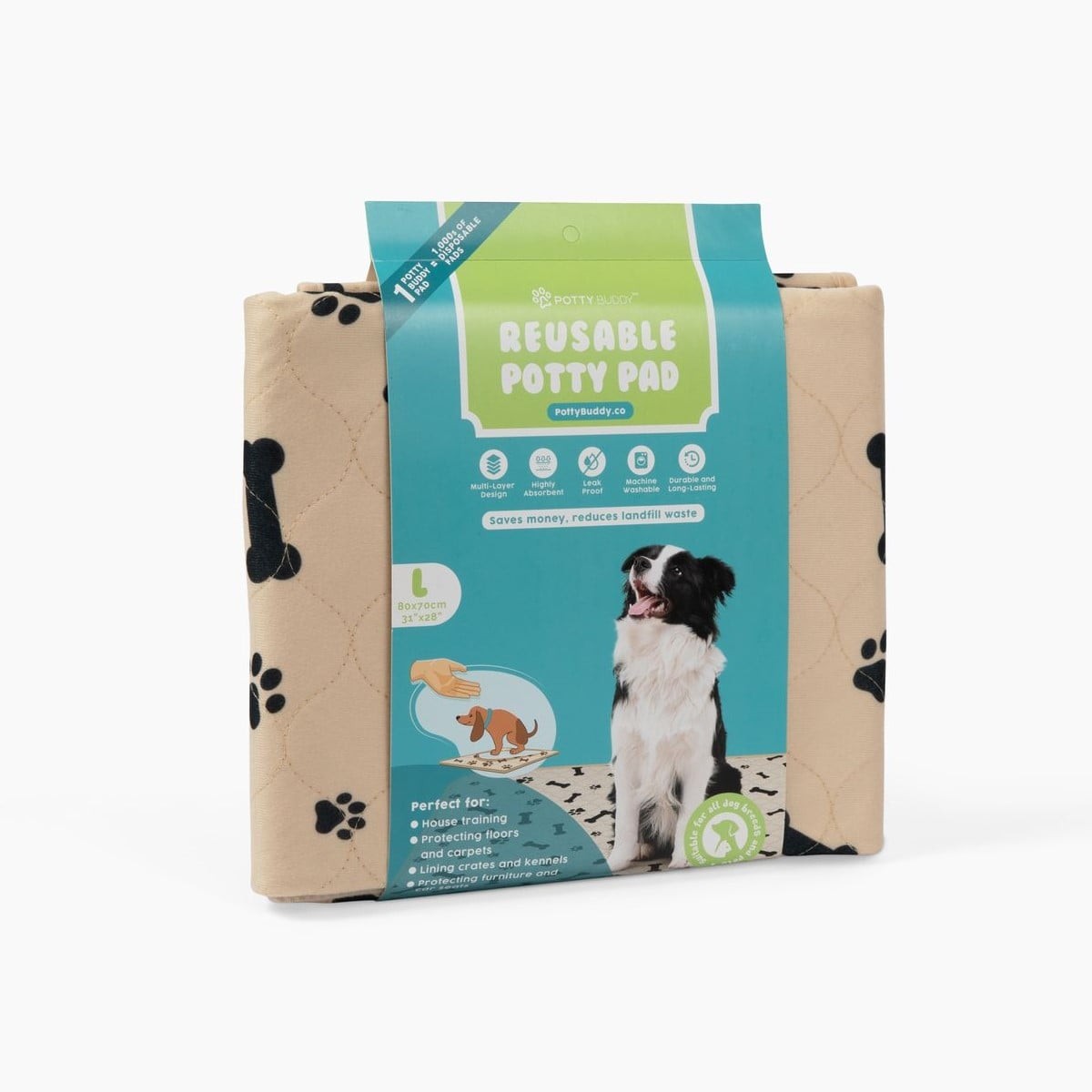
See How Dog Owners Are Using These Leak-Free Potty Pads to Keep Their Homes Clean and Pups Happy
4.7 ⭐⭐⭐⭐⭐
Over 100,000 Dog Owners Saved Money With Potty Buddy™
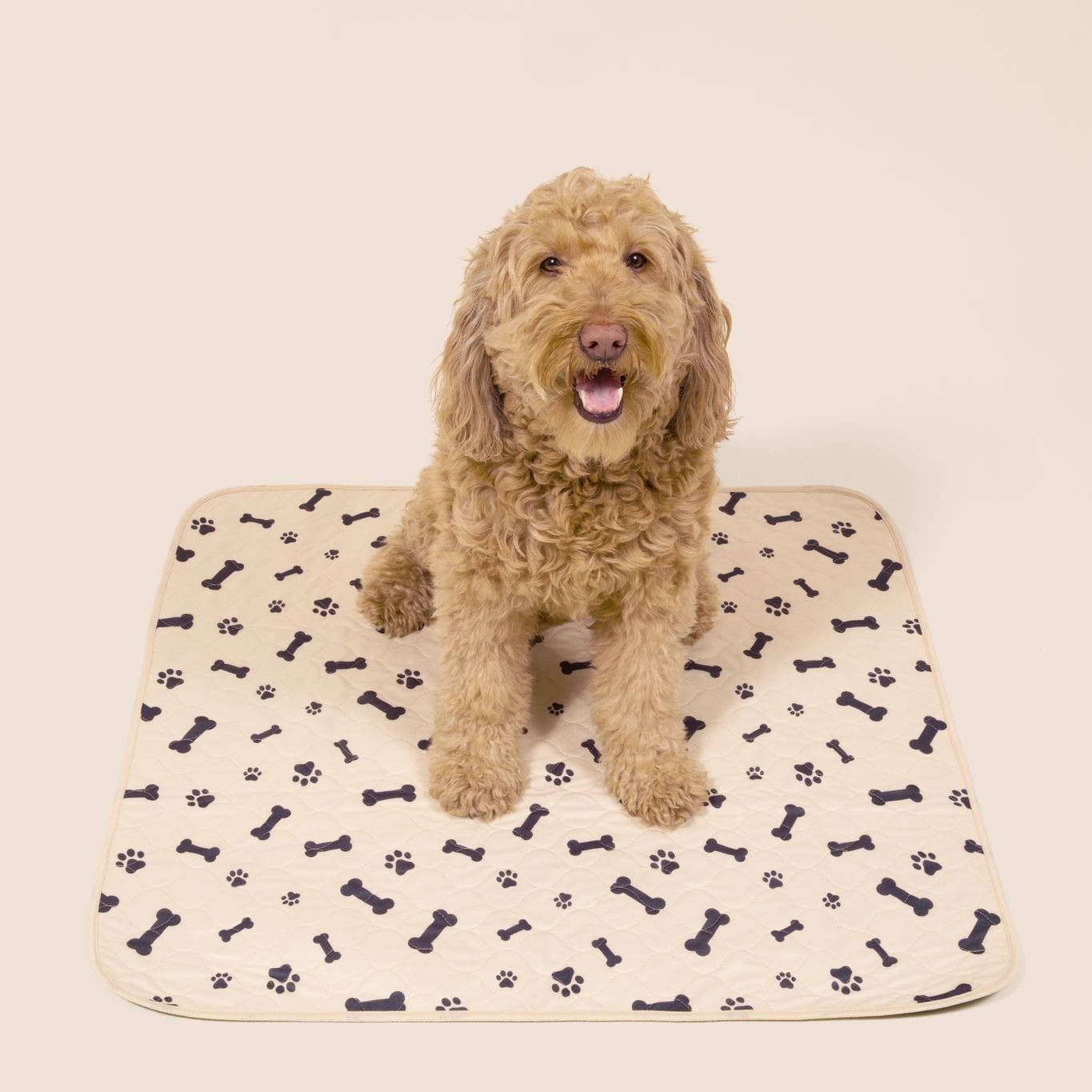
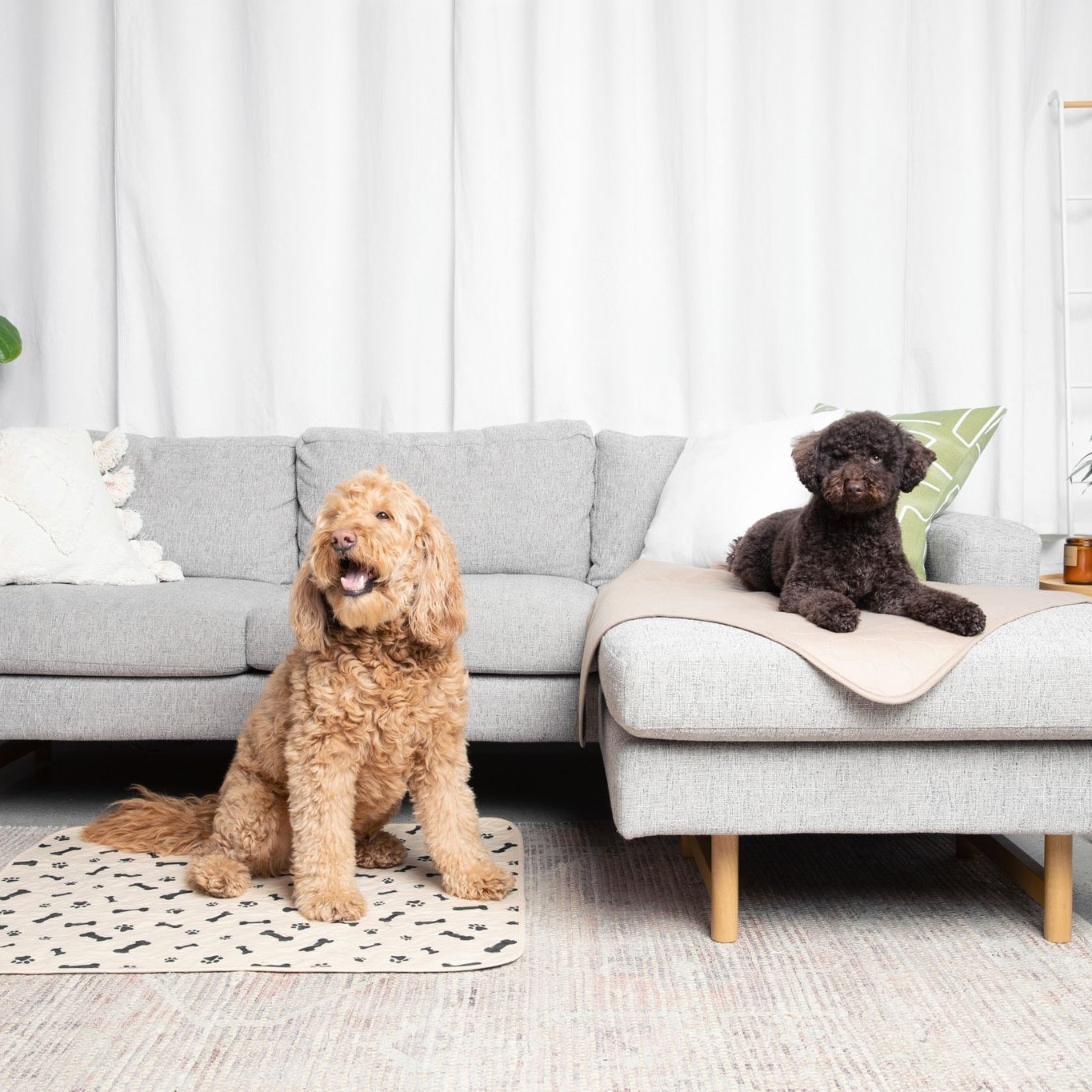
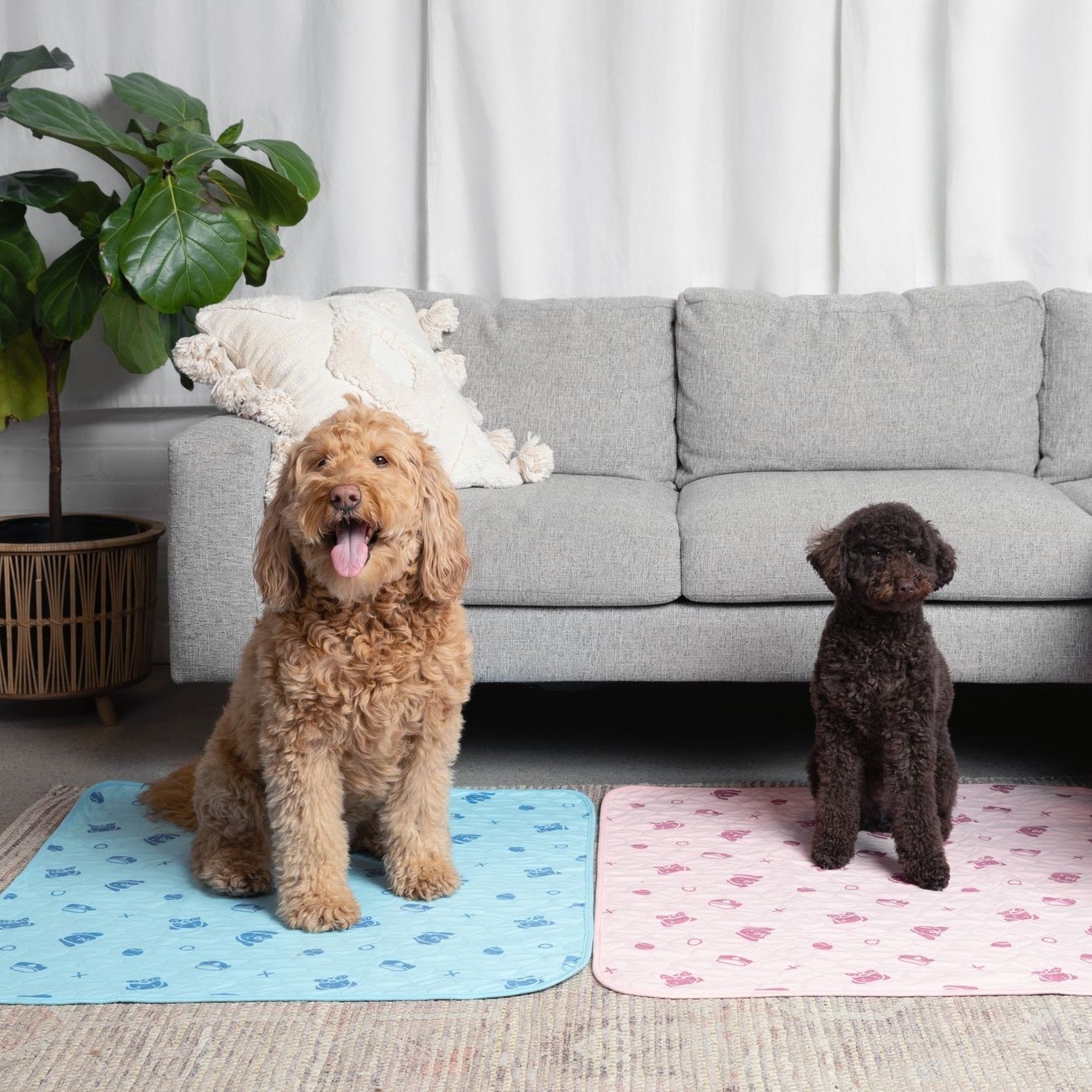
The washable pee pads that absorb anything your dog throws at them, while keeping your floors and furniture stain-free.
✅ Super Absorbent and Leak-Proof
✅ Great for Potty Training
✅ Ideal for Puppies and Older Dogs
✅ Washable and Reusable For Years
✅ Save over $400/year by not buying disposables
-60 Day Money Back Guarantee-

⭐⭐⭐⭐⭐
-Diana D.
These pads are a life saver for my kitchen floor and bedroom carpet! Just ordered 2 more!
Follow Us On
Check Out Our Most Popular Content