Your Cart is Empty


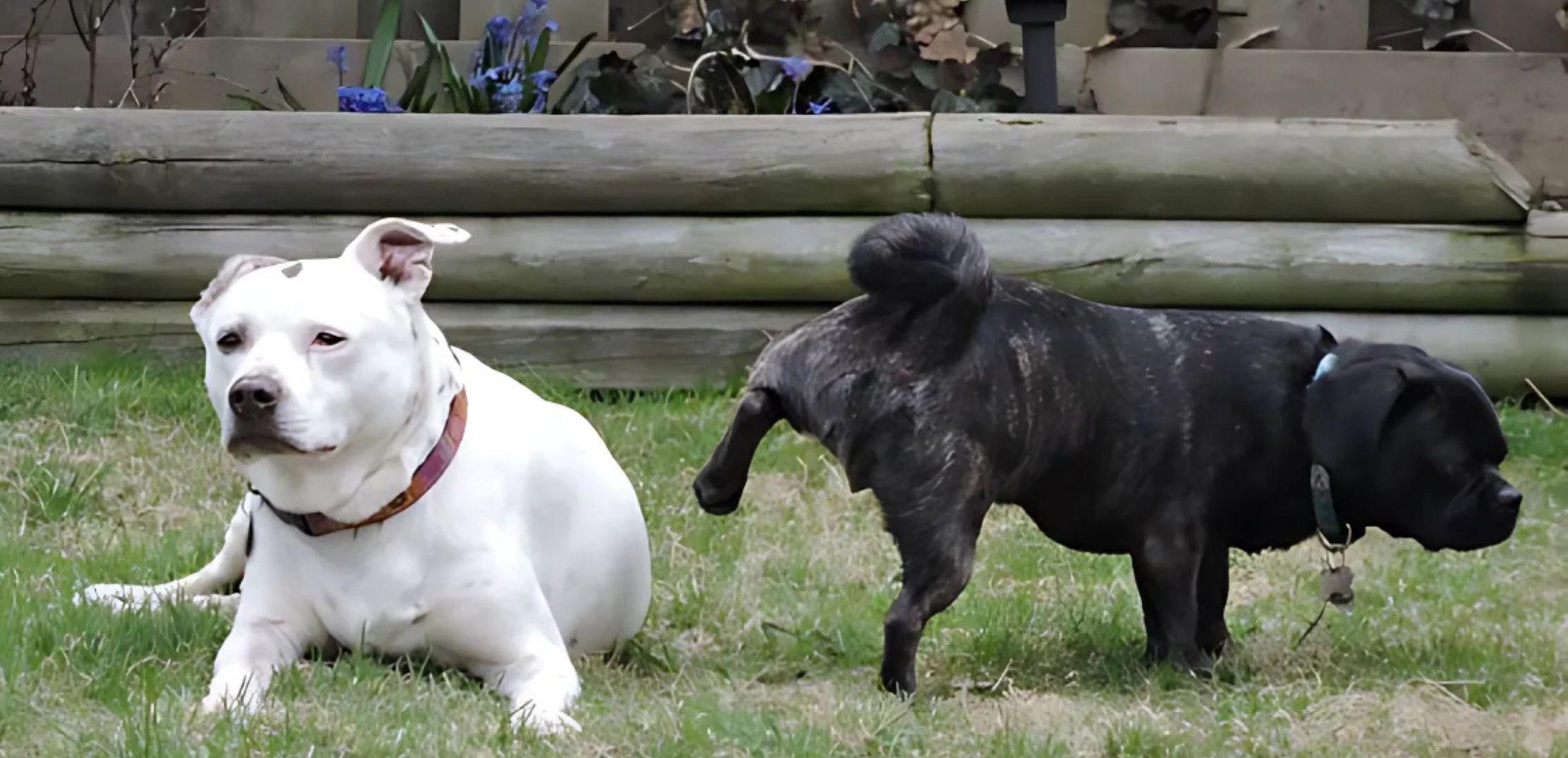
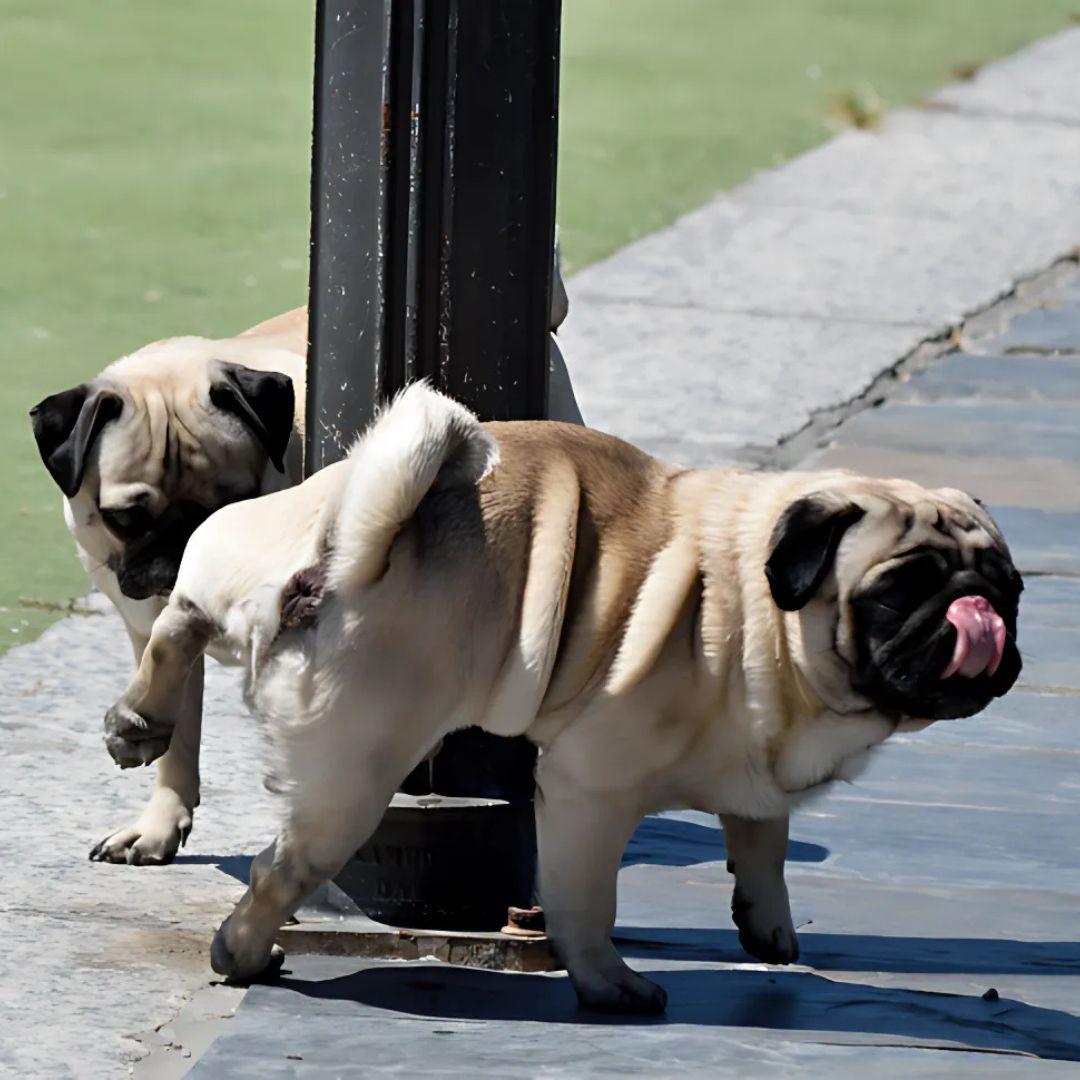
Most dog owners will be aware that the occasional bout of unwanted urination may strike their dog from time to time, but what should you do if your dog starts to pee on other dogs? This may seem like strange and shocking behavior, but it is very common, and there are several reasons why dogs pee on other dogs.
Dogs use urination not just to relieve themselves, they also use it to mark their territory, ward off other dogs and animals, and even encourage the pursuit of a potential mate. It is one of the ways in which they communicate with the world around them, but it can become an unsociable behavior that you as a pet parent may want to discourage.
We are going to look a little closer at the reasons why a dog may pee on another dog, what this behavior is trying to tell us, and how you can help stop your dog from doing it regularly.
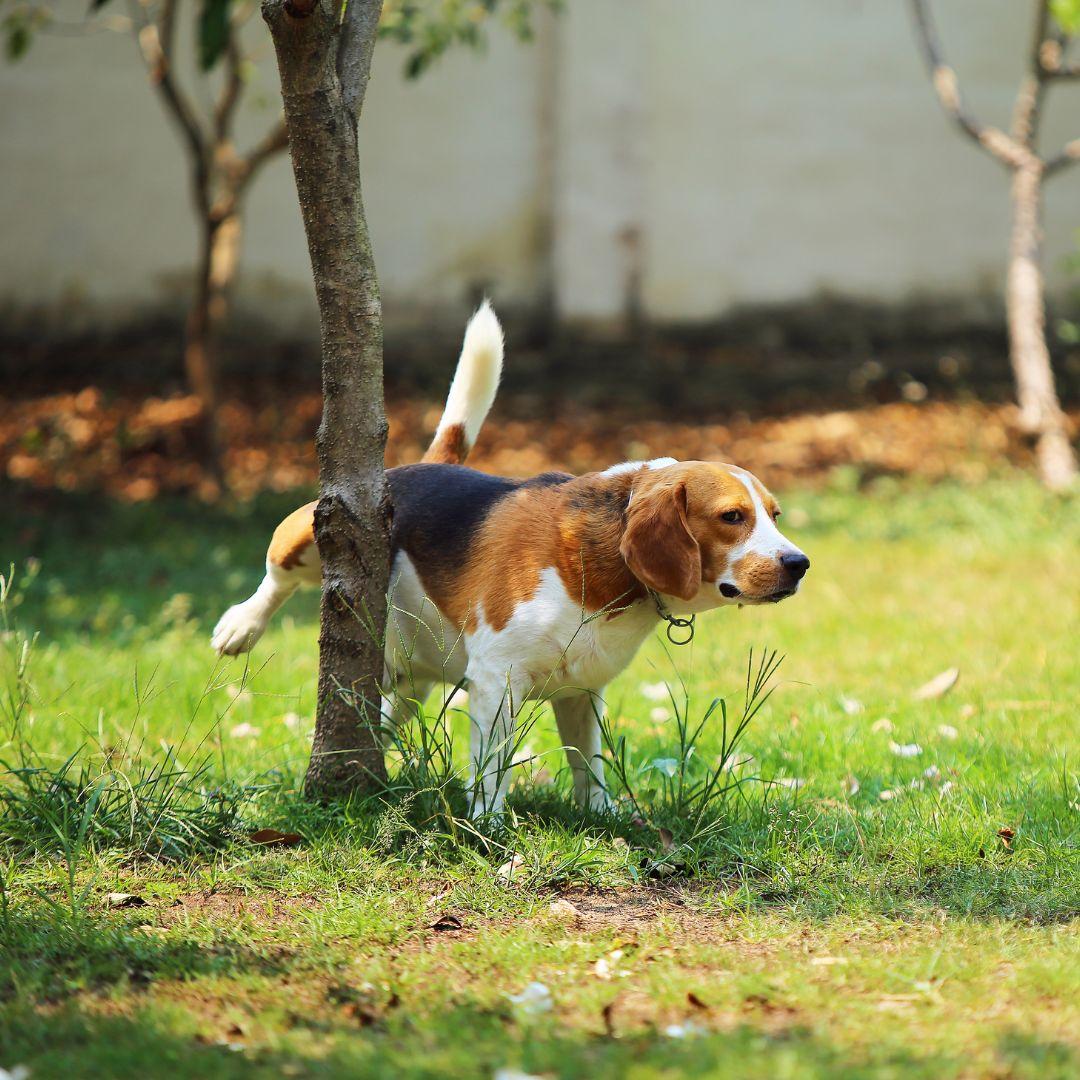
If a dog goes to pee on other dogs, it will be for a reason, although that reason may be unclear, so it is up to us to decipher why our dog is exhibiting this behavior.
If a dog pees on another dog, it could be because they:
One of the main reasons why dogs urinate in unwanted places, or on unsuspecting pups, is urine marking. Dogs also use scent marking to leave what many call "pee mail", because their urine carries chemical scents and pheromones that other dogs can read like a message board. They could be concerned that another dog is a threat to their space, so in an attempt to deter them, they urinate on them or nearby.
Hormonal status also plays a role here. Intact male dogs may be more likely to overmark the same spot where another dog has already gone, and this instinct is stronger around unfamiliar dogs. If you feel your dog is a pee risk, keep them on a leash around other dogs so you can easily recall them if needed.
Similarly to how dogs mark their territory, urinating on another dog can be a form of marking behavior linked to social status, rather than a straightforward dominance display (the "dominance" idea is a bit oversimplified in modern canine behavior science). It sends the other dog a clear message that your pup is asserting themselves, and this behavior may be paired with confident body language: your dog may hold their head and tail up high and push their ears forward. It can happen during a close sniff interaction, especially on a walk or at the dog park, when dogs are reacting to each other's signals.
Often, a dog will urinate in an unwanted place as an emotional response, and anxiety or stress is one of the leading emotions that can cause this.
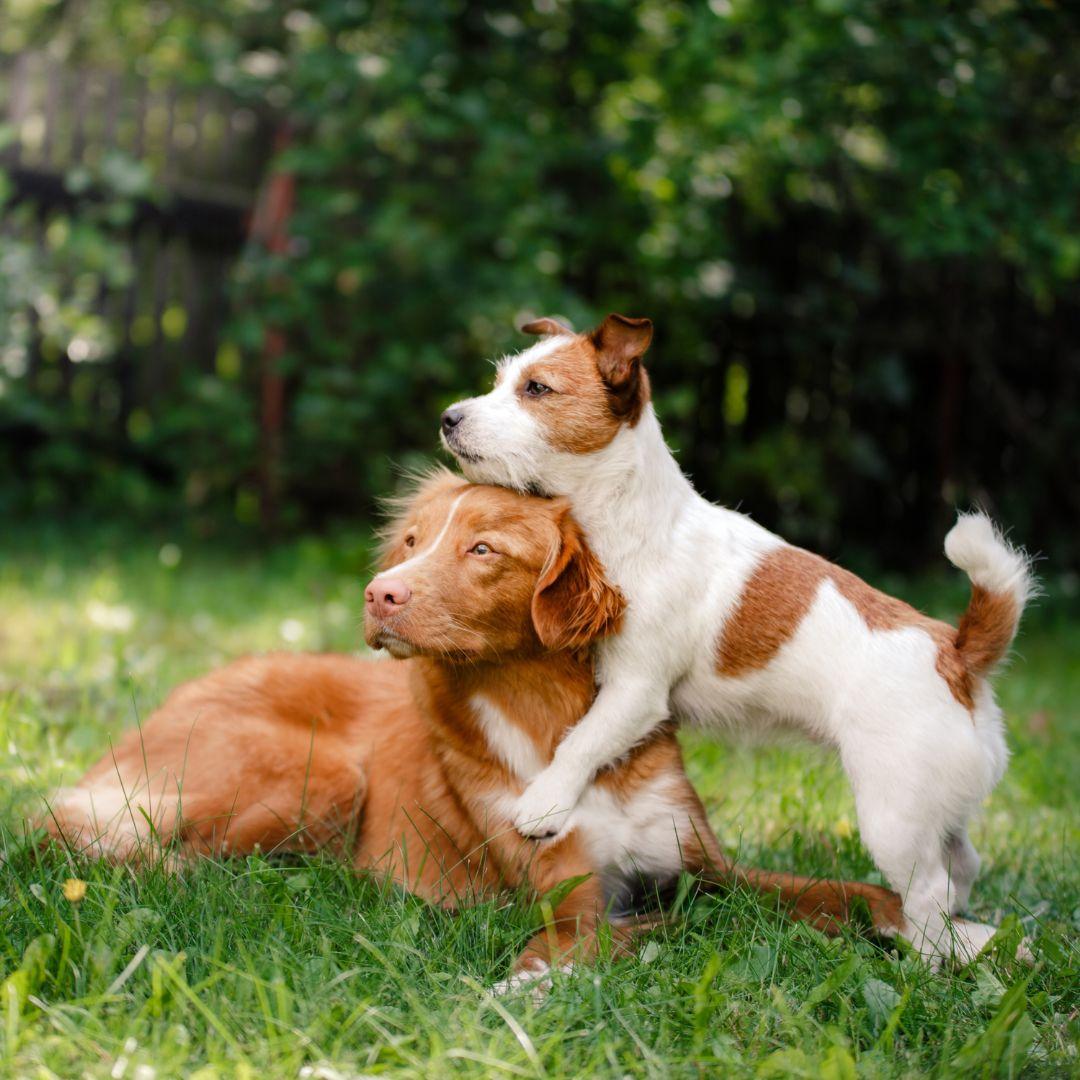
If your dog feels overwhelmed or intimidated in their environment, either generally or in the presence of the other dog, this can be submissive urination, where your pup may urinate without control and not with any intent to actually pee on the other dog. This stress response can raise heart rate much like it does in humans, which is why bladder control may slip in the moment.
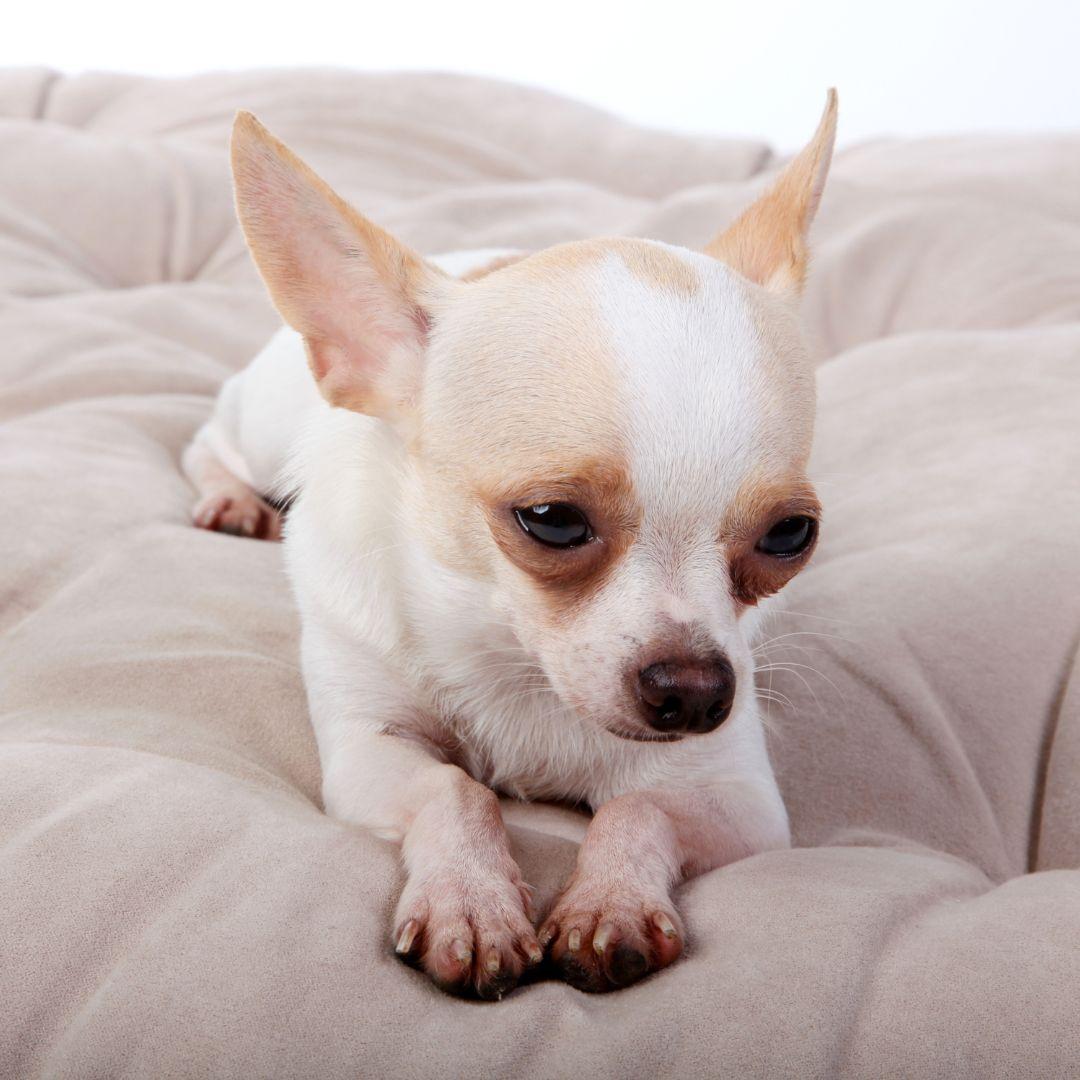
Similarly to when a dog is anxious, high excitement can also cause sudden unwanted urination, especially when dogs are younger. When a dog is excited, they are more likely to run and jump around, and as a result the risk of another dog getting caught in the splash zone is increased.
Sometimes these things happen unintentionally, and it may be that your dog goes to pee and either doesn't realize another dog is too close, or another dog wanders in out of nowhere. Younger pups may be less aware of their surroundings, which is why it is your job as a pet parent to keep things as safe and stress-free as possible. If these accidents start happening repeatedly, especially alongside new accidents in the house, something may be medically wrong, including a urinary tract issue that can change a dog's elimination habits.
It helps to know the difference, because the two look similar but have very different causes and fixes.
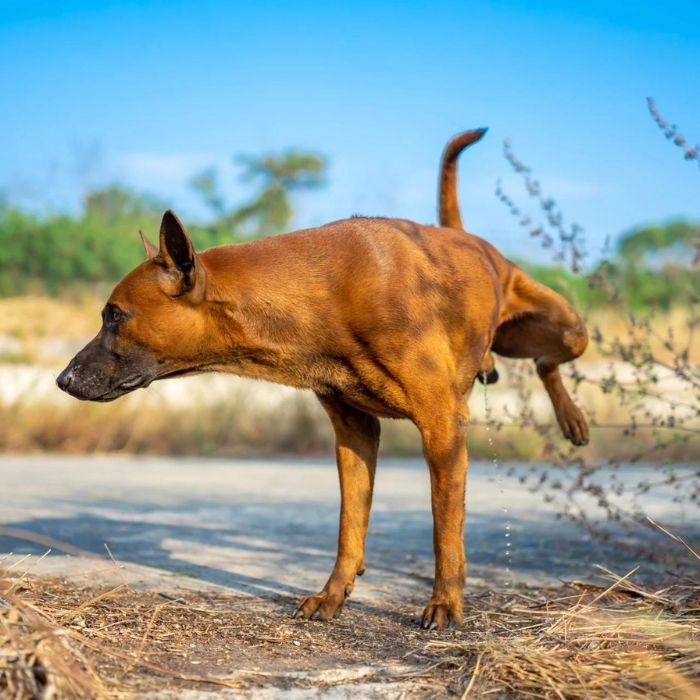
Territorial marking is deliberate: a dog will lift a leg, deposit a small amount of urine on a chosen target (often a vertical surface, and sometimes another dog), and move on. It's driven by instinct, scent communication, and hormonal status.
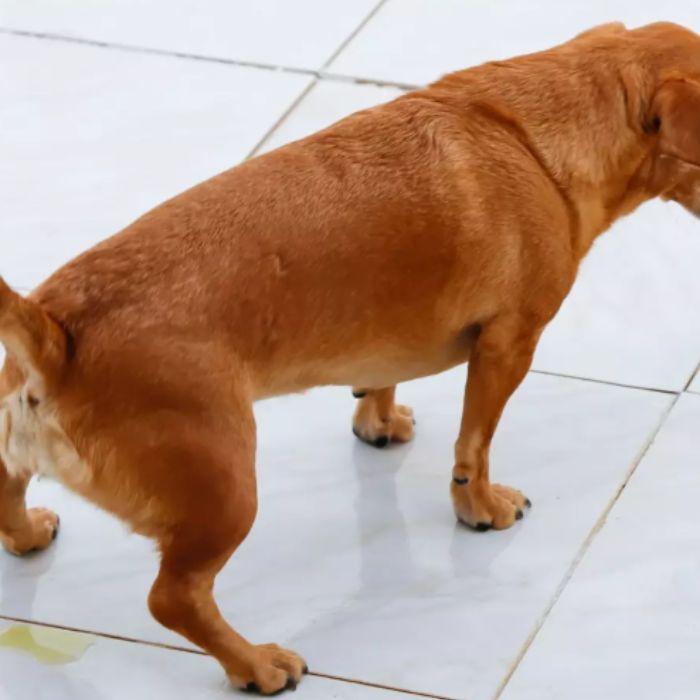
Full-bladder urination on another dog is usually accidental or emotional: your dog empties much more urine, often while in a low or crouched posture, and often looks confused or startled themselves afterward. It's more likely to be excitement or submissive urination.
Reading which one you're dealing with makes it easier to pick the right response, whether that's training, socialization work, or a vet check.
Having your dog pee on another dog can invoke the wrath of a less-than-understanding stranger, so it is important to do what you can to prevent this behavior from becoming a habit.
Catch it early. If you see the posture starting (sniffing intensely, lifting a leg near another dog), say a firm "no" and immediately redirect your dog away before they finish.
Teach a pee-on-cue command. Many trainers use "go potty" or a similar verbal cue, which lets you redirect your dog's aim toward an acceptable spot before things get awkward.
Reward the right behavior. When your dog pees in an appropriate place, praise them straight away and, if it helps, offer a toy or small treat as a distraction from the previous target.
Socialize from a young age. Proper socializing helps your dog get used to other people and animals, minimizing the emotional overwhelm that often triggers submissive or excitement urination.
Use a leash in higher-risk situations. In new environments, dog parks, or around unfamiliar dogs, a short leash gives you the control to recall quickly.
If you are struggling to manage this behavior when out and about, you may want to consider consulting a dog behaviorist or trainer, sometimes called a canine behaviorist. A professional can pinpoint the issue and help close any gaps in your dog's training, equipping you with practical tips and tools for persistent behavioral issues.
It's more common than most owners realize, especially among intact males and around unfamiliar dogs. Occasional incidents linked to marking or excitement are within normal behavioral range, but if it becomes a repeat pattern, it's worth addressing through training or a chat with a behaviorist.
Sometimes, unwanted urination can be due to a more serious underlying medical issue, so if your dog continues to pee on other dogs or in other unwanted places, get them seen by a vet to rule out further issues, especially if their leg lifting, elimination pattern, or interest in another dog's urine seems different than usual. Reproductive status matters too: neutered and spayed dogs, including intact females, may show less territorial marking overall, but it does not always disappear completely.
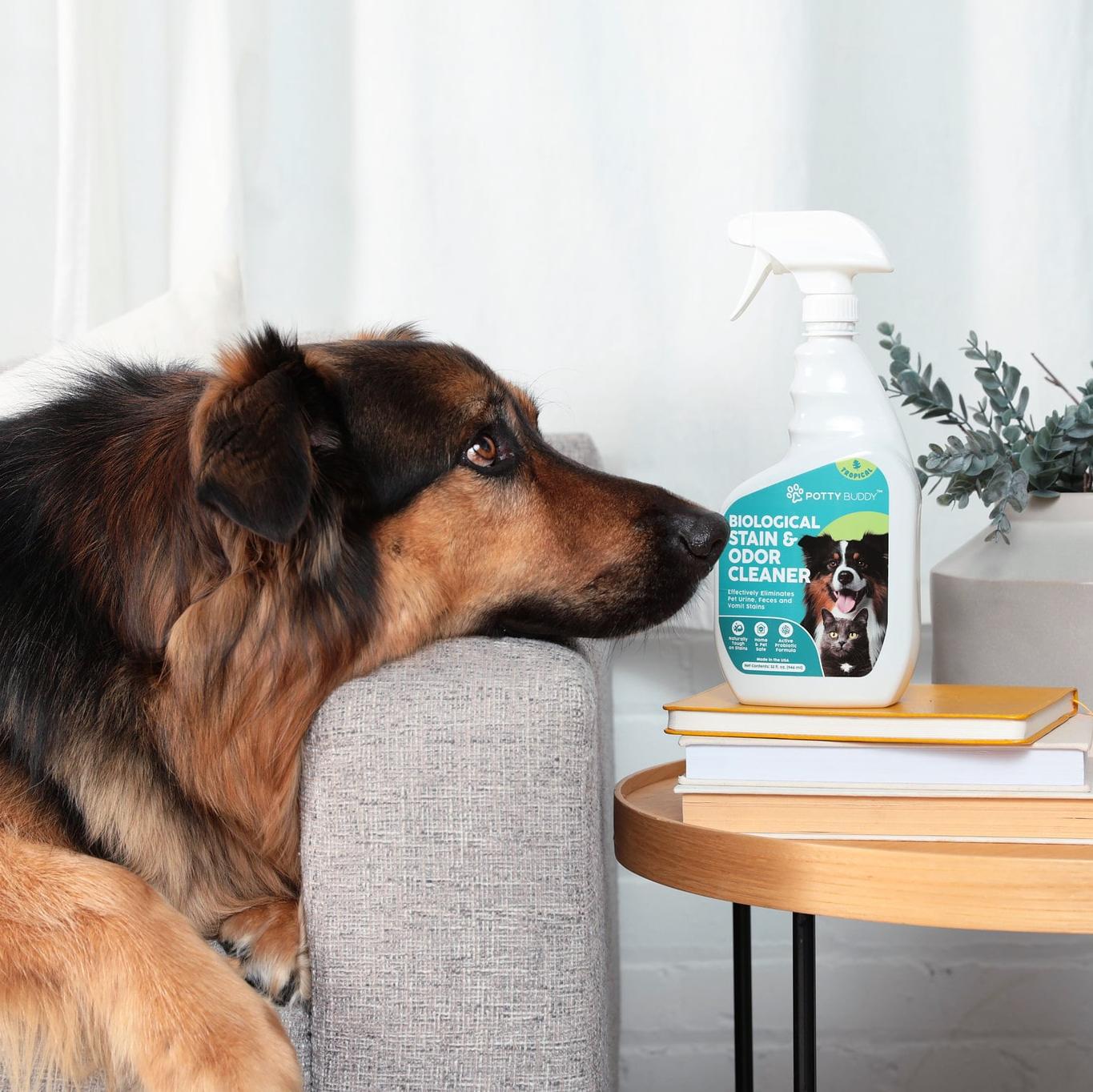
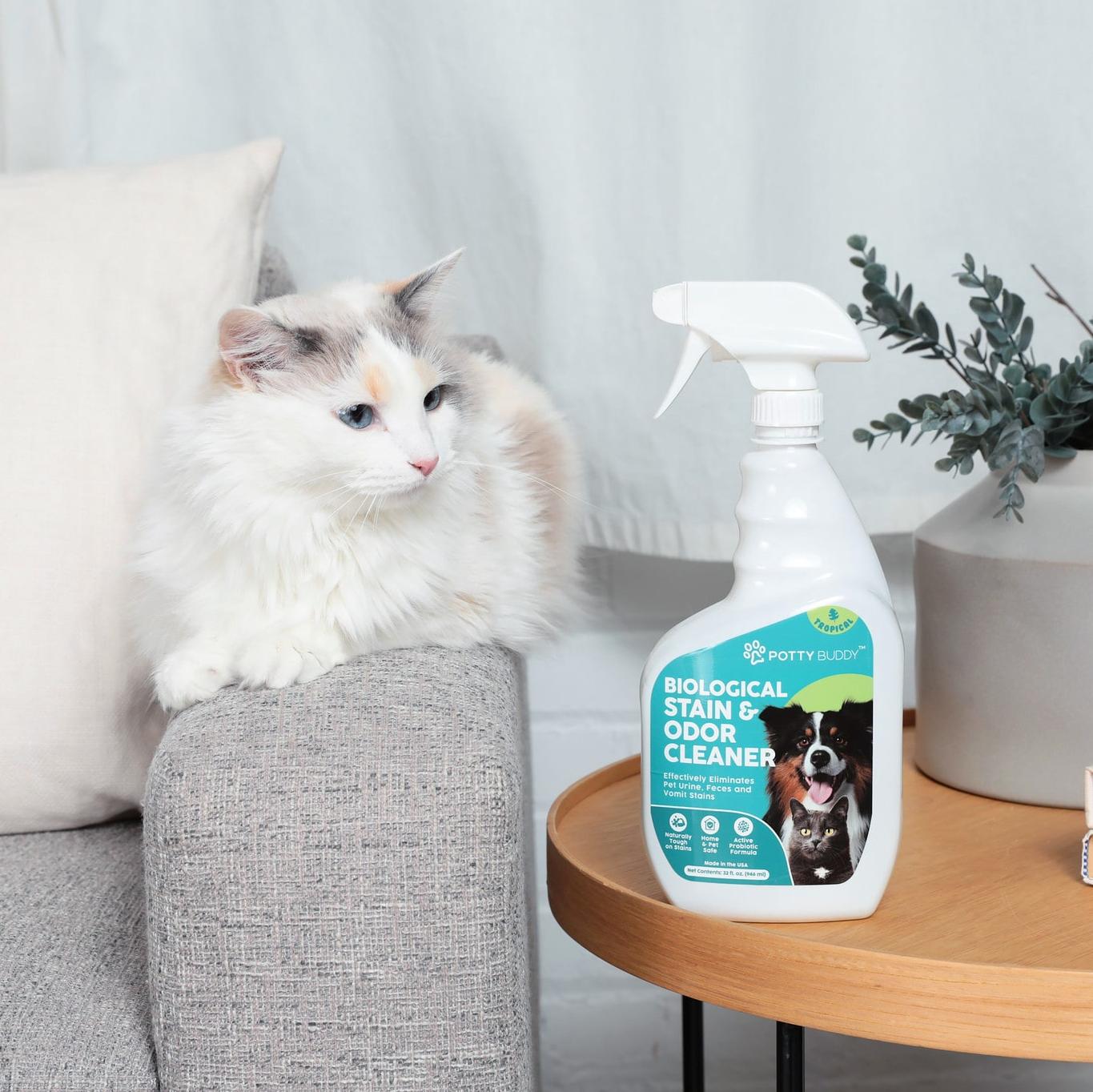
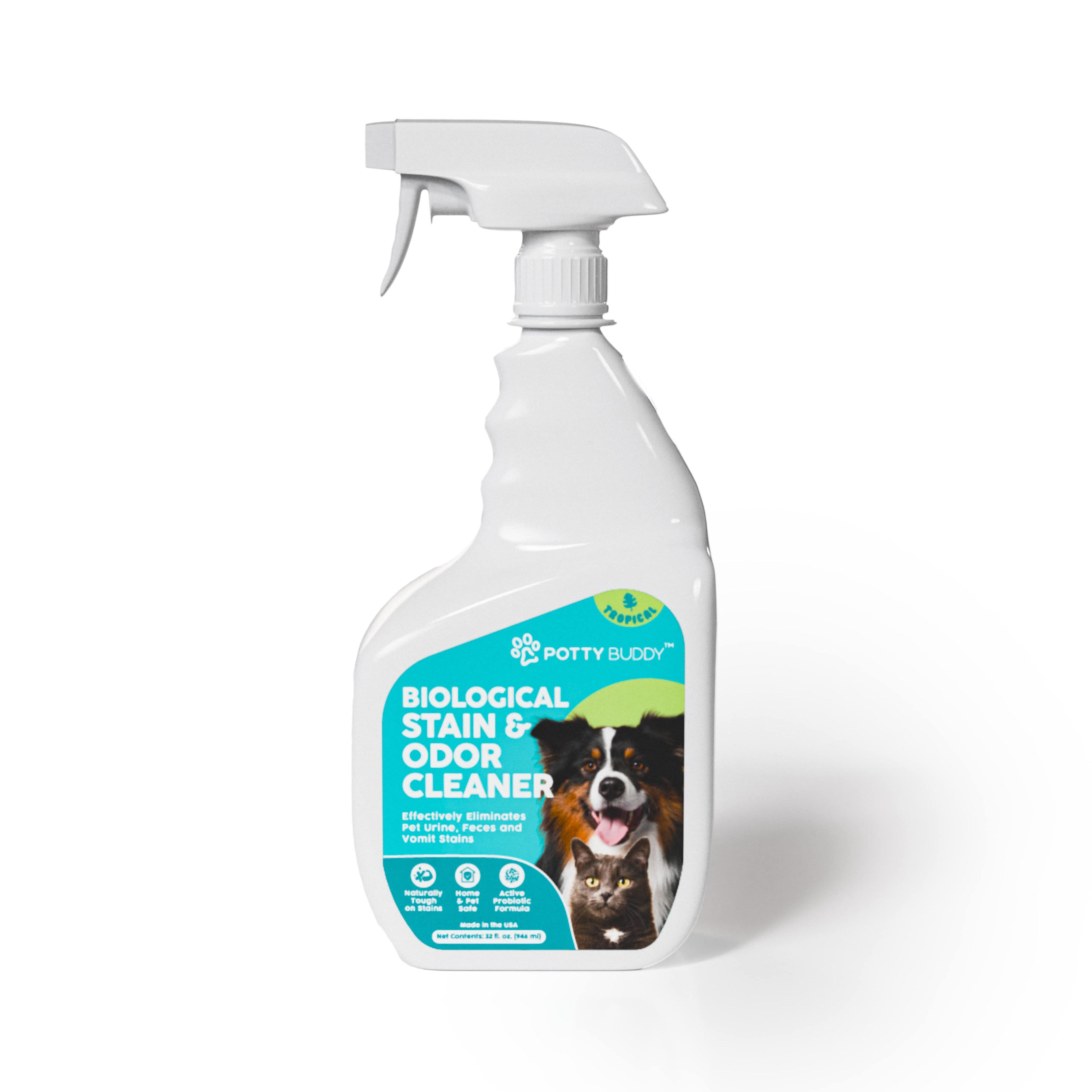
The good news is that with consistent training, thoughtful socialization, and a bit of patience, most dogs can learn better manners around other pups. And if you need extra help keeping your home clean while you work through it, the Potty Buddy range has you covered.
What’s the Secret Pet Owners Swear By for a Fresh-Smelling Home?
4.4 ⭐⭐⭐⭐⭐
Trusted by pet owners across the USA
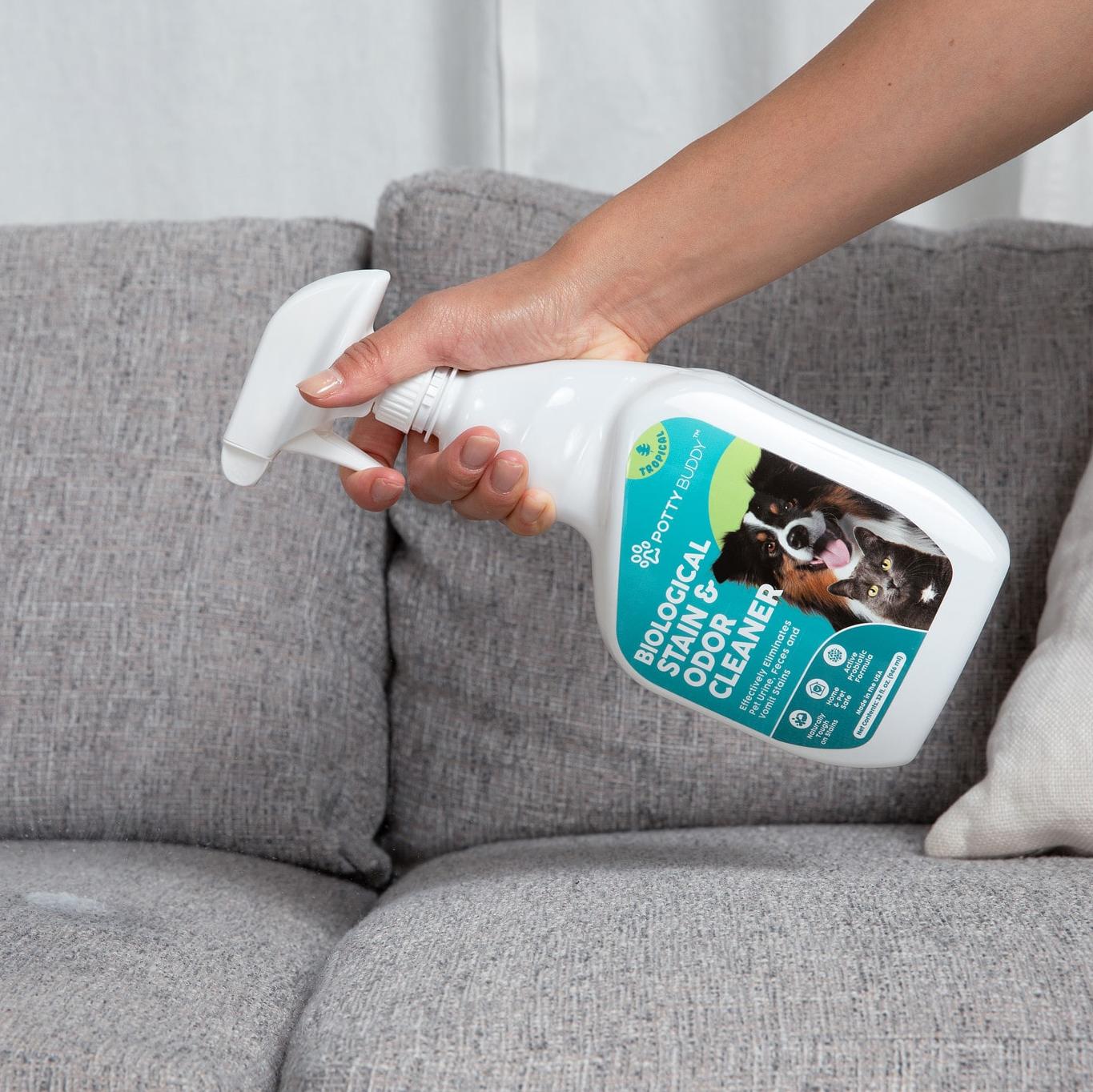
Pets make messes – it’s part of the deal! But with Potty Buddy’s Biological Stain & Odor Cleaner, you can keep your home fresh, clean, and totally stress-free.
✅ US-made Formula
✅ Tough on Stains, Gentle on Furniture
✅ With Probiotics & Essential Oils
✅ Non-Toxic and Safe for Home Use
✅ Save Hundreds by avoiding ineffective cleaners
US Only
⭐⭐⭐⭐⭐
-Elle C.
Worth every penny! Had multiple stains from our new puppy's accidents, and this cleaned them up effortlessly. The natural formula gives me peace of mind knowing it's safe to use around my pets.
Follow Us On
Check Out Our Most Popular Content