Your Cart is Empty


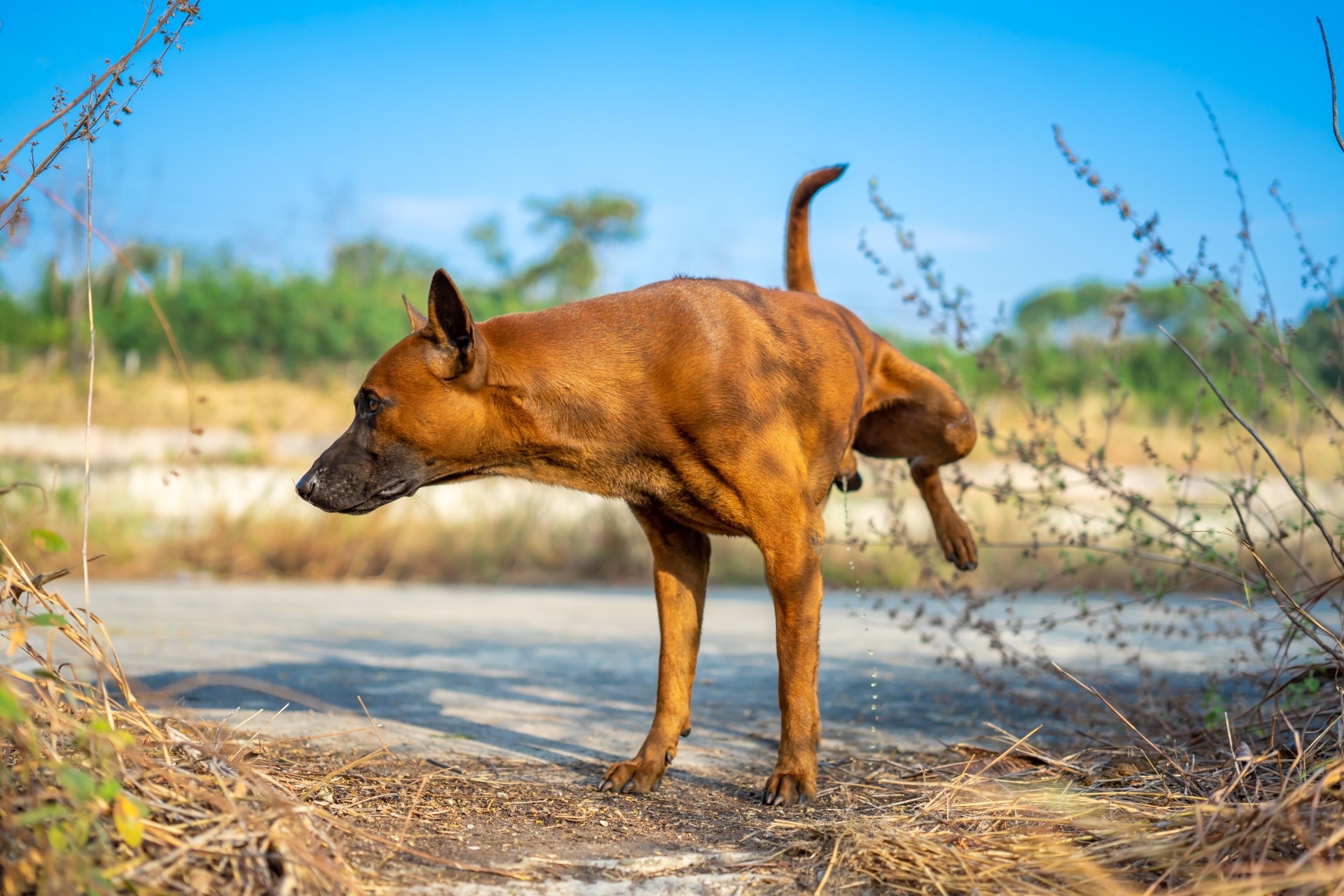
If you're wondering why your dog pees on his front legs, the usual reasons are simple: some male dogs struggle to aim because of their body position, some puppies haven't learned better habits yet, and some dogs do it during marking, excitement, stress, or submissive urination. It may look harmless at first, but if it happens often, repeated urine on the front legs can create hygiene problems, skin irritation, odor, and a lot of extra cleanup for the owner.
For dog owners trying to understand or stop this behavior, it helps to know whether the cause is anatomy, normal behavior, or a training issue. That's what we'll look at here — why paw urination happens, when it's more common in male dogs, and what you can do about it.
There isn't one reason why dogs pee on their own legs, as various factors could contribute to this behavior. Dogs sometimes urinate on their paws for a number of different reasons, including their anatomy, natural instincts, medical conditions, excessive urine production, poor bladder control, and more. Here are some top factors that contribute to paw peeing:
Anatomy — The anatomy of some dogs may make it more difficult for them to point their urine away from their body. As a result, their front paws may get wet.
Natural instinct — Dogs use urination as a way to show submission and avoid conflict. This behavior can be exhibited when they meet new people or other dogs. Alternatively, they may urinate when they're in a situation that makes them feel uneasy or stressed.
Marking territory — Urinating on their front paws allows dogs to mark their territory more effectively. This is especially true for male dogs, who often lift their legs to pee.
Medical issues — Bladder problems or urinary incontinence can also play a role, and incontinence may stem from anatomical or neurological conditions.
In addition to the above possible factors, it may also simply be the case that the dog in question is not used to peeing just yet — especially true if they're only a puppy. If this starts suddenly or keeps happening, a veterinarian should evaluate your dog to rule out underlying medical issues. Let's dig a bit deeper into each point so that you have an idea of how to address paw peeing in the particular case with your dog.
If you want your dog to follow your commands and perform tricks, training is required. What you may not realize is that training is also required if you want your pet to change some of their odd habits, such as peeing on their own paws. Because although initially this may seem a funny quirk, it can also impact their hygiene and health in the long-term.
So if your puppy constantly urinates on its front legs, this could simply be because your pet isn't used to aiming properly when they pee. More frequent bathroom opportunities can reduce rushed urination and messy accidents. If your boy is still young, he may not yet lift his leg consistently, and many dogs improve as they start lifting more reliably with maturity — though timing can vary by breed. Give your dog time to learn and practice, and reward progress as your puppy matures.
This can often be a trait demonstrated by rescue dogs, who have never undergone proper potty training. Patience is key as they adjust!
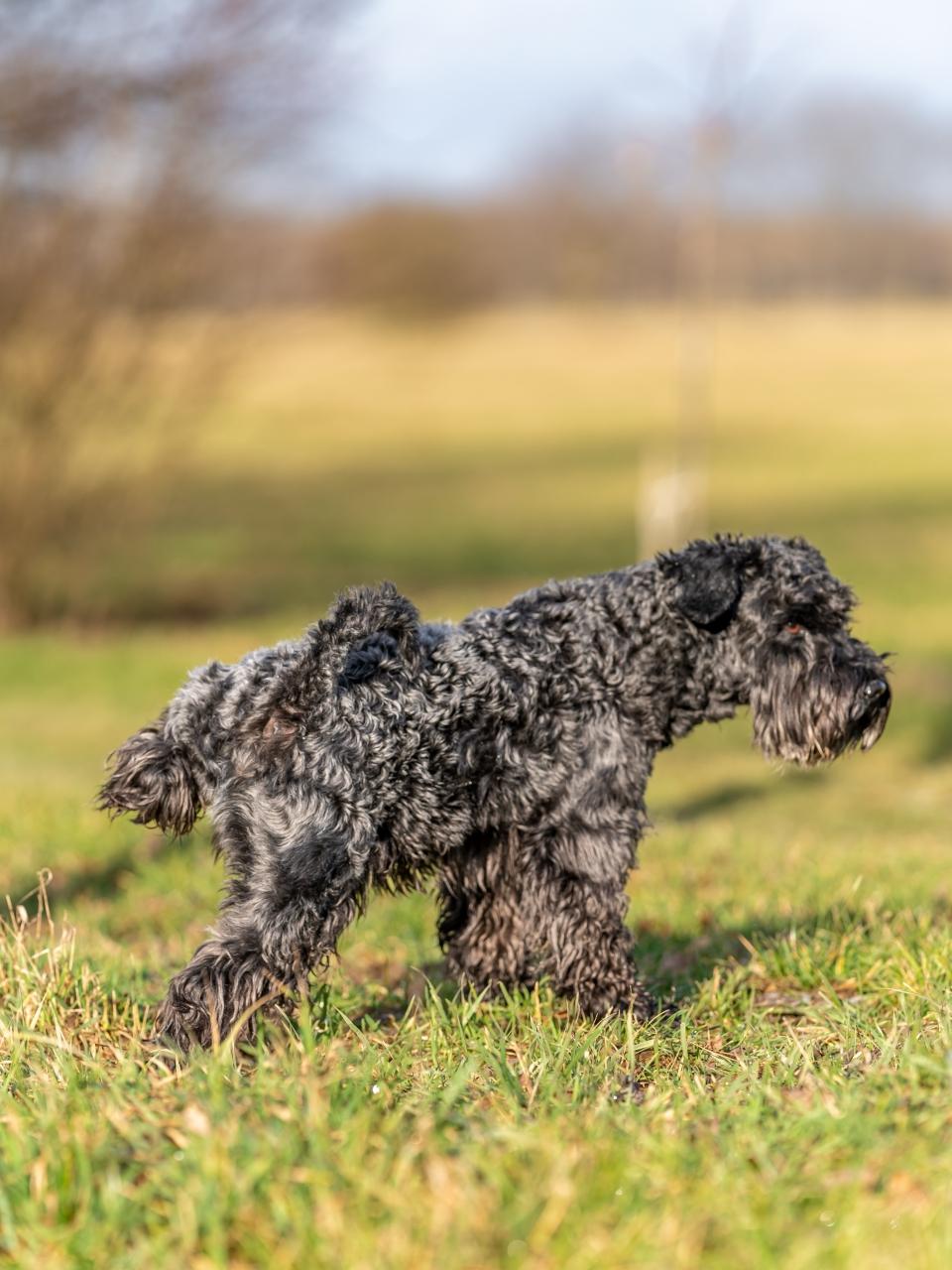
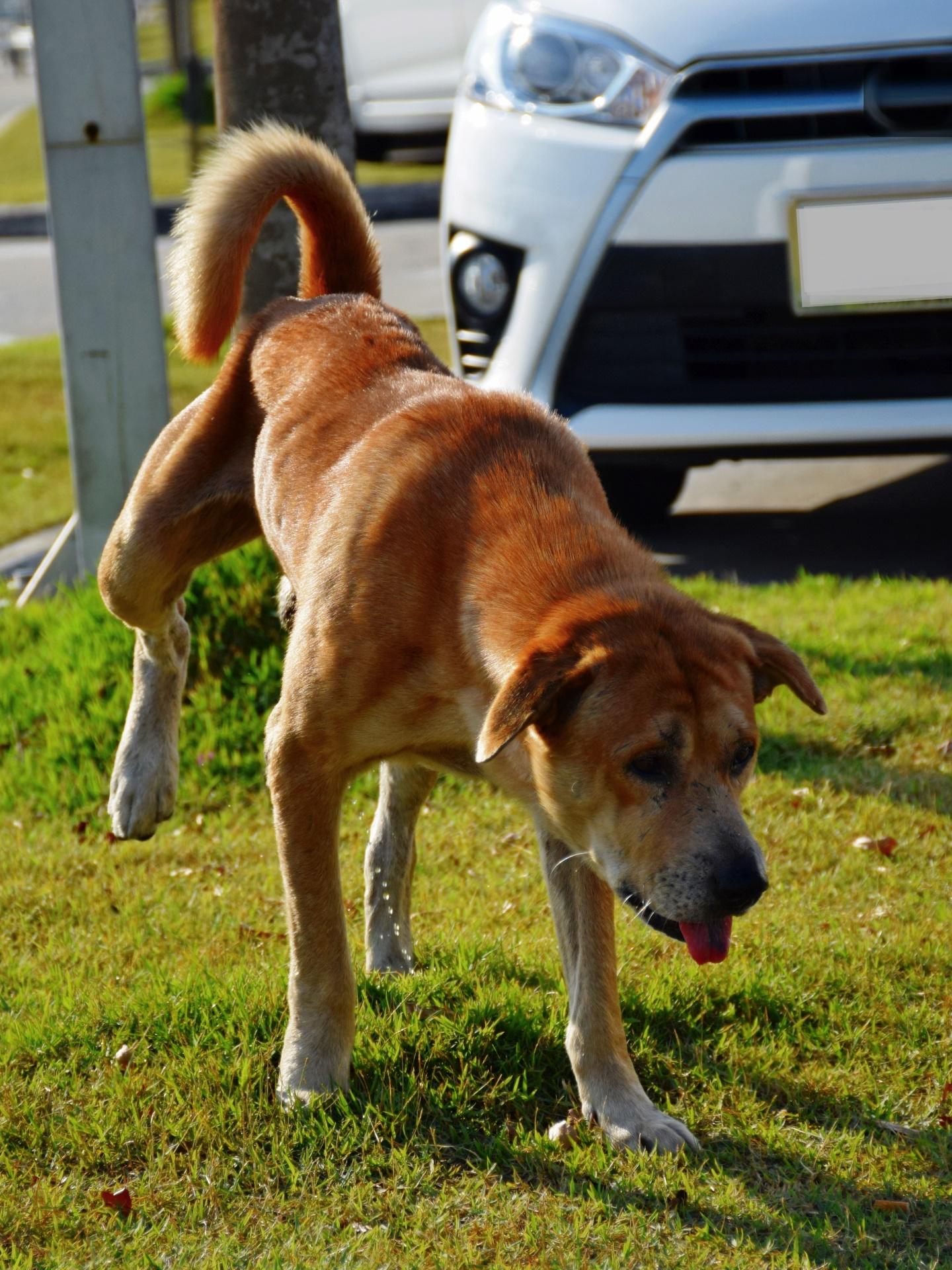
Puppies may pee on their front legs because they don't understand what they're doing yet. Like with our previous point, there's a good chance the problem will resolve on its own. Other issues that cause your dog to pee on his front legs are more difficult — or at least less straightforward — to resolve.
For example, messy urination can be caused by an anatomical issue, such as a misaligned penis or other physical traits that redirect the urine stream toward his own leg or even his chest. Hip or leg problems could also explain why your dog always urinates on his legs, as joint pain may affect his posture and balance while urinating.
Long or dense fur can also carry or wick urine onto the legs and front paws even when the stream is only slightly off — one of the reasons this problem shows up more often in longer-coated breeds.
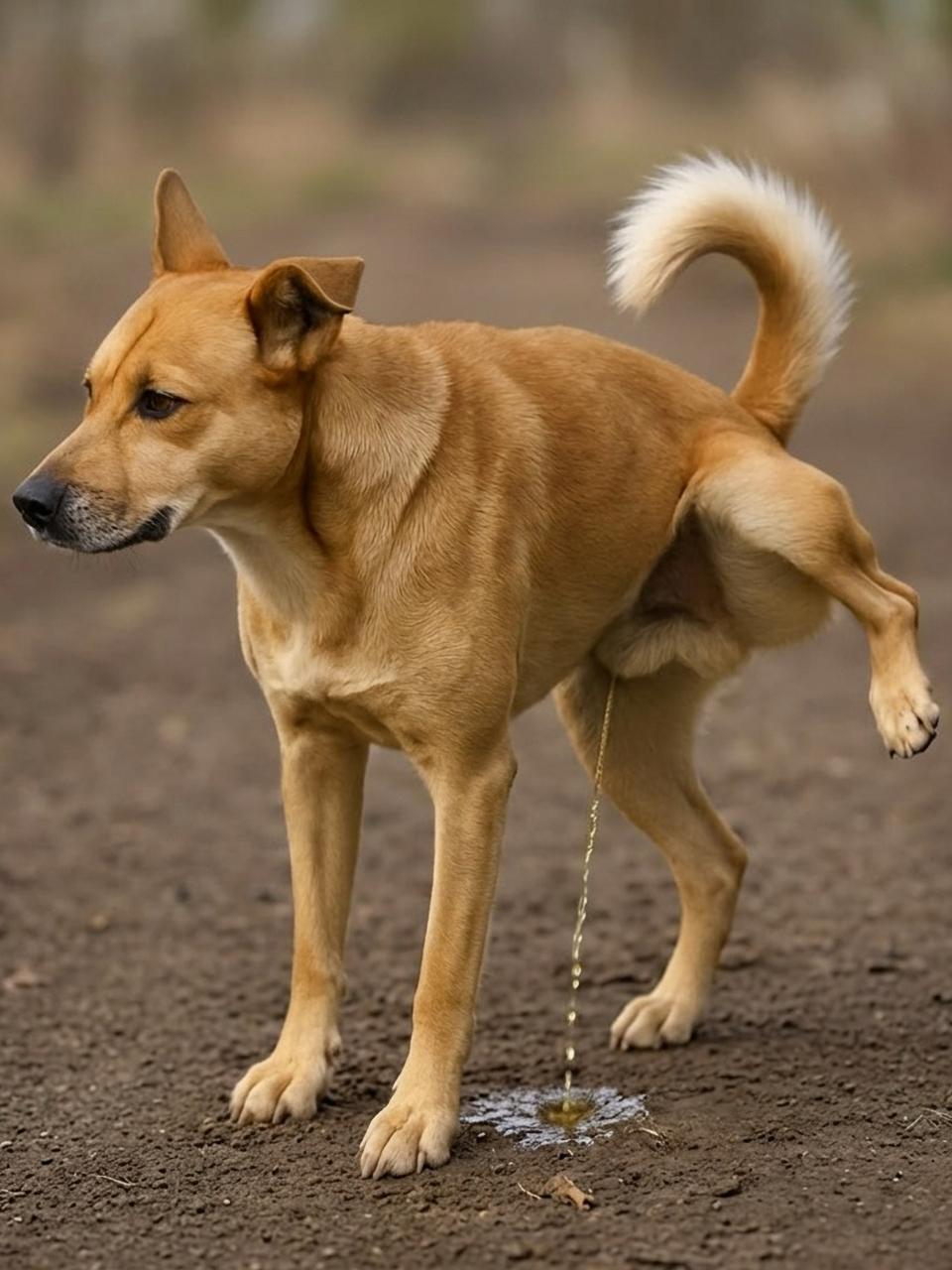
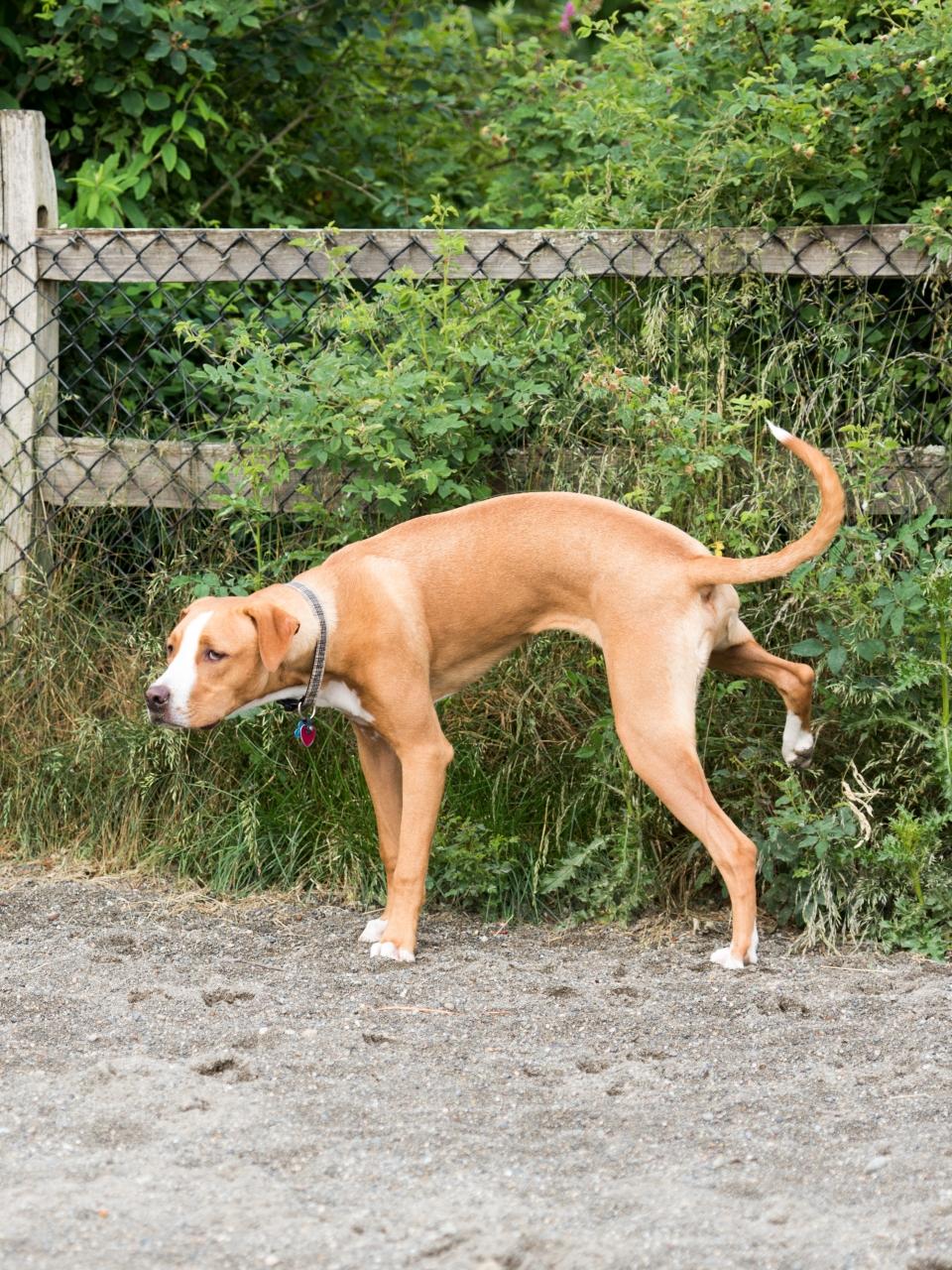
Apart from peeing to relieve themselves, dogs pee for several other purposes. One of the additional reasons for peeing is because they're marking their territory. In the usual "peeing posture" — often called squatting — a female dog tends to use a lower stance, while males typically raise one hind leg. That leg-lifting posture is where a lot of the paw-splashing comes from, especially when a dog is trying to spray a wider area to cover more ground and mark a larger territory.
Your dog may even get into a handstand-style posture to urinate further than usual. Dogs often do this to place urine higher up, especially around scents left by other male dogs, and encouraging your pup to pee near vertical surfaces (like trees or posts) can actually improve his posture and aim over time. Whatever his posture, if your dog is aiming to mark a wider territory, this will in all likelihood increase the chances that he squirts some pee on his front legs.
Some dogs — especially puppies and more anxious pups — pee when they get too excited or feel intimidated. This is called excitement or submissive urination, and if your pup happens to be sitting or squatting low to the ground at the moment it happens, urine can easily end up on his front legs and belly.
Common triggers include greeting a familiar person after time apart, meeting new people or dogs, hearing loud noises, or being scolded. Submissive urination in particular is your dog's way of showing he isn't a threat, so responding with calm, gentle body language — crouching sideways rather than looming over him, avoiding direct eye contact, and keeping greetings low-key — can reduce it over time. This kind of urination usually fades as your dog matures and becomes more confident.
Sometimes paw peeing is a sign that something is going on medically. Bladder problems, urinary tract infections, urinary incontinence, or bladder stones can all affect how well your dog controls the flow and posture during urination. Some conditions may stem from anatomical or neurological factors, others from age or hormonal changes.
Signs that a vet visit is worthwhile include:
Your dog suddenly starts peeing on his legs when he never used to before
Straining, whimpering or signs of pain when urinating
Blood or unusual color in the urine
Squatting or trying to pee without much urine coming out
A noticeable increase in the frequency of accidents
Excessive thirst alongside toileting changes
Better safe than sorry — a quick vet check and urine sample can rule out a bigger issue and give you peace of mind, especially if the behavior has appeared out of nowhere in an adult dog.
While a splash of urine on your dog's front legs might seem like a minor annoyance, when it happens repeatedly it can lead to some real problems that are worth being aware of:
Skin irritation — Urine sitting in fur against the skin can lead to redness, itching, or urine scald, especially on breeds with sensitive skin.
Odor — Even after drying, urine leaves behind that distinctive ammonia smell that transfers to bedding, upholstery, and anywhere else your pup rests.
Bacterial buildup — Damp fur is a perfect environment for bacteria, which can lead to minor skin infections if the area isn't cleaned regularly.
Cross-contamination — Every time your dog licks his paws (as dogs do!) he's ingesting his own urine, which is unpleasant at best and unhealthy at worst.
Extra cleanup for you — More frequent baths, more furniture cleaning, and more laundry all add up over time.
This is why understanding the underlying cause and addressing it early is far better than just cleaning up the aftermath every time.
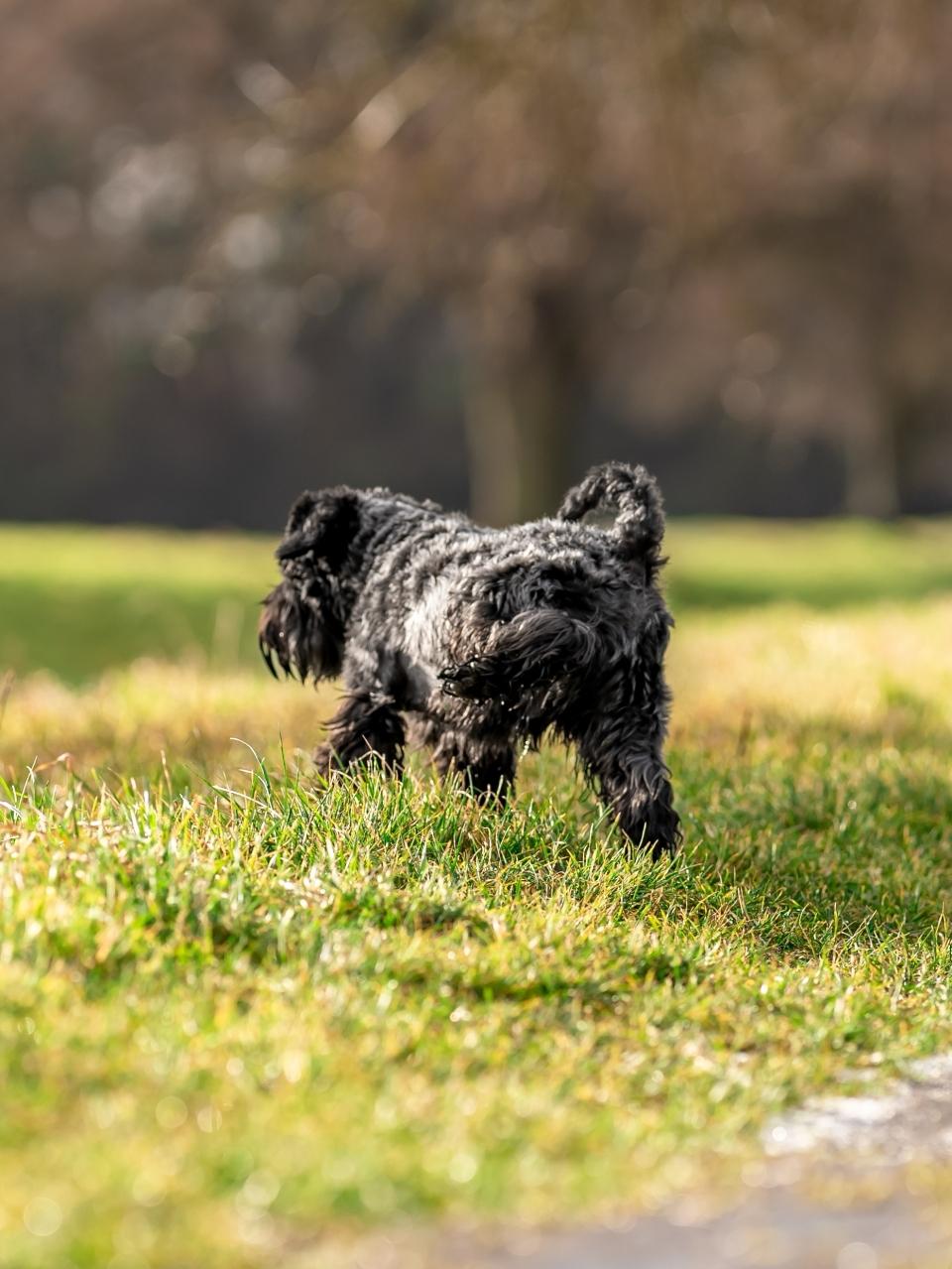

Urine gives off an unpleasant smell when it dries on your dog's fur, and repeated splashes can end up on your furnishings and flooring too. So, how do you prevent your male dog from urinating on his front legs? We've listed some top tips below to help you tackle your own dog's peeing problems.
You can assist your male dog in positioning himself correctly and help him find a more stable balance while urinating, especially if he has trouble pointing his pee away from his body.
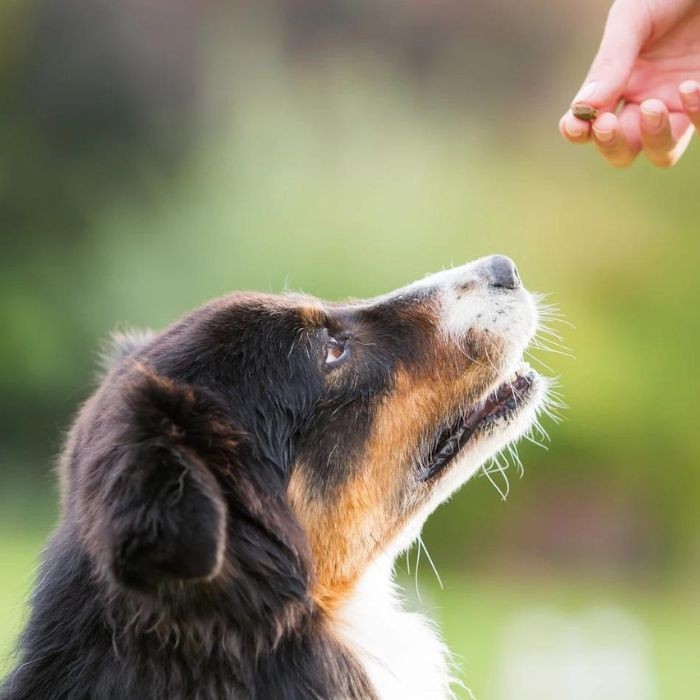
Instead of physically moving his limb, watch for the moment he starts to posture and gently encourage him to lift his leg naturally so the urine flows sideways rather than forward. With repetition, there's a good chance your pup will pick up a proper "safe peeing position" that prevents paw wetness. When he urinates without hitting his front legs, reward him immediately with a treat or warm verbal praise.
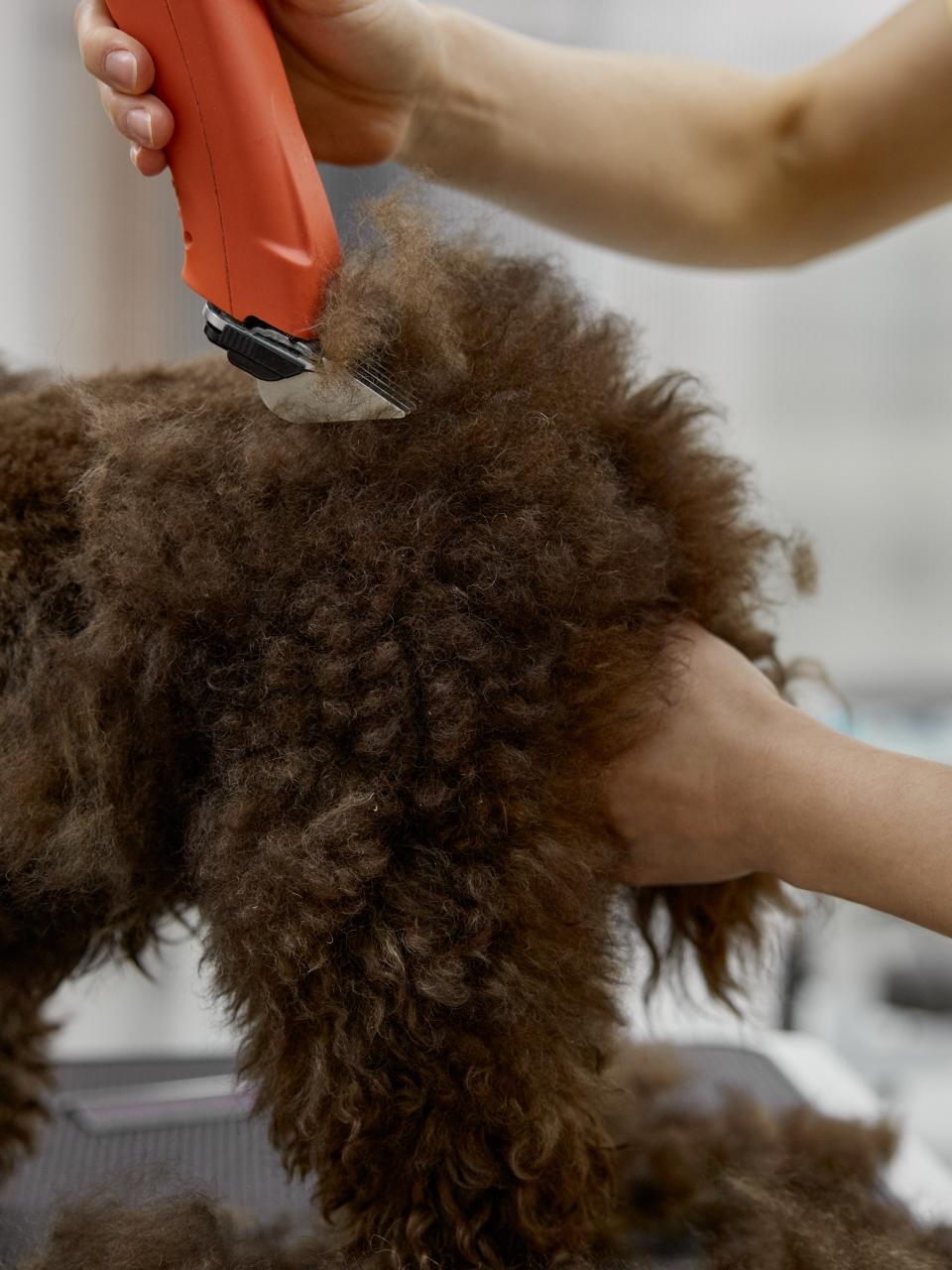
If your dog pees on his front legs as a result of an anatomical issue, some male dogs may benefit from a slight grooming adjustment. Do a little extra grooming around the bottom and genital area, and leave some hair longer close to his penis to divert the pee downward — though the exact approach should suit his coat type, especially with a dense coat like a poodle's.
Careful trimming elsewhere can also help reduce urine contact on the legs and paws. His genital area will still need to be cleaned, but it's easier than washing dried pee off his legs. After any accidents, a quick wipe with a warm damp cloth keeps his fur, the couch, and other surfaces cleaner.
If you're raising a puppy and want to head off paw peeing before it becomes an ingrained habit, a few early routines can help:
Consistent bathroom breaks. Take your pup out first thing in the morning, after every meal, after naps, and before bed. Fewer rushed pees means fewer messy ones.
Praise the right posture. When your pup pees cleanly, even by accident, reward them straight away. Dogs learn quickly what earns them attention.
Give them the right target. For male puppies, access to a tree, post or vertical marker gives them the chance to develop a proper leg-lift habit. The right posture at the right target tends to reduce misfires.
Keep the fur trimmed sensibly. Regular grooming around the genital area prevents the wicking issue we mentioned earlier.
Patience is the theme here — puppies grow into their coordination, and consistent, gentle guidance early on pays off for years.
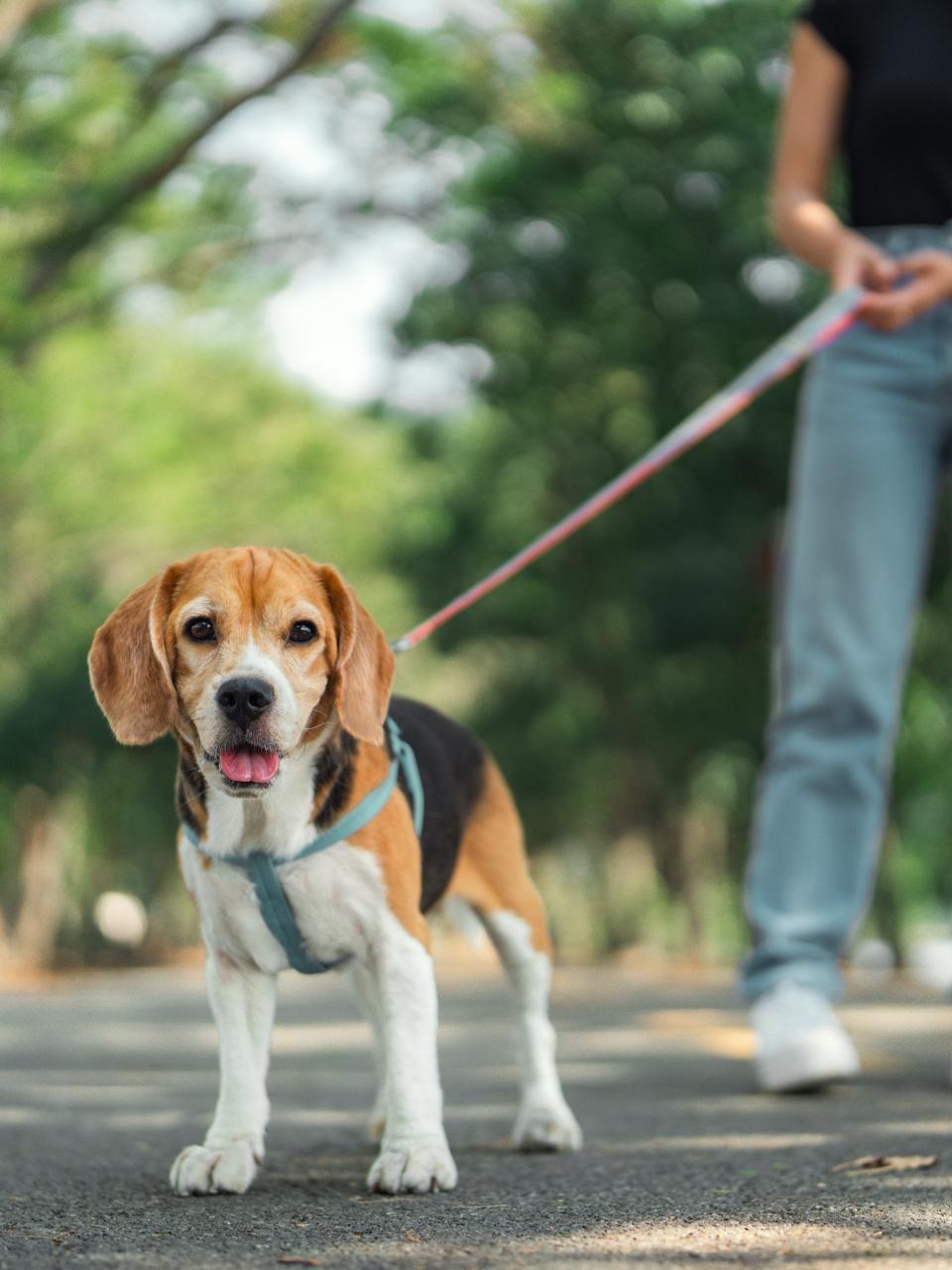
You might need to speak with an animal behaviorist if your pet's peculiar peeing habits seem driven by marking, overexcitement, or learned posture rather than a physical problem. If your dog seems unsteady, strains, or squats without normal output, have a vet check for a urinary tract infection or another medical issue first — behavior work alone won't fix a medical cause.
After a few sessions, your dog may no longer feel the compulsion to handstand while he urinates or mark his territory so extensively. A good expert can help with training for a cleaner posture and also help you recognize when the underlying issue is medical rather than behavioral.
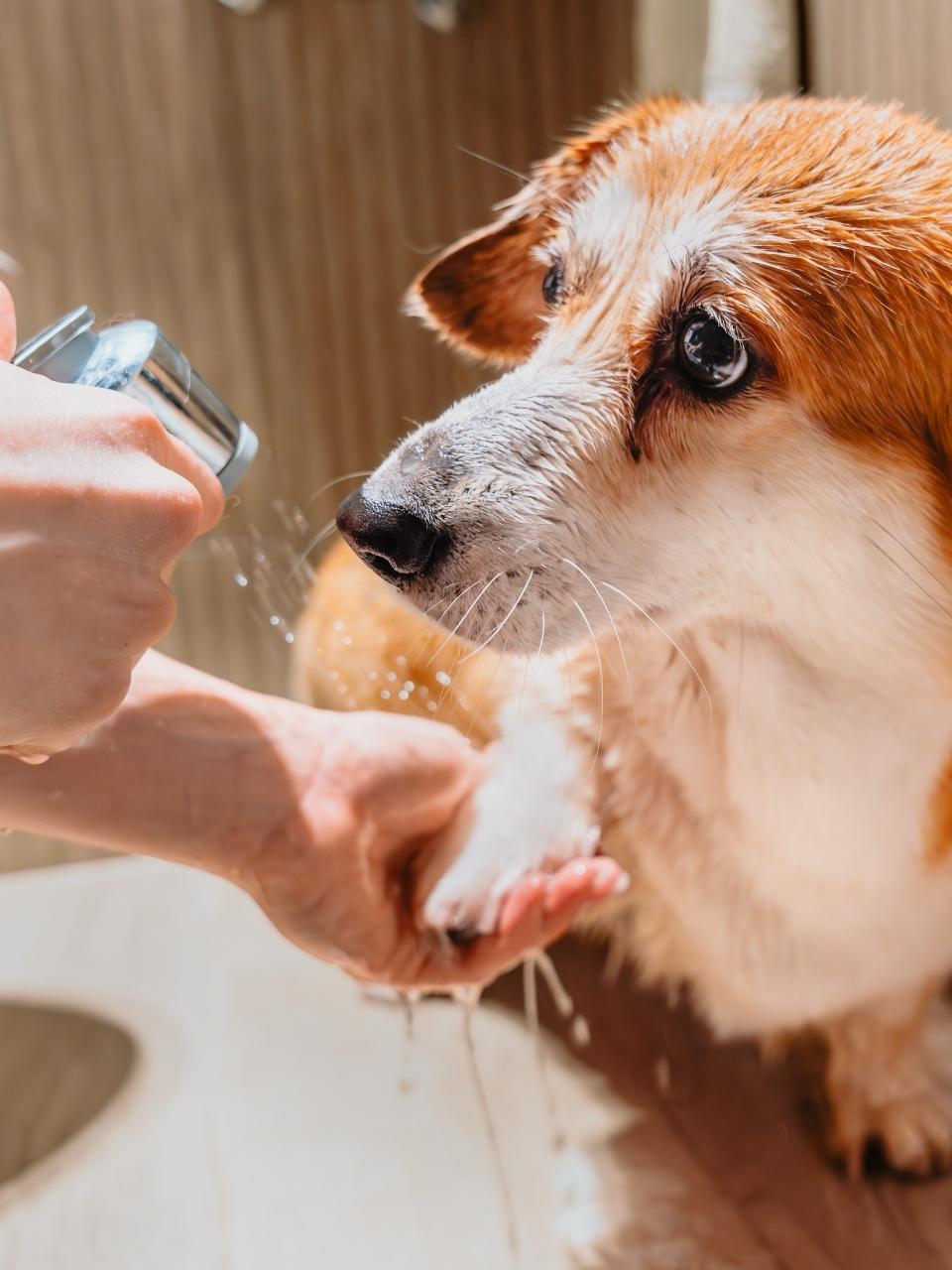
If your dog does end up with urine on his front legs, quick and gentle cleanup makes a big difference. A few practical tips to keep his skin healthy and your home smelling fresh:
Wipe, don't wait. As soon as you notice it, use a warm damp cloth or a pet-safe unscented wipe to clean the affected area. The longer urine sits in fur, the more it dries in and the harder it is to remove.
Skip the human wipes. Fragranced baby wipes and hand wipes often contain alcohol and additives that can irritate your dog's skin. Stick to pet-safe options or plain warm water.
Dry thoroughly. Damp fur invites bacteria, so gently pat the paws and legs dry with a clean towel after cleaning.
Do a full paw wash as needed. If the paws are getting frequent splashes, a proper wash every few days keeps skin healthy. Use a mild, dog-formulated shampoo — never human shampoo.
Check the skin regularly. Part the fur and look for any redness, flakes or irritation. If you spot ongoing skin issues, mention it to your vet.
To an extent, yes. Puppies are still learning bladder control, developing coordination, and figuring out the right posture. Occasional paw pees during the first several months are usually nothing to worry about, especially in male pups who haven't yet learned to lift their legs consistently. If it continues well into adulthood, that's when it's worth looking closer at anatomy, habit, or a possible medical cause.
If your dog is peeing on his front legs, don't despair. Once you've identified the reasons potentially causing this totally potty behavior, it'll be far easier to put the proper measures in place to help rectify his misguided aim. If you're at all concerned about your dog's potty habits or would like expert support, don't hesitate to get in touch with your veterinarian who may be able to offer specialized guidance.
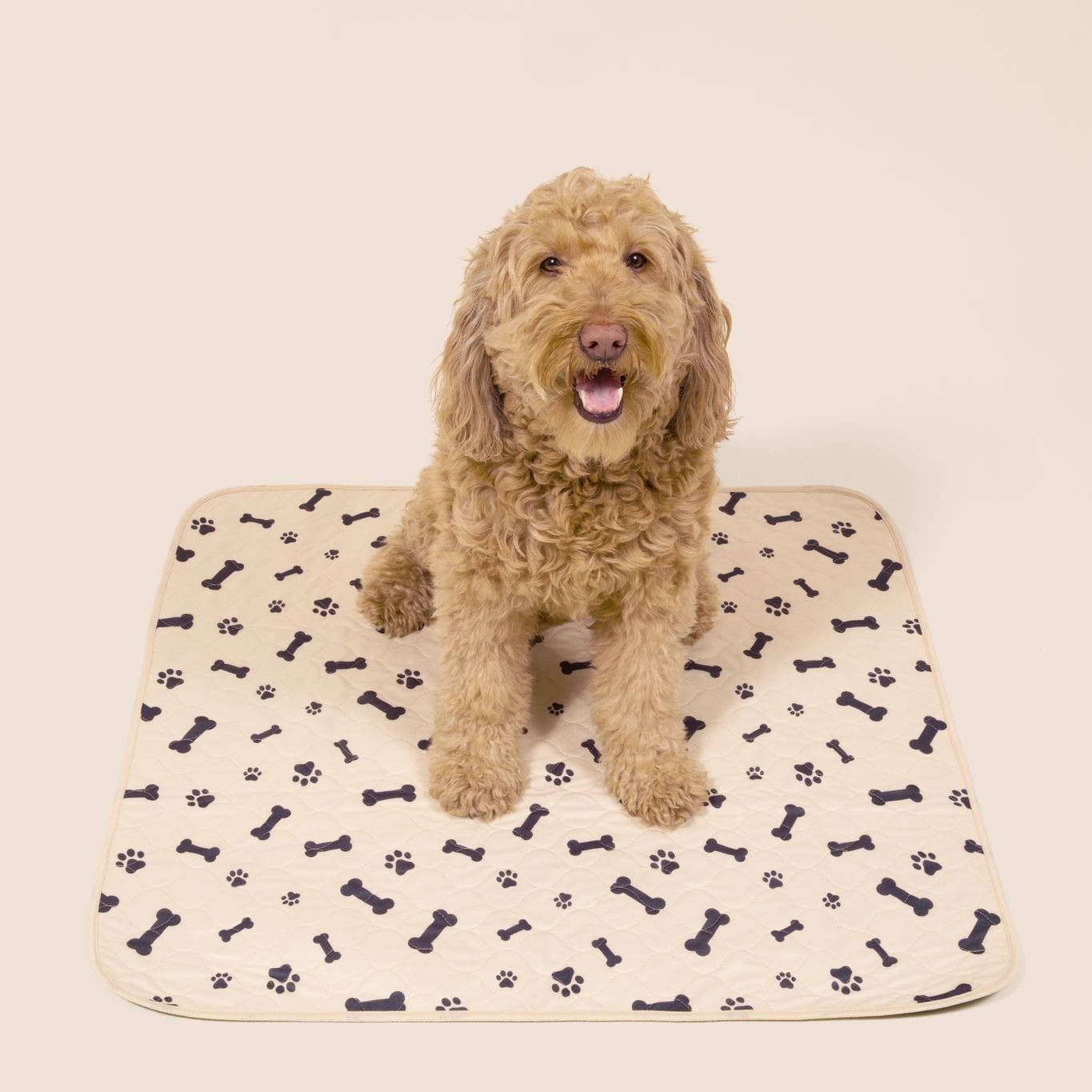
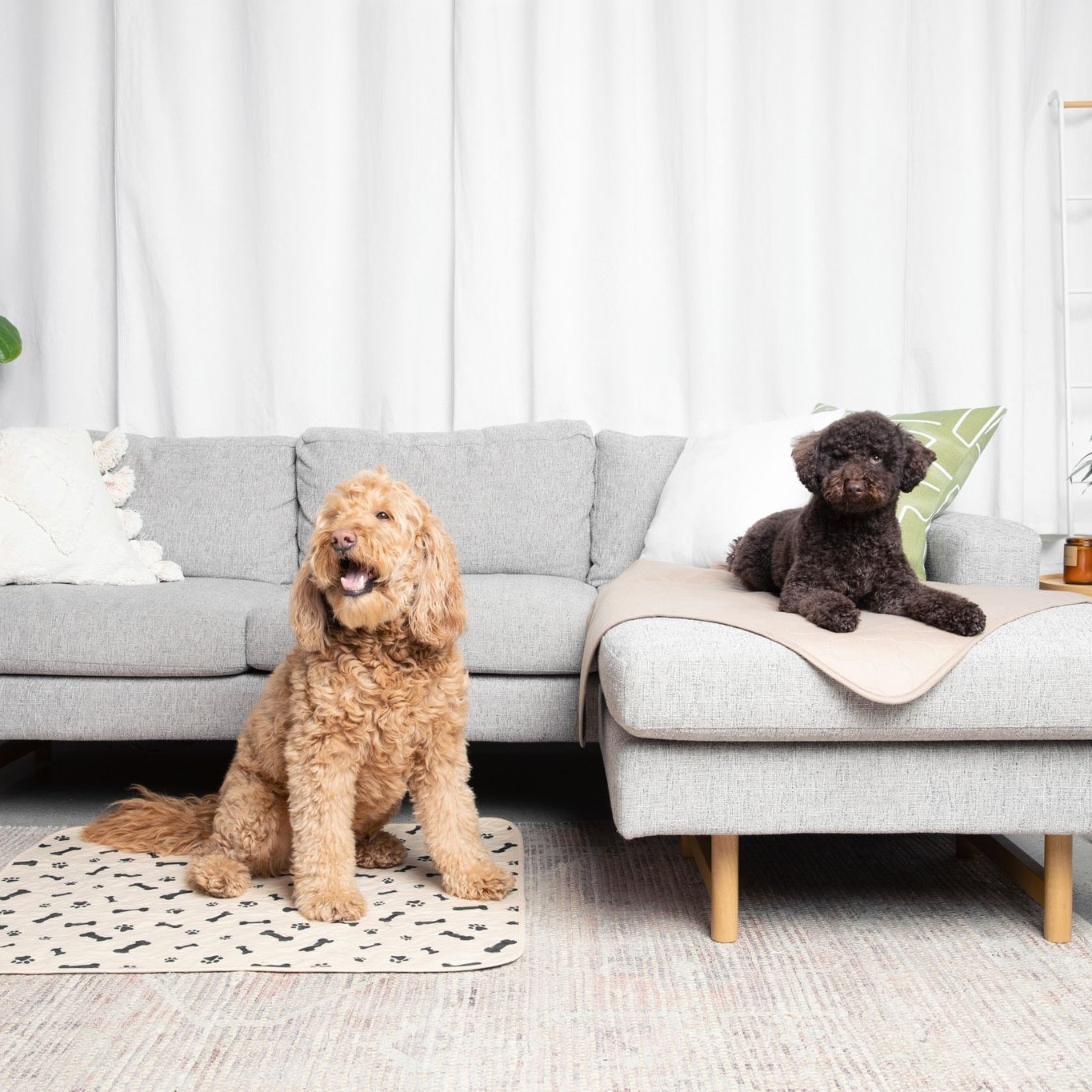
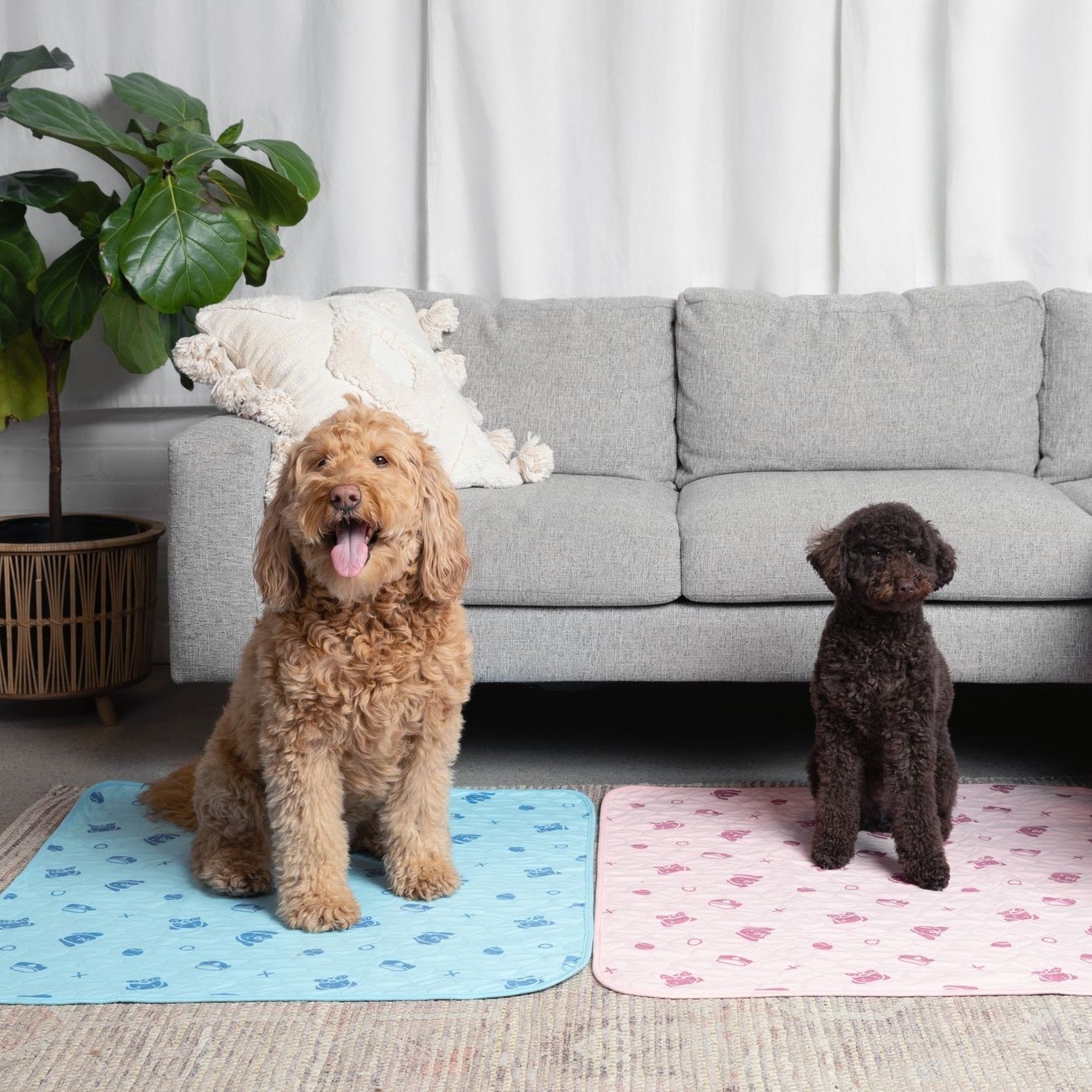
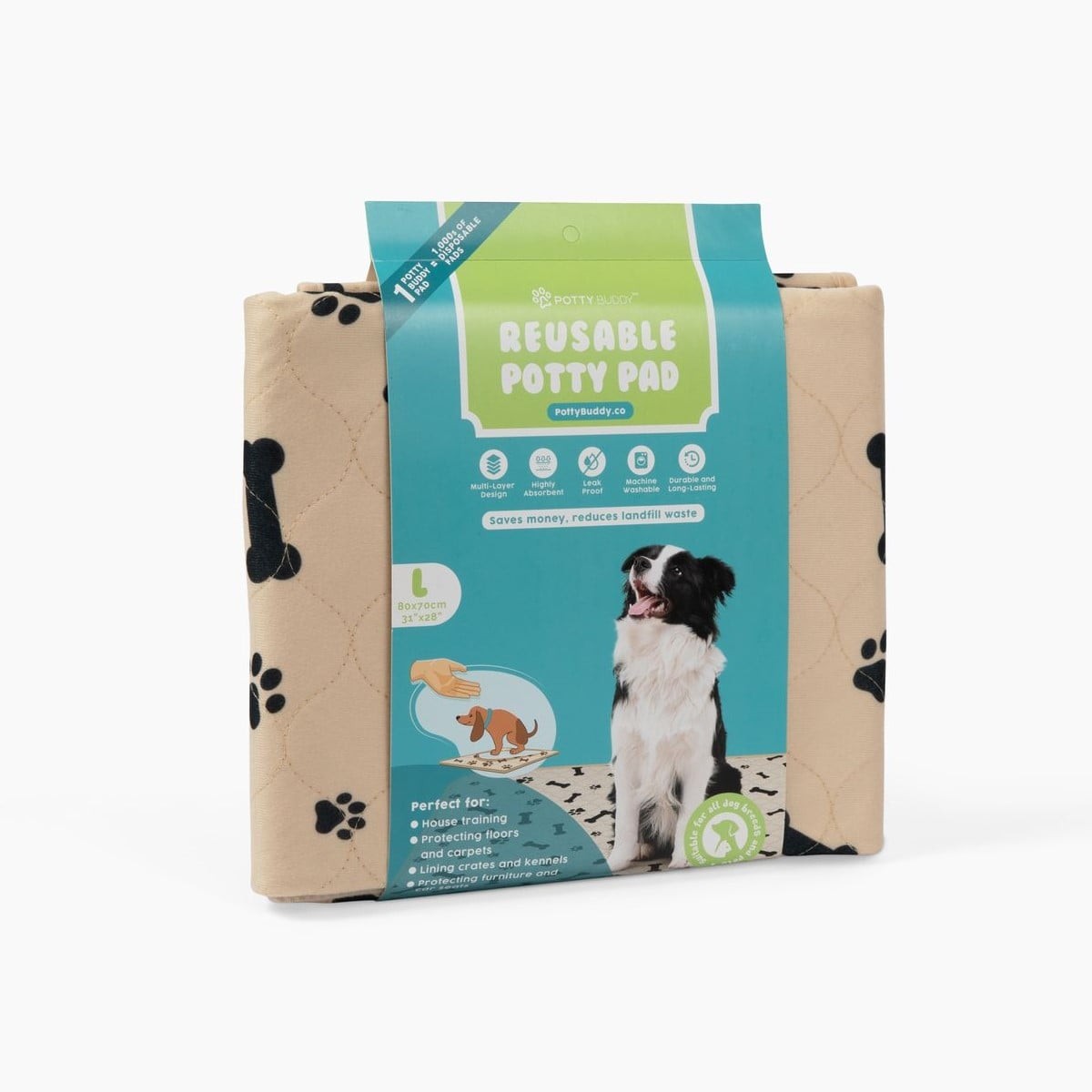
Also know that the Potty Buddy range is always here to support your pup's potty hygiene. With everything from Reusable Potty Pads to Leak-Proof Blankets and Doggy Diapers, we have the wellbeing accessories to support dogs of all ages, breeds and sizes.
See How Dog Owners Are Using These Leak-Free Potty Pads to Keep Their Homes Clean and Pups Happy
4.7 ⭐⭐⭐⭐⭐
Over 100,000 Dog Owners Saved Money With Potty Buddy™
The washable pee pads that absorb anything your dog throws at them, while keeping your floors and furniture stain-free.
✅ Super Absorbent and Leak-Proof
✅ Great for Potty Training
✅ Ideal for Puppies and Older Dogs
✅ Washable and Reusable For Years
✅ Save over $400/year by not buying disposables
-60 Day Money Back Guarantee-
⭐⭐⭐⭐⭐
-Diana D.
These pads are a life saver for my kitchen floor and bedroom carpet! Just ordered 2 more!
Follow Us On
Check Out Our Most Popular Content