Your Cart is Empty


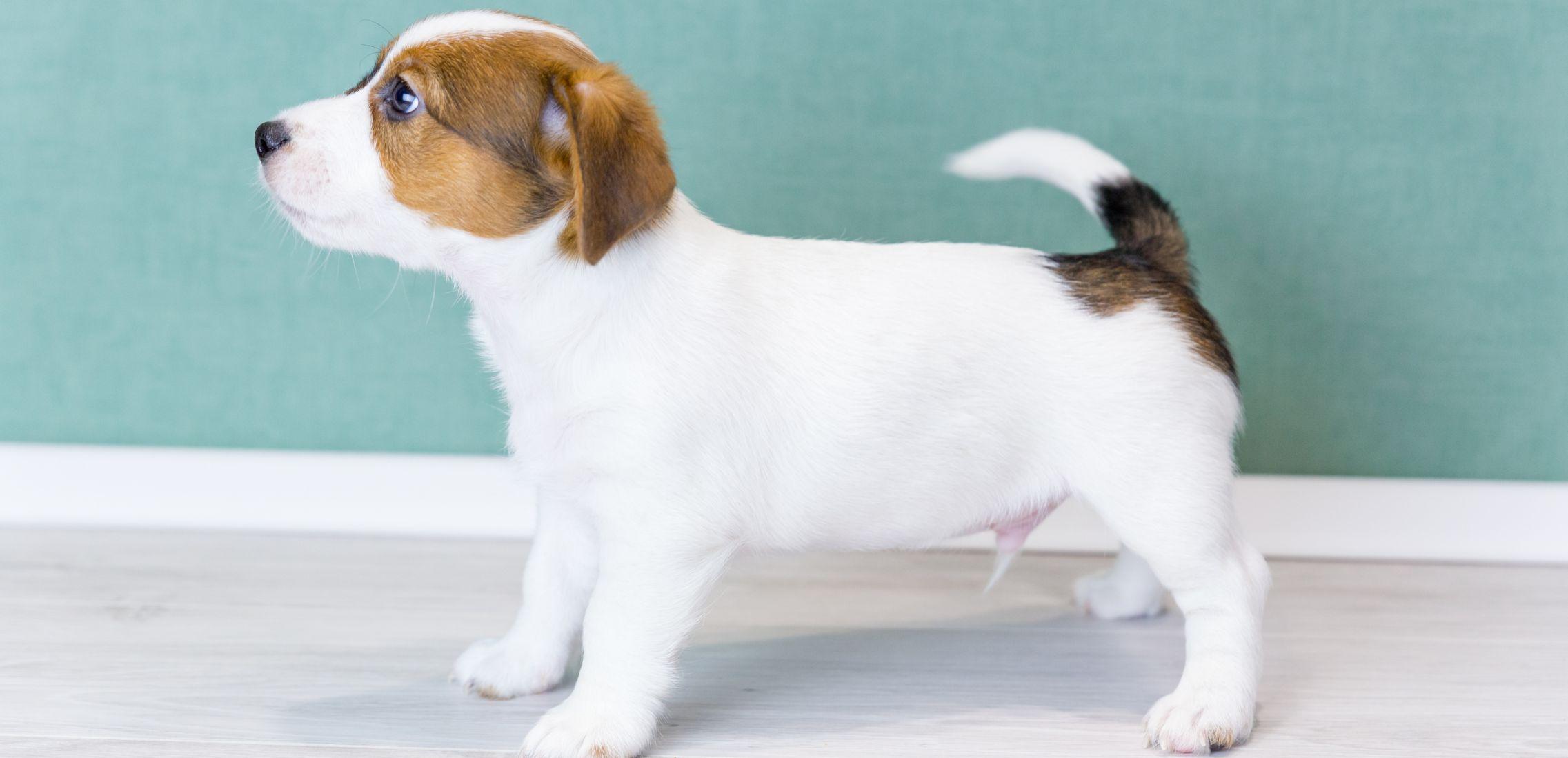
Dogs wagging their tails has become a symbol of happy pups everywhere. When our pups greet us at the door after work, when they get excited during playtime or hear our voice after a long time apart, a fast moving tail is often our dog’s way of communicating that they are happy to see us. A dog's tail is a key part of a dog's communication system, helping them express a wide range of emotions and intentions.
But believe it or not, dogs don’t just wag their tail when they are happy. In fact, wagging tail means different things depending on the situation, and it is not always a sign of happiness. Dogs use their tail for a whole range of reasons, and the way they use it often communicates different feelings that they are experiencing, whether positive or negative.
We are going to shed some light on the reasons why a dog might wag their tail, what different types of tail movements can mean and how dogs who don’t have tails may communicate how they are feeling in different ways.
A dog's tail is used for communication, and this behavior is deeply rooted in their evolutionary history. Tail wagging also serves to disperse pheromones from the anal glands, providing social information to other animals.
Dogs must learn their communication signals, including tail wagging, as they grow.
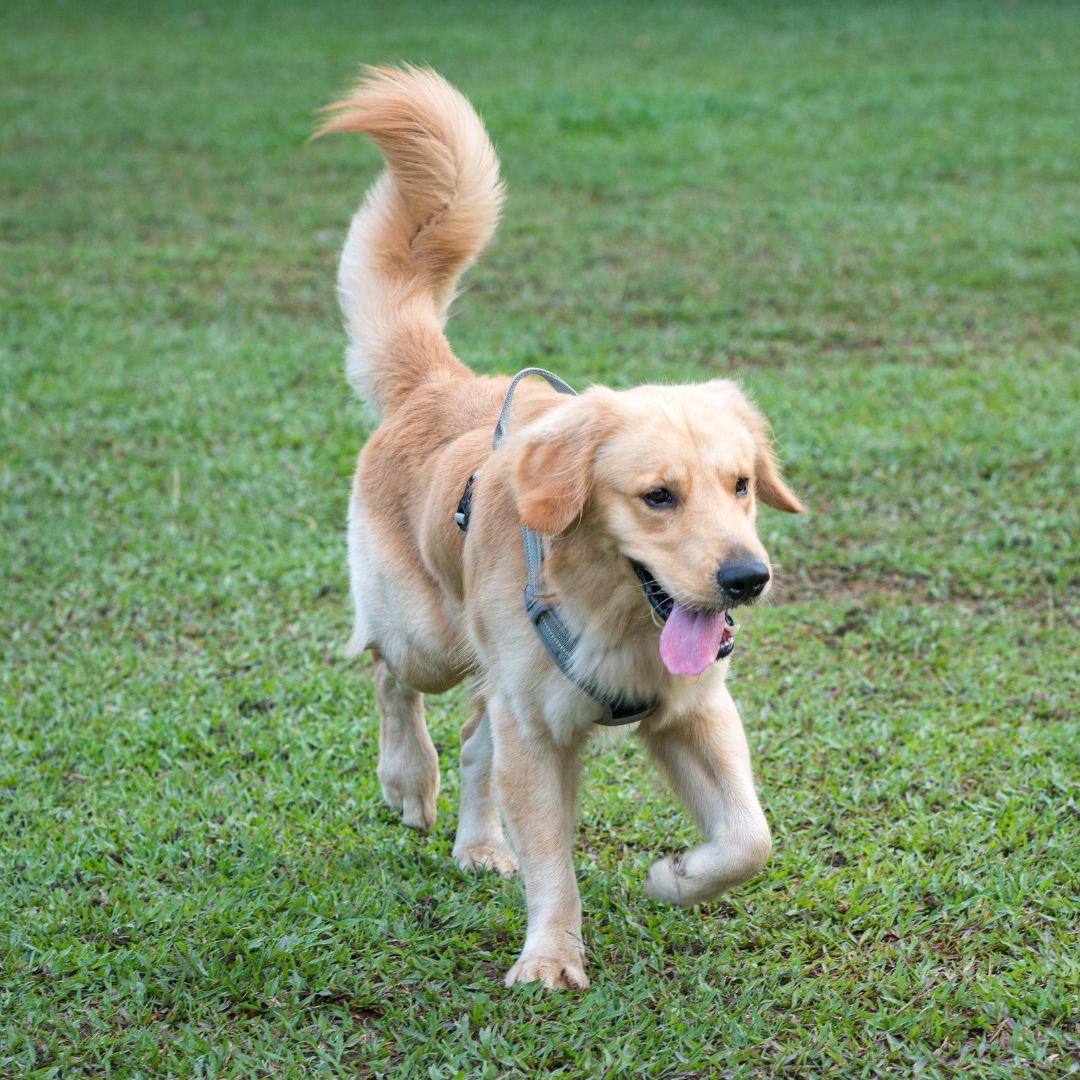
Dogs use their tails as a way of communicating with us as they can’t do it verbally. Body language is present in all creatures, and each type of animal has their own way of using their body to express their feelings. A dog's tail wag is a key indicator of their emotional state, signaling feelings such as excitement, happiness, or uncertainty. Humans may smile, nod or cross their arms, while a dog might wag their tail or put their tail between their legs - same idea but different execution.
Similarly to how we as humans tend to focus on reading another human’s facial expressions, the slightest change in a dog’s tail movements can give us an indication as to how their mood may be shifting, and so knowing the signs to look out for will help us better understand our dog and meet their needs. Most dogs typically wag their tails when they are happy or excited, but the speed, direction, and height of the wag can also indicate other emotions. Tail wagging develops differently in different breeds, and puppies typically begin wagging their tails around three to four weeks into life. Tail wagging is especially important during social interaction between dogs and with humans, as it helps communicate their intentions and emotional state.
Have you ever wondered what’s really happening when your dog’s tail starts wagging? The science behind tail wagging behavior is both fascinating and complex, rooted in the way dogs have evolved to communicate with each other and with us. For canines, a wagging tail is much more than just a sign of a happy dog – it’s a sophisticated form of body language that conveys a wide range of emotions and intentions.
At the heart of a dog’s tail wag is the limbic system, the part of the brain responsible for processing emotions. When a dog experiences excitement, happiness, fear, or even uncertainty, the limbic system sends signals to the muscles at the base of the tail, causing it to move in specific ways. This tail movement is not random; it’s a carefully coordinated response that helps dogs communicate with other dogs and humans alike.
The direction, speed, and style of a wagging tail can all mean different things. For example, many dogs tend to wag their tails in broad, sweeping motions when they’re feeling friendly or excited. Some breeds, like Golden Retrievers, are famous for their “helicopter tail” – a joyful, circular motion that signals pure happiness. On the other hand, a slow wag or a tail held low can indicate caution, uncertainty, or even submission, especially in new or stressful situations.
Tail position is another key part of the message. A tail held high often signals alertness or confidence, while a tucked tail – held tightly between the legs – can be a sign of fear or submission. The way a dog’s tail moves, whether in side-to-side sweeps, up-and-down flicks, or circular motions, adds another layer to their communication. For example, a fast, high wag might be a friendly greeting, while a slow wag with a low tail could mean the dog is feeling anxious or unsure.
But tail wagging doesn’t work alone. Dogs use their entire body to communicate, and tail movement is often accompanied by changes in ear position, facial expression, and overall posture. Ears that are perked up or relaxed, combined with a wagging tail, usually indicate positive emotions, while pinned-back ears and a tucked tail can signal negative emotions or submission.
Understanding the science behind your dog’s tail wag can help you improve communication and strengthen your bond. By paying attention to the different tail wags, tail positions, and accompanying body language, you can better interpret what your dog is feeling in different situations. Whether it’s a happy, relaxed wag or a cautious, slow wag, your dog’s tail is always telling you something – if you know how to read the signs.
The way in which dogs wag their tail is often nuanced and specific to a certain feeling or behaviour, such as feeling happy, calm, agitated or aggressive. Different breeds, especially long-tailed breeds like Border Collies and Golden Retrievers, may display a wider range of wagging movements, which can help in interpreting their emotions. As pet parents it is up to us to learn the different signals our dog’s tail gives us so we can intercept any issues if needed and help them work through certain emotions. Animals use a variety of body language cues, including tail position, ear position, and posture, to signal aggression or threat to others.
Here are some of the ways your dog’s tail may wag or move if they are feeling: Fast wags suggest high emotional arousal, while slow wags can indicate uncertainty or insecurity.
When a dog is content, happy or excited, their tail tends to be poised in a neutral position, with the base parallel to the ground, the tail will then swish from side to side in sweeping motions, getting faster the more excited they become. Sometimes it may seem like they are about to take off, as their tail may start to spin around like the top of a helicopter – this is also known as a 'circle wag'. A circle wag, where the tail moves in a circular or helicopter-like pattern, typically indicates happiness, friendliness, or excitement, but can also occur in anxious or highly aroused states, so it's important to read the dog's overall body language in context.
A fast wag with a high tail often signifies excitement or dominance.
A super happy pup will often fully embody their wag, meaning that it is not just the tail that moves but the body as well. You may notice their hips getting involved in the wiggling or their entire body might wriggle from side to side - this is often prevalent in dogs with shorter or no tails, as there is less tail to wag, meaning more full body wiggles are required.


Dogs that are relaxed will often have a relaxed tail that doesn’t move at all. Tail wagging is often a response to a heightened emotion or stimuli, and so if your pup is at peace they won't feel the need to express their feelings through movement - they’ll just take it nice and easy.
A curious pooch doesn’t tend to wag their tail, instead they usually have their tail pointing straight out behind them on alert. However, if a dog does wag its tail while curious or alert, a wag to the right side can indicate positive emotions, while a wag to the left side may indicate uncertainty. This stance may also be paired with perked up ears or a wrinkled up nose as they catch the scent or sight of something that has got their attention.
Submission is a state by which a dog will respond to a threat by making themselves smaller or showing that they themselves are not a threat in an attempt to keep themselves safe and reduce the risk of getting hurt. A dog in a submissive or scared state will often lower their tail and tuck it between their legs, and if this action is accompanied by a wagging of the tip of the tail, this can mean that your dog is frightened and may need comfort or for you to intervene in the situation.
A slow wag with a low tail can indicate uncertainty or submission, and if the tail wags more to the left side, it may suggest the dog is feeling uncertain or scared.
If your dog wants to avoid something or someone and doesn’t feel like interacting, they tend not to wag their tail. Instead, they will simply move away or engage in displacement behaviours such as sniffing or grooming themselves to avoid interaction. This dog is sending a clear message that they need some alone time, and if you or others try and break into their personal space at this time, what starts out as placid avoidance can lead them to become agitated or even aggressive - pups need space now and then just like we do.
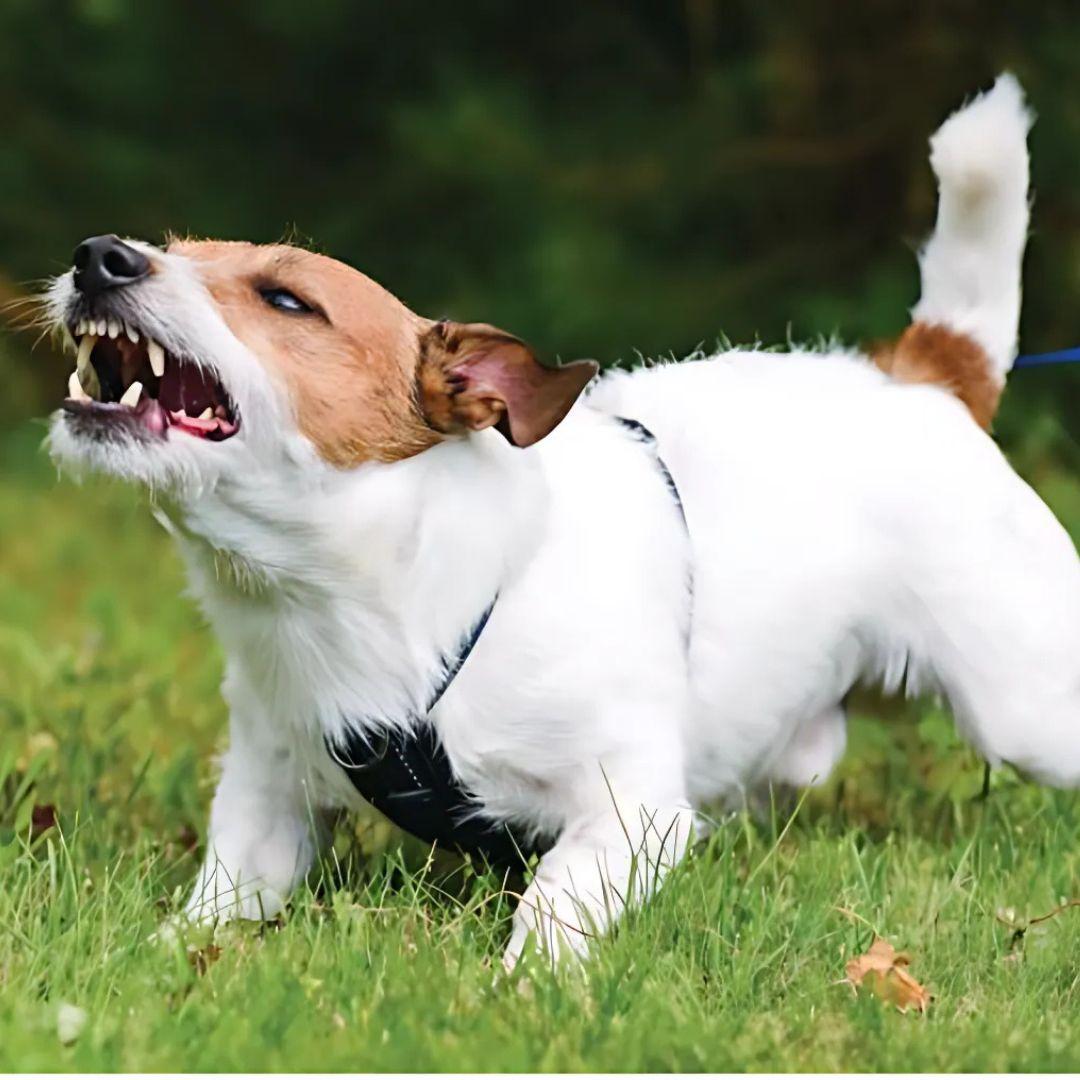
Very often a dog who is feeling provoked or aggressive will move their tail to a stiff, upright position and may wave their tail in tight, fast motions the more agitated they become. A stiff tail wag held high often indicates dominance or alertness. High and stiff tail positions signal alertness, arousal, or dominance. This is a warning sign to anyone around them that they could lash out if you get too close, and a dog who is in an obvious state of aggression should never be approached to avoid risk of serious injury.
This tail behavior is often accompanied by other body language such as growling, freezing or walking slowly forward, they may have their ears pinned back against their head, tense lips, or they may stare intently or even bare their teeth.


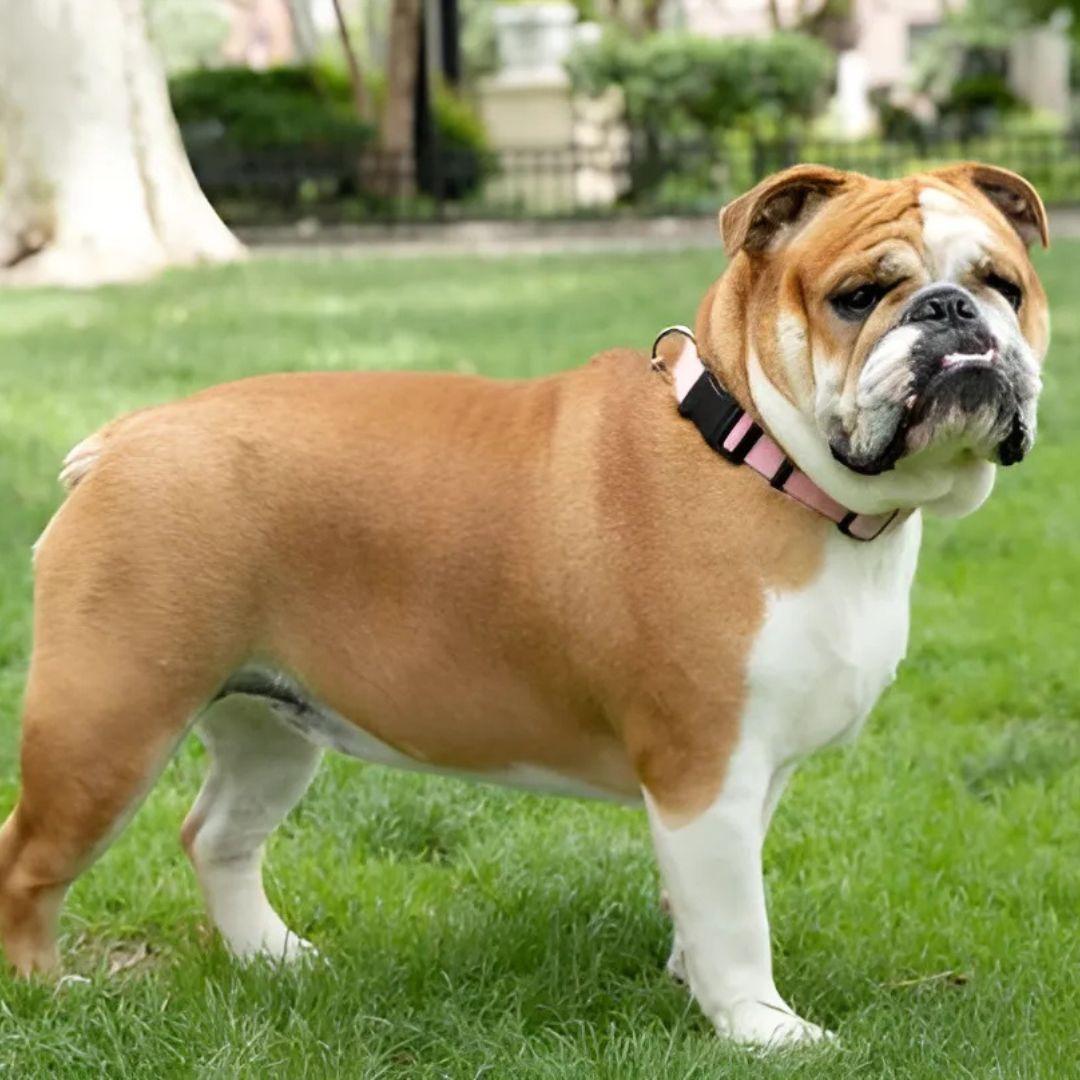
It is important to remember that not all dogs have tails, whether they were born without them, lost them due to injury or illness, or perhaps they are a breed that naturally have very short tails. It is worth recognizing how tailless dogs may communicate slightly differently. Dogs' eyes are also important in communication, especially for dogs without tails, as their eyes are sensitive to movement and can help convey emotions and intentions.
These dogs have to rely on other ways to tell us how they are feeling, and luckily have usually perfected a whole host of body language signals to help us understand what they are feeling. Some common signals that your dog may use to warn you of their behavior include their facial expressions and eye movements, how they hold their ears or the stance they stand in, how they move (slow, fast, creeping) as well as how they vocalize, such as growling, barking or whimpering. Dogs with docked tails may have an immediate disadvantage in communication compared to other dogs and their owner, as tail wagging is a key part of expressing emotions.
Puppies generally do not wag their tails until they are roughly 3–7 weeks old, confirming that tail wagging is a learned social interaction tool. As puppies grow, they learn to communicate through tail wagging and other body language signals. Exposure to different breeds within the same species is important for social development, helping puppies and dogs learn to communicate and socialize effectively.
While many of us simply associate tail wagging with a happy, friendly pup, it is important to be aware that this isn’t always the case. Understanding a dog's tail is crucial, as dogs use their tails to communicate a range of different feelings, including anxiety, agitation and aggression, so knowing the signs of your dog’s tail can help you better communicate with your pooch, give you greater insight into their overall body’s language and help you meet their needs if they are experiencing certain overwhelming emotions.
Follow Us On
Check Out Our Most Popular Content