Your Cart is Empty


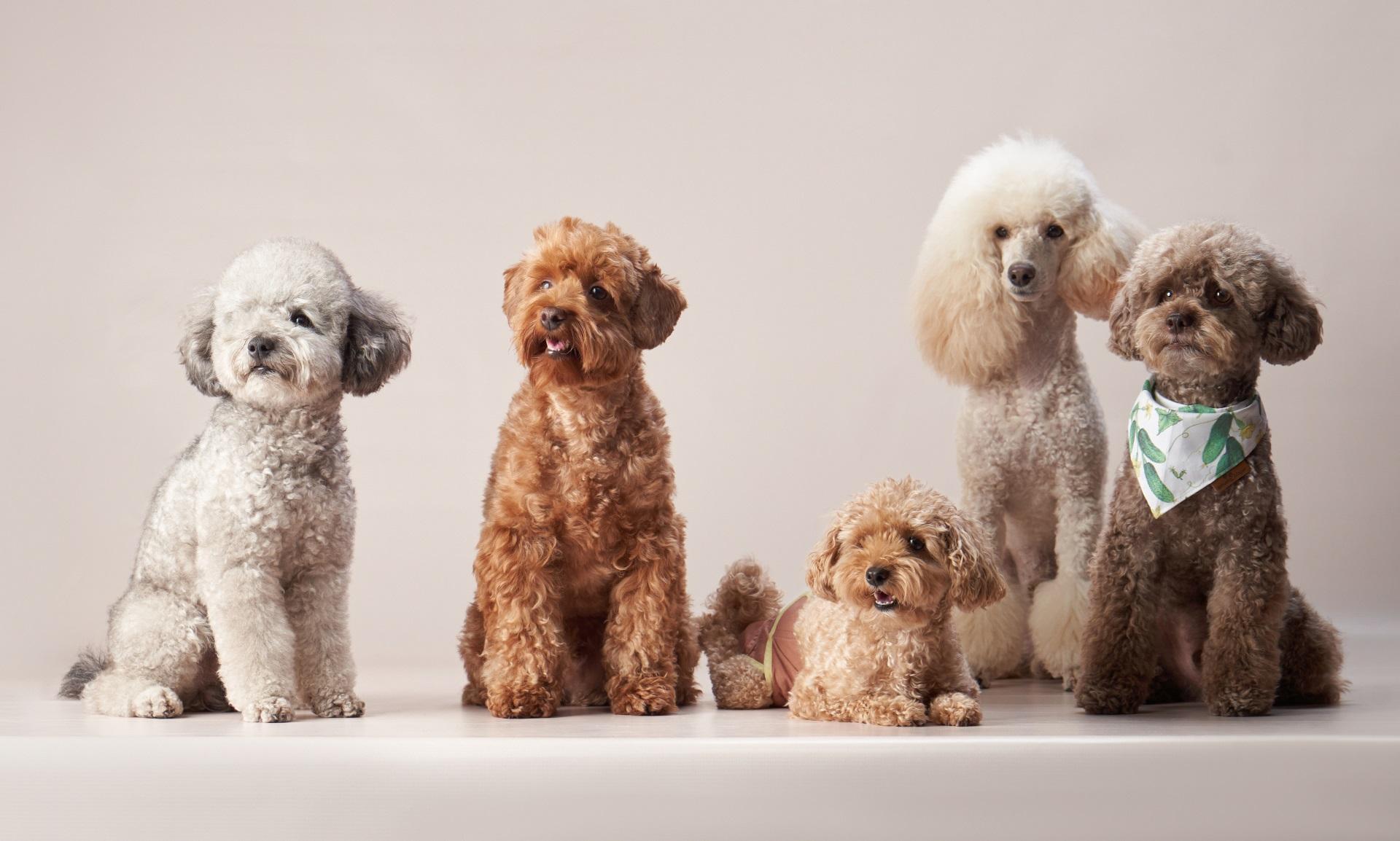
Poodle mixes have transformed from specialty breeds into household favorites over the past two decades. These intelligent, often low-shedding dogs combine the poodle's hypoallergenic coat and trainability with the unique characteristics of other beloved breeds. Whether you're seeking a family companion, an apartment-friendly pet, or an active outdoor partner, there's likely a poodle crossbreed that fits your lifestyle.
This guide explores why doodles have captured hearts worldwide, breaks down breeding generations, profiles the most popular varieties, and addresses practical considerations from grooming to health concerns. You'll also learn the truth about hypoallergenic claims and how to find ethical breeders.
Why Are Poodle Mixes So Popular?
What Are Poodle Mixes and How Are They Different From Doodles?
Poodle Breeding Generations: Understanding F1, F1b, F2, and F3 Doodles
Mini Poodle Mixes for Apartment Living and Small Spaces
Health Considerations Before Choosing a Poodle Mix
The Truth About Hypoallergenic Poodle Mixes: Facts vs. Myths
The surge in poodle mix popularity isn't coincidental – these designer dogs offer several compelling advantages that appeal to modern pet owners.
Poodles consistently rank among the most intelligent dog breeds, and this cognitive prowess transfers to their mixed offspring. Most poodle hybrids learn commands quickly, excel at obedience training, and adapt well to household routines. This makes them excellent choices for first-time owners willing to provide consistent training and mental stimulation.
Labradoodles and Goldendoodles frequently work as therapy and service dogs precisely because they combine intelligence with a calm, people-oriented temperament. However, this intelligence means they need regular mental engagement – puzzle toys, training sessions, and interactive games prevent boredom-related behaviors.
The primary driver behind poodle mix popularity is their reputation for being allergy-friendly. Poodles have hair rather than fur, which grows continuously and sheds minimally. Many poodle crosses inherit this trait, producing less dander than traditional shedding breeds.
It's crucial to understand that "hypoallergenic" doesn't mean allergen-free. All dogs produce proteins in their saliva, urine, and skin cells that trigger allergies. While poodle mixes generally produce less airborne dander, individual reactions vary significantly. Spending time with the specific breed – and ideally the actual puppy – before committing is essential for allergy sufferers.
Poodles come in three sizes: standard, miniature, and toy. This size versatility means breeders can create poodle mixes ranging from 10-pound Yorkipoos to 80-pound Bernedoodles. You can find a doodle suited for apartment living or one built for hiking and outdoor adventures.
Beyond size, different parent breeds contribute distinct personality traits. Golden Retrievers add gentle patience, Australian Shepherds bring herding instincts and energy, and Cavalier King Charles Spaniels contribute a lap-dog temperament. This variety lets potential owners select a mix that aligns with their activity level and living situation.
The terms "poodle mix" and "doodle" are often used interchangeably, though subtle distinctions exist. A poodle mix technically refers to any crossbreed involving a poodle parent. The term "doodle" emerged as marketing-friendly shorthand and typically applies to specific, recognized crosses like Labradoodles or Goldendoodles.
All doodles are poodle mixes, but not all poodle mixes are called doodles. Lesser-known combinations like the Poogle (Poodle-Beagle) or Pooton (Poodle-Coton de Tulear) might not carry the "doodle" designation despite being legitimate poodle crossbreeds.
The key distinction from purebred dogs is predictability. Purebreds have established standards for appearance, size, and temperament refined over generations. Poodle mixes, particularly first-generation crosses, can inherit traits from either parent breed in varying proportions. Two puppies from the same litter might differ significantly in coat texture, size, and personality.
Generation classifications help predict which traits a poodle mix will likely inherit, particularly regarding coat type and shedding.
F1 represents the first generation – one purebred poodle parent and one purebred parent of another breed. This creates a 50-50 genetic split. F1 doodles often exhibit "hybrid vigor," potentially enjoying better health than either parent breed due to increased genetic diversity.
However, F1 coats are less predictable. Some puppies inherit the poodle's curly, low-shedding coat while others may have straighter, shedding coats more similar to the non-poodle parent. For allergy sufferers, this unpredictability presents challenges.
F1b (first generation backcross) results from breeding an F1 doodle with a purebred poodle. This creates approximately 75% poodle genetics and 25% of the other breed. F1b doodles are more likely to have curly, non-shedding coats, making them popular among people with allergies.
The trade-off is that F1b dogs may exhibit stronger poodle characteristics – potentially more reserved with strangers or higher energy levels – and lose some traits from the original breed mix.
F2 generations come from breeding two F1 doodles together. Genetically, they're still 50-50 mixes, but trait expression becomes even more variable. F2 litters can include puppies with widely different coat types, sizes, and temperaments because recessive genes from both breeds have opportunities to surface.
This generation often produces the least predictable outcomes, making them less desirable for buyers seeking specific characteristics.
F3 and higher generations (also called multi-generational or multigenerational doodles) involve breeding doodles to other doodles over several generations. Responsible breeders working with multi-generational lines aim to establish more consistent traits while maintaining genetic diversity.
These dogs can offer more predictable outcomes than F1 or F2 crosses, though they're less common since most breeders focus on F1 and F1b production.
These poodle crossbreeds represent the most sought-after varieties based on search trends, breeder availability, and community popularity.
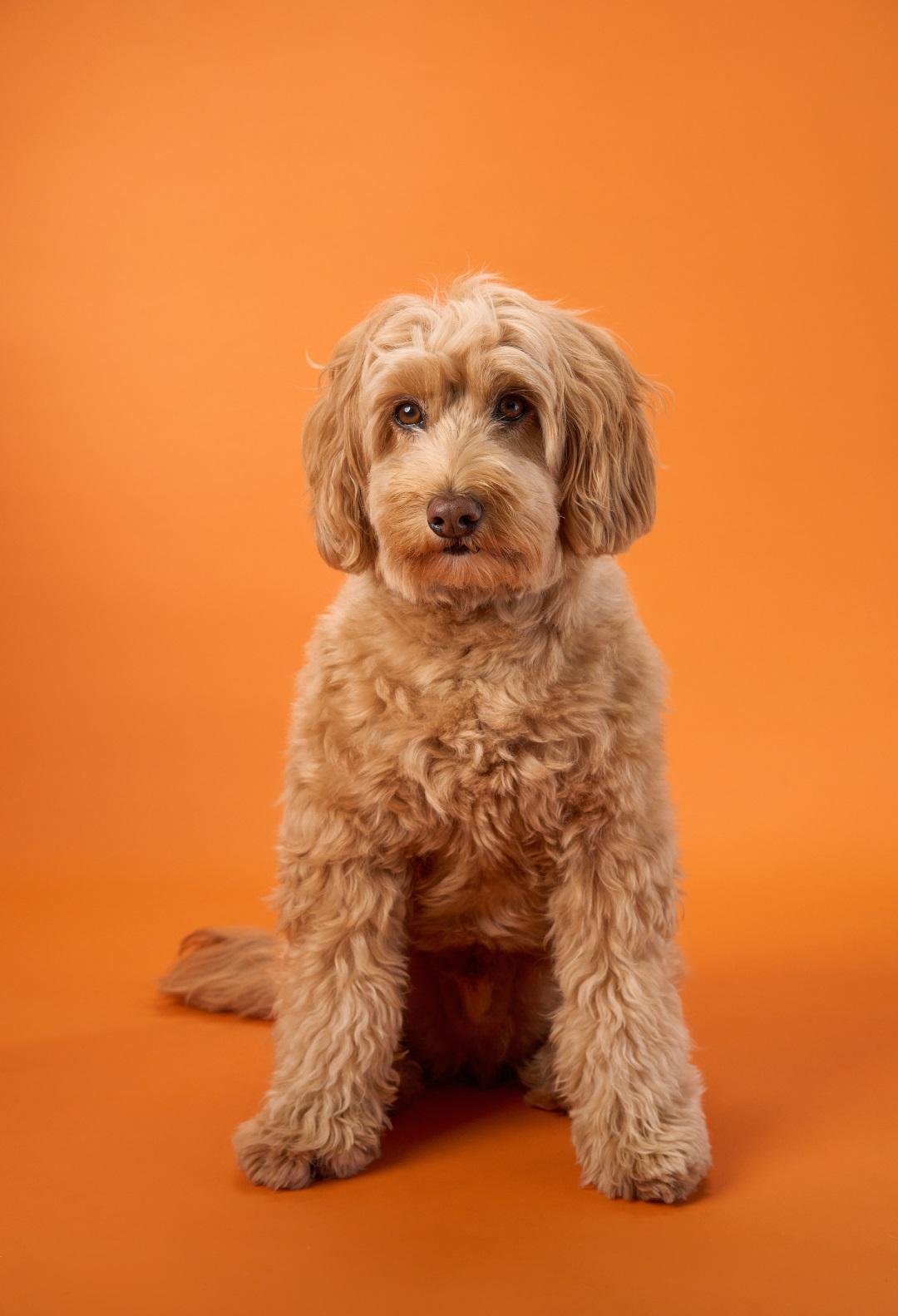
Labradoodles combine Labrador Retrievers with poodles, creating friendly, outgoing dogs originally developed in Australia for allergy-friendly service work. They typically weigh 50-80 pounds (standard) or 15-30 pounds (miniature) and live 12-14 years.
Their temperament blends the Labrador's gentle, eager-to-please nature with poodle intelligence. Labradoodles excel in family environments and adapt well to active households. They require substantial daily exercise – at least 60 minutes – and regular grooming every 6-8 weeks. Their coats range from wavy to curly, with F1b generations shedding least.
Goldendoodles cross Golden Retrievers with poodles, producing affectionate, social dogs that thrive on human interaction. Standard Goldendoodles weigh 50-90 pounds, while miniatures range from 15-35 pounds. Life expectancy is 10-15 years.
These dogs inherit the Golden Retriever's patient, gentle disposition, making them exceptional with children and other pets. They're highly trainable and frequently work as therapy dogs. Goldendoodles need regular exercise and mental stimulation but generally have moderate energy compared to working breeds. Coat maintenance is similar to Labradoodles, requiring professional grooming every 6-8 weeks.
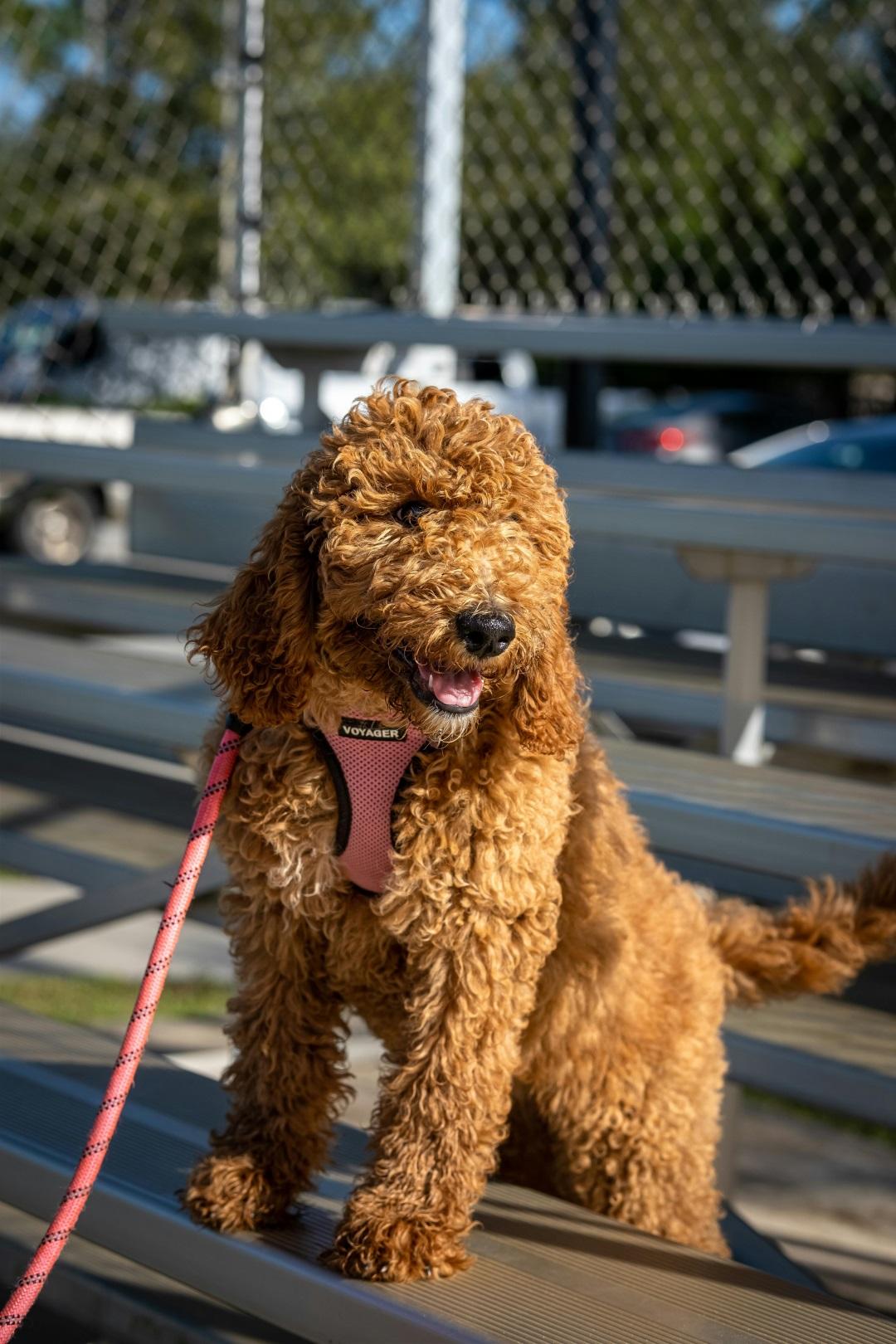

Cavapoos (Cavalier King Charles Spaniel-Poodle mixes) are smaller companions weighing 12-25 pounds with 12-15 year lifespans. Their compact size makes them ideal for apartments and senior owners seeking manageable dogs.
These mixes combine the Cavalier's affectionate lap-dog personality with poodle intelligence. Cavapoos form strong bonds with their families and handle alone time less well than more independent breeds. They need moderate exercise – 30-40 minutes daily – and regular grooming. Cavapoos can inherit a heart condition (mitral valve disease) common in Cavaliers, so cardiac screening is important when selecting breeders.
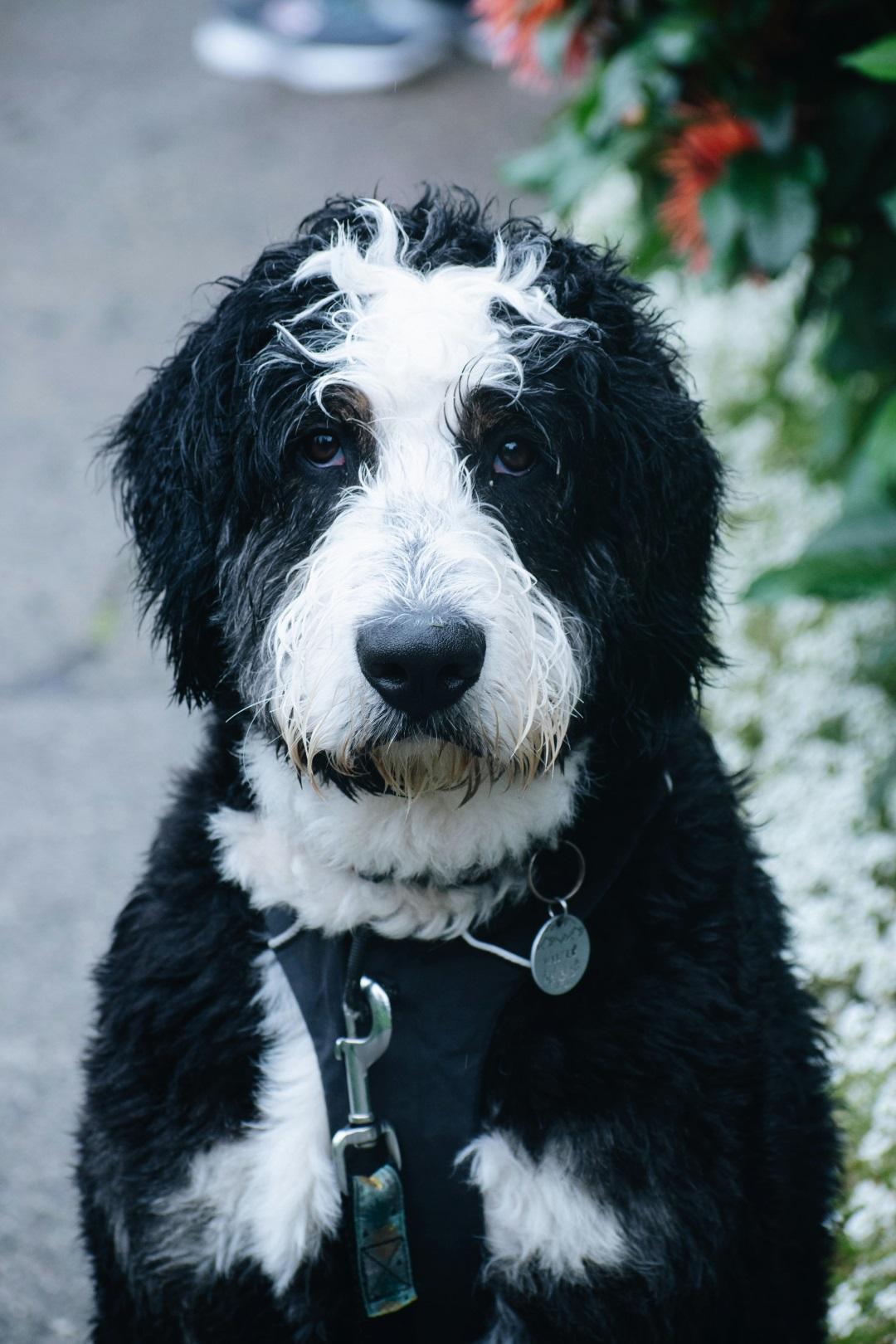
Bernedoodles cross Bernese Mountain Dogs with poodles, creating loyal, gentle giants. Standard Bernedoodles weigh 70-90 pounds, while miniatures range from 25-50 pounds. They typically live 12-15 years, longer than purebred Bernese Mountain Dogs (7-10 years).
These dogs are calm, patient, and excellent with families. They inherit the Bernese's devotion and lower energy level compared to other doodles. Bernedoodles still need daily exercise but are content with moderate activity. Their thick, wavy coats require regular brushing to prevent matting and professional grooming every 8-12 weeks.
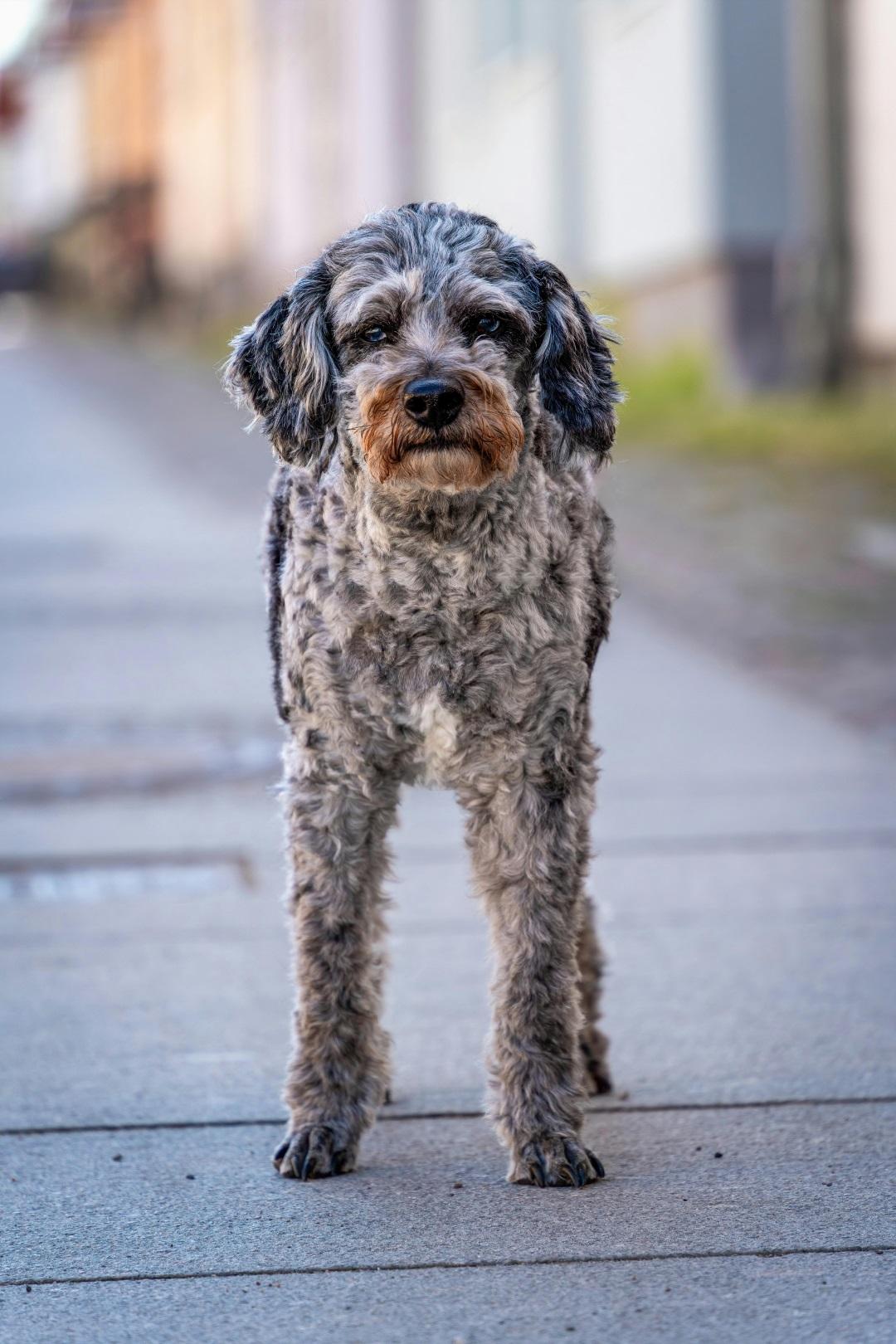
Aussiedoodles combine Australian Shepherds with poodles, producing highly energetic, intelligent dogs suited for active families. They weigh 25-70 pounds depending on poodle size and live 10-13 years.
Australian Shepherds are herding dogs with strong work drives, and Aussiedoodles inherit this intensity. They excel at agility training, need extensive daily exercise (90+ minutes), and require consistent mental challenges. Without adequate stimulation, they can develop destructive behaviors. These aren't ideal for first-time owners or sedentary households but thrive with outdoor enthusiasts.
Cockapoos (Cocker Spaniel-Poodle crosses) are among the oldest designer breeds, dating to the 1960s. They weigh 12-30 pounds and live 12-15 years. Their established history means temperament and appearance are more predictable than newer crosses.
These dogs are friendly, adaptable, and moderately active. Cockapoos work well in various living situations and bond closely with families. They need regular exercise but aren't as demanding as herding-breed mixes. Ear infections can be concerns since both parent breeds have floppy ears that trap moisture.

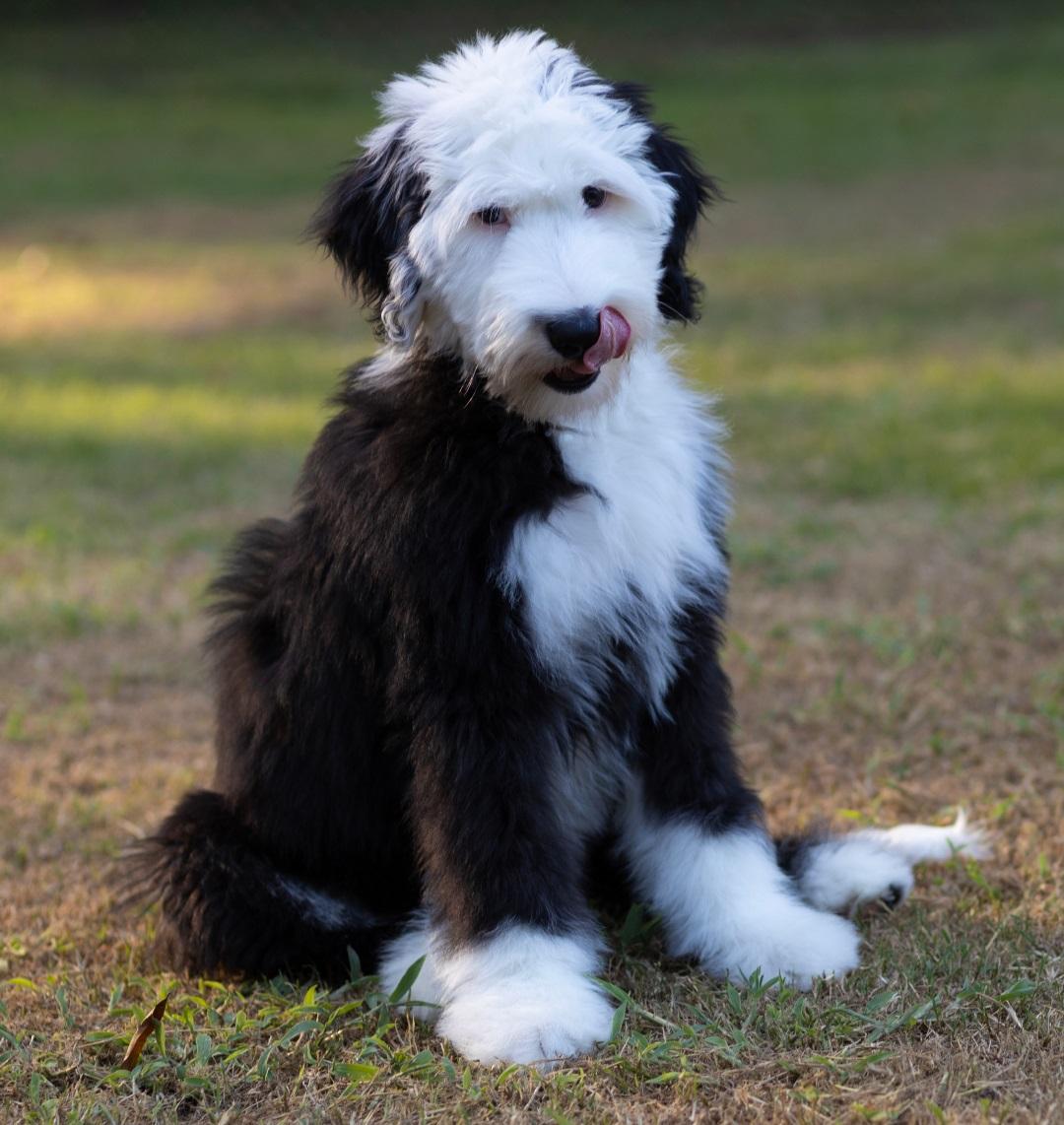
Sheepadoodles cross Old English Sheepdogs with poodles, creating distinctive black-and-white dogs weighing 60-80 pounds with 12-15 year lifespans. Their striking appearance and gentle temperament appeal to families seeking larger companions.
These mixes inherit the Old English Sheepdog's calm, protective nature. They're patient with children and generally friendly with strangers. Sheepadoodles need moderate exercise and extensive grooming due to their thick, often bi-colored coats. Regular brushing several times weekly prevents the matting both parent breeds are prone to.
Schnoodles combine Schnauzers (miniature, standard, or giant) with poodles in corresponding sizes. They range from 10-75 pounds depending on parent sizes and live 12-15 years.
Schnauzers add alertness and protective instincts, making Schnoodles excellent watchdogs. They're loyal to their families but can be reserved with strangers. These dogs are intelligent and trainable but benefit from early socialization. Their wiry coats require regular grooming and hand-stripping if you want to maintain traditional Schnauzer texture.
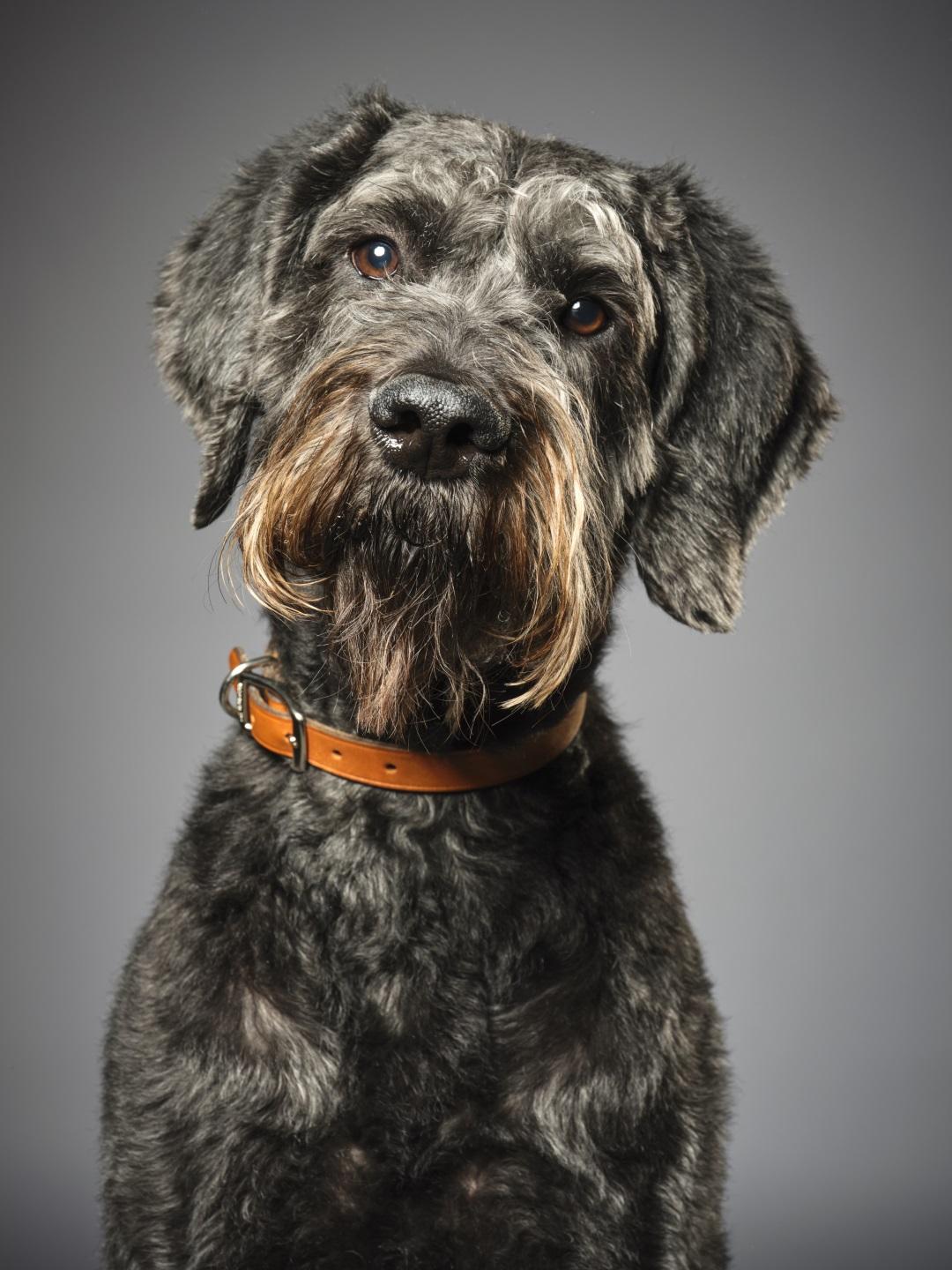

Maltipoos (Maltese-Poodle crosses) are tiny companions weighing 5-15 pounds with 12-15 year lifespans. They're among the smallest doodle varieties and suit apartment dwellers and seniors seeking portable pets.
These dogs combine the Maltese's affectionate, playful nature with poodle intelligence. Maltipoos form intense bonds with owners and can experience separation anxiety. They need minimal exercise – short walks and indoor play suffice – but require regular grooming. Despite their small size, they can be surprisingly vocal and make effective alert dogs.
Yorkipoos cross Yorkshire Terriers with toy poodles, creating spirited small dogs weighing 5-15 pounds. They live 12-15 years and inherit the Yorkie's confident, sometimes feisty personality.
These mixes are energetic and playful despite their size. They can be stubborn during training and benefit from consistent, positive reinforcement methods. Yorkipoos suit experienced small-dog owners who appreciate terrier spunk. Their fine coats need professional grooming every 6-8 weeks, and they're prone to dental issues common in toy breeds.
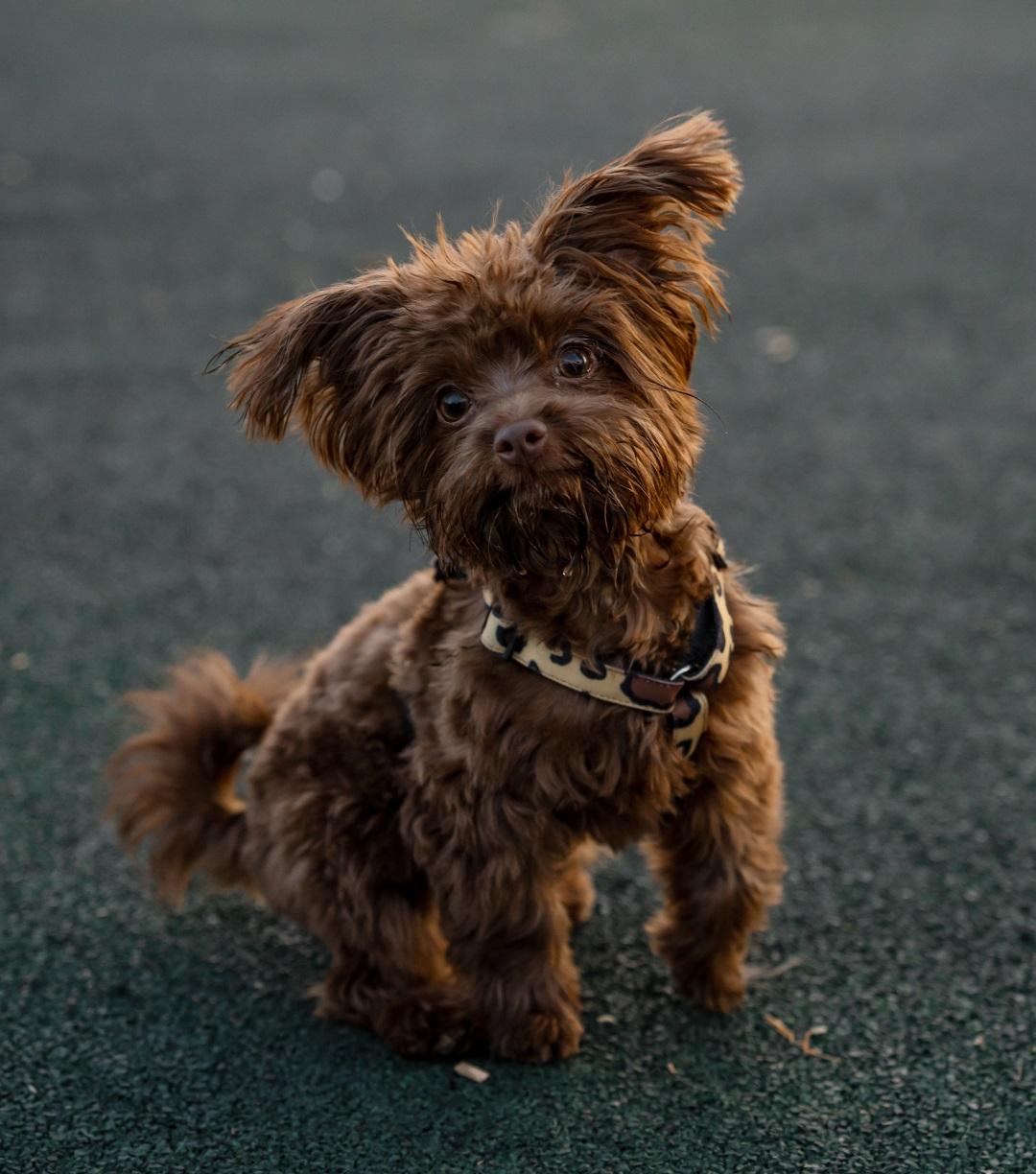
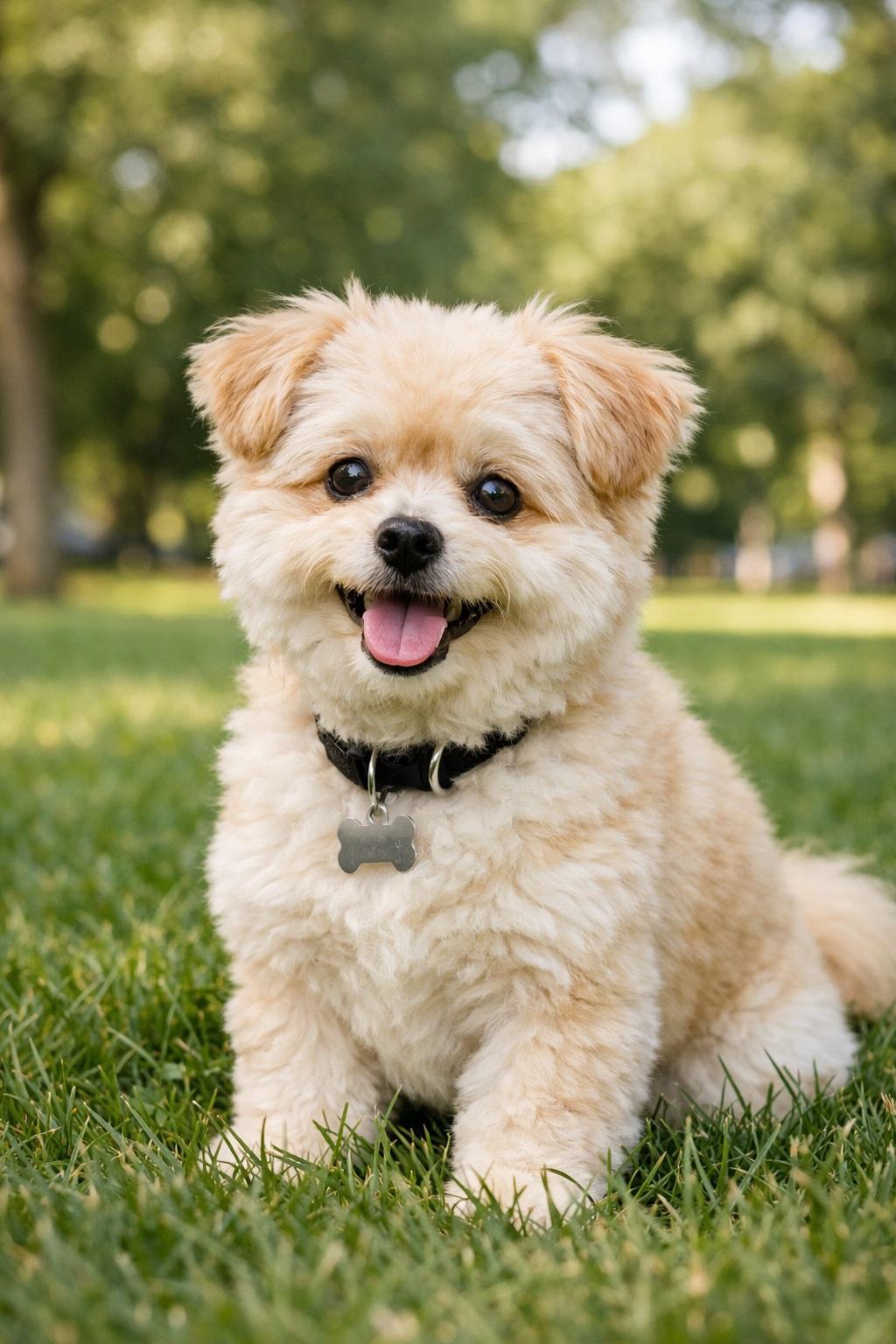
Pomapoos (Pomeranian-Poodle mixes) are fluffy companions weighing 5-15 pounds with 12-15 year lifespans. They combine the Pomeranian's bold personality with poodle intelligence in a compact package.
These dogs are alert, social, and surprisingly confident. Pomapoos can be vocal and territorial, traits inherited from Pomeranians. They need socialization to prevent excessive barking and wariness of strangers. Daily grooming helps prevent matting in their dense, fluffy coats. Like other toy breeds, they require dental care and careful handling.
Springerdoodles cross English Springer Spaniels with poodles, creating energetic, friendly dogs weighing 40-60 pounds with 12-14 year lifespans. These mixes appeal to hunting families and outdoor enthusiasts.
Springer Spaniels are bird dogs with strong prey drives and stamina. Springerdoodles inherit this athleticism and need extensive daily exercise. They excel at retrieving games and water activities. These dogs are affectionate with families but require outlets for their energy. Without adequate activity, they can become restless and destructive.
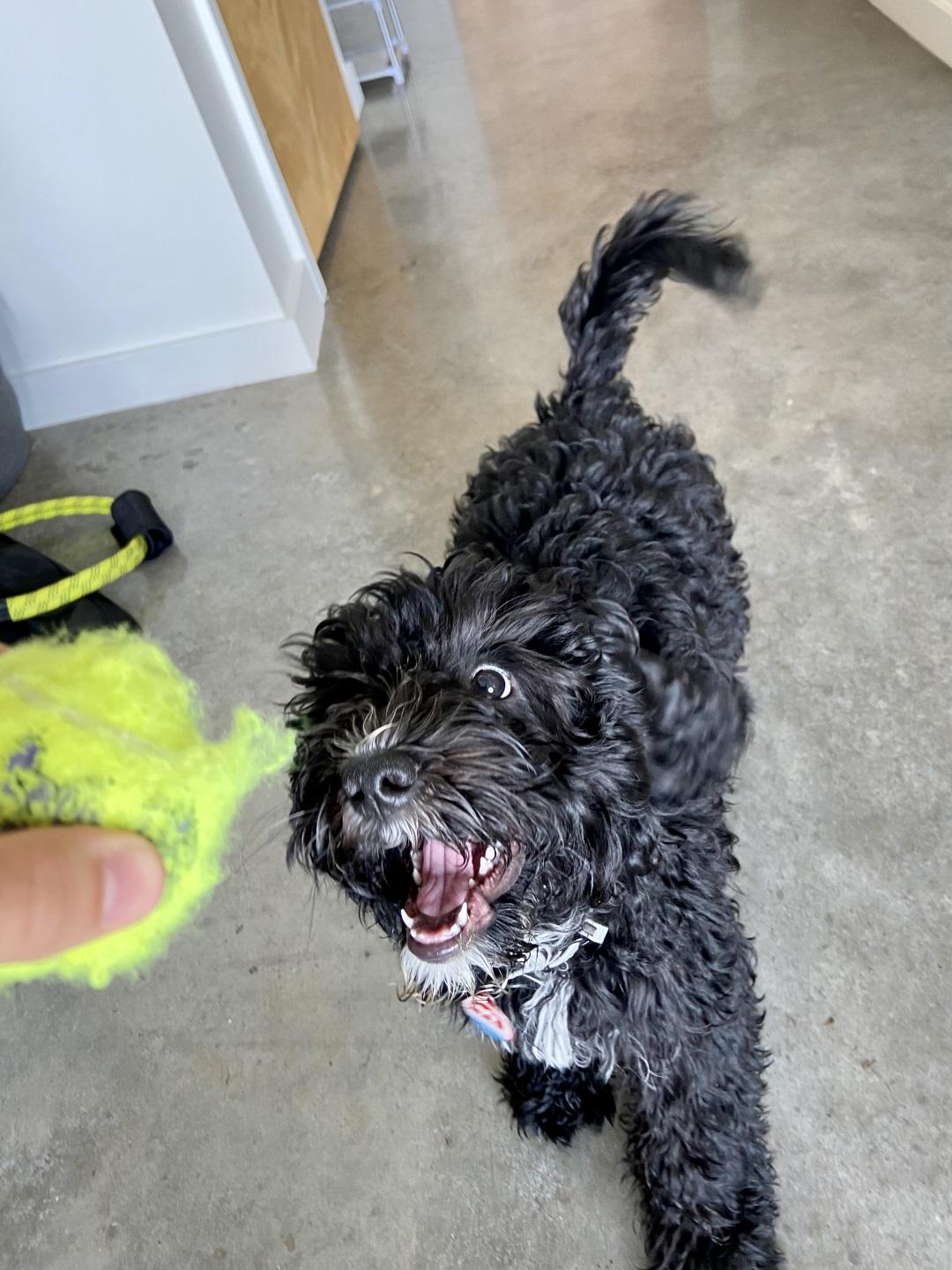
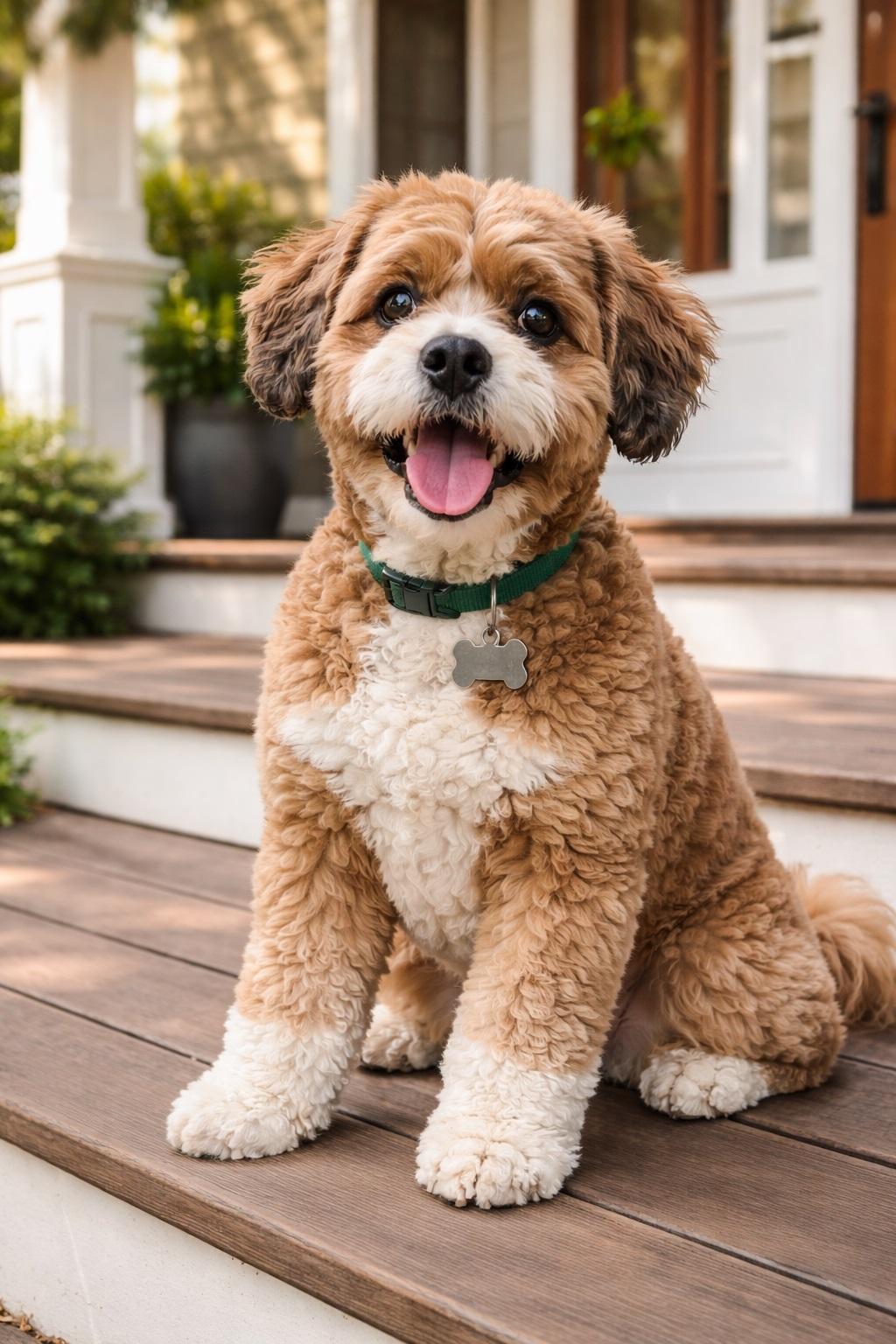
Boxerdoodles combine Boxers with poodles, producing playful, protective dogs weighing 50-80 pounds. They typically live 10-12 years, reflecting the Boxer's shorter lifespan.
These mixes inherit the Boxer's goofy, energetic personality along with protective instincts toward their families. Boxerdoodles need substantial exercise and remain playful well into adulthood. They can be strong-willed and benefit from consistent training. Their shorter coats compared to other doodles may shed more, especially in F1 generations.
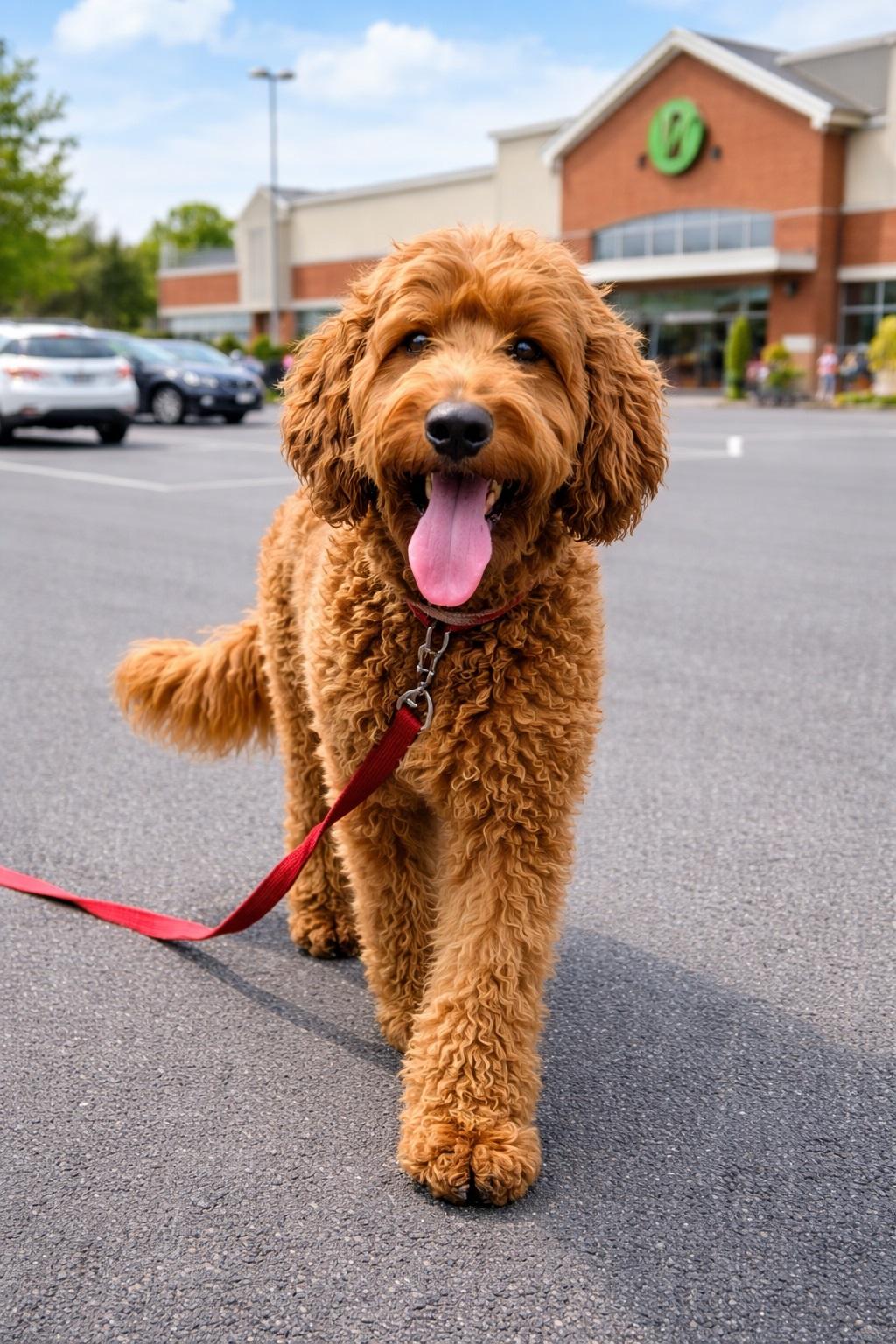
Irish Doodles cross Irish Setters with poodles, creating athletic, beautiful dogs weighing 50-70 pounds with 12-14 year lifespans. Their striking red coats and friendly personalities attract attention.
Irish Setters are hunting dogs bred for stamina and enthusiasm. Irish Doodles inherit this energy and need active families. They're friendly, social dogs that typically get along well with children and other pets. Regular exercise and training prevent the hyperactivity Irish Setters can display. Their wavy coats require regular grooming.
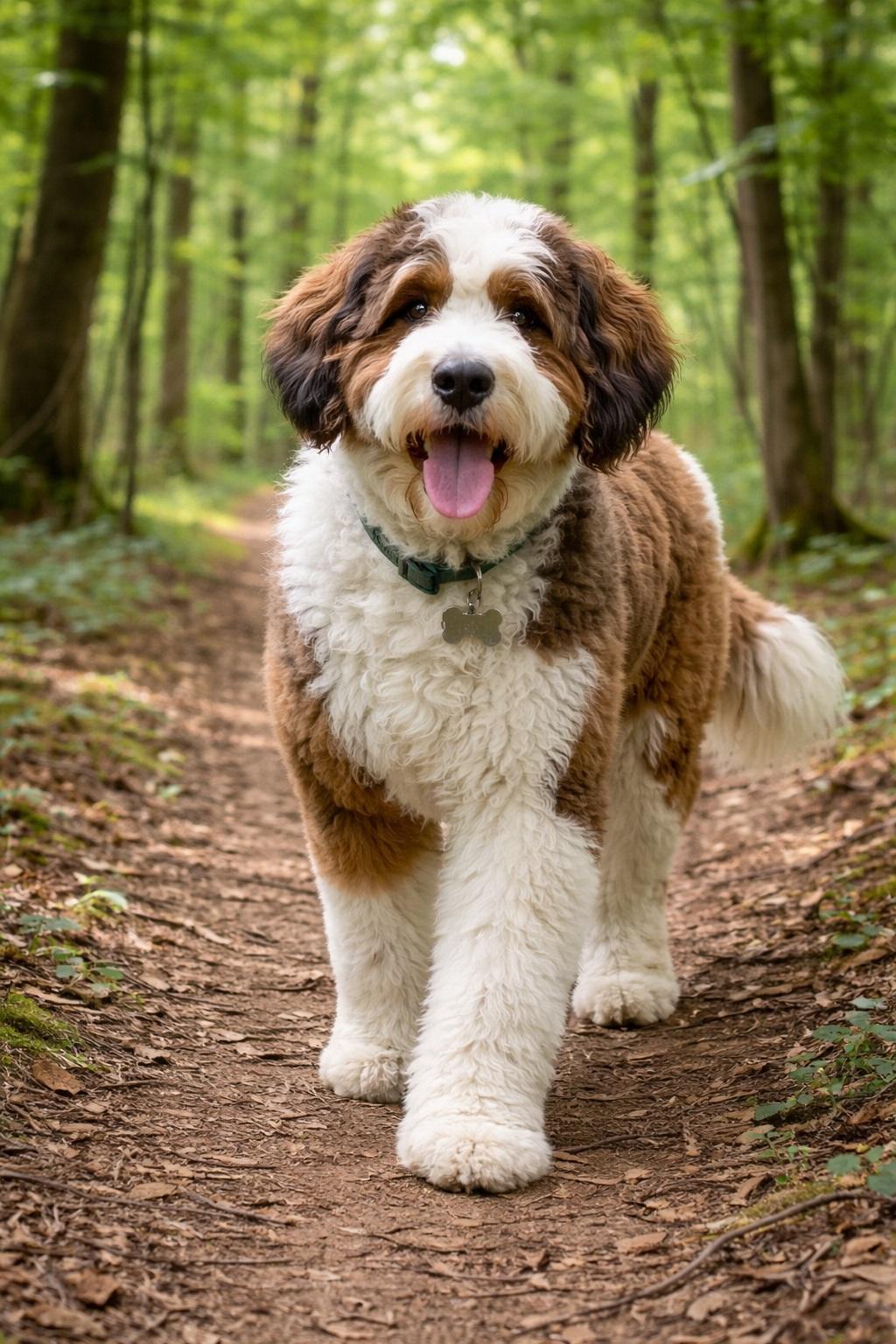
Saint Berdoodles cross Saint Bernards with poodles, creating gentle giants weighing 70-120 pounds. They live 10-12 years, typical for large breeds.
These dogs combine the Saint Bernard's calm, patient temperament with poodle intelligence. Saint Berdoodles are exceptionally gentle with children despite their size. They need moderate exercise and prefer temperate climates since Saint Bernards struggle with heat. Their large size means substantial food costs and potential for joint issues. Regular grooming prevents matting in their thick coats.
Miniature and toy poodle mixes offer the benefits of doodles in compact sizes suited for limited space. Cavapoos, Maltipoos, Yorkipoos, and mini Goldendoodles typically weigh under 30 pounds and adapt well to apartments when properly exercised.
These smaller dogs still need daily activity – 30-45 minutes of walks and playtime – but their exercise requirements fit more easily into urban schedules. Mental stimulation through training and puzzle toys is equally important since intelligence doesn't diminish with size.
Consider that small breeds often have higher energy levels relative to their size compared to larger dogs. Mini Aussiedoodles, for example, retain the Australian Shepherd's work drive despite weighing only 15-25 pounds. Research the specific mix's parent breed characteristics rather than assuming all small doodles have low activity needs.
Apartment living also means close proximity to neighbors, so select mixes less prone to excessive barking. Cavapoos and mini Goldendoodles tend to be quieter than terrier-based crosses like Yorkipoos or Schnoodles.


Understanding the practical demands of poodle mix ownership helps set realistic expectations and prevents rehoming situations.
Virtually all poodle mixes need regular professional grooming every 6-12 weeks depending on coat type. This represents ongoing costs of $50-100 per session or more in urban areas. Between appointments, home brushing 2-4 times weekly prevents matting, particularly in high-friction areas like behind ears and under legs.
Many owners underestimate grooming time commitments. A typical at-home brushing session for a standard-sized doodle takes 15-30 minutes. Factor this into your weekly schedule, especially if you're considering multiple dogs.
Doodles with curlier coats (F1b and multi-generational) require more intensive grooming than wavier-coated F1 varieties. Some owners learn basic grooming to extend time between professional appointments, but proper technique prevents skin issues and matting.
Poodle mix exercise requirements depend heavily on the non-poodle parent breed. Working and sporting breeds (Labrador, Golden Retriever, Australian Shepherd) produce high-energy mixes needing 60-90+ minutes of daily activity. Companion breeds (Cavalier, Maltese, Cocker Spaniel) create more moderate-energy dogs satisfied with 30-45 minutes.
Mental stimulation is equally critical. Intelligent breeds become bored easily, leading to destructive behaviors like chewing, digging, or excessive barking. Training sessions, puzzle feeders, and interactive toys provide mental engagement that physical exercise alone doesn't address.
Assess your lifestyle honestly. If you work long hours and prefer quiet evenings, high-energy mixes like Aussiedoodles or Irish Doodles will be challenging. Conversely, active families who hike, run, or participate in dog sports will find these energetic mixes rewarding companions.
Crossbreeding can reduce some inherited health risks through hybrid vigor, but poodle mixes aren't immune to genetic conditions. Responsible breeders test parent dogs for breed-specific issues and can provide health clearances.
Hip dysplasia affects many medium and large doodles, particularly those crossing poodles with Labradors, Golden Retrievers, or Bernese Mountain Dogs. Look for breeders who perform OFA (Orthopedic Foundation for Animals) hip evaluations on breeding stock.
Progressive retinal atrophy (PRA) causes gradual vision loss and affects both poodles and several breeds commonly crossed with them. Genetic testing identifies carriers before breeding.
Luxating patellas (loose kneecaps) occur in smaller breeds and their mixes, including Cavapoos and Maltipoos. This condition can require surgical correction in severe cases.
Cardiac issues concern Cavalier King Charles Spaniel mixes since the breed has high rates of mitral valve disease. Cavapoo breeders should perform cardiac evaluations on parent dogs.
Ear infections are common across poodle mixes due to their floppy ears that trap moisture. Regular ear cleaning and monitoring for redness or odor helps catch infections early.
The belief that poodle mixes are hypoallergenic drives much of their popularity, but the reality is more nuanced. No dog breed is truly hypoallergenic. The term simply means "less likely to cause allergies," not allergen-free.
Dog allergies result from proteins found in dander (dead skin cells), saliva, and urine. While poodle mixes typically shed less hair, all dogs produce dander. Curly, non-shedding coats trap dander rather than releasing it into the air, which can reduce allergen exposure. However, the dander remains on the dog and transfers during petting or grooming.
Individual reactions vary dramatically. Some people with dog allergies tolerate poodle mixes without issues while others react severely. The protein composition that triggers allergies differs between individual dogs, even within the same litter.
F1b poodle mixes (75% poodle genetics) generally produce less airborne dander than F1 crosses, but there's no guarantee. Spending extended time with the specific puppy – or at minimum, the parent dogs – before purchase is essential for allergy sufferers.
Regular bathing (every 2-3 weeks) and frequent home cleaning reduce allergen accumulation. HEPA air filters and restricting dogs from bedrooms can help mild allergy sufferers coexist with poodle mixes. Severe allergy sufferers should consult allergists before committing to any dog.
Poodle mix popularity has unfortunately attracted unethical breeders prioritizing profit over animal welfare. Distinguishing responsible breeders from puppy mills protects both you and the dogs.
Reputable breeders perform health testing on parent dogs and provide documentation. At minimum, this includes hip evaluations, eye examinations, and genetic disease screening appropriate for both breeds. They openly share results and discuss potential hereditary concerns.
Responsible breeders raise puppies in home environments with extensive socialization – exposure to household sounds, people of various ages, and other animals. They limit breeding frequency, allowing mother dogs adequate recovery between litters.
Warning signs of puppy mills or backyard breeders include multiple breeds available simultaneously, unwillingness to show where puppies are raised, no health testing documentation, puppies available year-round, and willingness to ship puppies sight unseen.
Ethical breeders interview potential buyers, ask about your lifestyle and experience, and may refuse sales if they believe their puppies won't suit your situation. They provide written contracts, often including requirements to return dogs they have bred if you can't keep them rather than surrendering to shelters.
Consider adoption as an alternative. Many poodle mixes enter shelters or breed-specific rescues after owners underestimate grooming costs or exercise needs. Organizations like Doodle Rescue Collective and local poodle rescue groups often have mixed breeds needing homes.
Expect to pay $2,000-4,000 from reputable breeders for popular doodles. Significantly lower prices often indicate corners cut in health testing, socialization, or care. While high price doesn't guarantee quality, proper breeding practices require substantial investment that ethical breeders must recoup.
Poodle mixes offer compelling combinations of intelligence, trainability, and often reduced shedding that appeal to modern dog owners. However, they're not magical "perfect dogs" without challenges or demands.
Success with any doodle depends on honest assessment of the specific cross's characteristics and your lifestyle compatibility. High-energy mixes like Aussiedoodles need active families committed to extensive daily exercise. Smaller varieties like Cavapoos suit apartment living but still require attention and activity. All poodle crossbreeds need regular grooming that represents significant ongoing time and financial commitment.
The hypoallergenic reputation has merit but shouldn't be the sole decision factor. Spend time with the breed you're considering to gauge your personal reaction. Remember that F1b and multi-generational doodles typically shed less than F1 crosses.
Prioritize finding ethical breeders who health-test parent dogs and raise puppies in enriched environments. The initial higher cost reflects responsible breeding practices that reduce future heartbreak and veterinary expenses. Rescue organizations also frequently have poodle mixes needing homes.
Research both parent breeds thoroughly since your poodle mix will inherit traits from each. A Goldendoodle's temperament differs substantially from an Aussiedoodle's despite both being poodle crosses. Understanding these distinctions helps you select a dog whose needs you can meet and whose personality complements your household.
With proper research, realistic expectations, and commitment to grooming and exercise requirements, poodle mixes
make wonderful companions for many families. Their intelligence, adaptability, and typically lower shedding explain their sustained popularity – just ensure you're prepared for the responsibilities that come with these engaging, energetic dogs.
Follow Us On
Check Out Our Most Popular Content