Your Cart is Empty


Designer dogs or ‘hybrids’ are said to have been developed in 1989, when the first Labradoodle was bred by Wally Conron. Pedigree dogs were cross-bred prior to this, but 1989 marked the year when a conscious effort was made to market these dogs as an alternative option to a purebred. In the nearly 40 years since then, breeders have created a huge range of pedigree cross-breeds, in the hunt for the perfect family pet.
The Cavapoo is a mix of the sweet and friendly King Charles Cavalier and the smart and tenacious Poodle. They have become hugely popular in recent years, and are particularly loved by families with younger children.
This article discusses all about the Cavapoo- their appearance, health, temperament, training, and medical predispositions. We also take a look at how you can choose the right Cavapoo puppy and what sort of price point you may be looking at. Read on to become an expert in this cheeky, happy little dog.

Lifespan
12 - 15 years

Size
Small to small-medium breed

Weight
Typically 12 - 25 lbs (5.5-11 kgs)

Height
9-14 inches (23-35 cm) at the shoulder

Colors
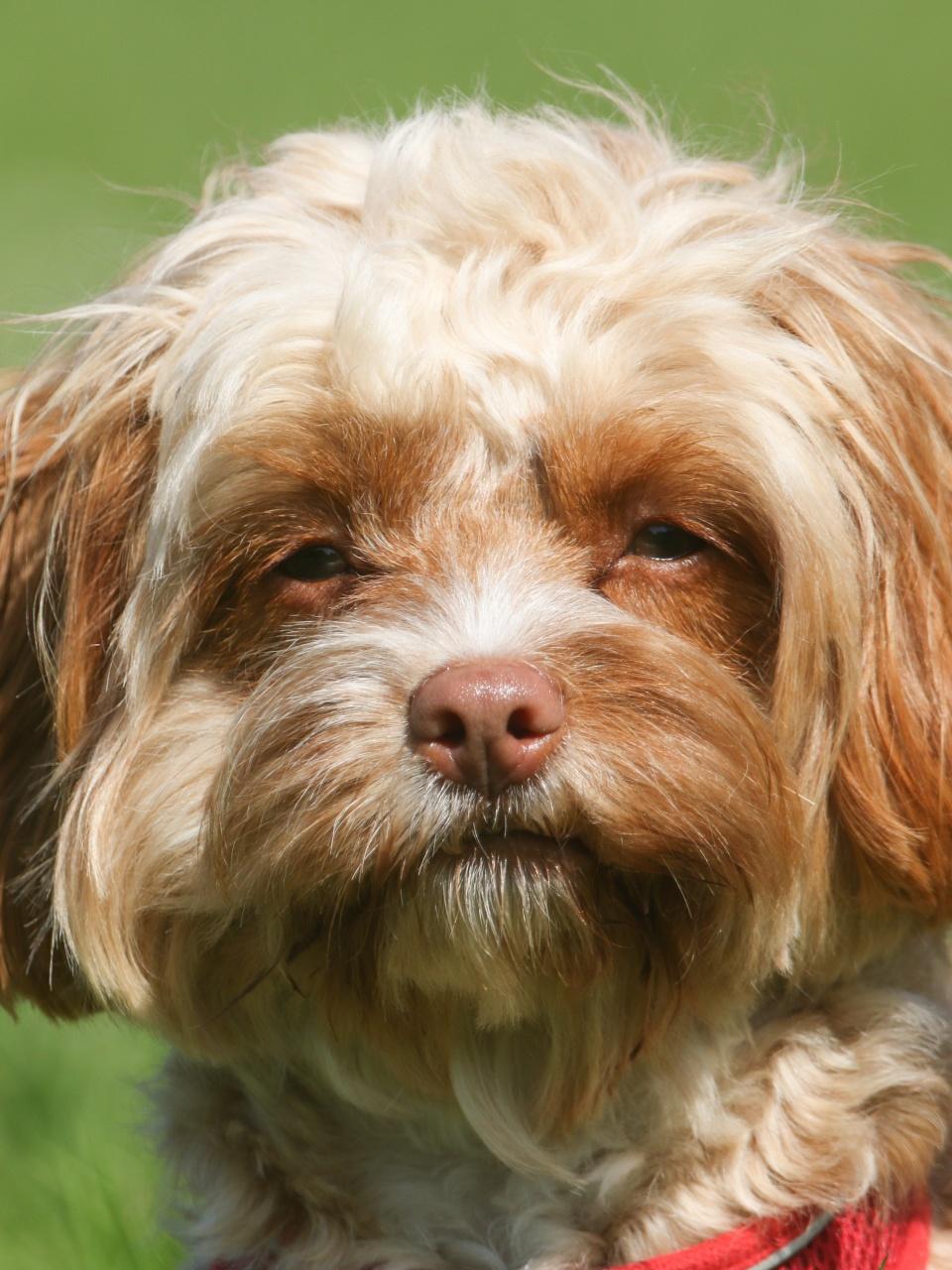
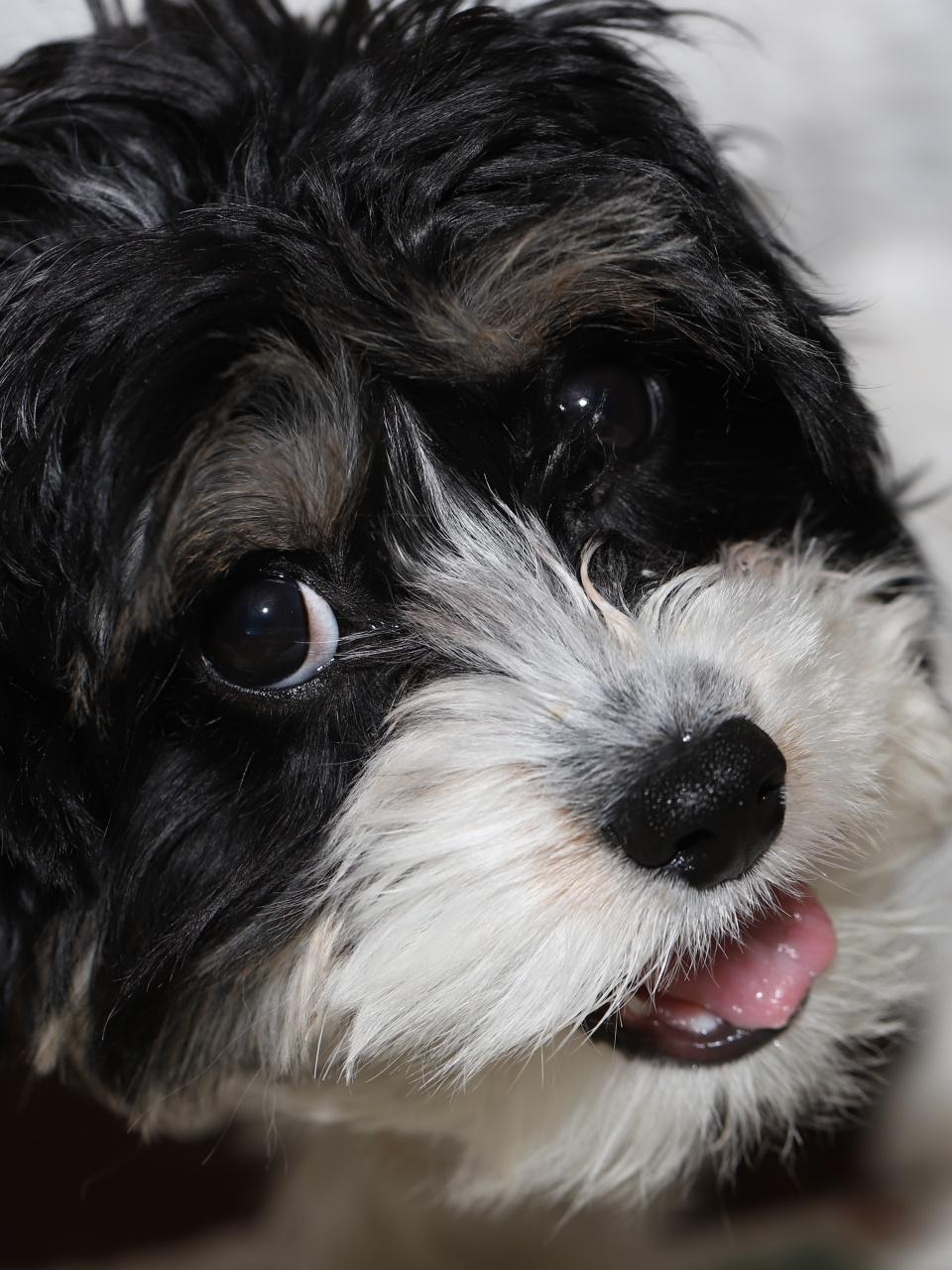
Apricot, red, cream, black, chocolate brown, tri-color, Blenheim (white + chestnut patches)

Size of home
Adapt well to apartments, condos, or houses

Exercise
45-60 minutes per day that includes walks, playtime, and mental stimulation;
They are very active but not overly demanding

Grooming
Coat requires brushing 3- 5 times per week; professional grooming every 6-8 weeks; Regular ear cleaning and dental care needed; Low-shedding, but not always fully hypoallergenic

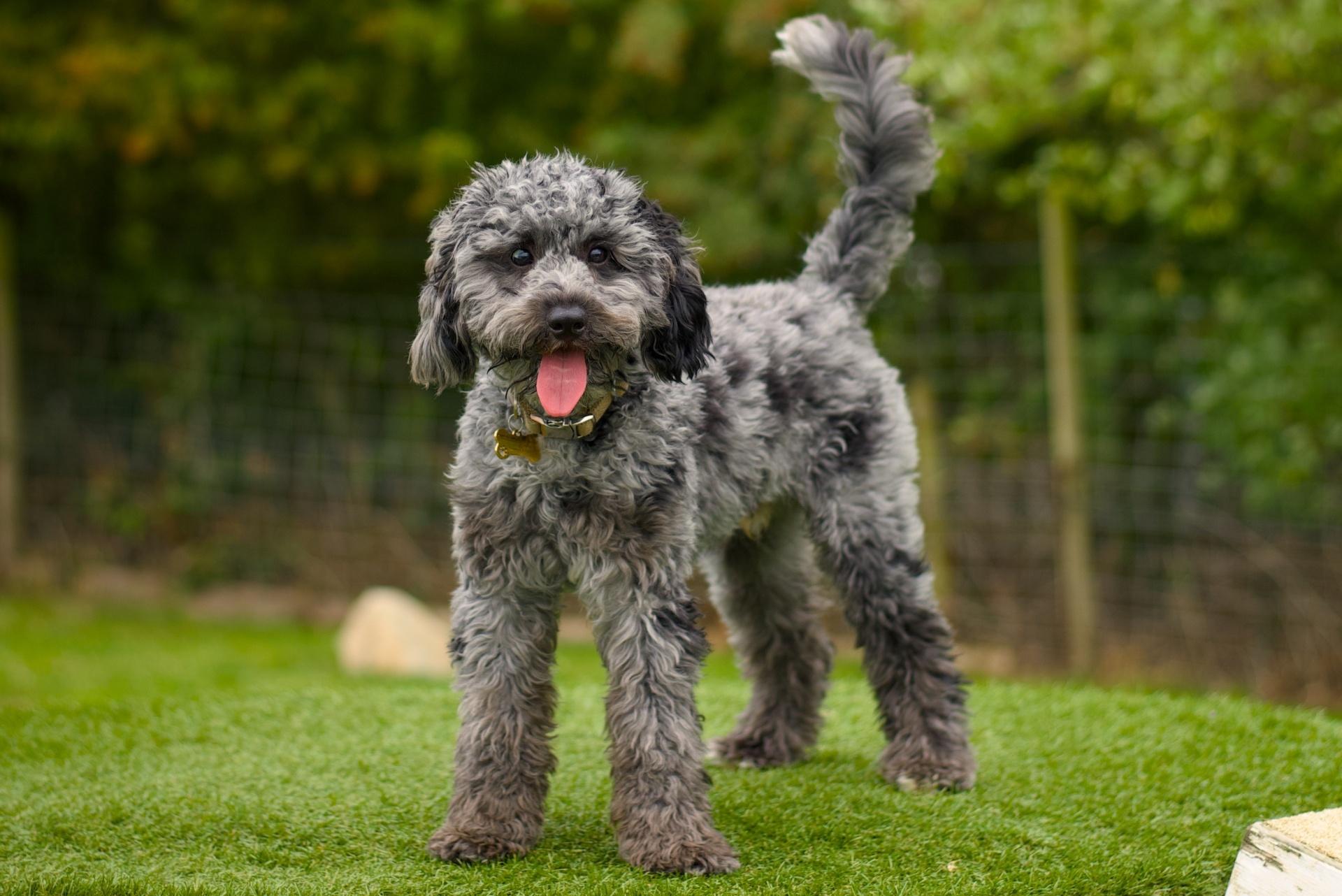

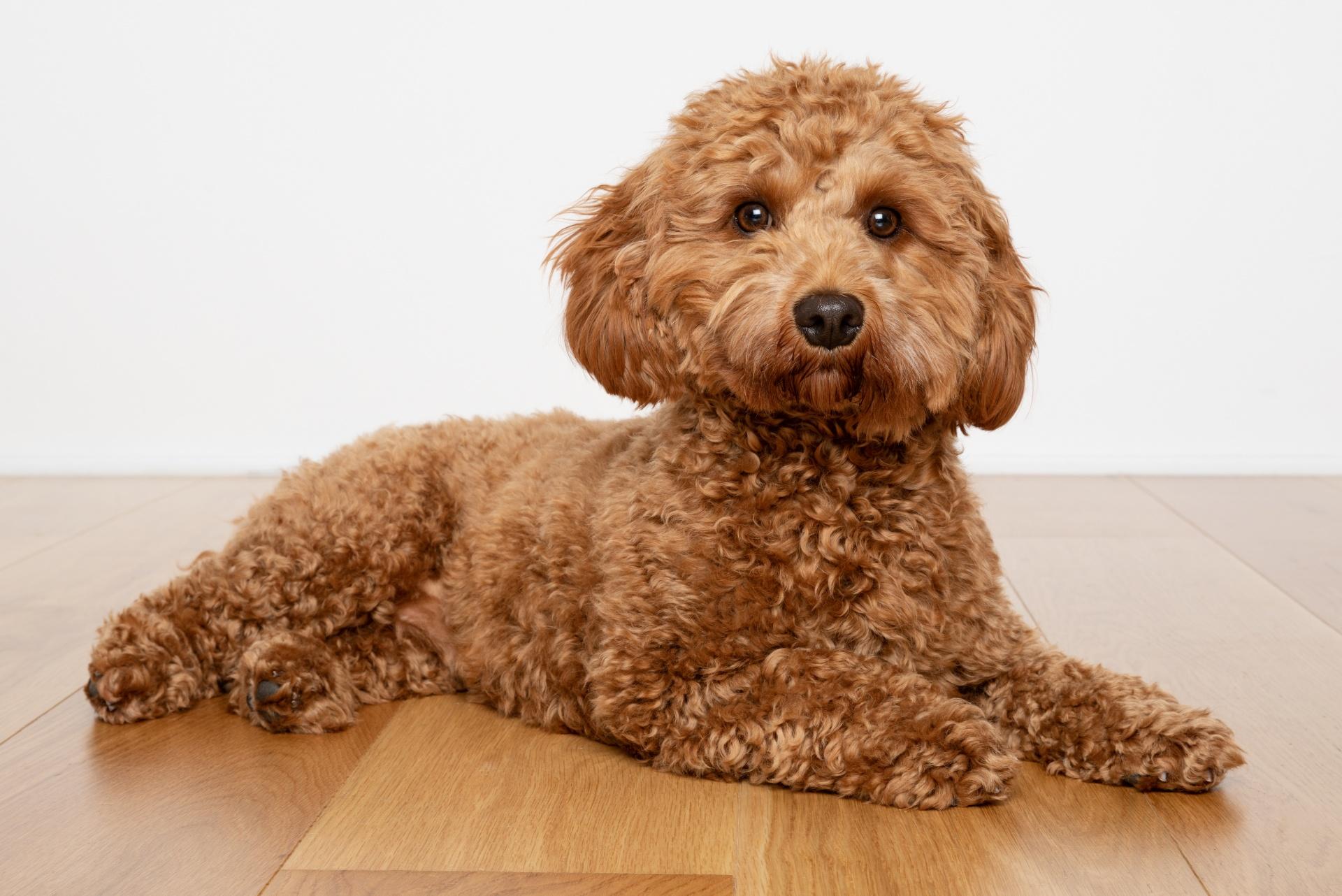
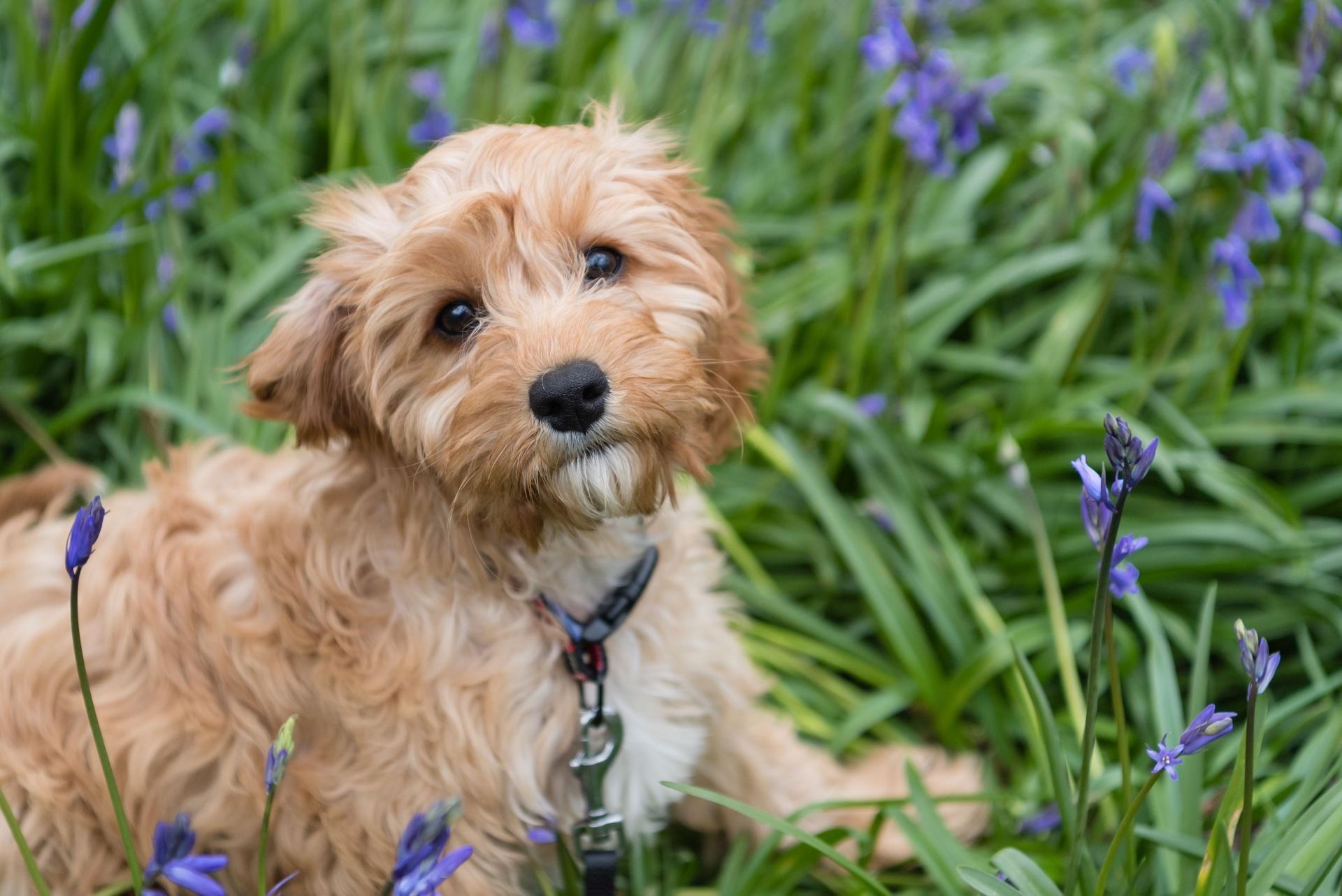
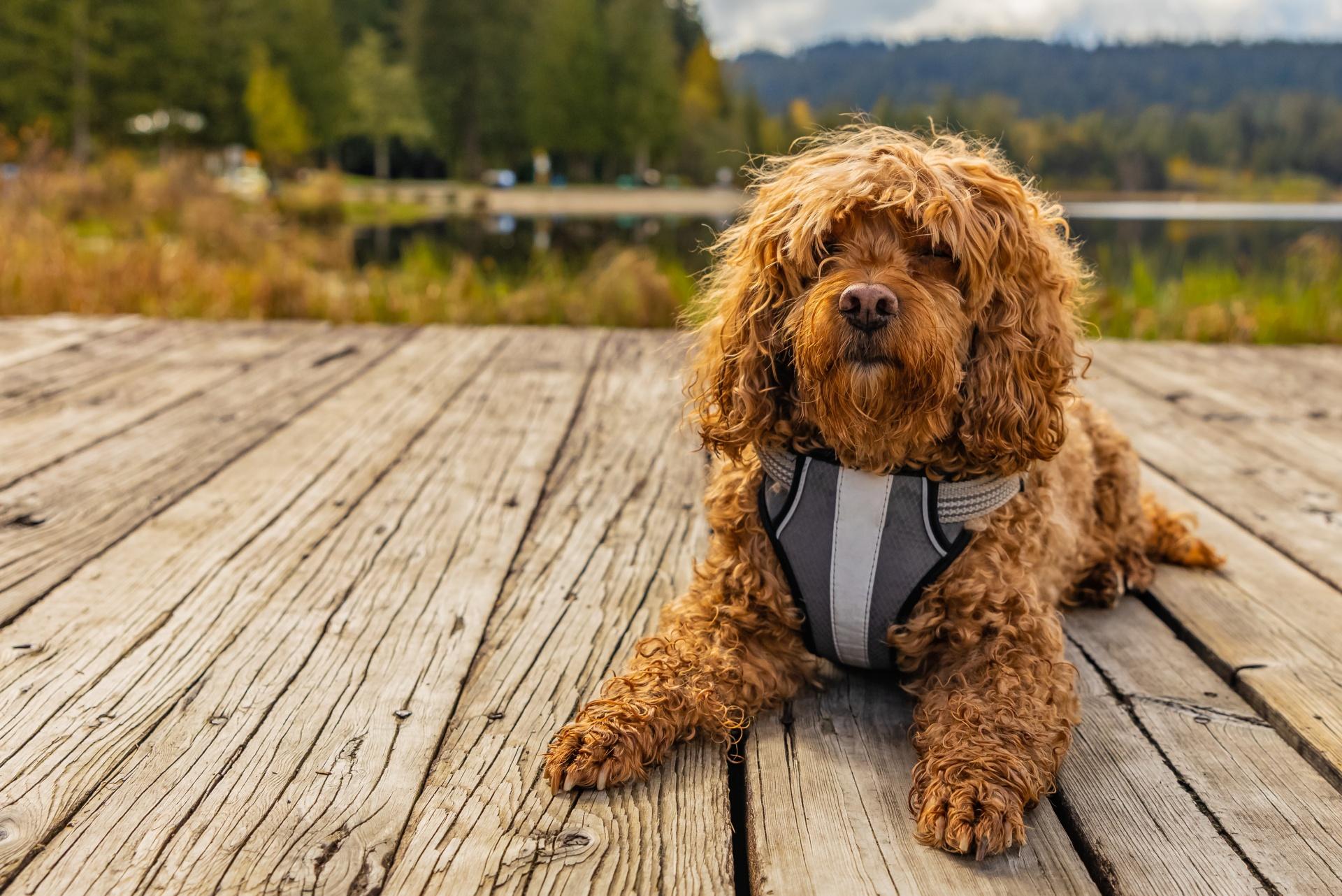
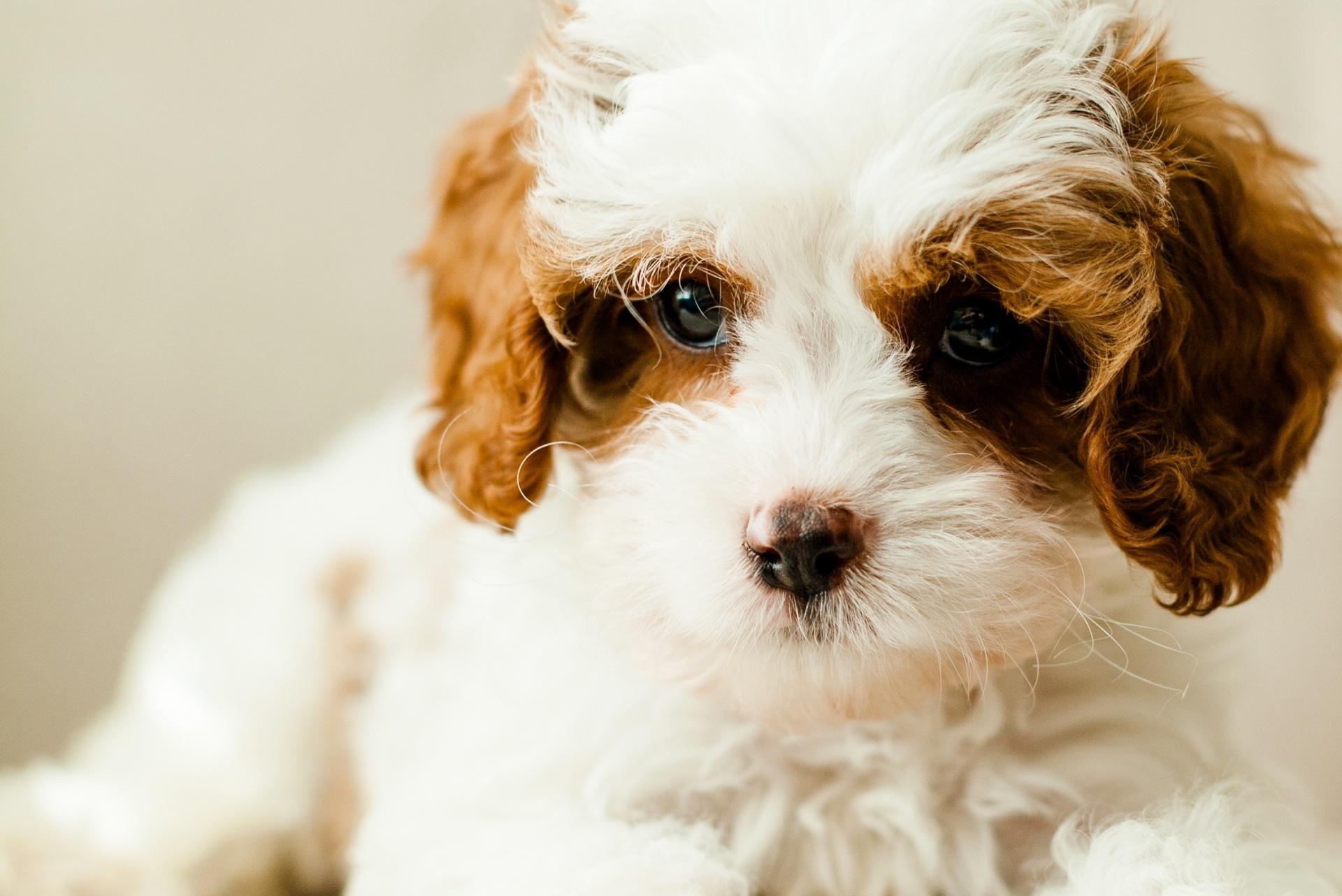

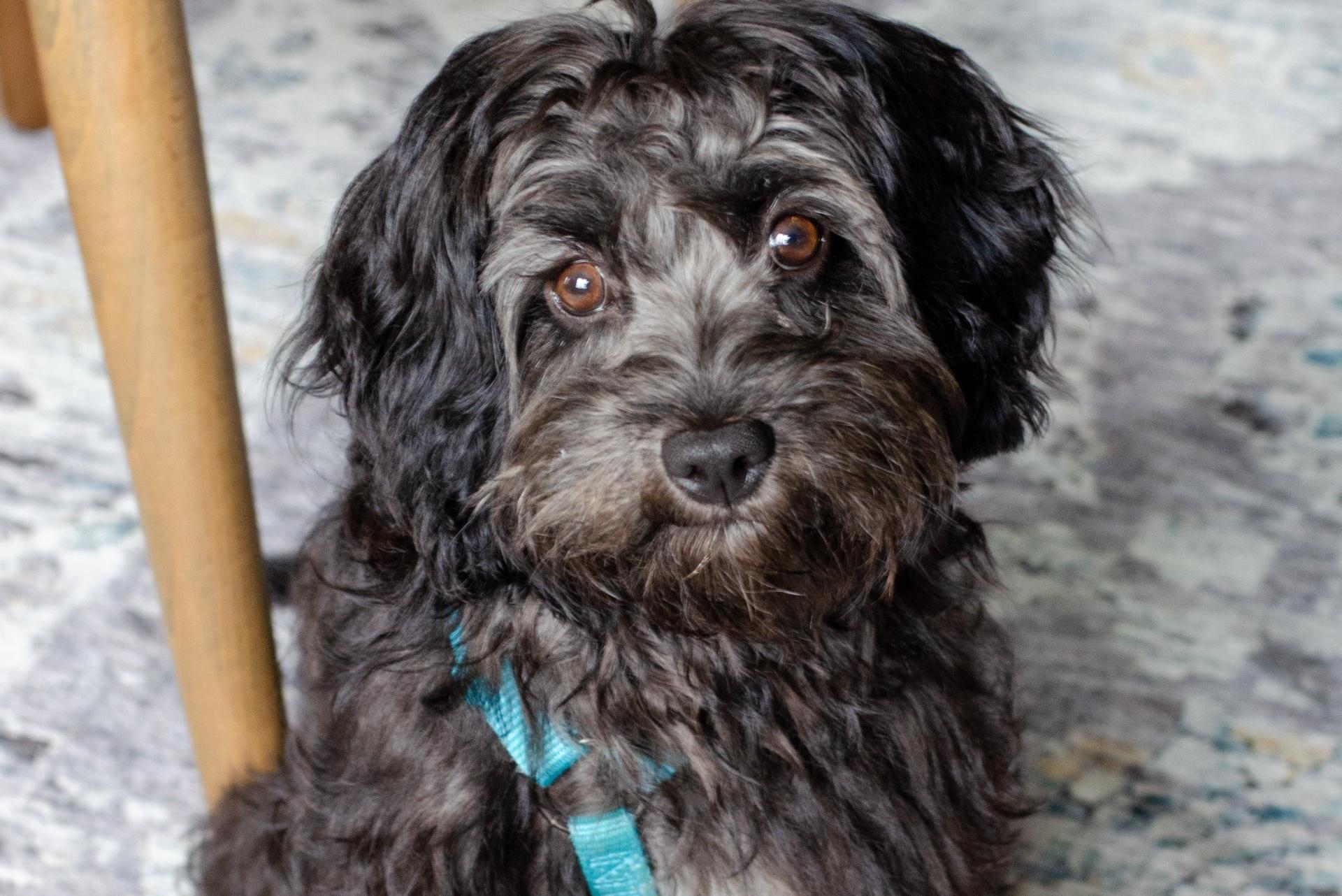

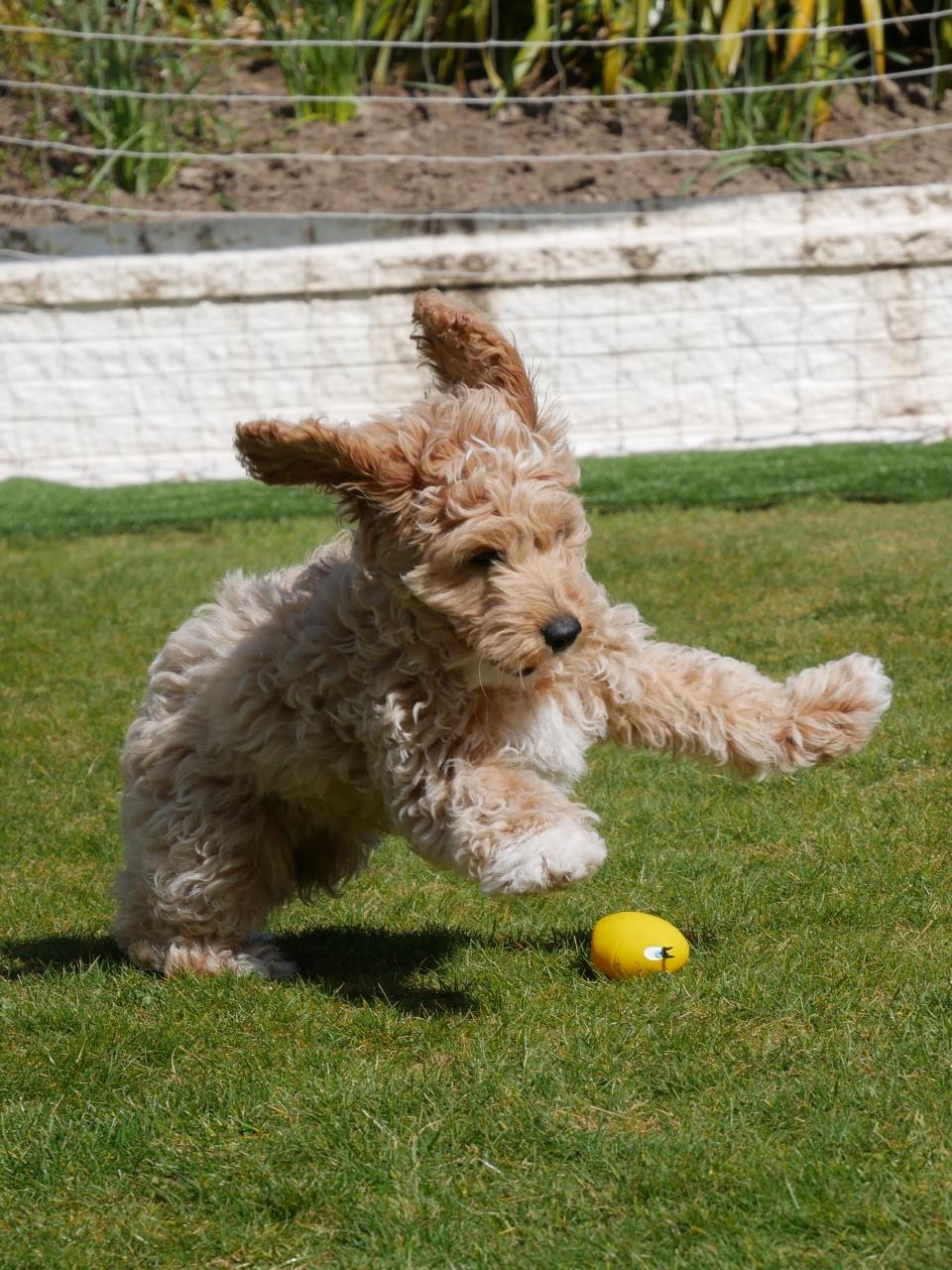
Keep in mind that this is a cross-breed dog, so Cavapoo size and appearance can vary a lot- not only from litter to litter, but even within the same litter of puppies!
Cavapoos are usually a mix of the Cavalier and the Toy or Miniature Poodle, rather than the Standard Poodle. This means that breed members typically weigh from 5kg to 10kg and measure about 23 to 35cm tall at the shoulders.
Their fur is generally classed as ‘hypoallergenic’ as they do not shed much. However, owners must be aware that people with dog allergies might react to their dander and saliva, and no dog can truly be called hypoallergenic.
Coat colors include:
Black
White
Brown
Chestnut and white
Tricolor
Apricot
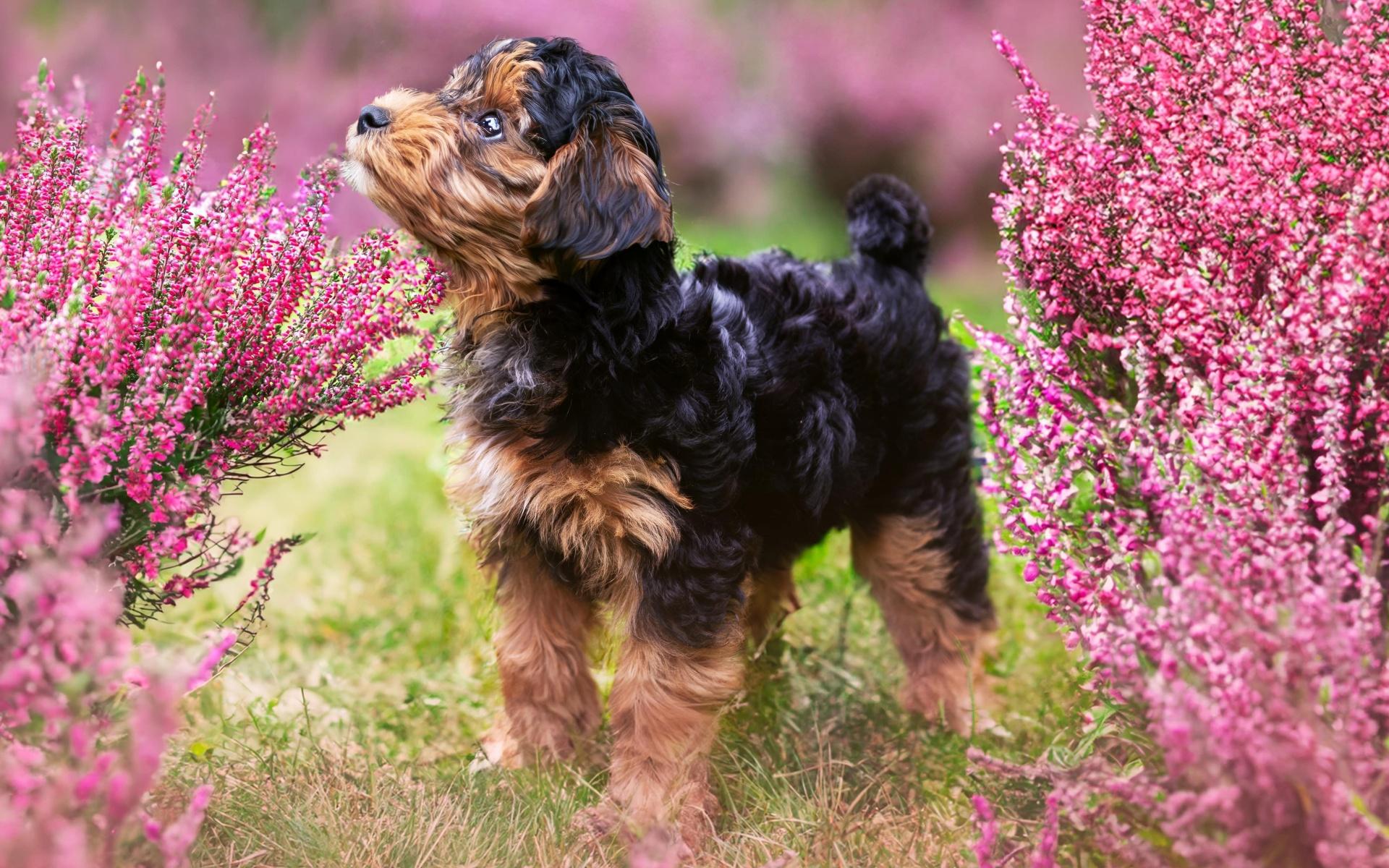
They have a stocky body with a round head and ears that flop down along their face. Their eyes are large and expressive, with most being a dark brown color.
Some sources state that Cavapoo dogs have been bred for around 70 years, with litters appearing in both Australia and America around this time. The aim was to create a family pet that was not too large, biddable, and low-shedding.
This cross-breed became popular quickly, thanks to its cute appearance and good temperament. Nowadays, it is one of the most popular designer dogs and is readily available all over the world.
The temperament of a cross-breed is always a bit trickier to predict than a pedigree. Still, as the Cavapoo has been around for several decades, there are established lines with similar traits.
As a general rule, these dogs are good around children and other pets. However, this will only hold true if they are well socialized with them from a young age.
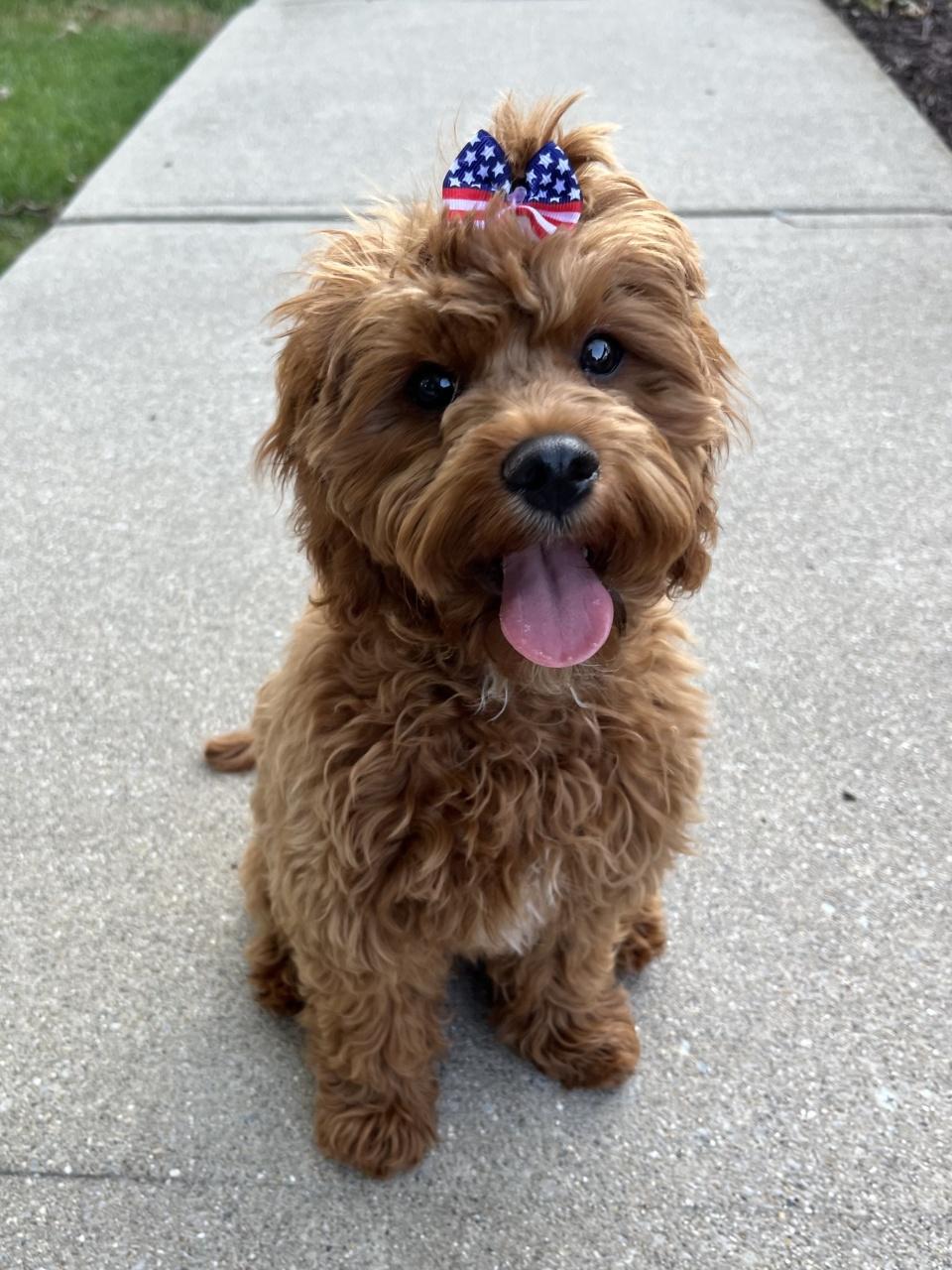
This is not a trait that can be relied on, and both breeder and owner need to put the work and training in, when it comes to ensuring good manners around others.
Most are playful, affectionate and very loving. They enjoy spending time with their owners and love to play and get up to mischief. They’re smart and quick to learn, eager to be taught new things and to take part in any activity that’s going on.
Their intelligence can be a double-edged sword though, as the Cavapoo needs plenty of mental enrichment if you want to prevent boredom. For some dogs, if they’re left to their own devices for too long or not given enough to keep busy, they may become yappy or destructive.
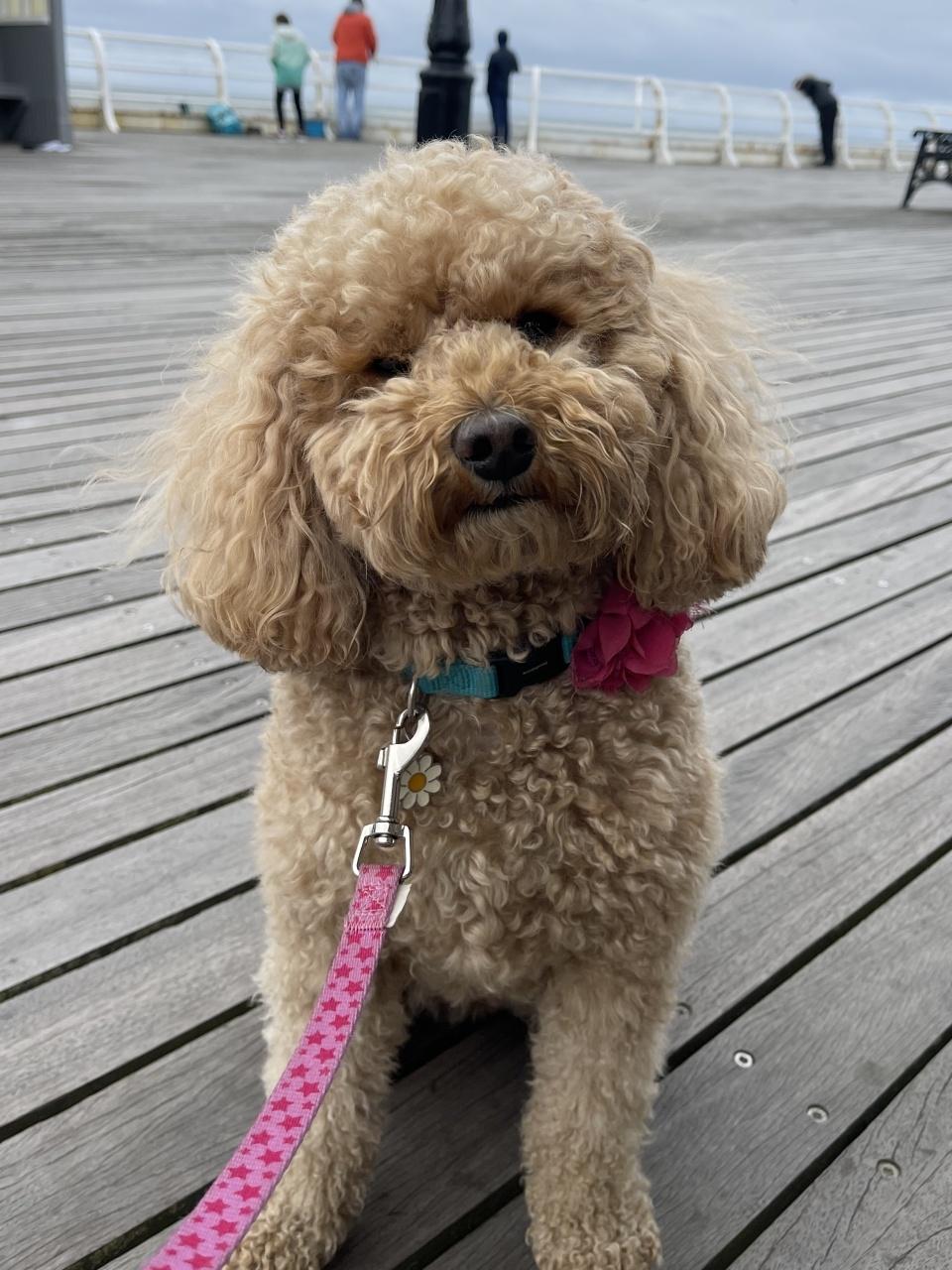
Every Cavapoo is an individual but most are good with children, happy to live alongside other dogs, and tolerant of other pets. Their prey drive is relatively low, and they can learn not to chase the family cat.
They’re especially sweet with young children, particularly when they’ve been raised with them from puppyhood. They tend to play gently and are known for their patience. As they are a small dog, be sure to make children know never to pick them up, and interactions should always be closely supervised.
Importantly, some of these dogs will have anxious tendencies. This can manifest as unwanted behaviors including separation anxiety or resource guarding. Sensible training from day one, consistent ground rules, and breeding from calm and well-rounded parents can help avoid this.
A Cavapoo dog’s training is a lifelong endeavor, rather than something done in puppyhood and then left to the side! This is a smart cookie of a dog, who needs to be kept engaged, and this should include daily training sessions throughout its life.
As a young pup, training includes teaching them what is expected of them on a day-to-day basis. This means things like waiting for food, not jumping up, socializing politely, staying away from human food, and settling in the evening time. Training can also mean learning fun tricks and important commands such as ‘Leave it’ and ‘Sit’.
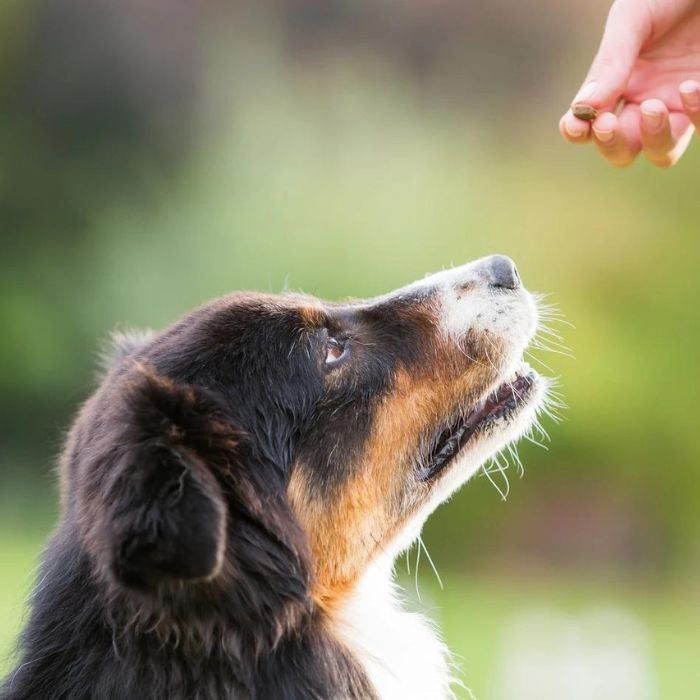
The Cavapoo has a relatively sensitive disposition and would not take kindly to being reprimanded or disciplined. They react best to positive reinforcement training. This means lots of praise and treats when they do the right thing, and no punishment or criticism when they get it wrong.
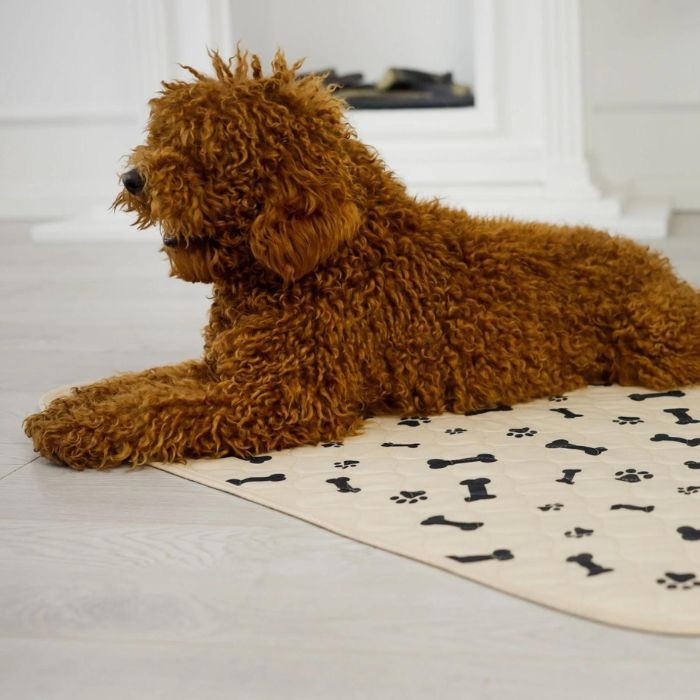
When it comes to house training, this dog can take their time. As they’re quite small and have little bladders, many will take a good 4-6 months before becoming fully toilet-trained. Consistency is key, so continue to take them out for regular bathroom breaks, and praise heavily when they get it right.
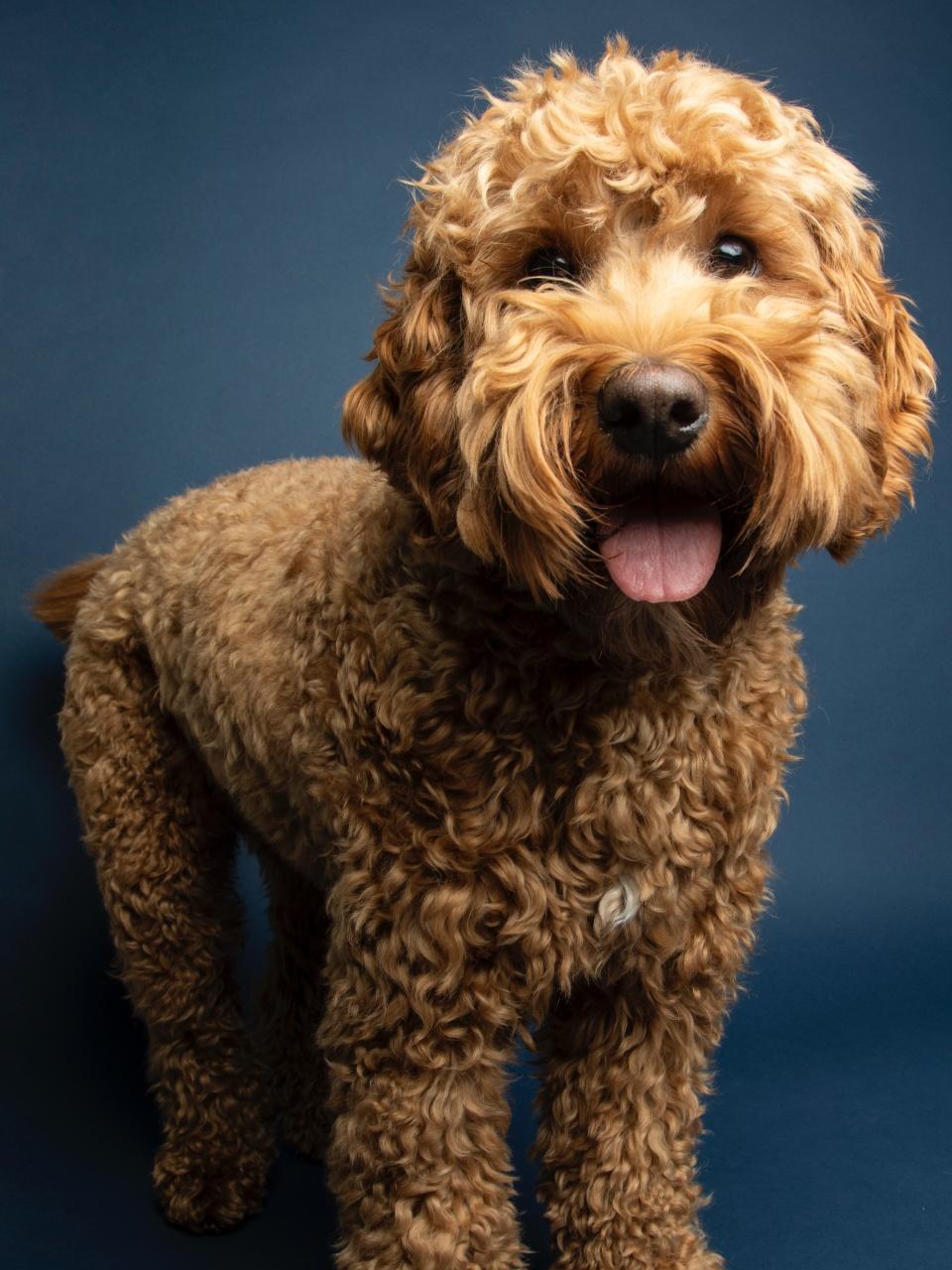
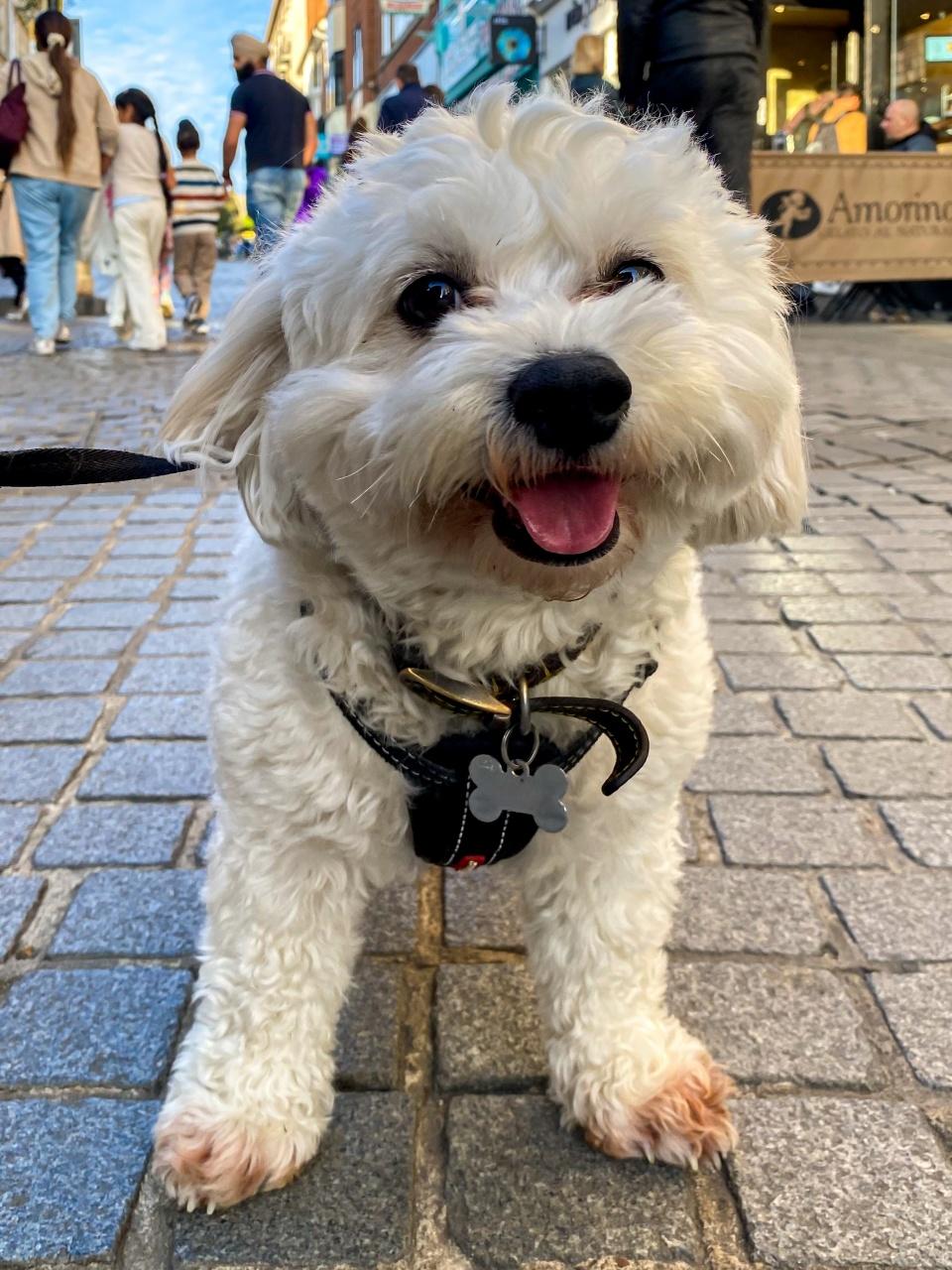
A lively and energetic dog, while the Cavapoo dog is relatively small, they still need plenty of exercise. This is especially true when they’re adolescents and younger adults. Aim for about 60 minutes a day, which should be a variety of off lead time (where appropriate), sniffing, exploring, and hiking.
Cavapoos have a great sense of adventure and curiosity, so they really thrive when brought to lots of different locations such as parks, fields, beaches and woodlands.
It can be all too easy to overlook the ‘mental’ exercise side of things. These intelligent dogs also need to be kept busy with interesting activities like scenting games, food puzzles, and command training.
Caring for the Cavapoo is not an easy task, and they do require quite a lot of owner input. From a young age, get them used to a routine that includes checking their eyes, ears and mouth, brushing their teeth, cleaning their face, wiping down their paws and belly, clipping their claws, brushing their coat, and bathing them.
Cavapoo’s are notorious for having excess tear staining and eye discharge, so many need to have their under-eyes cleaned and dried on a daily basis.
Their curly or wavy coat is prone to tangles and mats so they should be brushed every couple of days. Focus on areas like their face, belly and paws- as these are most likely to form clumps.
Depending on lifestyle, it is usually about right to bathe your Cavapoo every couple of months. Bathing them too often can strip the natural oils from their skin and fur, leading to dry skin and a dull coat. Be cautious not to get water into their ear canals when they’re being washed, and dry them thoroughly using cotton balls after.
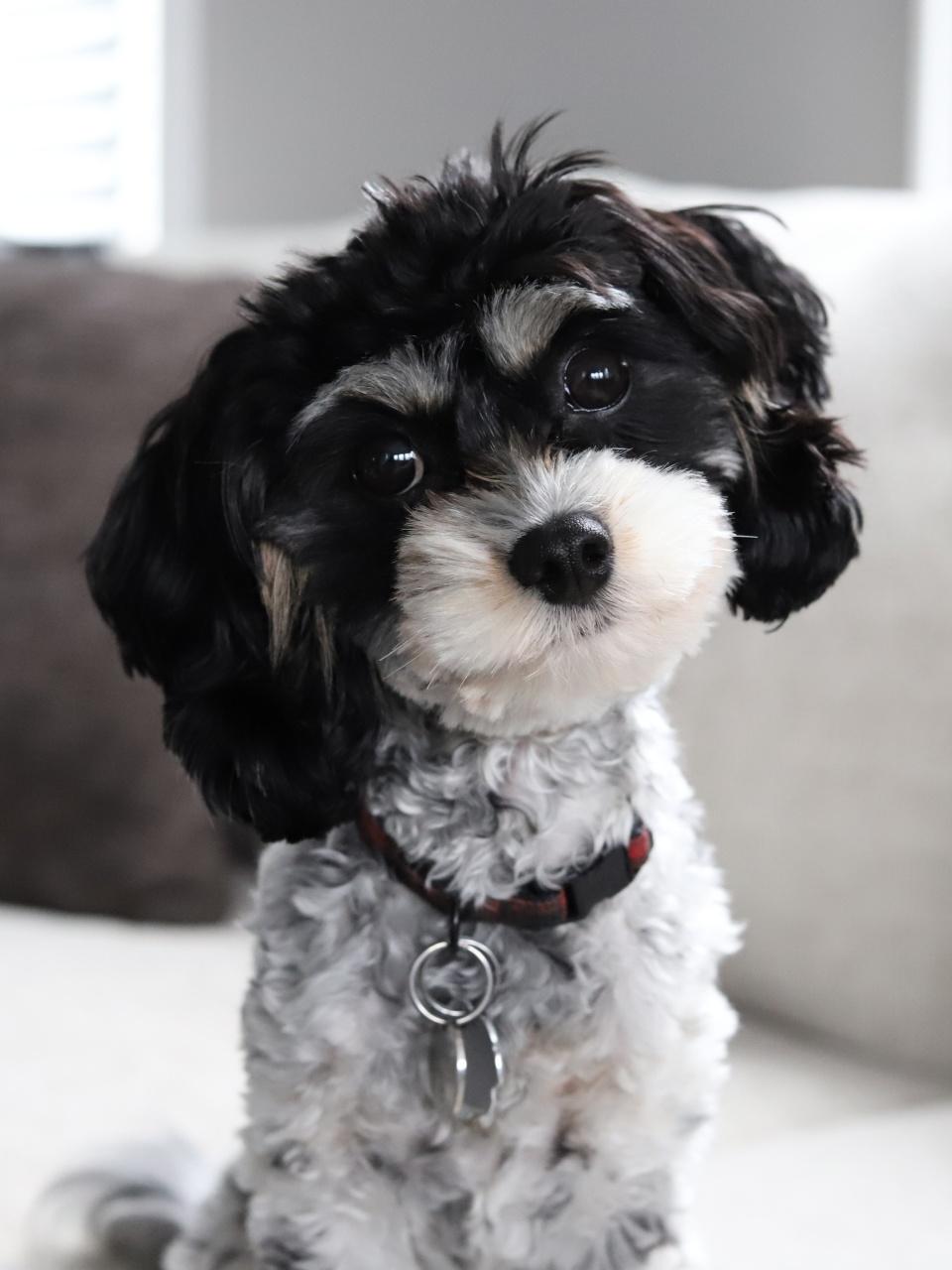
Cavapoos thrive off high quality diets that are rich in digestible protein. Be sure to feed them a balanced dog food, and consider offering a diet that is enriched with supplements such as probiotics for digestive health and omega 3 fatty acids for coat shine.
It would not be uncommon for an owner to class their Cavapoo as a ‘fussy eater’. They may say this because their dog sometimes refuses their meals. However, if the dog is a healthy weight, it is probably more of a case of them being offered more food than they need. These dogs are generally quite good at not over-eating and knowing when to refuse food- although there are always exceptions to the rule!
Be mindful not to overfeed your Cavapoo, as this can lead to obesity, which causes many health issues down the line. You should be aware that their calorie needs change with age, and a very young, growing Cavapoo puppy needs a lot more calories than one who is 8 or 9 months of age.
Wet diets improve hydration and are especially good for dogs prone to bladder stones or urinary infections. On the other hand, dry food can be beneficial for maintaining good oral hygiene. Many owners find their Cavapoo has a preference for soft food. However, as this can cake on teeth, be sure to brush those gnashers a few times a week!
Generally seen as quite a healthy and long-lived dog, the average Cavapoo lifespan is about 12 to 15 years. However, they can inherit problems from either parent. Some of the more common medical issues seen include:
Otitis externa. This is the medical term for an outer ear infection. Any floppy-eared breed can be prone to this, with the Cavapoo being no exception. Symptoms include a red ear canal, excess wax production, and a bad smell coming from the ear. You may also notice your dog is shaking or rubbing their head a lot more than usual. Treatment typically includes regular ear cleaning as well as medicated ear drops containing some antibiotics and steroids For those prone to ear infections, it can be helpful to regularly wash their ears and- in some cases- to pluck the fur, which improves ventilation.
Periodontal disease. As with other small dogs, this breed is prone to dental disease. Those who are middle-aged and older tend to be most affected and signs include bad breath, red gums, and visible build up on the teeth. Do not rely on your dog refusing food to confirm a dental issue- dogs generally keep eating, even when in a lot of oral discomfort. Once dental disease has been established, the best treatment is a veterinary dental cleaning under anaesthetic. Try to prevent dental disease with regular tooth brushing, when possible.


Mitral valve disease. MVD is massively prevalent within the Cavalier population, and many Poodles also develop this cardiac disease in later life. So, it is little wonder that many older Cavapoos have MVD. These dogs have heart murmurs and symptoms can include a chronic cough, reduced exercise tolerance, and trouble breathing. Treatment usually consists of medication such as diuretics and cardiotonic vasodilators, though surgical intervention may be possible for some cases.
Patella luxation. When the knee cap does not sit where it should, it is said to have dislocated. For some, the problem comes and goes, while for others, the knee cap stays out of place. There are 4 grades of this orthopedic disease, and the general consensus is that dogs who have a grade 3 or 4 luxation would benefit from surgical correction.
Hip dysplasia. When the hip joint does not form correctly, it can lead to wear and tear over the years. This presents as arthritis which causes symptoms such as slow movement, trouble standing up, and muscle wastage over the hind limbs. Dogs may sit with their knees out and bunny hop when running. Most patients are managed with weight control, joint supplements, and medication. For some, especially those who have their diagnosis in early life, surgical therapy is available.

Corneal ulcers. Those Cavapoo breed members with more bulbous eyes and who produce less tears will be more prone to eye ulcers. Symptoms can include excess tear staining, squinting, and eye rubbing. Your vet can diagnose an eye ulcer by staining the eye using Fluorescein dye. Treatment usually consists of antibiotic eye drops, pain relief, and an Elizabethan collar, to prevent rubbing. For most dogs, the ulcer heals up within a couple of days.
Syringomyelia. It is the Cavalier parent who passes this one on, and it is a horrible disease which can be very debilitating. It is one of the conditions that parents should be screened for, to confirm it would not be passed down. These dogs can experience severe neck pain and may phantom scratch, yelp, and have trouble walking. An MRI can diagnose this condition, and surgical treatment would be an option for some patients.
Allergic skin disease. Skin allergies are rife in many dogs, with the Cavapoo being no exception. These guys can react to foods (like chicken, beef, grains, or peas) and/or things in their environment (such as pollen, mold or dust mites). Common signs of allergies include excessive paw licking, discolored skin or fur, constant scratching, and recurrent ear infections and anal gland disease. Although allergic skin disease cannot be cured, dogs can be managed with ongoing medicated washes, antibiotics, anti-itch medicine and skin supplements. It is also vital to try and identify the allergen and to avoid it. When avoidance is not possible (such as is the case with grass), injectable immunotherapy may be considered.
Obesity.Obesity is common among Cavapoos, and is something to try and prevent at all costs. Obese and over-weight dogs not only live for less time, but also have a worse quality of life compared to their slender peers. Obesity can predispose your dog to joint disease, heart disease, and even cancer. Staying slim usually means a combination of a calorie-controlled diet and exercise.
As the owner of a Cavapoo, I happily recommend this breed to young families, first-time dog owners, seniors… and most other people! They are highly adaptable, get on well with all ages, can live with other pets, and do not need a lot of space.
Cavapoos can do fine in apartments and small homes, and do not necessarily need a yard, as long as you can bring them out for regular exercise each day.
It is never easy to be presented with a whole litter of fluffy, bouncy puppies, and to pick just one!
The first decision to make is whether you want a male or a female. This will depend on your personal experience with dogs in the past, whether or not you’re wanting to breed from your puppy, or the sex of the other pets in your home.
When you visit the puppies, make sure their mother is present. This is crucial, as it helps prevent puppy farming. If the breeder cannot show you the puppies with their mother, it is best to walk away.
While you’re not expected to be a vet, it is good to assess the pup’s general health. If a puppy seems very quiet or lethargic, is much smaller than the rest, or has a visible limp or cough- you could be buying trouble. Look for a lively and curious puppy who has a clear eyes and nose, that is happy to approach you. Be mindful that new people can be intimidating to very young puppies, so they may need a little time to warm up to you.
Whenever possible, try to visit the litter a few times before they are re-homed. This allows you to get a better sense of their personalities, and to pick up on any potential issues.


Price varies greatly depending on if the parents have been health tested or not, the breeder’s reputation, where you are in the world, and current economic demands.
Keep in mind that a good breeder has to factor into the cost things like puppy health visits, vaccinations, microchips, and health testing of parents. Currently, a Cavapoo costs anything from $2,000 to $5,000.
The cost of purchasing the puppy is really just the tip of the iceberg though. Over its lifetime, you’ll be paying for its insurance, vet care, grooming, boarding, food, toys… all sorts! Be aware that a Cavapoo can cost their owner about $20,000-$25,000 or so.

Follow Us On
Check Out Our Most Popular Content