Your Cart is Empty


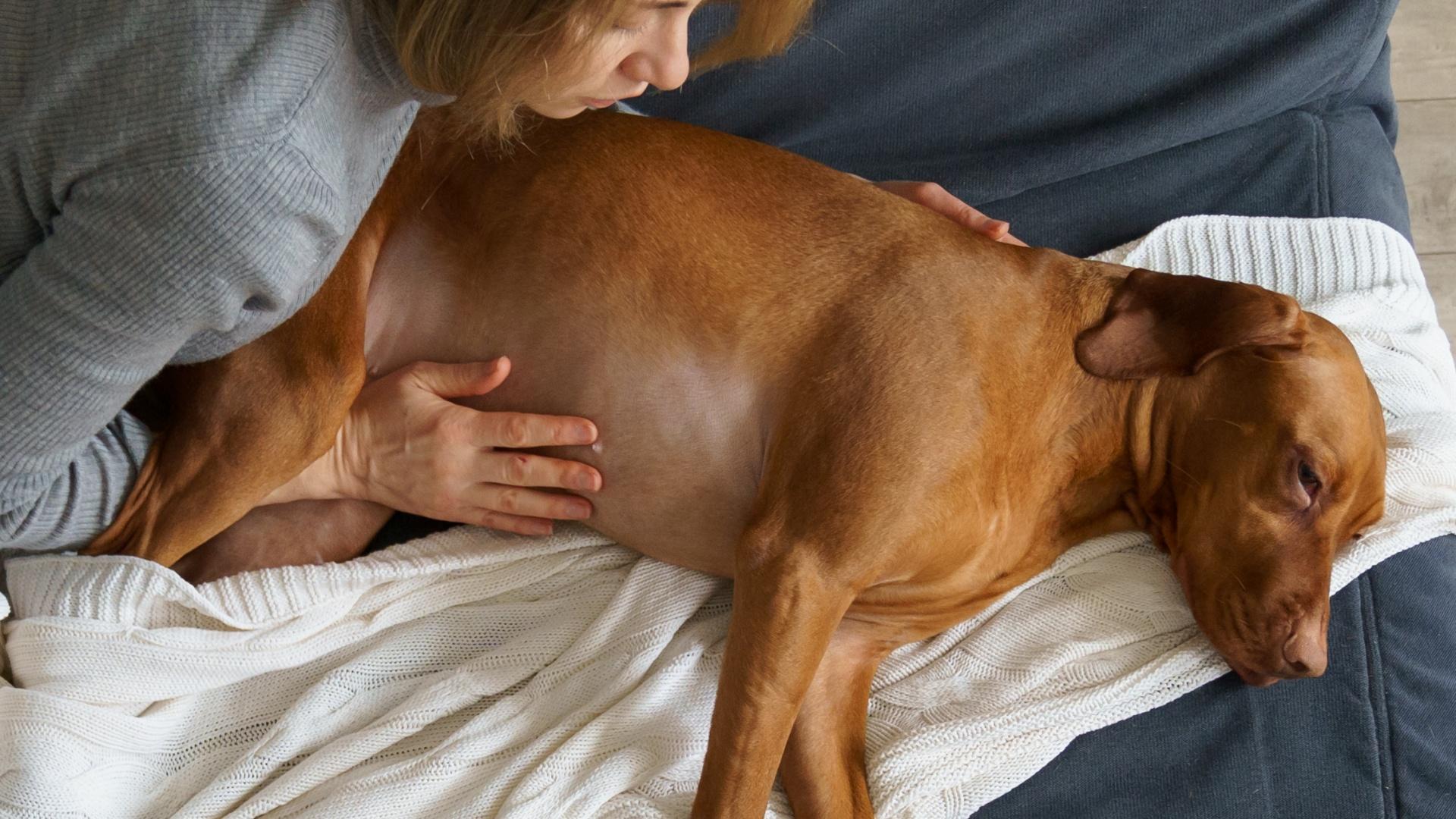
Canine pancreatitis is a serious inflammatory condition of the pancreas, but when caught early and treated promptly, most dogs recover fully. Knowing when is the right time to seek veterinary care can make all the difference.
This article discusses the potential symptoms of canine pancreatitis to be on the lookout for, causes, current treatment options, and how to prevent future bouts of pancreatitis. Read on to discover all you need to know about pancreatitis in dog.
⚠️ Medical Disclaimer: This article is informational only and should not replace professional veterinary advice, diagnosis, or treatment. Always consult your veterinarian before starting any treatment or medication for your dog. Only a qualified veterinary professional can properly diagnose your pet's condition and recommend appropriate treatment based on individual circumstances.
Pancreatitis is a serious and potentially life-threatening medical condition. While mild cases carry an excellent prognosis, more severe cases, very sadly, do not always respond to treatment.
Due to the serious nature of the disease, it is paramount that owners are aware of the potential signs, as well as how it can be prevented.
Pancreatitis in dogs is an inflammation of an organ called the pancreas, resulting in digestive enzymes becoming active too early and starting to digest the pancreas.
The function of the pancreas is to assist with blood sugar control and digestion. To do this, it produces insulin as well as digestive enzymes like lipase and amylase. It is vital for the health of your dog that their pancreas is functioning well.
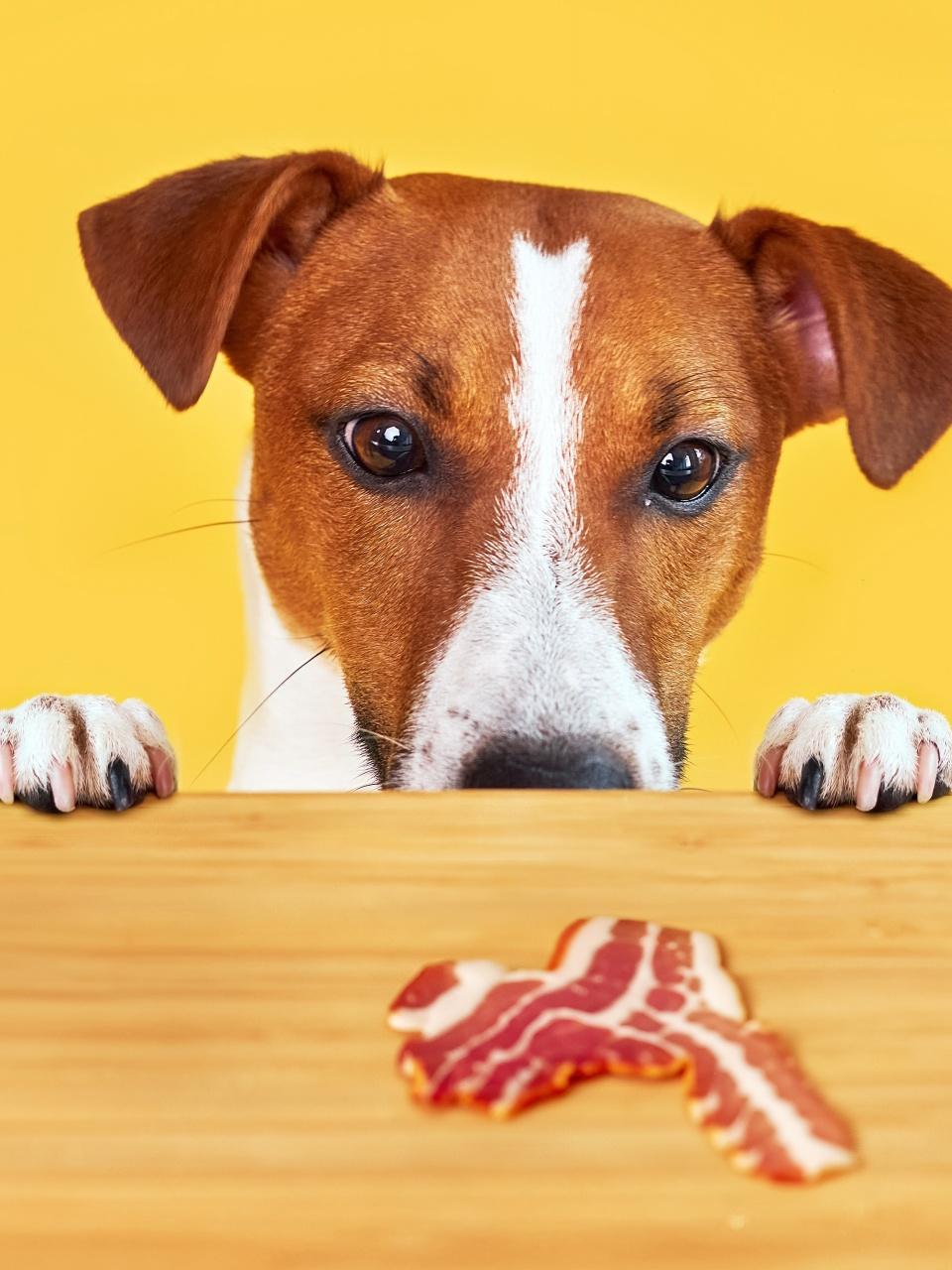
A big trigger for pancreatitis is eating food that is greasy, rich, or fatty. Common culprits include bacon, cheese and the skin from meat. Some vets jokingly refer to pancreatitis as ‘Thanksgiving Syndrome’ as many dogs present to the clinic after gorging on rich gravy, buttery potatoes, and red meat.
Those on a dog food or home-cooked diet that is high in fat (over 15%) may also be at increased risk.
Genetics plays a role, as certain breeds are much more prone to developing pancreatitis. This includes the Poodle, Mini Schnauzer, and Cocker Spaniel.
It is known that certain medications carry a risk. Azathioprine (used to treat cancer), some antibiotics (sulfas) and ibuprofen are all known to be potentially causative.
Some medical conditions can go hand in hand with pancreatitis. Having Cushing’s syndrome, hypothyroidism or excess fat in the blood (hypercholesterolemia) will increase your dog’s chances.
The truth is, most cases of canine pancreatitis are idiopathic. This means that we do not know exactly why they happen.
We can classify pancreatitis into two broad categories: Acute and chronic.
This sudden onset of pancreatitis causes very severe and dramatic symptoms which come on rapidly, over the course of hours or days. There is the potential for this sort of pancreatitis to be fully reversed and for there to be no long-term effects.
Dogs with chronic pancreatitis tend to experience milder symptoms that wax and wane. It is not uncommon for these dogs to develop life-long complications, such as diabetes, due to shrinking and permanent scarring of the organ.


While mild cases may start off with signs like a lack of appetite, decreased energy, mild vomiting and diarrhea, things can quickly worsen. Patients may begin to develop a fever, intense abdominal pain (leading to the downward dog or ‘prayer’ position), severe lethargy, and clinical dehydration.
It is not always clear-cut, whether or not a vet visit is warranted. If your dog has very mild signs that seem to be improving at home, you may choose to hold fire. However, when you are concerned your dog is not coping or you sense their signs are worsening, a vet visit is always wise. If you are unsure, it's always best to be safe than sorry and consult with a vet.
Sometimes, it is best not to wait until normal opening hours, and to see your vet immediately. This is the case, for example, when a dog is:
Persistently vomiting and unable to hold water down
Vomiting blood or passing blood in the stool
Weak or severely lethargic
Experiencing labored breathing
Restless and unable to settle or get comfortable
Collapsed or struggling to stand
Your vet will be suspicious of pancreatitis based on your dog’s medical history and presenting signs. However, it is not always obvious what is going on, and there are certain medical conditions that can mimic pancreatitis. For this reason, testing is always advised.
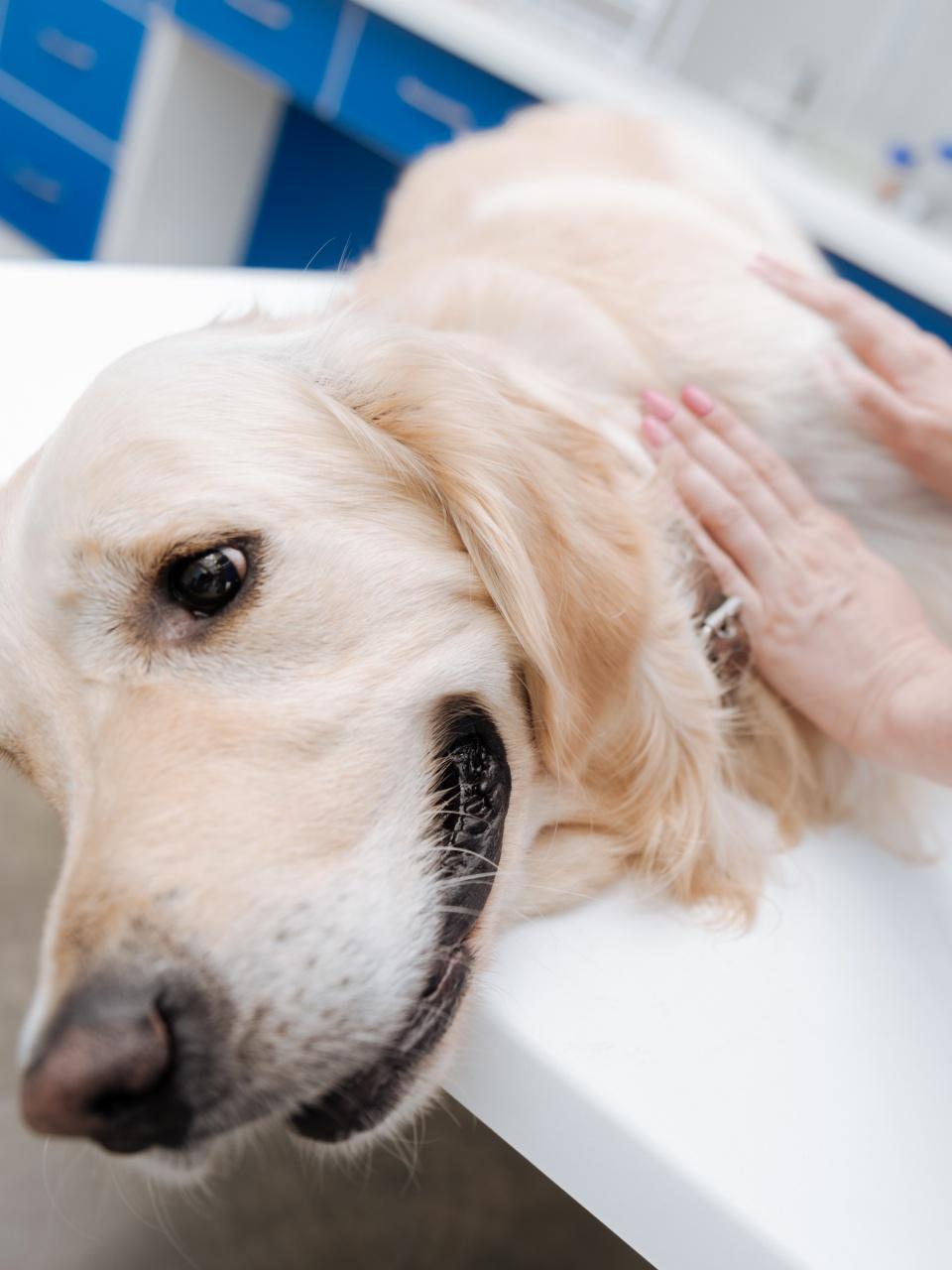
A physical examis normally carried out, with your vet assessing your dog’s hydration levels and feeling their cranial abdomen for any evidence of pain. The abdomen is usually very tense and the dog may yelp or snap when their abdomen is palpated.
Your vet will also check for a fever, count your dog’s breathing and heart rate, and assess the quality of their pulses. This provides them with a bigger picture of how your dog is coping, and helps them evaluate whether or not their circulation is compromised.
Initial tests will likely include a blood test for biochemistry and hematology. Many dogs with pancreatitis have very high Lipase levels. A cPL (Canine Pancreatic Lipase) testcan be ordered, with a positive test being highly suspicious for an active pancreatitis flare up.
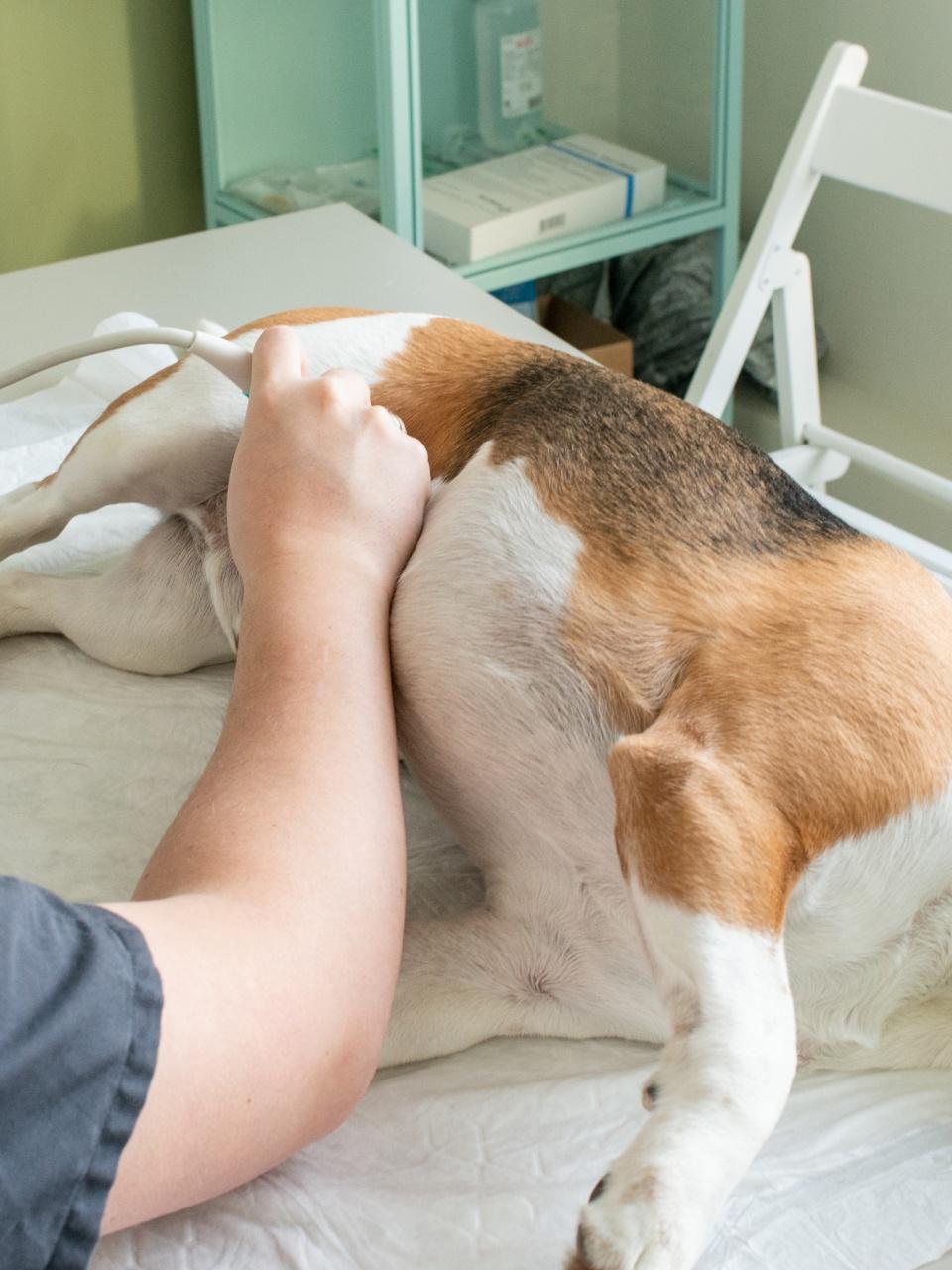
As well as this, your vet may want to analyse your dog’s urine and perform an abdominal ultrasound, to visualise the pancreas and surrounding organs.
Treatment is aimed at supporting your dog until they are better, and this is usually best achieved in hospital while on a fluid drip. Broadly speaking, therapy will consist of:
Intravenous fluids
Strong pain relief
Anti-nausea medicine
Antibiotics in specific cases (for example, necrotizing pancreatitis)
Controlled feeding with highly digestible, low fat food
Panoquell-CA1 (Fuzapladib sodium), which is an intravenous injection that helps to reduce the inflammation within the pancreas
Previously, vets would advise that food was withheld for 1-2 days, to allow the pancreas to rest. However, it is now felt that this is outdated advice, and that patients recover better if they are fed while recovering.


Unfortunately, therapy for pancreatitis- particularly the more severe cases- can be very costly. For dogs who are admitted as an emergency and who require many days of hospital care, their bill is likely to total several thousand dollars.
Pet insurance will usually cover the treatment costs, and almost every vet would recommend that you have your dog insured from the moment you get them.
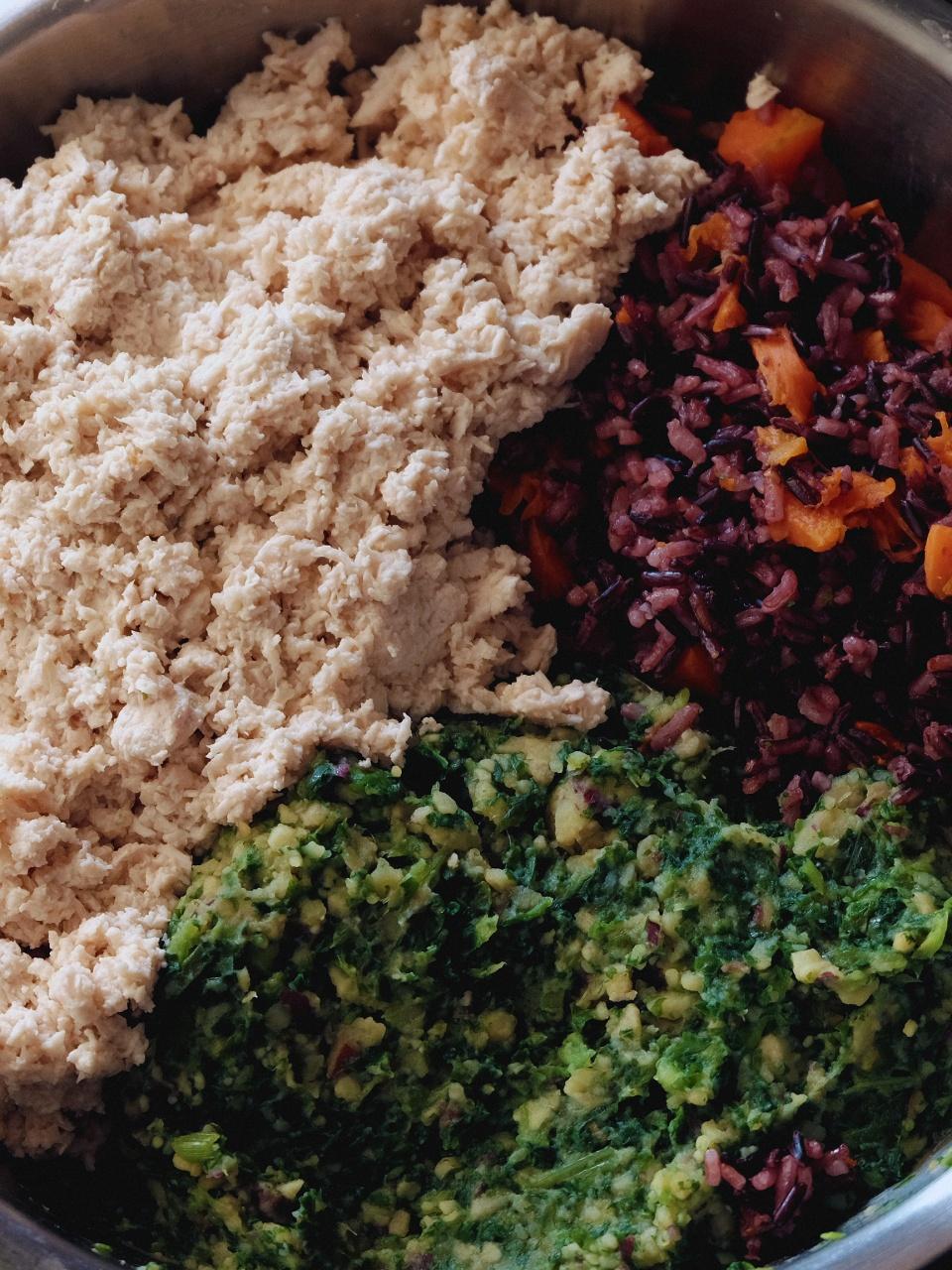
Patients experiencing milder cases should recover quickly, while those with more serious pancreatitis may take many weeks to bounce back.
After a dog has recovered from pancreatitis, the owner needs to be hyper-vigilant for any returning signs, and vets will typically advise to avoid potential triggers, which includes fatty foods. If any signs of recurrence are noticed, a vet should be contacted immediately.
There is the potential for complications to occur, including diabetes or exocrine pancreatic insufficiency (EPI). These are medical conditions that will require ongoing management and typically cannot be reversed.
Milder cases may be managed at home throughout. For more serious cases, dogs are cared for at the veterinary clinic when very unwell, and discharged back home once they start to improving.
Your beloved pet will need a calm, quiet, comforting and predictable environment to recover in. It's best to keep other pets and young children away until the dog's strength is back up. They won’t be needing much exercise- only short jaunts outside on the lead for toileting purposes.
These dogs need a huge amount of rest and sleep, so ensure the home environment is conducive for this, and that they have a cosy bed in an area of the home with low foot traffic.
It can be a good idea to make a checklist of medication, as it is easy to forget a dose of something like pain relief, but it is very important for your dog that this does not happen.
It's important to attend every check up that is arranged at the veterinary clinic, and don’t hesitate to contact your vet in between if you have any questions or concerns. Remember, you are your dog’s advocate!
It can very much help your dog, if you:
Always have a full bowl of fresh water nearby
Offer very small but tasty low fat meals regularly
Set alarms when medication is due
Keep a log of symptoms and energy levels, so you can compare each day
The ideal diet for your dog will depend on them and their medical history, and every dog will have their own needs and priorities. However, all owners of patients will be advised to avoid giving high fat foods.
For those who experienced a severe case or who have had chronic pancreatitis, a diet containing less than 12% (or sometimes less than 10%) fat is normally advised.
It is generally most straight-forward to have your dog on a prescribed, complete dog food. If you choose to home cook, this should be a diet formulated alongside a nutritionist, to ensure that it meets your dog's needs and there is no risk of nutritional deficiencies down the line.
Ask your vet about low-fat food options that meet your dog’s specific needs.
Although we cannot prevent every episode of pancreatitis, there are some sensible things that we can do in order to try and prevent a recurrence.
Diet is something that is largely in your control. Make sure that no one is allowed to feed your dog high fat treats or foods, and remove anything like this from their reach. Be extra cautious around holidays and gatherings, when it is more likely that a pet is going to scavenge food.
If your dog tends to snaffle food when outdoors, consider having them wear a basket muzzle on their walks.
If your dog needs to take a certain medication, it's best to double check that it is not going to increase their risk of pancreatitis. It may be that there is an alternative option, which is less likely to inflame the pancreas.

Many vets will advocate the use of supplements such as omega 3 fatty acids to lower inflammation, antioxidants for reduced oxidative stress, and prebiotics and probiotics to support digestive health. These supplements are readily accessible, inexpensive and unlikely to do any harm.

Pancreatitis is a serious disease that has the potential to be deadly. Thankfully, most dogs can recover as long as they receive prompt veterinary care. Some dogs will have to deal with chronic pancreatitis throughout their life, and an unlucky few may experience complications such as diabetes or EPI.
Other conditions like viral gastroenteritis or a gut obstruction can mimic the signs of pancreatitis. For this reason, it is important that vets run diagnostic tests to confirm the suspected diagnosis.
Those pets who have had an episode of pancreatitis are typically advised to eat a low fat diet for life. This is because fatty foods have the potential to trigger a new episode of pancreatitis.
With early detection and timely veterinary intervention, the prognosis for canine pancreatitis is usually good. Being aware of the symptoms of pancreatitis puts the power in your hands.
While this is a serious medical condition, treatment nowadays is very effective, and most dogs go on to make a full recovery.
Follow Us On
Check Out Our Most Popular Content