Your Cart is Empty


Have you ever watched your dog sleeping peacefully when suddenly their paws start twitching, their eyes move rapidly behind closed lids, or they let out soft whimpers? These familiar scenes raise a question that curious pet owners have pondered for years: do dogs actually dream?
The answer is a resounding yes. Scientific research has confirmed that dogs experience dreams much like humans do, and understanding this aspect of canine behavior can deepen your appreciation for your furry companion's inner world. This guide explores the fascinating science behind doggy dreams, what signs to look for, and how to ensure your pet gets the restorative sleep they need.
Dogs absolutely dream, and the evidence comes from decades of sleep research. Studies comparing brain activity patterns during sleep have revealed striking similarities between humans and dogs. Both species go through distinct sleep cycles, including the crucial REM (Rapid Eye Movement) stage where most dreaming occurs.
During REM sleep, a dog's brain activity mirrors that of a dreaming human. Researchers at MIT studied rats running through mazes and discovered that these animals replayed their daytime experiences during sleep, with the same brain patterns firing in identical sequences. Since dogs have similar brain structures and sleep cycles, scientists concluded that dogs likely dream in comparable ways.
The pons, a region in the brainstem, plays a vital role in this process. It essentially paralyzes major muscle groups during REM sleep to prevent animals from physically acting out their dreams. However, smaller muscles – like those controlling the eyes, whiskers, and paws – remain active, which explains the adorable twitches you observe.
The content of dog dreams remains somewhat mysterious, but researchers have developed strong theories based on available evidence. The landmark maze study with rats demonstrated that animals replay their daily experiences during sleep, and this pattern seems to extend to dogs as well.
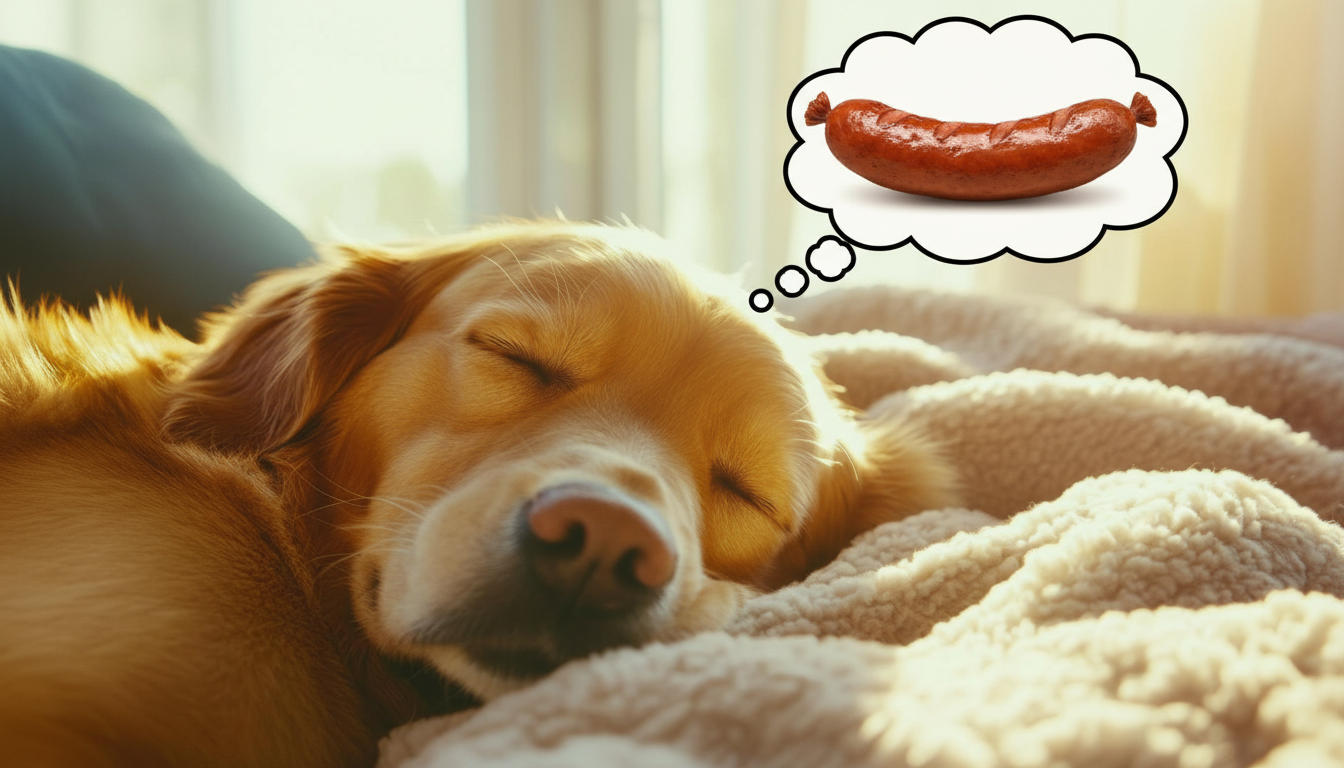
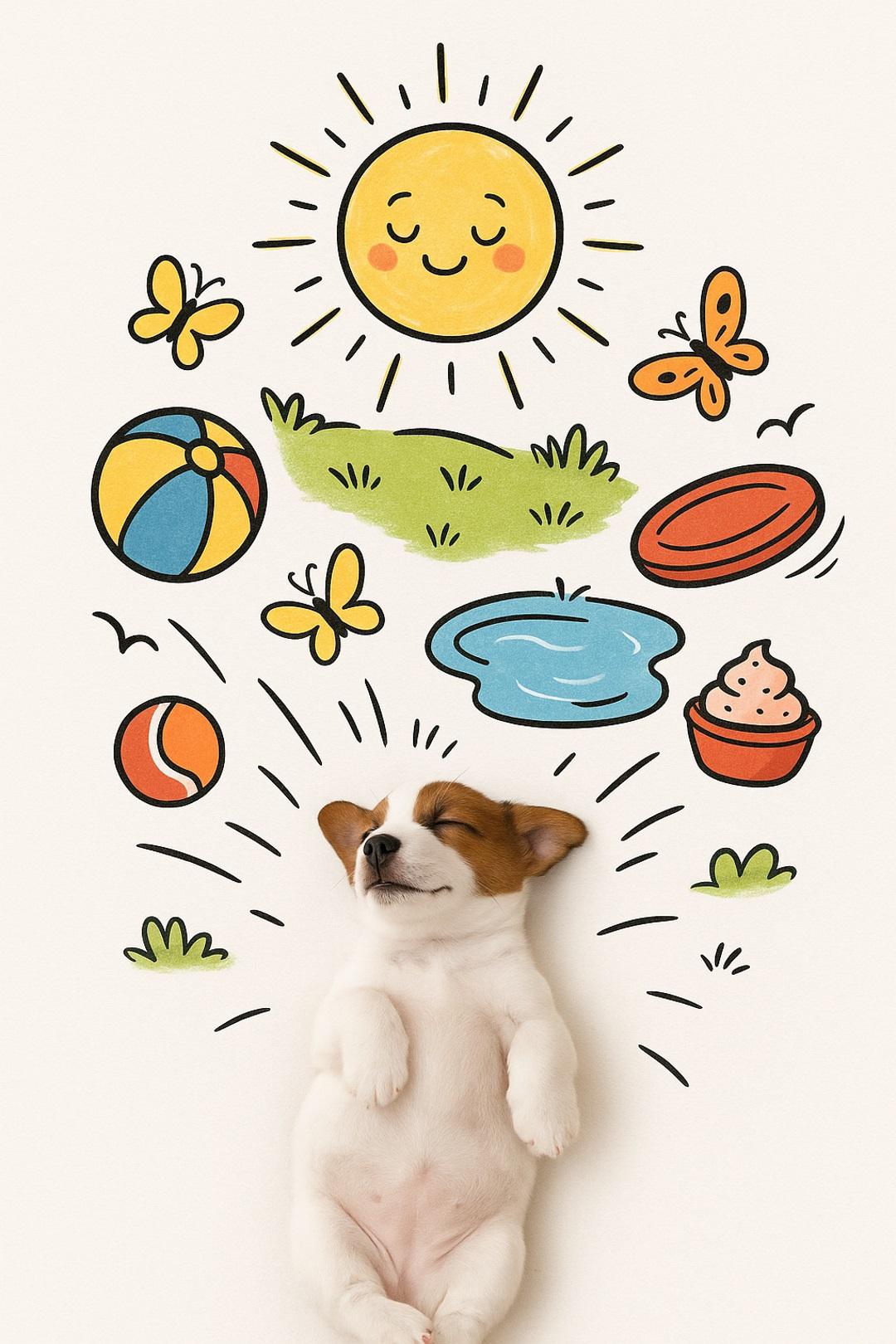
Dogs likely dream about things that matter most in their daily lives. Activities like chasing squirrels, playing fetch, going for walks, or interacting with family members probably feature prominently in their dream narratives. The emotional significance of these experiences makes them more likely to appear during sleep.
Harvard psychology researchers conducted fascinating studies suggesting that dogs dream specifically about their owners. Given the strong bond between dogs and humans, it makes sense that you'd be a starring character in your pet's nighttime adventures. Your dog might be dreaming of the walk you took together, the bath time you inflicted upon them, or simply the joy of being near you.
Puppies may dream about new experiences they're processing – learning commands, exploring their environment, or socializing with other dogs. Adult dogs tend to dream about familiar routines and established relationships, reflecting their more stable daily patterns.
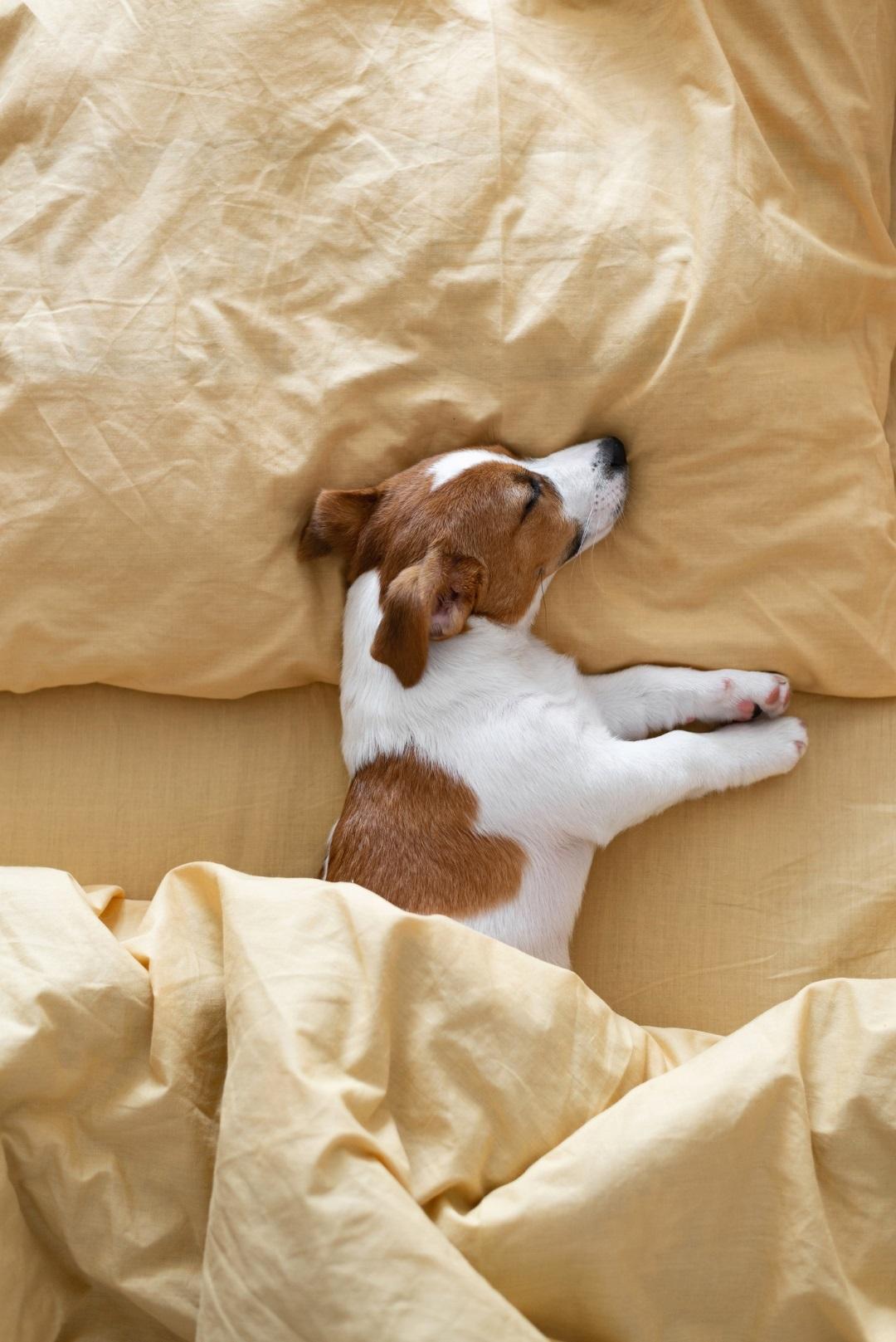
Recognizing when your dog is dreaming is fairly straightforward once you know what to look for. These observable behaviors typically begin about 20 minutes after your dog falls asleep and enters REM sleep.
Physical movements are the most obvious indicators. You might notice your dog's paws paddling as if they're running, their legs twitching intermittently, or their tail swishing back and forth. Some dogs even appear to be "sleep running" with coordinated leg movements.
Facial and eye changes provide additional clues. Watch for rapid eye movements beneath closed eyelids, whisker twitching, or subtle facial expressions that seem to reflect emotions. Your dog's breathing pattern will also shift during dreams, becoming more rapid, shallow, and irregular compared to the deep, steady breathing of slow-wave sleep.
Vocalizations are common during doggy dreams. Your pet might whimper, bark softly, growl, or make various sounds that seem disconnected from their peaceful sleeping position. These sounds basically represent your dog's attempt to vocalize whatever scenario is playing out in their dream world.
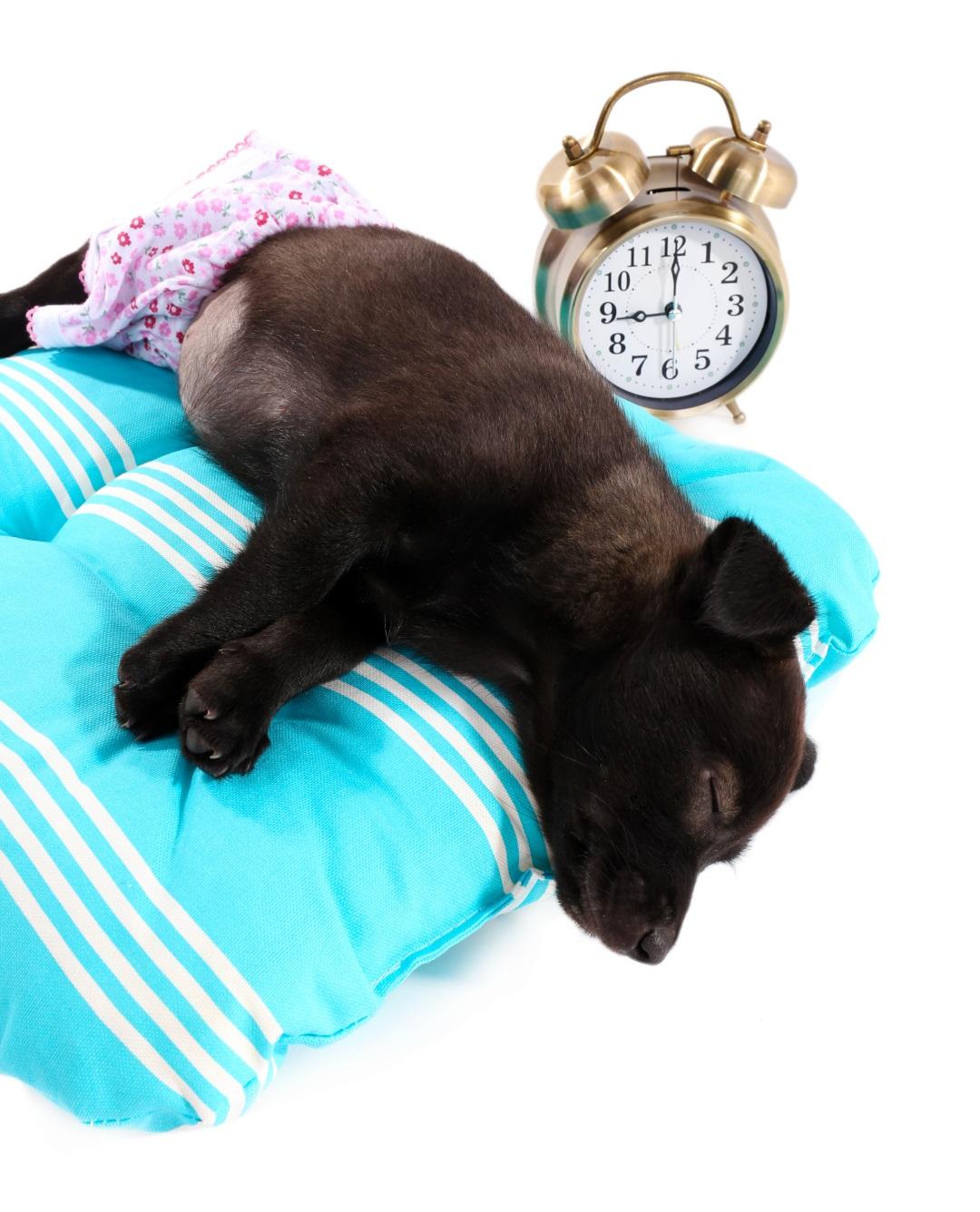
Dream frequency varies significantly based on several factors, with age and size being the primary determinants. Puppies dream much more frequently than adult dogs, spending a larger portion of their sleep time in REM cycles. This increased dreaming likely helps young dogs process the overwhelming amount of new information they encounter daily.
Size matters when it comes to dream patterns. Small dogs typically dream more often but for shorter durations – sometimes every 10 minutes for just a minute or so. Larger dogs dream less frequently but their dreams last longer, potentially occurring every 45-60 minutes with extended REM periods.
Dogs spend about half their day sleeping, though this varies by breed, age, and activity level. During this rest time, they cycle through various sleep stages multiple times, entering REM sleep periodically. This cycling pattern ensures they get adequate restorative sleep while their brains process memories and experiences.
Individual variations also play a role. An active dog with lots of daily stimulation might dream more vividly than a less engaged pet. Senior dogs may experience changes in their sleep patterns and dream frequency as they age, similar to elderly humans.
Unfortunately, dogs can experience nightmares just as humans do. Any unpleasant experience – a trip to the vet, a frightening encounter with another animal, or separation anxiety – may resurface during sleep as a distressing dream.
Distinguishing between pleasant dreams and nightmares presents challenges. While increased whimpering, growling, or agitated movements might suggest a nightmare, these same behaviors could simply indicate an exciting chase dream. Dogs can't tell us what they're experiencing, making it difficult to interpret their dream content with certainty.
If your dog seems distressed during sleep, the situation usually resolves naturally when they wake. Most experts recommend against trying to determine whether every dream is good or bad, as the majority of canine dreams are likely neutral replays of daily events rather than intensely emotional experiences.
Dogs with anxiety disorders or those who've experienced trauma may be more prone to nightmares. If you notice persistent signs of sleep disturbance or your dog seems consistently anxious after waking, consulting with a veterinarian or veterinary behaviorist might help address underlying issues.
The golden rule when your dog is dreaming is simple: let sleeping dogs lie. This old saying exists for excellent reasons, and modern research confirms its wisdom.
Never wake a dreaming dog. Sleep serves critical functions for your pet's health, including memory consolidation, physical restoration, and emotional processing. Interrupting these cycles deprives your dog of essential rest and interferes with their brain's natural work during sleep.
Safety concernsmake this advice even more important. A dog suddenly awakened from deep sleep or an intense dream may react defensively before fully registering their surroundings. Statistics show that many dog bites occur when children wake sleeping pets, as the startled animal responds instinctively to what feels like a threat.
What you can do: Create a comfortable, quiet sleeping environment that promotes uninterrupted rest. If your dog naturally wakes from what seemed like a distressing dream, offer gentle comfort and reassurance. Speak softly, maintain calm energy, and give them time to fully wake and orient themselves.
If you're concerned about the quality of your dog's sleep or notice significant changes in their sleeping patterns, consult your veterinarian. Issues like excessive movement during sleep, frequent nighttime waking, or daytime fatigue might indicate underlying health problems requiring professional attention.
Understanding that dogs dream adds another dimension to the special bond you share with your pet. Next time you watch your dog's paws twitching during an afternoon nap, you can smile knowing they're likely reliving happy moments spent with you – their favorite person in both waking life and dreams.
Have you noticed specific patterns in when or how your dog dreams? Observing these details can offer fascinating insights into your individual pet's sleep behavior and daily experiences.
Follow Us On
Check Out Our Most Popular Content