Your Cart is Empty


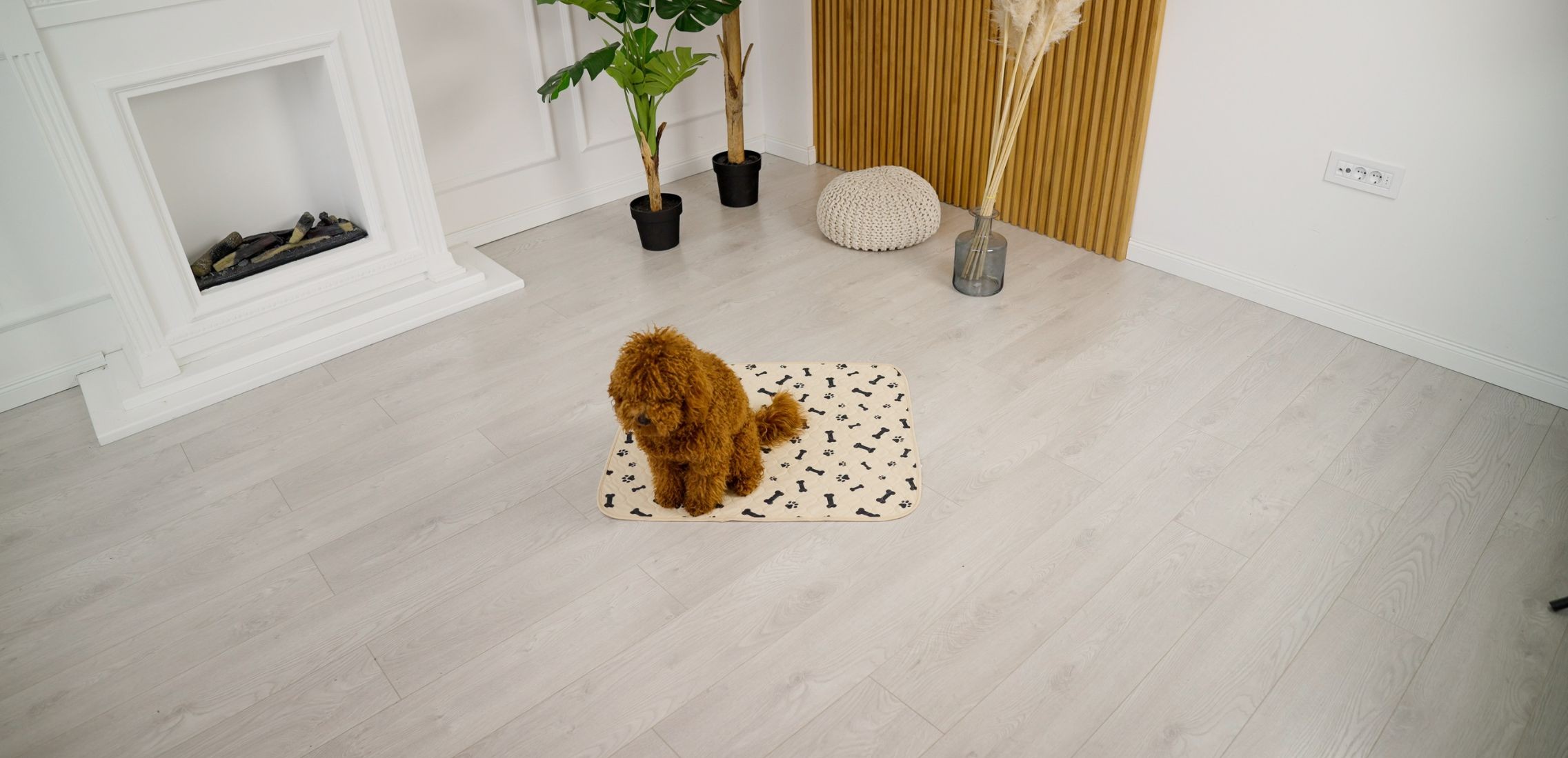
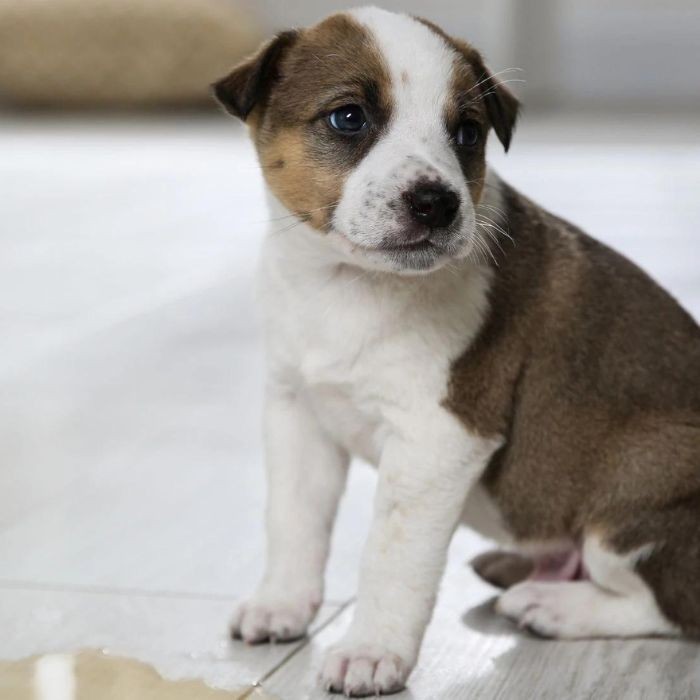
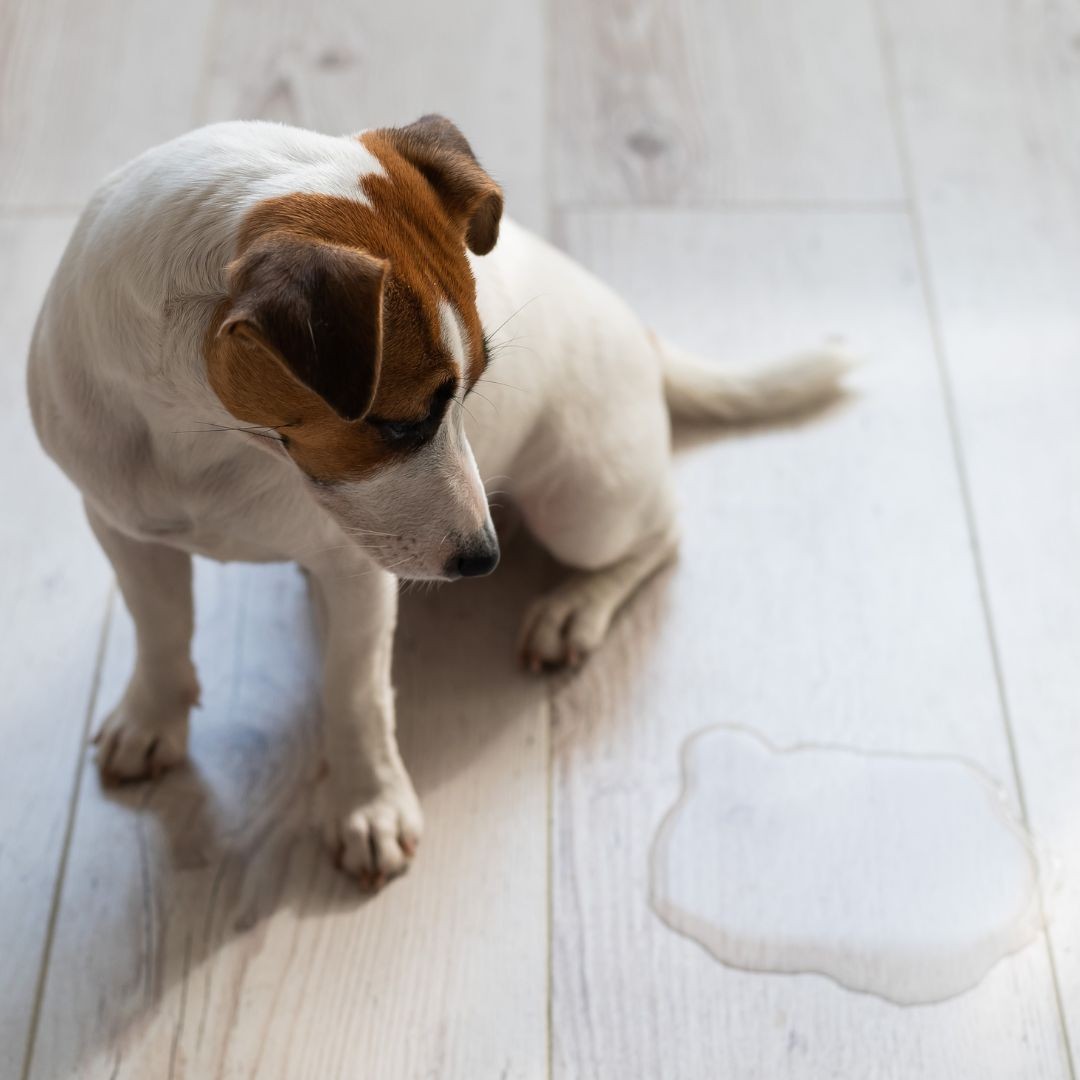
Suddenly finding puddles in unwanted places?
Dogs often stop using pee pads because of pad placement, cleanliness, stress, medical issues like UTIs, or gaps in training. The fix usually involves checking for health problems, adjusting the pad setup, and going back to consistent positive‑reinforcement potty training.
These potty accidents, when your dog pees outside the designated potty area or misses the pad, can be frustrating, especially if you thought you’d crossed through toilet training terrain and reached the green grass on the other side. It is not uncommon for dog owners to find that all of a sudden their fur babies have decided to take a potty break away from where they were supposed to.
Dogs are creatures of habit, but sometimes even the smallest change or upset to what they know can cause unwanted behaviors. Dogs can be very particular and even territorial about where and how they go to the toilet, and so maintaining a calm environment for them is super important.
This can be down to a few different reasons - pad placement, an overly soiled pad, urinary tract infections or a dog’s age can all be contributing factors which, with some care and attention, can often be easily remedied. In this blog we are going to take you through some of the reasons why your dog has stopped using the pee pads, what to do and how to help them get back on track with perfect pee habits.
Let’s take a look!
Dogs may suddenly stop using their pee pads for a number of reasons. This can be down to environment; pad placement; whether the pad has been changed regularly enough, or even internal issues such as a need for more training, health issues or even a dog’s age.
Let's take a deeper look into some of these causes:
If your dog suddenly stops using their pee pad, particularly if they are a younger dog, it could be because they need a training refresh, or that they haven’t quite grasped the use of it yet.
Most puppies are still learning and may miss the potty pad until they are several months old, so accidents are common during this stage.
Oftentimes dog owners will fall out of a regular training routine too early before a dog has had time to properly settle and understand the rules of toileting.
There is also a training regression during adolescence.
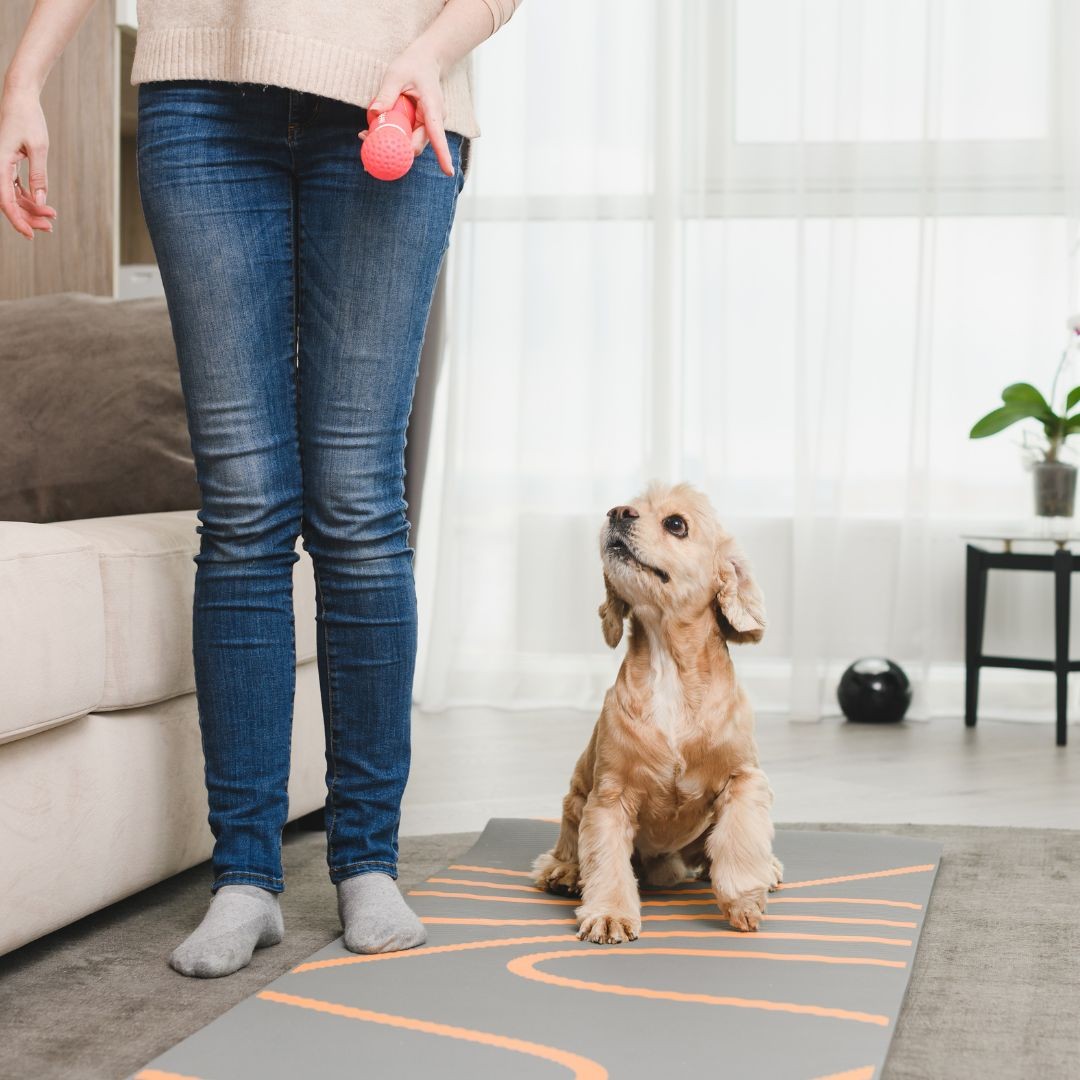
Dogs are extremely receptive to repetition and routine, and therefore interrupting this pattern before it has fully sunk in can lead to little accidents. Training refreshes don’t just apply to young dogs, adult dogs can also develop unwanted behaviors which can affect their potty habits.
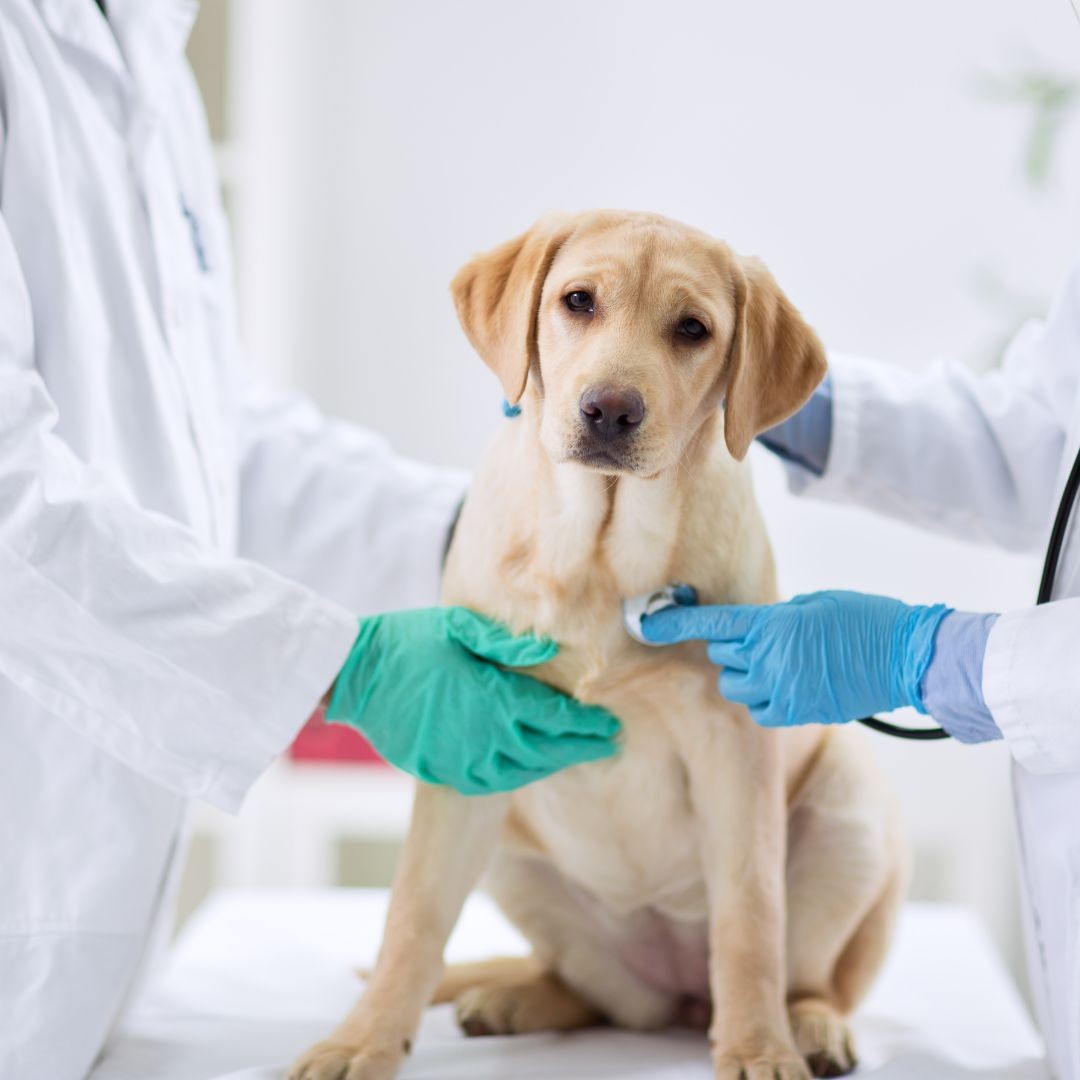
Another reason why your dog may be struggling to use their pad could be due to a urinary tract infection. UTIs are quite common in canines and can be super uncomfortable for your pup. Urinary tract infections typically occur when bacteria enters through the urethra, and are more likely if your dog becomes too dehydrated or if they have underlying issues like bladder stones. These can generally be managed by pet parents to avoid bouts of infection.
These infections can cause a whole host of unpleasant symptoms for your dog, one of the most common being painful and frequent urination. Dogs suffering from UTIs may get caught short on their way to the bathroom, meaning that it is more likely for you to find little puddles that didn’t quite reach the pad.
UTIs are quite treatable if caught quickly and if you are ever concerned that your dog might be suffering from a UTI, seek the professional advice of your vet for further guidance and appropriate treatment.

Veterinarian’s Comment:
“Sudden changes in toileting behavior are one of the most common reasons owners bring their dogs to see me, and a UTI is often the culprit. The key signs to watch for are straining to urinate, producing only small amounts of urine, blood in the urine, or excessive licking of the genitals. If you're seeing any of these alongside your dog missing the pad, don't wait it out. UTIs are straightforward to treat when caught early, but they can develop into kidney infections if left unaddressed.“

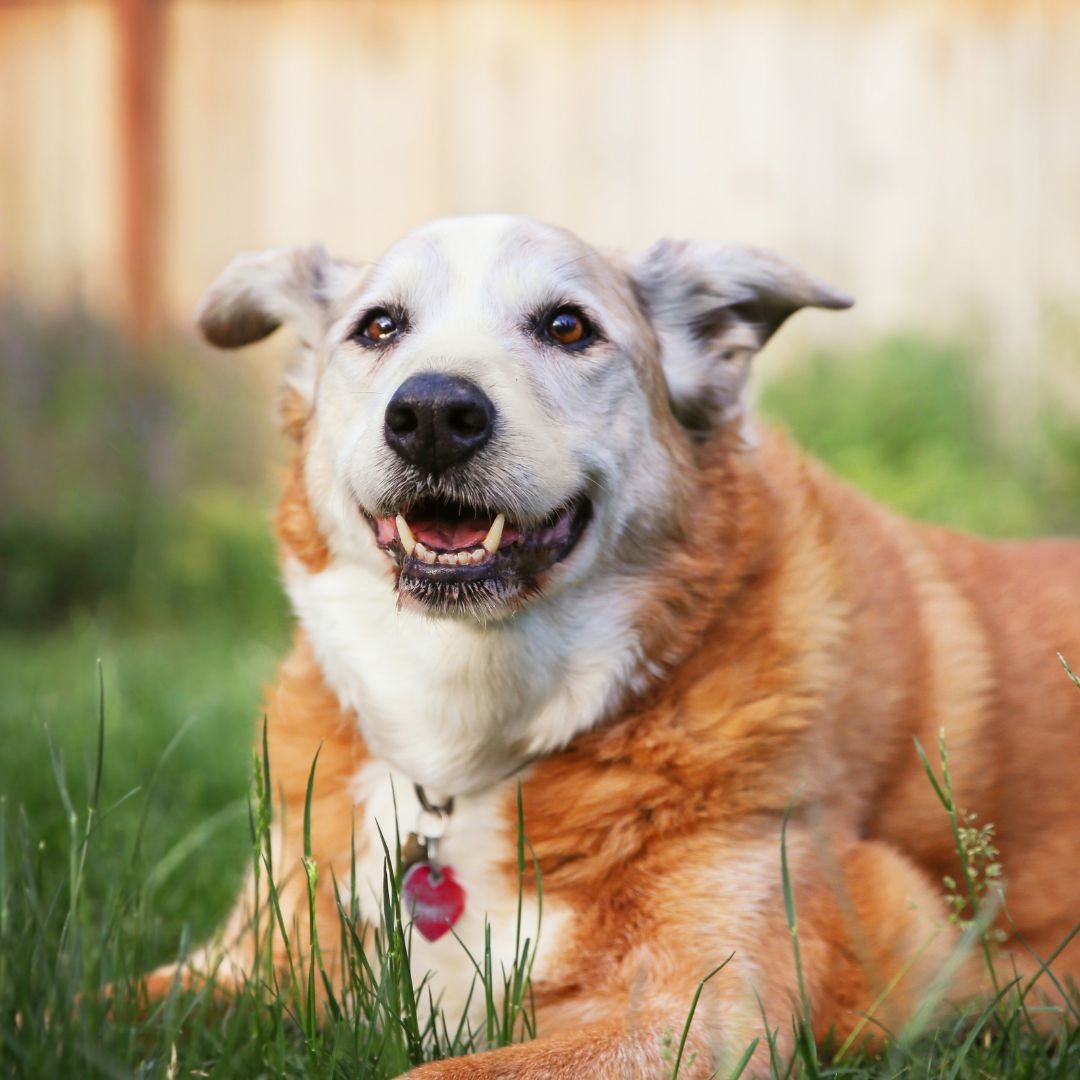
Our sweet senior pups can find toileting at their age a bit of a struggle. As dogs get older, certain health conditions can start to creep in and have a detrimental affect on their day-to-day activities. Conditions which affect their mobility can be one of the most difficult as getting up to go to the toilet even if they are desperate can be painful or even impossible in some instances.
Another condition which can majorly compromise an older dog’s ability to use the toilet is canine dementia, which causes a deterioration in a dog’s memory, learning and comprehension.
Veterinarian’s Comment:
“Cognitive dysfunction in senior dogs is more common than many owners realize, and it's frequently mistaken for stubbornness or deliberate bad behavior. If your older dog seems confused about where to toilet, is going in unusual places, or appears disoriented after waking, it's worth raising this with your vet. There are management strategies and medications that can slow the progression and meaningfully improve quality of life. Early diagnosis makes a real difference.“
Believe it or not, our pups are pretty hygienic creatures and may not want to use their pee pad if it has been overly soiled. As a general rule, your pup should have a clean pad each day to avoid a buildup of bacteria.
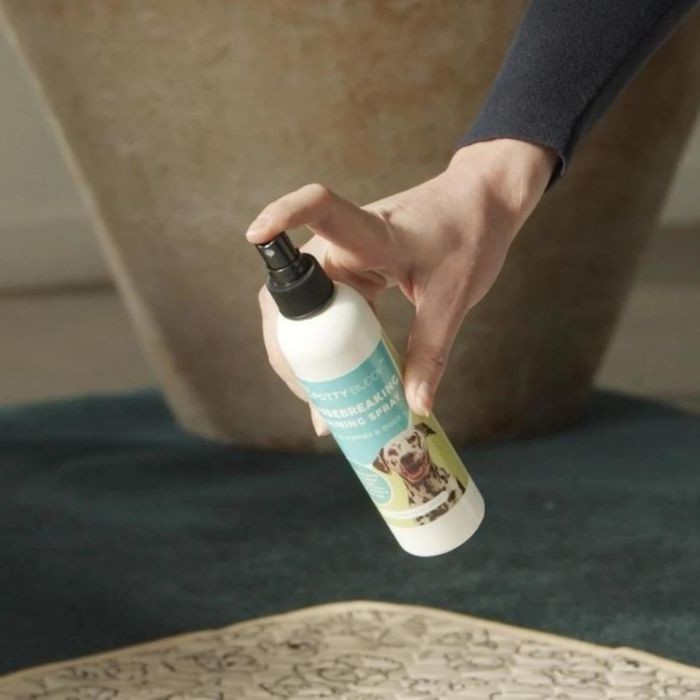
Of course it may not be possible to fully machine wash your pup’s pad everyday (we would recommend perhaps investing in several reusable pads - one to wash and one to use!) however there are a few things you can do to keep your pads clean and fresh for longer. We would suggest dog-friendly cleaning sprays for sanitation, and perhaps even a spray mix of apple cider and vinegar and water to keep bad smells at bay.
If you are using disposable pads, this can rack up your pad usage quite considerably. Conversely, with a reusable pad, these often have better odor and absorption technology to keep a pad going for longer. Keeping on top of the condition of your dog’s pad will keep it a nice, clean space where your dog feels comfortable to do their business.
In some cases, it may be that your dog is struggling with certain behavioral issues, and are therefore not using their pad in the way that they should. It can be easy for unwanted behaviors and habits to creep in, whether through lack of training or outside influences, we want to be able to nip these in the bud fairly quickly to get our dogs back on track.
Dogs don’t know how to be naughty, this is a very human concept which we push onto dogs as a way of trying to understand and describe an unwanted learnt behavior. If we want our dogs to learn properly, we have to be patient, repetition is the key, and oftentimes if a dog is presenting ‘bad’ behavior, it is because they are trying to tell us something. Fear, stress, anxiety or past trauma can all contribute to a dog’s unwanted behaviors.
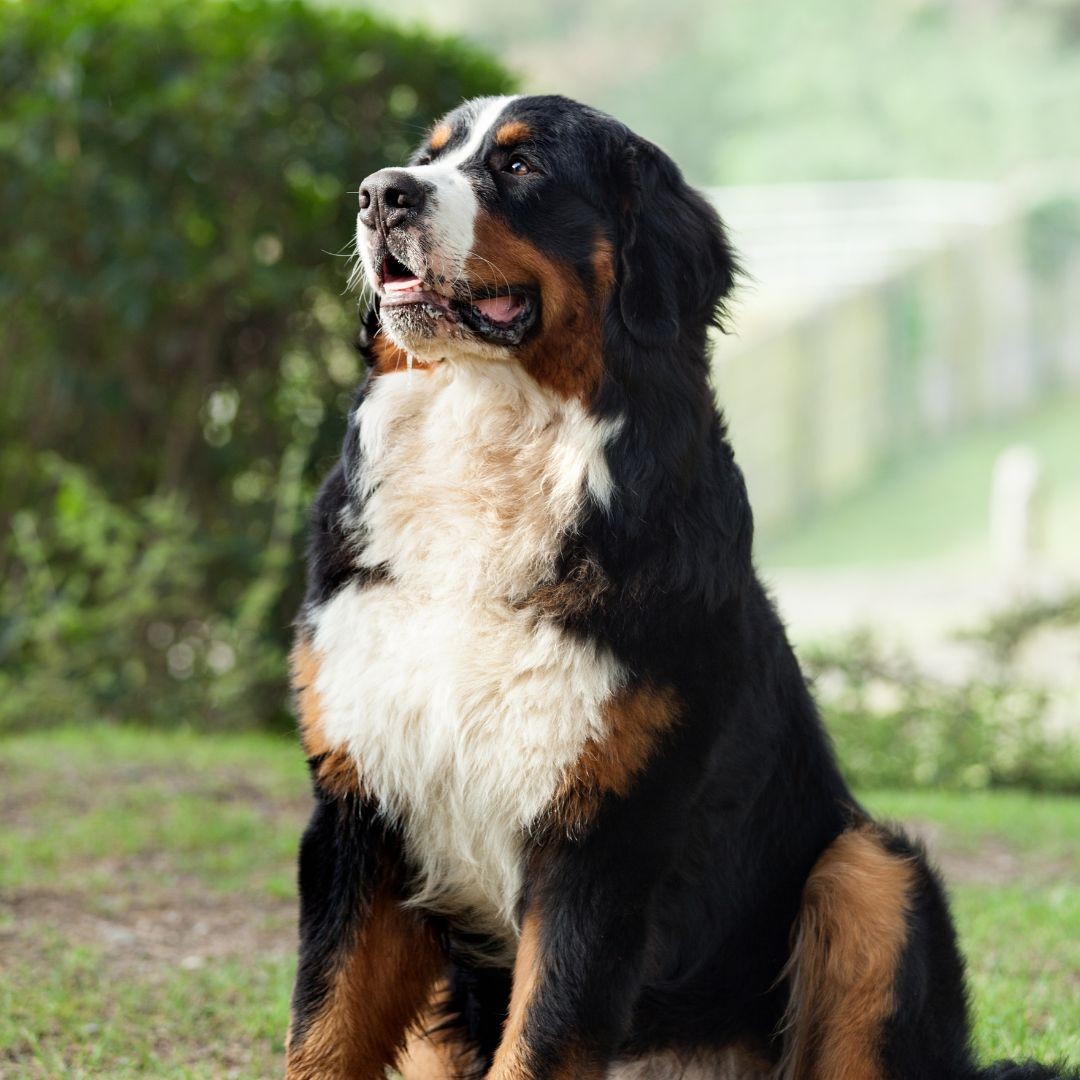
It could just be the simple case that the pad is too small. A small pad, particularly for large dogs or male dogs (who may need a little more space in order to aim) can be a leading cause for why dogs may be missing their mark when using a pee pad.
Pads come in all sizes and absorbency, with most giving measurements and guidance as to which size, breed and age of dog suits which pad. For small dogs, there are also litter box or potty pad holder trays specifically designed to prevent slipping, keep the potty area clear, and reduce issues like chewing or moving the pad.
Doing your research is super important if you are considering potty pads, as the right size and fit can make all the difference to your dog - and help protect your floors from accidents.
Another thing that can really affect our dogs’ confidence when it comes to toilet time is if their pad gets moved and is put in a different place. During potty training it is often suggested to place several pee pads around the house, so that your dog has several ports of call if they need the toilet, and as a result they become used to their pads being in the same place each time. Dogs thrive through repetitive pattern-led learning, and when this is changed or interrupted it can take a little time for the new routine to settle.
When moving the pad, make sure the new potty area is clearly defined. Using a tray or raised edges can help your dog recognize the correct spot. You can also attach pads to walls or use barriers to protect surfaces from urine splatters and make cleanup easier during the transition.
Pad movement should be done very gradually, allowing your dog to get accustomed to their new position. If this is done too quickly then that is what often leads to confusion and subsequent accidents. Not only this, but it can bring about anxiety for your dog surrounding going to the toilet, which is the last thing we want.
Taking it slow and steady with a great deal of patience will always be the best way to create new routine patterns for your dog.
Quick steps:
Review the potty environment.
Check pad location, size, and cleanliness. Keep it in a quiet, consistent spot, large enough and changed often so it feels safe and hygienic to use.
Schedule a vet check.
Rule out UTIs, incontinence, pain, or age‑related issues before assuming it’s just behavior. Early diagnosis makes fixing potty problems much easier.
Be patient and stay calm.
Avoid scolding or punishment. Clean accidents thoroughly, manage the setup, and keep reinforcing the right behavior: regression is usually temporary with consistency.
The first and most crucial step when you notice that your dog has stopped using their pee pads is to find out why. As we've established, there are several different reasons why this might be happening, and as our pups can't tell us verbally what's wrong, they have to show us through their behavior.
It is our job to pay attention to this and monitor the situation accordingly, seeking the advice of a professional if we become concerned for their health or wellbeing - once you discover the cause, you can work out how best to help.
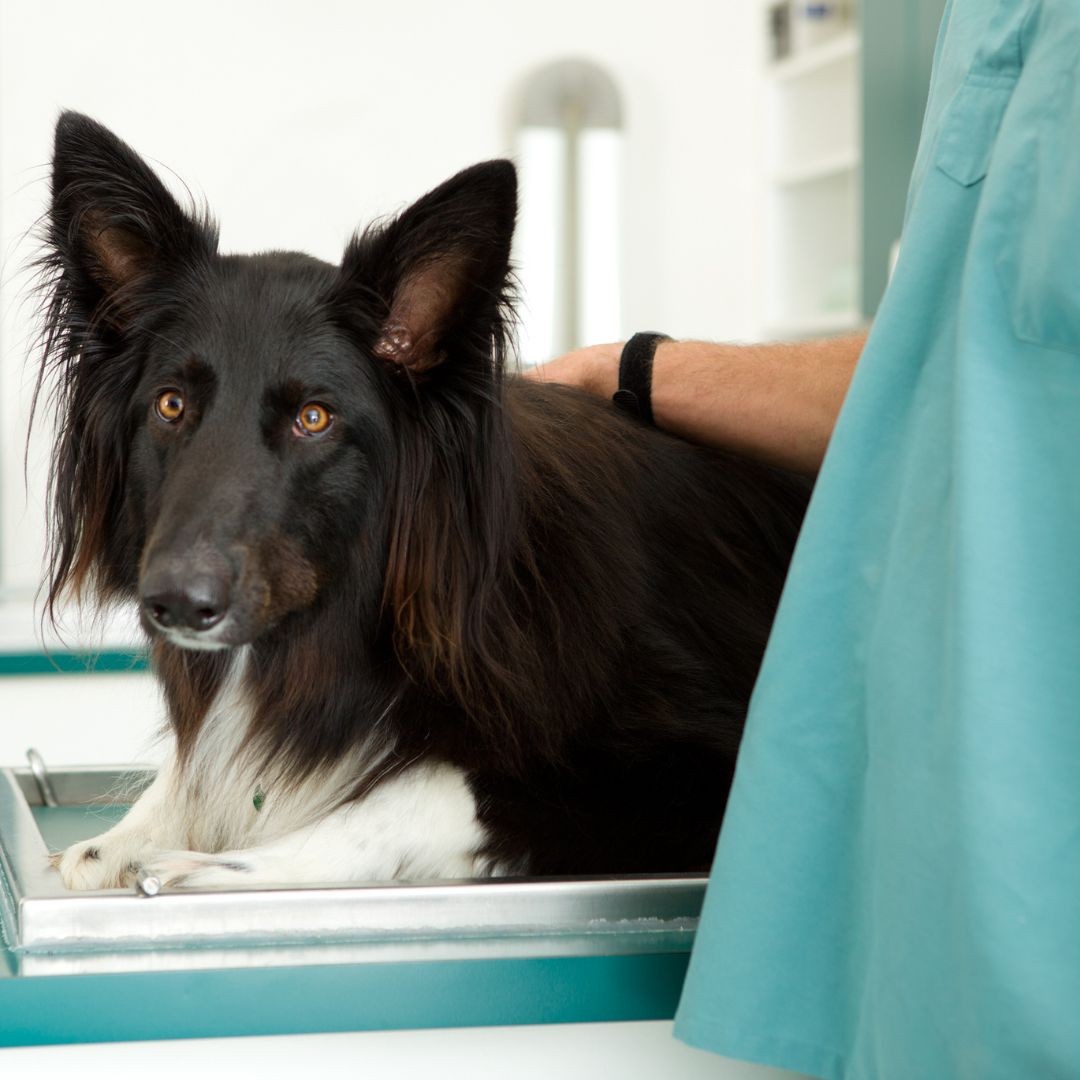
It can be tricky to figure things out by ourselves, and so having a professional on hand to help do some detective work can be really helpful. If you are worried that your dog's behavior may be getting worse or might even be due to a health issue, a vet is an excellent first port of call.
They will be able to do all the appropriate checks and tests to rule out anything nasty before focusing on the root of the problem. Vets can also offer advice and guidance on training, behavioral exercises as well as ways to keep your dog calm and stress free.
Veterinarian’s Comment:
“When a dog that was reliably pad trained suddenly regresses, I always recommend ruling out a physical cause before assuming it's behavioral. Incontinence, bladder weakness, hormonal changes, and even pain from arthritis can all disrupt a dog's ability to reach their pad in time.
It's easy to misread a medical issue as a training problem, and that misreading can mean a dog goes without the help they actually need. A short vet visit can save a lot of frustration on both sides.“
Above all else, the most valuable thing you can offer your dog is patience and understanding. Dogs do not respond to punishment - a dog should never be physically harmed as a form of punishment, this is considered abuse, and shouting or aggressive verbal punishment will only frighten them and could lead to further issues with anxiety.
While our complete guide for How to Train Your Puppy to Use a Potty Pad gives the full monty on pee pad potty training, a little refresh never hurts!
Here are some of the basic steps to consider when teaching your dog to use a pee pad, whether they are a newbie or an old hat, same rules apply:
Your dog may find their pee pad confronting at first, so show them there is nothing to be scared of! Let them sniff and interact with it before diving straight in with training. Remember to also use positive reinforcement with things like praise and treats, as this will help to indicate to your dog that pee pads are a “good” thing for them to interact with.
It is important to give your dog options of when and where to go potty. Place the pads in several different areas around the house for easier access, perhaps focusing on keeping them close to exits or outside doors; this will make the eventual transition to peeing outside a little easier. Doing this also allows your dog to get familiar with the look of the pads, and can make them feel secure knowing that they have toilet access whenever they need it.
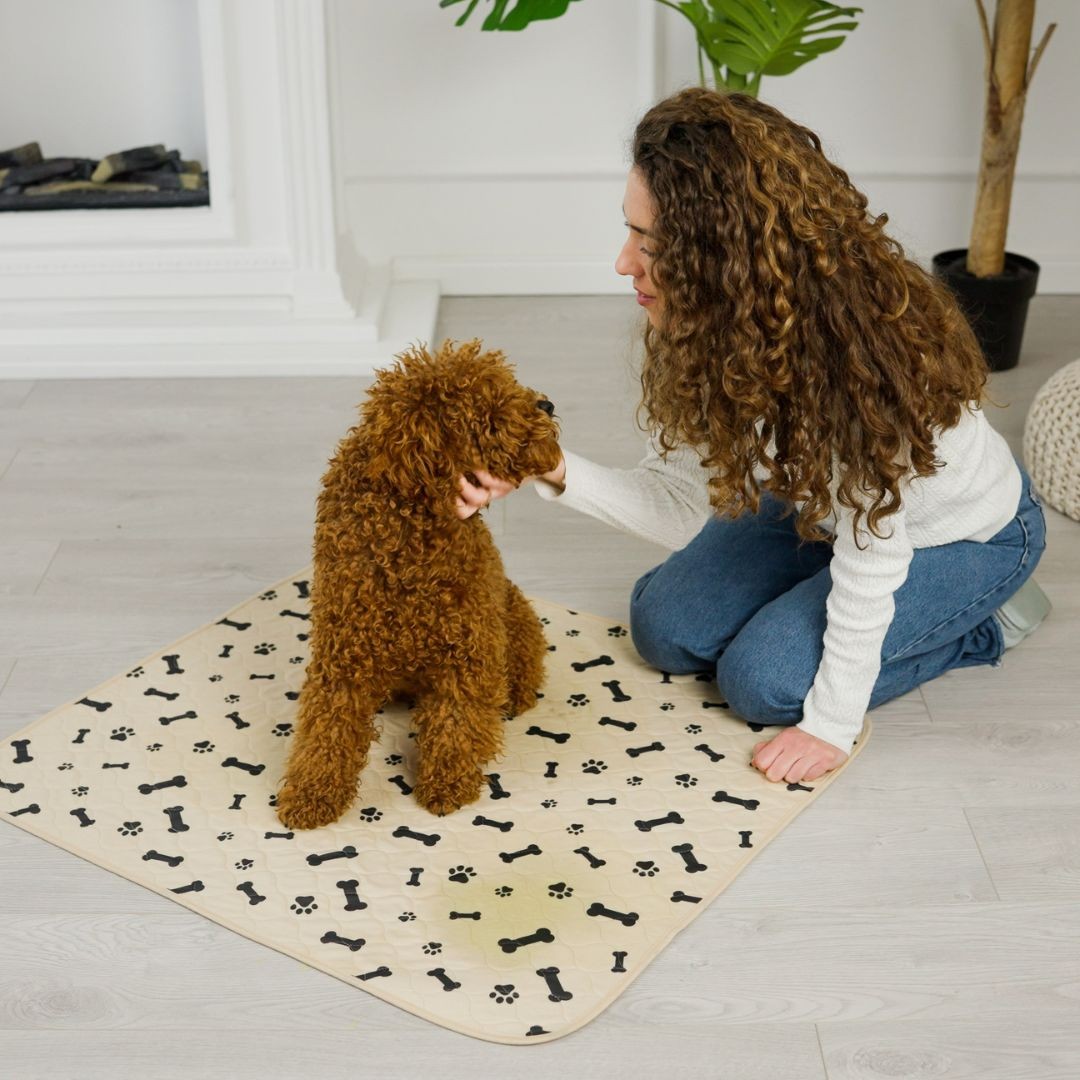
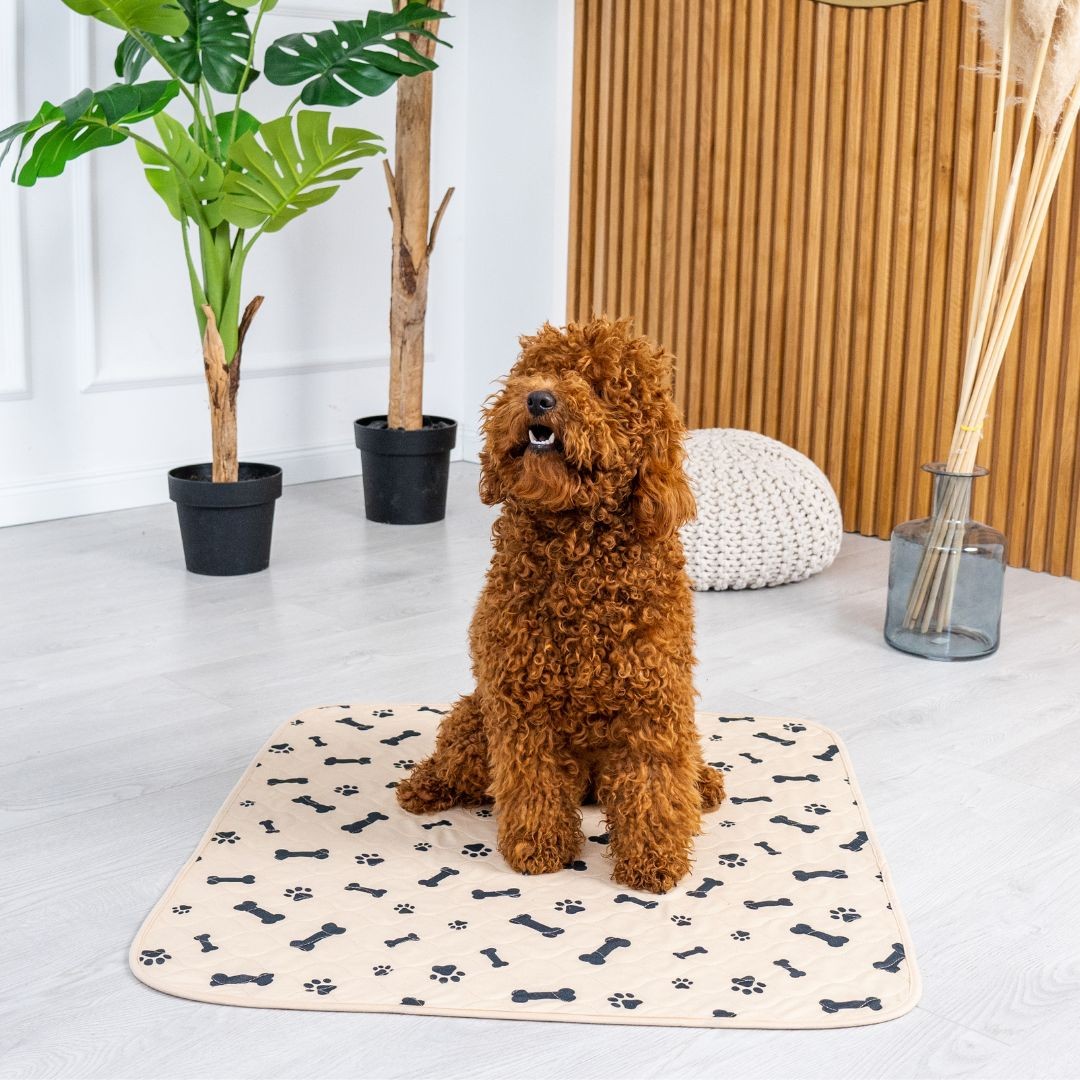
Setting a proper routine structure is key when creating an effective potty training pattern for your pup. The rules should be clear, with commands and instructions that are easy to follow and understand (verbal and visual cues work particularly well for dogs). It can be very easy to become lazy with potty training routines, however this is when bad habits can set in and our pups can get confused by the lack of structure, leaving them wondering if the rules have now changed.
At the end of the day, dogs respond best to repetitive learning, clear commands and a whole lotta love. With these tools in your arsenal you won’t steer far wrong. Remember to reflect on your pup’s journey and celebrate the small wins, as it's often easy to forget just how much they've improved along the way.
See How Dog Owners Are Using These Leak-Free Potty Pads to Keep Their Homes Clean and Pups Happy
4.7 ⭐⭐⭐⭐⭐
Over 100,000 Dog Owners Saved Money With Potty Buddy™
The washable pee pads that absorb anything your dog throws at them, while keeping your floors and furniture stain-free.
✅ Super Absorbent and Leak-Proof
✅ Great for Potty Training
✅ Ideal for Puppies and Older Dogs
✅ Washable and Reusable For Years
✅ Save over $400/year by not buying disposables
-60 Day Money Back Guarantee-

⭐⭐⭐⭐⭐
-Diana D.
These pads are a life saver for my kitchen floor and bedroom carpet! Just ordered 2 more!
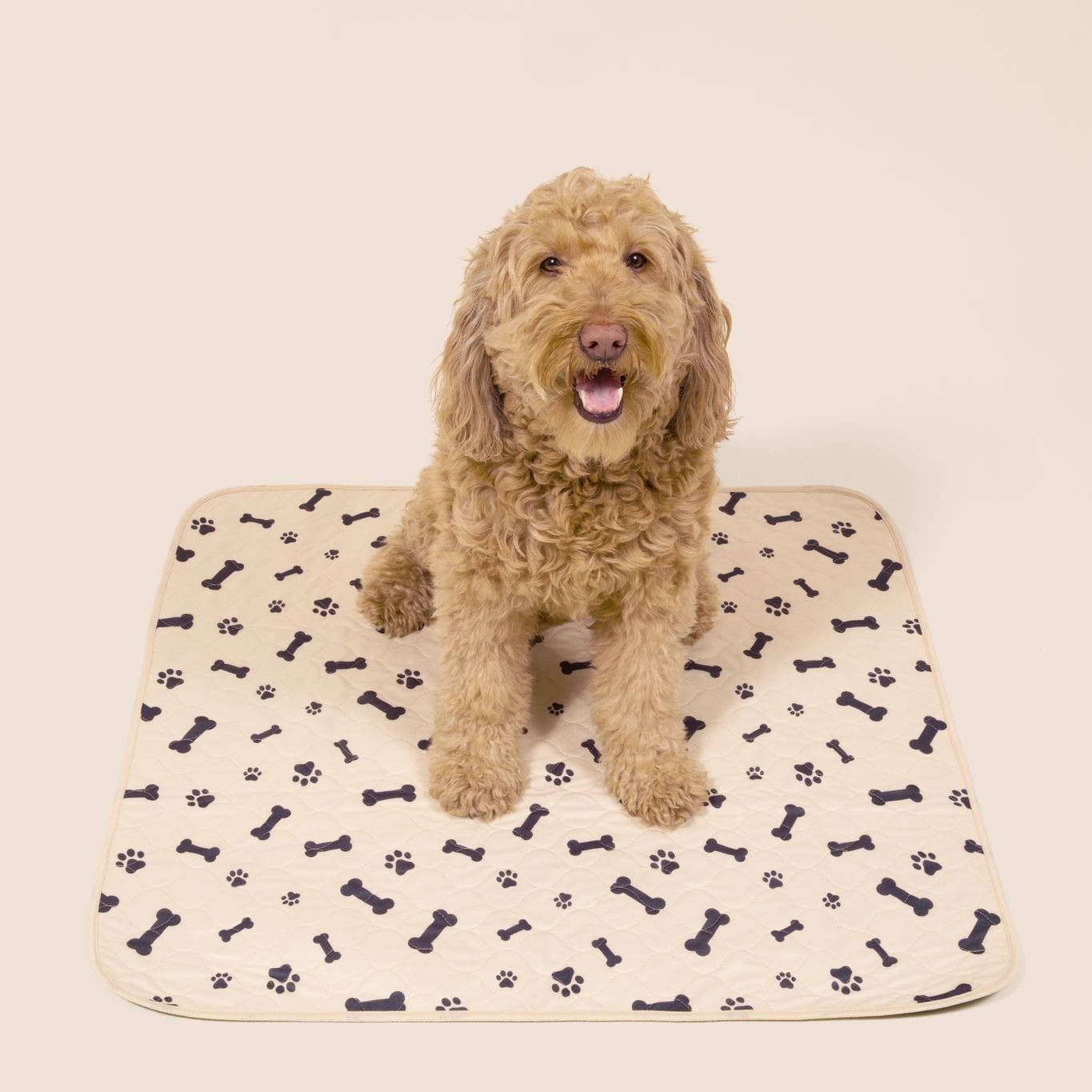
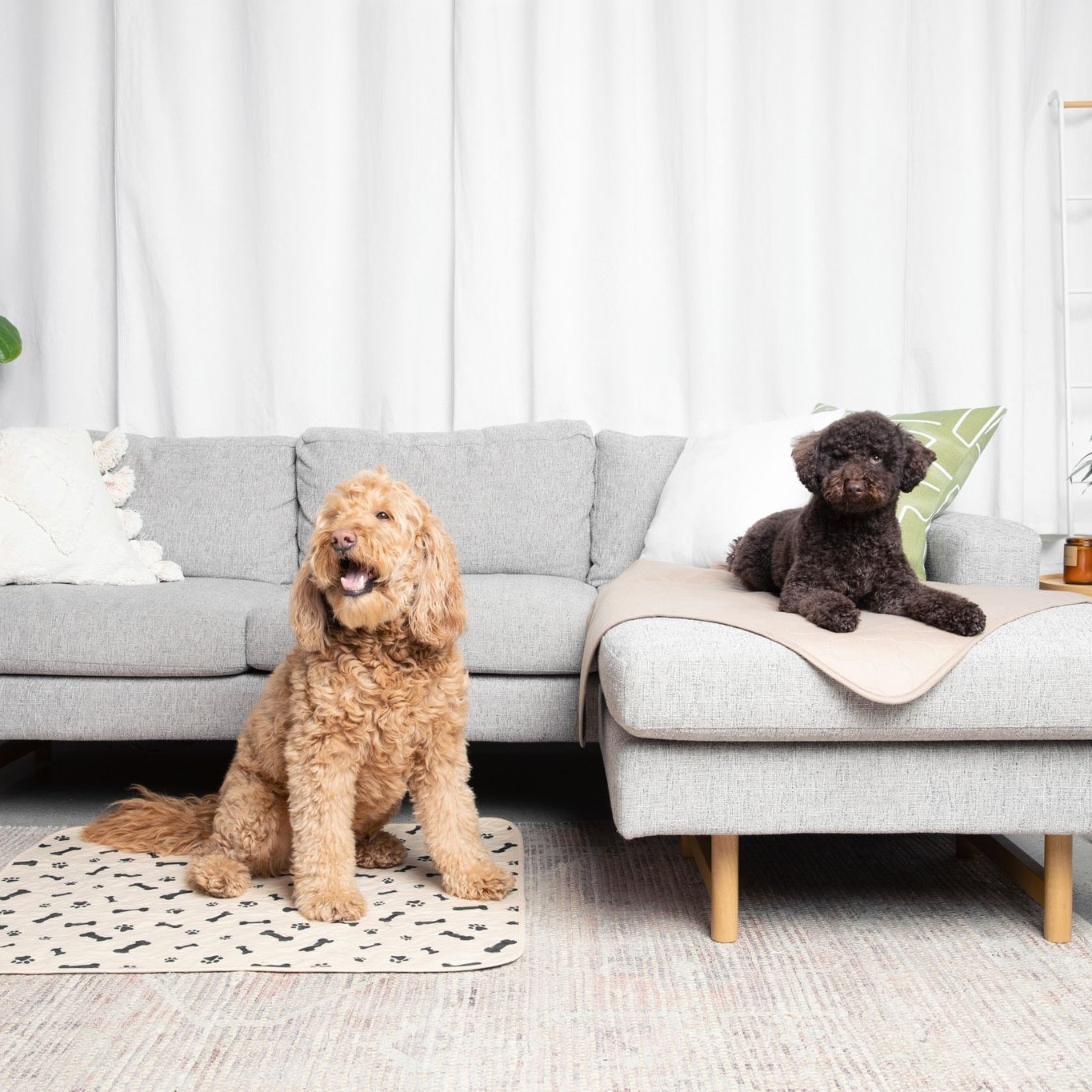
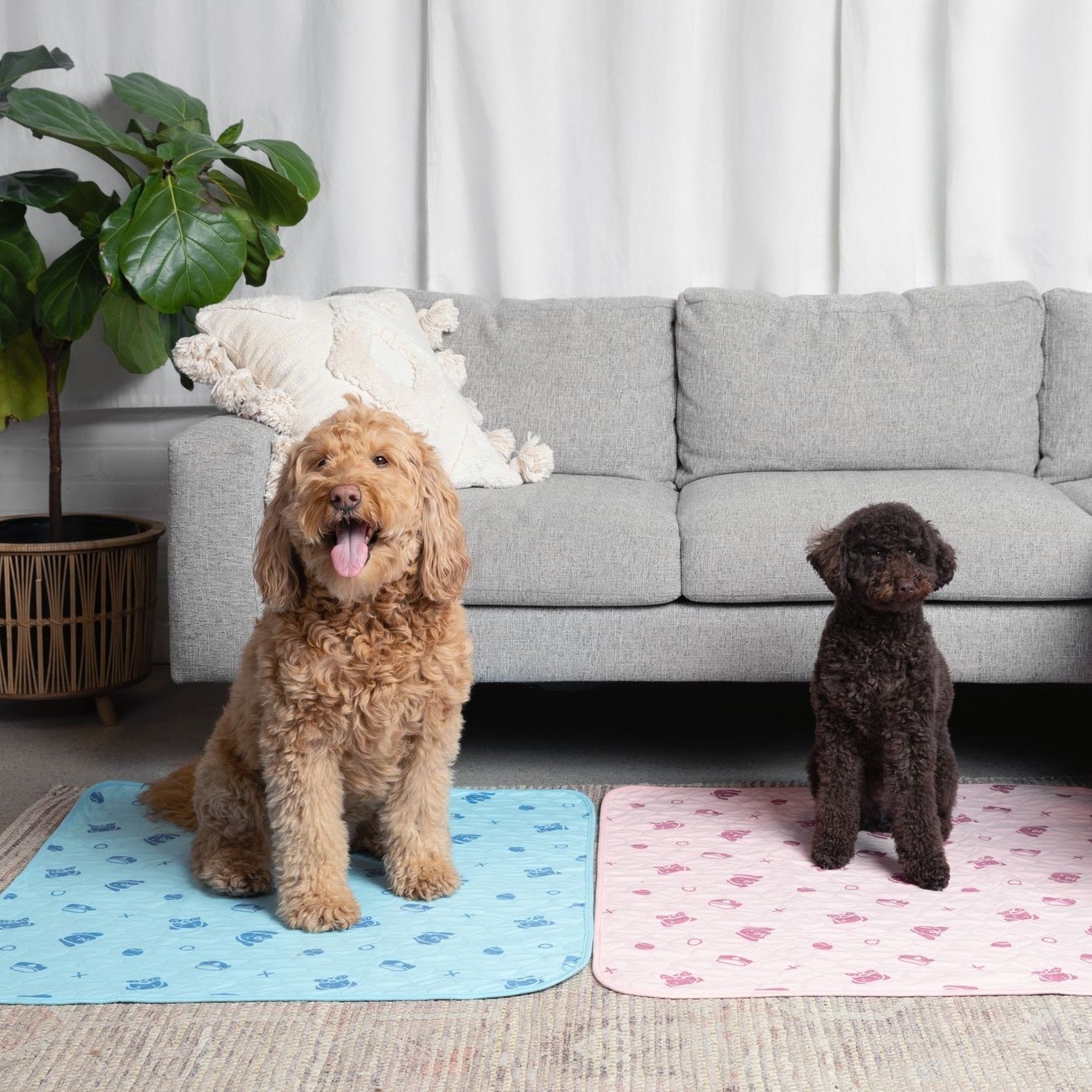
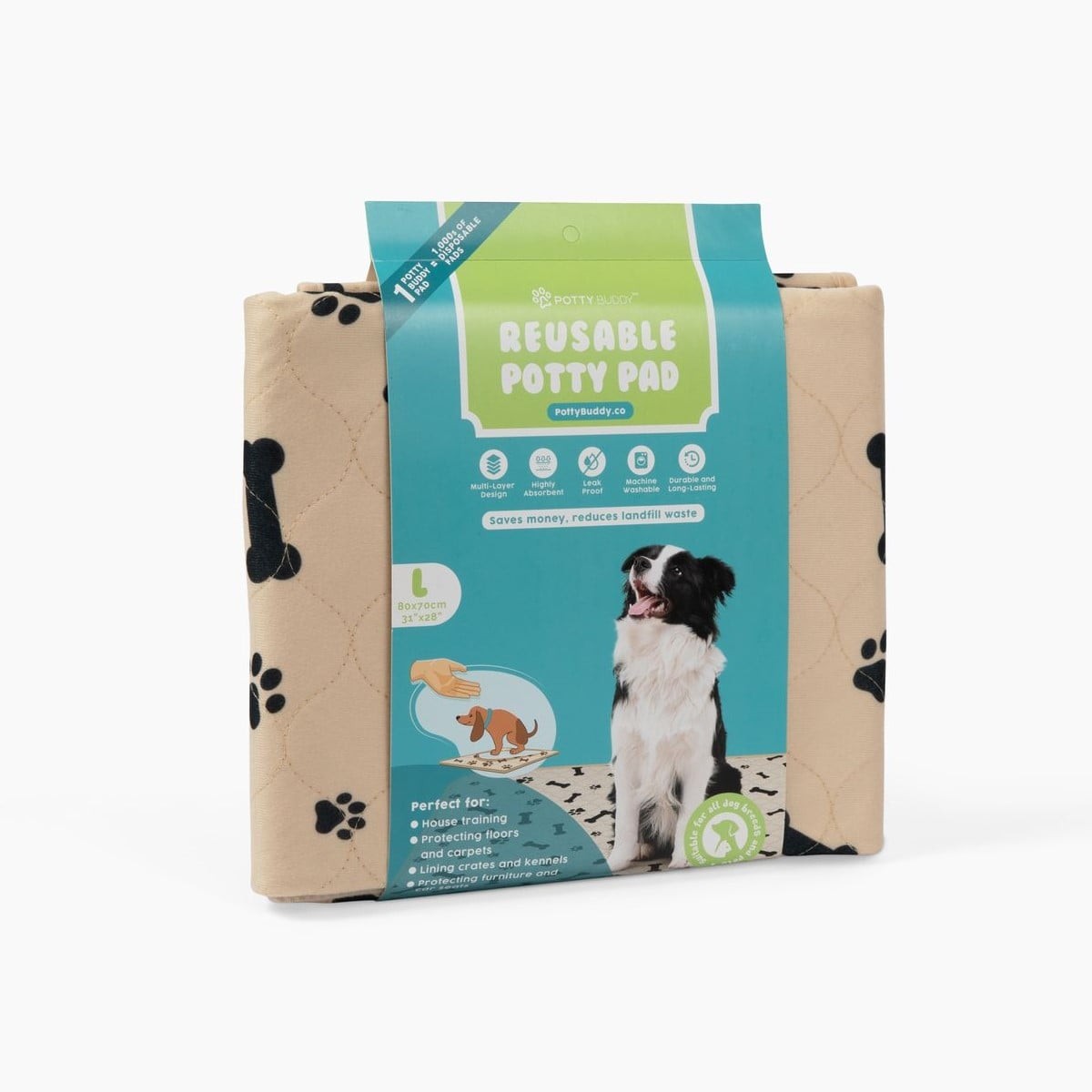
Watching a dog regress in their pad training is frustrating, but it’s worth remembering that a dog that’s stopped using their pad isn’t failing you. They’re communicating with you, and your job is to figure out what they’re trying to say.
In most cases, the cause is identifiable and the fix is manageable. A vet check rules out anything medical, a look at the pad’s placement and condition covers the environmental factors, and a return to consistent training handles the rest.
Routine, repetition, and patience got you here the first time. They’ll get you here again.
Follow Us On
Check Out Our Most Popular Content