Your Cart is Empty


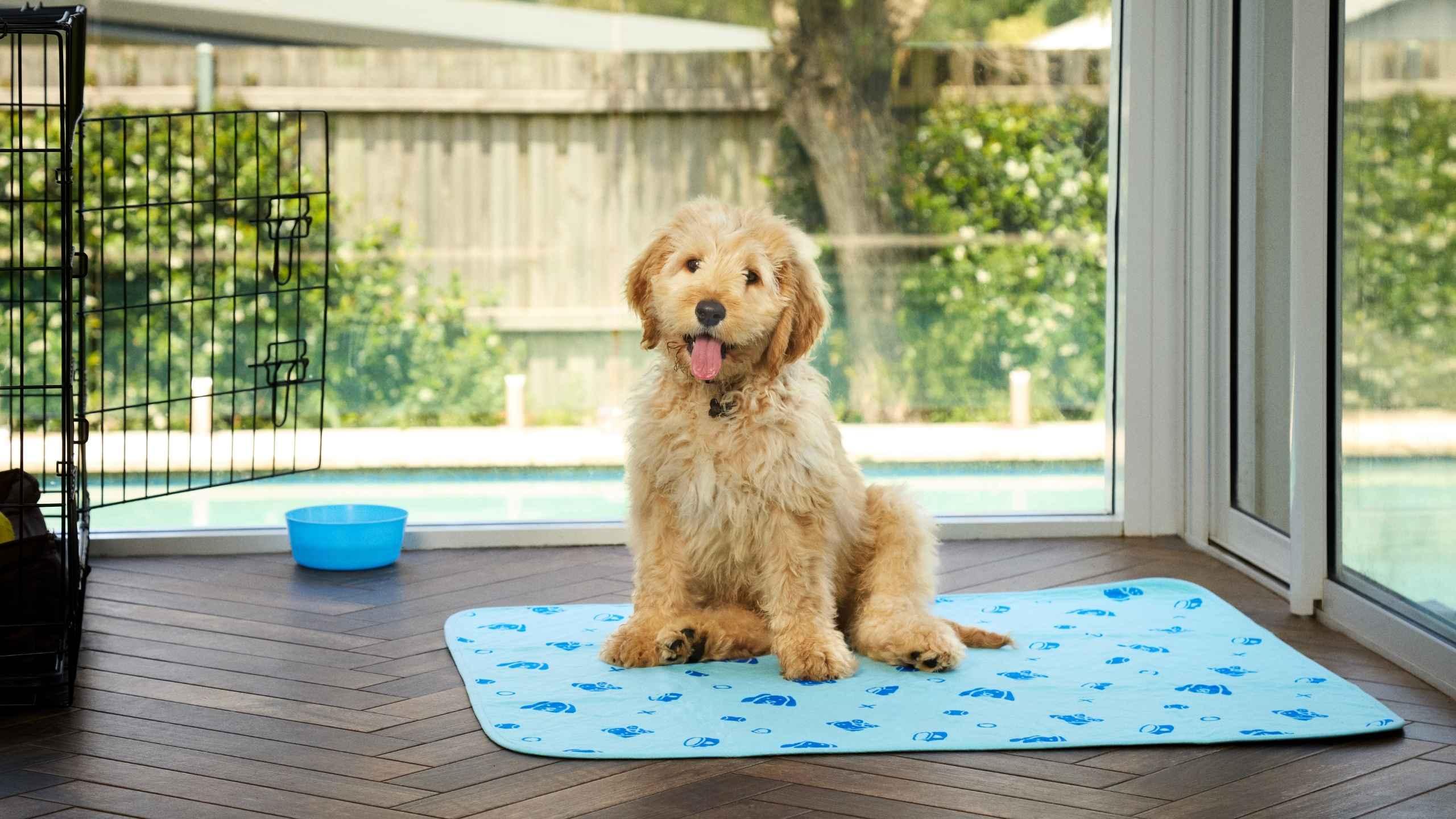
Many of us will have spent hours pouring over names to give our new puppy before bringing them home, wondering if it will suit them, how will it sound shouting their name in the park, or what will the vet think when they call it out in the waiting room?
When you begin training, the goal is for your dog to recognize their name as a cue to focus their attention on you. Teaching your dog to respond to their name helps them understand that hearing their name means they should look at you and be ready for further instructions.
Names are important as it allows us to distinguish our dog from the crowd and make recall a whole lot easier. But our dog will of course have to learn that what we have chosen to call them is who they are, so how do we go about teaching our puppy that the strange sound we are making is in fact their name?
In this blog we take a closer look at how to train your puppy to respond to their name, how to get them to obey certain commands and behave in the desired way when you say their name, and the best tips and tricks for getting them familiar with the new name you have given them. Teaching your dog their name early sets them up for future success in training and communication.
Choosing the right name for your new puppy or adult dog is the first step in setting them up for training success. The name you pick will become the key word that grabs your dog’s attention, so it’s important to select one that’s easy to say, quick to call out, and distinct from other common words or commands you’ll use. Shorter names with a clear, sharp sound – like “Max,” “Bella,” or “Rocky” – tend to work best for name recognition, as they’re easier for your dog to hear and remember, even in a room with distractions.
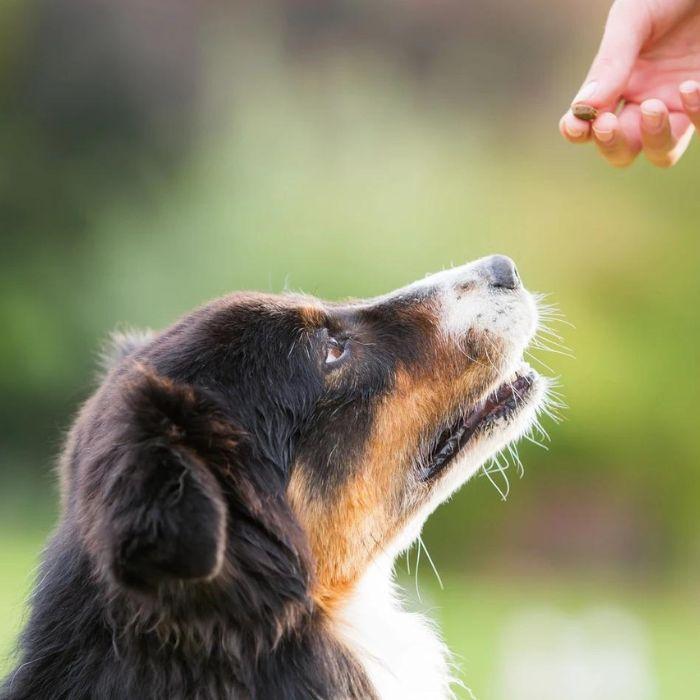
When you’ve settled on a name, try it out in a quiet environment with few distractions. Say your dog’s name in a happy tone and watch for the right reaction – if your dog turns toward you or perks up, that’s a great sign! Immediately reward your pup with a treat, a favorite toy, or enthusiastic praise like “good boy!” to reinforce the positive association. This helps your dog learn that hearing their name means good things are coming their way.
If you’ve brought home an older dog or a pet from a shelter, don’t worry if it takes a little longer for them to respond to a new name. Be patient and use positive reinforcement – say your dog’s new name, and as soon as they respond, reward them with a treat or a clicker sound. Repeat this process consistently, and soon your dog will start to associate their new name with positive experiences.
It’s also a good idea to make sure everyone in the family uses the same name and pronunciation, so your dog doesn’t get confused. Once your dog reliably responds to their name, you can start introducing fun nicknames or variations, but keep things simple at first to ensure success.
If you have more than one dog, choose names that sound different from each other to avoid mix-ups when you call them. And remember, the best way to teach a dog their name is to make it a fun, rewarding experience – use plenty of praise, treats, and play to keep your pup engaged and eager to learn.
By choosing a name that’s easy to say, using a happy tone, and consistently rewarding your dog for responding, you’ll help your pet learn to recognize and respond to their name quickly. With patience, practice, and positive reinforcement, your dog will soon come running whenever they hear their name called – ready for whatever fun or adventure comes next!
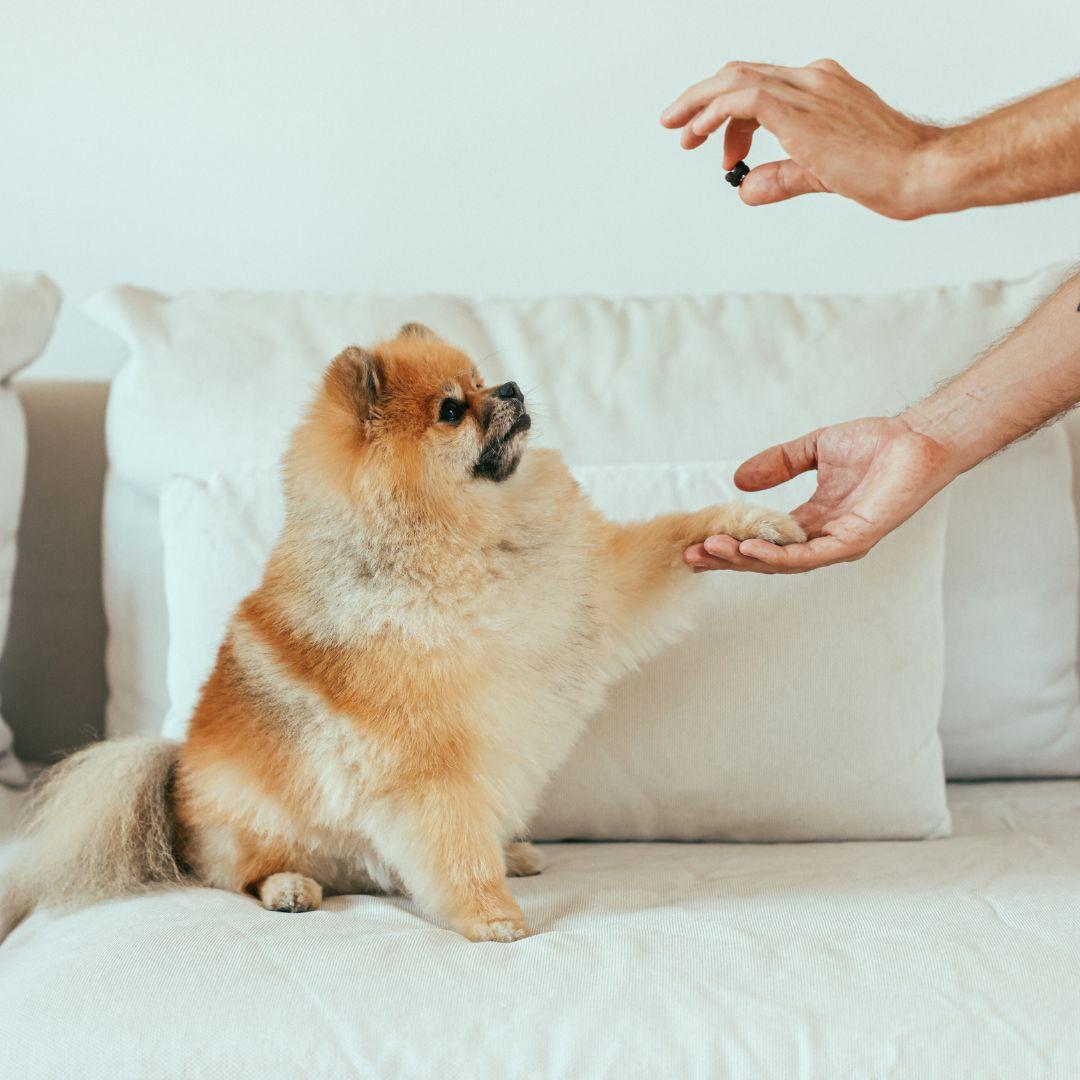
Puppies are naturally curious and playful, so if they believe you are playing a game with them or if they realize that there may be a tasty treat in it for them, they are more likely to pay attention and keep their focus on the task at hand. During training sessions and games, it is important to start out in an environment which is as quiet and distraction-free as possible; this could be inside the home or in an enclosed outdoor space where you know you will be most likely to keep your dog’s focus for a short session.
The goal is to shape your puppy's behaviour so that they focus on you whenever they hear their name.
Food is often an excellent motivator and success driver for dogs, so you may want to try throwing some of their meal or a few treats a short distance away; when they finish eating it they will likely turn around in the hopes of more, at which time you can implement a ‘yes’ command or use a clicker to mark the behavior.
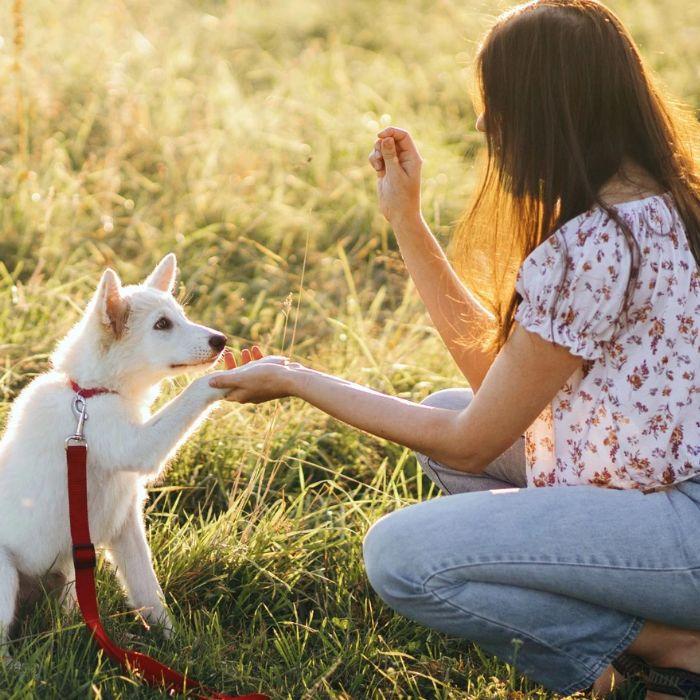
Another effective method is the "Name Game." Wait until your puppy is not looking at you, then say your dog's name in a cheerful, happy voice. As soon as your puppy makes eye contact, immediately reward them with a treat or praise. This helps your dog associate their name with positive attention and encourages the desired behaviour.
After a few goes of this, you can then start to say your dog's name only once and in a happy tone just before they turn around, rewarding them immediately for the right behaviour. The repetition of this should teach your dog to associate responding to their name with a reward.
Teaching your puppy their name requires repetition, and so keeping up with regular, consistent training will reap the best results. Once you feel like your dog is starting to get the hang of things, you can progress their training and make things a little more challenging, testing their smarts and command response.
Begin to introduce distractions gradually, such as new environments or the presence of other dogs, to help your puppy learn to respond even when distracted. Practicing name recognition in a variety of settings, both indoors and outdoors, is important for strengthening learning. When your dog is distracted, using higher-value treats or rewards can help reinforce their response and build a stronger positive association with their name.
This can start with being specific about how your dog responds, so ensuring that they are looking directly at you or coming up to you when called rather than just turning around. You may also want to start calling their name from different places in the house and seeing if they come to you from wherever they are; you can also try this during mealtimes and when out and about to see how your pup responds.
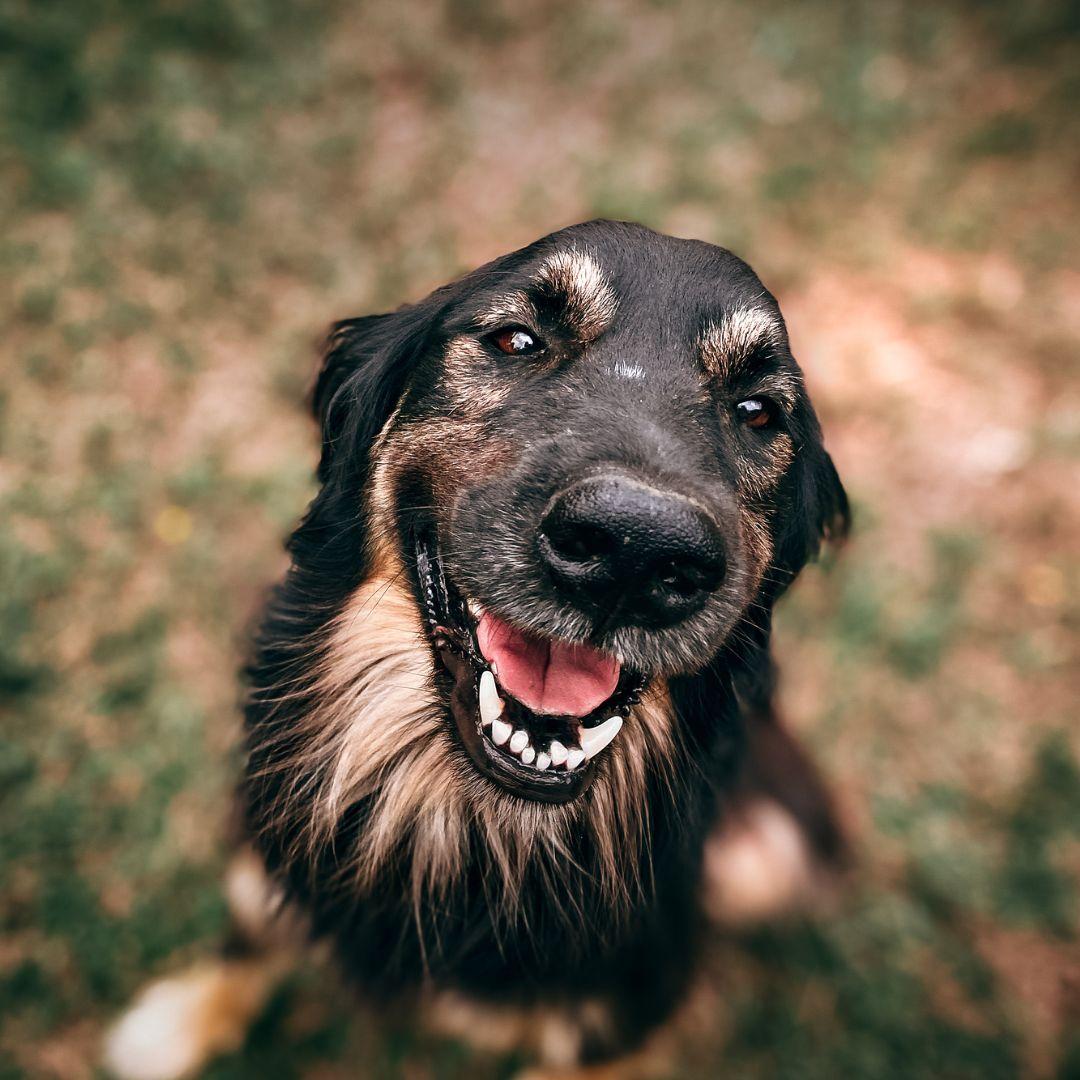
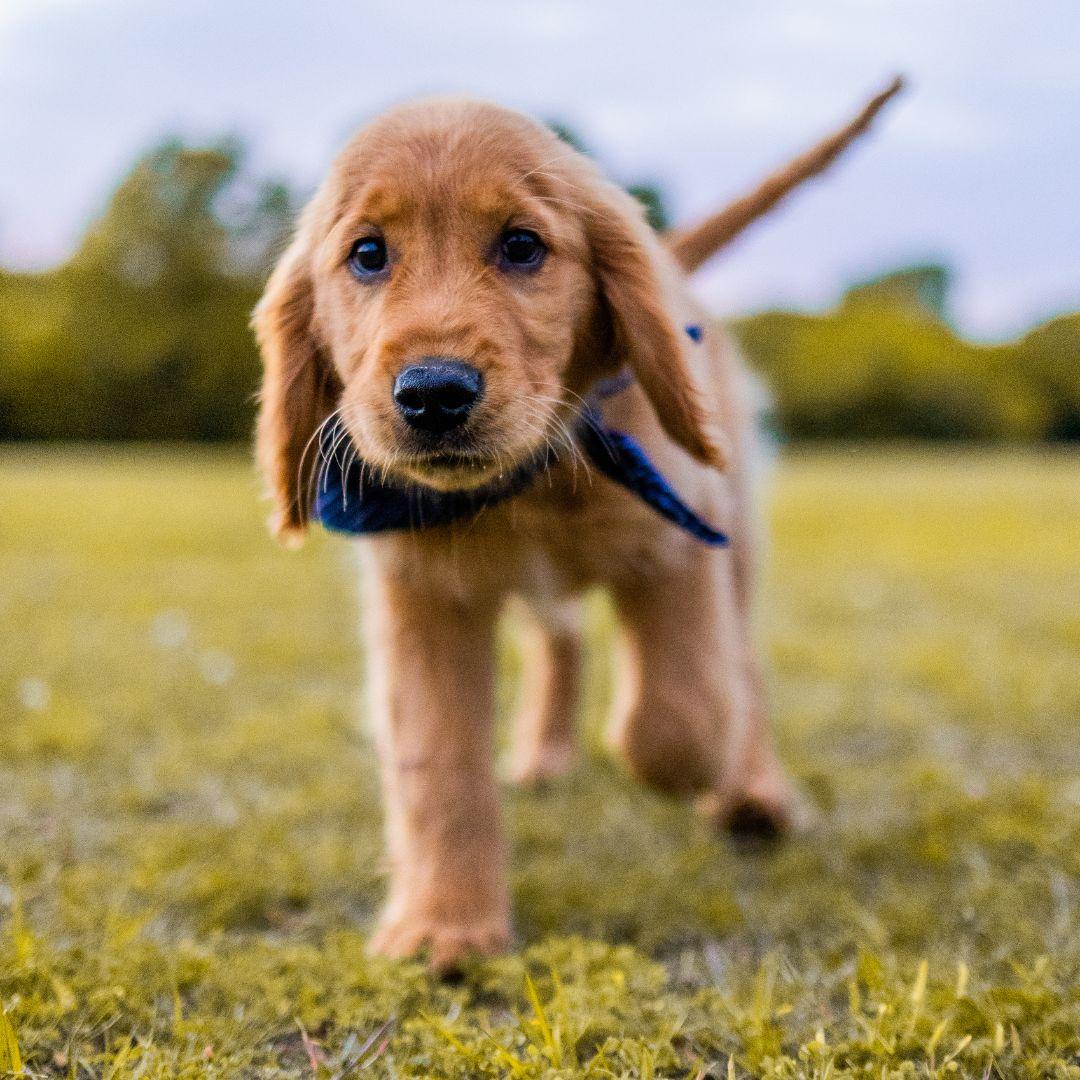
Teaching a dog to respond to their name must also be effective when there are additional distractions around them that may pull their focus. These times are often the most important to get your dog to obey a command, as it allows you to recall them from dangerous situations. If your dog does not respond to their name immediately, do not shout their name; instead, try to reduce distractions and try again. This helps reinforce a positive association with your dog's name and avoids creating negative connections.
The outside world poses considerable stimuli that may drag your dog’s attention away from your commands, such as exciting smells and sights, new people or dogs they want to play with or furry critters that may evoke your dog’s desire to chase.
When you are confident that your dog is starting to respond when you call their name, you can start to take them out into areas that are perhaps louder and have more distractions, such as a local park or walking route. A dog that reliably responds to its name is much easier to control in public spaces, which is important for safety and is a legal requirement in many areas.


We’ve covered the basics, but here are few extra tips to keep in mind when training your dog to respond to their name:
Keep training sessions short—about 5 minutes each—and always practice in a quiet, distraction-free area to help your dog focus.
Schedule regular breaks between sessions, such as 30 minutes, to prevent fatigue and help your dog retain what they've learned.
Have a handy tips sheet nearby so you can quickly reference key training strategies during your sessions.
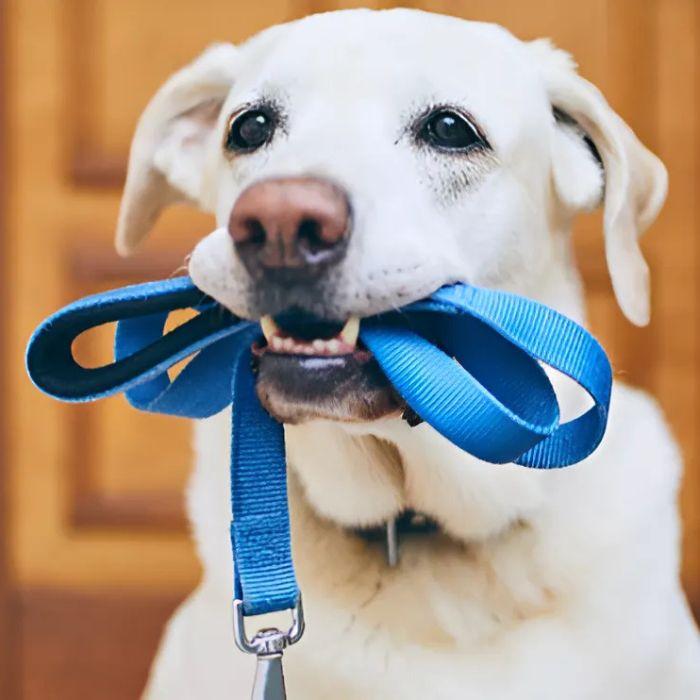
Safety should be the number one priority during any training session, both for your dog and those around them. When taking your puppy out and about it is vital that they are kept on a leash as they have not yet learnt enough to be released to explore freely.
Training your pup using a leash makes sure that they stay by your side, you have control to pull them out of harm’s way and it stops them from running off and causing mischief or possible safety risks to their surrounding environment.
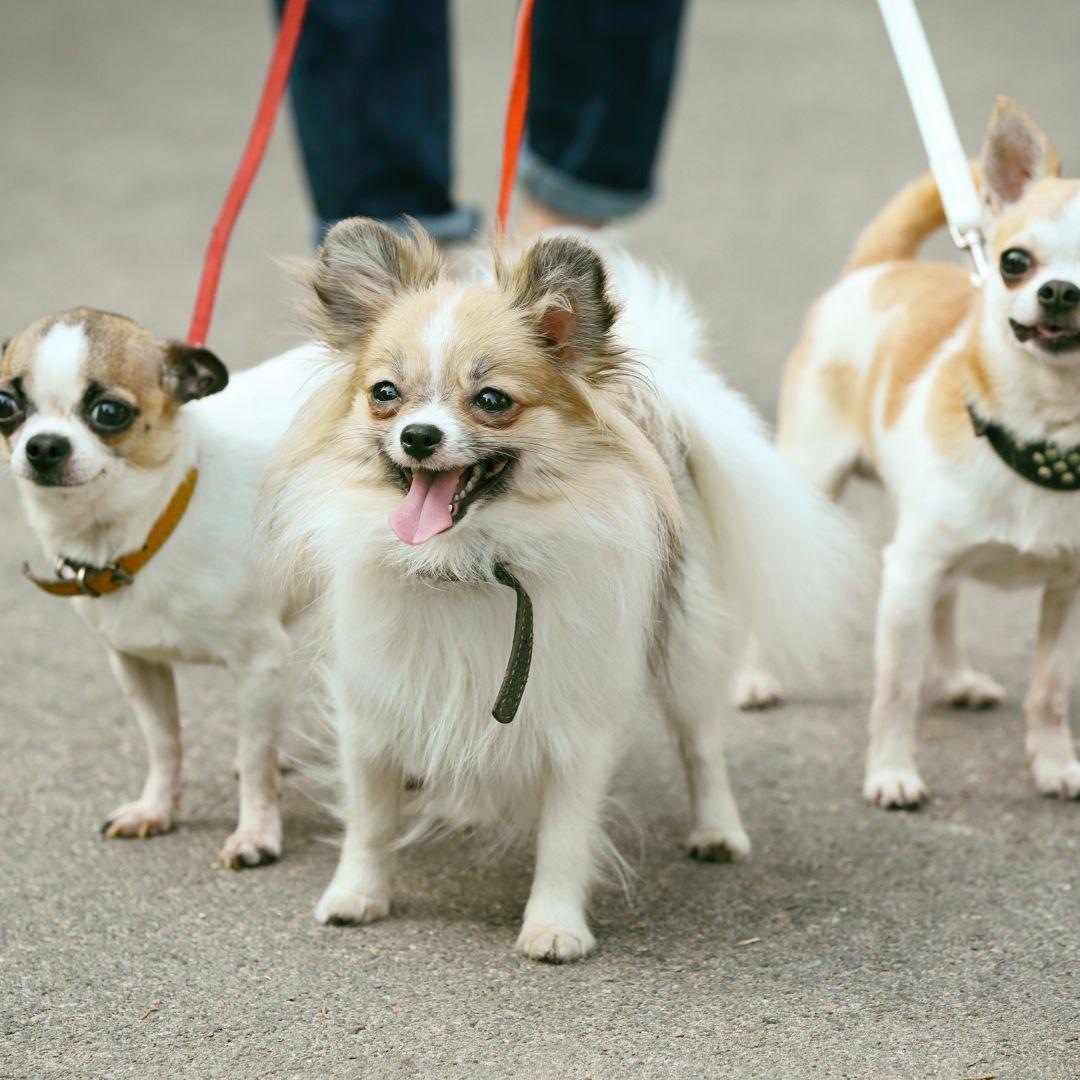
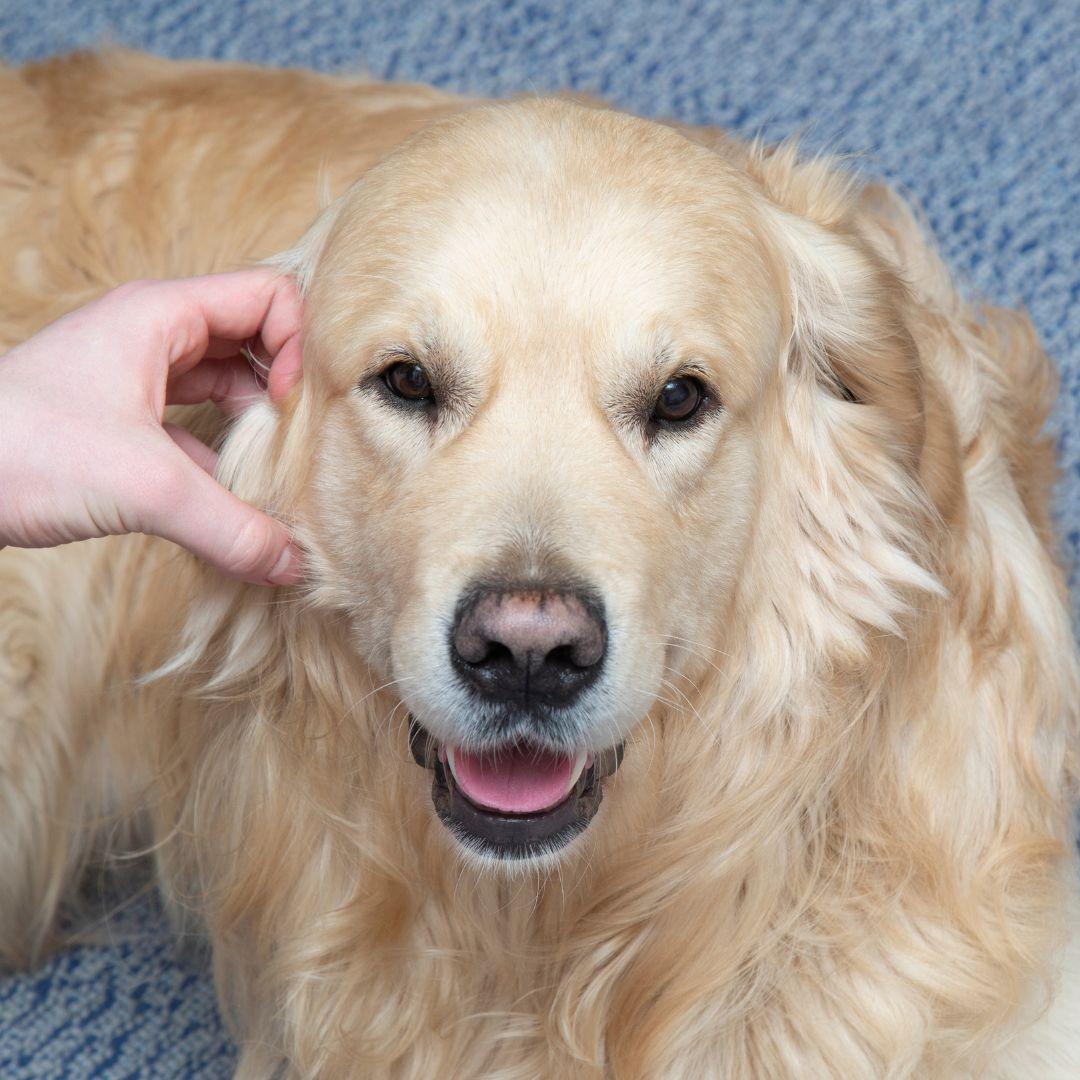
It can be tempting to shorten our pup’s name to cute nicknames, and in the long run this is usually fine and still effective, however in the early days of training be sure to use your dog’s full name so that they properly learn their name.
Repetition is the cornerstone of canine training, and when dogs are young they can be particularly prone to confusion if there is a change or inconsistency with their routine, so it is best to keep things consistent until you feel your pup has progressed enough to mix things up a bit.
The best way to get your dog to do anything is through positive reinforcement. Dogs do not respond to shouting or negative stimuli, it will only make them distrust you and make them fearful, especially if they are still very little - treats and plenty of patience are the way to go when it comes to training your pup.
Follow Us On
Check Out Our Most Popular Content