Your Cart is Empty


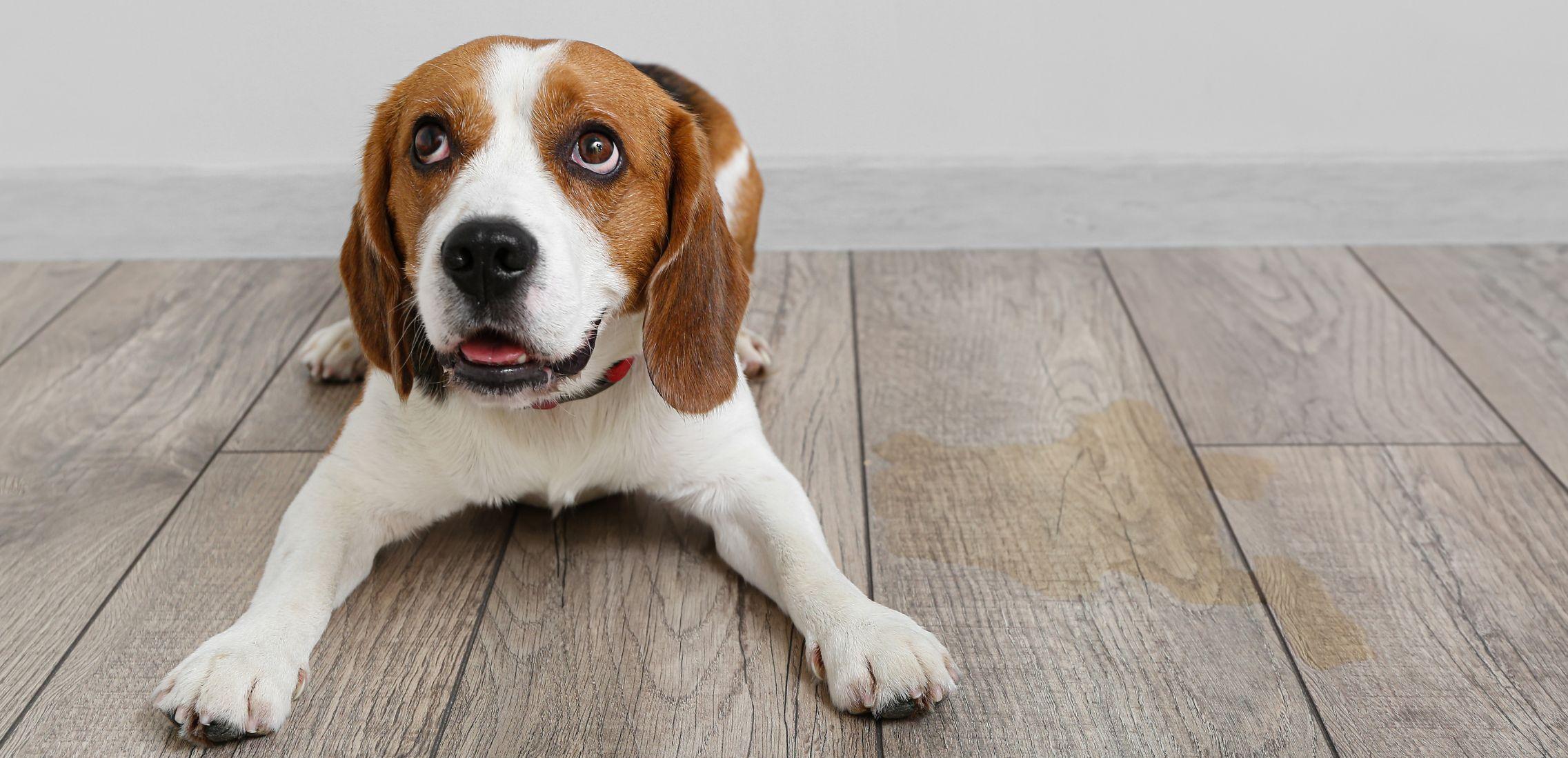
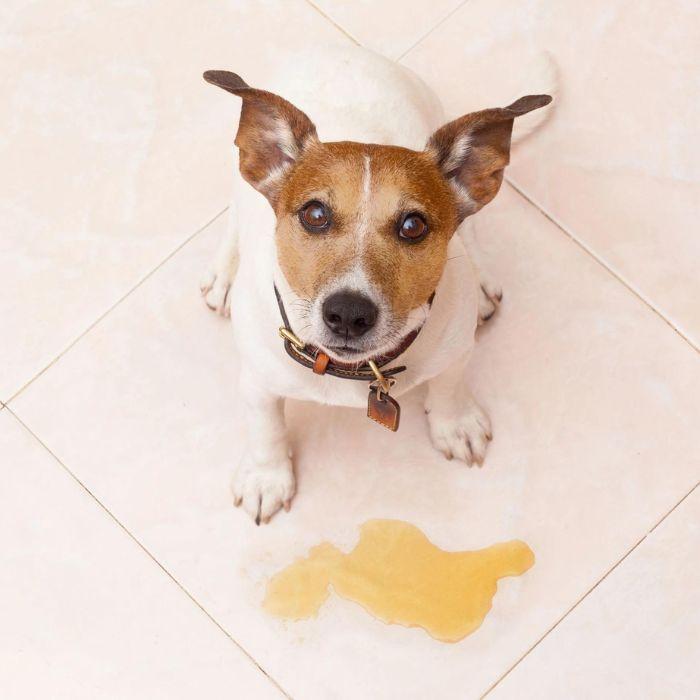
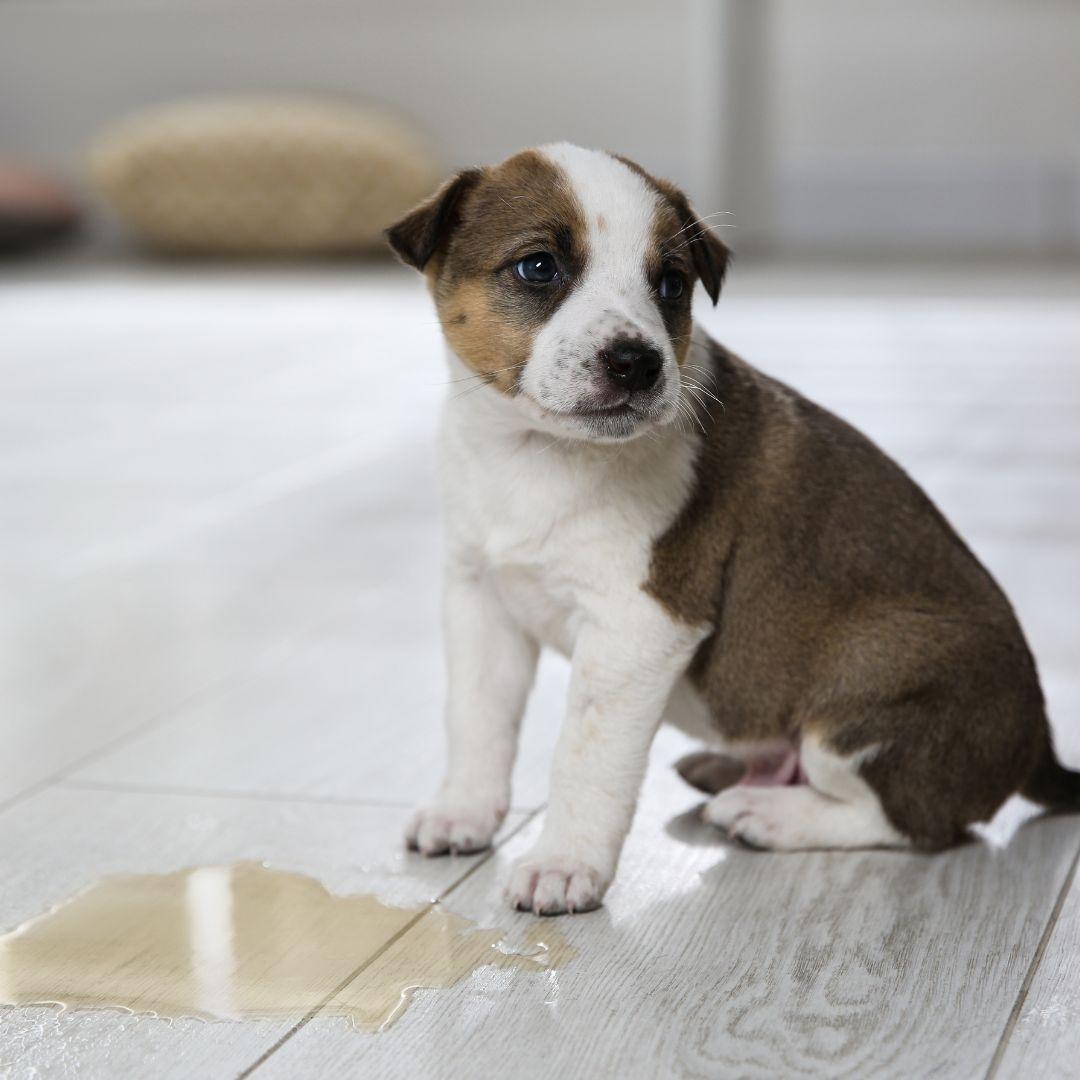
Any dog owner, especially one that’s raised a puppy, will know that a hazard of canine companionship with a furry friend is the occasional pee puddle found on the floor. And while this is an occupational hazard of owning a dog, no one likes to step into one of these golden puddles, or to come home to find their pup has had an accident in their absence.
This is why it’s vital to know how to deal with the aftermath; how to clean the stains properly to mitigate any lingering odors, and to also help prevent any repeat accidents from your pup pal.
Because while it is true that hard surfaces are much easier to clean in comparison to soft floors (like carpets) and furnishings, it is still important to know how to clean wood floors properly and thoroughly. As with the correct technique, you can avoid the risk of further damage to your house, reducing the likelihood of any scuffs and marks caused by your cleaning, helping to ensure the longevity of your wooden floors.
In this blog, we will be taking a look at how to get dog pee out of wood floor, including the best and safest methods to remove pet stains from hardwood floors, how to clean and treat them effectively, reduce the effect of lingering odors, as well as how to protect your floors from future puppy puddles!
Whether you are a parent to a human or a pet, the most important thing is to have a basic toolbox of equipment to help you handle inevitable messes. Believe it or not, these don’t have to be fancy, top-of-the-line cleaning products, they can be simple things that clean effectively and make the process as easy and stress-free as possible.
Regular cleaning is also essential to prevent pet stains and odors from becoming a recurring problem and to maintain the overall condition of your hardwood floors.
Here are some tips for effective cleaning preparation to ensure you’re ready to tackle any pet accidents.
We would recommend having the following in your cupboards to get you started:
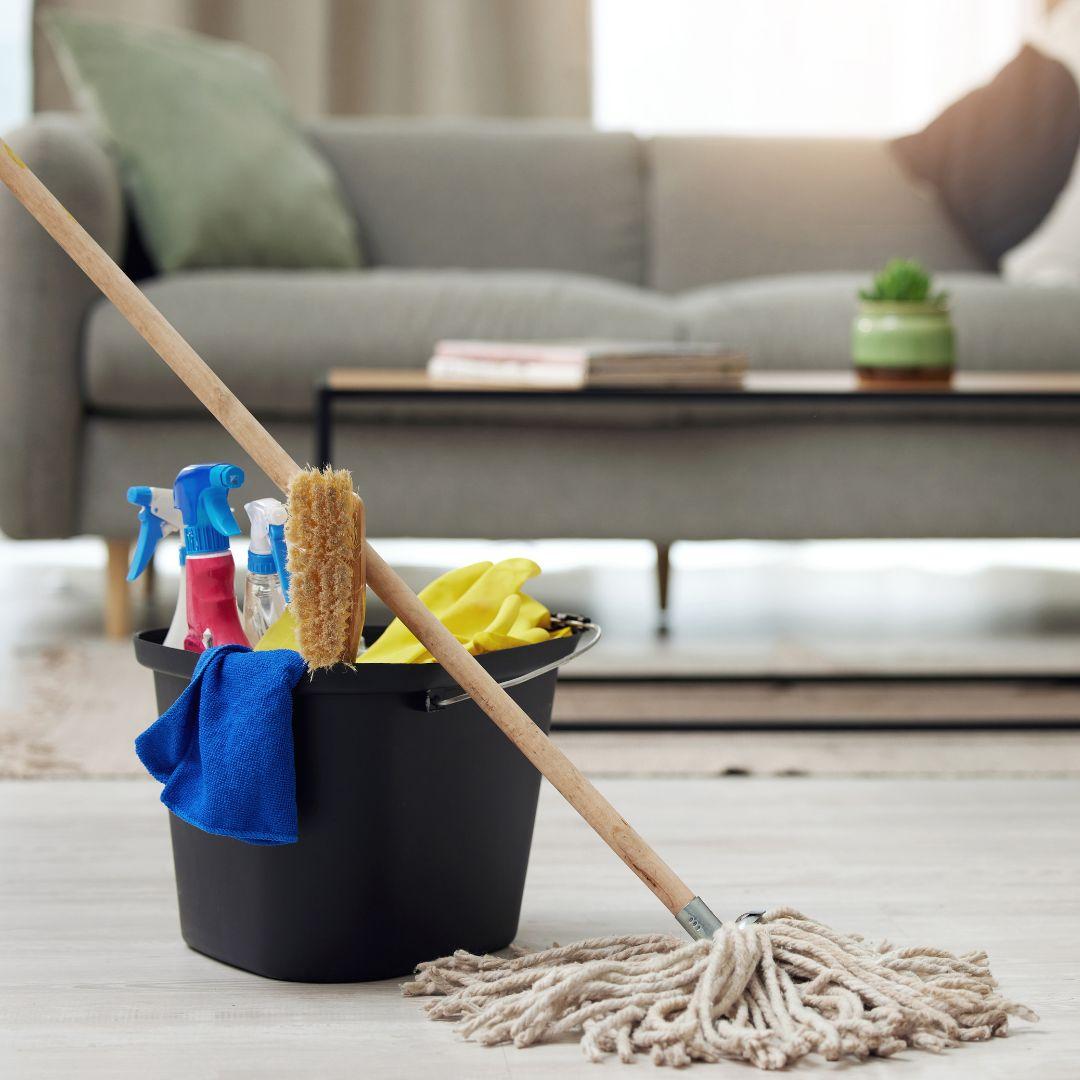
An easy solution to easy water access so you don’t have to keep running back and forth to the sink.
Cloth rags can be dampened and make an excellent cleaning aid.
The first port of call when it comes to soaking up initial messes.
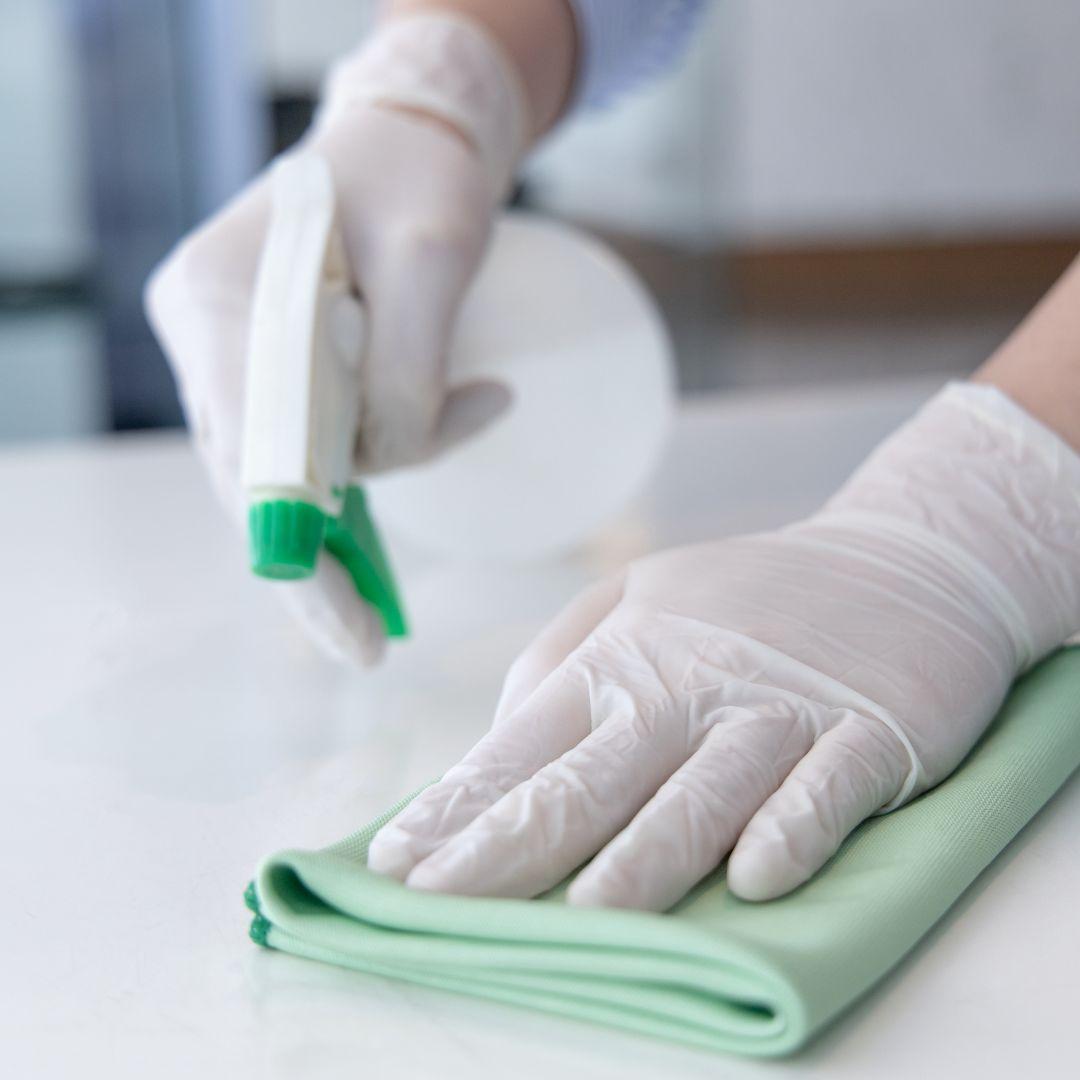
You may be working with some more abrasive or irritant cleaning products at times, so skin protection is super important.
For the finishing touch - perfect for sucking up remaining post-clean baking soda, disintegrated bits of paper towel, and pet hair from hardwood floors.
White vinegar is an effective natural odor neutralizer for dog urine on hardwood floors. Applying vinegar by diluting it with an equal parts warm water can help neutralize odors and clean urine stains. However, it’s important to spot-test this mixture on a small, inconspicuous area first to ensure it doesn’t damage the wood finish. When using this DIY solution, apply it to the affected area for only 2–3 minutes to avoid dulling the floor’s finish, then wipe it up promptly.
Can’t go wrong with the classics.
A simple solution of dish soap and warm water can help lift fresh dog urine from hardwood floors. For tougher stains and odors, you can create a mixture of 3% hydrogen peroxide and dish soap and apply it directly to the affected area. This mixture is effective at eliminating stains and neutralizing odors, but be sure not to leave it on the wood for too long to avoid potential damage. Always rinse the area thoroughly with clean water and dry it completely after cleaning.
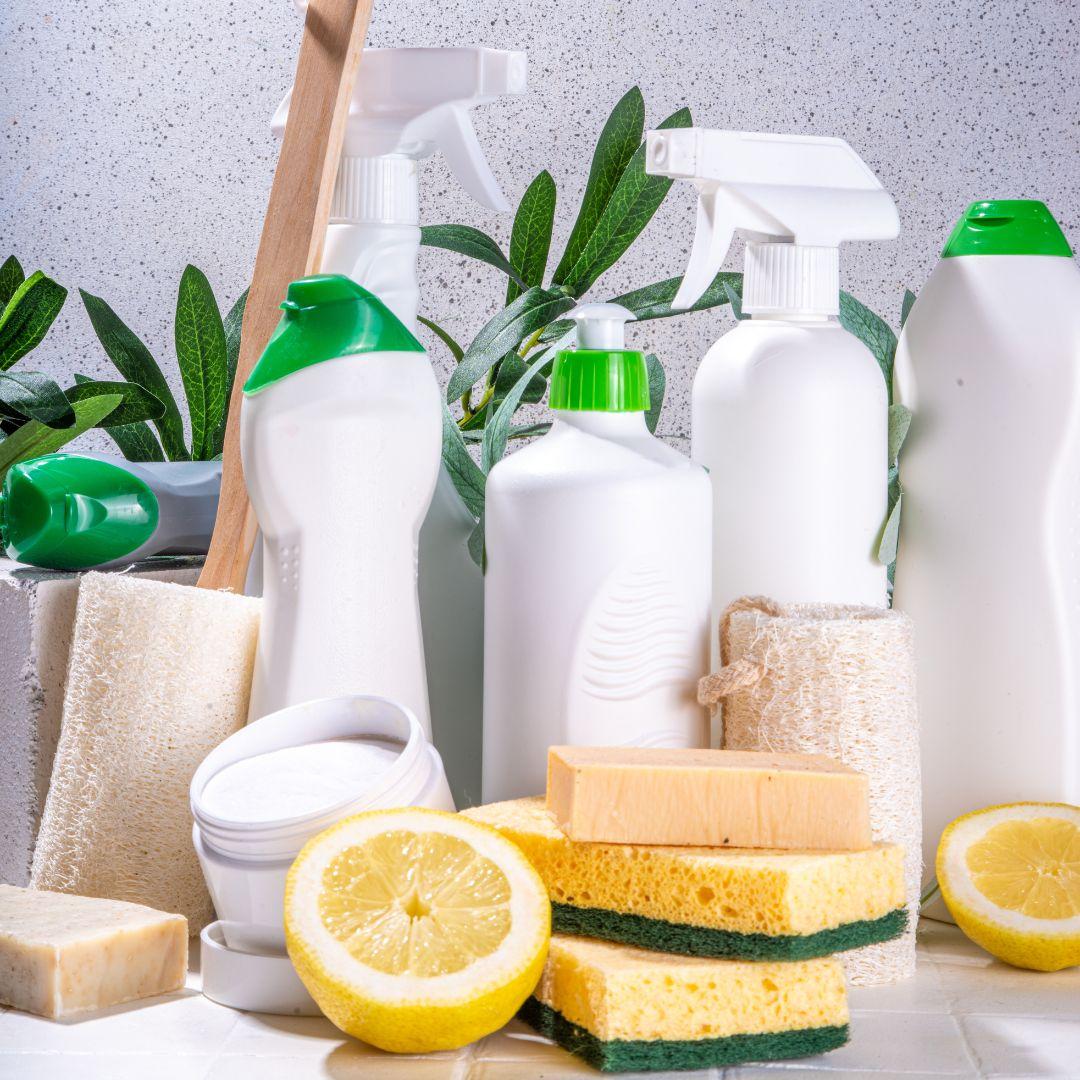
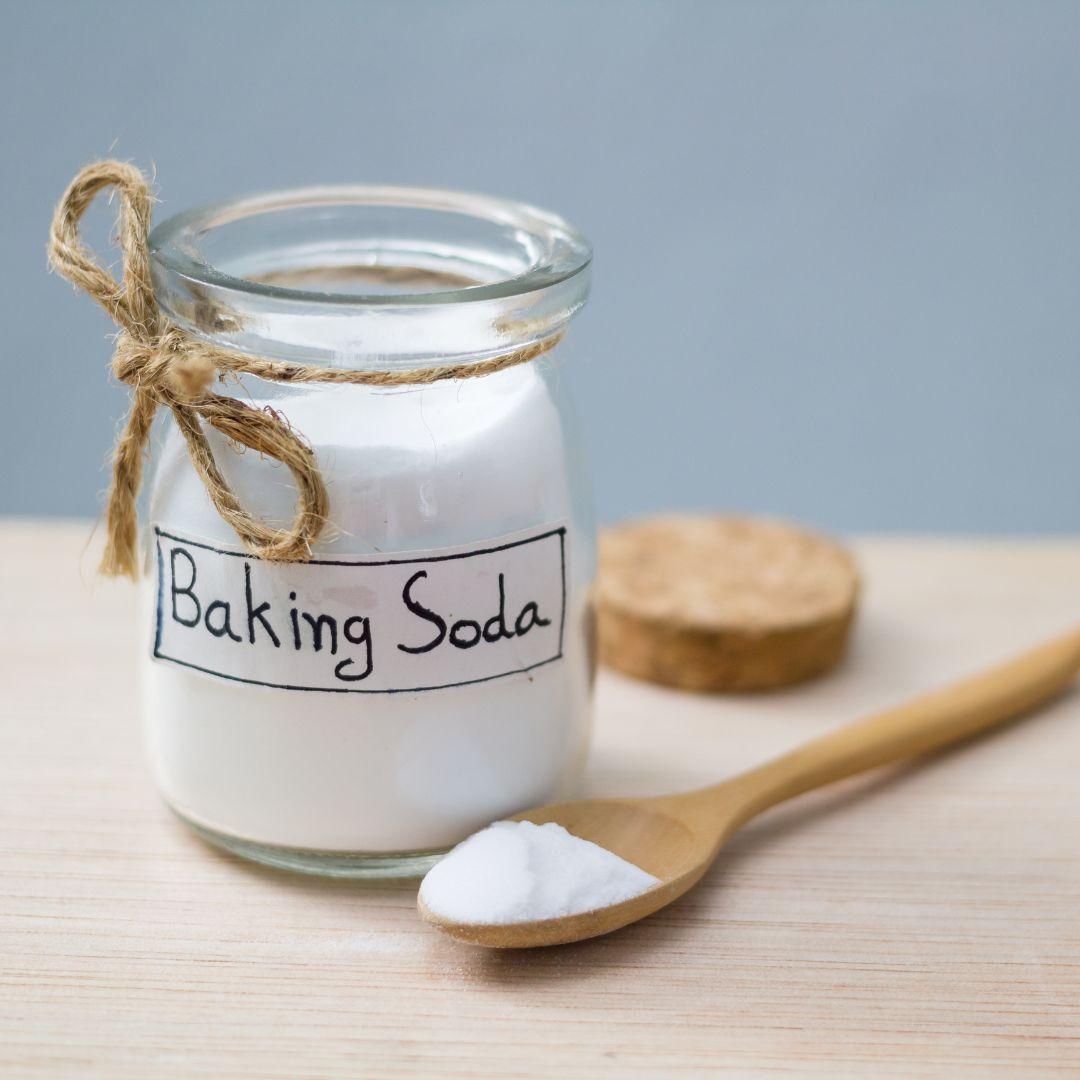
A favorite in-home cleaning agent that helps with the effective removal of unwanted stains is baking soda. To use it, sprinkle baking soda evenly over the affected area where the dog urine was. Let it sit overnight to allow the baking soda to absorb both the odor and any remaining moisture, as it is an effective natural remedy for neutralizing dog urine odors. In the morning, simply vacuum up the baking soda to leave your hardwood floor fresh and odor-free.
With strong oxidizing properties, this chemical is great at general cleaning and removing bacteria left behind by puppy pee and poop. Hydrogen peroxide (3%) can also be used to lighten dark stains and remove urine stains from hardwood floors, but use caution as it may bleach the wood. Do not mix vinegar and hydrogen peroxide in the same application, as this can create corrosive peracetic acid.
A specifically-made pet stain remover is highly effective for removing pet stains and removing pet odors from hardwood floors.
Hardwood floors tend to be easier to clean than softer surfaces like carpet, however, the wrong cleaning products can leave more permanent marks and even ruin the quality of the flooring.
To fully clean hardwood floors after a pet accident, it's essential to act quickly to remove urine stains and odors caused by dog urine. Immediate cleaning is critical to prevent urine from seeping into wood seams or under the finish. Dog urine is acidic and can break down the finish of hardwood floors, so quick action is necessary to remove dog urine smell and neutralize odors.
We have put together a short guide detailing the best cleaning methods to remove urine from wooden floor, eradicate lingering odors, and help keep your floors in mint condition:
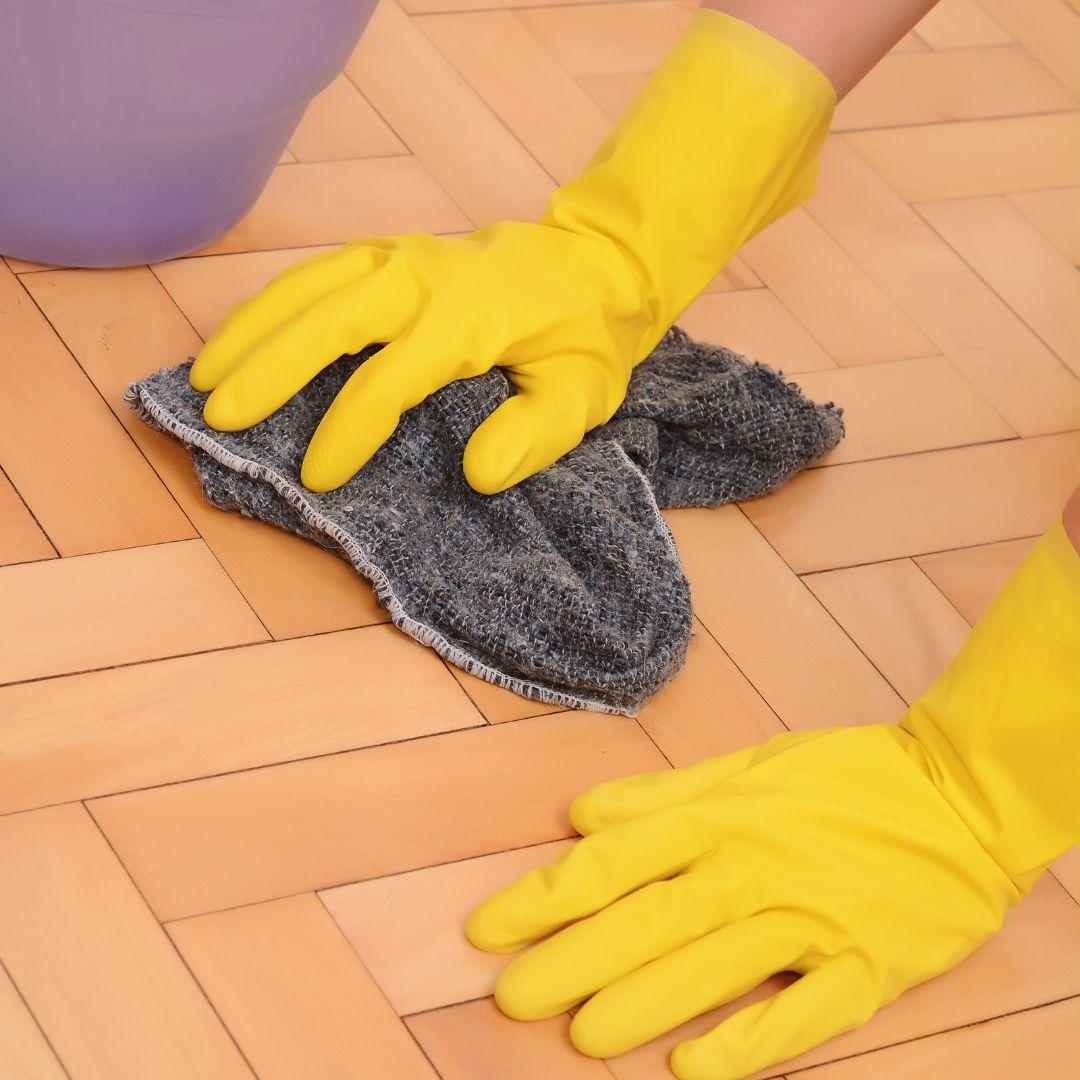
The key to the most effective cleaning is to act quickly to remove dog urine before it soaks into the wood. Blotting with highly absorbent microfiber cloths or paper towels is effective for soaking up urine without damaging hardwood floors. Take a few sheets of paper towel or a microfiber cloth and gently blot at the stain until you feel you have soaked up as much of the urine as possible. Try not to rub at it as this can damage the floor. The more you can get up while it is still fresh, the easier the rest of the cleaning process will be.
Believe it or not, hardwood floors can absorb urine and other liquids even if they are sealed, meaning unpleasant odors can get trapped and be harder to remove. The quicker you catch the pee, the better!
You may be lucky and manage to soak up all the pee while it is still fresh, however, if you do notice that the floor has absorbed some of the urine and has left a stain, there are effective ways to clean this so that both the stain and pee odor is removed.
Before using hydrogen peroxide, it is always advised to spot-test the product on your hardwood floor to check that it doesn’t damage the floor. The chemical can be quite harsh, so it is always best to check first before you commit to a full clean.
If you find that hydrogen peroxide doesn’t negatively affect your floor after a spot test, you can proceed with the cleaning method. For stubborn stains and odors, use a mixture of 3% hydrogen peroxide and a small amount of dish soap. Soak a cloth or towel in this solution, then lay it over the affected area for a few hours, checking periodically. Do not leave the mixture on for too long, as prolonged exposure can damage the wood. Remove the towel and allow the area to dry, and repeat if necessary, but always monitor the process to protect your hardwood floors.
Another DIY cleaning treatment you can use to tackle pee stains on hardwood floors is baking soda. Baking soda is an excellent odor-neutralizer due to its high PH level, which breaks down the acidity in dog urine, removing both the pee and its pong. Baking soda not only absorbs odors but also neutralizes dog urine, making it an effective natural remedy for lingering smells.
The method is simple; once you have soaked up as much of the fresh urine as you can, sprinkle a spoonful over the affected area and leave it to work its magic overnight. Leaving baking soda on the spot overnight allows it to fully neutralize dog urine odors before you vacuum it up in the morning. When you wake in the morning, you will want to use a vacuum cleaner to hoover up the remaining residue, and your stain, and the smell, should have disappeared.
It is important to keep your dog away from the affected area while the baking soda does its work, as this product is very poisonous to dogs and should not be ingested under any circumstances. You may want to consider keeping your dog in a gated area or a separate room while there is a risk that they could access and eat the baking soda.
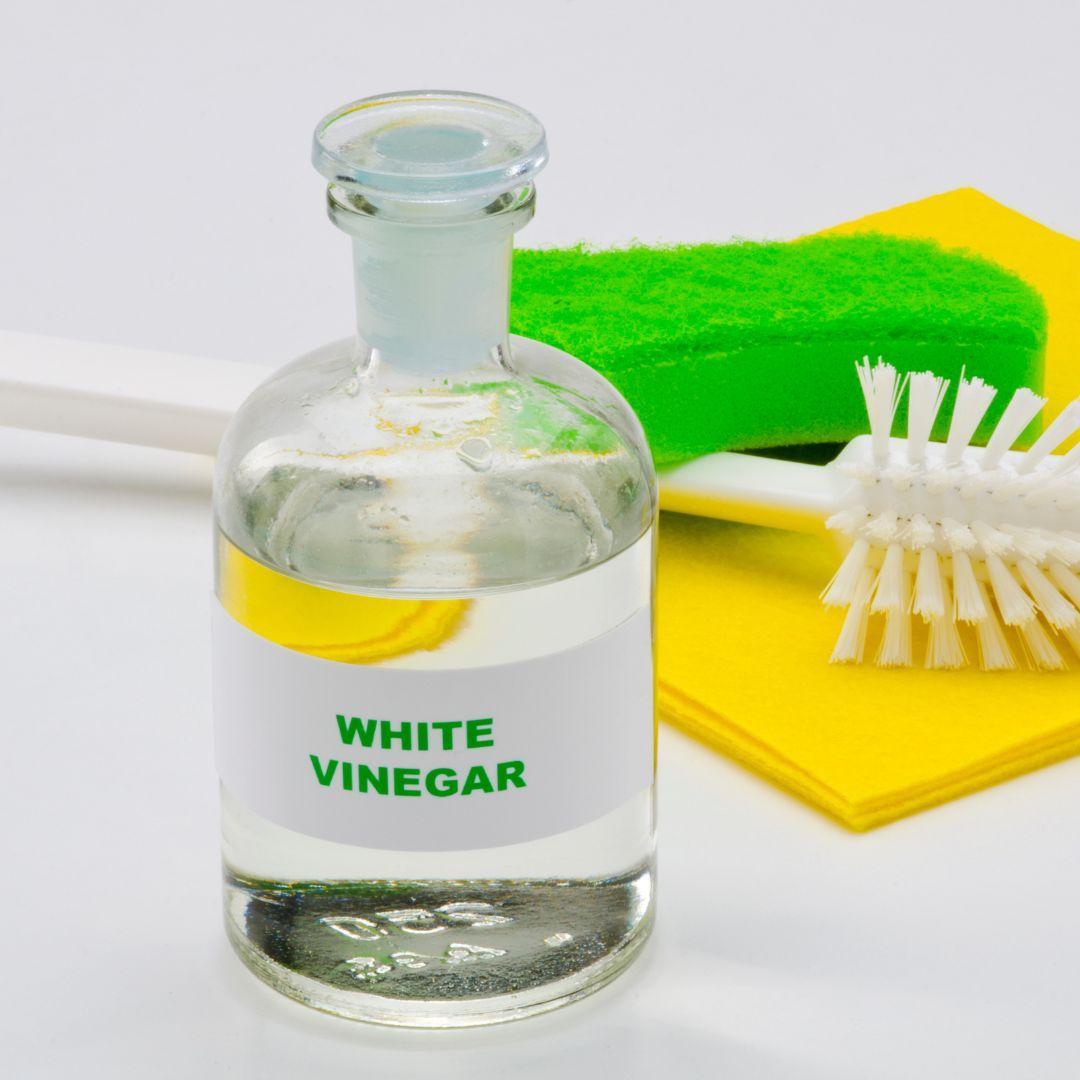
A favorite cleaning method amongst many pet parents due to its natural product content and effective results, white vinegar is a great choice for those concerned about using harsh chemicals on their floors and around their animals.
Knowing how to get dog pee out of the wood floor with white vinegar equips you with a cleaning agent that cleanses, disinfects, and removes odor all in one. Mix a DIY solution of equal parts white vinegar and warm water. When applying vinegar, use a mop or a clean cloth to gently wipe the affected area, but avoid excessive water to prevent warping or 'cupping' of the hardwood boards. Let the solution sit for only 2–3 minutes to help neutralize odors, then clean the area with a dry towel. If the area is still not dry you can leave it to air dry or use a hair dryer if you have one.
Do not mix vinegar and hydrogen peroxide in the same application, as this can create corrosive peracetic acid.
Do be aware that white vinegar can cause damage and discoloration to hardwood floors, so we would always recommend doing a spot test to check that your floors aren’t significantly affected by the solution.
White vinegar, whilst not poisonous to dogs, can cause skin or eye irritation, and can also cause gastrointestinal upset if ingested - always keep your dog away from the areas you are cleaning with white vinegar to reduce this risk.
If you are particularly anxious about using certain chemicals and products around your pets, you may want to consider investing in a pe-safe pet cleaning solution - and we have just the thing!
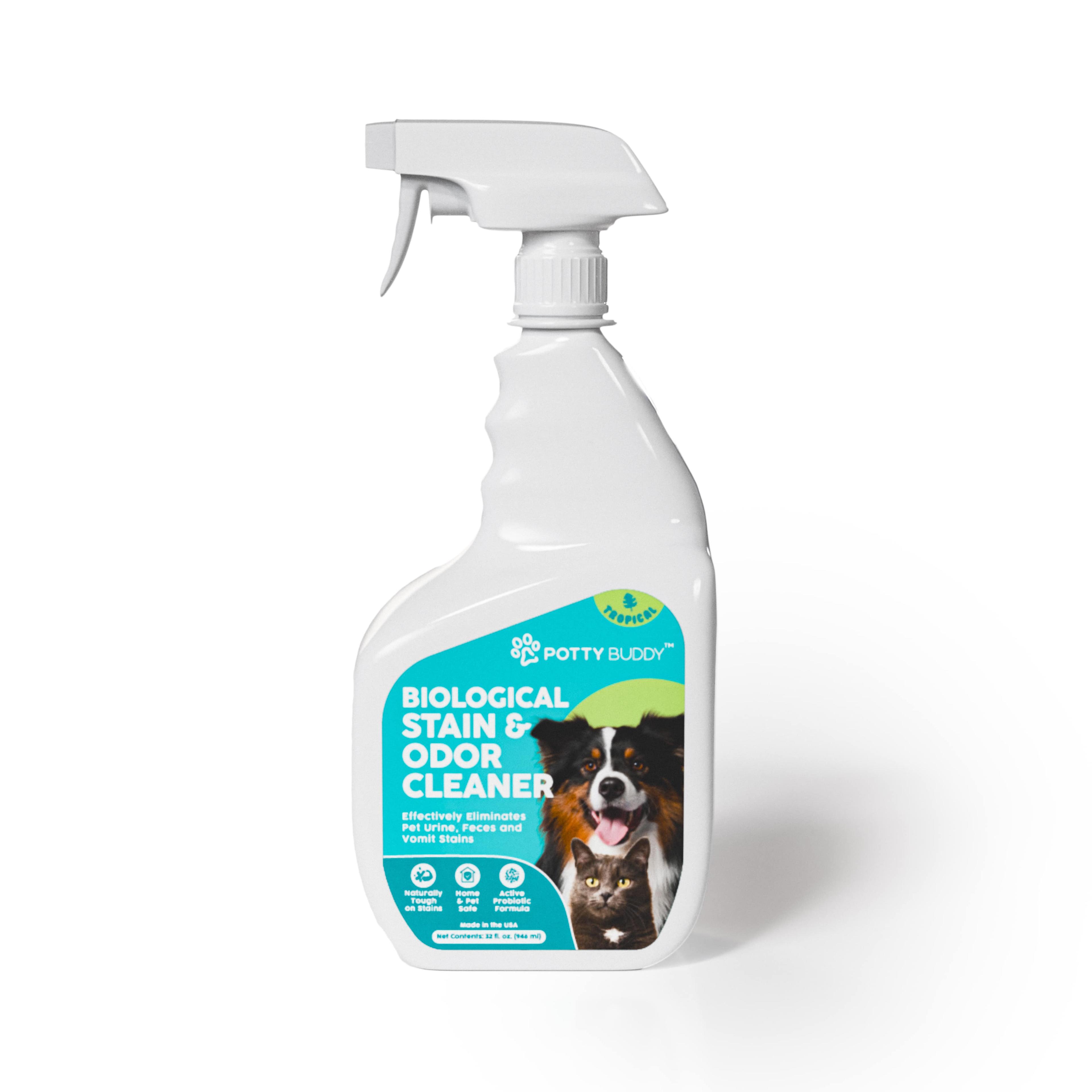
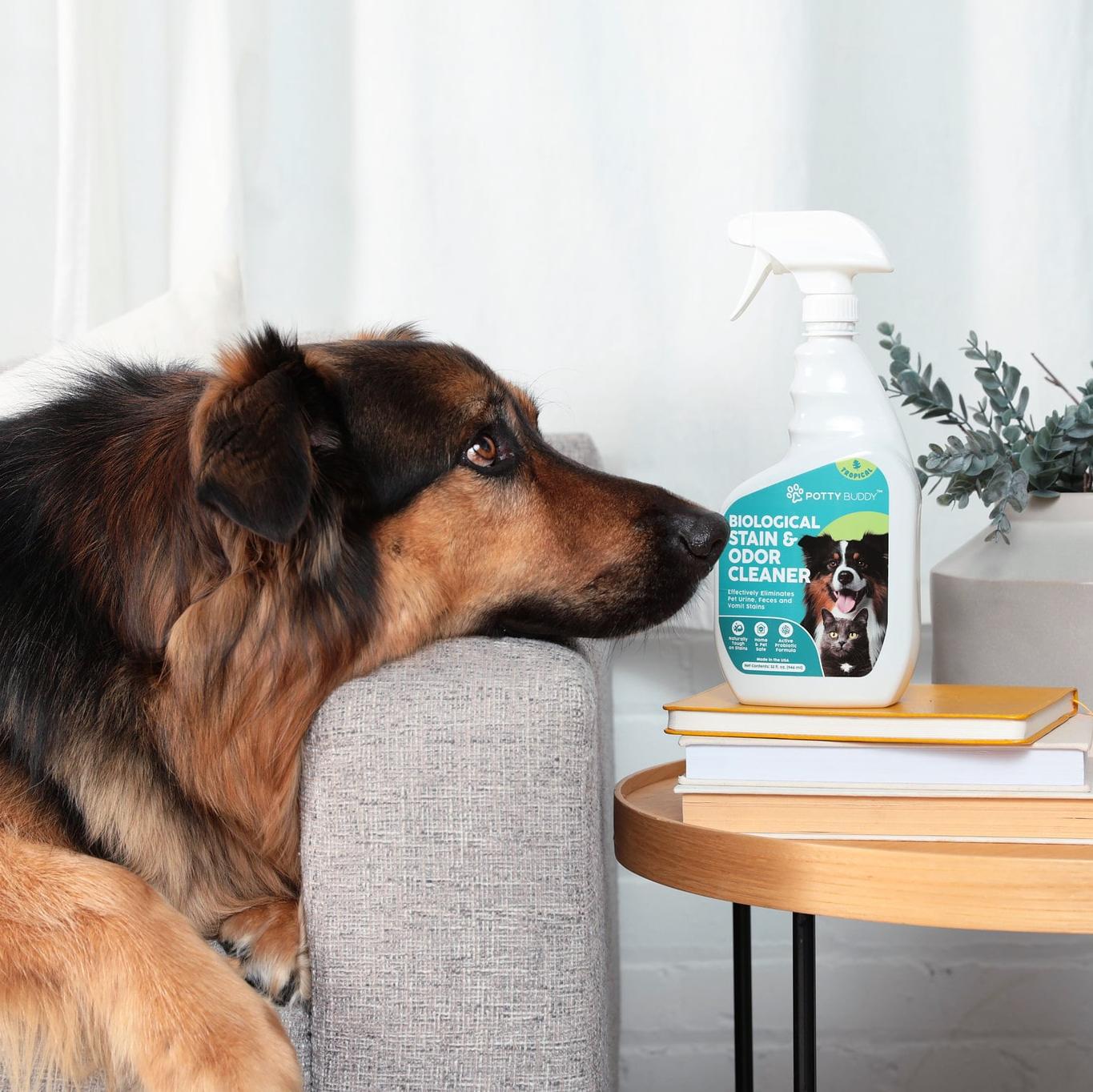
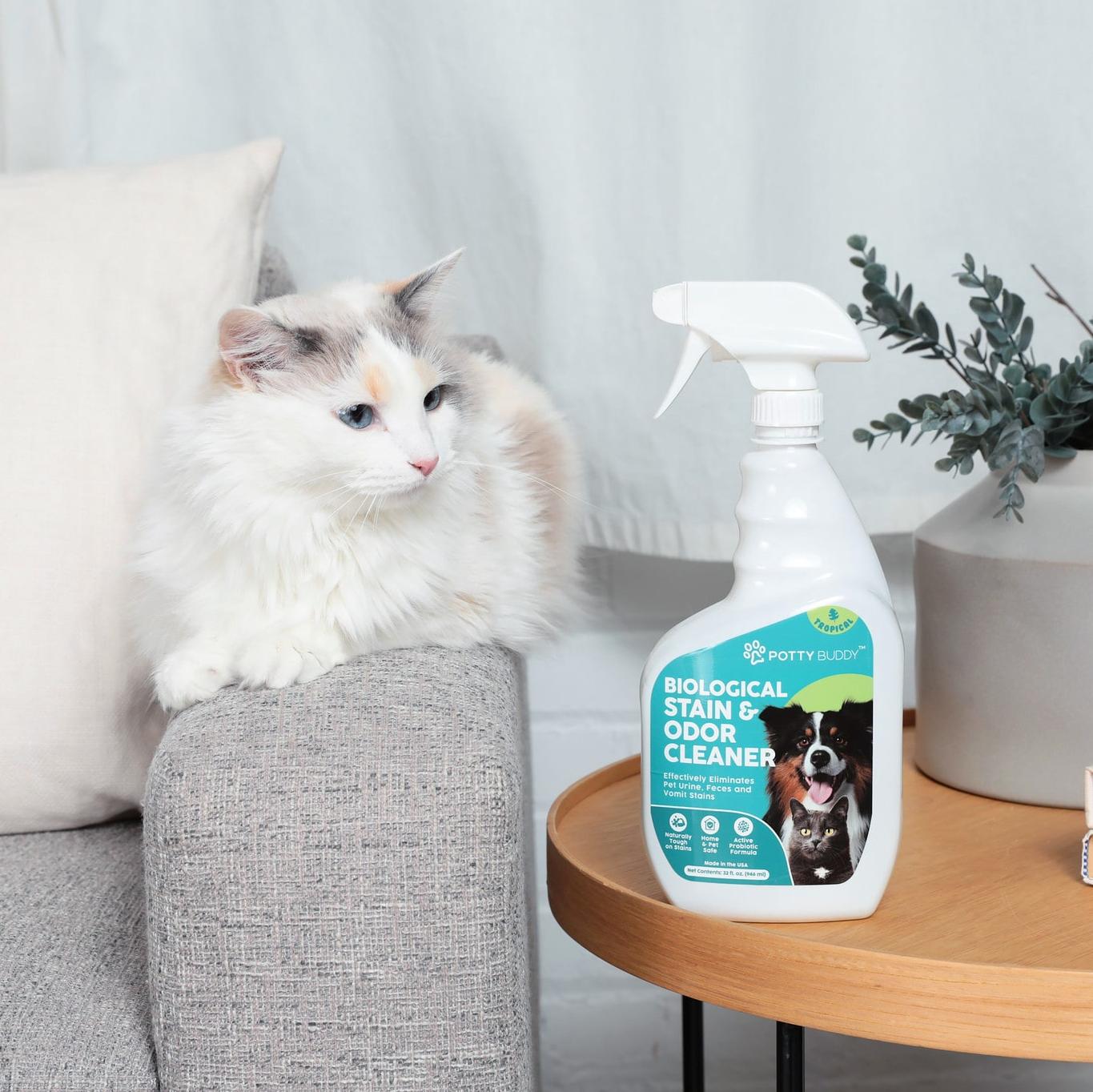
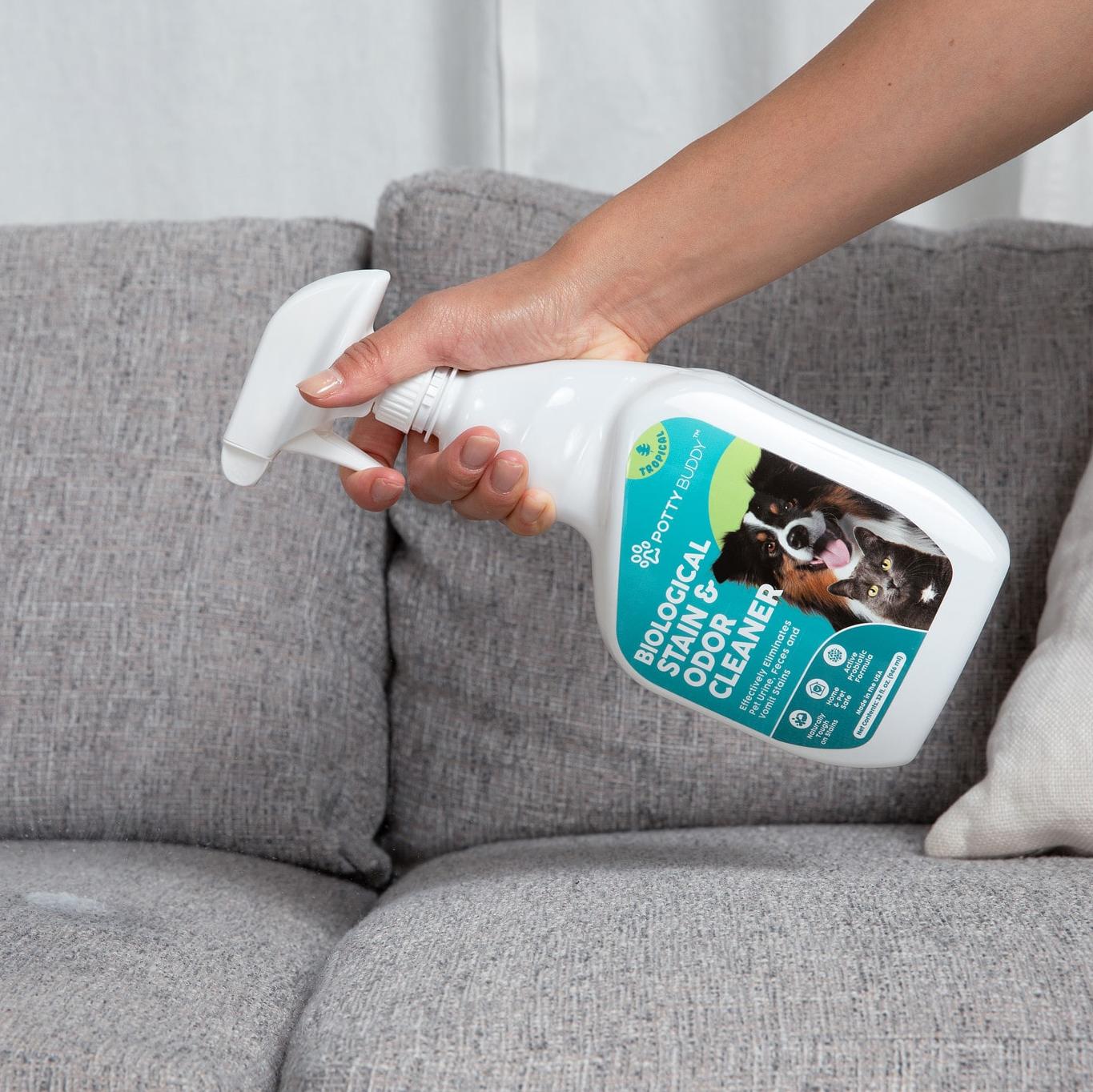
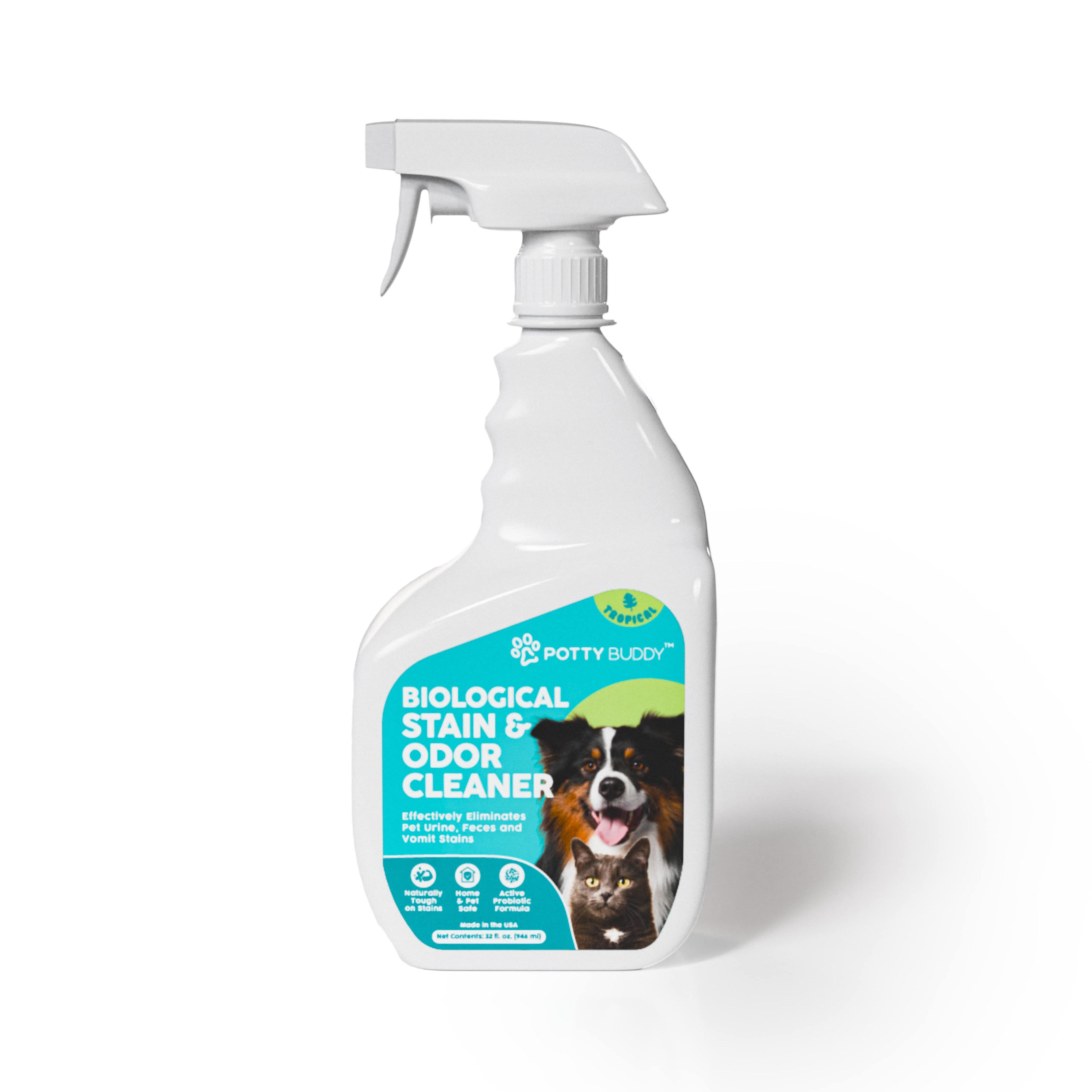
Our Potty Buddy Cleaning Spray is an effective, pet-safe cleaning product that has been specially formulated to target stains and odors from anything your pup can throw at you - pee, poop, vomit, the works!
The spray uses a mix of essential oils and active probiotics, which help to break down and destroy the organic compounds found in stains, lifting them out of surfaces and neutralizing unwanted odors. Our product can be used on floors, furniture, and carpets, as well as pet beds, kennels, and playpens, making it a brilliant all-rounder for particularly messy pups.
To use, all you have to do is spray the affected area, leave it for a few minutes to work, and then gently dry it with a clean cloth - hey presto!
Now you know how to get dog pee out of wood floors, you may want to consider ways you can protect your floor from future messes, including preventing repeated accidents in the same spot. That’s where we come in!
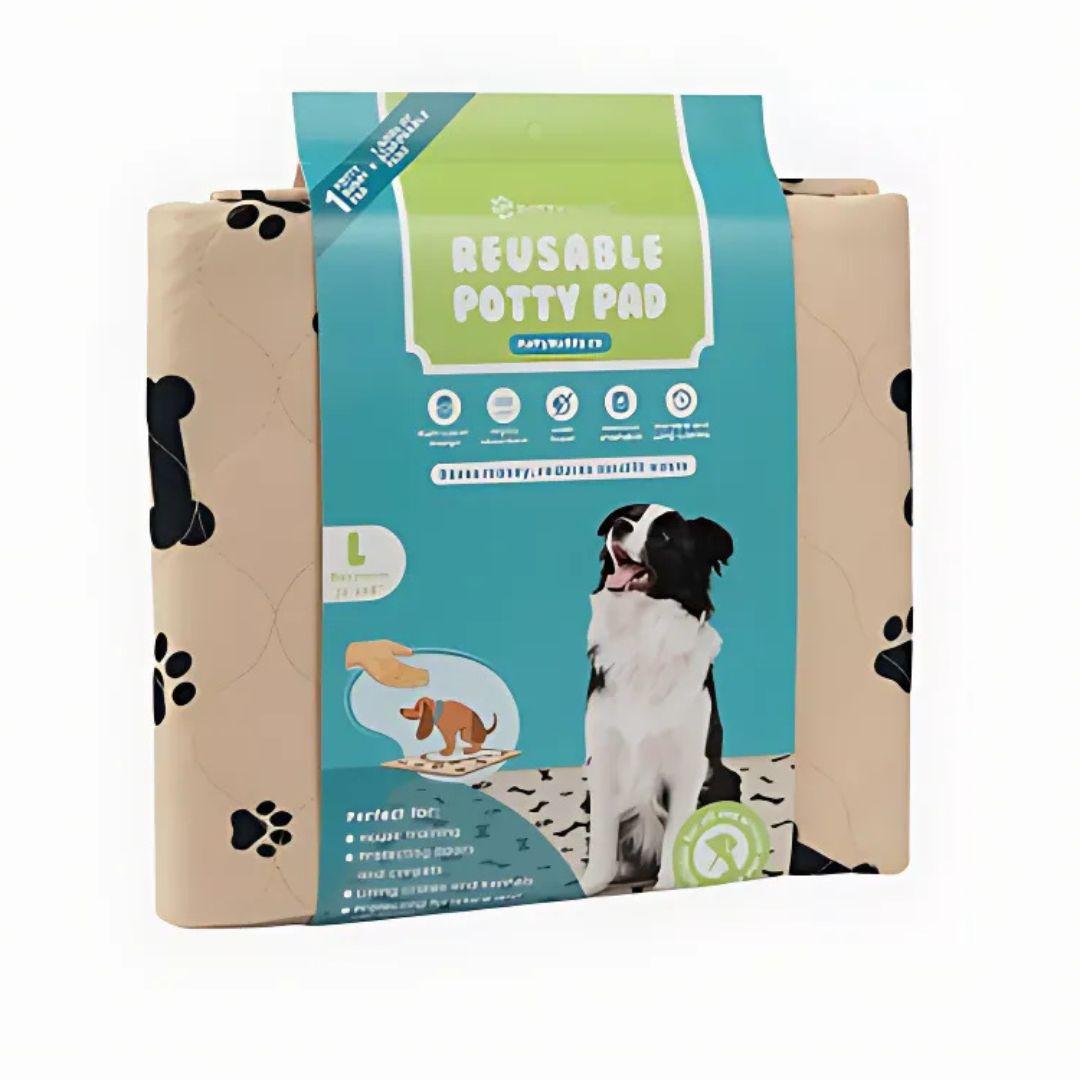
Potty training is essential to help your dog develop good bathroom habits and avoid urinating in the same spot, which can lead to stains and lingering odors. Potty pads are a great way to not only potty train your dog, but they can also add a layer of defense between your floors and rogue puppy pee.
Our Potty Buddy Reusable Pads are made from 3 layers of durable, water resistant material that work to lock in odors, block moisture, and prevent leaking. Easily washable, these pads can be used time and again, keeping your pup and your furniture clean and comfy.
Keeping on top of pet mess around the home can feel like an overwhelming task, but once you have a tried and tested cleaning method that works for you, you need never fear puppy pee puddles ever again!
To further protect hardwood floors from dog urine, consider using water resistant mats and rugs in high-traffic areas. This helps prevent moisture and ammonia in pet urine from seeping into the wood, which can cause stains, odors, and even warping. Moisture control is key to maintaining your floors and preventing long-term damage from pet accidents.
Keeping on top of pet mess around the home can feel like an overwhelming task, but once you have a tried and tested cleaning method that works for you, you need never fear puppy pee puddles ever again!
What’s the Secret Pet Owners Swear By for a Fresh-Smelling Home?
4.4 ⭐⭐⭐⭐⭐
Trusted by pet owners across the USA
Pets make messes – it’s part of the deal! But with Potty Buddy’s Biological Stain & Odor Cleaner, you can keep your home fresh, clean, and totally stress-free.
✅ US-made Formula
✅ Tough on Stains, Gentle on Furniture
✅ With Probiotics & Essential Oils
✅ Non-Toxic and Safe for Home Use
✅ Save Hundreds by avoiding ineffective cleaners
US Only
⭐⭐⭐⭐⭐
-Elle C.
Worth every penny! Had multiple stains from our new puppy's accidents, and this cleaned them up effortlessly. The natural formula gives me peace of mind knowing it's safe to use around my pets.
Follow Us On
Check Out Our Most Popular Content