Your Cart is Empty


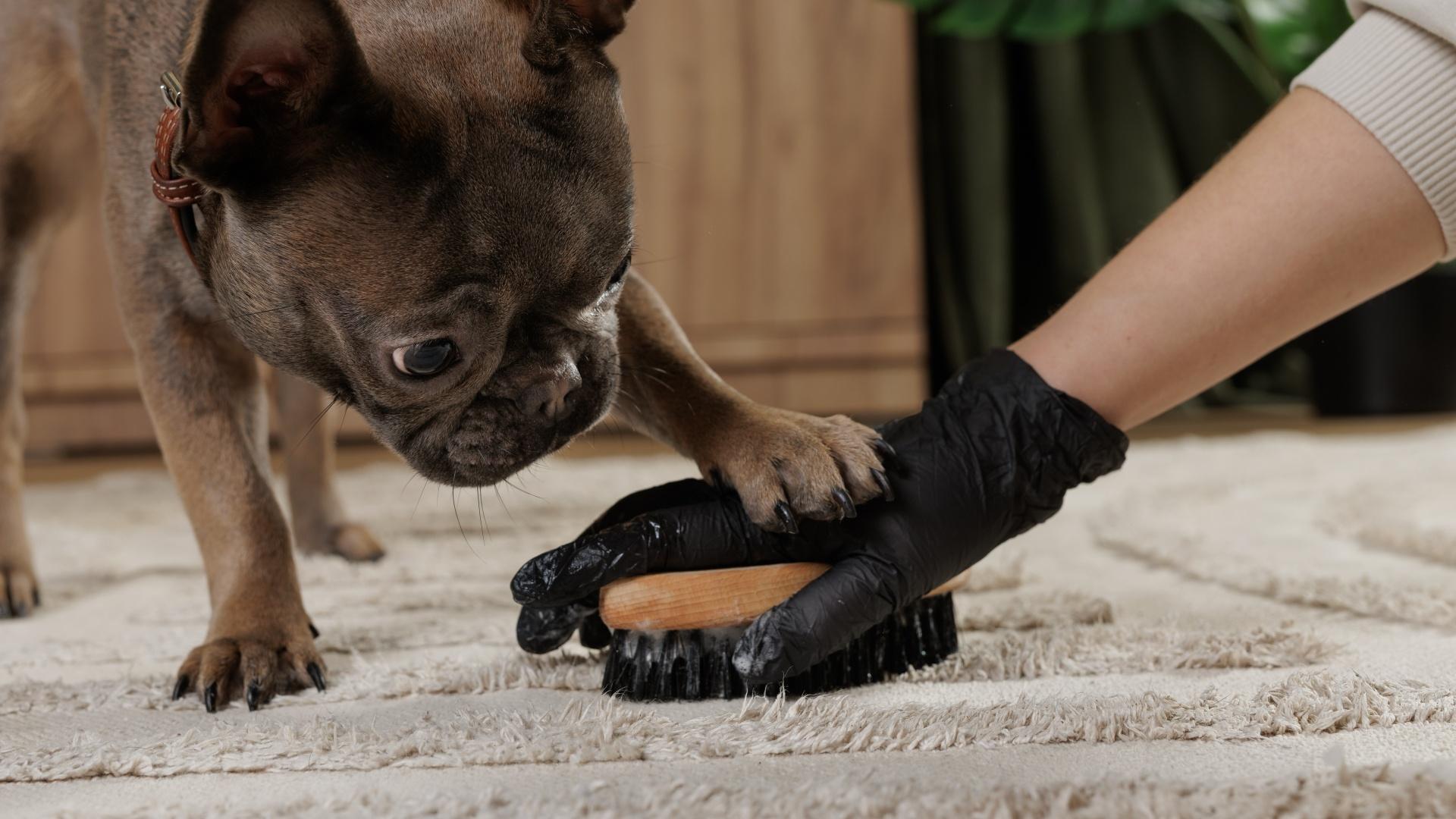
No matter how well trained your dog is, every pet parent needs a good homemade dog urine cleaner recipe to hand. This article gives you three effective and dog-safe formulas that you'll feel comfortable and confident using around your home- even with pets or children about.
You'll learn about which methods do not work and the reasons why our recipes should stop more indoor toileting. If your aim is to keep a clean home and prevent future accidents, you have certainly come to the right spot.
Act fast: How to remove fresh urine
Homemade cleaning solutions: Three recipes that work
What homemade cleaners can’t do — and why the smell comes back
Safety: what to never use around pets
When your dog leaves a puddle, act fast and blot. Rubbing leads to lingering smells.
The cornerstone of urine cleaners are ingredients you already have to hand, including white vinegar, baking soda, dish soap, and hydrogen peroxide
Never pre-mix vinegar and baking soda because they neutralise each other
No homemade mix can break down uric acid crystals once they have formed. A biological cleaner is needed for this.
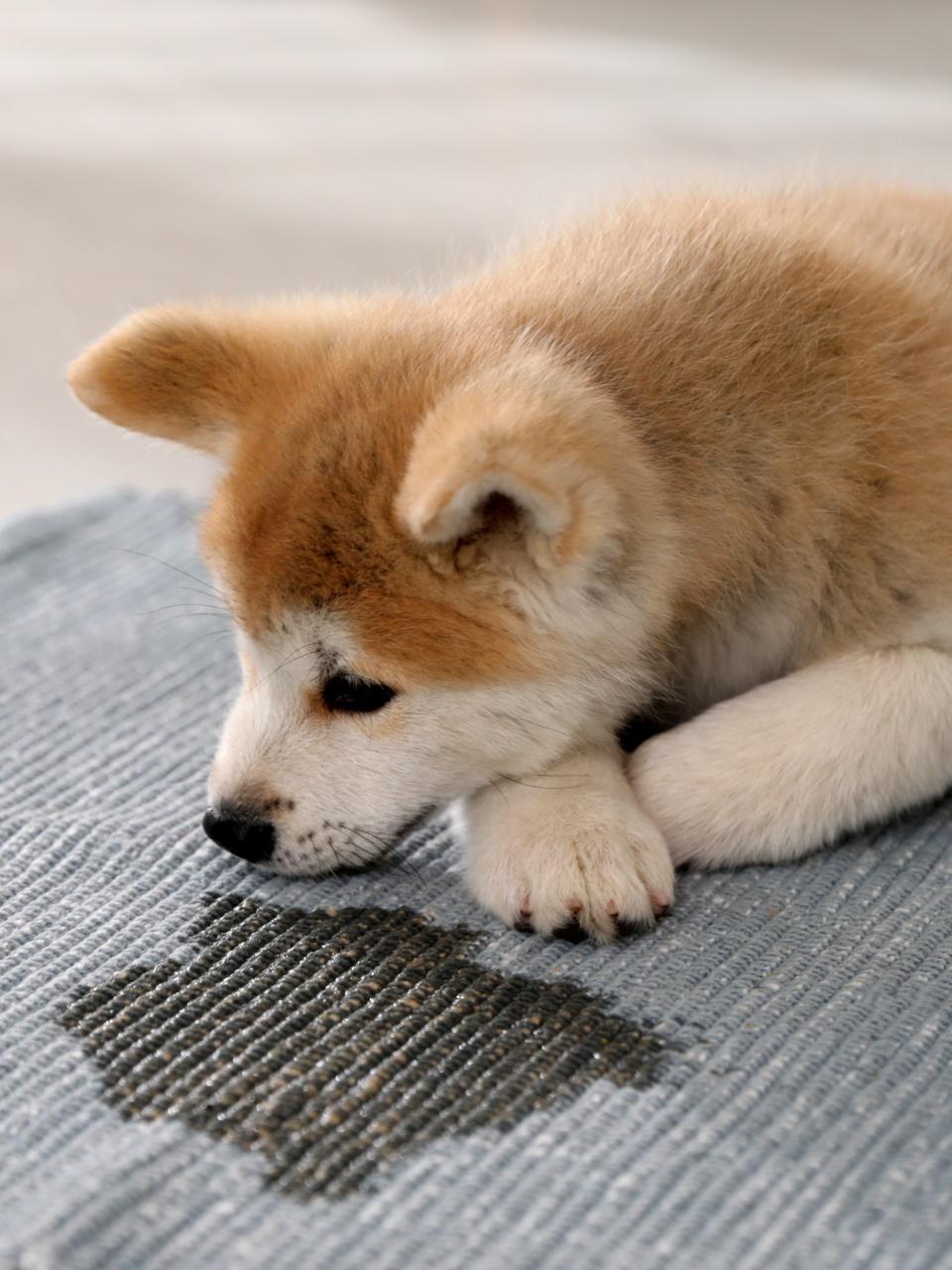
The quicker you act, the less chance for uric acid crystals to form and for strong scents to linger. This helps hugely when it comes to preventing future accidents.
Act fast. Blot dry with paper towels or a clean cloth right away.
Press down if any moisture remains.
Dilute the stain with cold water and blot again. Hot water can denature some proteins in fresh urine, making them bind more tightly to the surface beneath them.
Never rub the stain when wet. This can lead to the urine getting soaked in deeper.
When you've got pets in the home, you'll want to steer clear of harsh chemicals and to use the most natural and effective solution you can. Home made cleaning solutions can work very well indeed and are cheap and easy to make. Use a spray bottle for easiest distribution.
| Recipe | What it actually does | Best for | Do not use on |
|---|---|---|---|
| White vinegar + water | An acid which can help dissolve mineral deposits and neutralise alkaline urine residues | To neutralize odors and for use on hard surfaces | Avoid using on stone or concrete surfaces as the acidity can lead to wear over time |
| Baking soda | A moisture absorber that can also help neutralise strong smells | Softer surfaces like carpets and mattresses, once urine has been blotted | Avoid large wet piles that you then hoover up, as this can damage your appliance |
| Hydrogen peroxide + dish soap + baking soda | This combination is a hard-hitter when it comes to odor removal and the peroxide can lift stains | Older stains, especially if the surface should be white and has become yellow | Always spot test on the material first and avoid using this on dark fabrics, wool, or leather as they may lose their color |
| Enzyme based cleaners / biological cleaners (not homemade) | Enzymes and microbes (good bacteria) break down urine proteins and other organic compounds, totally eliminating the odor source | Best overall choice and particularly effective for older stains | Do not use shortly after bleach or other harsh chemicals, as they could render the cleaner ineffective |
Mix equal parts water and white vinegar in a spray bottle. This gentle homemade spray solution neutralises the alkaline ammonia smell in fresh urine and helps lift the stain. This cleaner does not dissolve uric acid crystals, so is not the best choice for older soiled spots.
⚠The Humane Society warns that a strong acidic smell can encourage some pets to re-mark the same spot. Vinegar is one step, but not the last.
Sprinkle baking soda over the damp area, let it sit for 12 hours, and then vacuum once completely dry.
For older pet stains, water can be added to the baking soda to made a thick paste which you can rub on in a thick layer.
If the baking soda you are vacuuming at the end of the process is discoloured this means urine is still being pulled up — repeat the process until it comes back clean, otherwise the pet odor remains.
Mix 250mls 3% hydrogen peroxide + one teaspoon of dish soap + two tablespoons of baking soda. Always mix this recipe fresh in a bowl, rather than trying to pre-make a batch. Spot-test a few drops on a hidden area first as peroxide can lighten fabric dye and wood.
⚠Never combine hydrogen peroxide and vinegar in the same application — it forms peracetic acid, which is corrosive.
Vinegar is an acid, baking soda is a base; combined in a bottle they react into water, carbon dioxide and sodium acetate — a salt — so you will end up cleaning with what is essentially salty water.
Instead, use them in sequence. This means use the white vinegar first, blot, then apply the baking soda while the area is still damp.
It is important to appreciate that once urine dries (which happens quickly!) uric acid crystals form. Those crystals are not water-soluble which means that vinegar, baking soda, peroxide and dish soap cannot dissolve them and the smell remains.
Both moisture and humidity reactivate uric acid crystals so the smell returns and the dog then re-marks the same spot, days or weeks later. Other dogs may also mark here, until you completely get rid of that persistent smell.
Only enzymatic and biological (probiotic) cleaners break the crystals down. Cleaners such as those that contain live probiotic blends (likePotty Buddy's stain and odor remover) cleverly produce the enzymes that digest the residues.
In truth, not really. Though some online sources state that you can combine ingredients like citrus peels, brown sugar and water and ferment them for several months, this will only result in you creating a mild citric acid solution rather than a targeted enzyme cleaner.
A solution like this cannot reliably create the correct enzymes you are looking for at high enough concentrations to properly target dog or cat urine stains.
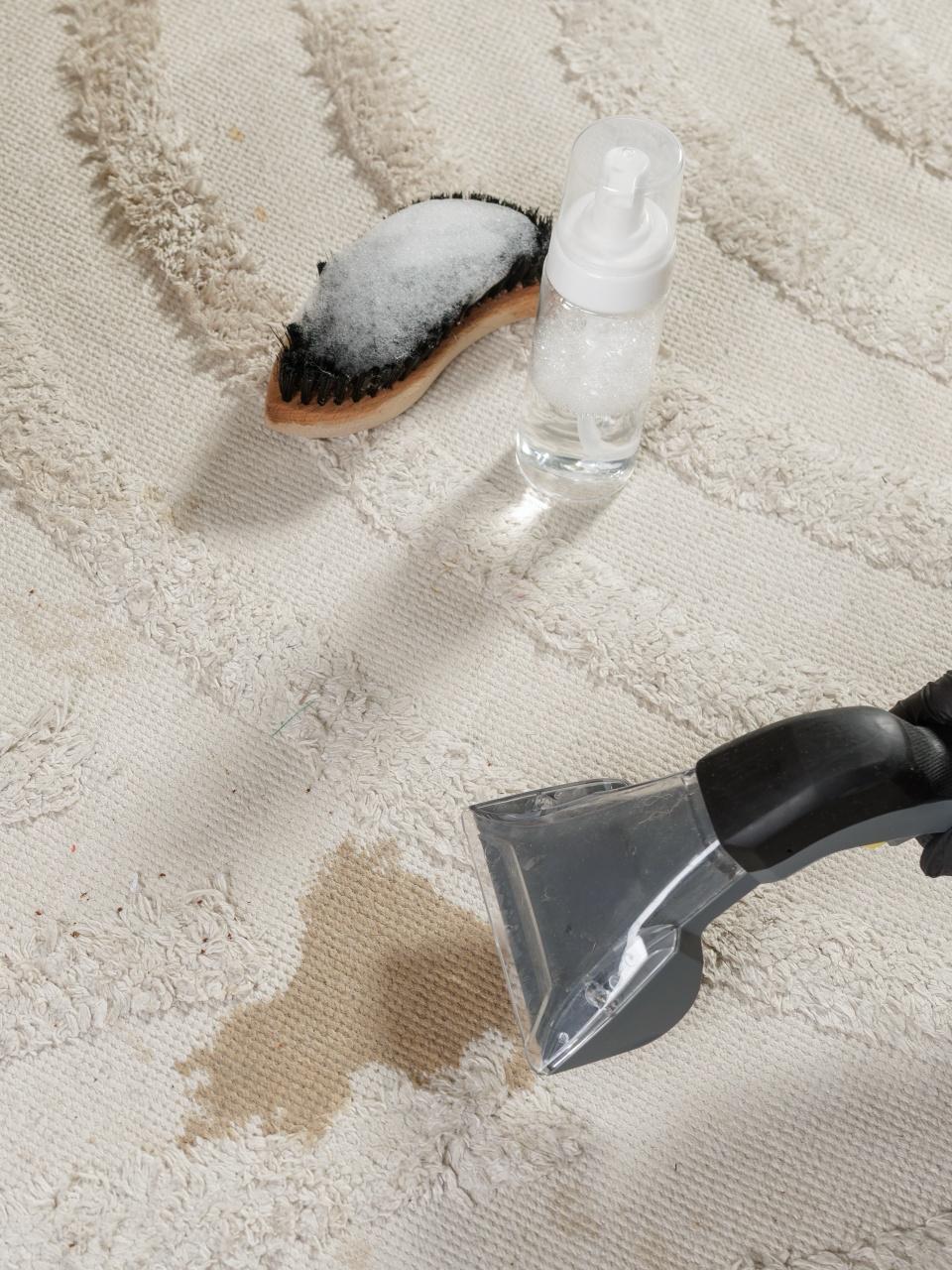
The best cleaning method depends on what surface your pet has toileted on within your house.
Blot then treat with your homemade cleaning liquid or enzymatic cleaner. After, sprinkle baking soda and then vacuum once completely dry. Over time, urine soaks through into the carpet pad or hard floor underneath, which is why carpet cleaners and surface cleaning and carpet alone keeps failing. Read our full guidehere.
Wipe immediately — wood is porous and urine reaches the finish and the boards fast. Vinegar can dull a finish, so keep contact time short. Peroxide can lighten wood — so spot-test in a hidden area before going all out. Have a look at our wood floor guidehere.
Harsh chemicals around your pets are a definite no no as small animals like cats and dogs are highly sensitive to the substances in their environment.
Veterinary poison control flags a number of essential oils as toxic, meaning they must be avoided. These include:
Wintergreen
Sweet birch
Citrus
Pine
Ylang ylang
Peppermint
Cinnamon
Pennyroyal
Clove
Eucalyptus
Tea tree.
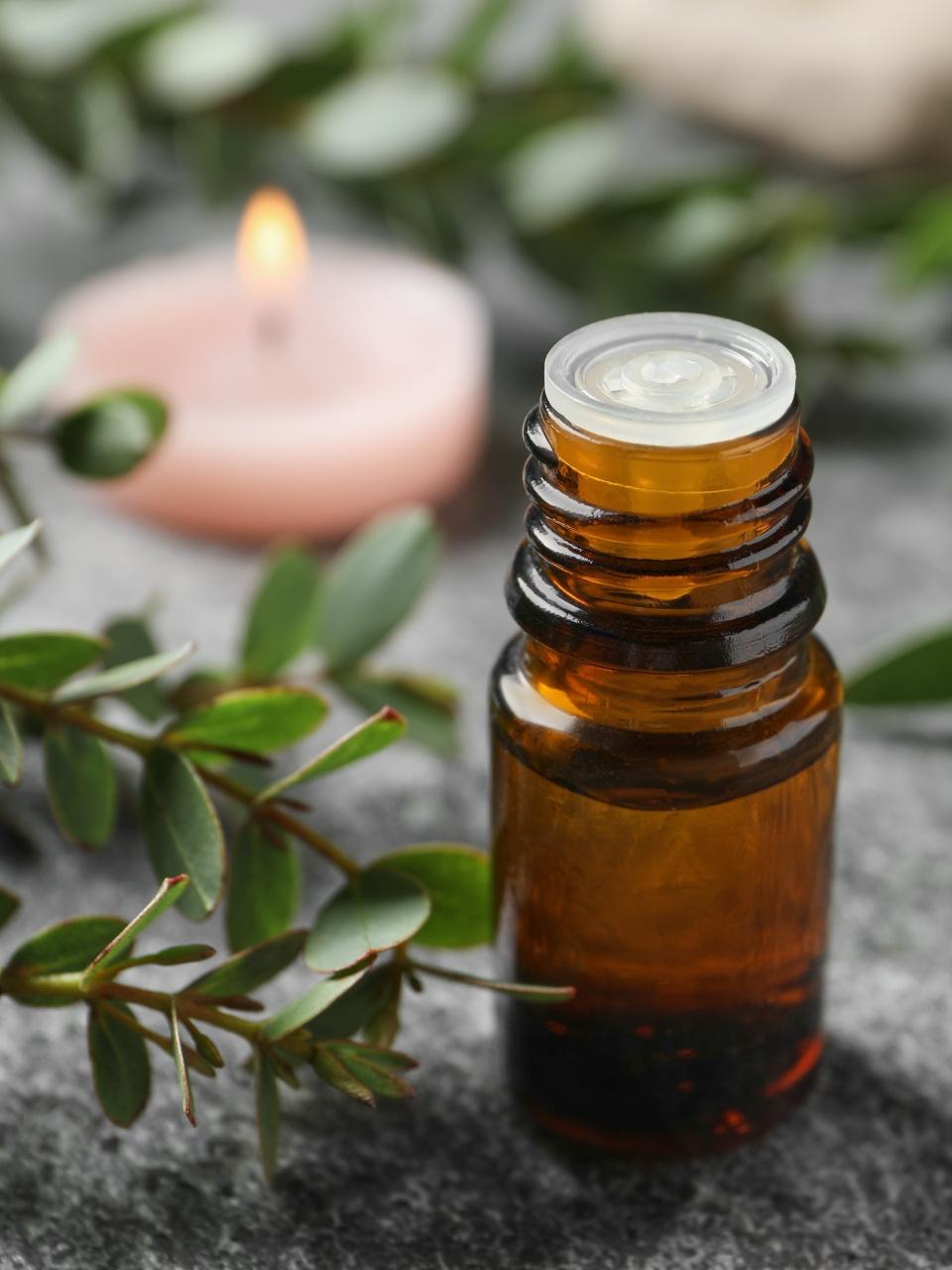
Cats are far more vulnerable than dogs because they lack the liver enzyme that processes phenols. As emphasised byVCA Animal Hospitals, cats are often at 'double' risk, due to their propensity to groom their fur and the potential for them to ingest even more of the oil .
While there is a place for vet-approved, pleasant-smelling essential oil blends on the market, leave essential oils out of homemade recipes as there is a real risk when raw essential oils are used in concentrated amounts.
For a more comprehensive list of dangerous essential oils, theASPCA is a great source.
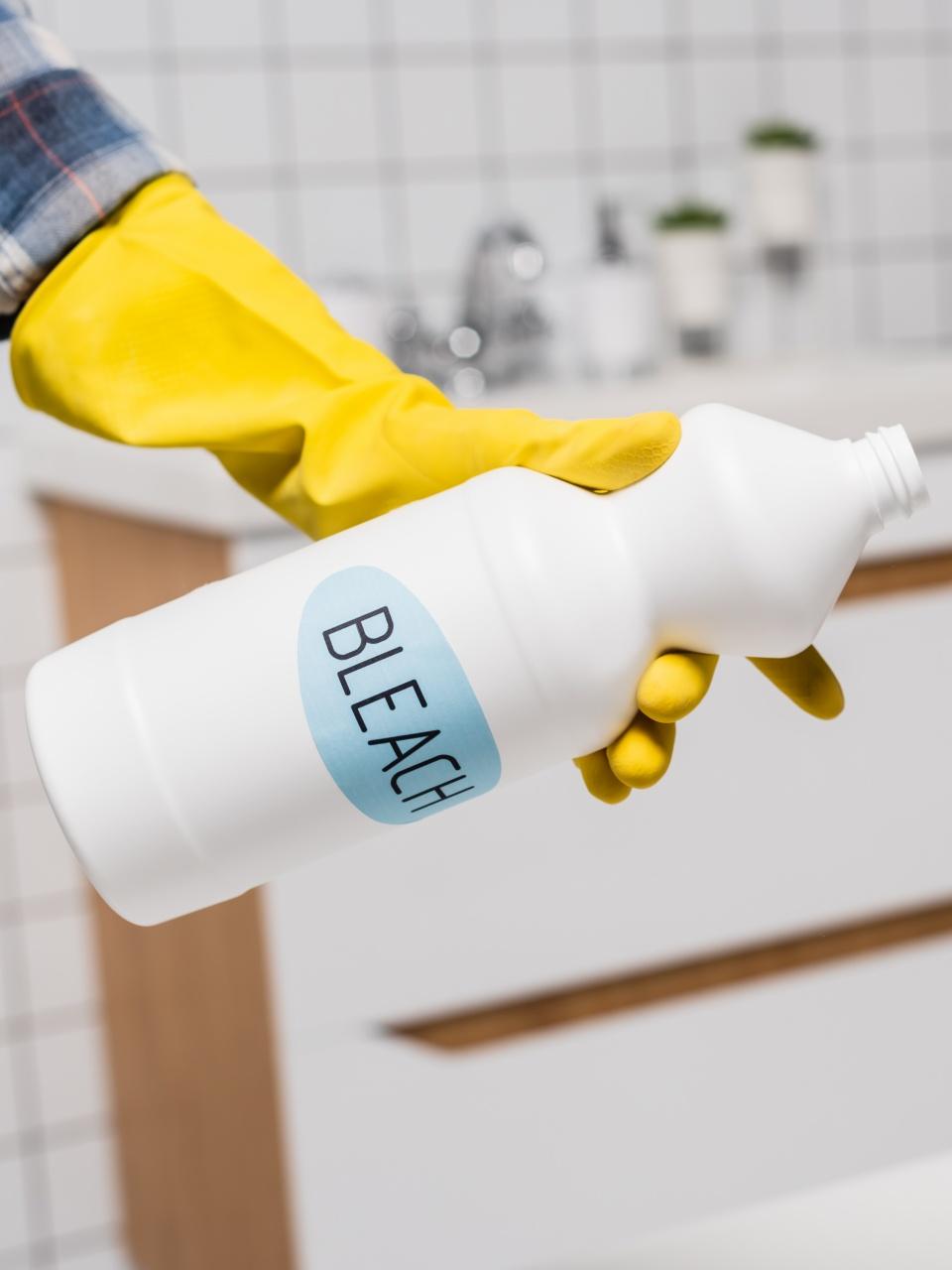
Never use an ammonia-based cleaner. Urine already contains ammonia, and to a dog that smell means you may as well hang up a sign saying "This is the toilet".
As well as this, do not use chlorine-based bleach on a spot that has had urine on it . Chlorine bleach plus ammonia produces toxic chloramine gas.For immediate animal poisoning support, contact the Pet Poison Helpline
According to theHumane Society, you should not steam-clean urine. While this may initially seem like a good idea, heat bonds urine protein into synthetic fibres and sets the stain and odor permanently. Use cold or room-temperature water throughout.
If you are having trouble with tricky stains or smells, do not despair. You may have to repeat the treatment several times. If you like, you can use a blacklight to find the spots that were missed.
Should the issue persist, you may have to accept that the odor could be in the carpet pad or the subfloor. Call a professional when the source is below the surface, as you may need some external help.
Ultimately, the goal is to prevent future accidents. Top priority will be a consistent potty-training routine. As well as this, if accidents are likely, usewashable pads to catch accidents before they ever reach the floor.
Repeat accidents are not always a training issue. For some dogs, the cause may be linked to stress or it could be medical. Find out how to deal with recurrent accidentshere.
As mentioned, frequent indoor accidents in a house-trained dog can signal a medical issue such as a chronic urinary tract infection, bladder stones, kidney disease, diabetes, or age-related incontinence.
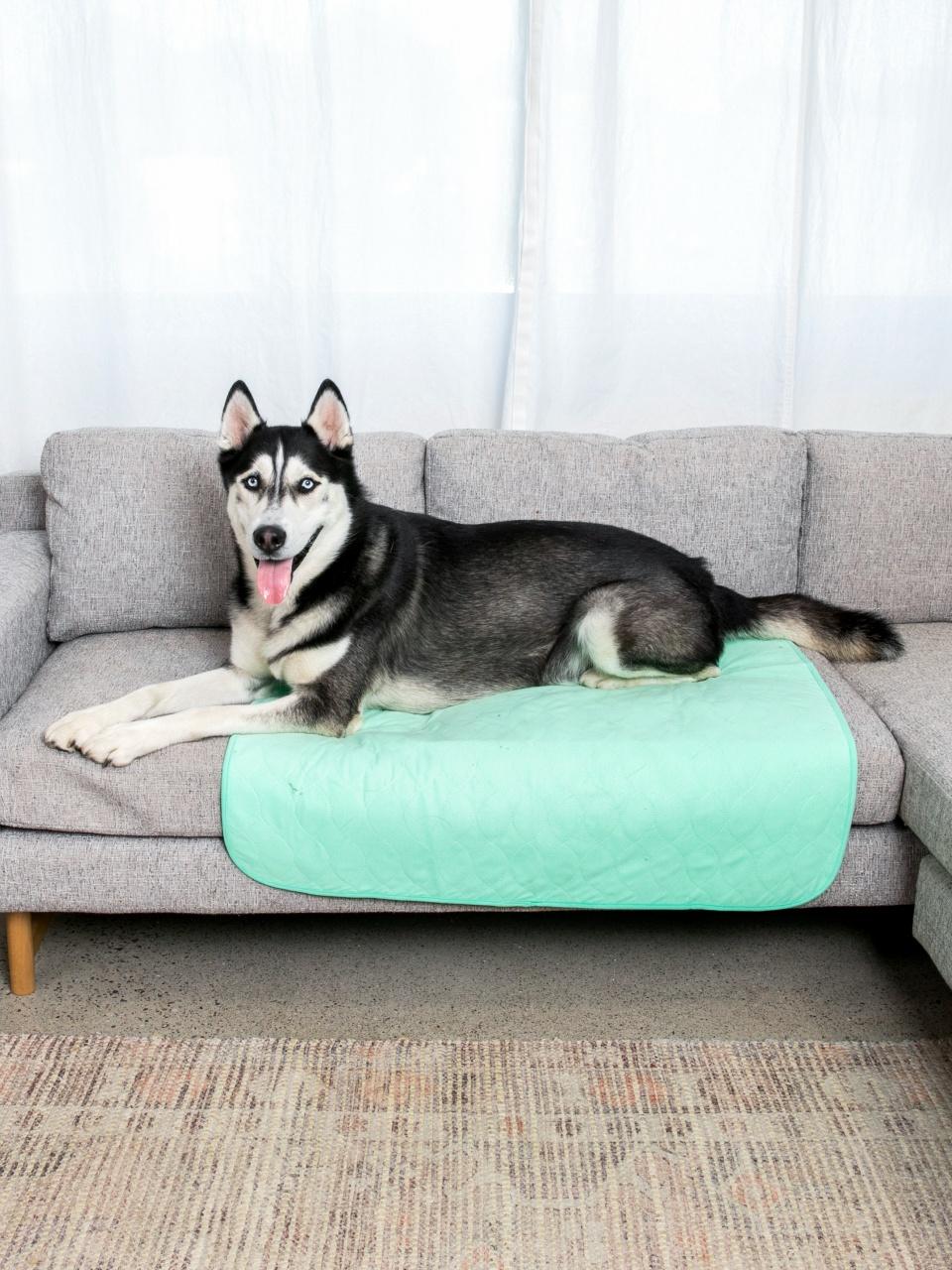
While medical problems can occur at any age, they are especially common in our belovedseniors.
Schedule a check with your veterinarian if you're unsure why your dog is suddenly having accidents.
Follow Us On
Check Out Our Most Popular Content