Your Cart is Empty



If you've ever been charmed by a snorting Pug or captivated by a French Bulldog's expressive face, you've encountered a brachycephalic dog. These flat-faced breeds have captured hearts worldwide with their distinctive appearance and affectionate personalities. But behind those adorable smushed faces lies a complex story of selective breeding and unique health considerations that every potential owner should understand.
This comprehensive guide will walk you through everything you need to know about brachycephalic dogs – from their defining characteristics to the special care they require. Whether you're considering adopting one of these breeds or already share your home with a flat-nosed companion, you'll gain valuable insights into keeping your dog healthy and happy.
Brachycephalic breeds require special attention to their health needs. The shortened skull structure that gives these dogs their characteristic appearance also creates anatomical challenges that affect their quality of life. Understanding these issues upfront helps you provide better care and make informed decisions about preventative measures.
Regular veterinary check-ups are essential for flat-faced dogs – ideally every six months rather than annually. These visits should include respiratory assessments, weight monitoring, and dental examinations. Early detection of problems can significantly improve outcomes and help your dog live a fuller, more comfortable life.
Temperature regulation poses a serious concern for these breeds. Their compromised airways make it difficult to cool themselves through panting, putting them at higher risk for heatstroke. Always provide shade, fresh water, and air-conditioned environments during warm weather. Limit exercise to cooler parts of the day and watch for signs of respiratory distress like excessive panting, bright red gums, or a glazed look.
Understanding the diversity within flat-faced breeds helps you make an informed choice about which dog might best suit your lifestyle. While all brachycephalic dogs share certain anatomical features, each breed brings its own personality, size, and specific health considerations. Let's explore the most popular flat-faced breeds and what makes each one unique.

French Bulldogs have become one of the most popular breeds globally, known for their bat-like ears and playful disposition. These compact dogs typically weigh 16-28 pounds and thrive on human companionship. However, they're prone to brachycephalic airway syndrome, spinal disorders, and skin fold infections. Their narrow hips (and the puppies’ large skulls) usually means that cesarean sections are required during breeding.
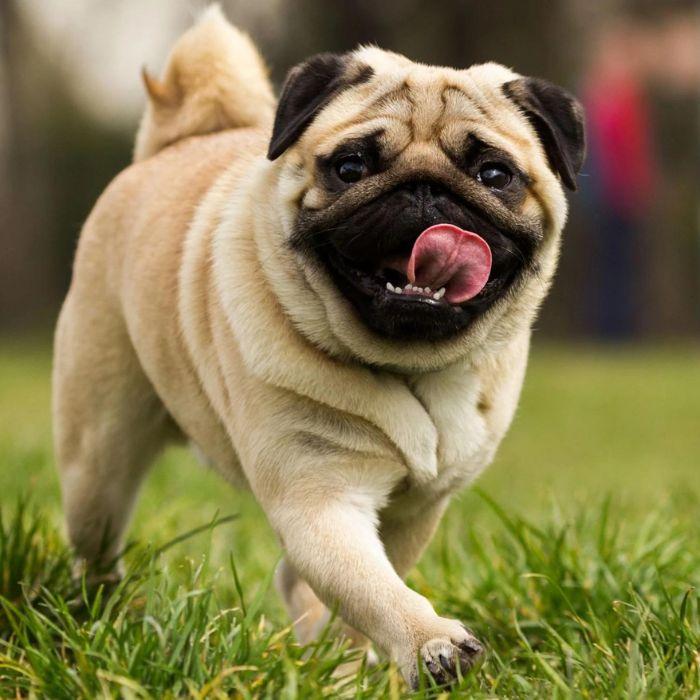
Pugs combine a charming personality with a distinctively wrinkled face. Weighing 14-18 pounds, these dogs are affectionate and adaptable to apartment living. Their prominent eyes are vulnerable to drying out, injury and ulceration, while their curled tail can indicate spinal issues. Pugs require careful weight management as obesity exacerbates breathing difficulties.


English Bulldogs embody gentle strength with their muscular build and calm demeanor. At 40-50 pounds, they're substantially larger than many flat-faced breeds. Nearly all English Bulldogs have some degree of brachycephalic airway syndrome, and many require surgical intervention to breathe comfortably. Hip dysplasia, interdigital cysts, and skin infections are common concerns.
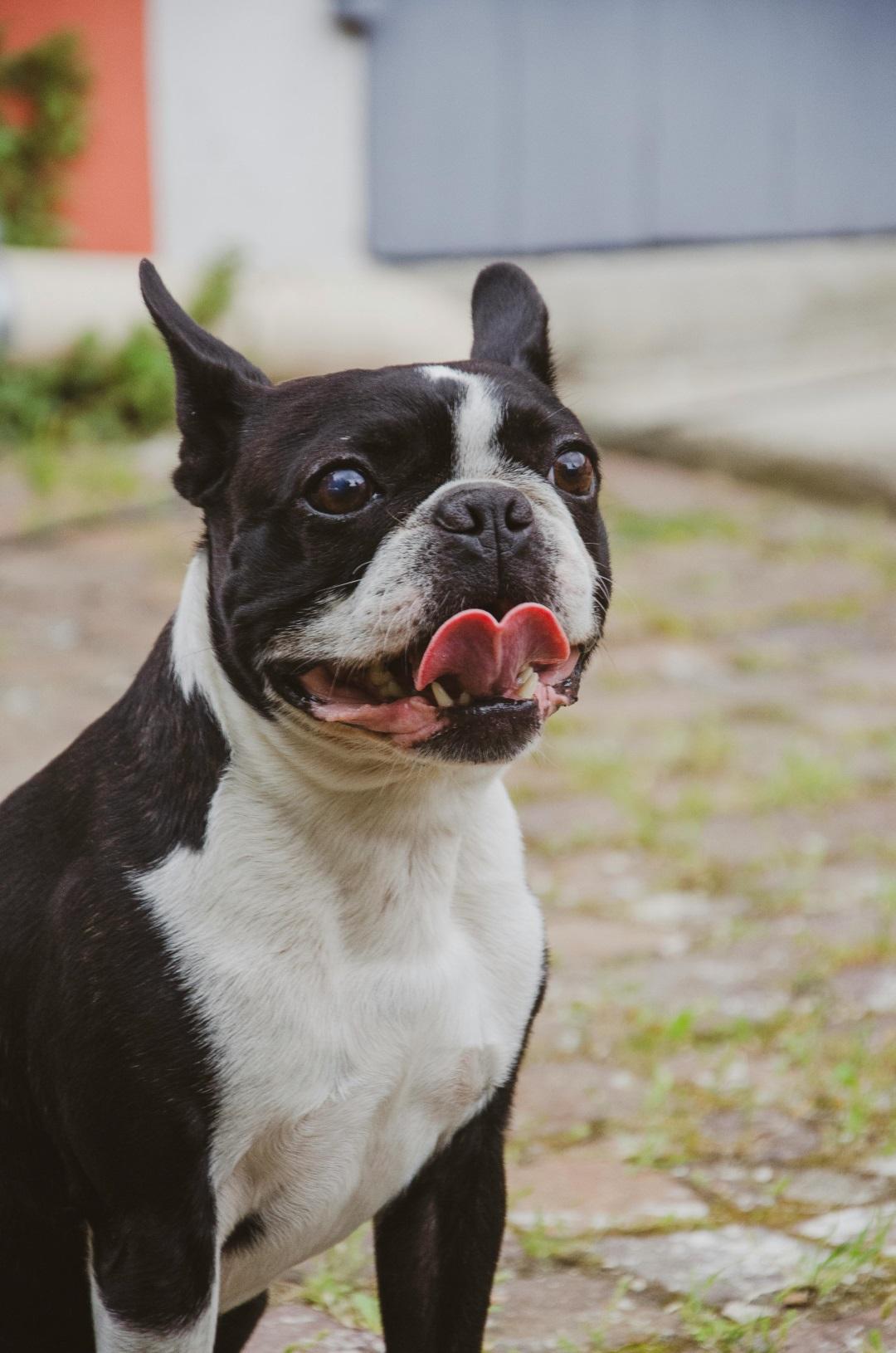
Boston Terriers are nicknamed "American Gentlemen" for their tuxedo-like markings and friendly nature. These 12-25 pound dogs are more athletic than many brachycephalic breeds but still face respiratory challenges. Their large, protruding eyes are susceptible to injury, and they're sensitive to extreme temperatures.
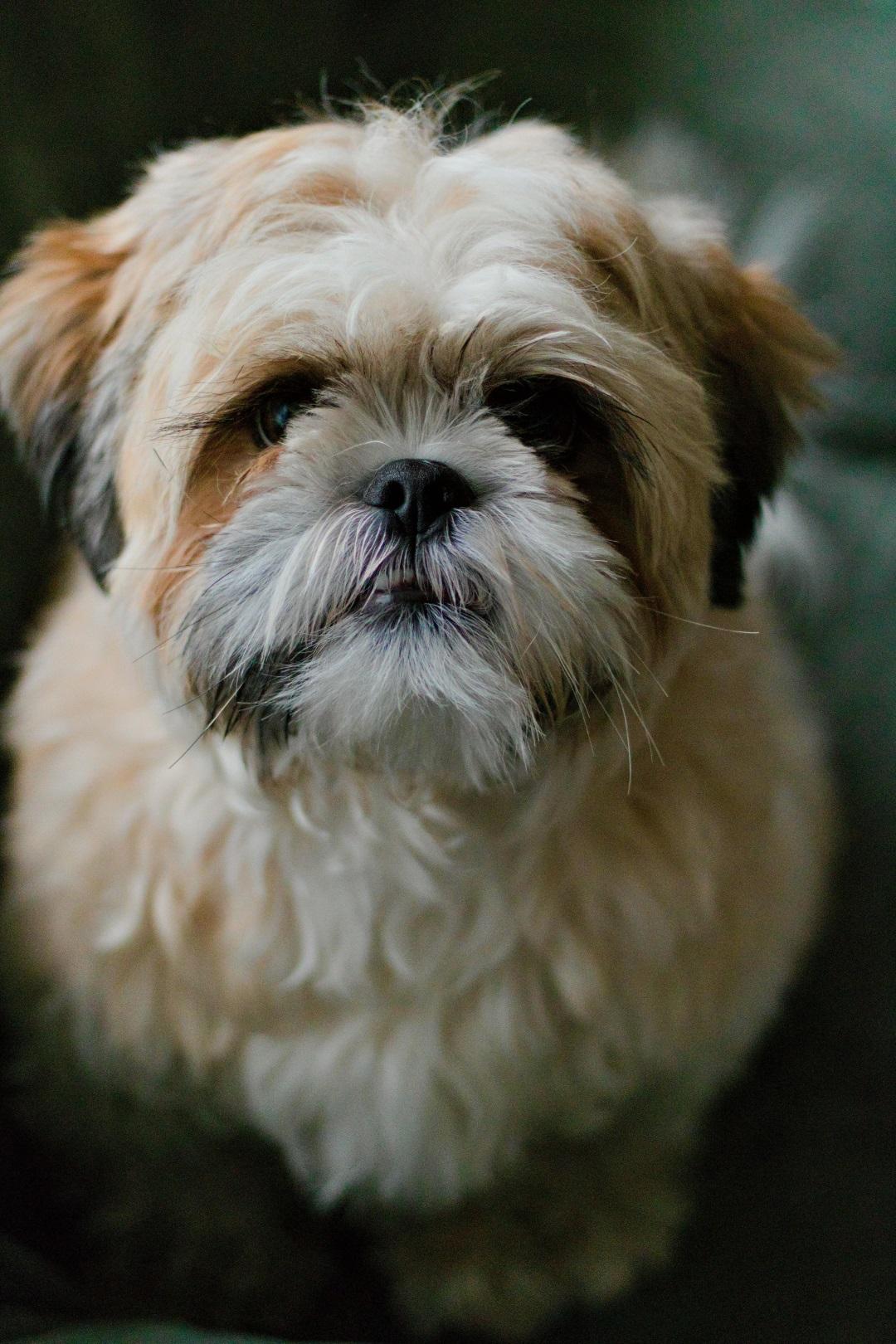
Shih Tzus were bred as companion dogs for Chinese royalty and retain their regal bearing today. These 9-16 pound dogs have longer snouts than some brachycephalic breeds, giving them slightly better breathing capacity. Regular grooming is essential to prevent eye irritation from their flowing coat, and dental care requires special attention.
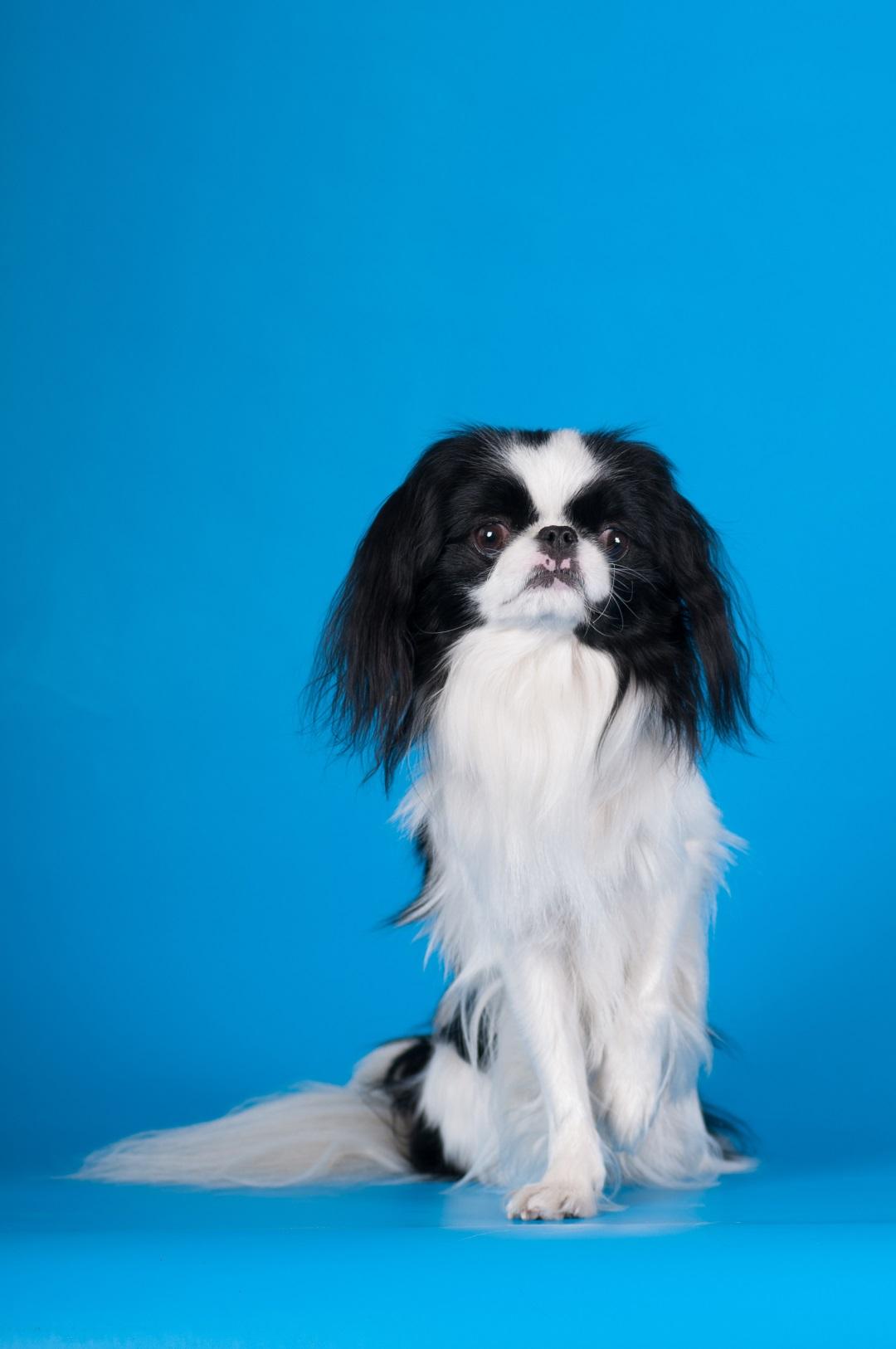
Japanese Chins are elegant toy dogs weighing 7-11 pounds with a distinctive "surprised" expression. Their large eyes and flat faces make them prone to eye injuries and respiratory issues. These dogs are quieter than many small breeds but need protection from temperature extremes.

Brussels Griffons come in smooth and rough-coated varieties, weighing 8-10 pounds. Their almost human-like facial expressions have made them popular in films. Despite their small size, they can develop significant breathing problems and require dental care due to crowded teeth.
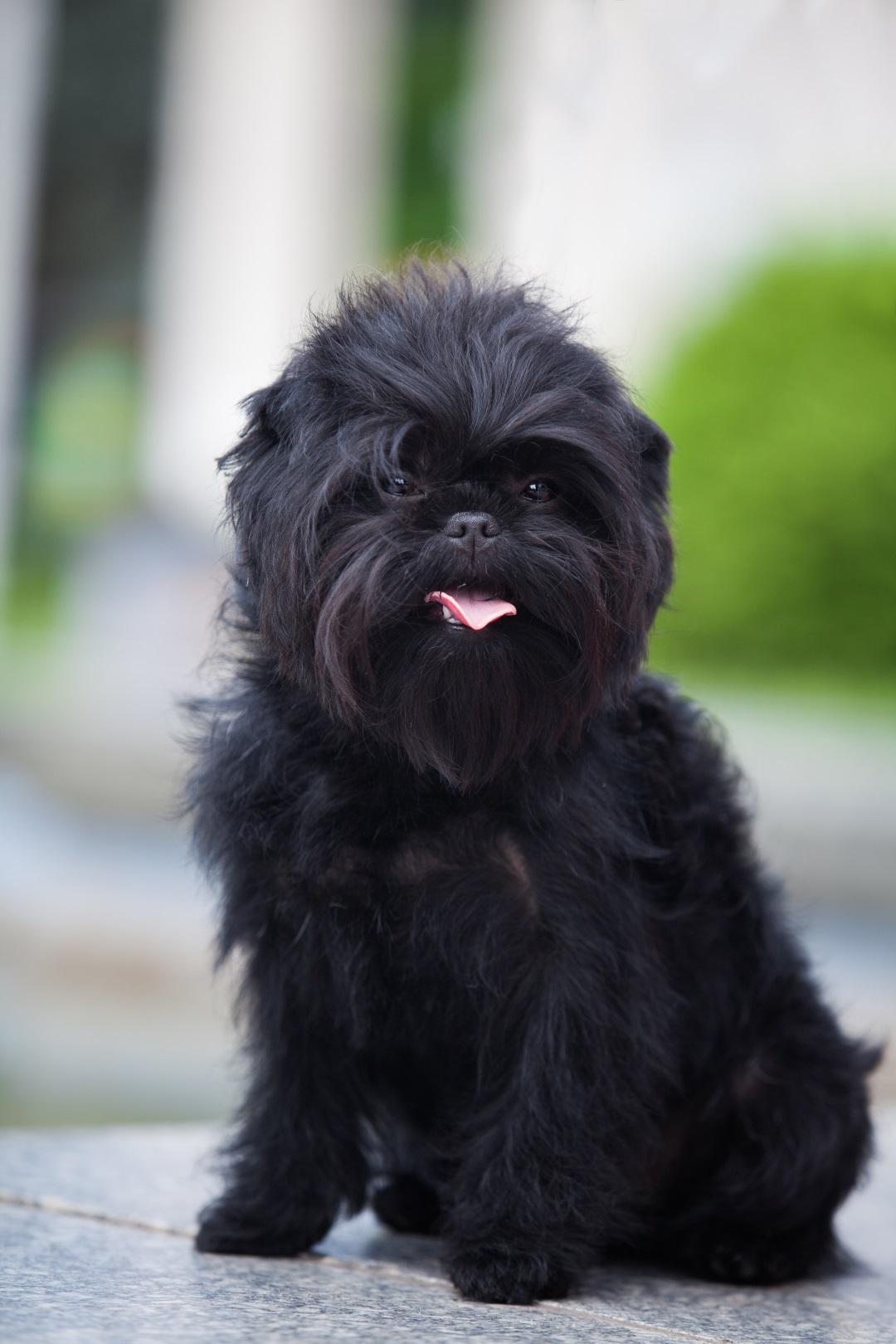
Affenpinschers are "monkey-faced" terriers with a bold personality in a 7-10 pound package. While somewhat less flat-faced than other brachycephalic breeds, they still experience dental crowding and can develop breathing difficulties. Their wiry coat requires regular grooming.

Boxers are athletic, medium-to-large dogs weighing 50-80 pounds with boundless energy. Their longer muzzles compared to other flat-faced breeds provide better airflow, though they still experience brachycephalic-related issues. Boxers are prone to certain cancers and heart conditions requiring monitoring.
Pekingese originated as lap dogs for Chinese emperors and maintain their independent spirit. Weighing 7-14 pounds, they have extremely flat faces and profuse coats requiring daily grooming. Their short legs and long backs make them susceptible to intervertebral disc disease.

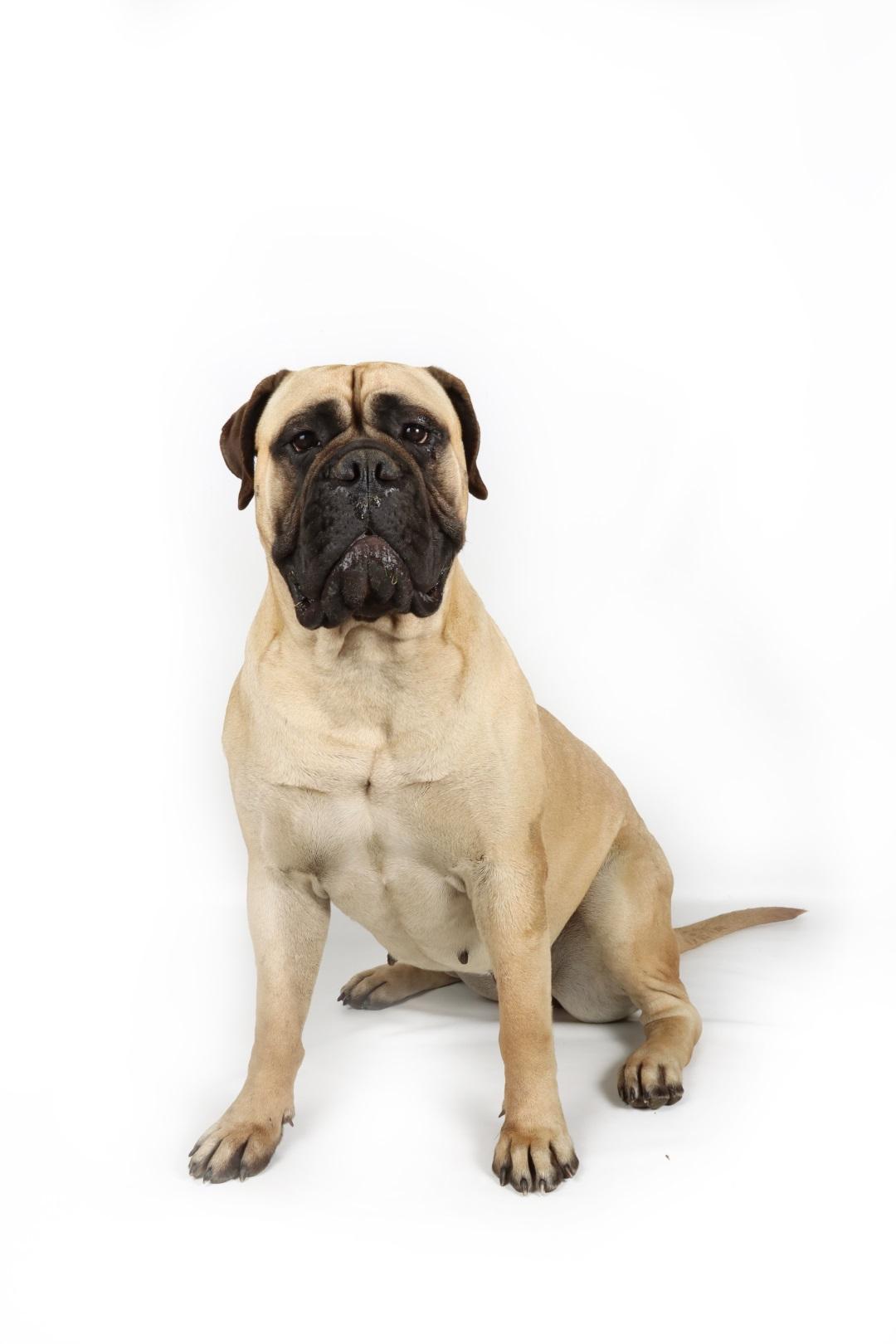
Bullmastiffs are powerful guardians weighing 100-130 pounds with a naturally protective instinct. Despite their size, they're gentle with family members. Their brachycephalic features cause breathing difficulties, particularly during exercise, and they're prone to bloat and hip dysplasia.
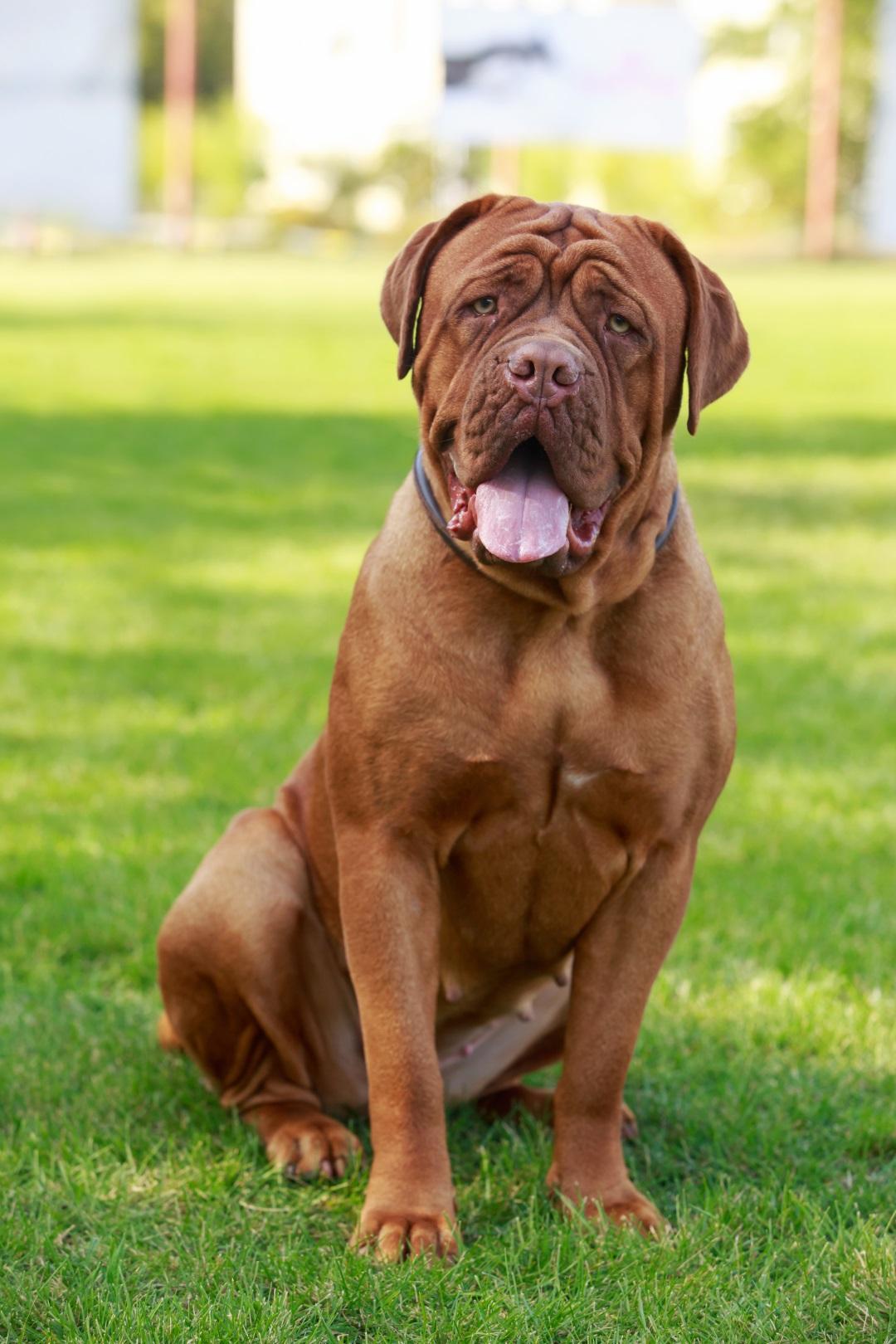
The Dogue de Bordeaux is a massive French breed weighing 99-110 pounds with a distinctive wrinkled face. These dogs require experienced owners who can manage their size and strength. Beyond respiratory issues, they face cardiac problems and have a shorter average lifespan than many breeds.
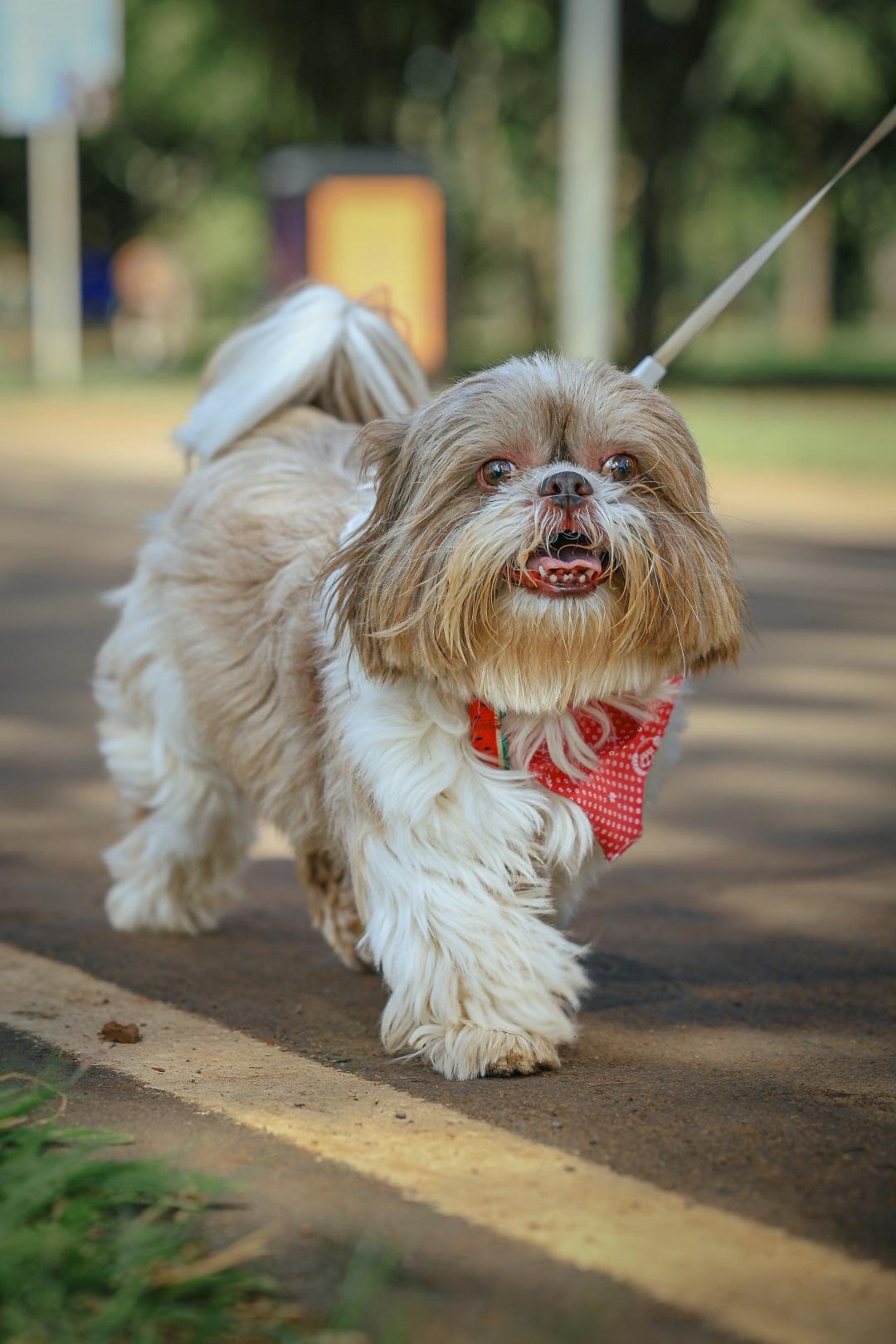
Lhasa Apsos served as sentinel dogs in Tibetan monasteries for centuries. These 12-18 pound dogs have slightly longer muzzles than extreme brachycephalic breeds but still require careful monitoring. Their long, flowing coats need daily maintenance to prevent matting and their small jaw means dental disease and tooth overcrowding is common.
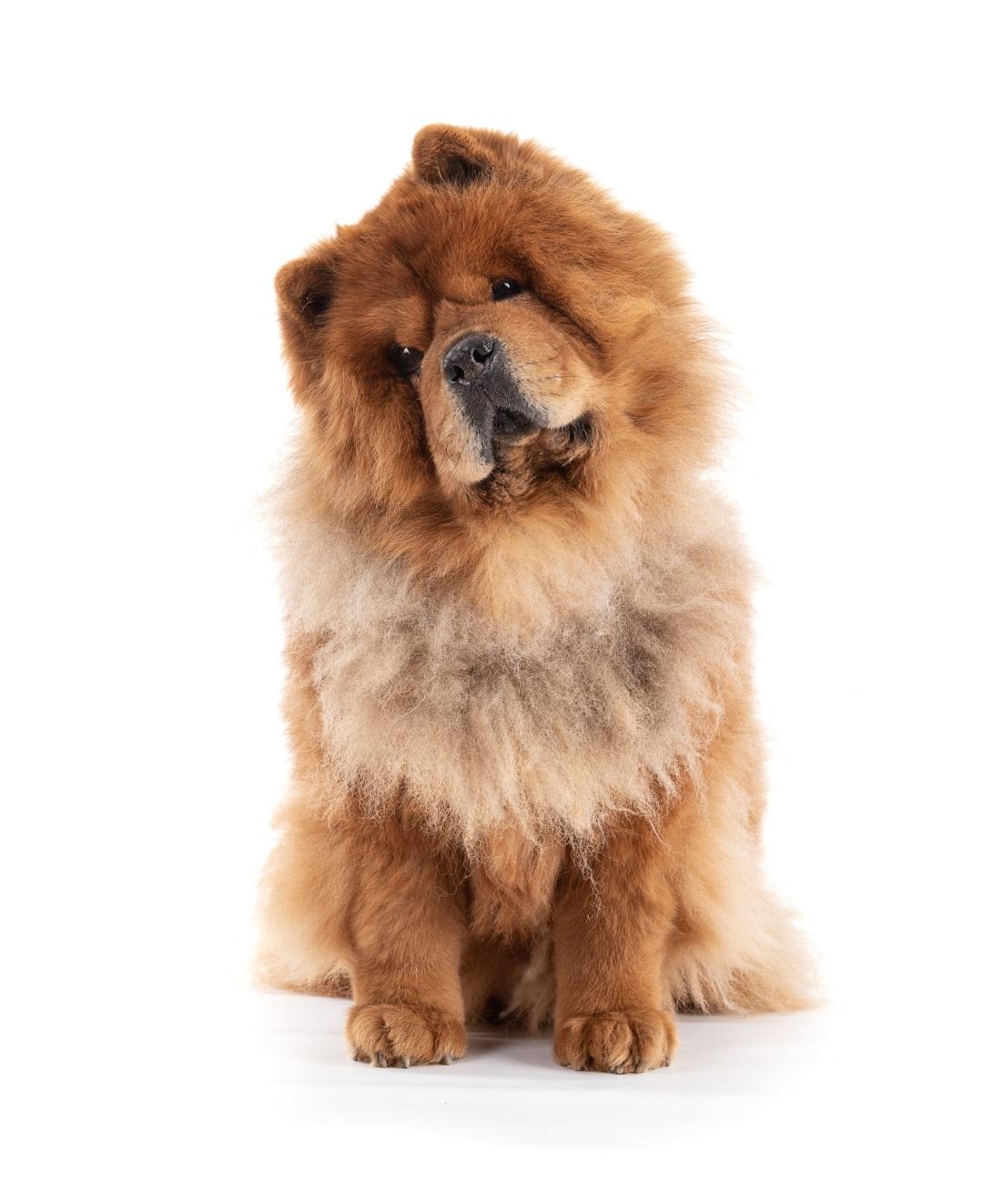
Chow Chows are distinctive for their lion-like mane and blue-black tongue. Weighing 45-70 pounds, they're aloof with strangers but loyal to family. Their thick coat increases heat sensitivity, compounding respiratory challenges. Hip dysplasia and eyelid abnormalities are common health concerns.
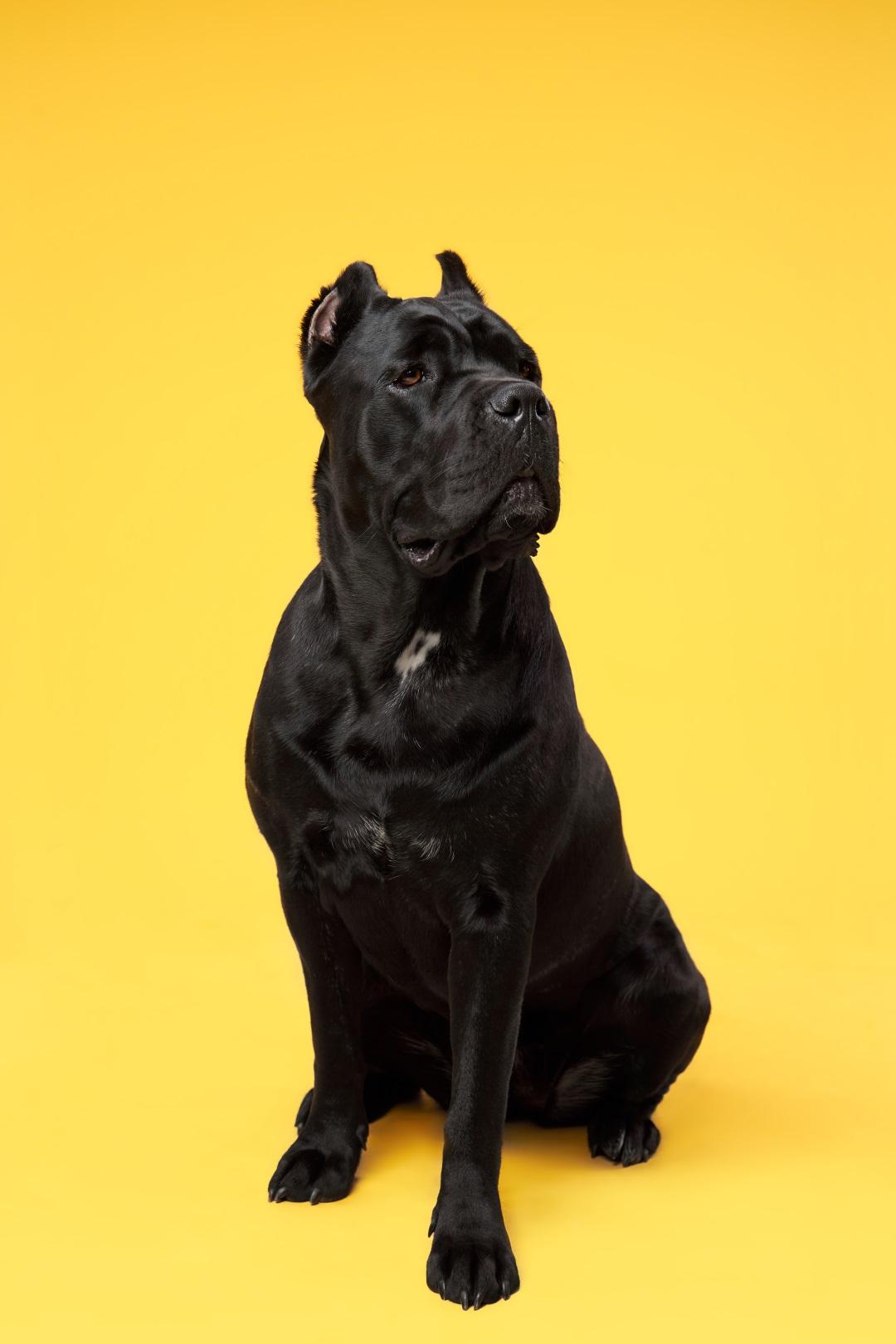
Cane Corsos are Italian mastiffs weighing 90-120 pounds, bred for guarding and hunting. While less extremely brachycephalic than some breeds, they still experience breathing difficulties and are prone to hip dysplasia. These powerful dogs require consistent training and socialization.
The shortened skull structure that defines brachycephalic breeds creates a cascade of health challenges that extend far beyond breathing difficulties. Understanding these risks allows you to recognize warning signs early and work with your veterinarian to prevent or manage complications. Here are the most significant health concerns affecting flat-faced dogs.
Brachycephalic airway syndrome encompasses several anatomical abnormalities that restrict airflow. These include stenotic nares (narrowed nostrils), elongated soft palate, collapsed trachea, and everted laryngeal saccules. Dogs may exhibit noisy breathing, exercise intolerance, and gagging. Surgical correction can significantly improve quality of life in moderate to severe cases.
Chronic oxygen deprivation from compromised airways places extra strain on the cardiovascular system. Over time, this can lead to pulmonary hypertension and right-sided heart failure. Regular cardiac evaluations help detect problems early. Maintaining a healthy weight and moderate exercise routine supports heart health.
Shallow eye sockets cause many flat-faced breeds to have protruding eyes vulnerable to trauma, ulceration, and prolapse. Corneal ulcers are particularly common and require immediate veterinary attention. Some breeds are prone to dry eye, entropion (inward-rolling eyelids), and cherry eye. Daily eye cleaning and prompt treatment of infections prevent complications.
Shortened jaws don't provide adequate space for a full set of teeth, resulting in crowding, misalignment, and increased tartar buildup. Many brachycephalic dogs develop periodontal disease by age three without proper dental care. Daily tooth brushing, dental chews, and professional cleanings maintain oral health and prevent systemic infections.
Deep facial folds trap moisture, creating ideal conditions for bacterial and yeast infections. Daily cleaning and drying of skin folds prevents dermatitis. Many flat-faced breeds also have narrow ear canals that predispose them to chronic ear infections requiring regular cleaning and monitoring.
Some brachycephalic breeds are prone to syringomyelia, a painful condition where fluid-filled cavities form in the spinal cord. Additionally, the large heads and narrow pelvises of many breeds make natural birth difficult or impossible. Most French Bulldogs and English Bulldogs are delivered via cesarean section to ensure the safety of mother and puppies.


Caring for a brachycephalic dog requires a thoughtful approach that addresses their unique vulnerabilities while allowing them to enjoy a fulfilling life. With the right knowledge and daily practices, you can minimize health risks and maximize your dog's comfort and happiness. These essential care strategies will help you provide the best possible life for your flat-faced companion.
Weight management is critical for brachycephalic dogs as excess pounds worsen breathing difficulties. Feed measured portions of high-quality dog food and avoid free-feeding. It is best to use kitchen scales to measure portions. Choose foods appropriate for your dog's age, size, and activity level.
Exercise should be consistent and carefully monitored. Short walks during cooler hours are preferable to extended play sessions. Watch for signs of overheating or respiratory distress and allow frequent rest breaks. Swimming can provide low-impact exercise but requires close supervision. Some of the smaller breeds may require life vests.
Establish a daily routine for cleaning facial folds with a damp cloth followed by thorough drying. Use veterinary-approved wipes for sensitive skin if needed. Brush teeth daily using dog-specific toothpaste to prevent dental disease.
Nail trimming, ear cleaning, and coat maintenance vary by breed but remain essential. Regular grooming sessions allow you to check for skin problems, lumps, or other abnormalities requiring veterinary attention.
Beyond routine vaccinations and wellness exams, brachycephalic dogs benefit from specialist consultations. A veterinary ophthalmologist can assess eye health, while a cardiologist can evaluate heart function. Discuss with your vet whether your dog would benefit from airway surgery to improve breathing.
Veterinarians and anesthesiologists will be very aware of your dog's brachycephalic status before any procedure and should tailor their protocol towards this. This can mean making changes, such as providing oxygen before the anaesthetic, to increase blood oxygen levels. These breeds have higher anesthetic risks requiring specialized protocols and monitoring.

The initial appeal of these endearing breeds must be balanced against the reality of their care requirements and potential health costs. Veterinary expenses for brachycephalic dogs often exceed those of other breeds due to their predisposition to multiple health issues. Airway surgery alone can cost thousands of dollars, while managing chronic conditions requires ongoing investment.
Time commitment extends beyond basic pet care. Daily cleaning routines, careful exercise monitoring, and frequent veterinary visits demand dedication. These dogs cannot be left outdoors in warm weather or exercised without supervision.
Consider your lifestyle and climate. Hot, humid environments pose serious risks for flat-faced dogs. If you live in a warm climate, be prepared to provide constant air conditioning and limit outdoor time significantly. Similarly, cold weather requires protection as these breeds struggle with temperature regulation in both directions.
Travel presents challenges as airlines restrict brachycephalic breeds due to their increased risk of respiratory distress during flights. Ground transportation may be necessary for long distances, requiring careful planning and climate control.
Despite their health challenges, flat-faced dogs consistently rank among the most popular breeds worldwide. Their appeal stems from several factors that resonate deeply with modern pet owners.
The "baby schema" effect plays a significant role – large eyes, flat faces, and rounded heads trigger nurturing instincts in humans. These features make brachycephalic dogs appear perpetually youthful and vulnerable, creating strong emotional bonds.
Personality traits also contribute to their popularity. Many flat-faced breeds are exceptionally affectionate, adaptable to apartment living, and less demanding of intense exercise than working breeds. Their companionable nature suits people seeking devoted lap dogs and constant companions.
Social media has amplified the appeal of these breeds. Their photogenic faces and amusing snorting sounds create viral content, normalizing their appearance and health issues in ways that may obscure the medical realities.
Flat-faced dogs offer immense joy and companionship to millions of owners worldwide. Their unique personalities and endearing features create deep bonds that transcend the challenges of their care. However, responsible ownership requires acknowledging and preparing for the health issues these breeds face.
If you're considering adopting a brachycephalic dog, research breeders carefully. Seek those who prioritize health testing, moderate breed characteristics, and temperament over extreme physical features. Consider adopting from breed-specific rescues where dogs may already have established health histories.
For current owners, stay vigilant about your dog's health and quality of life. Work closely with your veterinarian to address issues proactively rather than reactively. Your commitment to proper care can help your flat-faced companion live their fullest, most comfortable life possible.
Understanding the unique needs of brachycephalic breeds transforms ownership from a casual decision into an informed commitment. These dogs deserve owners who appreciate both their endearing qualities and their vulnerability, ensuring they receive the specialized care their anatomy demands.
Follow Us On
Check Out Our Most Popular Content