Your Cart is Empty


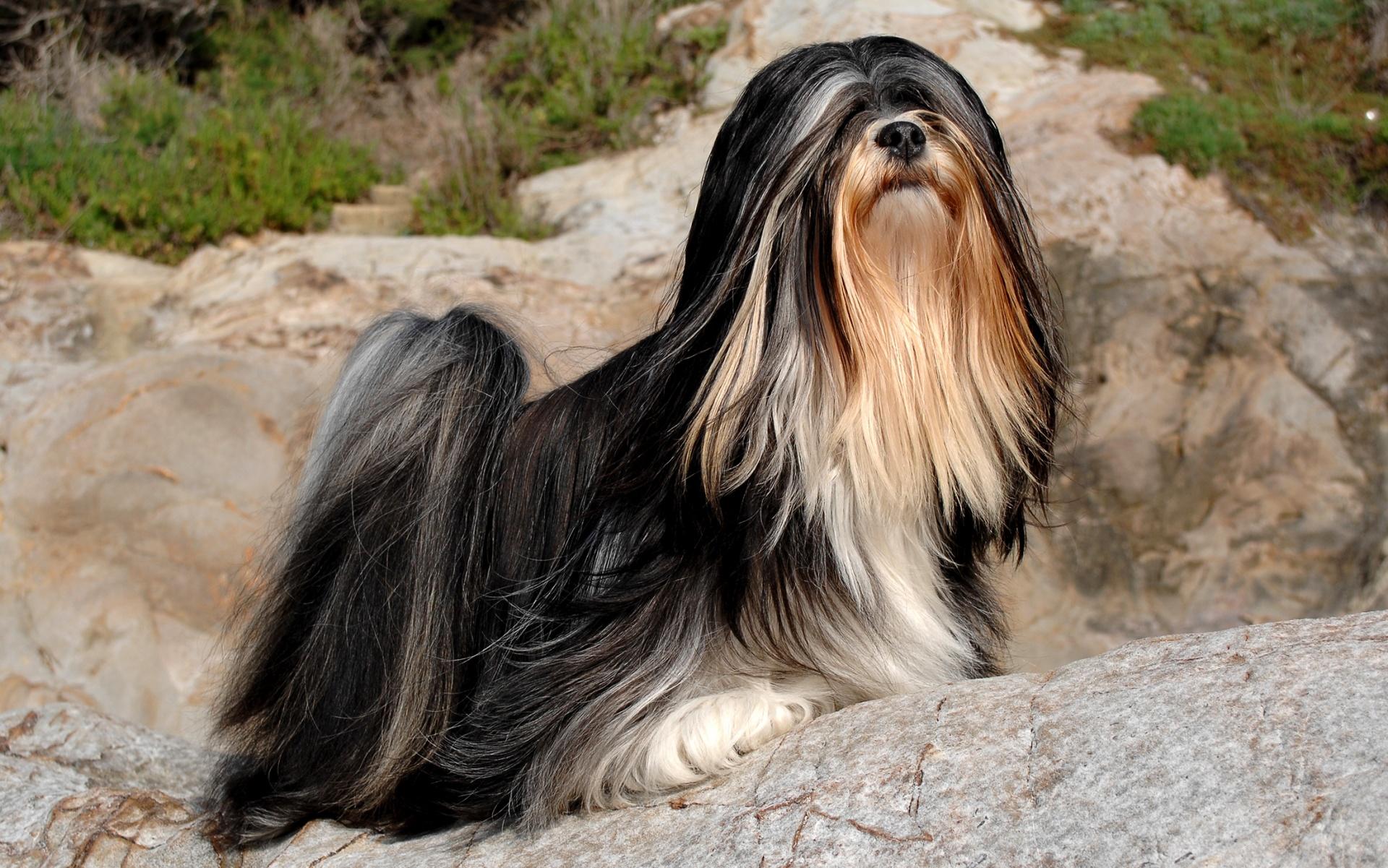
The Lhasa Apso is a small but noble breed that has got a solid fan base around the world. They are much loved for their calm demeanor, loyal nature, soulful eyes, and long flowing fur.
This article delves deep into their history, physical traits, temperament, training, nutrition and much more. Perhaps you are considering welcoming a Lhasa Apso into your family, or you are already a longtime enthusiast. If you are looking for the holy bible on the Lhasa Apso- you have come to the right place.

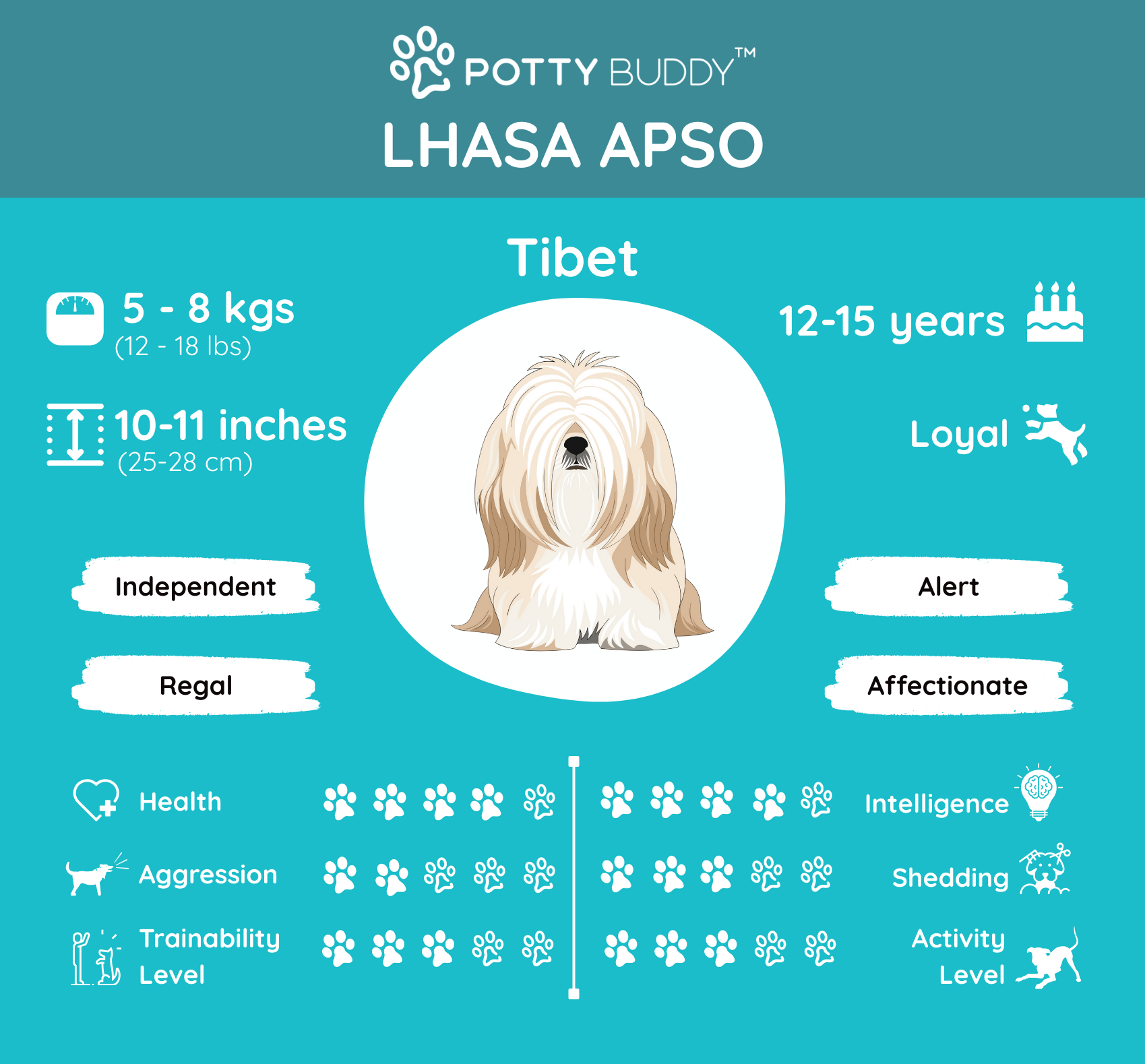
Lifespan
12 - 15 years

Size
Small breed

Weight
Typically 12 - 18 lbs (5 - 8 kgs)

Height
10-11 inches (25-28 cm)

Colors
Gold, cream, honey, white, black, brown, gray, parti

Size of home
Apartment-friendly; small homes are fine

Exercise
Low–moderate; daily short walks and play

Grooming
High; daily brushing, regular baths, frequent trims




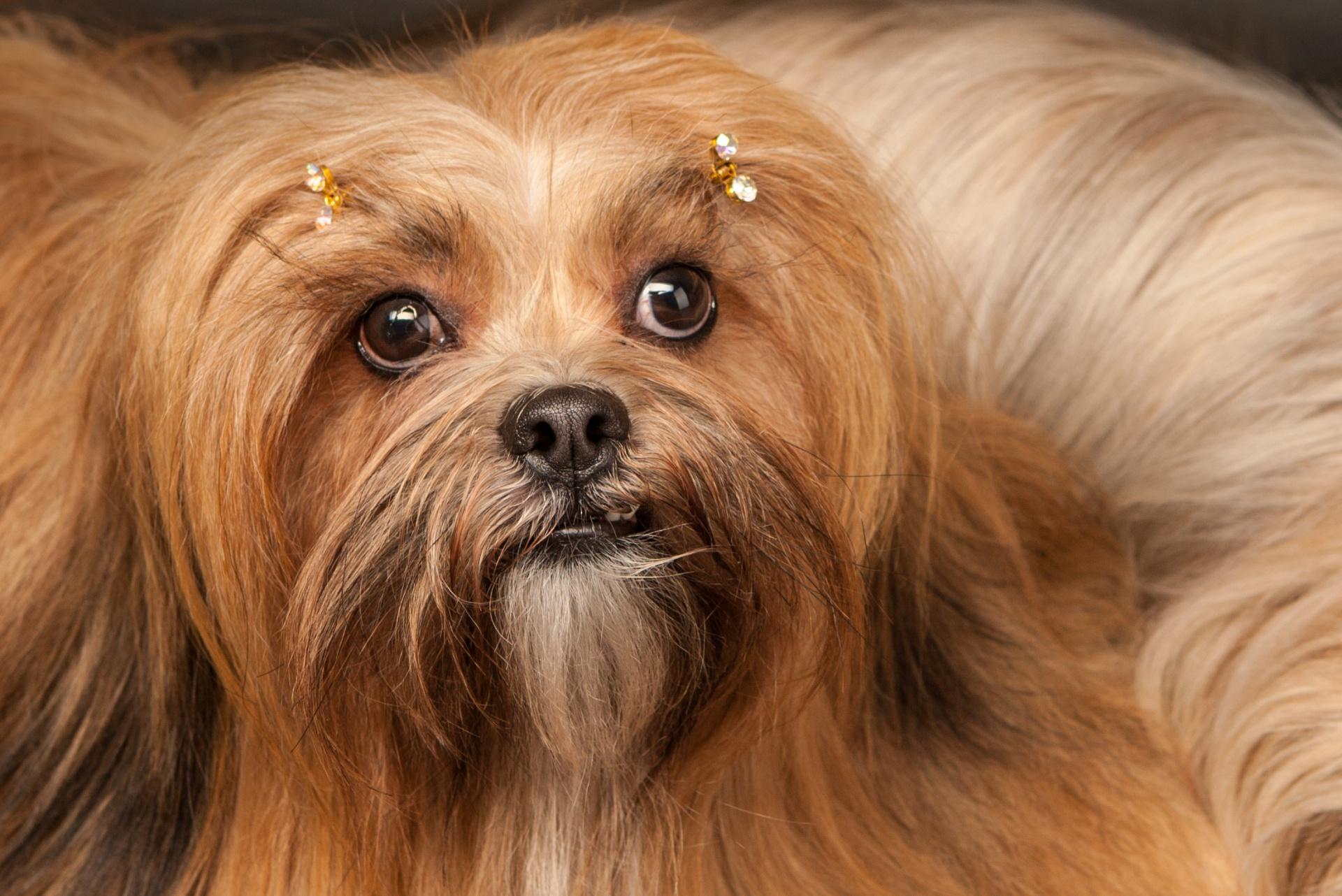


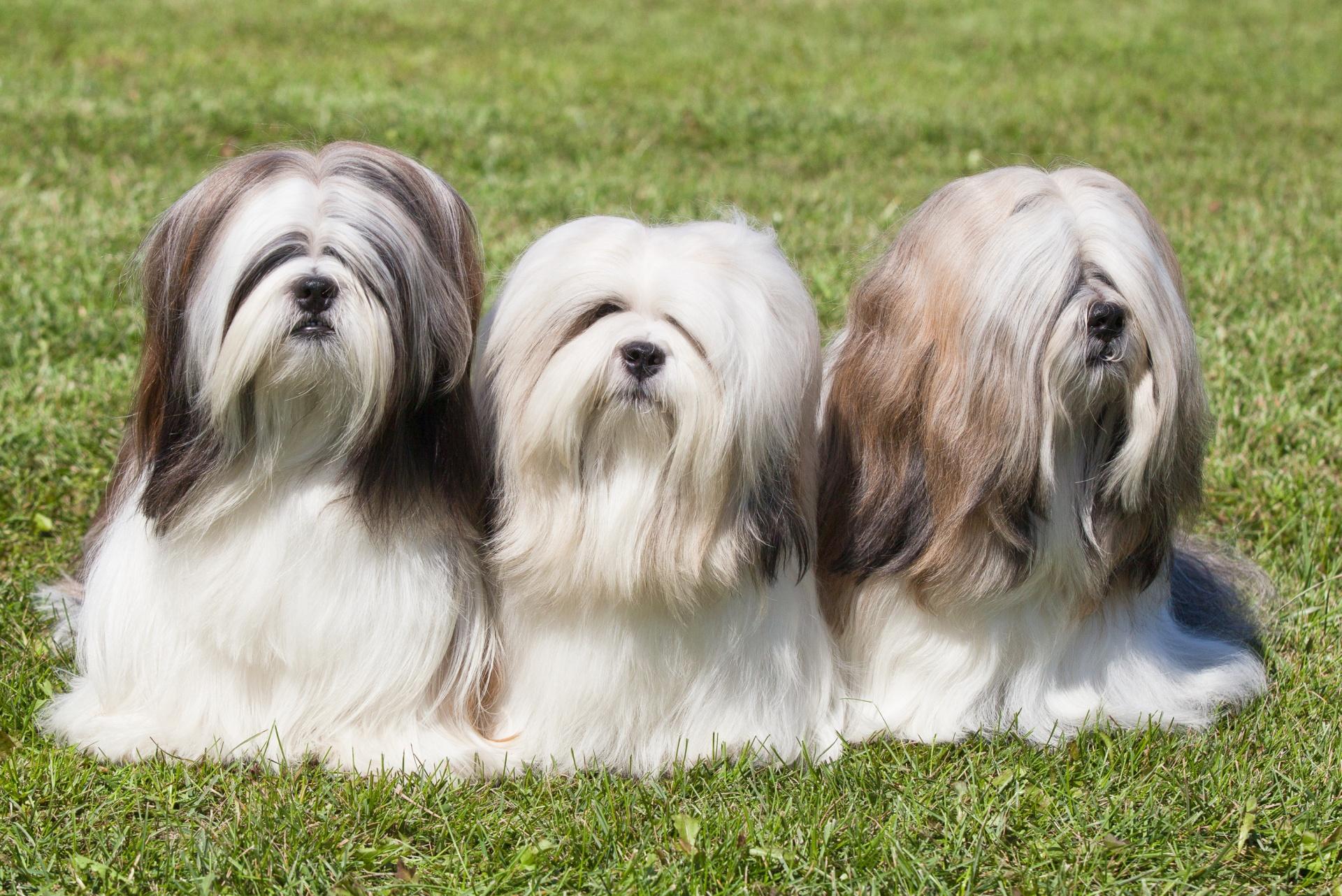


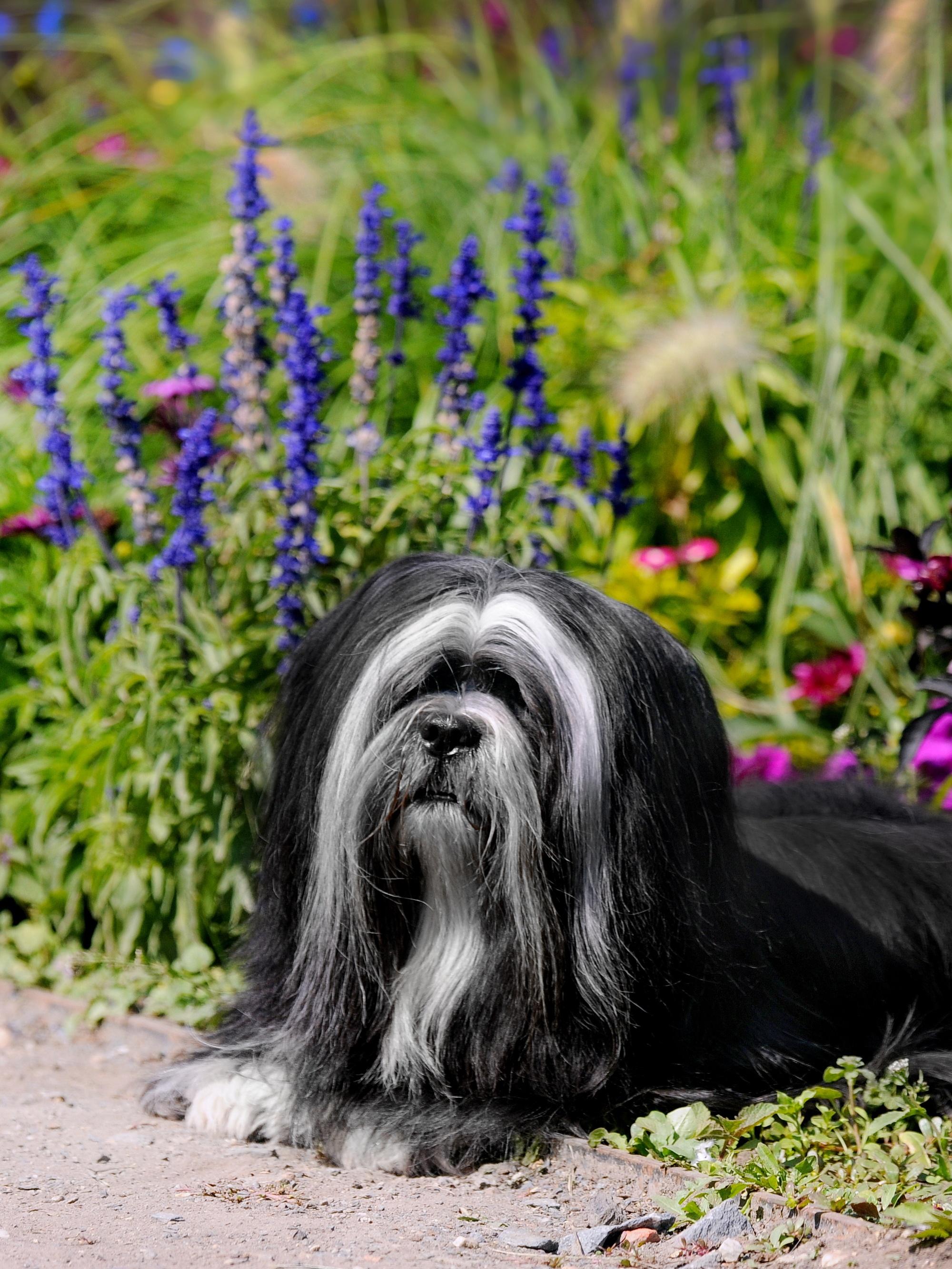
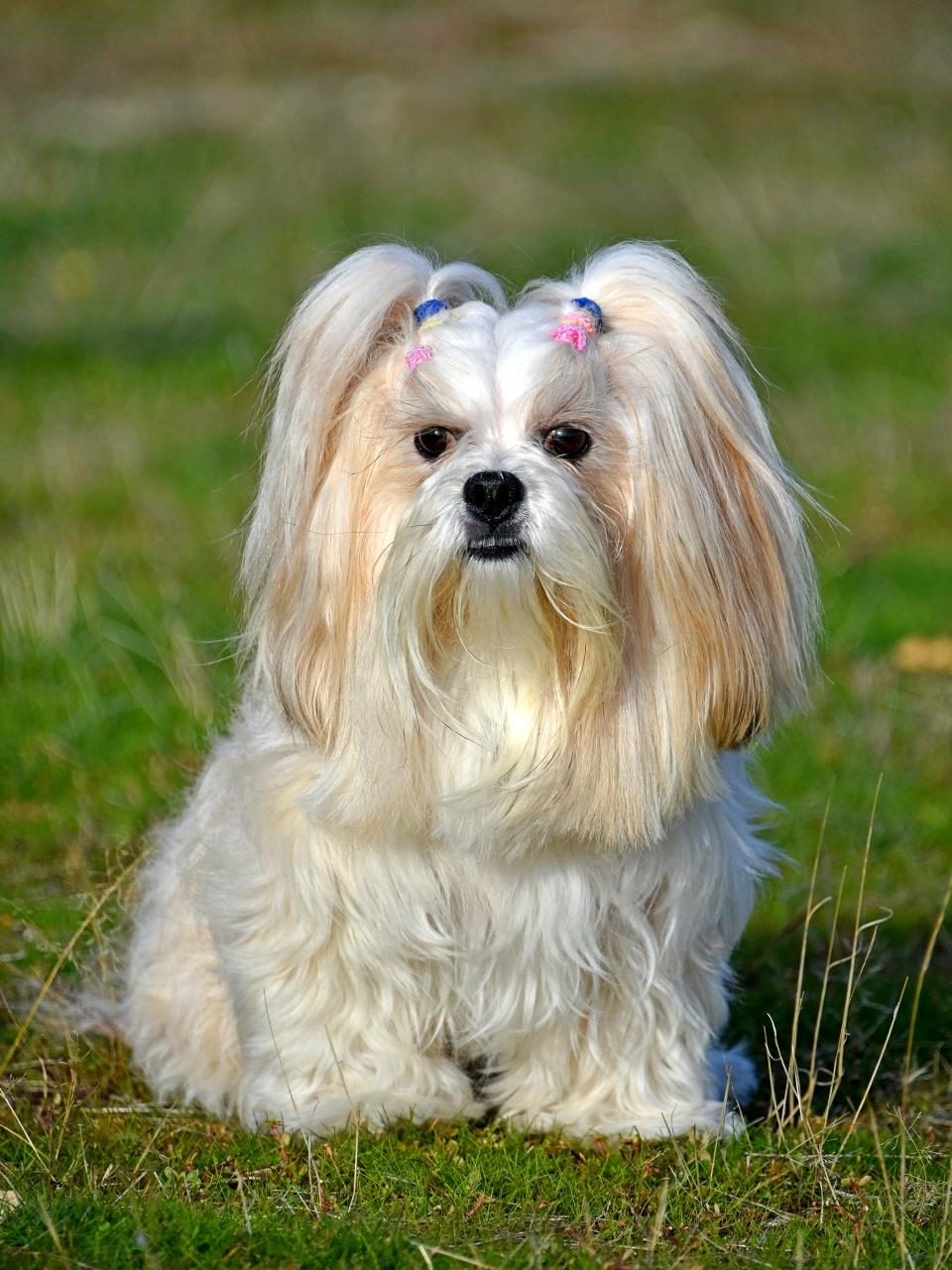
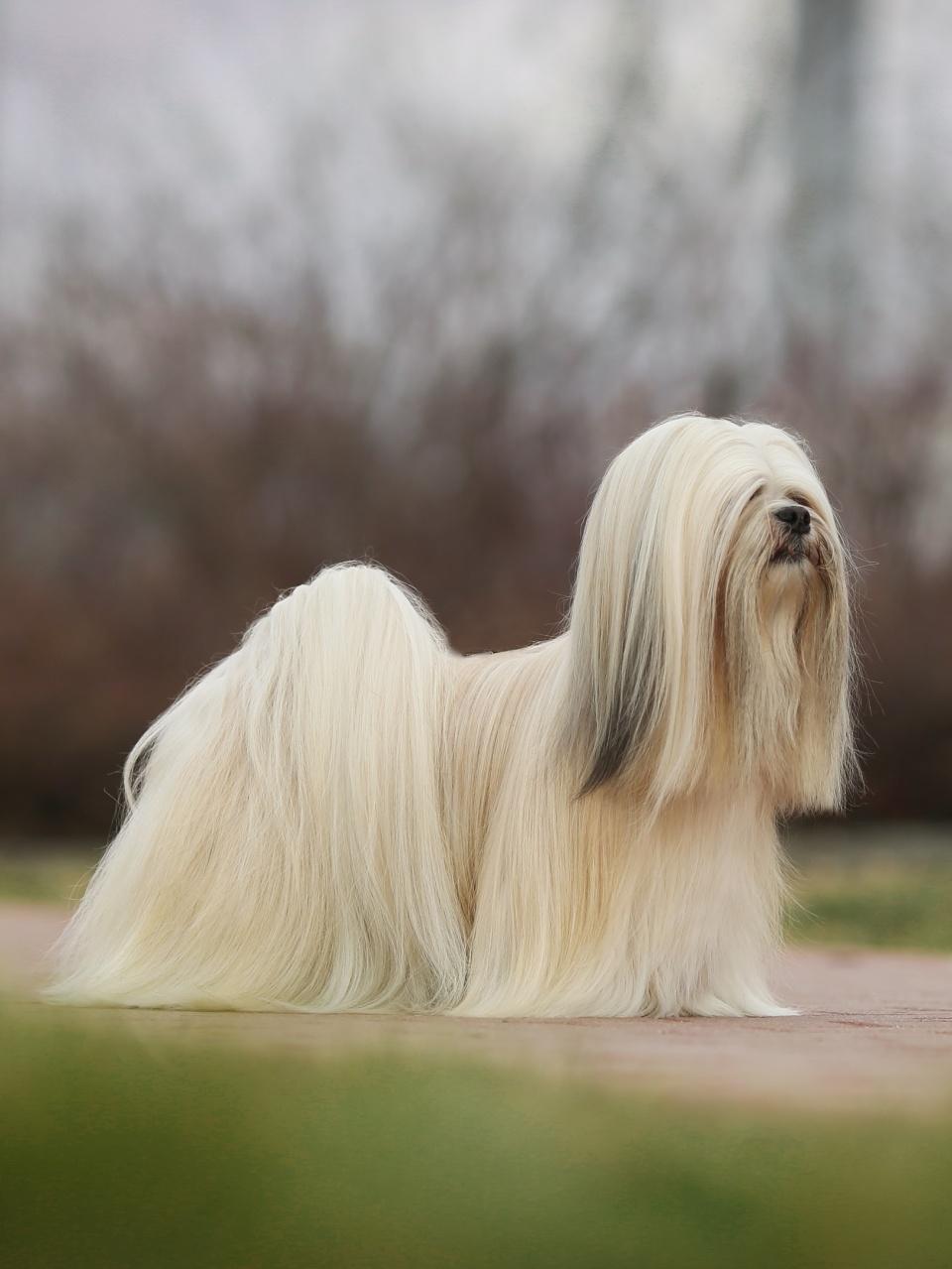
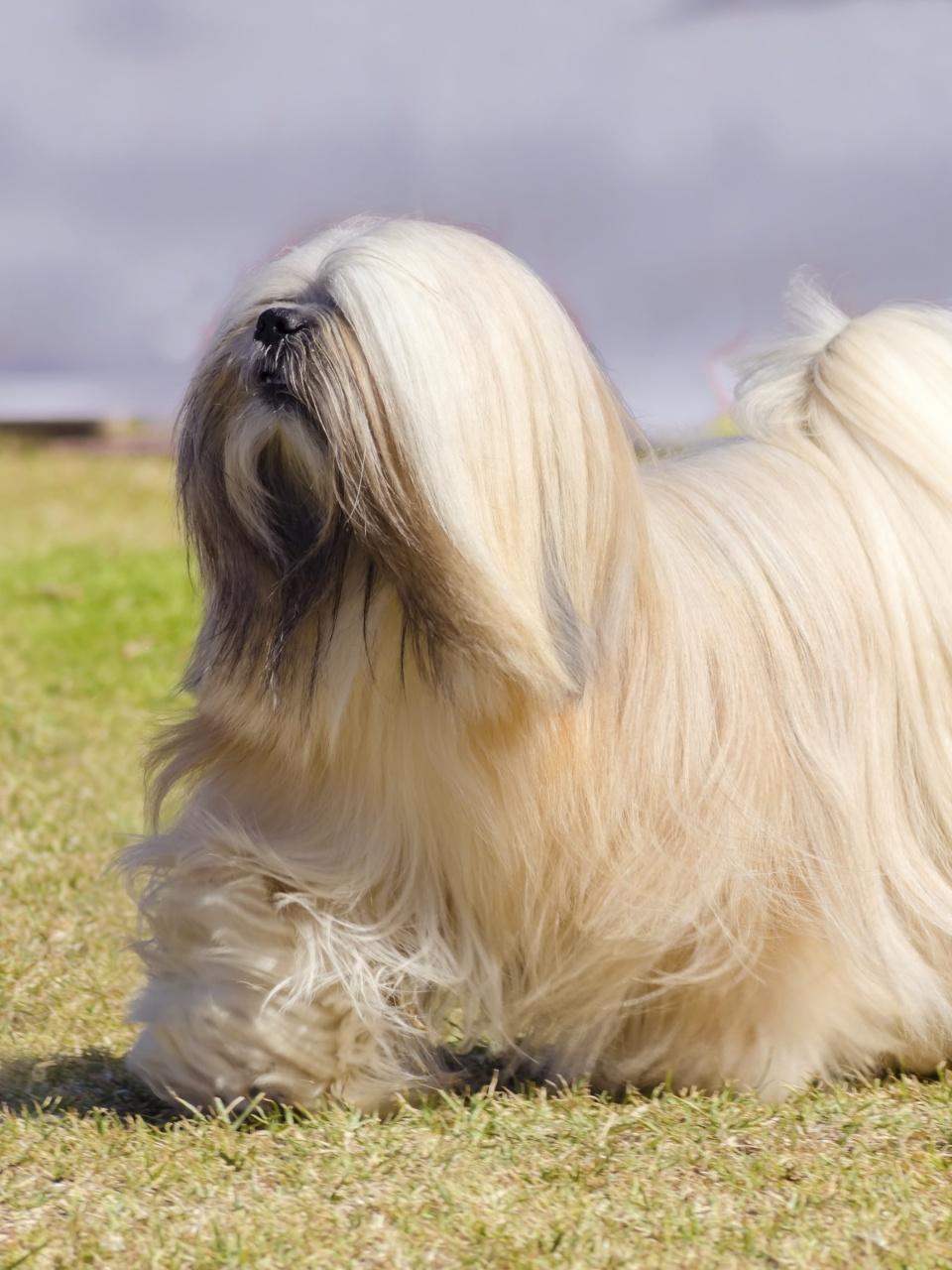
The Lhasa Apso is a small but sturdy dog that bears close resemblance to its relative, the Shih Tzu. They have a round skull, with dark deep brown eyes. They have pendulous ears that hang close to their face. Their body is rectangular in shape and their tail is high set and feathered.
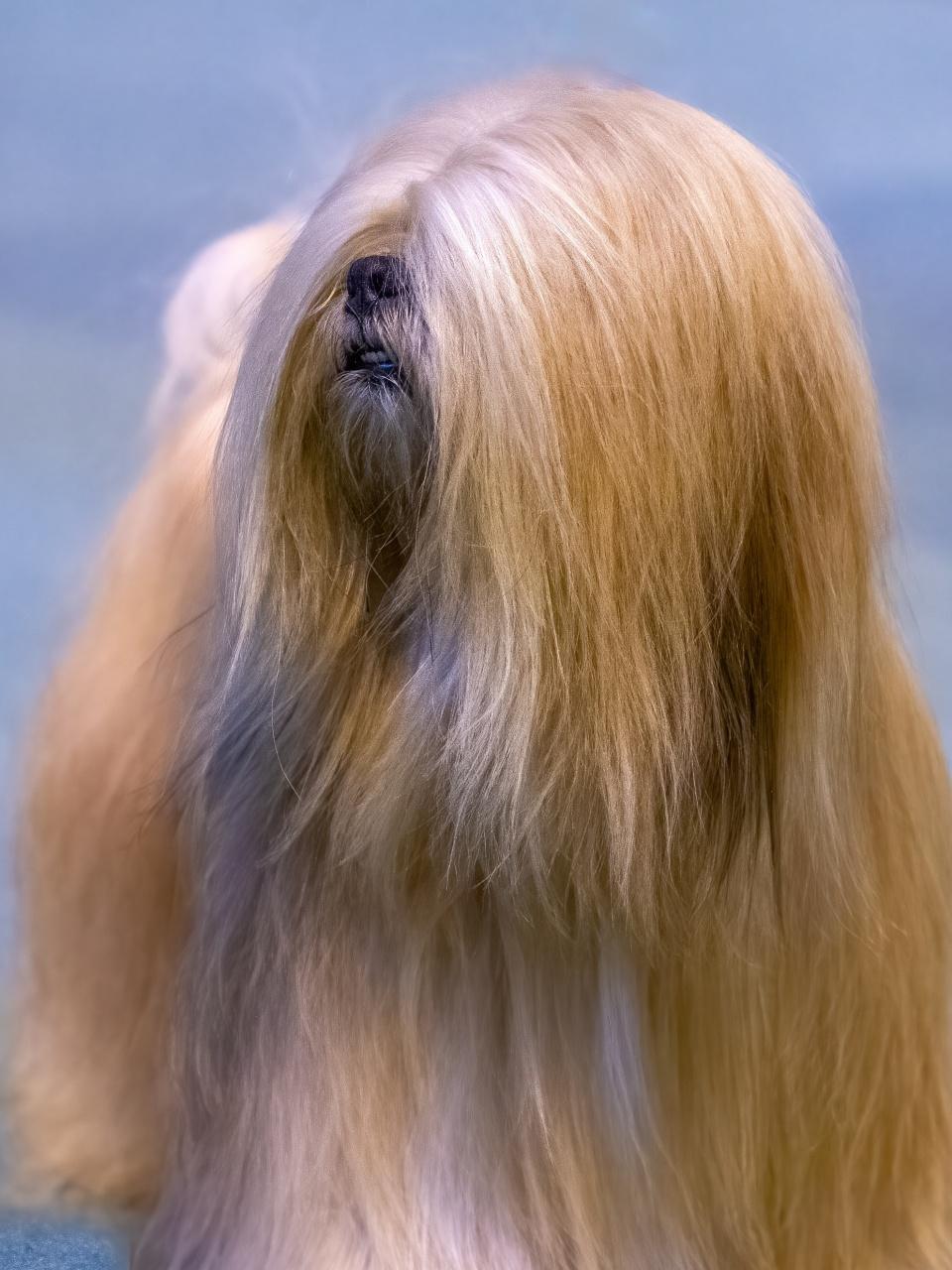
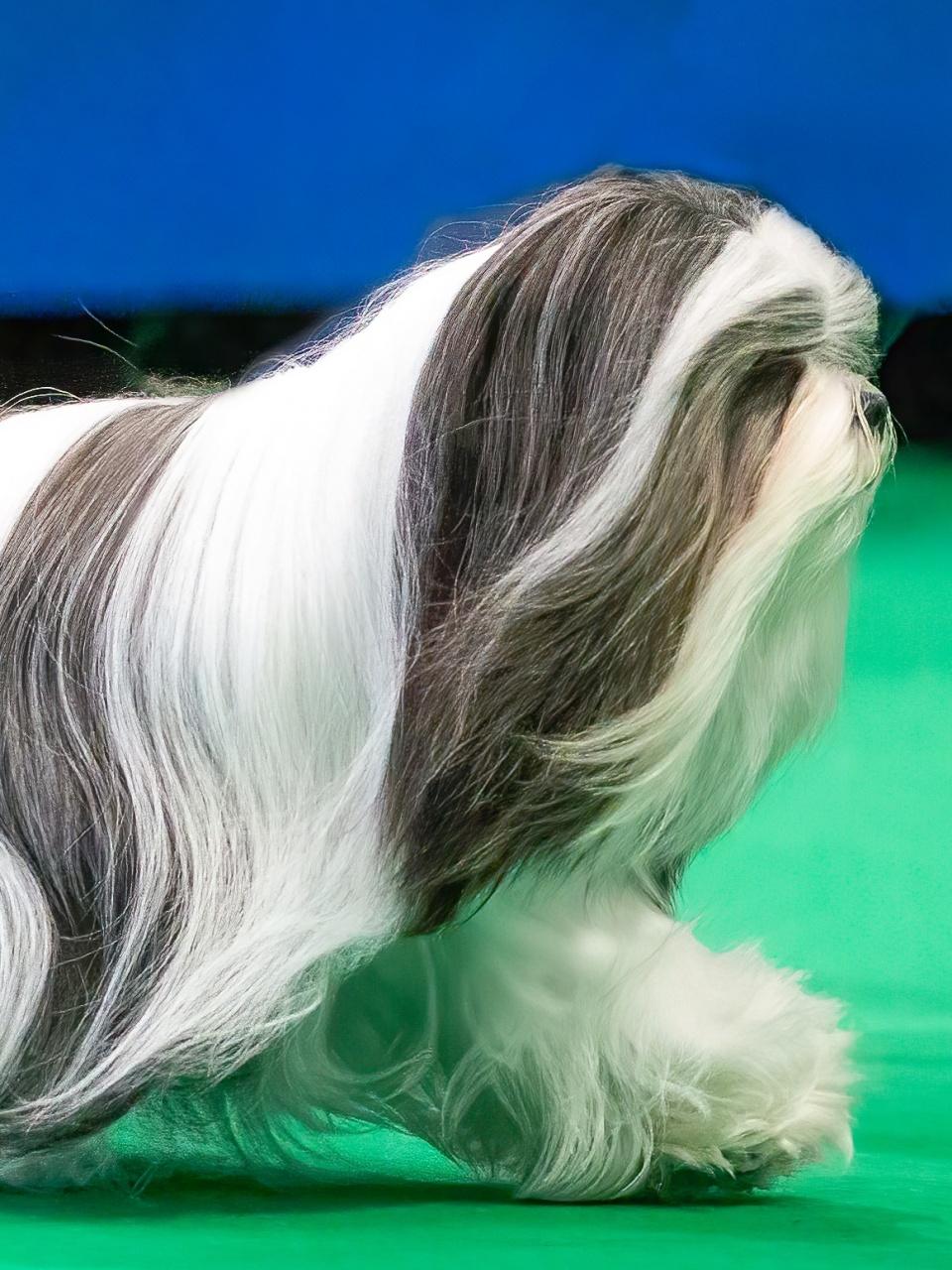
Their long coat is one of their most striking features and can be a wide range of colors, including white, brown, black, golden, slate and a mix of all of these. Common color combinations include white and honey and white, golden, and black.
It is a straight and dense coat, which does require a lot of upkeep but ensures they can stay warm in colder weather- which was ideal for their ancestors who lived on snowy mountains.
They measure to about 10 inches at the withers and will weigh from 15 to 18lbs when fully grown. While they are well-muscled and stocky, this is all a bit lost under that thick coat!
This is a confident little dog that is not lacking in swagger or independence. They can be stubborn at times, and even a little demanding. However, with firm boundaries they will happily toe the line.
Lhasa Apsos can be comical at times and enjoy being part of the family fun and laughter. They have a cheeky streak, particularly in their younger years.
Most form close bonds with their family, often sticking closer to one family member in particular. This tends to be the person who is most responsible for their care- who walks them and feeds their meals.
They get on well with other dogs and even cats, rarely chasing cats when they have been raised with them since little. They are sociable characters, and it is sensible to introduce them to other pets during their first months. This should be done in a calm and gradual manner, so they see the other animals as friends rather than foe.
Originating in Tibet, Lhasa Apsos are famous for having been gifted to people by the Dalai Lamas through the years. Indeed, in 1933 he gifted some to America, and this is when their international popularity really soared.
They are a truly ancient breed, with their roots going back over 2,000 years. Thus, it is not surprising that they were once owned by only royals and noblemen.
Interestingly, they were used as sentinels for monasteries- alerting the monks if someone new was arriving. Their sharp and prompt barks were as appreciated then as a burglar alarm is today.
These are friendly, affectionate and sociable dogs as long as they spend plenty of time with a range of people in their early months. Most retain a slight wariness of strangers throughout their life, and are aloof on first meeting, but will soon warm up to them once they’ve accepted them into their fold.
As they were originally used to guard the monasteries, it makes sense that they are quite happy to spend time alone pottering about. They make great little watch dogs and are always alert to what is going on both inside and outside the home. Due to their small size and general lack of aggression, they make quite poor guard dogs.
Lively at times, they generally have a calm and even disposition. This is in contrast to other small breeds like terriers; who can be a lot more spirited. In contrast to these livewires, the Lhasa Apso makes a wonderful lapdog, and will be happy to curl up close to you all evening long.
Intelligent and sprightly but stubborn, training tends to be more of a ‘slow and steady’ experience. While they are capable of learning many tricks and commands, they’re only willing to learn for short periods before they tire of the training session. Plenty of praise and yummy treats can help keep them on side.
These dogs are not overly sensitive, but there is no doubt that they respond best to kind and faiy training. Positive, reward based-training yields the best results. Any sort of harsh discipline tends to lead to a disengaged and anxious dog, rather than one who is more eager and willing to learn.
Keep in mind that training is something which should continue for the duration of your Lhasa Apso’s life, not just for their first few months or so. Regular training is a great way to strengthen your bond and to ensure they continue to understand the household rules.
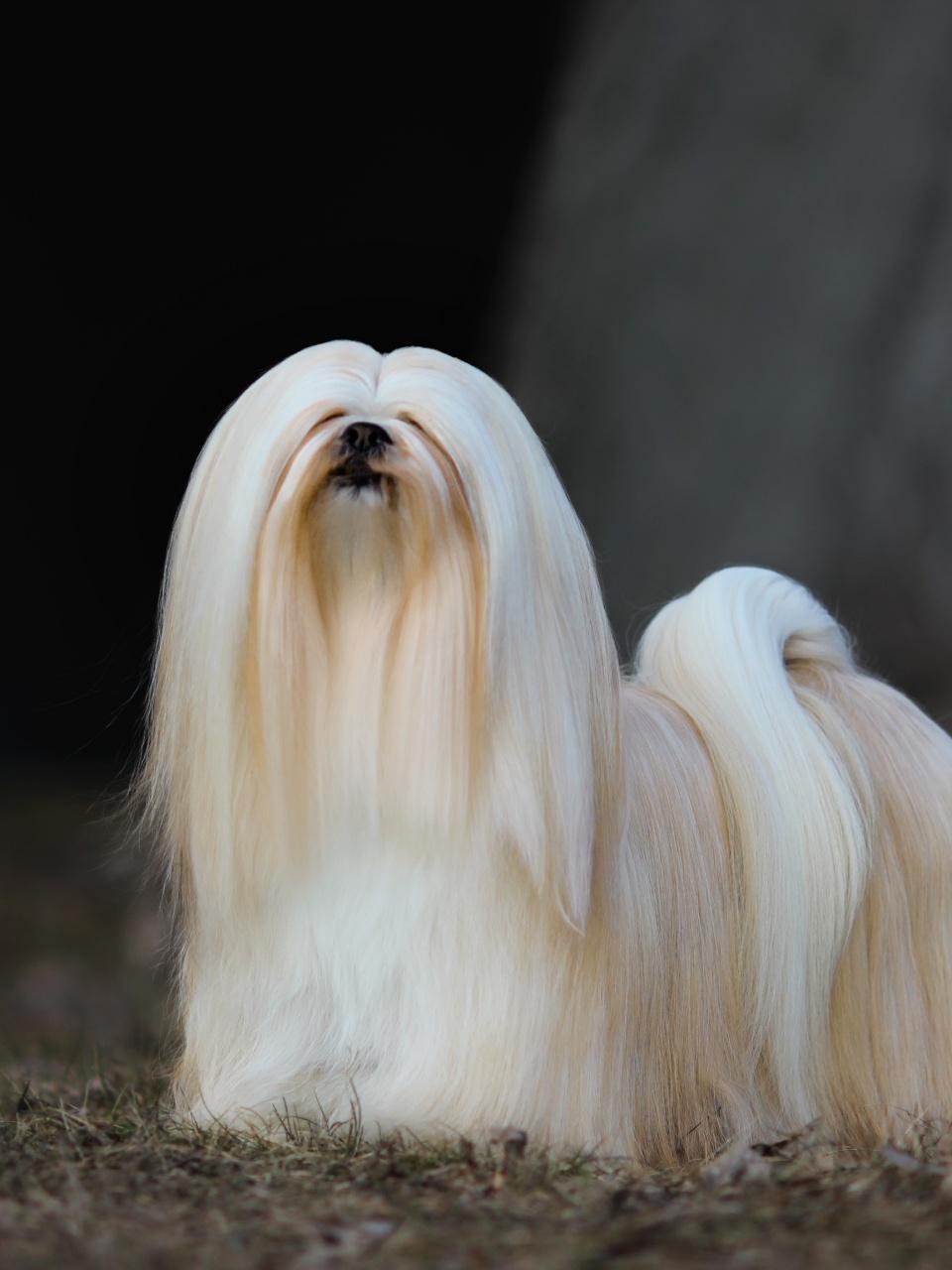
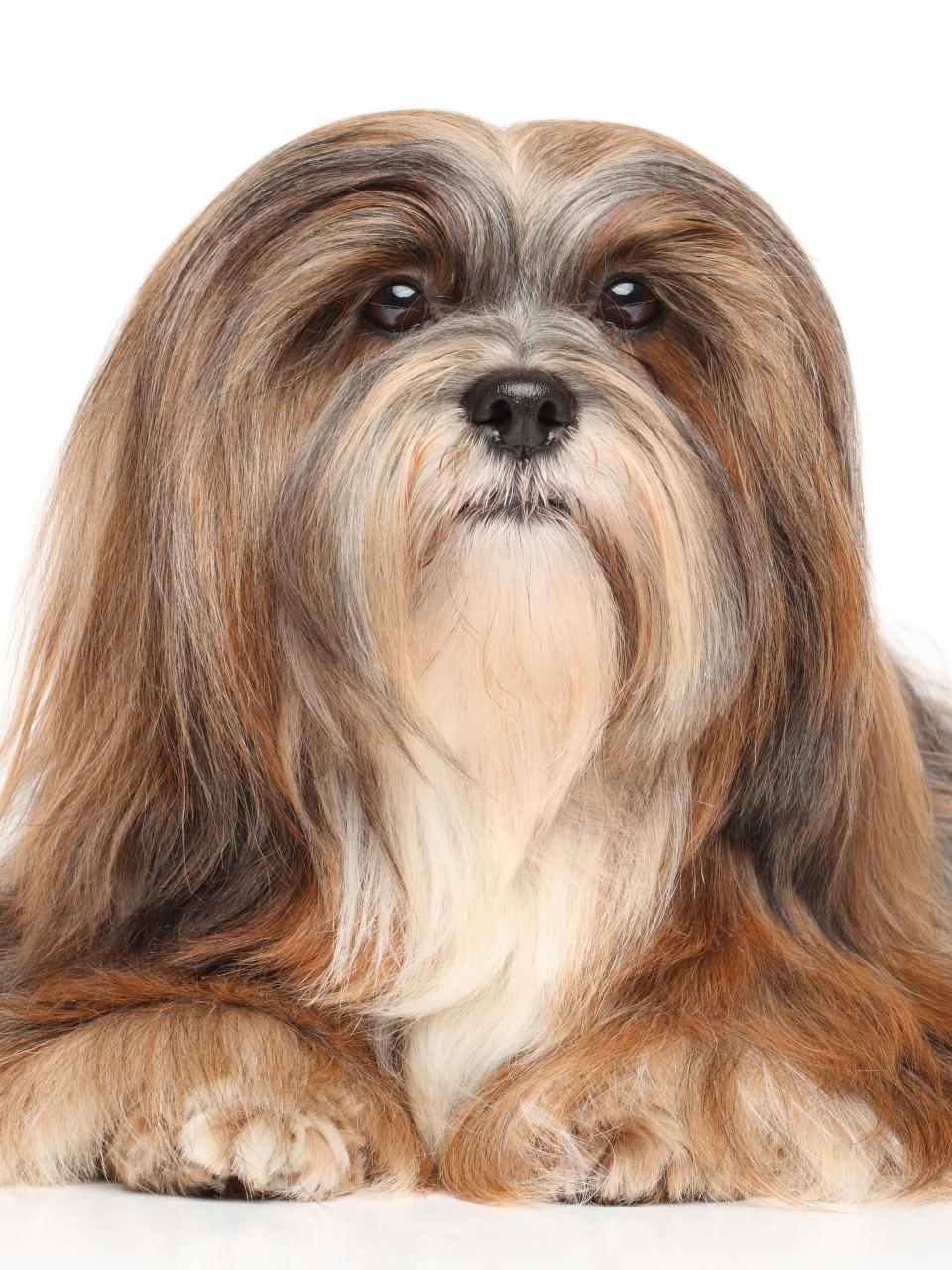
Rather a high needs breed when it comes to their maintenance, you’ll need to pay close attention to your Lhasa Apso’s needs. This will include regular toothbrushing, daily hair brushing, and cleaning of any eye discharge.
Younger dogs tend to be able to keep their claws short as long as they go outside regularly, but their dew (thumb) claws will need to be trimmed every month or two. For senior dogs who walk less, their thick claws may become overgrown, so should be cut too.
The Lhasa Apso breed is generally a healthy and long-lived dog with a life span of about 12-15 years. As with other pedigrees, there are a number of health issues that the breed members can be prone to.
Being aware of these medical issues is half the battle, as responsible breeders can test their dogs, to ensure only the healthiest are used for breeding. Potential owners play a role here too, and should only buy puppies from health tested parents.
Let’s take a look at some of the more common medical problems seen in the Lhasa Apso breed:


The kneecaps of this small breed can pop in and out of place. This leads to the dog skipping along for a number of steps and can cause discomfort and will eventually lead to arthritis and mobility trouble.
This condition is graded from a one to a four, with a four being the most serious and significant. For higher grades, the recommended therapy is usually surgery. For those with a more minor limp who are coping well, they can be managed with ongoing care such as weight management, anti inflammatories and joint supplements.
Although we tend to associate hip dysplasia with larger dogs, it is certainly something seen in the Lhasa Apso from time to time. Dogs are born with hip dysplasia, but signs do not develop until they are a year old or so. Symptoms can include sitting with their knee out and bunny hopping when running.
When detected early, surgery can be performed to prevent arthritis in the future. For older dogs who are not coping well, hip replacement may be discussed.


Due to their rectangular body shape and long backs, this dog is prone to intervertebral disc disease. The spinal cord compression can lead to weakness, numbness and even complete paralysis in the feet and limbs.
Signs may come on abruptly, or can progress more slowly. Dogs can be affected on one or both sides of the body, and it may be the front limbs, back limbs or all four. Diagnosis is made with imaging, such as a CT scan or MRI.
More severe cases will be treated surgically, but this is specialized and expensive. For some, they will improve with time, pain relief, rest and anti inflammatories. During recovery, patients need a great deal of supportive care.
These smaller skulled dogs are more prone to dental disease as they can have overcrowding of the teeth, meaning food gets stuck between the teeth and there is plaque build up and gingivitis. Over the years this can lead to symptoms such as bad breath, a reduced appetite, and even bacteria spreading to places like the liver and heart.
We can help keep teeth healthy by brushing them daily, or even a few times a week. Many Lhasas will benefit from a dental cleaning, at least once in their life.
A good proportion of Lhasa Apsos will deal with allergic skin disease. Signs are usually present before five years of age. Common symptoms include paw licking, pink skin, scratching, and face rubbing. Triggers can include foods (such as grains, chicken or dairy) or things in the environment (like dust mites, mold, or grass).
Atopic dermatitis is not something that can be cured, but it can usually be managed well with medication like anti-itch medicine, antibiotics and medicated washes. At the first sign of a flare up, vet attention is needed, to settle signs down quickly.
When triggers are identified, they should be avoided at all costs. This can mean feeding a prescribed (hydrolyzed) diet, walking on pavement rather than grass, and the use of air filters. There is also sometimes the option of immunotherapy injections to build up their tolerance to any environmental allergens, but this will be cost prohibitive for many.
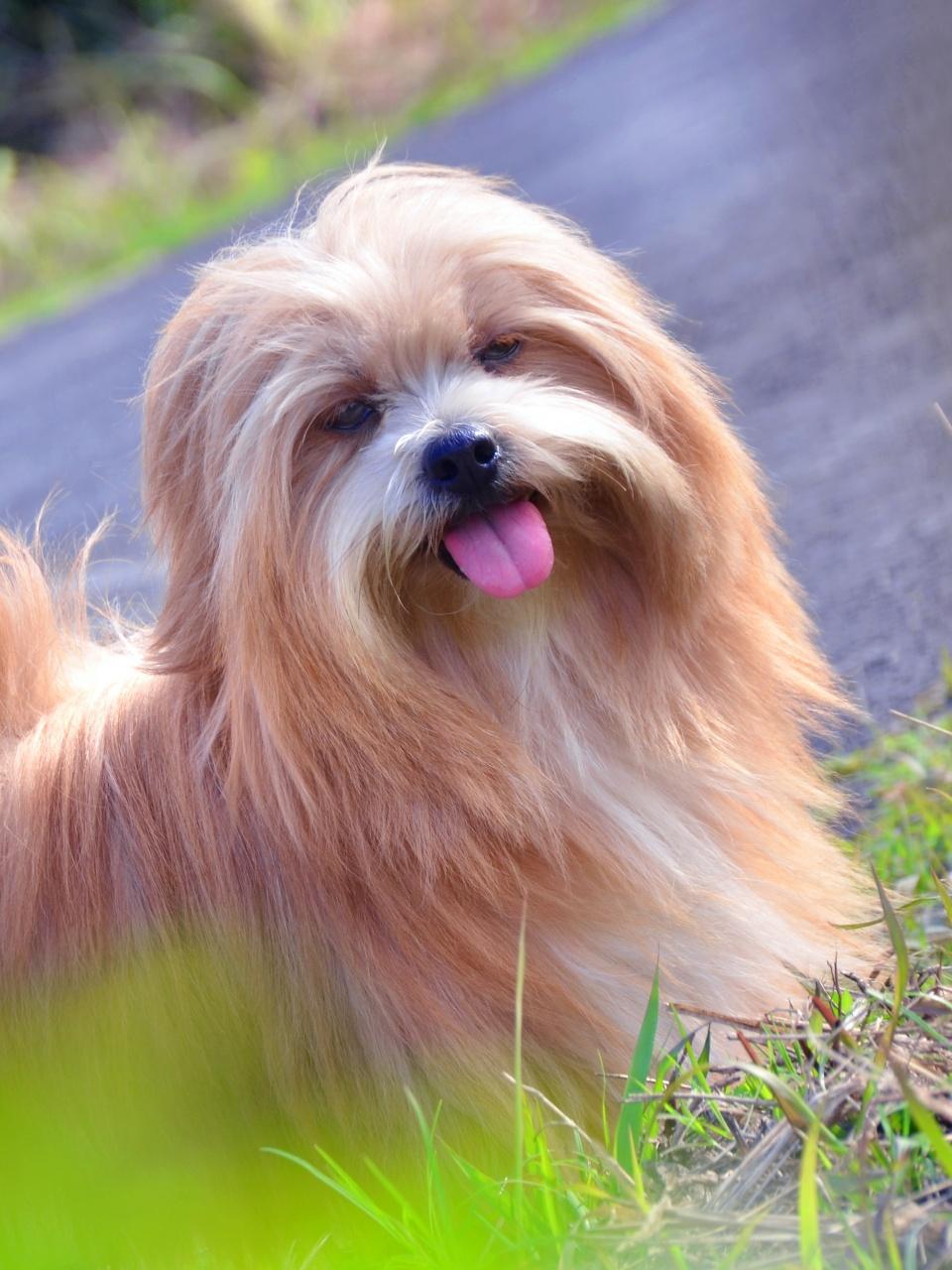
Ear infections aren’t uncommon for dogs with pendulous ears as there is reduced airflow in the canals and they can become moist and humid. This is the perfect environment for bacteria and yeast to grow. For many, this will be linked to underlying allergies.
Signs of otitis externa include red skin within the ear canals, head shaking, excess wax production and smelly ears. Once signs begin, the ears should be examined by the vet and swabbed, to ensure the correct drops can be issued. Some patients will also need anti inflammatories.
For those prone to repeat ear infections, it can be helpful to keep their ears plucked and to clean their ears out using a dog friendly ear cleaner every few weeks.
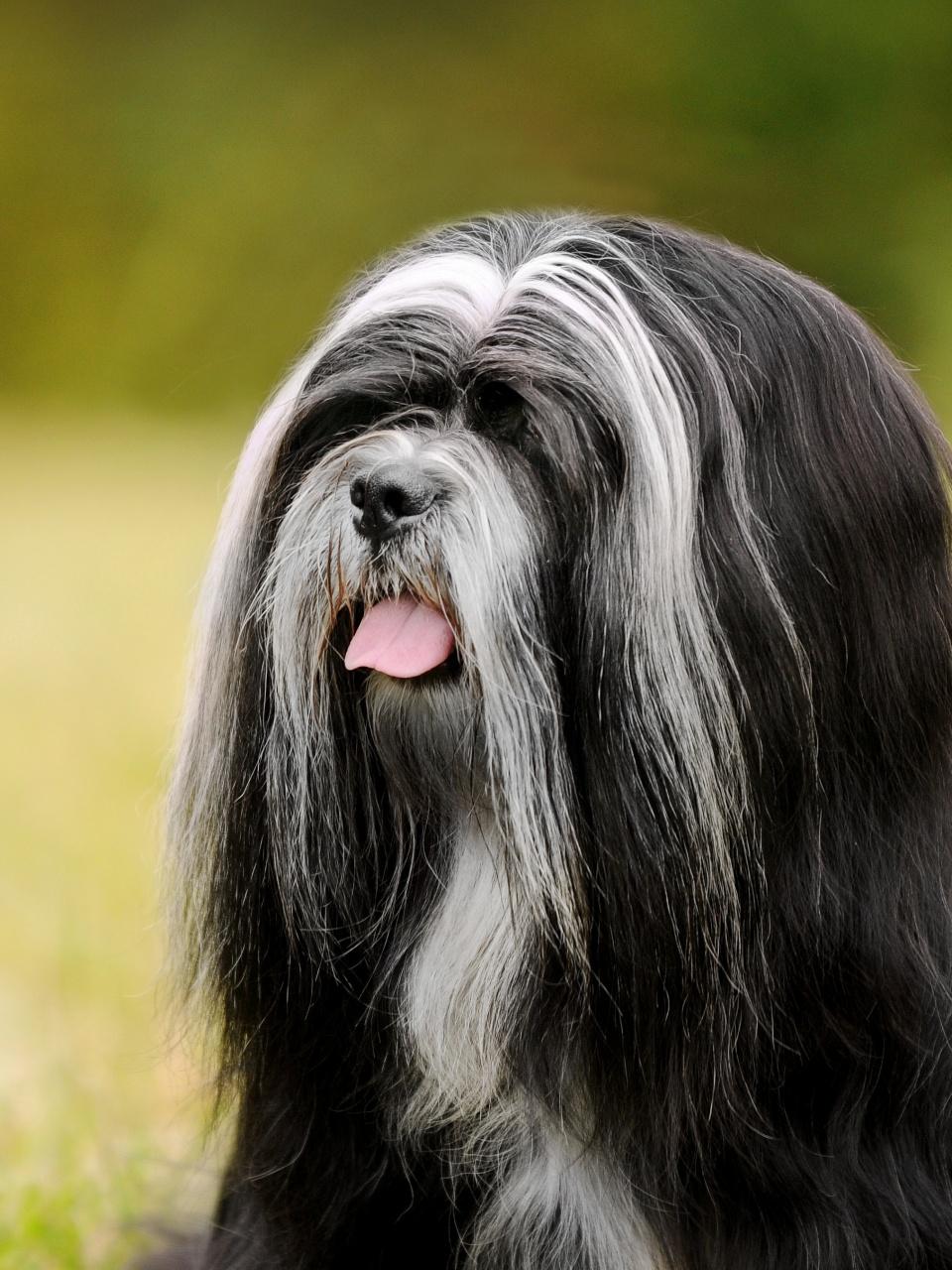
Pups may be born with hernias, or they can develop in later life. Treatment is surgery to correct them and to repair the muscle defect. For those born with hernias, it is advised that they are neutered, so future litters are less likely to be affected.
For some dogs, hernias will just be a cosmetic issue and will remain small and not cause any problems. For others, the hernia may grow and intestines, fat or organs can become entrapped. It is generally advised that they are repaired, to prevent any future trouble.
KCS is an autoimmune disorder of the eye that results in dry eyeballs which will be itchy and irritating and which sometimes leads to conjunctivitis and eye ulcers. Owners may notice their dog is squinting, rubbing their eyes and that there is a crusty or yellow ocular discharge.
Vets can assess tear production with a simple test called the Schirmer Tear Test whereby a slim piece of paper is placed in the lower eyelid and the tears produced are measured. A low number can indicate KCS.
Therapy typically consists of daily drops to encourage tear production as well as lubricants to add moisture to the eye. Therapy will be lifelong. There is a surgery whereby a salivary gland can be transported to the eye, but this is no longer performed much.
PRA is an eye disease that is inherited in dogs that, very sadly, leads to blindness. Initial signs include night blindness and reduced vision but, over time, this progresses to complete vision loss. This is a non-painful condition.
Your vet may perform a test called a retinograph to confirm the diagnosis. Usually, both eyes are affected. If PRA is confirmed, the goal is to manage the dog’s environment to keep them safe and comfortable, and to help them adapt to their new life. In the future, gene therapy may prove to be a suitable treatment option for some.
Some Lhasa Apsos will be born with renal dysplasia. The improperly formed kidneys are unable to filter waste and this can lead to symptoms including excessive thirst, frequent urination, weight loss, nausea, and muscle weakness. The severity of signs can be quite variable, as can the rate of progression.
Vets make a diagnosis with blood tests, urine tests and imaging such as ultrasonography of the kidneys. Although there is no cure, interventions such as fluids and renal diets can help to slow progression.
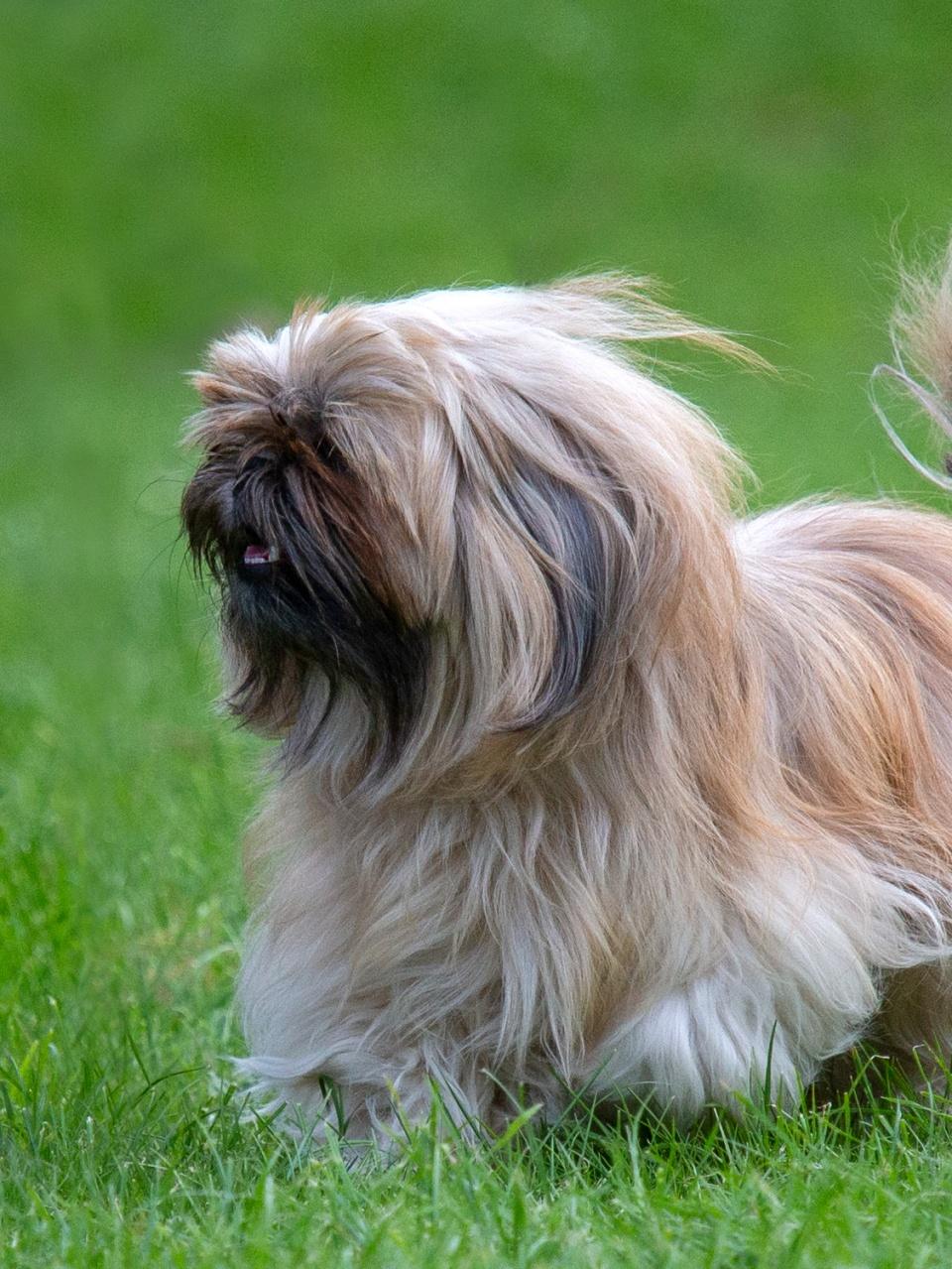
The Lhasa Apso makes a great pet in a range of households, including those with children and seniors. They are a loving and easygoing dog that usually gets on well with other pets, even cats. Thanks to their small size, they can be kept in smaller homes and apartments and do not need a yard if walked outside regularly.
While they make terrific watchdogs, they could not be used as guard dogs due to their small size. Equally, they do not make good working pets, and are better suited to lounging about and leisurely activities.
Very active households who go on regular and difficult hikes may consider a different breed, as the Lhasa Apso can struggle to keep up.
This is not a high energy or hyperactive breed. The Lhasa Apso dog is quite happy with a couple of 20-30 minute walks each day. These can be short ambles around the block or jaunts to the local park. Like other dogs, they thoroughly enjoy sniffing new scents and being brought along new routes to explore.
Although these dogs can swim, they are not natural water lovers and most are happier with all four paws on the ground. If brought near the shore, they often choose to stay out of the water!
Just as important as physical stimulation, is mental enrichment. This can include a range of activities including indoor scenting or ‘find it’ games, food puzzles, chew toys, and lick mats. The more variety the better.
A good quality diet with plenty of protein will help your Lhasa Apso grow to their full potential. This should be a complete dog food, suitable for your dog’s lifestage. Some of the better quality diets will contain supplements such as probiotics, fish oils, and joint supplements- to further support your dog and his individual needs.
Overfeeding can be a problem, quickly leading to obesity. As obesity can cause issues such as painful joints and diabetes, it is better to stick to your dog’s daily calorie requirements.
For those with atopic dermatitis linked to food allergies, maintain them on a hypoallergenic food, and avoid their allergens in treats or dental sticks too.
It is not always easy to choose a pup, especially when presented with a litter of sweet Lhasa Apsos, all bounding over and giving you kisses.
When going to see the pups, always make sure their mother is present with them. This reduces the risk that they have been puppy farmed.
Choose one that will approach you and is not overly shy or worried. They should have a clear nose and eyes and should not be stunted or skinny. Watch out for any issues such as a paw they are dragging or an umbilical hernia (lump over the belly button).
A Lhasa Aspo puppy can set you back anything from $700-3,000. Keep in mind that reputable breeders typically have to charge more, to cover the costs of the health tests performed on the parents and the regular vet checks.
The price of the puppy is just the tip of the iceberg,and a Lhasa Apso can cost their owner anything from $10,000 to $25,000 over their long lifetime.
Follow Us On
Check Out Our Most Popular Content