Your Cart is Empty



Complete Guide to Canine Dreams and Sleep Disorders
You're settling in for the night when you hear a soft whimper from your dog's bed. Your furry friend is twitching, their paws paddling as if running, and they let out a worried whine. It's a scene many pet owners witness, leaving them wondering: Is my dog having a nightmare? Should I wake them?
Yes, dogs can experience nightmares, and understanding why this happens helps you respond appropriately. This guide explores the science behind canine sleep, explains what triggers distressing dreams, and provides practical steps to help your dog sleep more peacefully.
⚠️ Medical Disclaimer: This article is informational only and should not replace professional veterinary advice, diagnosis, or treatment. Always consult your veterinarian before starting any treatment or medication for your dog. Only a qualified veterinary professional can properly diagnose your pet's condition and recommend appropriate treatment based on individual circumstances.
Understanding Dog Sleep Cycles
What Could Trigger Nightmares in Dogs?
Signs Your Dog May Be Having a Nightmare
Should You Wake a Dog Having a Nightmare?
How to Promote Better Sleep for Your Dog
When Should You Talk With Your Veterinarian?
Treatment & Management Options
How to Comfort Your Dog During and After a Nightmare
Dogs experience sleep cycles remarkably similar to humans. Their sleep consists of two main phases: non-REM (rapid eye movement) sleep and REM sleep. During non-REM sleep, your dog's body rests and repairs itself. REM sleep is when the magic happens – this is when dreaming occurs.
During REM sleep, your dog's brain becomes highly active while their body enters a state of temporary paralysis. This paralysis mechanism prevents them from physically acting out their dreams. Research shows that dogs spend about 10% of their sleep time in REM, similar to humans. Brain activity studies reveal that the patterns during REM sleep mirror those seen in humans, suggesting dogs process memories and experiences just as we do.
REM sleep plays a crucial role in memory consolidation and learning. Your dog's brain sorts through the day's activities during this phase, strengthening important memories and discarding unnecessary information. This is why puppies, who are constantly learning, spend more time in REM sleep than adult dogs.
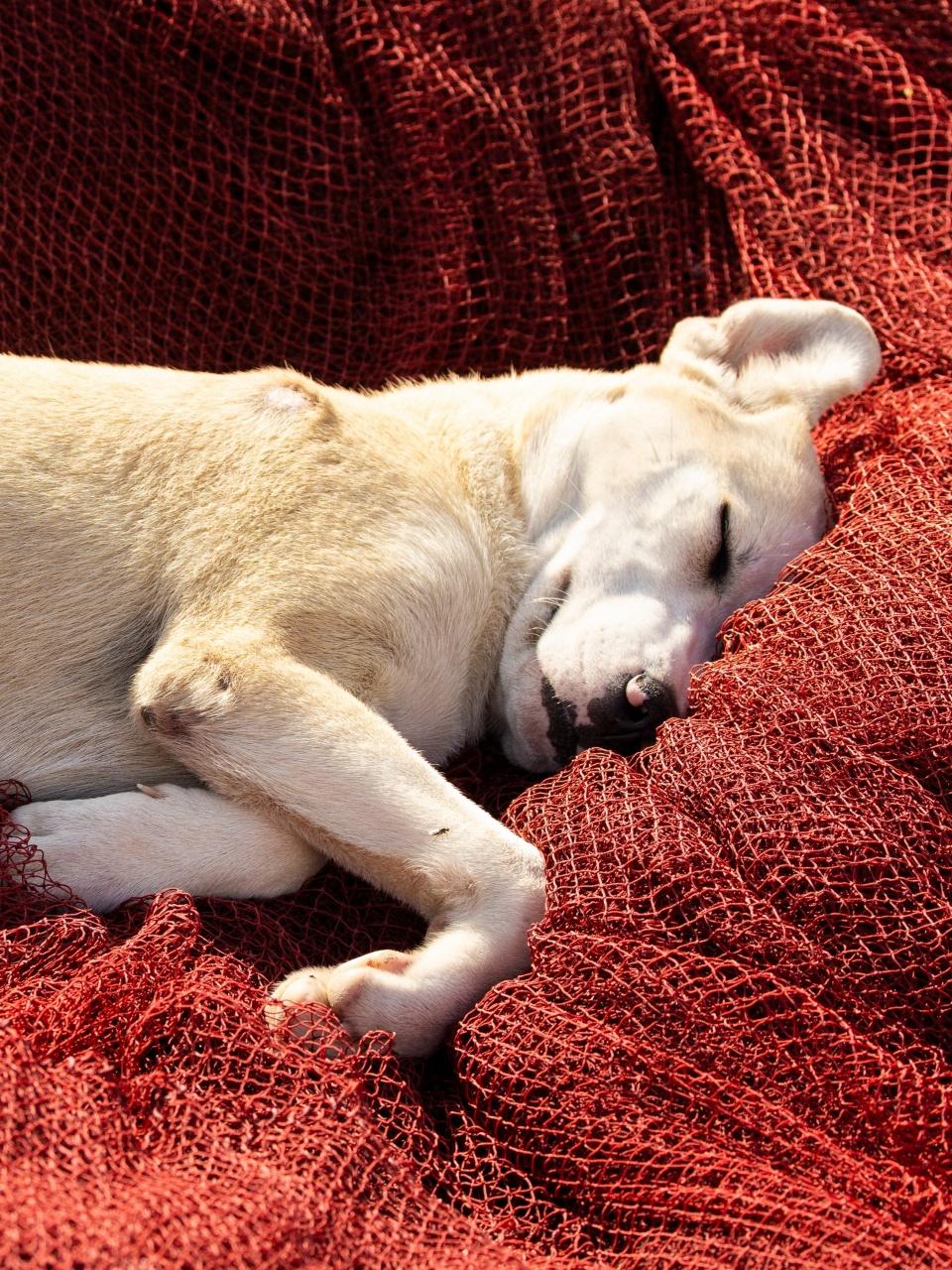
Scientific evidence confirms that dogs definitely dream. Behavioral studies demonstrate that dogs consolidate memories during sleep, replaying experiences from their waking hours. Brain imaging and observation studies show that dogs likely dream about familiar activities – chasing squirrels, playing fetch, interacting with their favorite people, or enjoying treats.
For a comprehensive exploration of canine dreams, including what researchers have discovered through controlled studies, check out our detailed article: Do Dogs Dream?
While dreaming is normal, dogs can experience three distinct sleep-related conditions that concern pet owners. Understanding the differences helps you respond appropriately.
Nightmares are distressing dreams that occur during REM sleep and carry emotional impact. During a nightmare, you might notice your dog twitching, whimpering, whining, or even barking softly. Upon waking, some dogs appear disoriented or fearful for a few moments before recognizing their surroundings.
Several factors can trigger nightmares. Stress from recent negative experiences, trauma, anxiety, or physical pain can manifest as disturbing dreams. Common triggers include veterinary visits, moving to a new home, accidents, loud noises, or separation anxiety. Puppies, dogs with trauma histories, and naturally anxious dogs are more prone to nightmares.
The good news: nightmares alone are generally not dangerous and often decrease as dogs process their experiences.
REM Sleep Behavior Disorder is a more serious condition where the brain's normal paralysis mechanism during REM sleep fails. This allows dogs to physically act out their dreams, sometimes violently.
Signs of RBD include running motions while asleep, intense chasing behaviors, loud growling or barking, and violent limb movements. Unlike simple nightmares, dogs with RBD actively perform dream actions. The severity ranges from mild twitching to dangerous, uncontrolled movements that could injure the dog or others nearby.
Research shows that 64% of dogs with RBD develop symptoms before age one. Causes vary widely: congenital factors, infections, tumors, degenerative conditions, head trauma, or unknown (idiopathic) origins. If your dog experiences frequent, intense, or potentially dangerous episodes, veterinary consultation is essential.
Night terrors differ from both nightmares and RBD. These sudden fearful reactions occur during transitions between sleep stages, not specifically during REM sleep. The key distinction: your dog won't remember the episode upon waking.
Night terrors manifest as heavy vocalization, thrashing, and seemingly uncontrollable body movements. They can appear more violent than nightmares and pose a higher risk of the dog biting or injuring someone who tries to intervene. These episodes happen as the brain shifts between non-REM sleep phases, creating temporary confusion.
Critical distinction: Normal dreaming involves gentle twitching and soft vocalizations. Nightmares add emotional distress visible upon waking. RBD means acting out dream movements. Night terrors create violent reactions the dog doesn't remember.
Understanding what causes nightmares helps you minimize their occurrence and address underlying issues.
Traumatic experiences leave lasting impressions. Dogs may relive accidents, attacks from other animals, or the loss of a companion through their dreams. Significant routine disruptions – moving homes, welcoming a new family member, or extended absences – create stress that surfaces during sleep.
Even seemingly minor events can trigger nightmares. A frightening vet visit, an unpleasant grooming session, or a loud fireworks display might replay in your dog's mind as they sleep. Dogs thrive on routine, so any major change can manifest as unsettling dreams.

Separation anxiety doesn't end when you leave the house – it can follow your dog into sleep. Dogs experiencing fear-based anxiety from storms, loud noises, or unfamiliar environments may have nightmares about these triggers. General anxiety disorders create a baseline stress level that increases the likelihood of disturbing dreams.
Physical ailments significantly impact sleep quality. Dogs suffering from arthritis, injuries, or chronic pain conditions may relive painful experiences in their dreams. During recovery periods, dogs are particularly sensitive, and their brains process these uncomfortable sensations even during sleep. Senior dogs dealing with age-related pain are especially vulnerable.
Puppies experience more nightmares as they process new, sometimes overwhelming experiences. Dogs with histories of abuse or neglect often have more frequent nightmares as they work through past trauma. Current stress levels during waking hours directly correlate with nightmare frequency.
Recognizing the signs helps you distinguish between normal dreaming and problematic sleep disturbances.
Mild to moderate signs include soft whimpering, whining, or crying sounds. You might notice gentle twitching or paw paddling motions, tail movements, occasional quiet growling, or elevated breathing. These behaviors are typically normal dream responses and don't require intervention.
Moderate to severe signs warrant closer attention. Intense barking or howling during sleep, violent limb thrashing, running motions (or actually running through the house while asleep), and defensive or scared-sounding growling indicate more distressing dreams. Watch for possible biting movements, disorientation upon waking, or immediate fear and anxiety after the dog wakes up.
Remember that many mild signs are completely normal. Most dogs twitch or make soft noises during dreams without any underlying problem. The concern arises when episodes become frequent, intense, or affect your dog's waking behavior.
This question has important safety implications that every pet owner should understand.
Waking a dog suddenly from a nightmare can be dangerous. Dogs awakened abruptly may be disoriented and bite defensively, not recognizing you in their confused state. The risk increases when you startle an already anxious dog experiencing distress.
For nightmares, use this gentle approach: speak in a calm, soothing voice from a safe distance. Softly call your dog's name without making sudden movements. Avoid physical contact or touching them until they wake naturally and orient themselves. Once awake, provide quiet reassurance through your calm presence.
For night terrors, DO NOT attempt to wake your dog. Night terrors are more dangerous because the dog is in a state of extreme confusion. Attempting to intervene puts you at serious risk of being bitten. Instead, let the episode pass naturally while keeping yourself, family members, and other pets safe. Ensure your dog's sleeping area is padded and free from objects that could cause injury. Consult your veterinarian after witnessing night terror episodes.
Never shake or physically restrain your dog during any sleep disturbance. Avoid sudden movements, loud noises, or attempts to physically comfort them before they're fully awake and aware.



Creating an optimal sleep environment and routine significantly reduces nightmare frequency.
Set up a comfortable, quiet sleeping space in a low-traffic area of your home. Provide cozy bedding – orthopedic options benefit older dogs or those with joint issues. Maintain appropriate temperature control, as dogs sleeping too hot or cold may experience disrupted sleep. Consistency matters, so designate one sleeping location rather than frequently changing where your dog sleeps.
Establish a consistent bedtime routine that signals it's time to wind down. Light activities before bed, such as gentle play or a short walk, help tire your dog without overstimulation. Pre-sleep calming activities like cuddles, gentle petting, or quiet time together promote relaxation. Maintain the same sleep schedule every day, including weekends.
During waking hours, ensure your dog receives regular exercise appropriate for their age and breed. Mental stimulation through puzzle toys, training sessions, and enrichment activities helps tire both body and mind. For anxious dogs, work with a trainer or behaviorist on anxiety management techniques and behavior modification.
Address medical considerations promptly. If your dog shows signs of pain, consult your veterinarian about management options. Underlying medical issues, nutritional deficiencies, or other health concerns can disrupt sleep quality.
Practical tips include avoiding stimulating activities 1-2 hours before bedtime, limiting water intake in the evening to prevent middle-of-night bathroom needs, and creating positive associations with the sleeping area through treats and praise.

Certain red flags indicate professional consultation is necessary.
Contact your veterinarian if your dog experiences frequent nightmares (multiple episodes per week), increasingly intense episodes, or appears injured after sleep disturbances. Dogs who cannot be safely contained during episodes, show behavior changes during waking hours, or remain disoriented long after waking require evaluation. Suspected pain, medical issues, or nightly episodes all warrant veterinary attention.
Prepare for your appointment by maintaining a detailed behavior log documenting when episodes occur, their duration, and what happens. Video recordings of episodes are extremely valuable for veterinarians assessing the situation. Note possible triggers, patterns you've observed, changes in waking behavior, and any history of trauma or negative past experiences.
Your veterinarian will conduct a thorough physical and neurological examination, analyze sleep patterns, and investigate possible underlying conditions. Blood work, imaging, or referral to a veterinary neurologist may be necessary for complex cases requiring EEG or brain imaging. Some situations benefit from behavioral specialist consultation rather than medical intervention.
Treatment approaches depend on episode severity and underlying causes.
For mild cases, environmental modifications often suffice. Create a safe sleeping space – a padded crate provides security for some dogs. Implement stress reduction strategies during the day, focusing on routine and predictability. Medication typically isn't necessary for occasional, mild nightmares.
Moderate cases may require combined approaches including environmental management, behavioral interventions, and anxiety treatment through training and desensitization. Your veterinarian might recommend medication if behavioral modifications alone don't provide sufficient improvement.

Severe cases requiring medication have several options. Potassium bromide, an anti-seizure medication, is often preferred for REM Sleep Behavior Disorder. Clonazepam, a benzodiazepine, provides another option but may cause tolerance development. SSRIs (selective serotonin reuptake inhibitors) help dogs with underlying anxiety contributing to sleep disturbances.
Important note: medication response varies significantly among individual dogs, ranging from complete episode control to partial improvement. Rarely, some dogs show no improvement, necessitating alternative approaches.

Your response during and after episodes affects your dog's anxiety levels and recovery.
During an episode, remain calm – dogs sense their owner's emotions, and your anxiety increases theirs. Use a soft, soothing voice without making physical contact. Maintain a safe distance and allow your dog to wake naturally rather than forcing the process.
After your dog wakes, provide gentle reassurance through your calm presence and soft voice. Offer comfort items like a favorite toy or blanket to help them feel secure. Avoid making a big production of mild episodes, as excessive attention can increase anxiety. Simply return to your normal sleep routine.
Long-term comfort strategies include building secure attachment through quality daytime bonding, using positive reinforcement training to build confidence, maintaining consistent routines that provide predictability, and ensuring the sleeping environment feels safe. Regular quality time together strengthens your dog's sense of security.
Watch for signs of ongoing anxiety including reluctance to sleep, fear of the sleeping area, or anxiety behaviors during waking hours. These patterns suggest underlying issues requiring professional input from a veterinarian or behaviorist.
While occasional nightmares are harmless, frequent episodes can impact wellbeing.
Sleep disruption affects mood and energy levels, potentially leading to increased anxiety and stress. Behavioral changes such as excessive barking, destructiveness, or aggression may develop. Physical injury risk exists for dogs with violent episodes who could harm themselves during thrashing. Chronic stress from persistent nightmares affects immune system function and overall quality of life.
Frequent nightmares sometimes indicate underlying issues requiring attention. Dogs experiencing trauma responses benefit from desensitization work. Anxiety disorders need proper treatment through behavioral modification or medication. Pain or undiagnosed medical conditions require investigation. Neurological disorders demand specialist evaluation.

The positive message: most occasional nightmares are completely harmless parts of normal sleep. Proper environment and care reduce their frequency. Excellent veterinary support is available if you're concerned. Early intervention prevents escalation and ensures your dog's long-term wellbeing.
Follow Us On
Check Out Our Most Popular Content