Your Cart is Empty


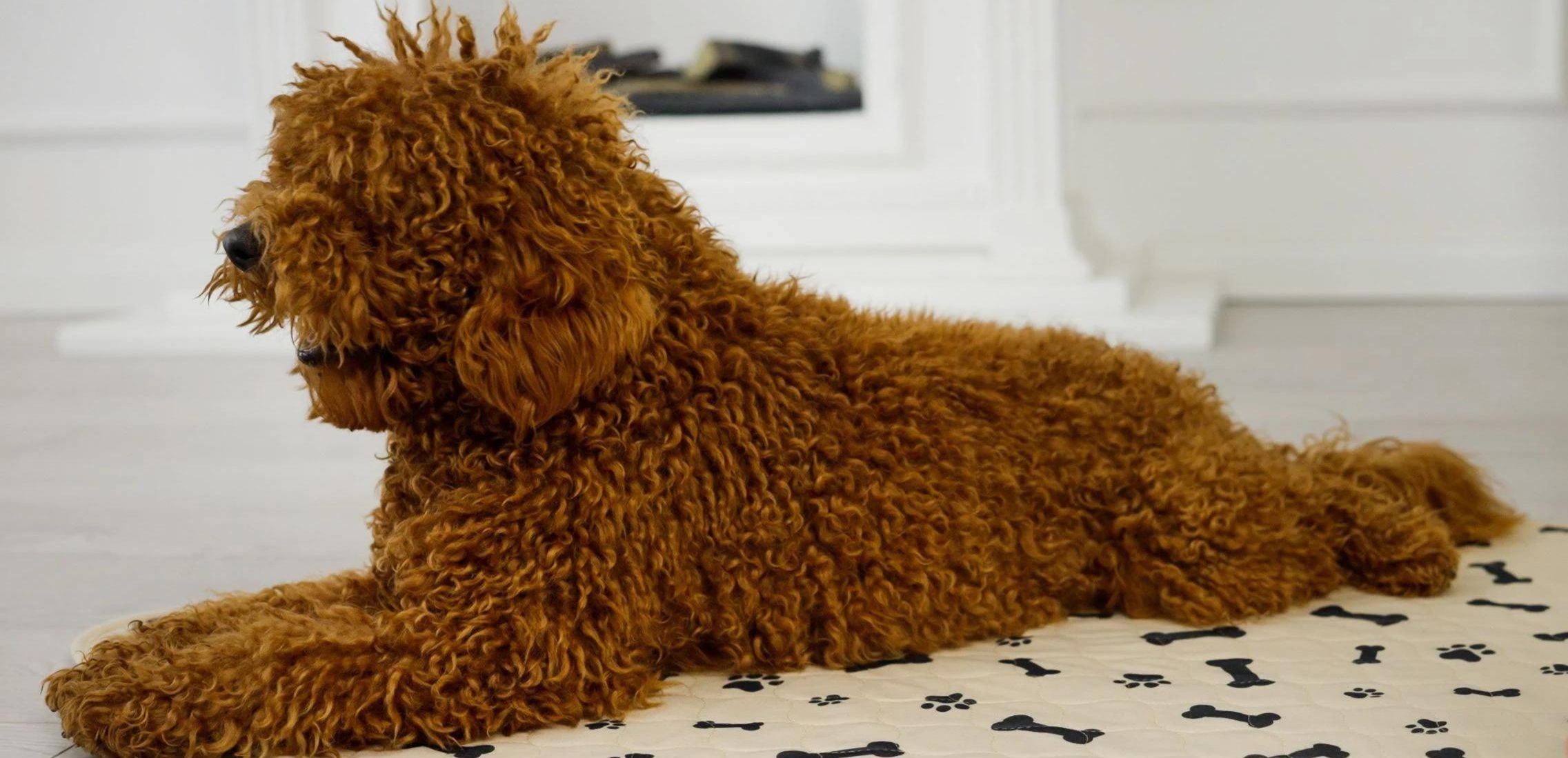
We all know that dogs pee in a slightly different style, depending on whether they are male or female. Female dogs will often squat, while male dogs will typically lift up their hind leg to urinate.
But why do male dogs do this when, as puppies, they tend to squat?
Well, male dogs learn to lift their legs as they get older as a way to mark their territory. By lifting their leg, their urine will reach a higher level, around nose height for most dogs, making it easier for other dogs to smell and know that someone has already marked their scent. This leg-lifting behavior can complicate potty training with dog pee pads, as the spray from dog pee may miss the pad and create a mess.
It may seem like pee pads would only work for dogs who squat to pee, however dog pee pads are designed to manage dog pee indoors for both male and female dogs, offering features like absorbency and leak-proof layers to help prevent messes.
In this blog we will take you through the necessary steps to help your male dog use a pee pad, the process of introducing male puppies to a proper indoor potty training routine.
When it comes to potty training your male dog to use an indoor potty pad, it is easiest to take things one step at a time. Creating a designated bathroom area for your pet helps establish a clear routine and encourages consistent use, making the process smoother for both you and your dog.
Whether male or female, ensuring you are consistent, patient and regularly repeat the key steps will help your dog learn how to use an indoor potty pad.
Here are some essential steps in preparing to potty train your male puppy:
Getting familiar - Dogs navigate the world predominantly through their noses, so allow your pup to be a part of the opening/unboxing of your puppy training pads. Let them see and smell the pad so that they get used to it, this will stop them from being surprised or frightened by it.
Pee pad placement - Make sure you place the pee pads in easy to see areas of the house, preferably set down by doors to help encourage your dog to eventually learn to pee outside. Designate a specific indoor bathroom area for your pet to reinforce the habit.
Consistency is key - We would advise keeping the pee pads in the same place rather than moving them around, this way there won’t be any confusion for your pup. It is also recommended to keep pads in several rooms of the house so your pup has more than one place to go if they get caught short.
Guide and supervise - Consistently guide your pet to the puppy training pads after eating, sleeping, or playing, and supervise them during these times to reinforce the bathroom routine.
Positive reinforcement - Use treats and praise as positive reinforcement each time your dog uses the pad successfully. This motivates your pet and helps establish good potty habits.
And breathe - Creating a calm environment can be super beneficial when it comes to potty training your pup - the more zen they are the more likely they are to retain information and feel comfortable to use their puppy pee pads.
Next up, the potty training process:
Like most things, it is helpful to start early. The younger the dog, the easier it will be for them to retain new information, so it is the perfect time to start potty training.
Create a consistent potty training schedule for your dog by taking them to the pad after meals, playtime, or naps, and encourage them to relieve themselves there. This helps reinforce the habit and makes it easier for your dog to understand where they should relieve themselves.

Veterinarian’s Comment:
“Starting pad training early makes a real difference, especially for male dogs. Young puppies typically squat to urinate before leg-lifting develops, which means the early weeks are the ideal window to build a reliable pad habit before the posture changes.
If you wait until a male dog is already lifting his leg before introducing a pad, it’s absolutely still possible, but you’ll need to adjust the setup to account for the new angle. The earlier you start, the more options you have.“
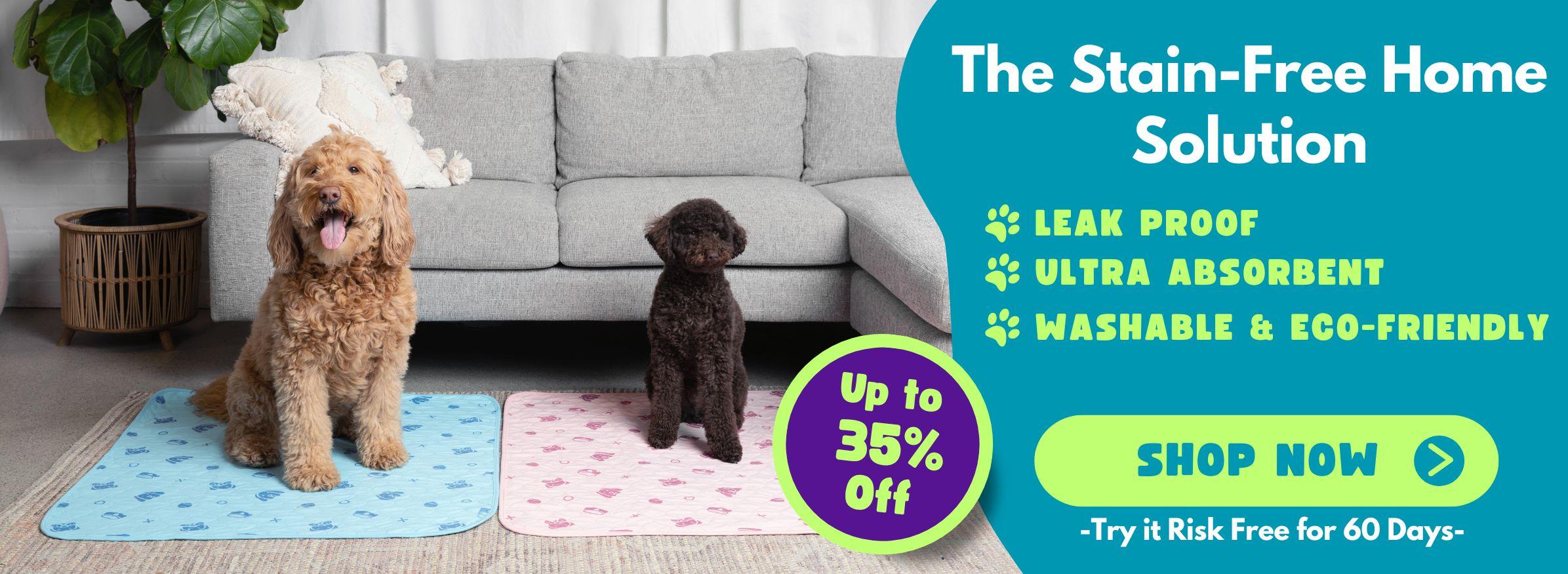

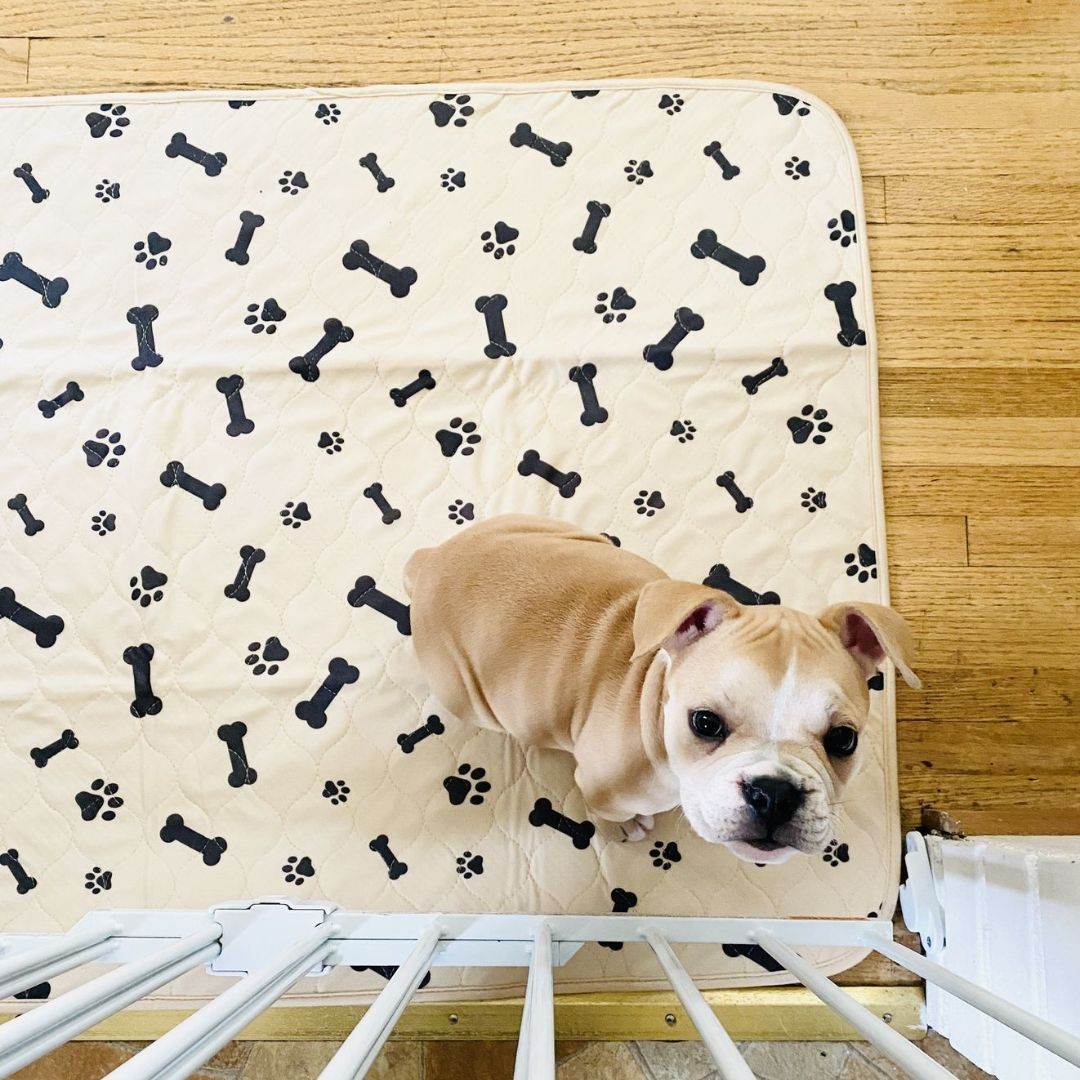
Figuring out where to put your potty pads in the home is a significant decision when it comes to introducing your dog to these potty training accessories.
The most important thing when installing your indoor potty pads is to pick a place and stick to it. Make sure the designated bathroom area is separate from where your dog eats and rests, creating a clear boundary between toileting, eating, and sleeping zones. Moving the pads around can confuse your dog and disrupt their routine.
Our advice would be to put several potty pads around your home, allowing your dog to get used to the look, smell, and feel of the pads, as well as giving them options of where they go potty. Placing the pee pads near the door is often recommended, as it helps establish a routine and makes it easier to transition your dog to outdoor potty training in the future.
One of the most important things to make sure of when installing your pee pads is to provide a horizontal as well as a vertical surface, preferably on a hard floor that is easy to clean, and definitely not on an uneven or sloping floor.
Especially if your male pup begins to raise their leg to pee, rather than squat, having a vertical surface available for them to use will help absorb liquid from leg-lifting male dogs and prevent messes. Vertical or high-walled protection allows the pad to effectively absorb urine and keep floors dry and clean. We’d recommend investing in some non-damaging hanging strips and using these to attach the top half of your potty pad to a wall.
Vertical protection options can include securing one side of the pad up the wall or using a dedicated potty system with three-walled coverage.
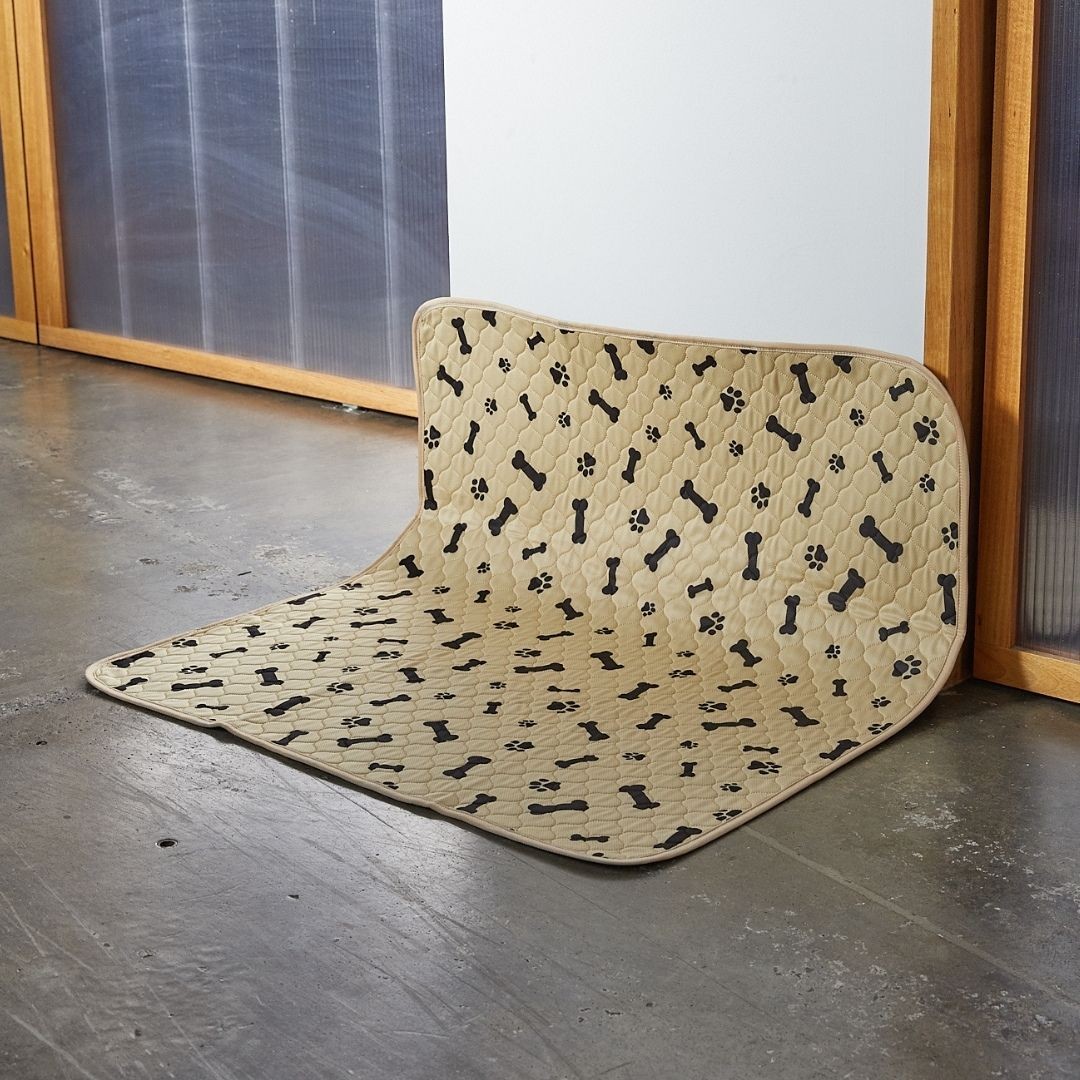
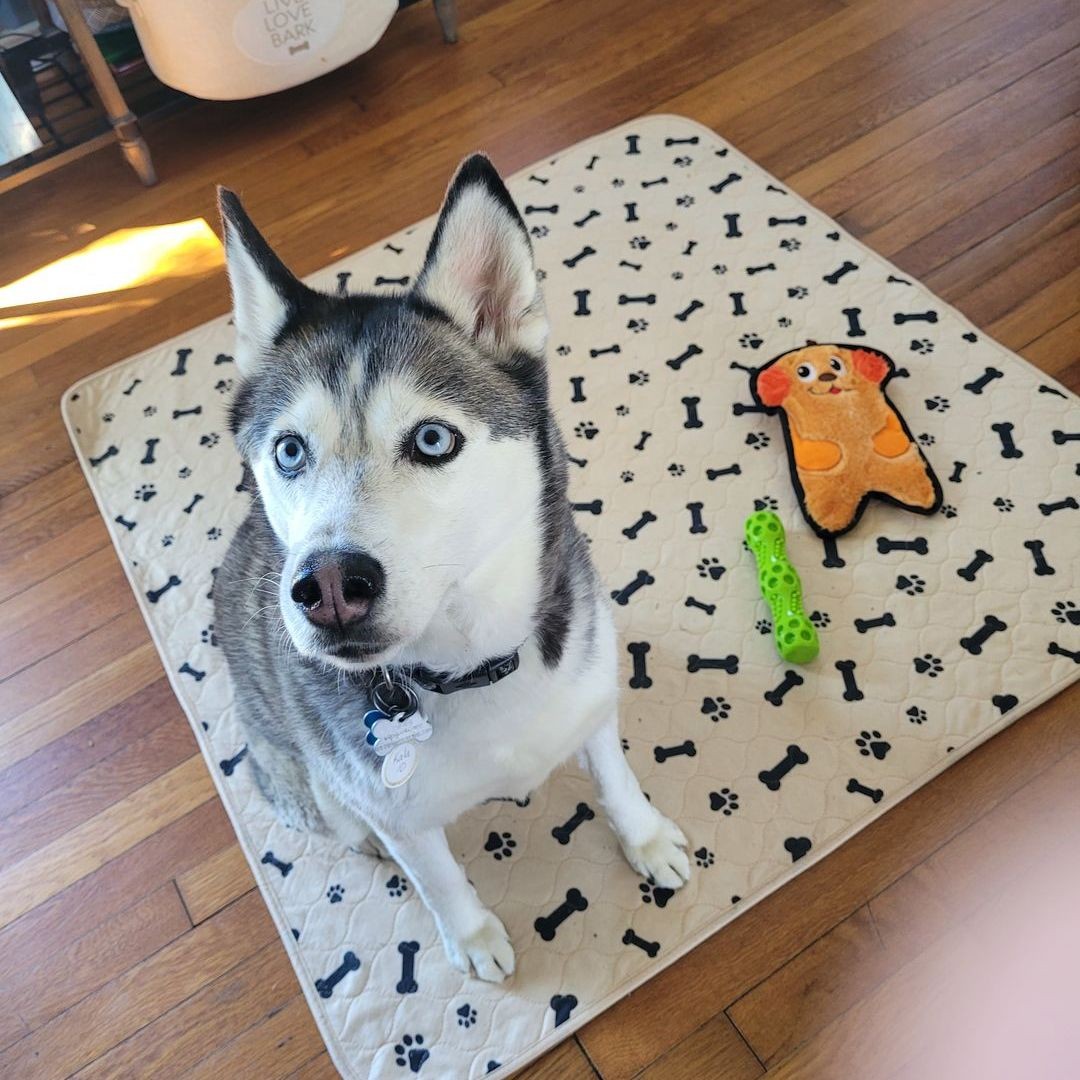
Something to consider if you are thinking of introducing your male dogs to pee pads is to purchase a larger pad, such as "JUMBO" or larger.
These sizes are ideal for male dogs, as they provide more coverage and help ensure your dog doesn't miss the target when using a dog potty solution.
If you plan to provide a vertical surface, a larger pad can reach higher up the wall and also drape partly horizontally across the floor, offering maximum protection for your home surfaces.
Ah, the moment we’ve all been waiting for…clean up time!
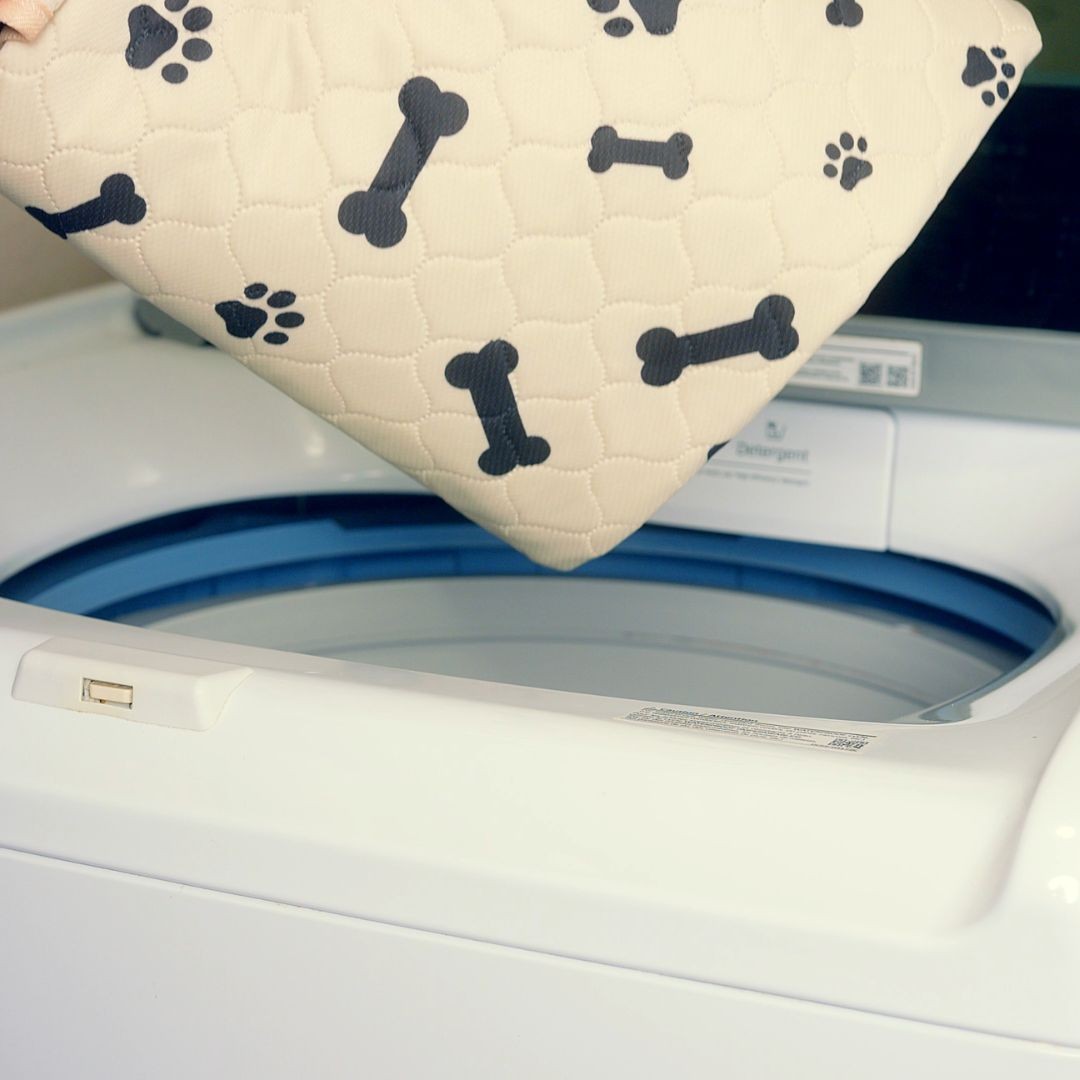
Washable pee pads are an eco-friendly and cost-effective option, as they can be reused multiple times and help reduce waste.
You can wash your reusable pee pad by hand with warm water and laundry detergent, or run the pad through a regular cycle in the washing machine. Just be sure to use a detergent that doesn’t contain bleach or strong perfumes, as these can be highly irritant for your dog’s skin and eyes, as well as reducing the lifespan of the pad itself.
If your dog has gone number two on their pad, no need to worry! Depending on the stool consistency, you can pick it up and flush it, then wipe down the mat with dog-safe disinfectant and odor neutraliser, and if you feel you need to you can pop it in for a wash cycle afterwards.
Regularly replacing used pee pads is essential to prevent odors and maintain cleanliness, which encourages your dog to continue using the pads.
Veterinarian’s Comment:
“One thing I’d always flag to owners of male dogs using pads is to watch for changes in urination habits. If your dog suddenly starts going more frequently, producing very small amounts, straining, or seems uncomfortable, don’t assume it’s a training issue.
In male dogs, urinary tract infections, bladder stones, and prostate problems can all change how and where a dog urinates. Pads are a great tool, but if something shifts unexpectedly, it’s worth a vet visit before putting it down to behavior.“
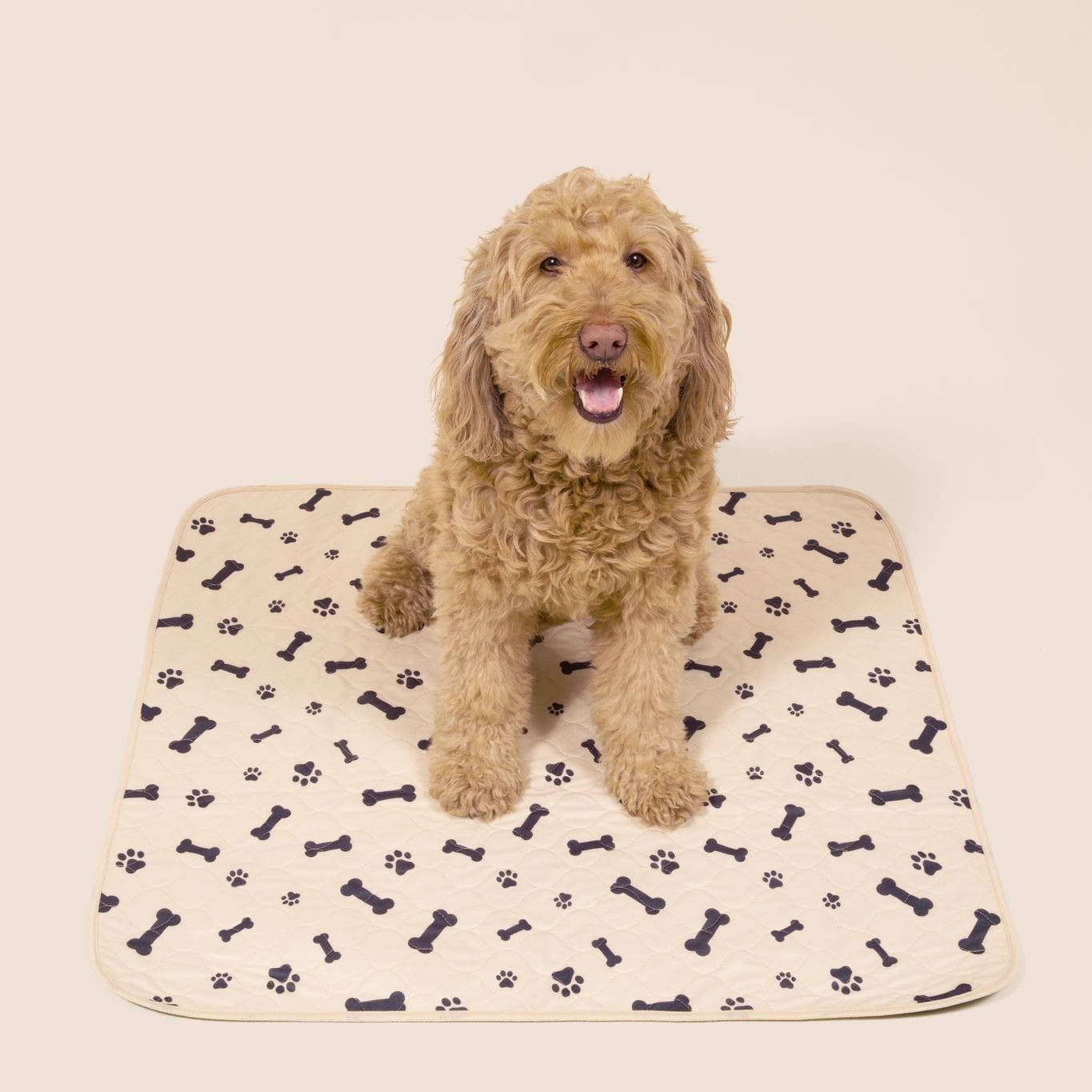
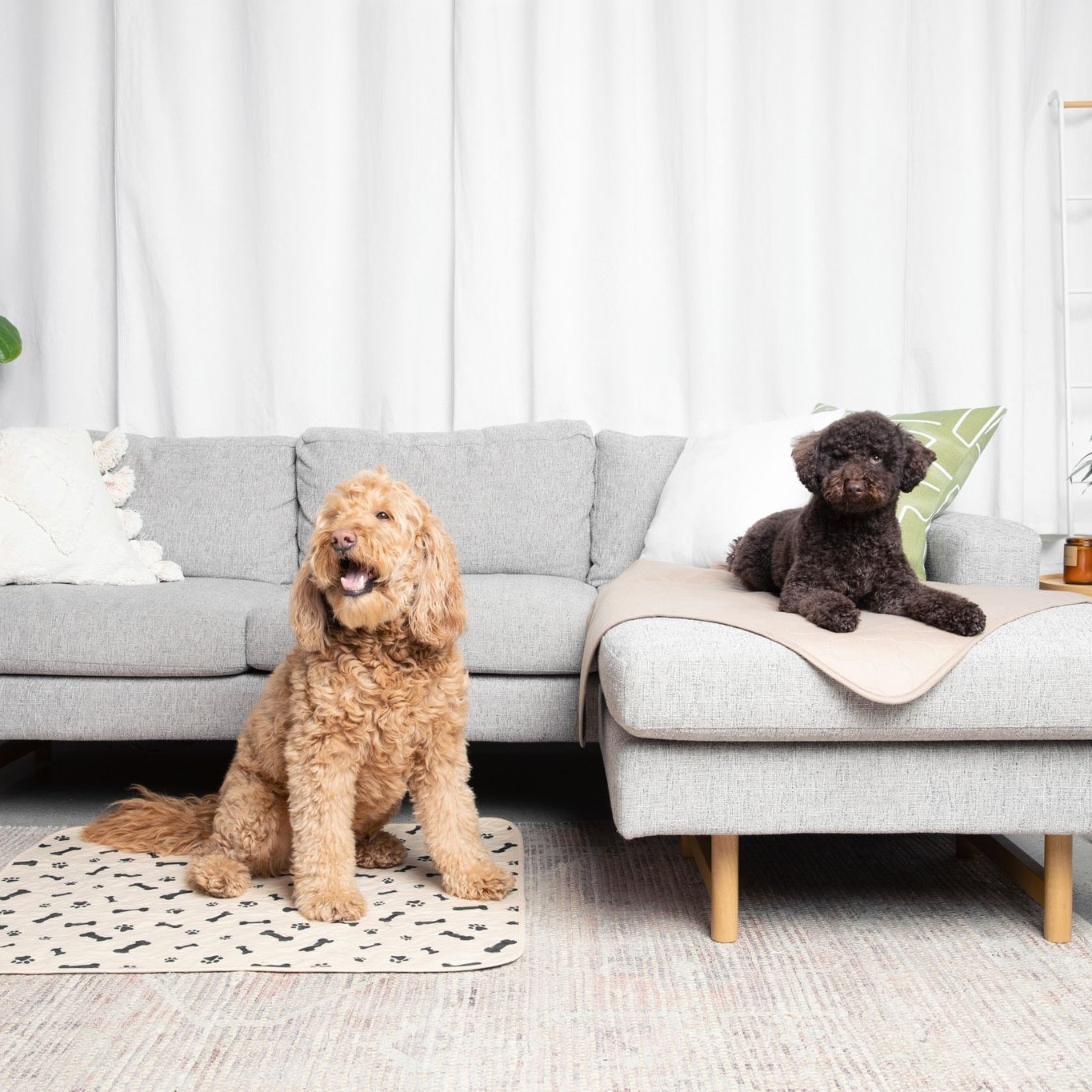
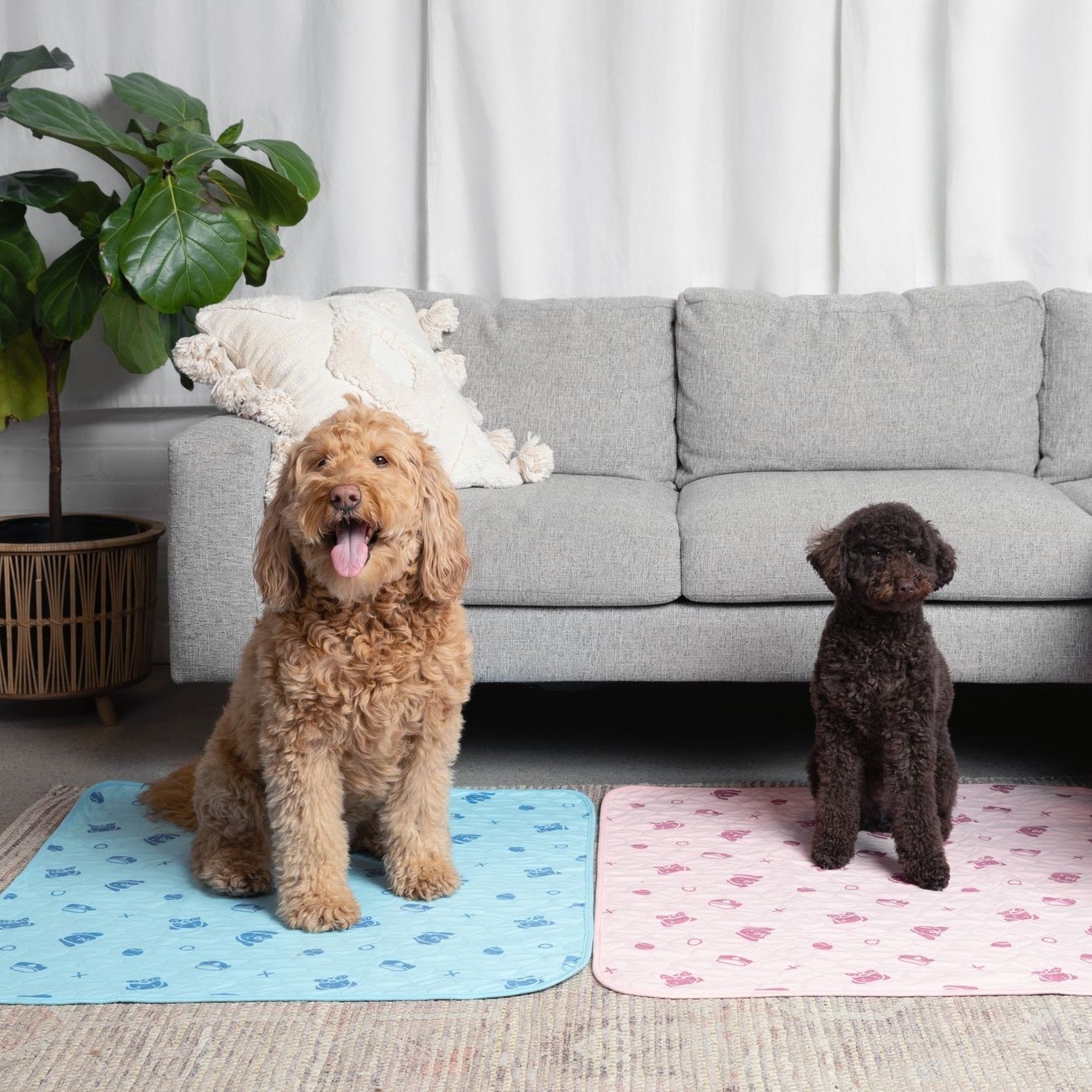
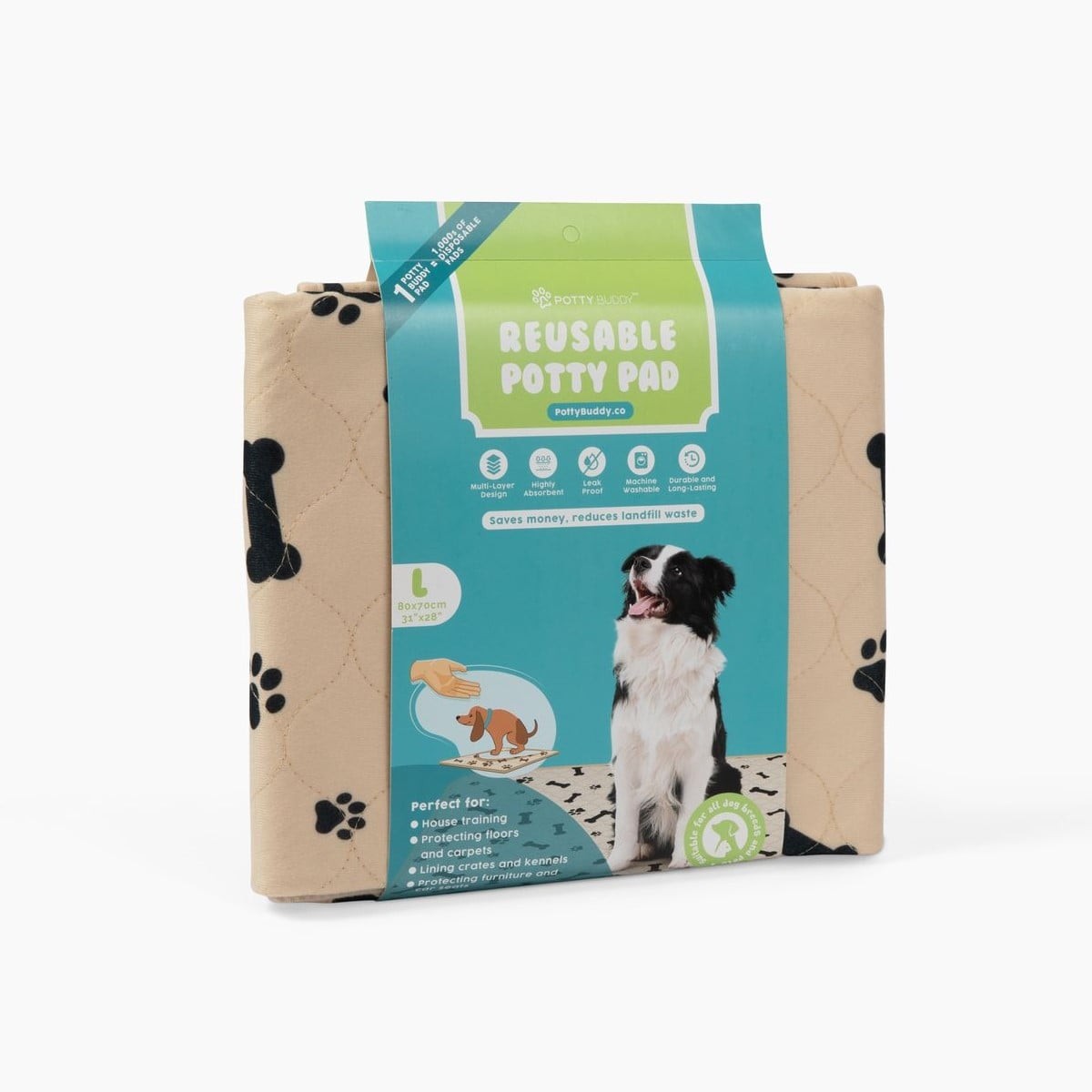
Our Premium Reusable Potty Pads are a great training pee pad for any dog - with three layers of super absorbent, leak proof material that also works to trap odors, our pads are suitable for both male and female dogs.
So pee freely, four-legged friends - we’ve got your back!
See How Dog Owners Are Using These Leak-Free Potty Pads to Keep Their Homes Clean and Pups Happy
4.7 ⭐⭐⭐⭐⭐
Over 100,000 Dog Owners Saved Money With Potty Buddy™
The washable pee pads that absorb anything your dog throws at them, while keeping your floors and furniture stain-free.
✅ Super Absorbent and Leak-Proof
✅ Great for Potty Training
✅ Ideal for Puppies and Older Dogs
✅ Washable and Reusable For Years
✅ Save over $400/year by not buying disposables
-60 Day Money Back Guarantee-

⭐⭐⭐⭐⭐
-Diana D.
These pads are a life saver for my kitchen floor and bedroom carpet! Just ordered 2 more!
Follow Us On
Check Out Our Most Popular Content