Your Cart is Empty


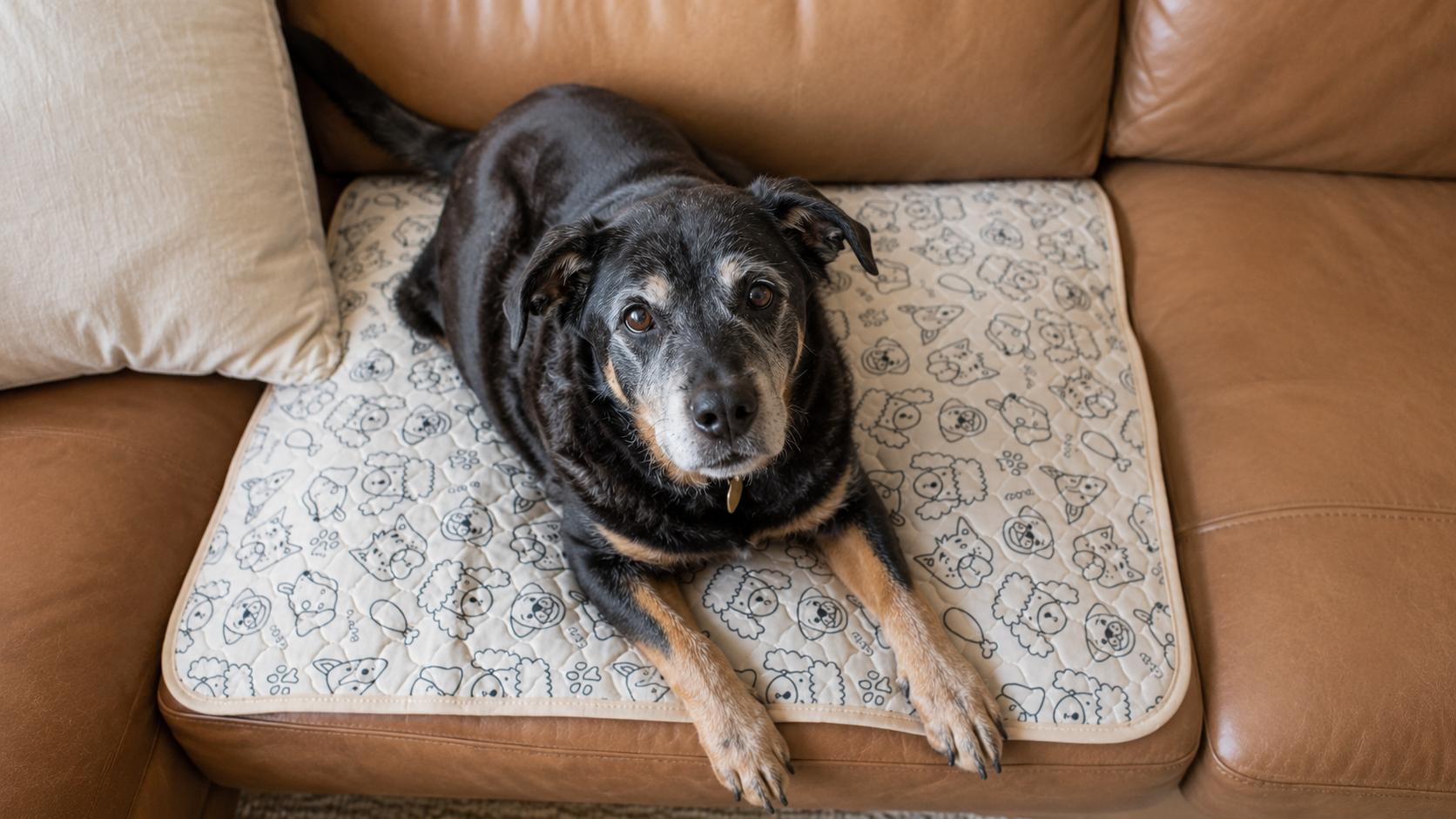
It’s not just puppies who can benefit from pee pads. If you’re wondering how to train an older dog to use potty pads, start by putting pads in quiet, easy-to-reach spots away from your dog’s bed and food, limit their space at first so the pad is the clear bathroom area, pair the pad with a familiar potty cue, reward every success with praise or treats, and repeat the routine daily for 1–3 weeks with patience.
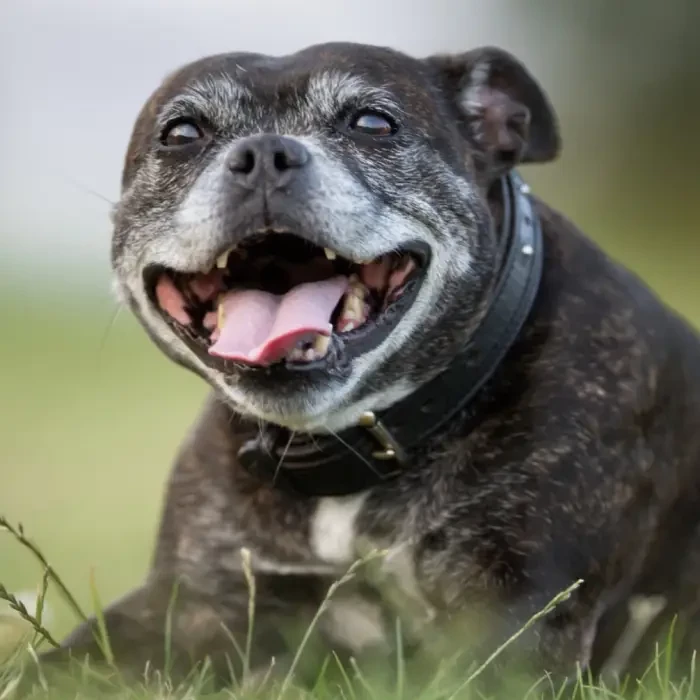
Senior dogs often deal with incontinence, joint pain, or reduced mobility, which can make getting outside in time difficult. For pet owners caring for an older dog with bathroom accidents or trouble reaching the yard, potty pads can make life easier while helping your dog stay comfortable, clean, and confident.
In this blog we cover why potty pads can help older dogs, how to potty train a senior dog indoors step by step, where to place the pads, how to use confinement and cue training, how to build a consistent schedule, and common questions about pad size, pad types, training time, setbacks, and combining indoor and outdoor bathroom routines.
Why are Potty Pads the solution for your older dog?
Training an older dog to use Potty Pads
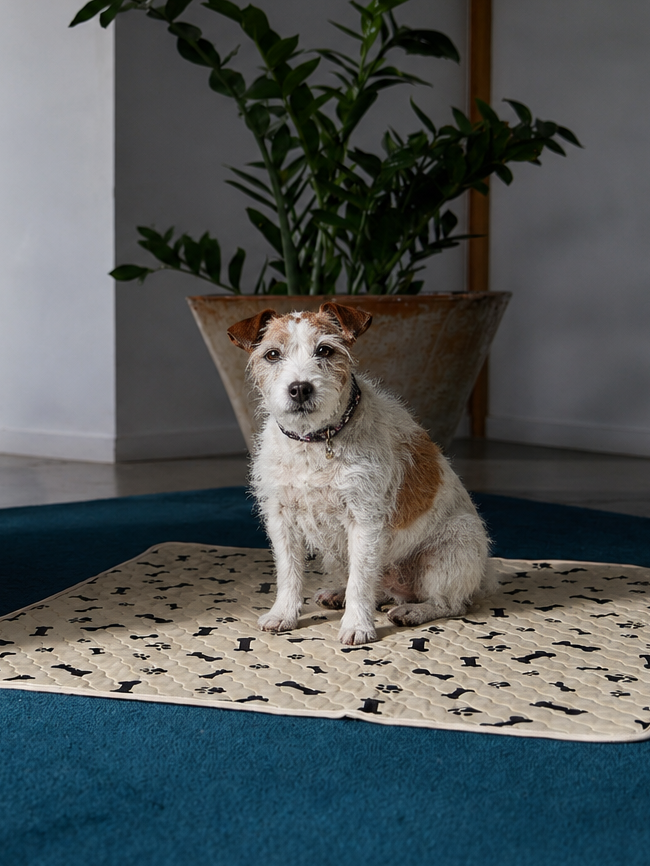
There are several reasons why older dogs may benefit from having a reusable Potty Pad in the house, including:
You live in an apartment or recently moved area - Living in a high rise building can make it harder to take your dog out regularly, especially if your older dog is dealing with arthritis. Also, moving to a new and unfamiliar area can result in your senior canine being unsure where to go potty.
You yourself have limited mobility - For pet owners with reduced mobility it can be difficult to get their dogs out regularly, so using pee pads around the home can really help.
Your dog is really difficult to walk - Some dogs just don't get on well on walks; perhaps they are particularly nervous, aggressive or unruly. All these things can make it hard to take your dog out to potty as often as you'd like.
Your dog is disabled or a senior - A senior pet or disabled adult dog can often struggle with mobility and general movement, making peeing outside a challenge. Keeping pee pads around the home can make them more comfortable and ensure peeing and pooping is more accessible, and they can also help during recovery from surgery or illness.
The good news? Potty Buddy's Reusable Potty Pads have been specifically designed to support dogs at all life stages, whether they're a potty training puppy or an older canine citizen.
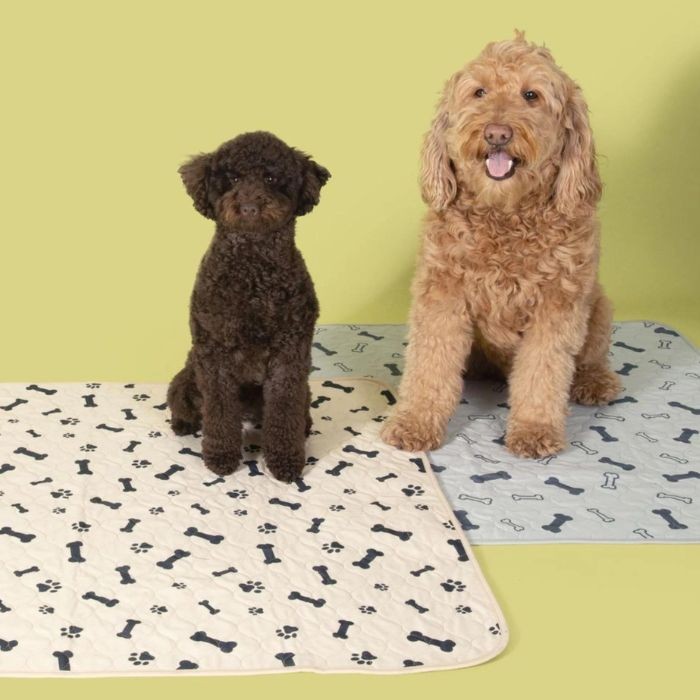
Featuring a unique three-layered design, these pads work to trap odors and stop leakage, making for a more mess-free potty experience. Created with super durable and ultra-absorbent materials, you can depend on these pads to support your dog's ongoing health and happiness.
Need some extra support with your older dog's incontinence? We also have our ultra comfy dog diapers. These diapers are super absorbent, with 3x better liquid absorption than the average diaper, leak resistant, and planet-friendly. Like our Potty Pads, our dog diapers are reusable, helping to save the planet and your wallet!
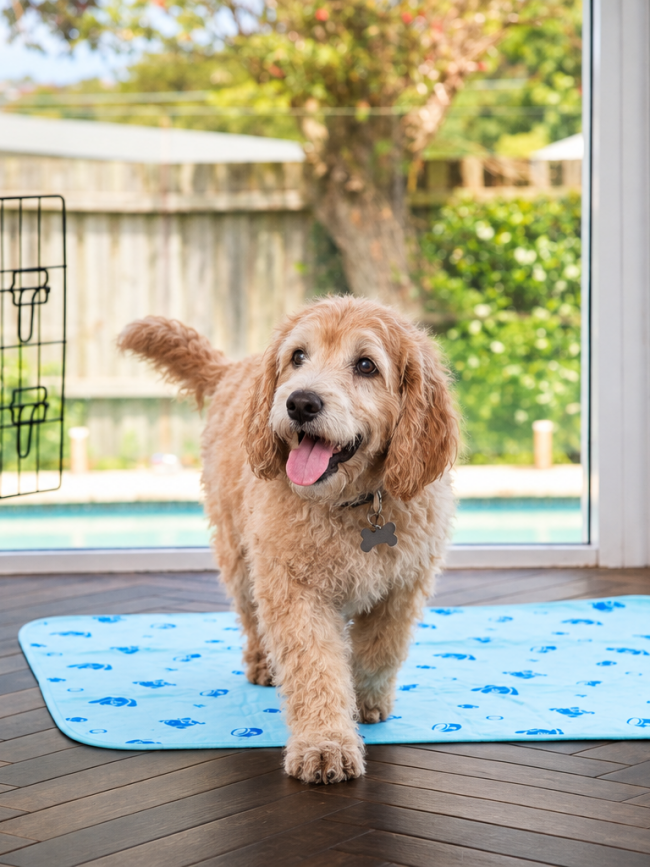
Getting an old dog to learn new tricks can be hard, but with love and guidance, you can successfully implement a new bathroom routine for your older dog.
Here are some of the things you can do to get your older dog accustomed to pee pads:
The most important thing for older dogs or dogs with reduced mobility is choosing an accessible location. Dogs do not like to go to the toilet near to where they sleep and eat, so finding a spot that is far enough away from their sleep and snack spot — whilst still ensuring good accessibility and good footing, so avoid slippery floors near the pad area — is a must.
You will want to try and keep your dog in one room while they learn to use their pad. Once they have become accustomed to it, place the pee pads around the house so confinement helps them connect the pad with the idea of where to relieve themselves, and using the same spot at first reduces confusion.

Verbal cues can be incredibly helpful when it comes to teaching an old dog new tricks. As it is likely most older dogs have already been potty trained and are used to a certain command, you can repeat this command when trying to train them with Potty Pads. How you speak to and reward your dog when they use their pee pad will help to show them where you want them to go potty.
Just like when they were puppies, dogs always react well to positive reinforcement, whether that's through verbal praise, lots of pats or yummy treats. Reward your dog each time they use their pee pad with immediate praise, including high-value treats while they’re learning the new routine, or a cheerful “good girl” if that fits your dog, as this will help reinforce the behavior.
There can be too much of a good thing, and in this instance, 24/7 training can be draining for both you and your dog. Gentle encouragement is the way forward, and pee pad training works best at regular intervals rather than as one daily session. For example, guide your dog to the pad first thing in the morning, after meals, and after waking from naps. That schedule helps build new routines as part of the overall training process.
Repetition is the best way to get your dog to learn anything new, and pee pad training is a learning process, so take a positive step each day for 1–3 weeks while letting your senior pup move at their own pace.
Both options work well for potty pad training an older dog, but each has distinct advantages:
Disposable pads offer a convenient, easy-to-use option. They're ideal for senior dogs with health issues requiring frequent changes, and they're perfect for travel or visiting friends. Some also have non-slip backing with adhesive tabs to help keep the pad secure. Simply use and toss – no laundry required.
Reusable pads provide superior absorbency, are better for the environment, and much more cost effective in the long term. They usually also come with an anti-slip backing and won't shift around. Odor control features can be especially helpful for a senior dog at home. While they require a higher initial investment, they save money over time since you can wash and reuse them endlessly. Most are machine-washable and dryable, making cleanup straightforward.
For senior dogs, many owners find success in using reusable pads at home for cost-effectiveness and switching to disposable pads when traveling or during illness.
So, to finish off, what are the main things we need to consider when teaching an older dog to use pee pads?
Make the pads accessible - Senior dogs or adult dogs with health or mobility issues will find it harder to get around. Making sure there are plenty of pee pads in accessible areas for your dog around the house will keep them comfortable and minimize the risk of accidents.
Repetition - Repeating pee pad training daily for 1-3 weeks will help your dog realize that this is a new part of their potty routine. Similarly to humans, dogs respond very well to repetition when used in a learning environment, and this paired with rewards and positive reinforcement will encourage good behaviors.
Positive reinforcement - Your dog will learn faster if they know they are doing a good job, so treats and belly rubs all round when your dog performs a desired behavior.
Don't punish - Your dog will not have an accident on purpose. Never verbally or physically punish your dog for going to the toilet where they shouldn't, as a new toilet training routine will take time for them to learn.
Be gentle and patient- You cannot rush this process; patience is required of any good pet parent when implementing a new routine for their dog, and your animal will only respond to kindness and a gentle manner. Raised voices and harshness are a recipe for disaster!
Whatever the reason your adult dog may need to tinkle in the house, Potty Pads are an efficient and easy to clean way of keeping your dog, and home, in tip top shape.
Here’s to your older pup’s healthy potty routine - whether it be indoors or outdoors!
Follow Us On
Check Out Our Most Popular Content