Your Cart is Empty


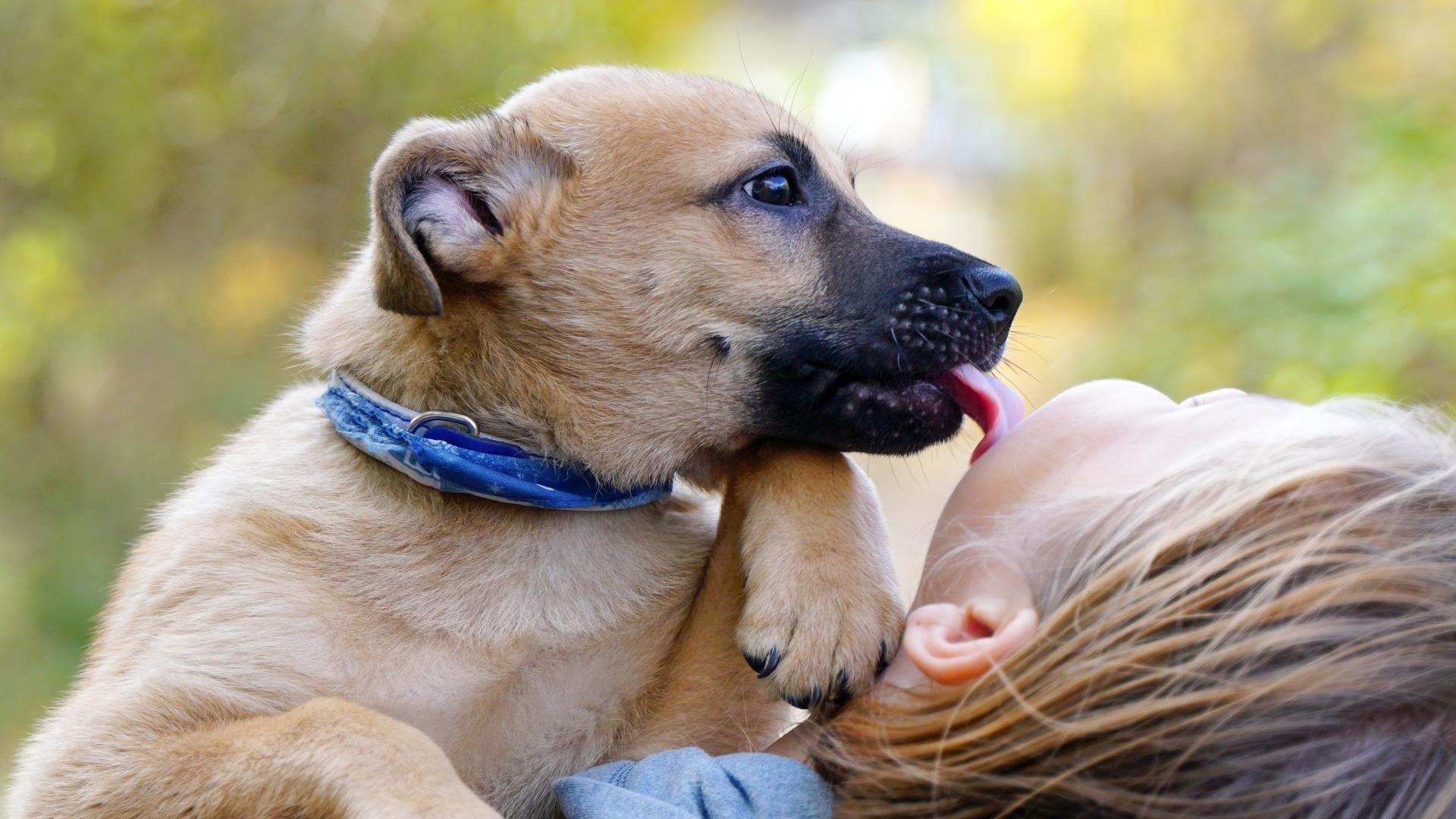
Is your dog constantly greeting you with sloppy kisses? Coming home to a dog’s enthusiastic licks can be equal parts flattering, heartwarming, and messy! Licking is a common way your pet shows their affection, but there can be a lot more meaning behind those little laps than you may have first realized.
This article explores the many reasons a dog will lick you, and also distinguishes a normal amount of licking from problematic behavior. We’ll take a look at the various types of canine licking and highlight how to stop dogs licking too.
So, why do dogs lick you? Are they tasting your skin, showing dominance, or telling you they love you? To better understand, let’s take a look at some of the most common theories.
One of a dog’s first experiences is getting licked all over as their mother cleans them throughout puppyhood. This licking is an important part of maintaining hygiene, stimulating their toileting, bonding, scent swapping, and providing comfort.
Mothers regurgitate food for their puppies in the wild, and they will lick her muzzle to stimulate this. It is a very insistent way of them asking for food!
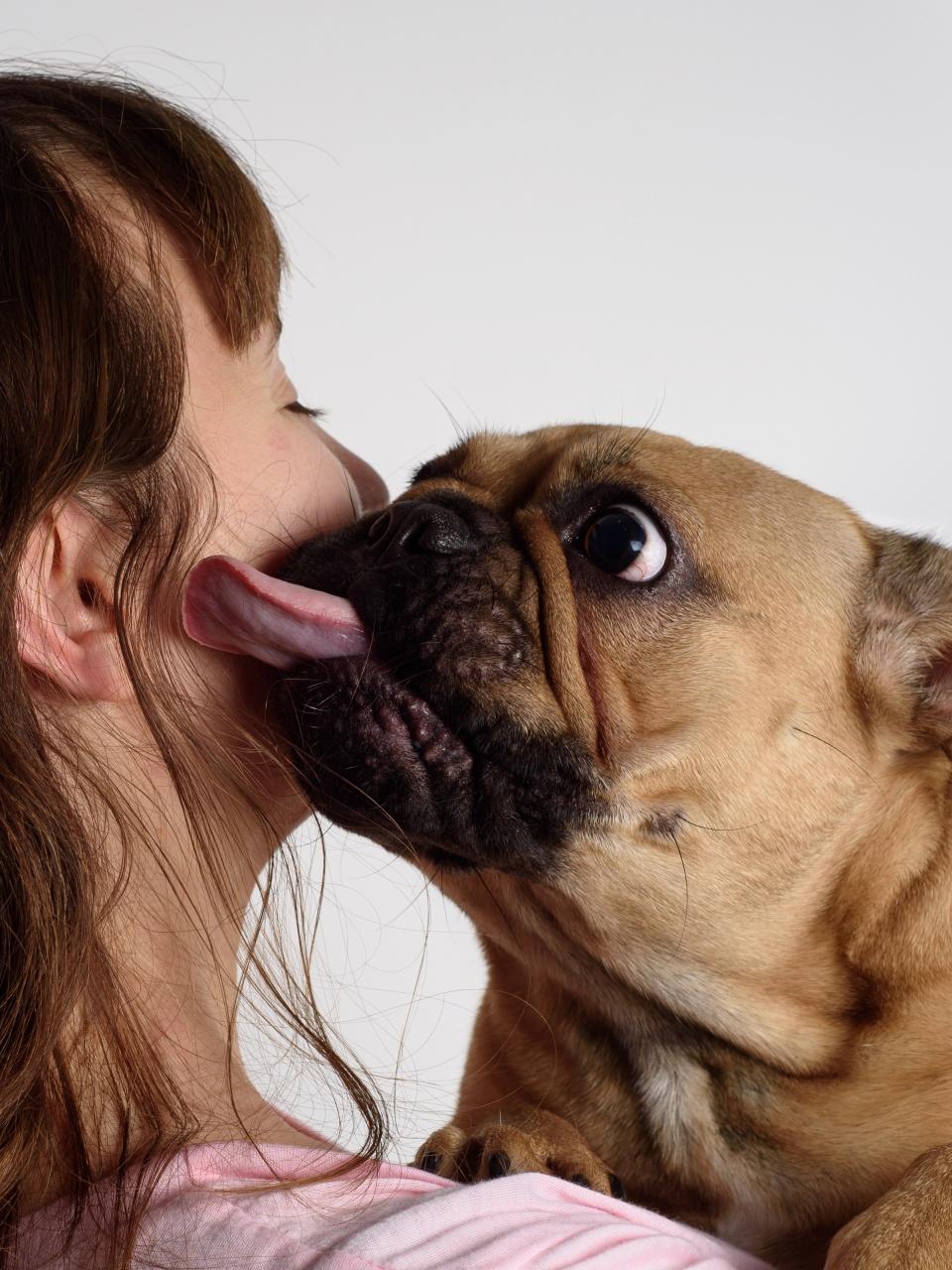
We also know that dogs in packs will lick faces to establish hierarchy and express their dominance or submission (showing respect and not challenging the alphas in the pack). It is an important part of communication that is often evident when dogs greet each other.
Another consideration, when it comes to licking, is that your dog is interested in your skin. Whether it is your soap, moisturizer, or sweat, they are exploring the smell and the taste. Indeed, salty sweat can be a real favorite of some dogs!
Repetitive licking is known to release endorphins and many canines use it to calm down and to self-soothe. While some may lick the floor, a toy or themselves, others will choose to lick you, their owner. This can be one way of them strengthening their side of the human animal bond.
Several studies into canine licking have been conducted, with one clarifying that dogs can alter their mouth licking in response to human emotions; meaning it is perhaps a more nuanced process than we once thought. Certainly, there is real meaning behind it, and it is not just a case of them enjoying the taste of salt!
Let’s take a closer look at some of the scenarios in which you will see your furry friend licking. Every dog is an individual, and the triggers will be different for each one. For example, my Maltese cross is a sensitive girl, who will run over to lick my toddler whenever he starts crying!
Your dog tends to communicate using their body language and vocalizations, but licking can also form part of their ‘vocabulary’. You might notice your dog licks you when they want to bring your attention to something or when they’re requesting affection or some playtime. Some dogs will even lick if they have a specific question, like when they need to be let out to pee!
Vet Tip: Be aware that some dogs use licking as a form of saying ‘Please Stop!’ This is a slow lick directed at the body part the dog is not happy about e.g. a hand resting on their paw.
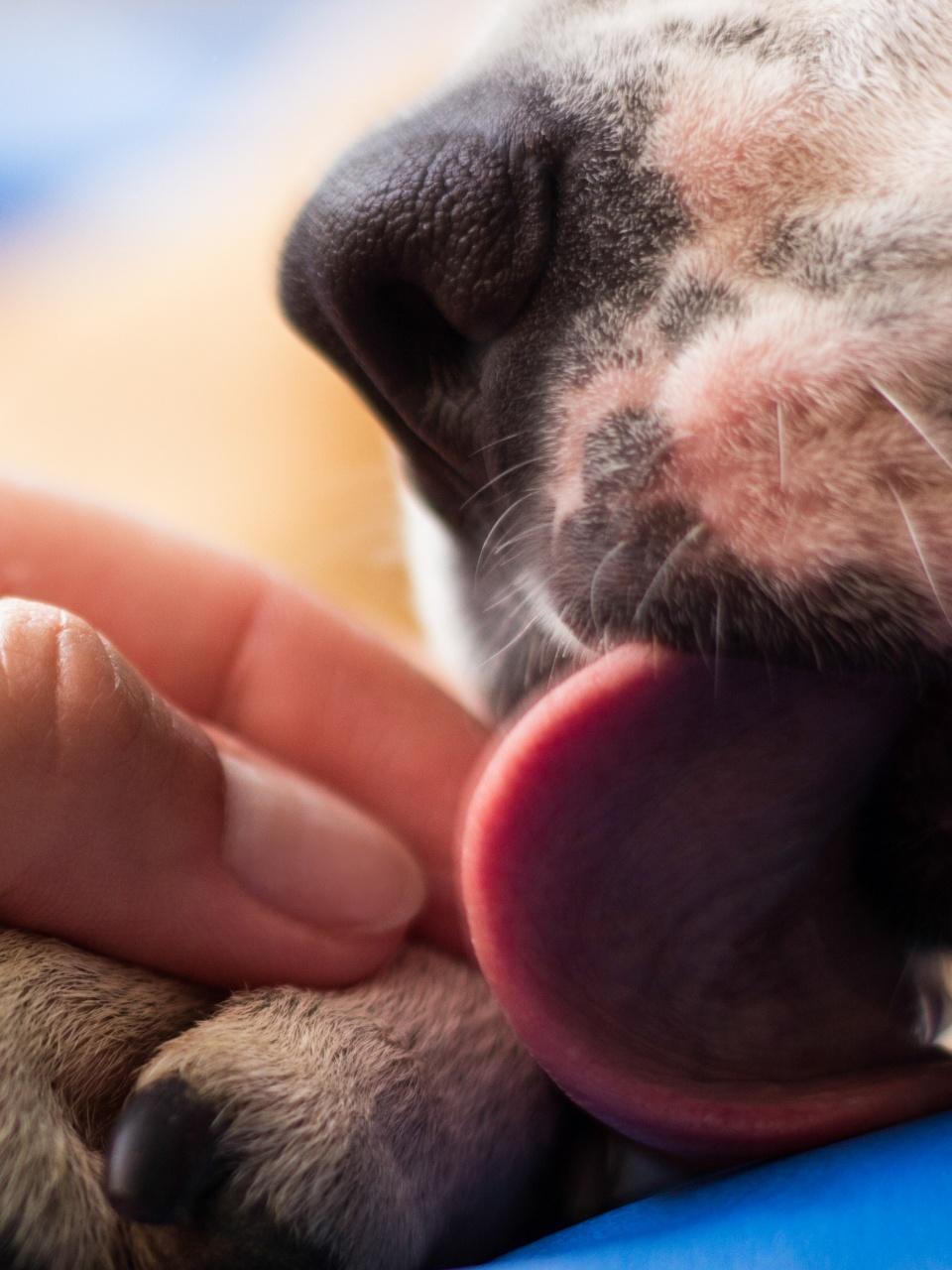
Dogs explore the world with their tongues; this is true whether the new taste is in their food bowl, on the soil outside, or on our skin. While you may not think our skin is very interesting, dogs will notice any sort of new product- like a lotion, soap or medication you have applied. As well as sniffing you, they’ll be keen to lick and taste your skin.
If you’re wondering ‘Why do dogs lick me so much?’, ask yourself if you use a scented lotion. I’ve realized any time I moisturize using cocoa butter, my dog shows me far more interest!
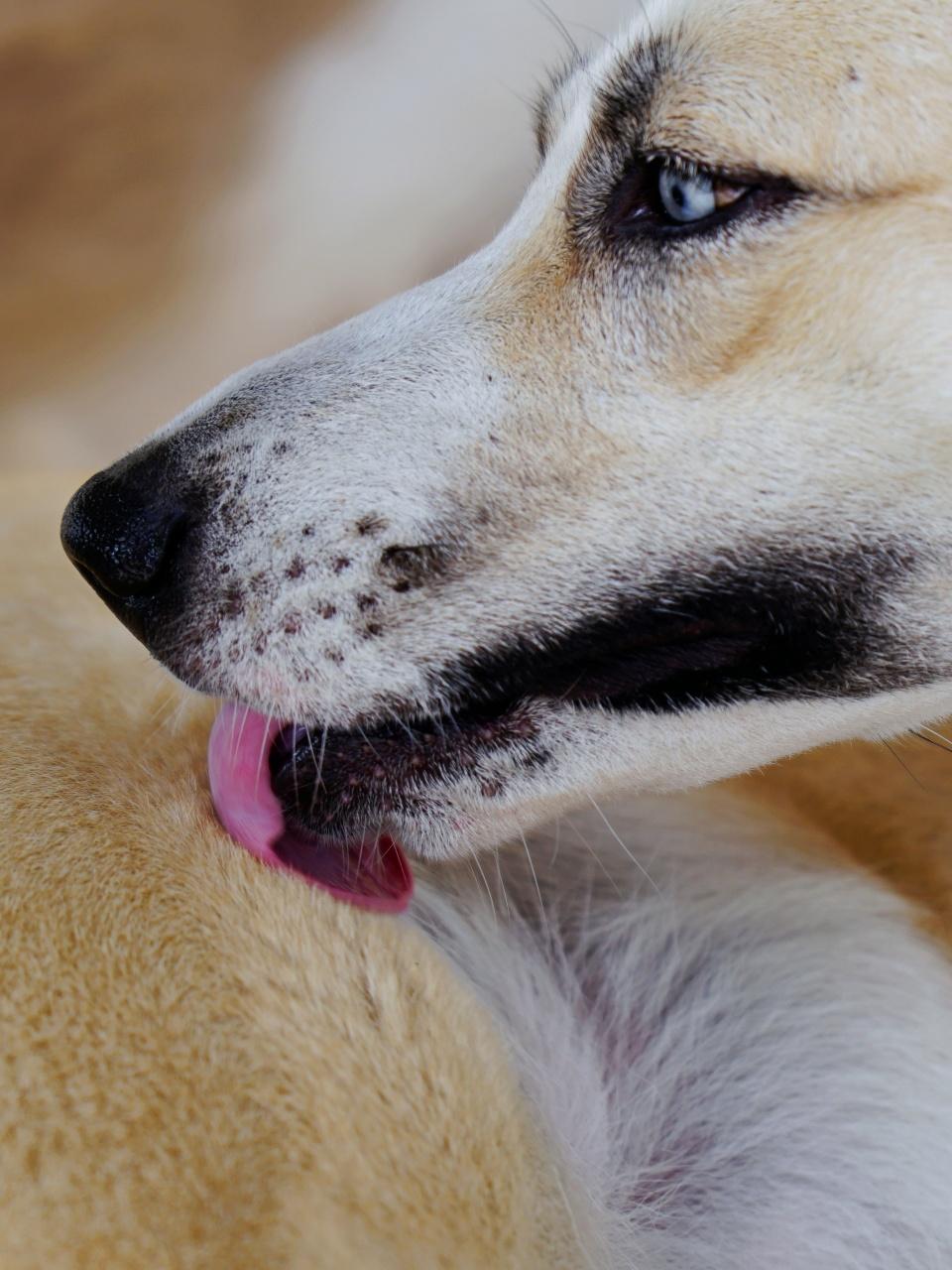
Dogs naturally want to lick themselves and others; it is something they’ve learned from their mother and that is in their DNA. As well as grooming themselves, they may want to ‘groom’ you, particularly if this was a way they bonded with you when you first took them home.
One fascinating study showed that dogs were very attentive to a person pretending to cry. Many would nuzzle and lick them; a true display of empathic concern. The researchers felt this was more of a learned response though- with dogs being rewarded for doing this by their owners in the past. They have also suggested that ‘emotional contagion’ could be at play- when your dog becomes sad because you are sad.
As well as nipping and mouthing, licking can form part of play. This is seen mostly in puppies, but can be something a dog of any age does. They will lick both other dogs and humans during play time.
If your dog has ever hurt himself, had a surgery, or cut their skin, you may have noticed them licking. This is to soothe the discomfort, and it is also known that some of the enzymes in saliva can aid recovery. However, most vets agree it is best not to allow your dog to lick their wounds, as they usually do so excessively, which can delay recovery and introduce bacteria.
As mentioned, licking is a common way your dog will greet you, particularly if they are feeling excitable and if you’ve responded positively to this in the past. It is a way of showing recognition, and perhaps of investigating where you have been. If you react negatively to licking, it is likely your dog will eventually stop doing this.
We can see that there are many, many reasons your dog licks. But, when do you need to be worried that there could be something more going on?

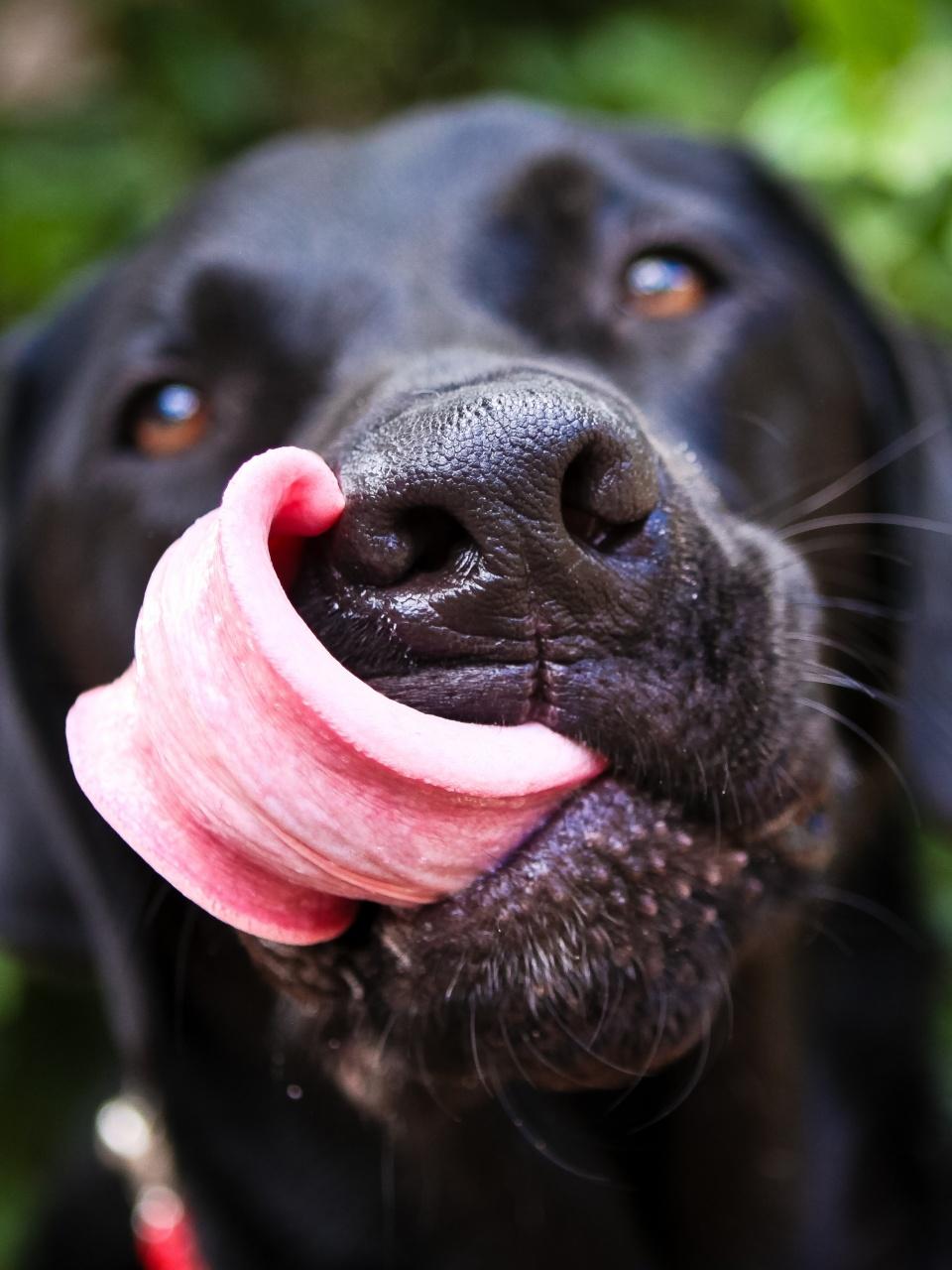
You’ll know what is normal for you and your dog, and should be able to pick up on a change in their licking pattern, duration or intensity. Some people welcome and tolerate lots of licking, while others prefer their dog does not lick them- we are not here to judge either way.
If you feel something is ‘off’ it is worth paying close attention to your dog and their behavior.
If your dog is suddenly licking you far more than before, consider:
Increased stress or co-dependency
Obsessive traits, which tend to be linked to boredom or under-stimulation
Response to acute stress- perhaps if you have been away or if there are fireworks overhead
Changes in life circumstances that are making them feel unsettled, such as a recent house move or new baby
Conversely, if your dog is licking themselves more, we’d be wondering about:
Allergic skin disease or skin conditions such as bacterial dermatitis or fleas. This licking can be coupled with bald patches, sparse fur, red skin and scabs. Paw licking is a classic sign of itchy paws and allergies.
Injuries such as broken claws. We also see joint licking in older dogs who are developing arthritis.
Boredom or anxiety, particularly if they do it at ‘higher stress’ times, like when left alone for long periods
If your dog develops any sort of physical symptom from licking themself, this is proof that they are overgrooming. These clues may show up in one spot only (such as just on the rump, or on one paw), or may be visible in many places over their body.
Don’t hesitate to get in touch with your vet if anything concerns you about your dog’s licking habits, or if you have spotted some physical clues that they have been licking themselves to excess.
Any sore skin will be examined and your vet will work to determine the cause. Therapies can include medicated washes, anti itch medicine, pain relief or antibiotics. They may also discuss the use of a buster collar for short-term skin protection.
Of course, excessive licking is something that needs to be resolved, as it is an indicator of some sort of problem or imbalance. The key will be in figuring out the cause, and then in addressing it in the most appropriate and sensitive way.
Negative Reinforcement (Attention Removal)
If your dog licks for attention, removing yourself from the situation teaches them the behavior doesn't work. Rather than getting your touch or voice, totally ignoring them is a clear communication that their behavior is not encouraged.
Redirection to Incompatible Behaviors
A neat solution is to give your dog something better to do. If you suddenly start playing with their favorite toy or asking them to carry out some commands in return for treats, the licking will soon be forgotten about. Do this consistently, and their brain will re-wire from wanting to lick when they see you, to doing something else entirely.
Positive Reinforcement:
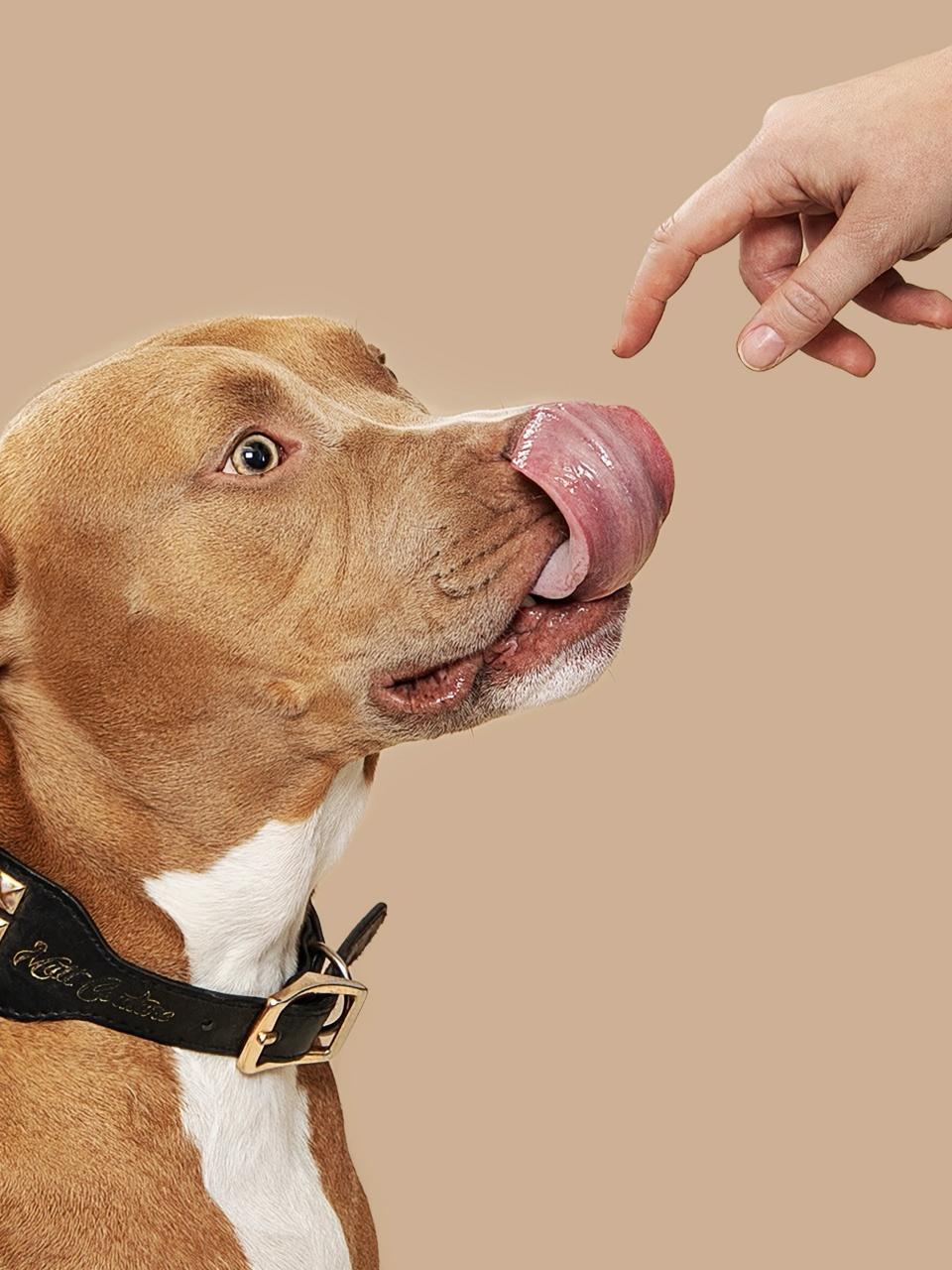
You need to consistently be teaching your dog what you expect from them- this is not something that they inherently know. Praise and reward them when they exhibit desired behavior instead of licking. This can even mean tossing treats to them now and then as they relax on the floor beside you, not licking you.
Hygiene
Sometimes, the most obvious solutions are the best ones. If your dog really does love the taste of your sweat, you may find that upping the frequency of showers makes them far less interested in you.
If you’re wondering ‘Why do dogs lick me after the gym?’, the answer is because they enjoy that salty taste. You should find that, once showered, your appeal has dropped right down!
Change or reduce lotion/skincare products
If your dog is attracted to a certain product you are using and constantly wants to lick it off, you may need to retire it from your rotation from now.
Provide alternatives
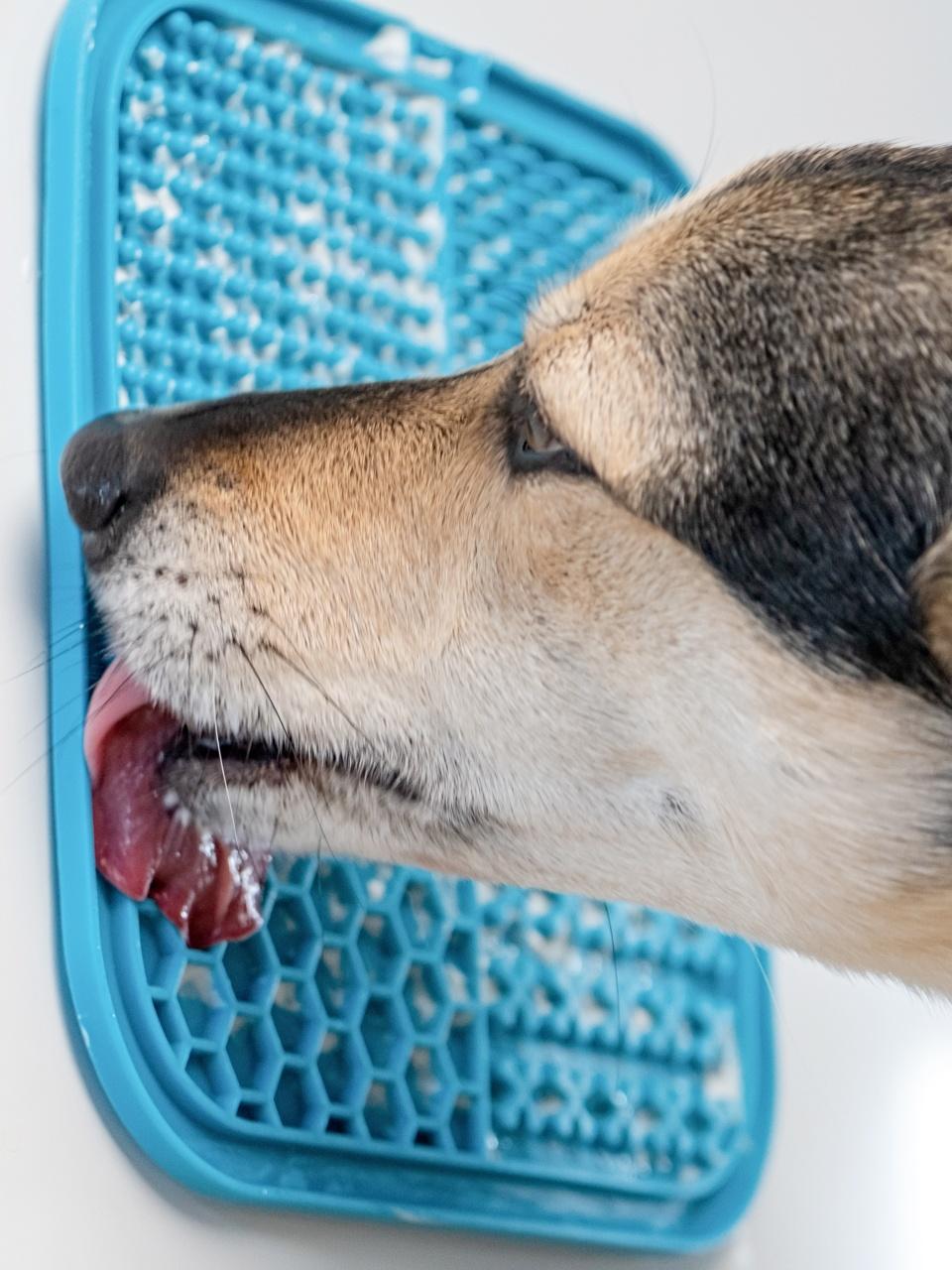
Some dogs really do love to lick. You may not be able to stop this, but you can give them something to lick that is not your skin. Lick mats with peanut butter or yogurt are a brilliant alternative.
Increase exercise
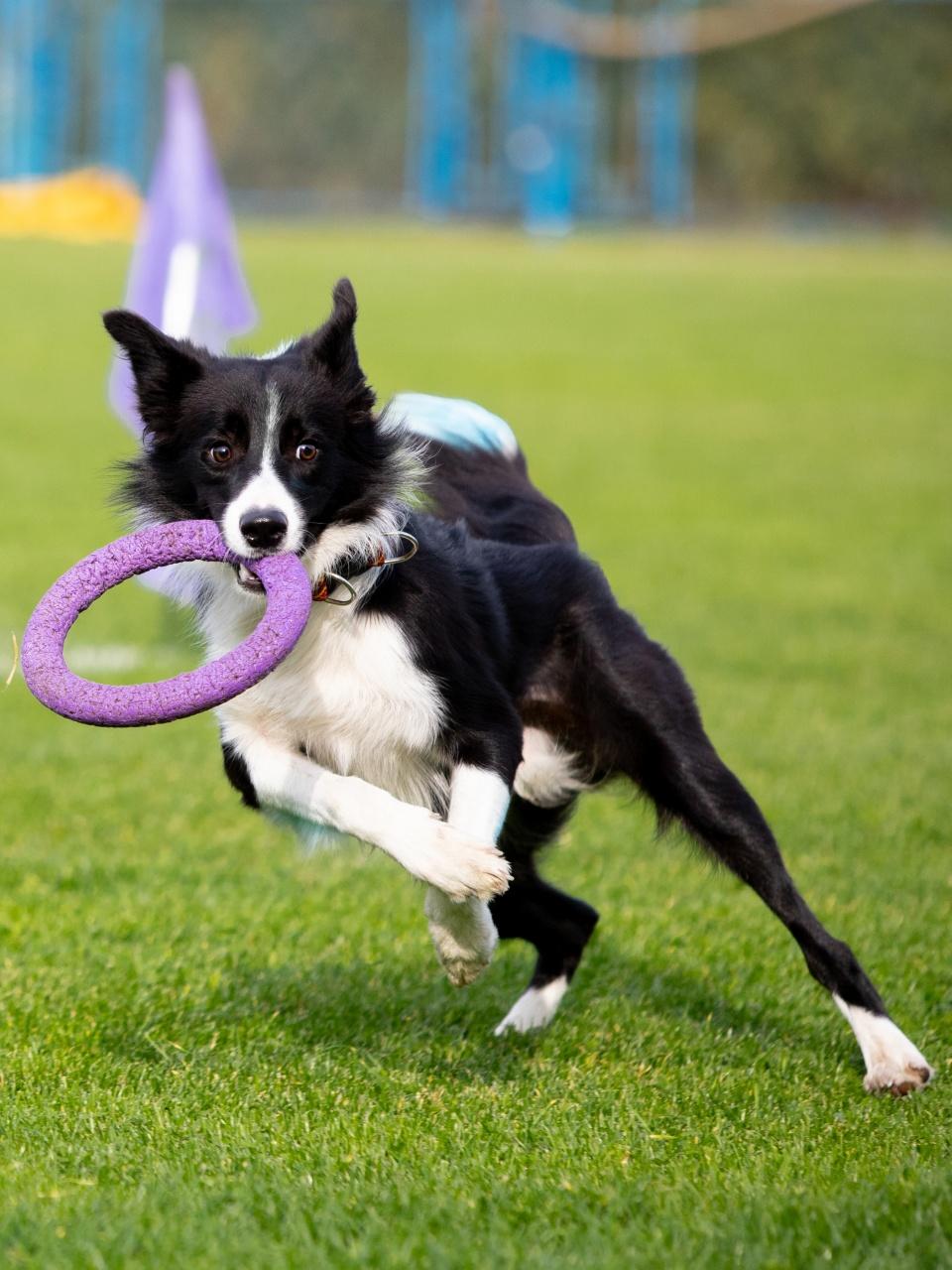
The more your pooch has to keep them busy and active, the less time they have for lounging around and licking. If they are tuckered out by the end of the day, they are much more likely to rest and sleep than to have a licking frenzy.
Enrichment
Perhaps even more important than physical stimulation is mental stimulation. Activities like trick training, recall, food puzzles and scenting games are all wonderful ways to tire your dog out, so they feel less need to occupy themselves with licking.
Bonding time
Do continue to spend lots of time with your beloved pet, and to show them plenty of love and affection. Foster that bond, so they feel secure in it, and so they are content to sit near you relaxing, rather than feeling an urge to seek attention or assurance.
You should always seek help from a professional if your dog’s behavior is concerning you, or you think it may be worsening.
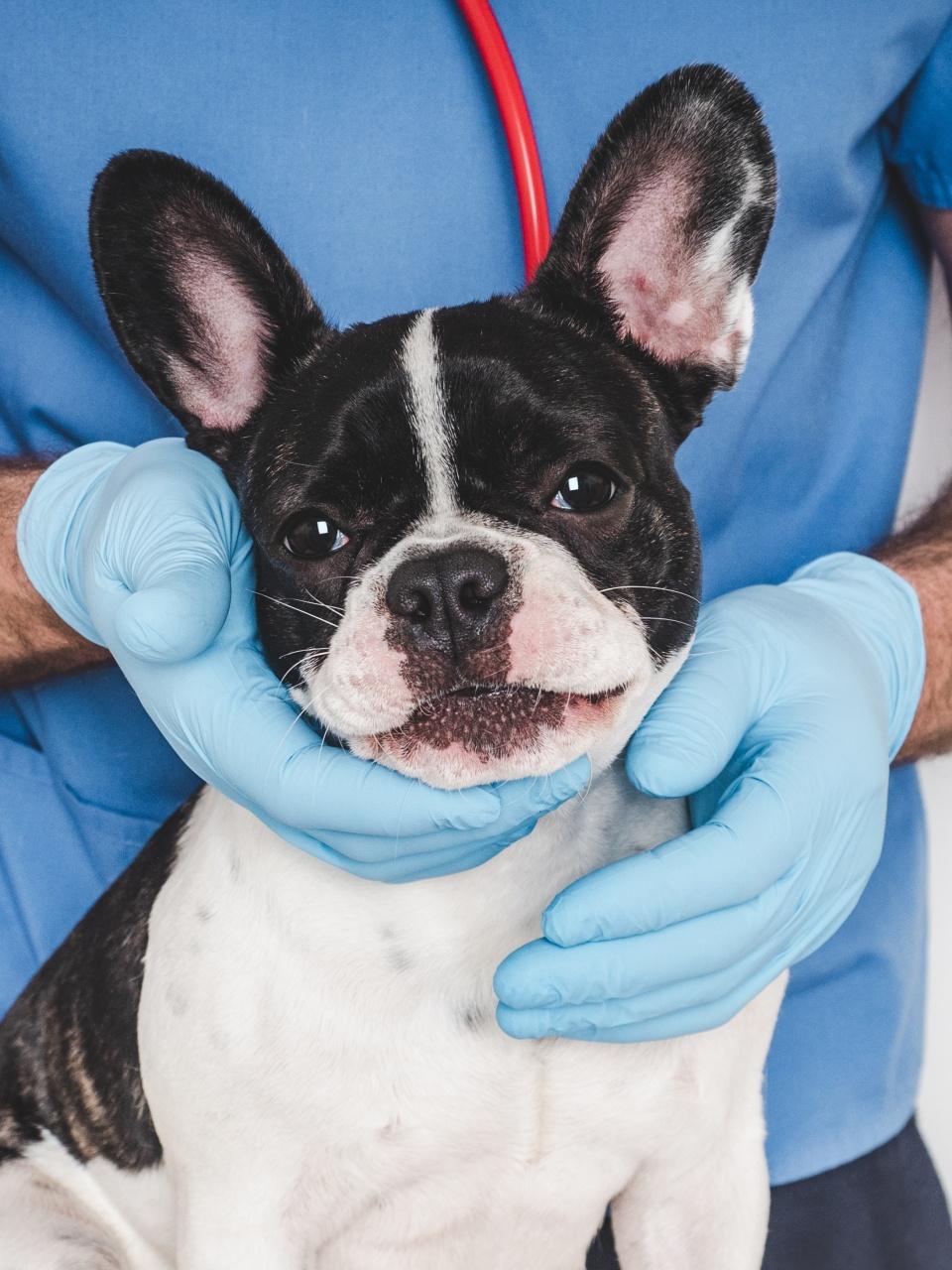
A vet can assist you in regard to any medical concerns- if you feel your dog may have developed an allergy or skin disease, or perhaps a source of pain. Ruling out any health issues is a key first step in the process.
A behaviourist is there to address the issue if your dog is experiencing obsessive compulsions or if you are struggling with their training or obedience.
Licking is a totally natural and normal dog behavior and does not have to be seen as a negative or irritating thing. There are many reasons that dogs lick, and it is part of who they are.
When licking is excessive, sometimes we do need to intervene. Speak to your vet if you are concerned about your dog’s licking, and they can help you understand the cause and can provide a treatment plan if needed.
Follow Us On
Check Out Our Most Popular Content