Your Cart is Empty


Whether you are a new breeder or someone who has bred from multiple dogs, caring for a dog after giving birth is always a worrying and exciting time. Knowing what to expect is half the battle, and picking up on any signs of a problem early can ensure a much better prognosis for the mother dog and puppies.
This article covers the normal postpartum period in depth, discussing the changes that the mother will experience and advising you on the best way to care for both her and her new litter. Importantly, we also highlight the potential pitfalls and emergencies, clarifying when veterinary care would be needed.
From pregnant dog to new mom: The postpartum period
What happens to a dog's body after birthing puppies?
What does a dog do after giving birth?
How to care for your dog after giving birth
Caring for newborn puppies in the first few days
Warning signs: When to call the vet
Once the last placenta has passed, there should be no further contractions
The litter starts to nurse within the first 1-2 hours
The mother will have a vaginal discharge (lochia) for several weeks
Most mother dogs cope very well during and after labor, but any signs of a complication warrant immediate investigation with the vet
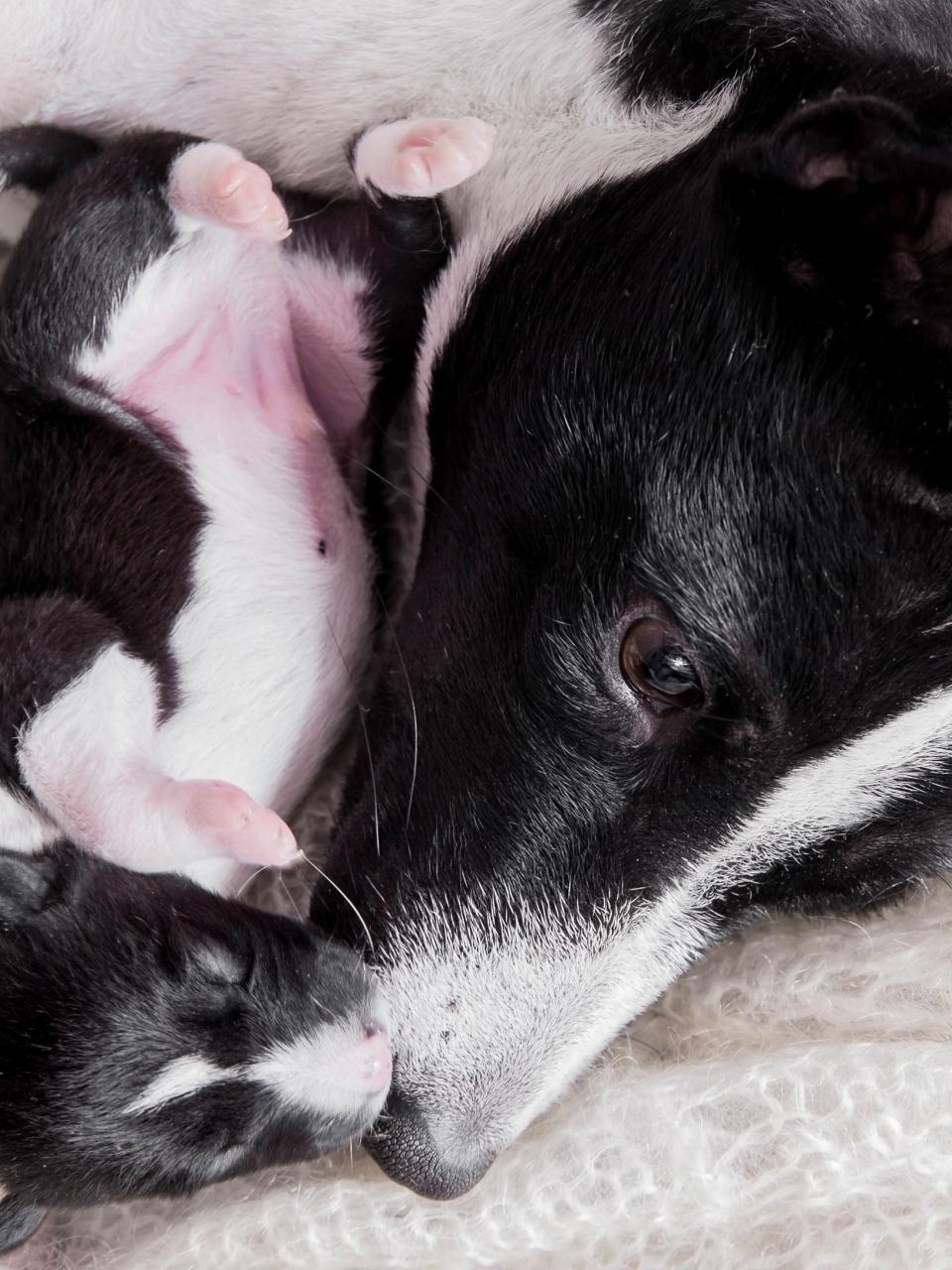
Most define the canine postpartum period as lasting from four to six weeks after labor. During this time, her body is recovering from pregnancy and her uterus is shrinking. She will typically be nursing her litter and both the mother and her newborn puppies need close monitoring.
After whelping, the first few days are the most critical period. Sadly, most deaths happen within the first give days.
This is probably the most common question asked by pet parents, especially if their vet has not predicted the litter size during the pregnancy. A dog giving birth experiences regular and strong contractions which often start on their due date (about 63 days after mating).
Dog labor occurs in three distinct stages. Stage one lasts 6 to 12 hours before delivery. Puppies are typically born 30-60 minutes apart. The placenta delivery follows each puppy, usually within 5-15 minutes.
Be aware that dystocia is more common in flat-faced dog breeds including Bulldogs and Pugs. Straining for over 20-30 minutes without a puppy indicates a problem. Similarly, green discharge without a puppy may indicate fetal distress.
Birthing puppies should be a quick and smooth process. For the majority, the second stage of labour lasts no longer than 12 hours. For a more in depth review on whelping, take a look at our Whelping Guide.
After birthing, the body experiences several changes, returning to its pre-pregnancy state.
| Postpartum Change | What you'll typically see | Typical Timeline |
|---|---|---|
| Vaginal discharge (lochia) | Reddish-brown, odorless discharge that gradually lightens and lessens | 4-6 weeks. For some bitches, the discharge stops much sooner than this |
| Weight & body shape | Noticeable weight loss right after birth; abdomen stays rounded for a while | It can take several months to return to her pre-pregnancy weight |
| Mammary glands & milk | Glands enlarge and fill with milk for nursing; nipples look prominent | Mammary glands stay enlarged for a week or two after weaning, and teats will always be bigger than they had been |
| Appetite & energy | Tired at first, then appetite rises to support nursing puppies | Once the litter have weaned, the mother's calorie requirements and appetite return to baseline |
| Stool & digestion | Soft stool can occur briefly (stress / placenta consumption) and this is quite normal and expected. The placentas she ate can act as laxatives. | Several days. The mother should be drinking plenty during this time |
The lochia is a reddish-brown, odorless discharge that gradually lightens and decreases in the weeks after whelping.
Be on the lookout for signs that something is amiss. A discharge that is very smelly, remains heavy or turns green or a pus color is not normal. These signs could indicate a complication such as a uterine infection or retained placenta, and warrant urgent investigation.
The mother dog drops noticeable weight right at birth although the abdomen stays rounded for a while. A gradual recovery is normal and expected as the uterus slowly shrinks back.
Glands enlarge and fill with milk for nursing, so prominent glands and nipples are expected. Mammary glands remain large until puppies have weaned, and the teats will always be a bit bigger than prior to pregnancy.
Check glands daily for any signs of mastitis, which would include swollen, sore or red teats. The skin may appear bruised or ulcerated and will be very tender to touch.
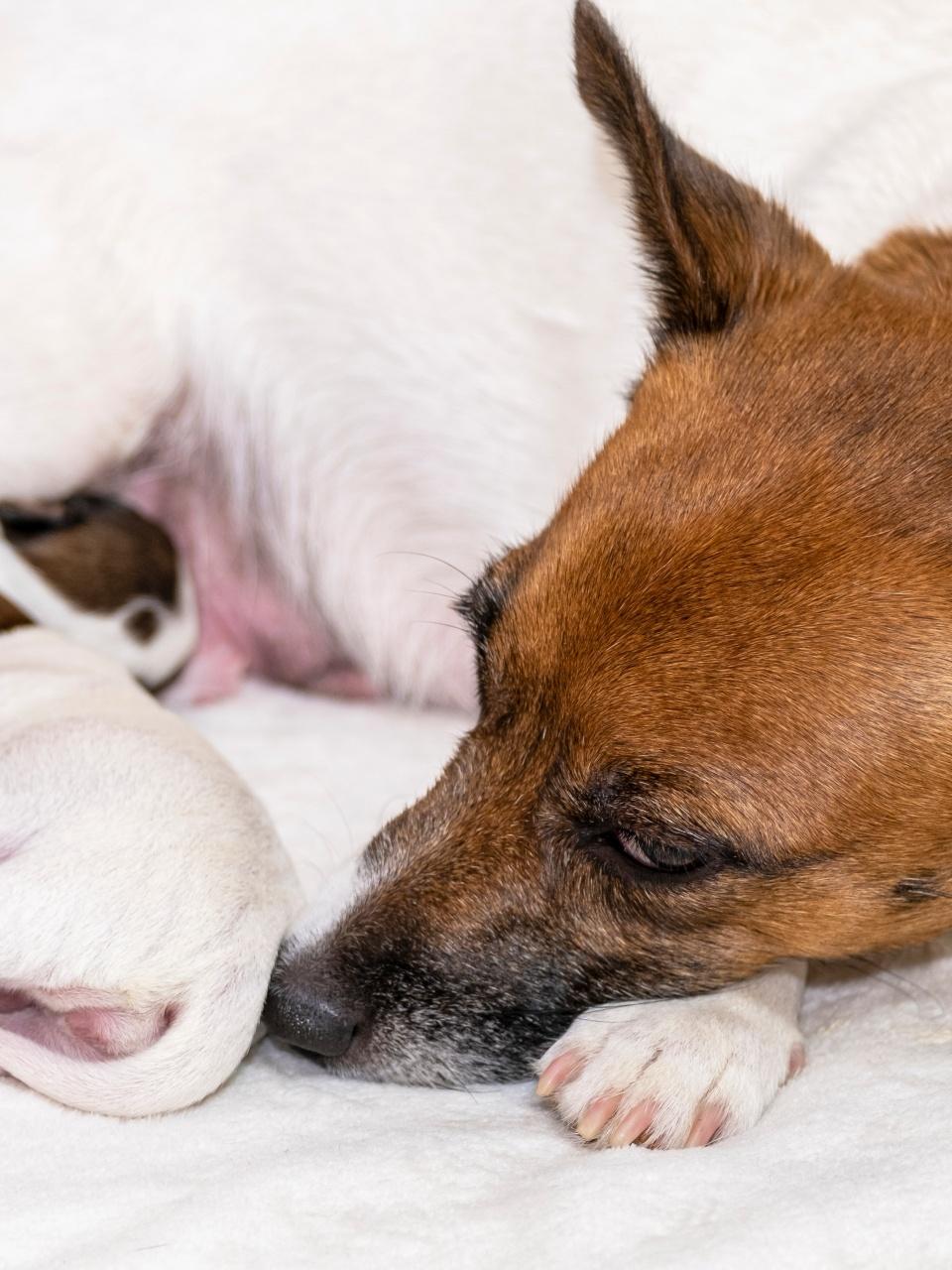
Expect the mother to be tired immediately after labour. In the following days, her appetite and thirst levels rise to support nursing. Feeding a litter demands a huge amount of calories.
Some soft stool for a few days postpartum is quite normal. This is both due to the hormonal changes that occur and the consumption of the afterbirths.
Mild panting right after birth is also entirely normal and can last for a few days. This is thought to be due to both the hormonal changes and the discomfort experienced as the uterus shrinks back down. Panting becomes a concern if it is excessive, starts after the early postpartum period, or is accompanied by other signs (see below for 'Eclampsia').
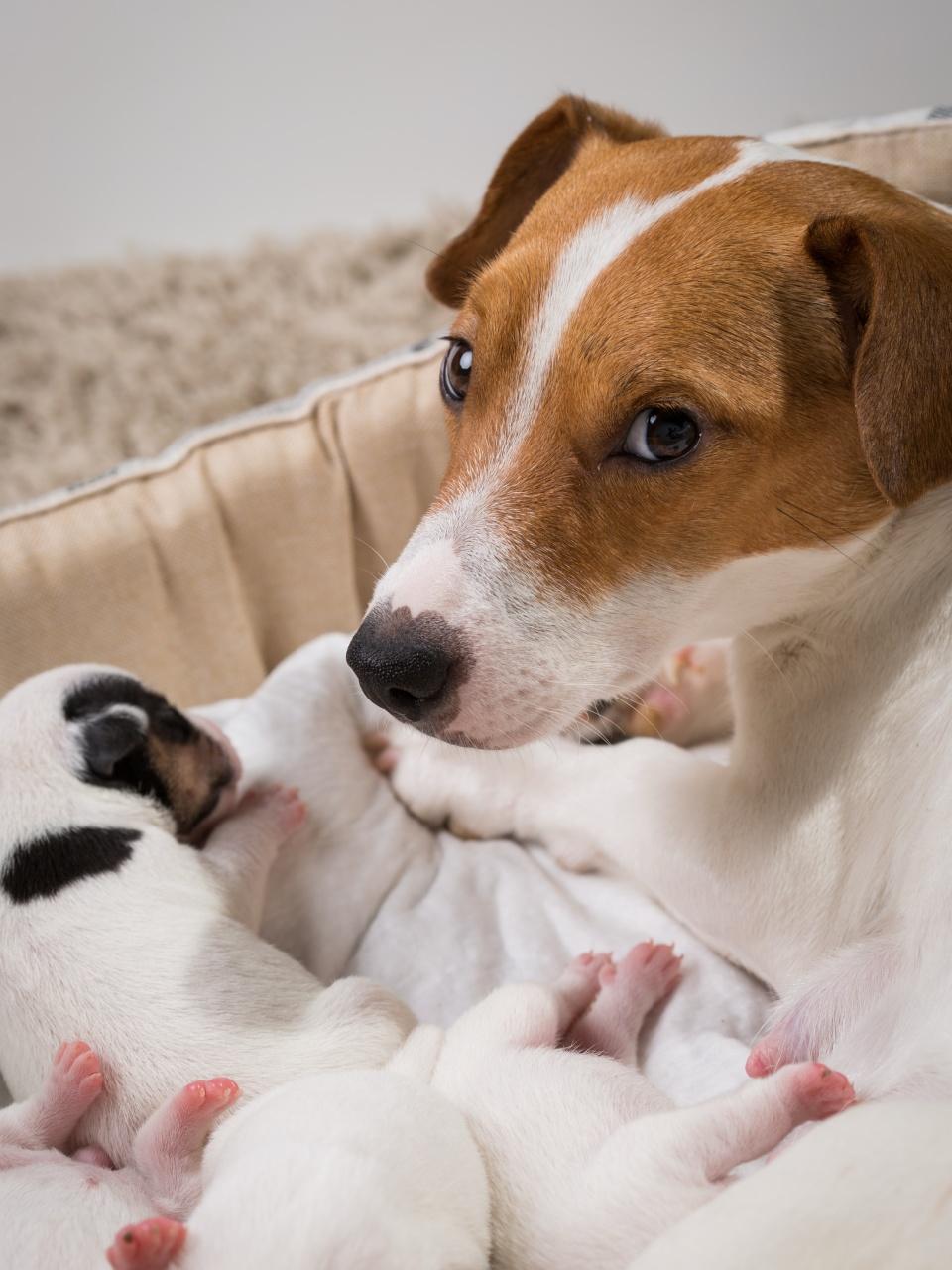
Every dog is different, but some typical behavior after labor would include:
Nesting behavior and a hypervigilance of her litter
Wanting to stay close to the puppies at all time
Regular grooming and licking of the pups
Frequent nursing, around the clock
Acting protective towards the litter. Some bitches may growl when approached and act aloof. These behavior changes usually last for the first 3 weeks or so.
In the first few days, there are lots you can do to help your dog and her little bundles of joy.
Puppies cannot regulate their body temperature and need an external heat source. This can mean using heat lamps and heat mats covered by towels. Clean, dry bedding prevents temperatures dipping.


The whelping box must be warm, well ventilated and free from any drafts. It should be kept at a temperature of 85°F to 90°F for newborn puppies.Provide clean and dry bedding and it is a good idea to use washable pads and whelping-box liners to absorbs discharge and other fluids.
Ensure the environment feels safe, calm and predictable and the set up is in an area of low foot traffic. Frequent monitoring is essential, so the whelping area should be somewhere that you can regularly monitor. Do not allow any visitors as the mother gets used to her new role.
For the mother's food, opt for a nutrient-densepuppy food and have it available at all times, alongside constant fresh water. Do not offer any supplements unless expressly told to do so by her vet, as they can increase the risk of diseases such as hypocalcemia.
Spot-clean dirty skin or fur with a warm damp cloth as needed. Focus on areas like the mother dog's hind legs and under her tail.Though tempting to do so right away, wait before giving mom a full bath, and keep baths short so she's away from pups as little as possible.
There is no need for exercise walks in the postpartum period. Just offer short potty breaks at the mother's own pace. Try to keep her close to the pups and build up the activity gradually.
Most dogs are back to their normal exercise regime within eight weeks.
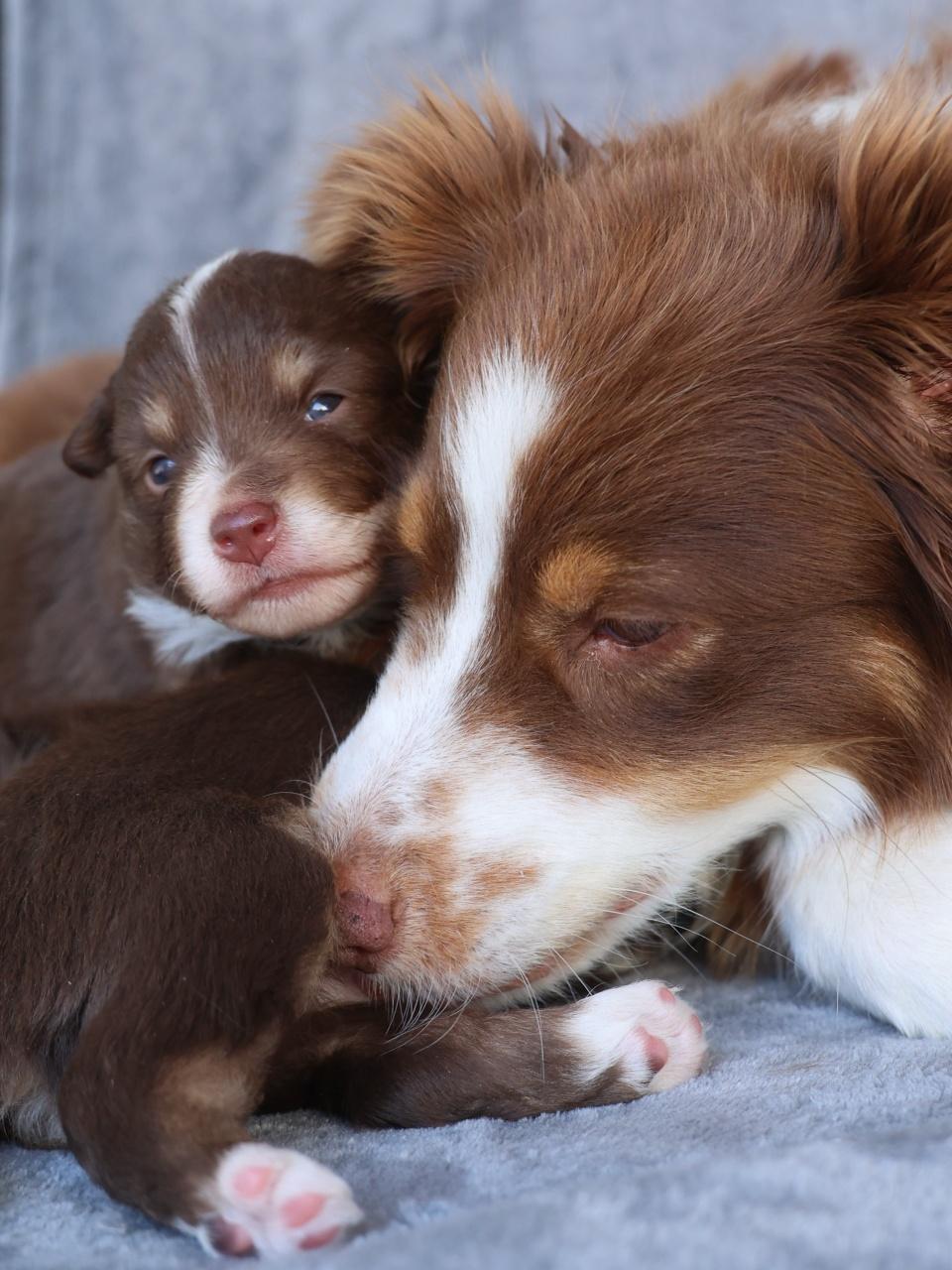
There are a few postpartum essentials to be aware of. Most puppies are simple creatures that just require warmth and frequent nursing. Daily checks are advised so any issues are detected promptly.
The mother should instinctively chew the cords to detach them from the placenta, leaving about an inch of them behind. These little stumps are a red-brown color and they dry and shrivel over the course of a week, before naturally falling off.
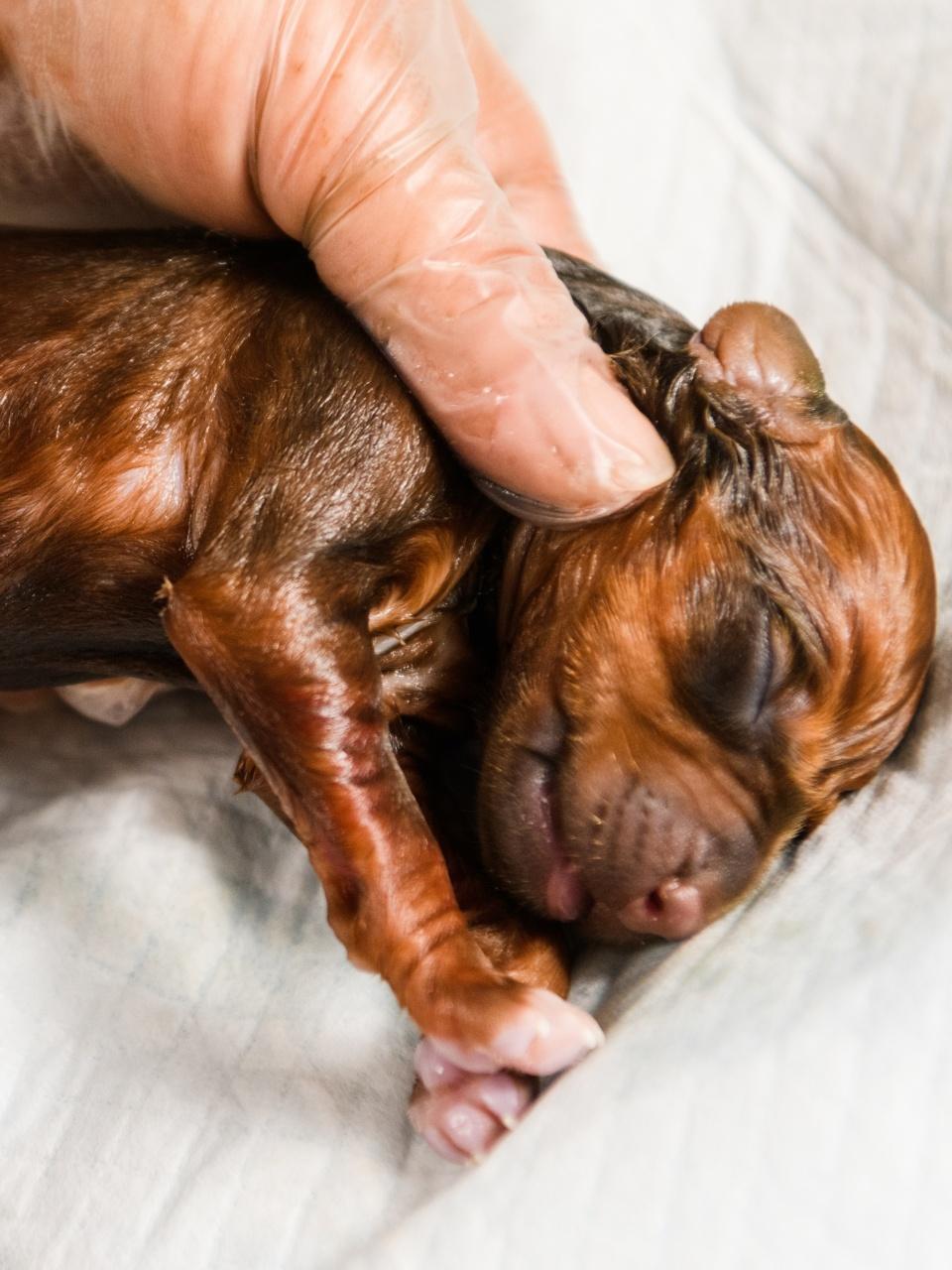
There should be no need to actively clean the umbilical stumps, but if they manage to get dirty, you can gently bathe them with some salt water and cotton balls.
Weigh puppies every couple of days using a sensitive scales to ensure they are growing well. A thriving pup will gain about 5-10% of their body weight each week.
What NOT to do after a dog gives birth
There are some simple 'Red Light' things that you should never do:
Don't give calcium supplementation unless advised to do so by a veterinarian
Don't over-handle the new puppies or let strangers / other pets crowd the litter. Mom needs to feel that she is in a safe environment
Don't bathe the mother too soon
Don't move or disturb the mother unnecessarily
Don't ignore changes in discharge, appetite, or the mammary glands
Most recoveries are smooth, but there are certain scenarios in which early detection and a prompt response can save lives. Seek veterinary care if you have any doubts or sense that something is amiss.
When complications occur, it can be devastating for the litter. Most problems (such as eclampsia and infections) can be effectively treated with immediate veterinary attention.
Normal lochia is red or brown or dark and smells slightly metallic. Check for discharge that remains heavy or becomes green / black or foul-smelling. This sort of vaginal discharge can be an indicator that there is an infection, and sometimes it is associated with a retained placenta.
Contact the vet promptly if you detect any foul-smelling, heavy discharge. This is particularly true if the bitch is lethargic, off her food or experiencing a fever.
Also called milk fever this is a condition of low calcium that usually occurs in the first few weeks after birthing. Signs include restlessness, panting, and tremors, as well as muscle spasms and stiffness that can progress to seizures. Eclampsia is a true emergency that becomes quickly life-threatening. It is more likely with large litters and smaller breeds are higher risk. Treatment consists of injectable calcium and weaning the litter on to formula.
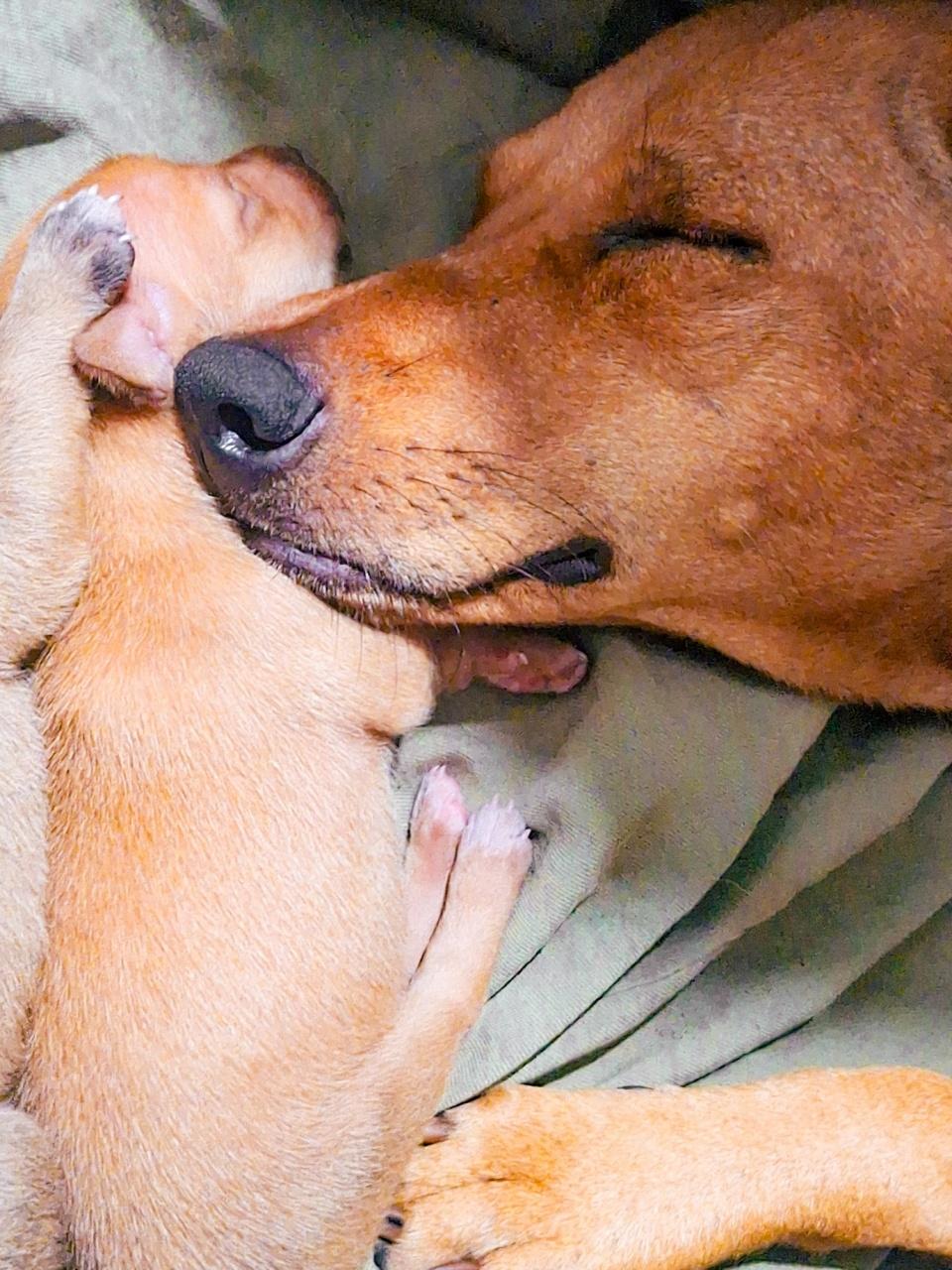
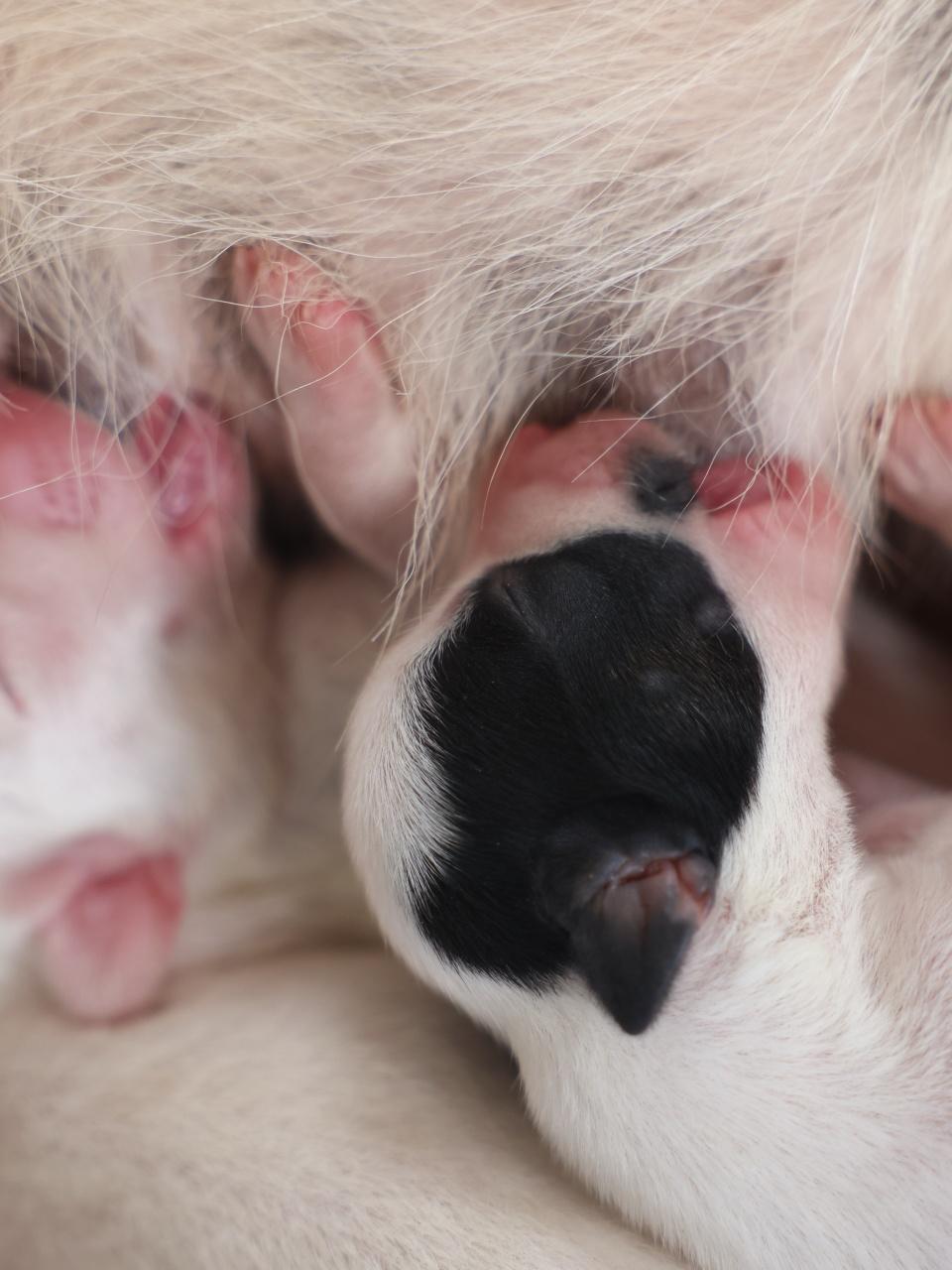
Metritis is an inflammation and infection within the womb, which tends to occur during the first couple of weeks postpartum. The mother dog is unwell and may sleep more and fail to nurse her litter. You will generally notice a smelly vaginal discharge. These dogs are treated with IV fluids, antibiotics and medicine such as oxytocin or prostaglandins to help empty the uterus. For some, surgery is required.
One common cause of metritis is a retained placenta.It is a good idea to watch the mother dog after she births, to ensure she passes a placenta after every puppy. It is often eaten quickly.
This is an infection that causes hard, hot, painful mammary glands. Milk produced from an infected gland may be cloudy, bloody and can even contain pus. Treatment includes antibiotics, pain relief and warm compresses.
See your vet immediately if your dog is showing signs of any of the above conditions.
It is a sensible idea to organise a post-birth check for mom and pups. If you can, schedule a veterinary checkup within 24 hours of delivery.. The vet checks the litter for any defects, such as heart murmurs, umbilical hernias or a failure to gain weight. They will also check puppy's mouth for evidence of a cleft lip or cleft palate, as they can affect feeding.
This is also a good opportunity for the mother to be examined, to ensure she is coping well after labor and is producing enough milk.
The recovery after pregnancy and birth is a slow one. Many dogs are feeling back to normal at around the eight week mark, when the litter is fully weaned. The vaginal discharge should have fully stopped by week 6 and the mother is nearly back to her pre-pregnancy weight and appearance.
Those dogs who are younger and who have had smaller litters may bounce back more quickly. A bitch who has experienced a complication such as an infection, may take a few weeks extra to return to normal.
Follow Us On
Check Out Our Most Popular Content