Your Cart is Empty



One of the perks of being a dog owner is sharing your tasty food and enjoying the look of love your dog gives you in thanks. That wag of the tail makes it all worthwhile! When it comes to sharing fruit though, not all fruits are going to be safe to dish up to your pet pooch.
This vet-written guide covers the most common safe fruits and the toxic fruits, and also discusses how to serve fruit to your dog in a way that helps promote good health and avoids any side effects- like a dodgy stomach! For all of your canine fruit-related queries, look no further.
You’d be mistaken to assume that dogs are carnivores and that they need just meat to keep them satisfied. In fact, your furry friend is an omnivore that benefits from eating a range of foods including meat, fish, grains, veggies, and fruits.
Many fruits are real powerhouses in the world of nutrition, containing key nutrients including fiber, minerals, vitamins, polyphenols, and carotenoids. In the right quantity, and as long as we are talking about fruits tolerated by dogs, they can be of real benefit to their general health and immunity.
It is important to always double check it is a fruit your dog can eat safely, before offering it for the first time. Don’t hesitate to chat with your local vet clinic if you have any doubts. Similarly, first tastes should be in small amounts, to ensure your dog tolerates the fruit and does not have a sensitivity to it.
When adding things to your dog’s diet alongside their main dog food, keep in mind the ‘10% rule’. Any treats or titbits like fruit should make up no more than 10% of their daily calorie intake. This helps ensure they’re continuing to eat a balanced diet each day.

There are a plethora of fruits that you can enjoy and share with your pet pooch. They may be a topper for their meals, given as a separate treat or used in some yummy dog-safe recipes.
Apples
Crunchy apples are a delicious snack rich in pectin and Vitamins A and C. Offer a slice or two to a small dog, or about half an apple (chopped up) to a larger breed. Avoid giving the pit or seeds, as they can get stuck between teeth, and the seeds even contain small amounts of cyanide.
Bananas
Bananas are great for keeping your dog full in between meals and they contain lots of Vitamin B6 and Potassium. They work really well mushed into a Kong or lick mat, keeping your dog entertained for a good 20 minutes.
Bananas are also perfect for using in dog-safe pancake and biscuit recipes alongside ingredients like oats and peanut butter. They’re quite high in sugar, so caution is advised in overweight or diabetic dogs.
Blueberries, Blackberries and Raspberries
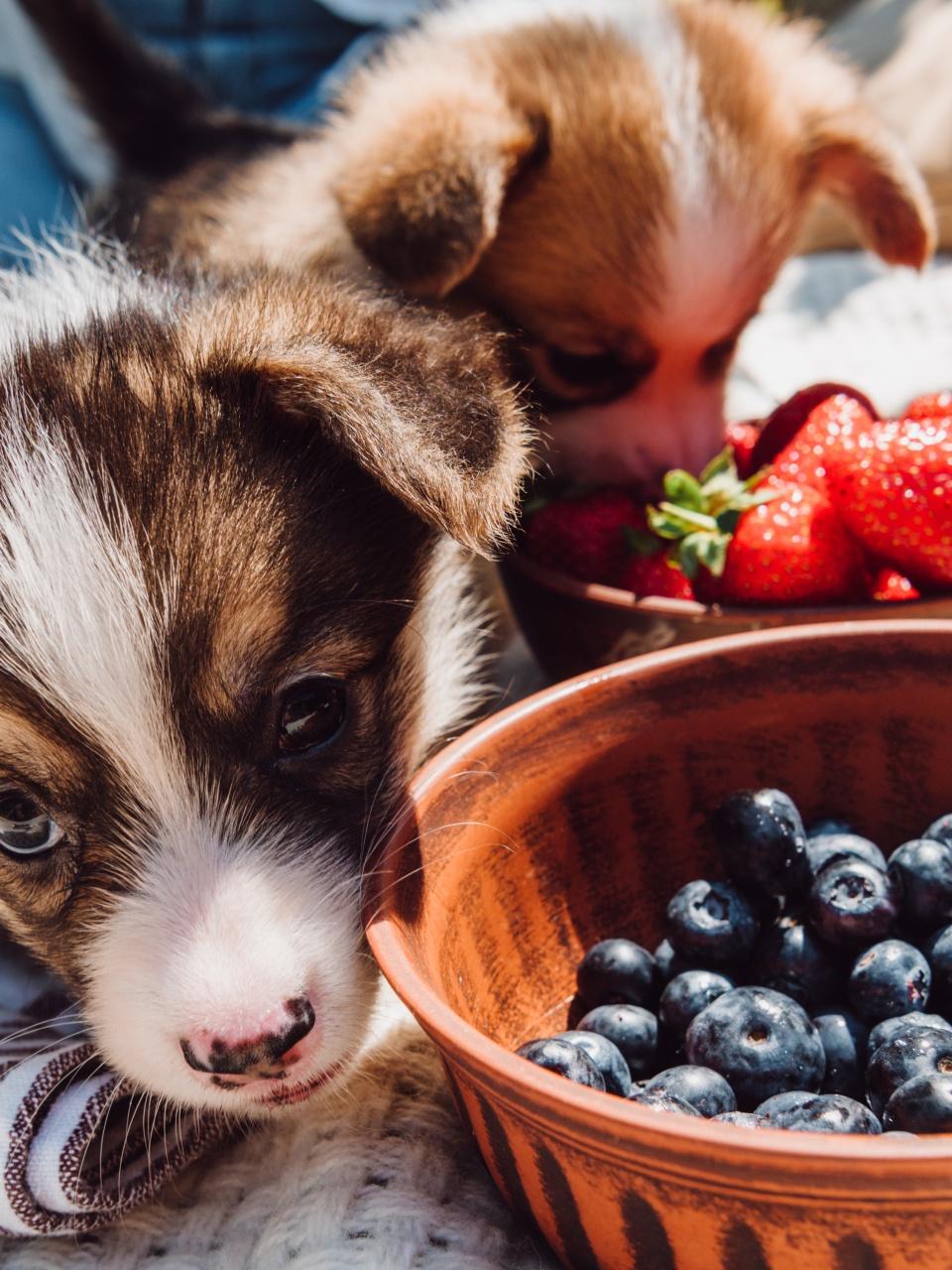
Some of my favorites, these soft berries are packed with antioxidants and easy to sprinkle on top of meals or to give as training treats. A small dog can have 3-5, while a larger dog could eat up to 15 a day, a few times a week. They contain low to moderate amounts of sugar, making them a nice choice for most.
Strawberries
These berries have lots of Vitamin C and polyphenols, so are excellent at bolstering the immune system. Always remove the stalk as they can be tricky to digest. If you can, stick to organic berries, to reduce your dog’s exposure to pesticides.
Watermelon
This fruit is an excellent source of hydration in warmer weather and can be fed as small chunks. Never feed the seeds or rind, as these parts are not digestible and can cause digestive upset.
Cantaloupe
This is another hydrating snack, containing an abundance of water, helping your dog stay cool in the summer. The vitamin A contained is beneficial for eye health. Beware the higher sugar content, meaning you should feed cantaloupe in moderation- a few small cubes a couple of times a week is plenty.
Peaches
Small pieces of peach now and then are okay for your dog, but never feed them the stem or pit. The pit not only contains cyanide, but also carries a real risk of causing a gut obstruction as the body cannot digest it at all. The same is true for plums and their pits. Avoid peaches fried in oil, which would be too greasy to offer your dog.
Oranges
Not all dogs tolerate citrus, so monitor your pet closely if you share a little orange. They should only eat the flesh, and not the seeds or skin. Oranges contain an abundance of vitamin C, which helps support immunity and protects cells from damage.

Pineapple
Tiny chunks of peeled pineapple are a nice snack, but watch out when it comes to the sugar content. Pineapples are packed with sugar, so we should only offer a very small piece or two now and then. Pineapple can promote digestion and the manganese is known to be good for bone health.
Kiwi
The tough skin of the kiwi should not be fed, as it can cause digestive upset or even constipation. The fruit itself can be served in small slices or cubes, and is jam-packed with vitamins C, E, and K. The high fiber content can promote bowel regularity, but if your dog is not used to eating it, they may experience some diarrhea initially.
Pears
Pears are another fruit that can act as a laxative in your dog, if not used to regularly consuming them. Stick to small amounts of the flesh and do not feed the hard core. The peel is fine.
As with all of the other fruits listed, do not offer the canned in syrup variety, as this is not a safe option and may contain the toxic ingredient ‘xylitol’.
Mangoes
Mangoes have a unique flavor that some dogs adore. The pit is a real hazard though, and if swallowed, can cause a life-threatening gut obstruction. Offer small chunks of mango- no more than 3 or 4 for a small dog, and 5 or 6 for your larger furry friend. Rich in antioxidants and beta-carotene, they’re super for combating infection.
Cranberries
Many people view the cranberry as a superfood for urinary health, and studies have shown that they may help prevent bacteria from sticking to the bladder wall. Stick to just a few fresh cranberries every now and then for a small dog, with a maximum of 10-15 for a large or giant breed. Never offer cranberry sauce, which is too sugary for your pet.
Cherries
Technically, the flesh of the cherry fruit is safe to eat and non-toxic. However, you may find cherries listed as ‘no nos’ in some sources, as the pit should not be eaten, and it is hard to separate the pit from the flesh.
The pit contains cyanide, which can be toxic in large amounts. For very small breeds, there is also the potential for a gut obstruction if too many pits are ingested. Due to the risks involved with cherries, many vets just say it is best to avoid them.
Tomatoes
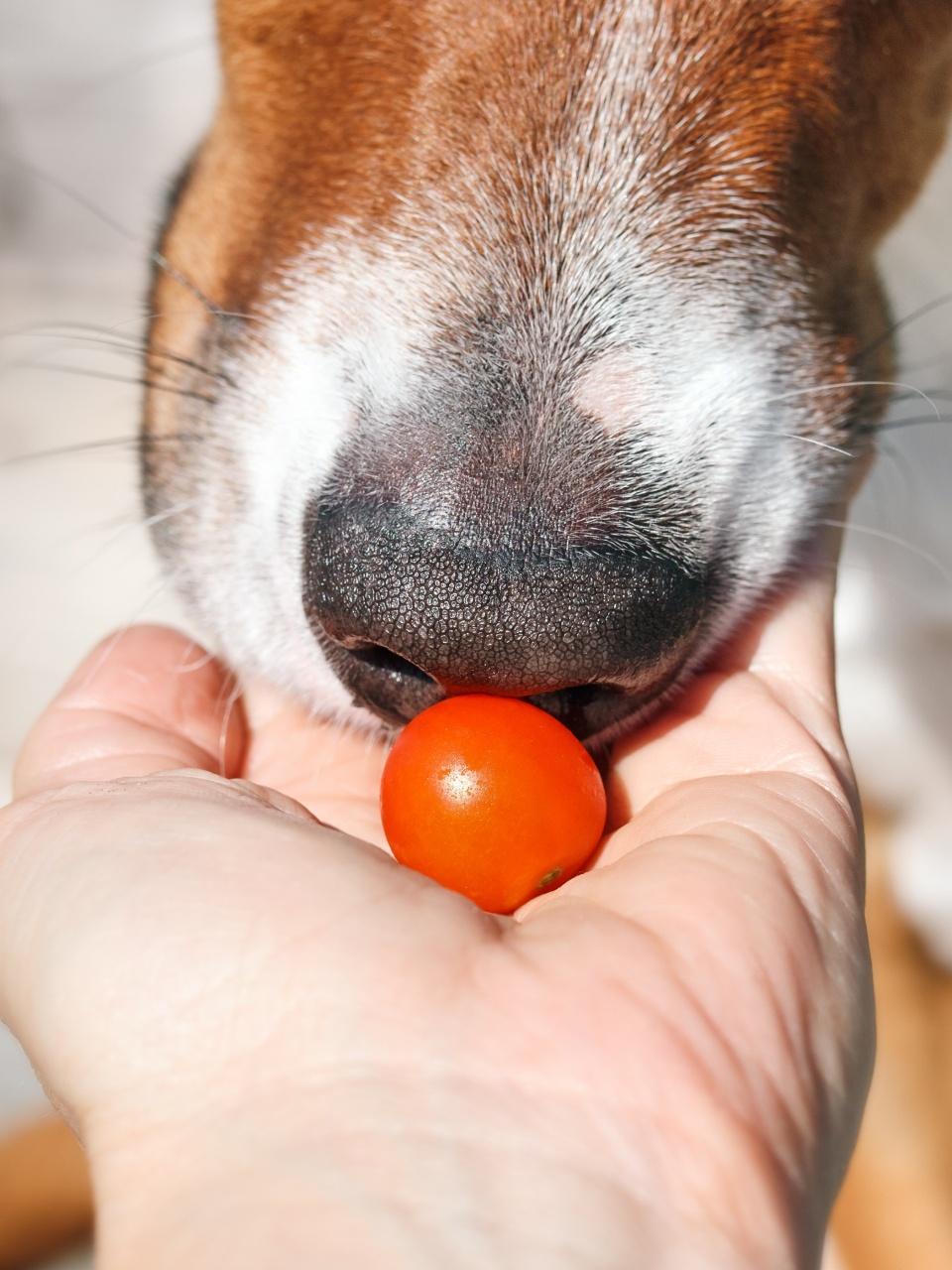
Ripe and red tomatoes, in small amounts, can be eaten by dogs. They contain antioxidants like lycopene, which may protect against diseases like cancer.
Importantly, ingesting green parts of tomatoes is risky, due to their solanine content. Thankfully, we rarely see this poisoning and signs tend to be very mild when they do occur.


Some fruits are toxic and dangerous and must be kept away from your dog at all times. While it can seem strange that a food which is good for us humans can be deadly to dogs, it is important to be aware that this is the case.
Grapes and Raisins
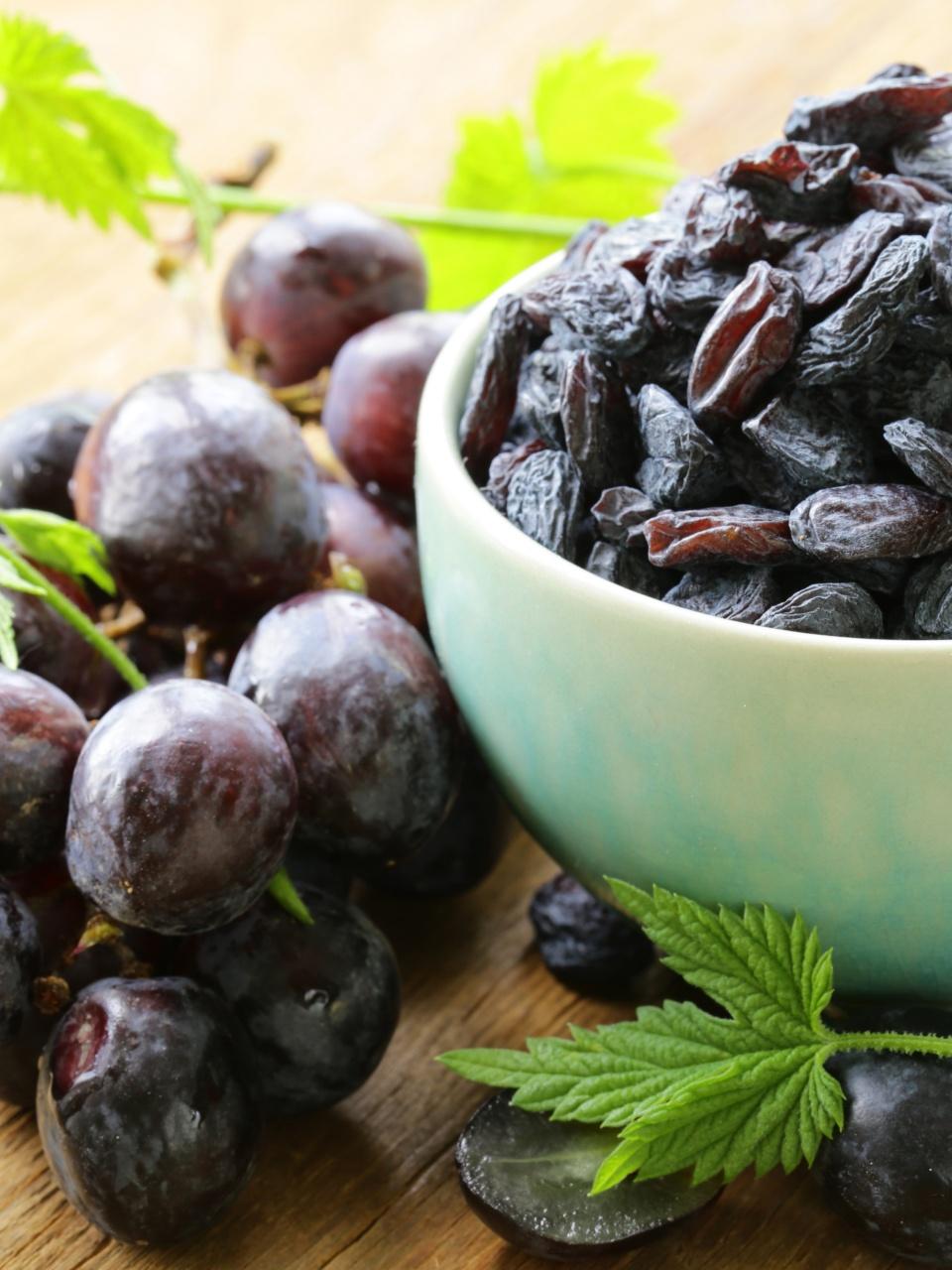
Grapes and all of their dried variants (raisins, currants, sultanas) are highly toxic, which has recently been found to be due to their tartaric acid content. Some dogs seem more sensitive to the effects. Their consumption can lead to stomach upset within the first 6-12 hours and kidney failure within 2-3 days. Signs of acute kidney disease can include a change in thirst and urination, lethargy, and food refusal.
Sadly, without prompt treatment, this is a toxicity that can cause permanent kidney damage or even death. If you think your dog may have consumed any, immediately bring them to the emergency vet. The prognosis is excellent if vomiting is induced quickly. Your vet may also provide IV fluids and activated charcoal, to further reduce toxin absorption.
Avocados
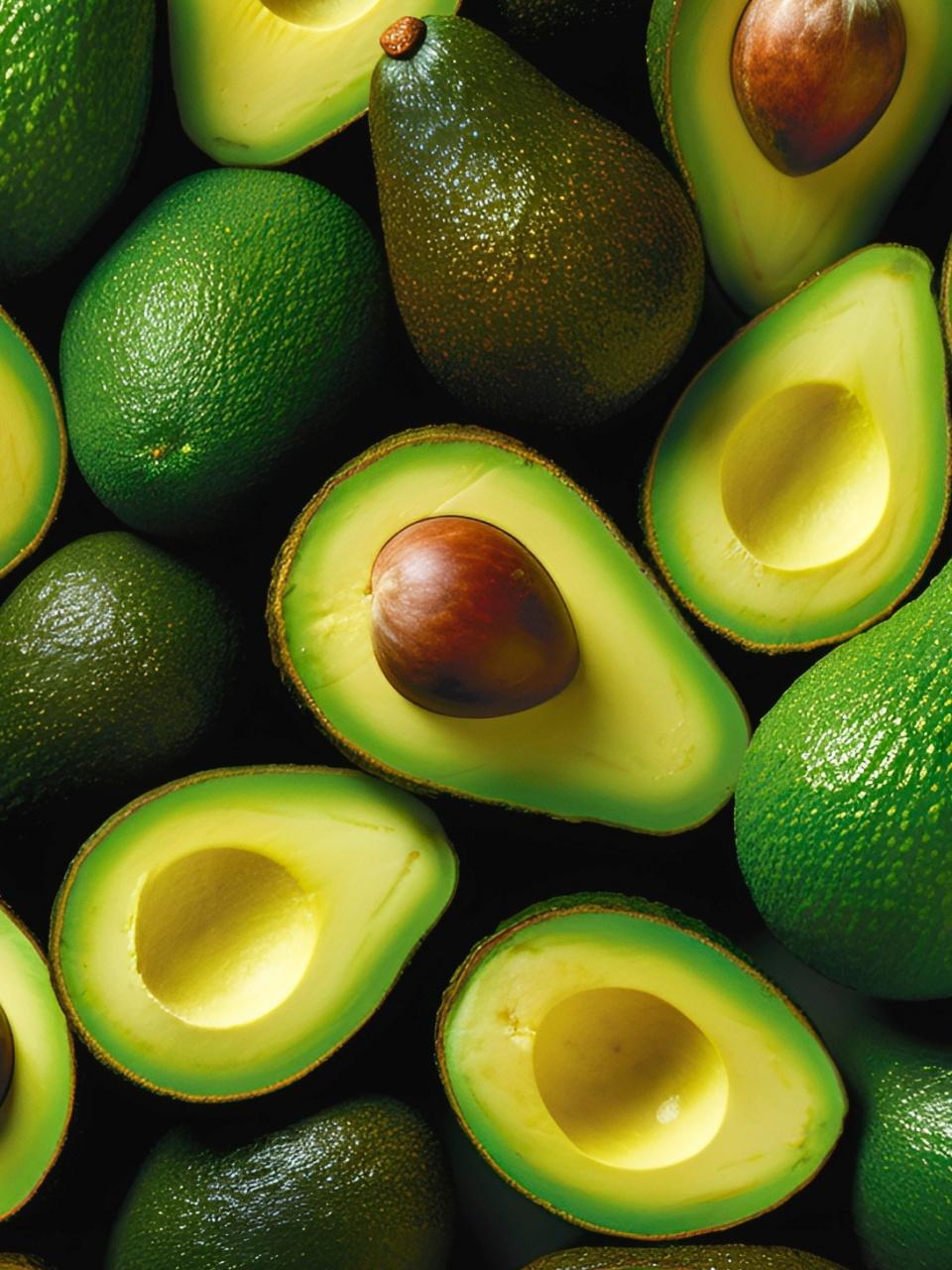
The main risk with avocados is that their pit is indigestible. If the pit is swallowed, it almost inevitably causes a gut obstruction, and endoscopic retrieval or surgery may be needed to remove the pit.
Eating very large amounts of the flesh is also dangerous for dogs, due to the persin content. Vomiting, shaking, and diarrhea are usually seen within 12 hours. There is also a risk of pancreatitis developing in susceptible dogs, due to the high fat content.
Dogs who eat a little of the flesh can be monitored, and may not develop any symptoms. However, if your dog has gorged on avocado or has eaten a pit, they should see the vet right away.
Lemons/Limes
Citrus peels and their oils are generally toxic, and can cause a wide range of signs including stomach upset, shaking, and even liver damage. The main risk is from essential oils, as most dogs will avoid eating too much of the bitter tasting citrus rind.
If your dog has nibbled a little, monitor closely from home for any adverse effects. A large exposure to an essential oil is an emergency, and an immediate vet visit is important.
Wild berries
It can be tricky to differentiate safe wild berries from those that are toxic. For this reason, it is best not to let your dog eat berries off a bush when outdoors. If they do eat an unidentified berry, take a sample to your local vet, and have your dog checked over. As one example, yew berries are highly toxic and can cause cardiac failure, seizures, and death.
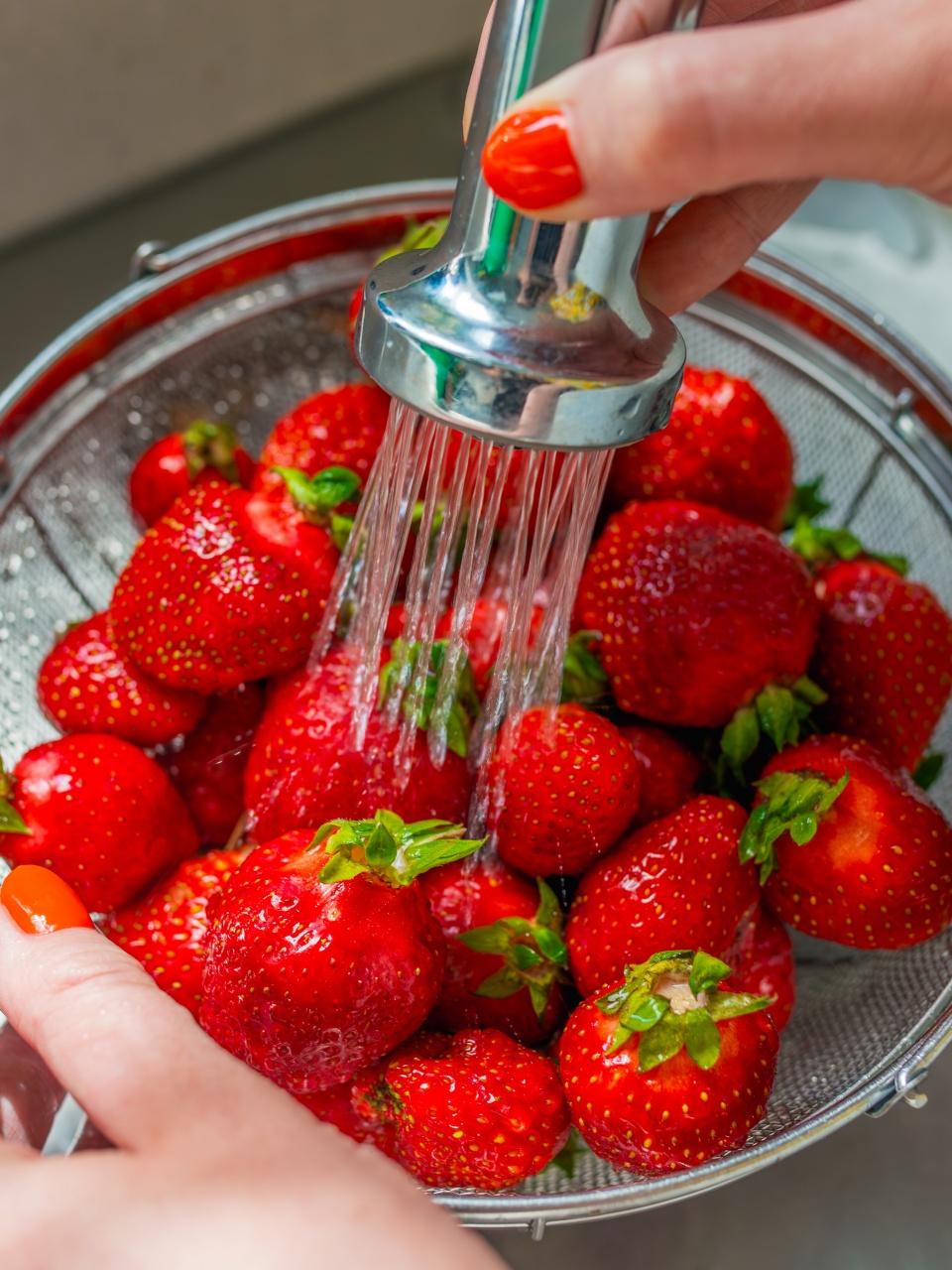
Fruit should always be thoroughly washed before serving, and any pits, seeds, cores and peels must be removed. In general, bite-sized pieces are best.
Serve fresh fruit, rather than any that is frozen or has been canned or processed. If the fruit seems mushy, smells alcoholic or is growing any mold- bin it!
Any treats you give should make up under 10% of your dog’s daily calorie intake. You would not want all treats to be fruit, as they are quite high in sugar. So, exercise moderation!
Smaller dogs and puppies can have a few berries or a couple of slices of apple. Other great treat options include veggies like carrots and cucumber, lean meat, or some fish.
If your dog eats too much of a safe fruit, they’ll likely develop a mild stomach upset. This should be something you can manage from home with rest, a bland diet and plenty of fluids.
A toxic fruit is another story. Call your vet immediately for advice, even if it is the middle of the night. For fruits like raisins, timely treatment is essential for the best prognosis.
Knowing what fruits are safe for dogs can help avoid an upset stomach or trip to the vet. Many fruits can be given to your dog when served appropriately and fed in moderation. Before sharing a fruity snack, just double check you’re not breaking any ‘doggy fruit rules’.
Follow Us On
Check Out Our Most Popular Content