Your Cart is Empty


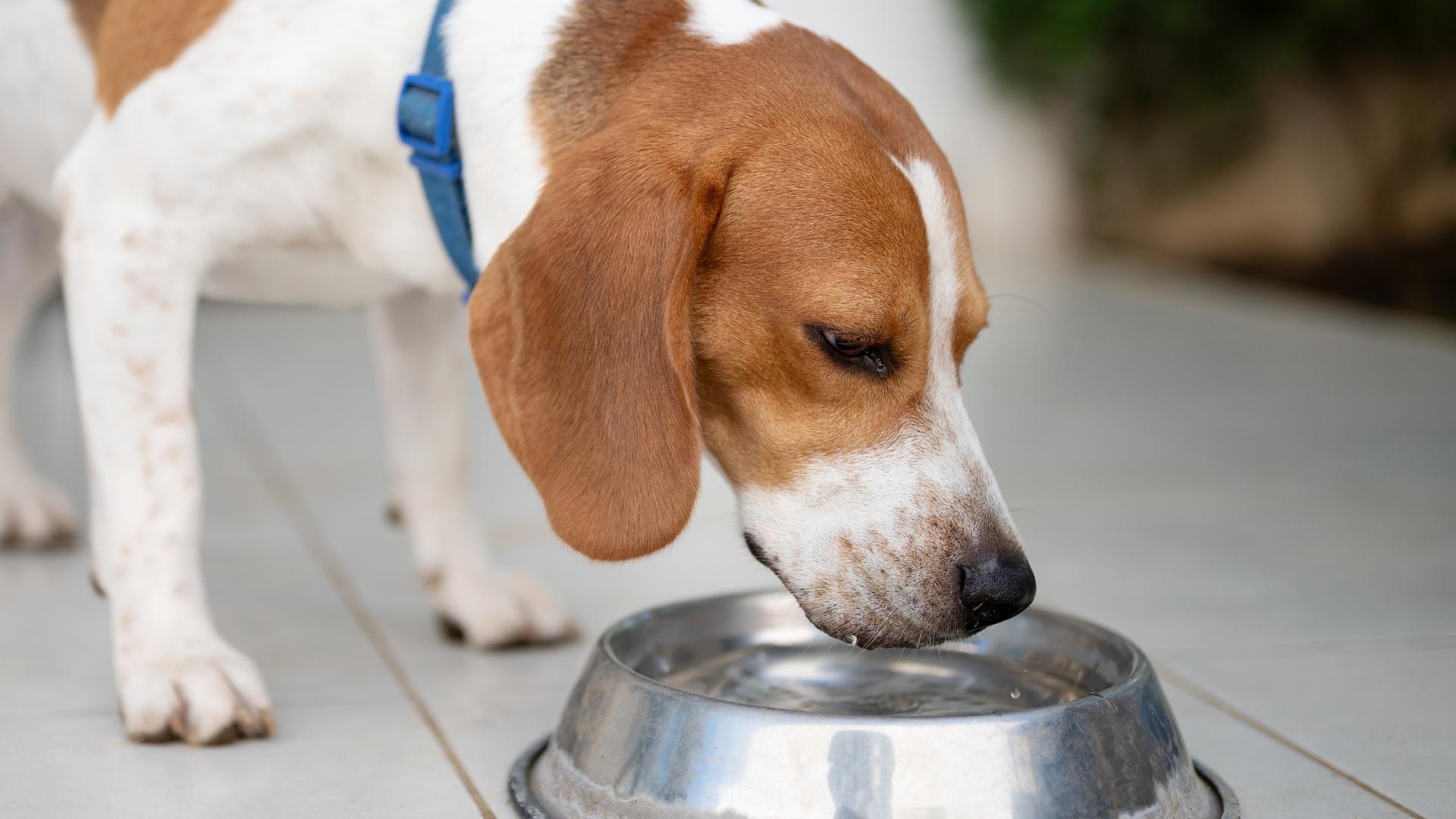
You've just mopped the floor. Again. For the third time today. Your dog takes a drink, and suddenly there's a puddle spreading across your kitchen floor like a miniature lake. Sound familiar?
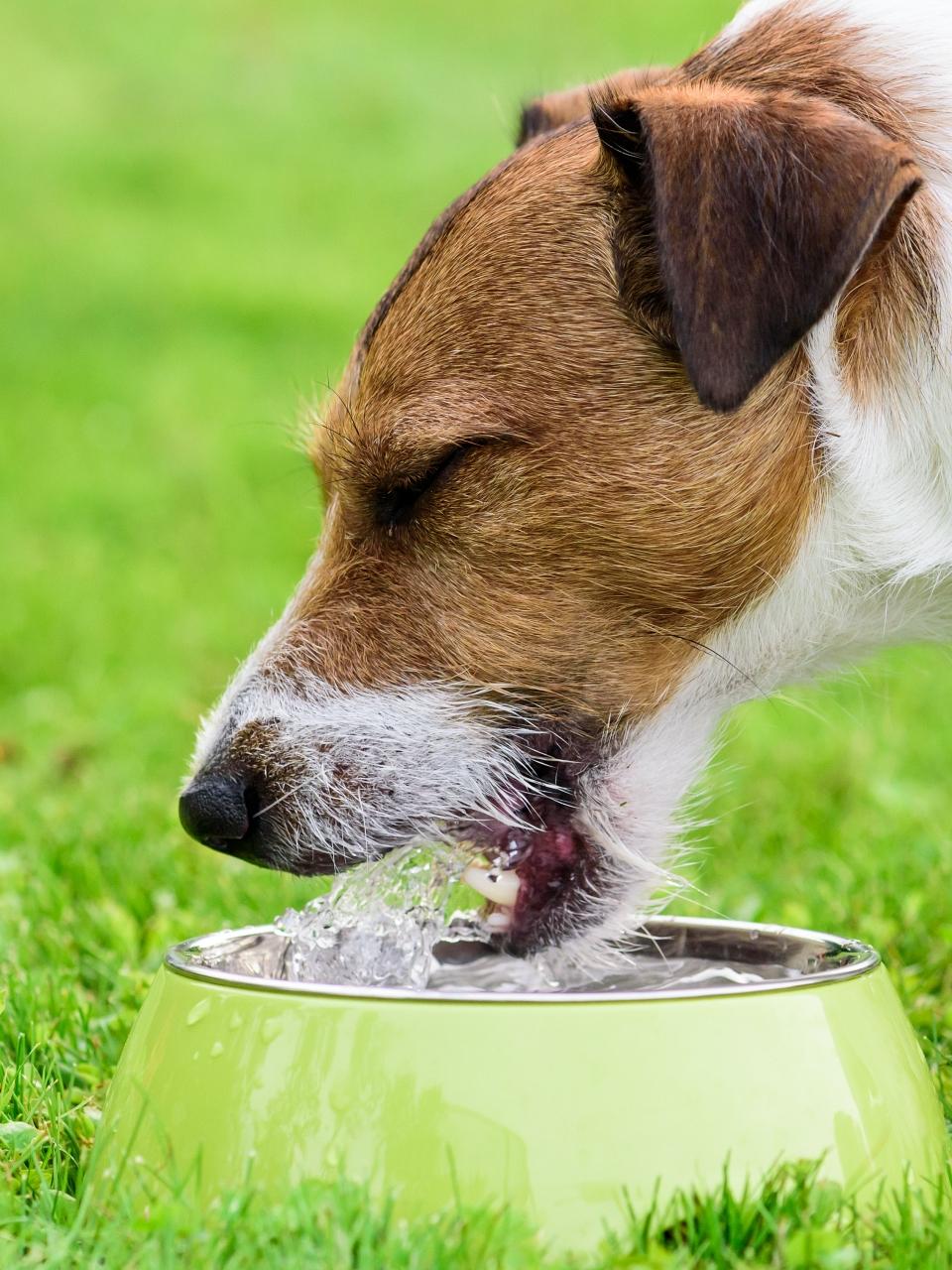
Dogs naturally create a mess when drinking due to their unique lapping mechanism. Unlike humans who can create suction with complete cheeks, dogs must curl their tongues backward and rapidly retract them, creating water columns that inevitably splash around the bowl. Research shows dogs can accelerate their tongues up to 4 times Earth's gravity when drinking, making spills unavoidable.
Here's an unexpected solution: washable dog pee pads provide an ultra-absorbent, leak-proof barrier under water bowls that traps spills instantly, protects floors from water damage, and eliminates constant mopping. While originally designed for potty training, these multi-layer pads solve the water bowl mess problem better than traditional mats.
This article explains why dogs create such dramatic water messes and how washable pads offer a practical, cost-effective solution that protects your floors while reducing cleanup time.
Why Do Dogs Make Such a Mess When Drinking Water?
Common Solutions and Why They Often Fall Short
The Unconventional Solution: Washable Pee Pads as Water Bowl Mats
Step-by-Step Guide: Setting Up Your Water Bowl Area with Washable Pads
Additional Benefits You Didn't Expect
Tips for Maximum Effectiveness
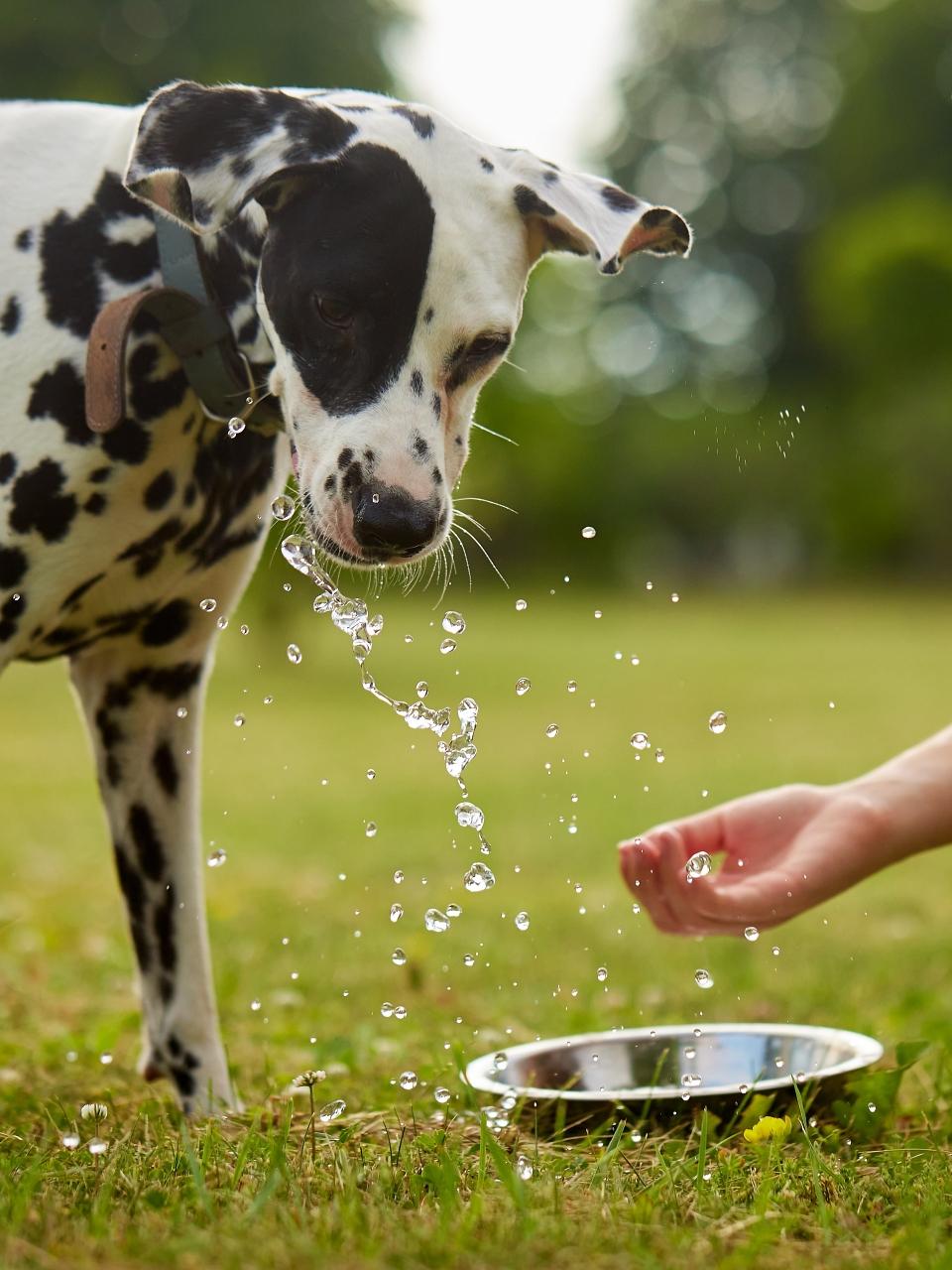
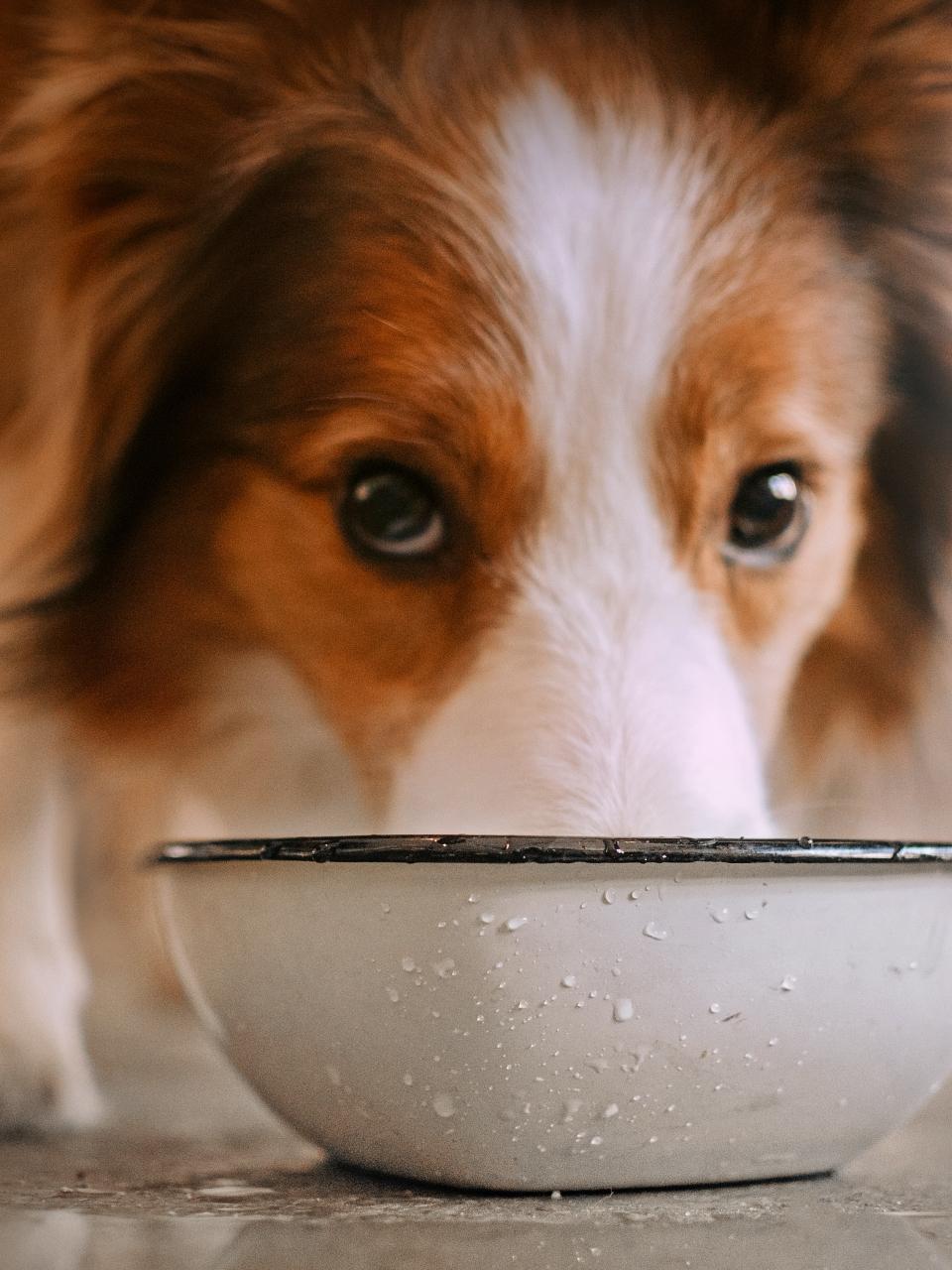
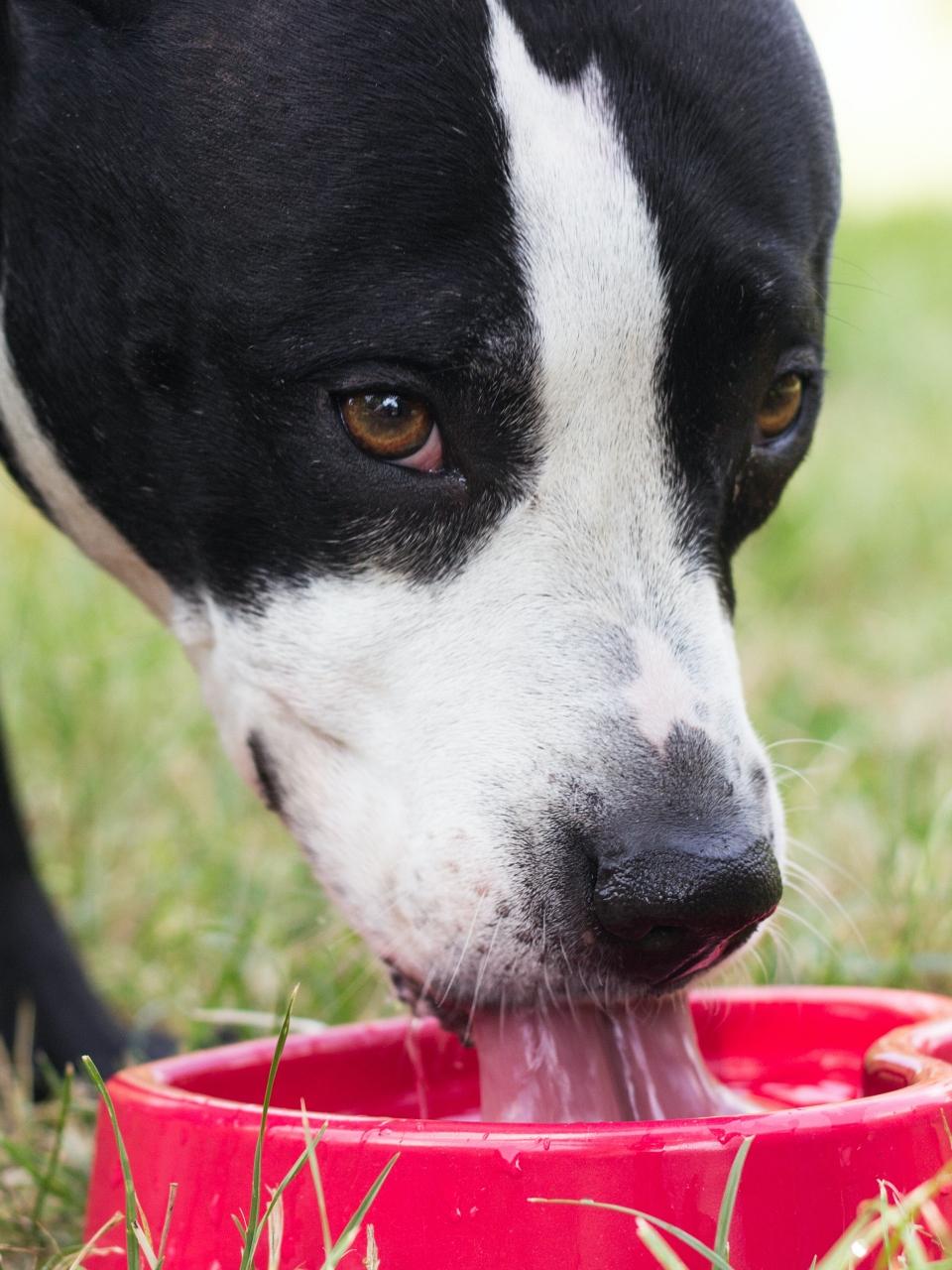
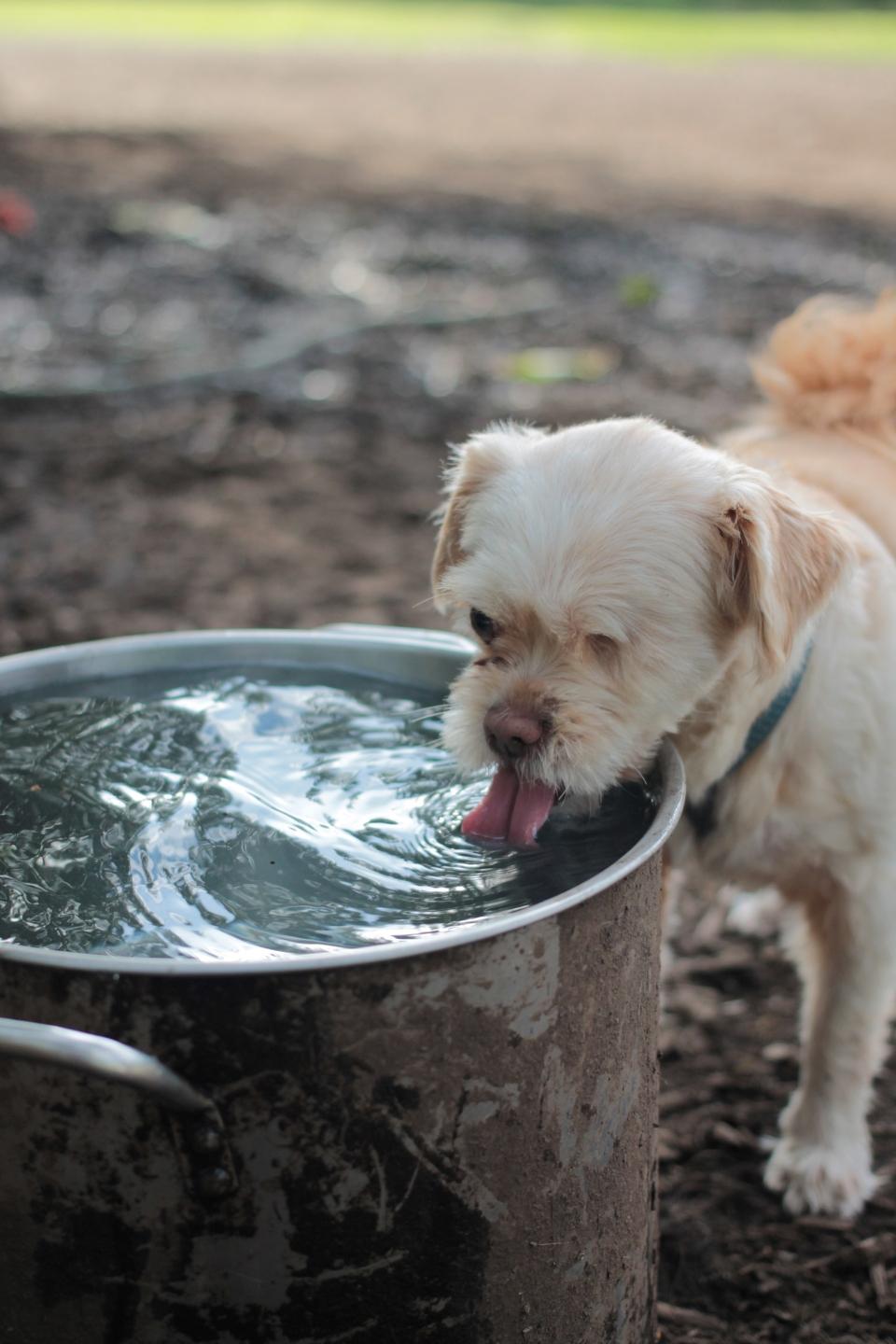
Dogs create water mess due to their incomplete cheeks and unique lapping mechanism. Unlike humans who can create suction, dogs must curl their tongues backward into a ladle shape and rapidly retract them, creating water columns that inevitably splash and drip around the bowl.
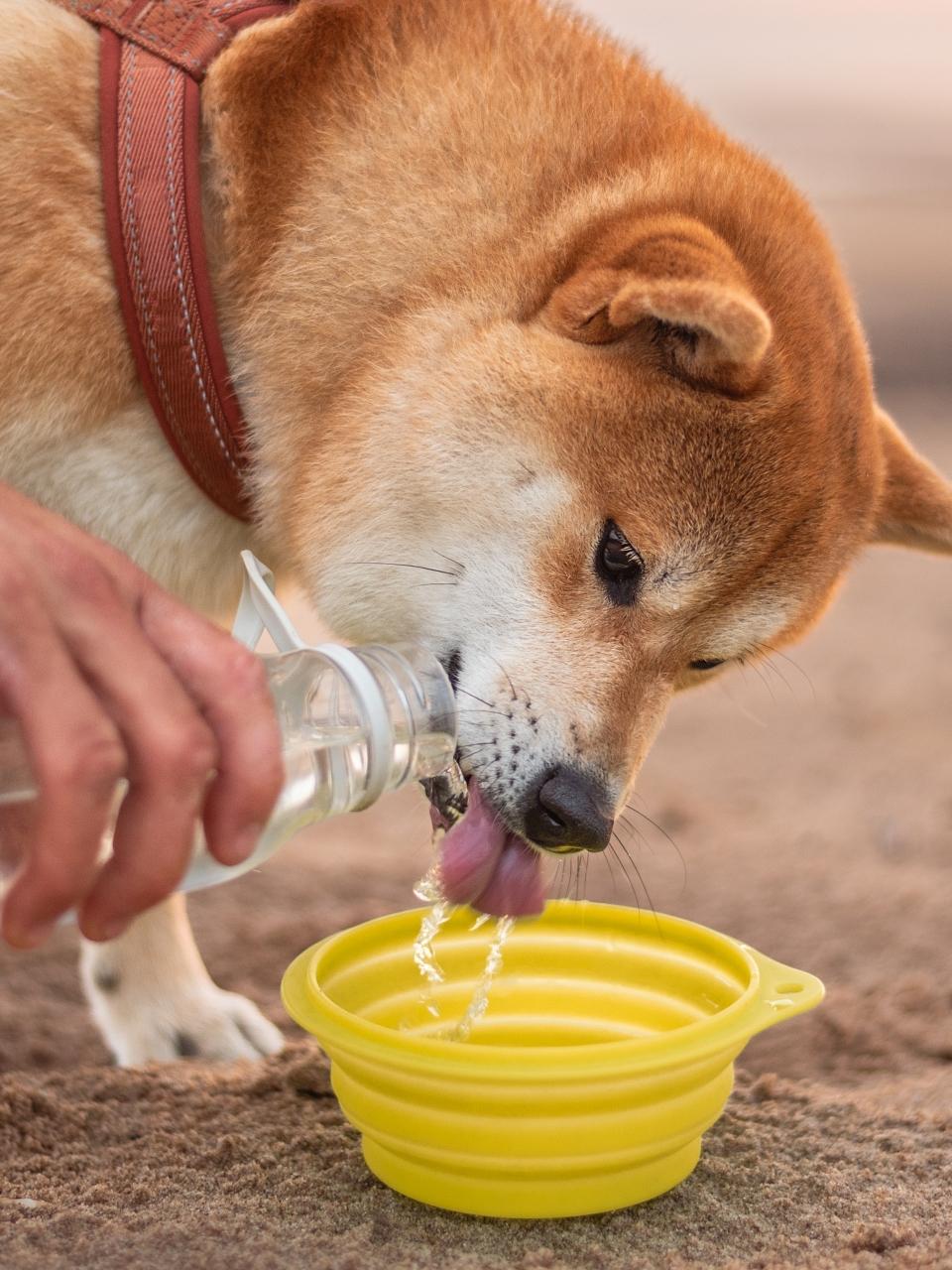
Dogs belong to a group of carnivorous mammals that lack complete cheeks, preventing them from creating the suction needed to drink neatly. Instead, they use a sophisticated tongue mechanism that prioritizes efficient water intake over tidiness.
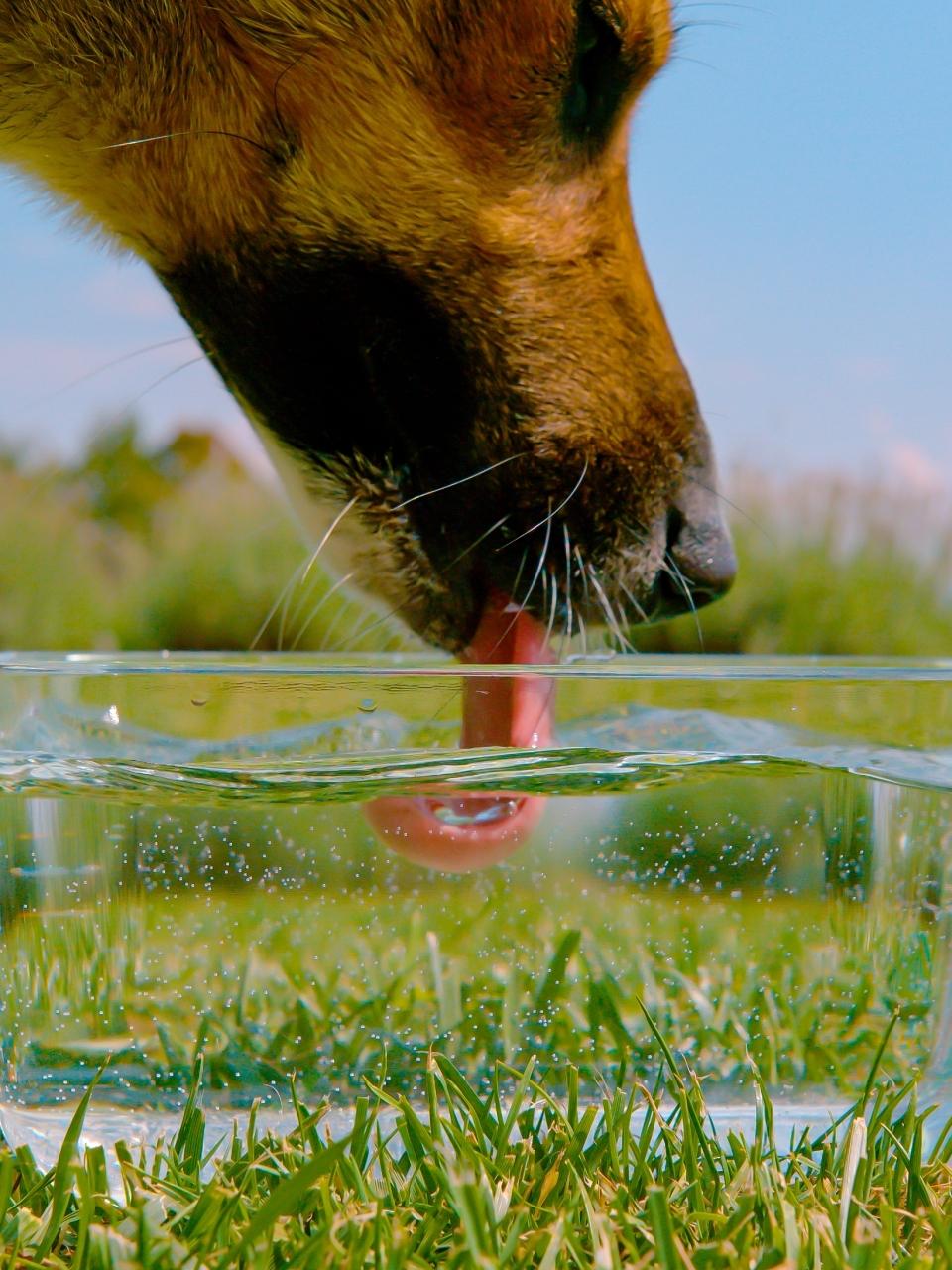
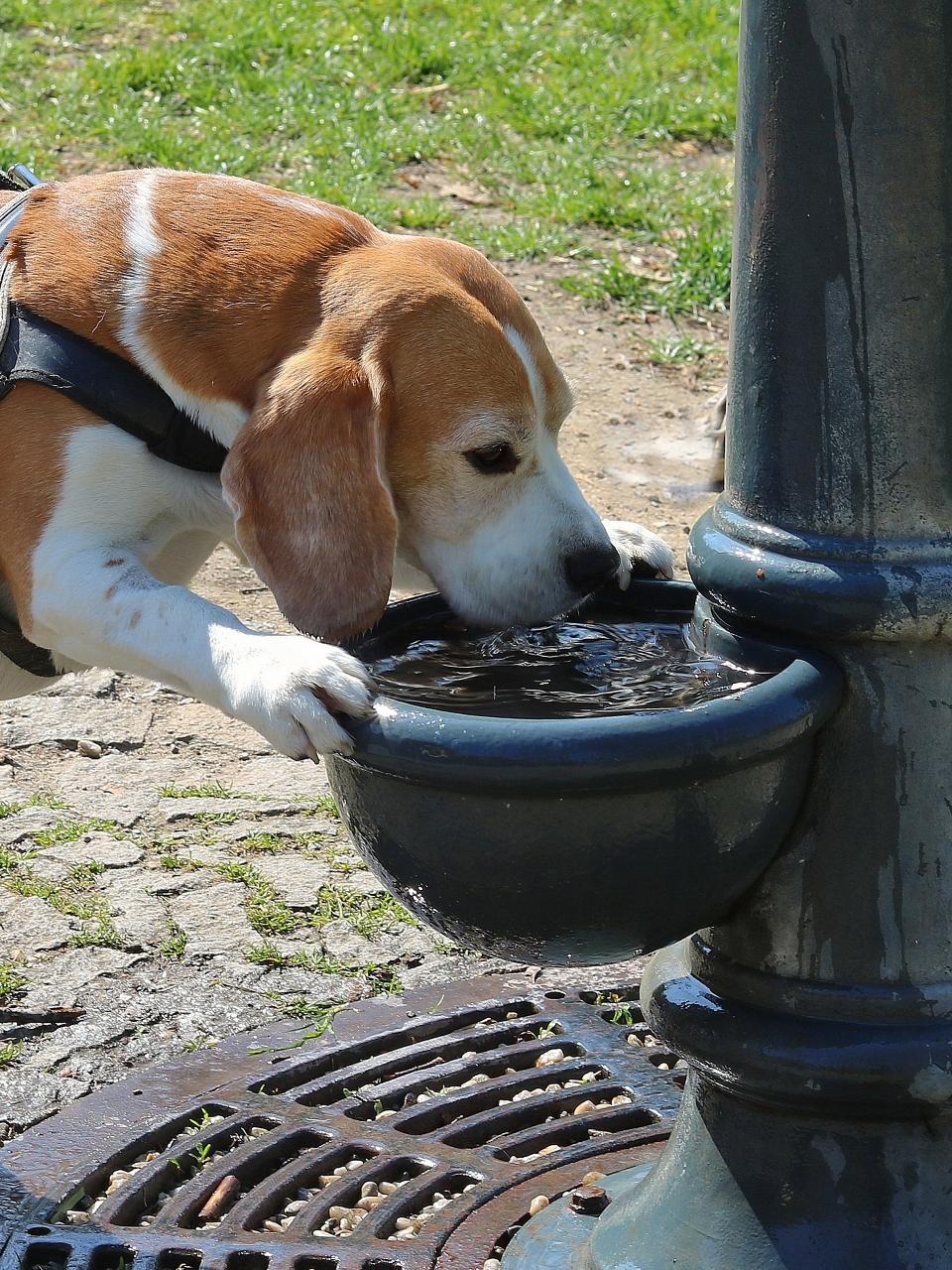
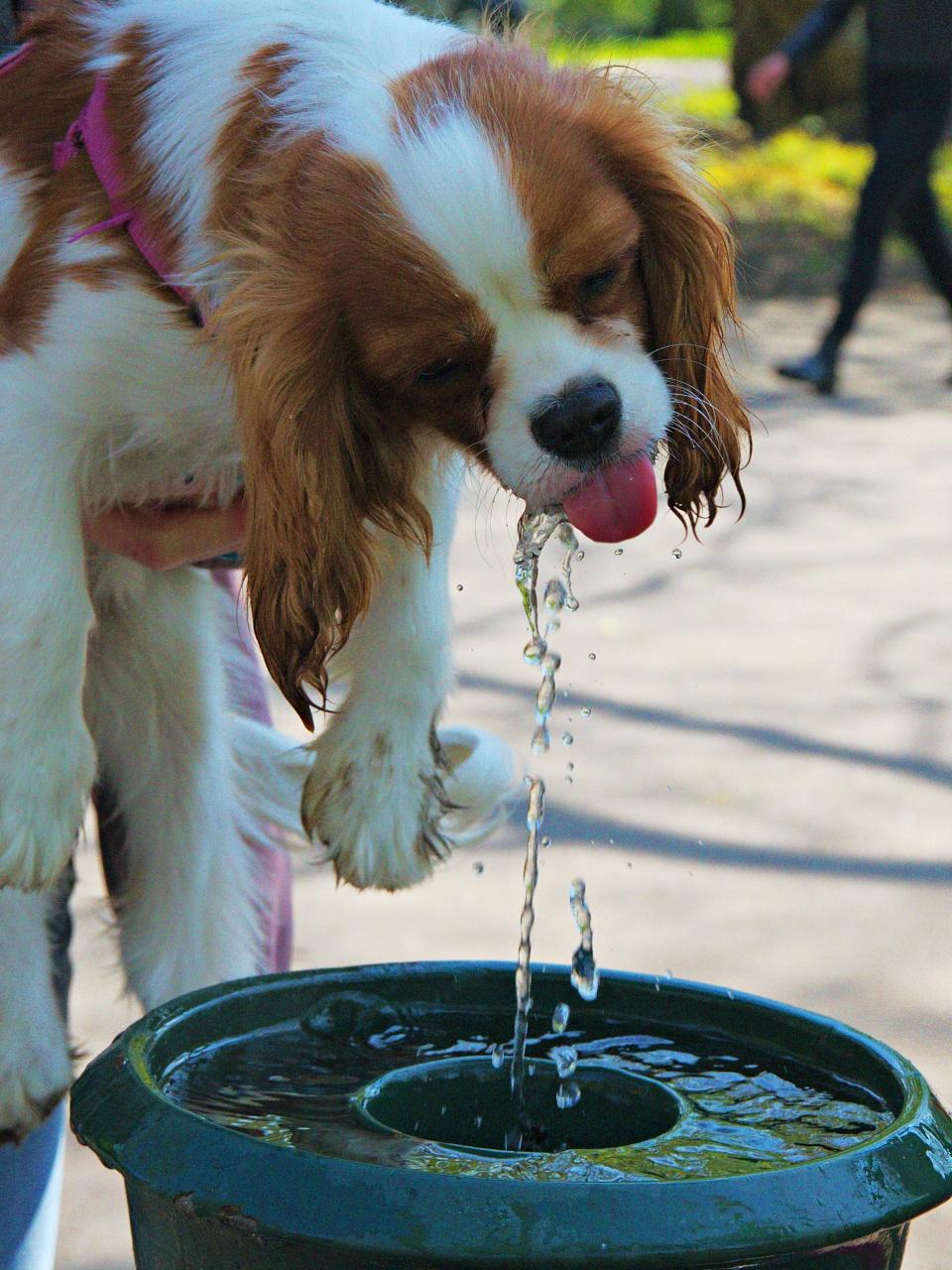
When a dog drinks, it curls its tongue backward into a ladle or spoon shape and plunges it into the water. As the tongue retracts rapidly, it creates a column of water that rises above the bowl surface. The dog closes its jaws to capture water before gravity pulls the column back down. This happens multiple times per second, with each lap generating potential splashes.
The tongue acceleration required for this mechanism reaches approximately 4 times Earth's gravity. This powerful movement inevitably displaces water beyond the bowl's edge, especially when dogs drink enthusiastically after exercise or hot weather.
Certain breeds face additional challenges that amplify water bowl mess:
Long-eared breeds like Cocker Spaniels and Basset Hounds trap water in their ear flaps, which drips along their path after drinking.
Jowly breeds including Mastiffs, Bulldogs, and Saint Bernards have loose facial skin that captures and releases water as they move.
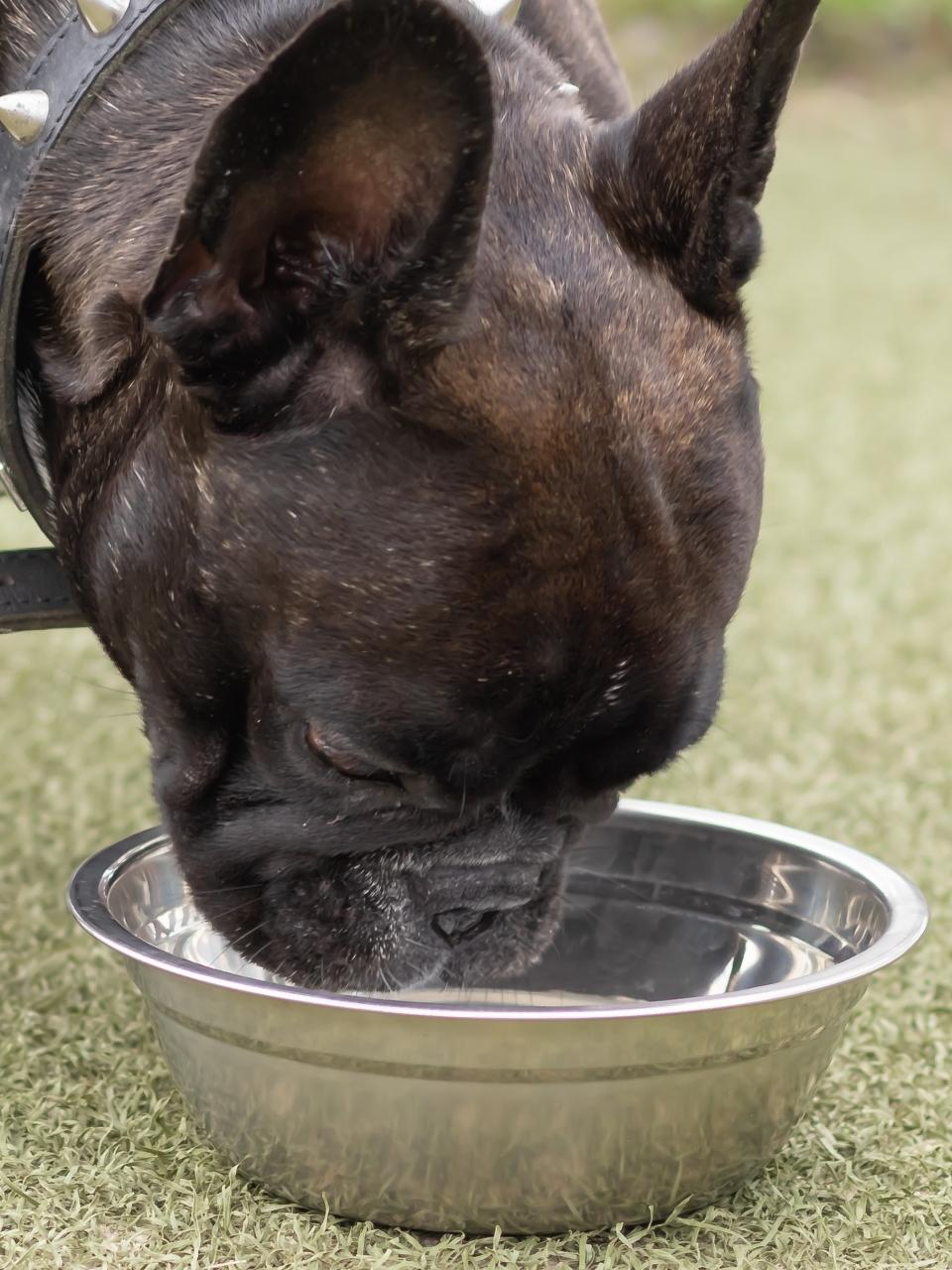
Flat-faced breeds such as Pugs and French Bulldogs drink at awkward angles due to their facial structure, creating more spillage.
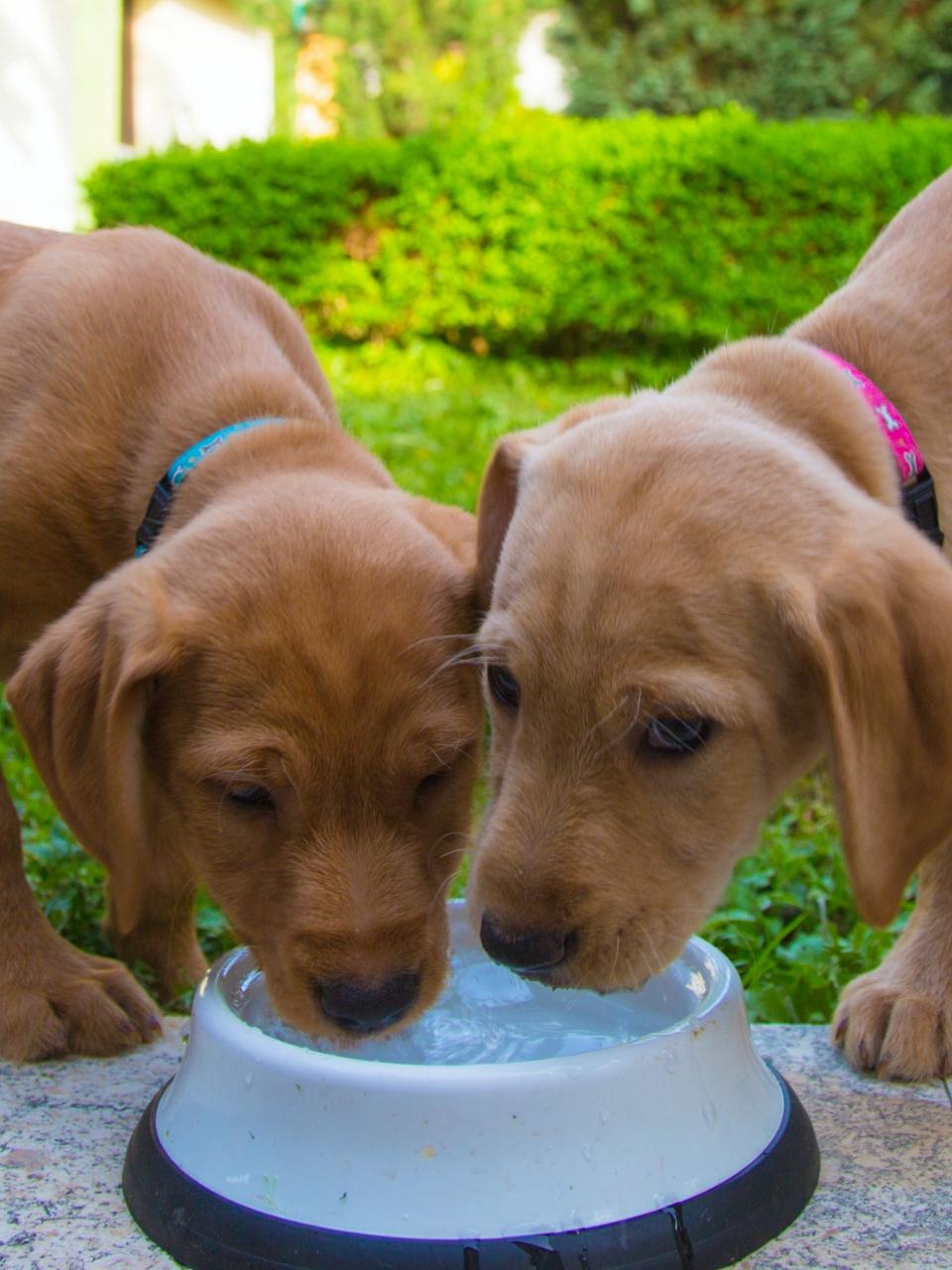
Puppies and enthusiastic drinkers approach the water bowl with gusto, generating maximum splash
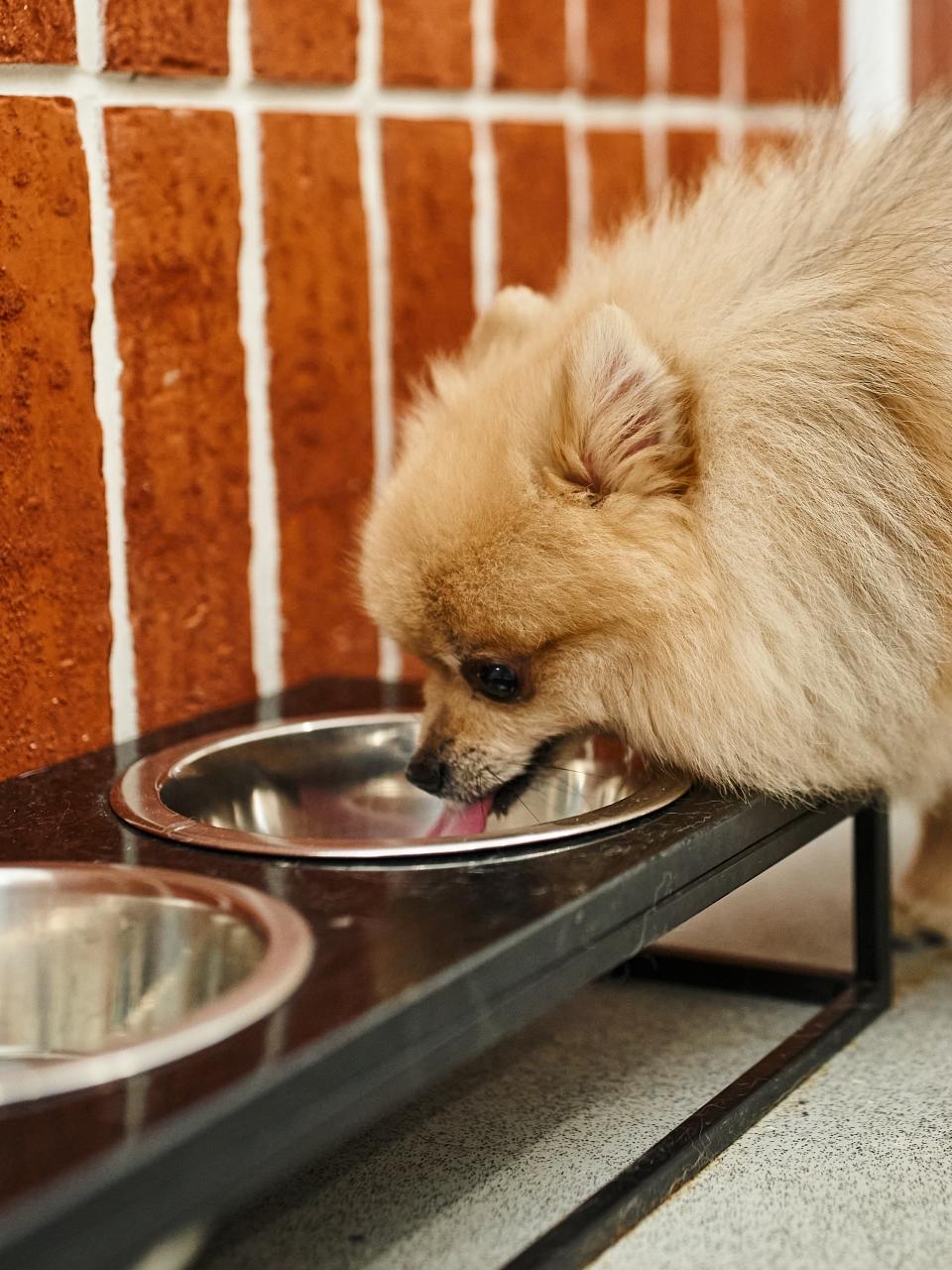
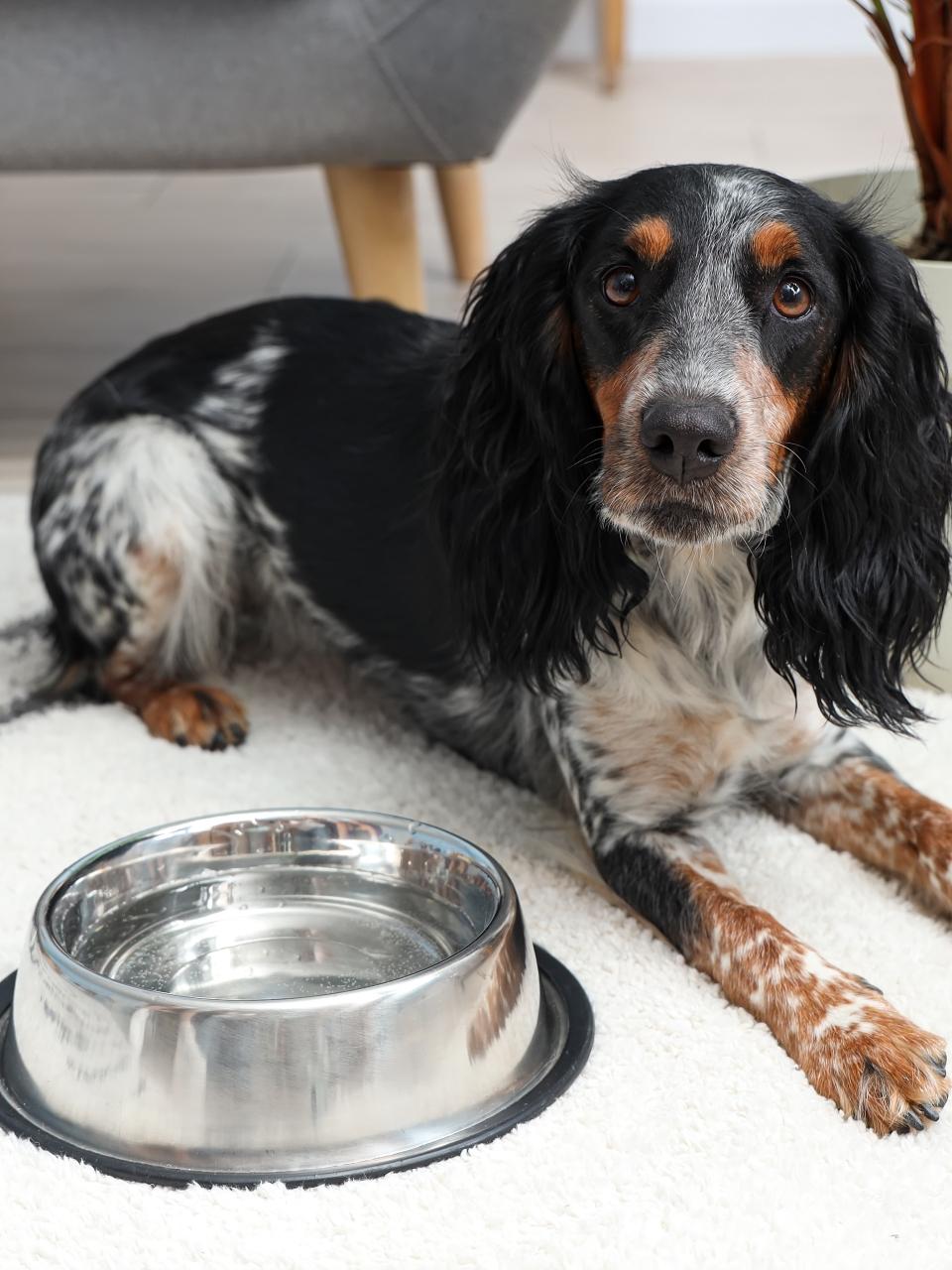
Beyond the annoyance factor, water bowl mess creates genuine problems. Hardwood and vinyl floors suffer water damage when moisture seeps into seams and edges. Standing water creates slipping hazards, especially dangerous for elderly family members or young children.
Trapped moisture under bowl areas promotes mold and bacteria growth. Many pet owners don't realize water damage is occurring until discoloration or warping appears. The water trail extends well beyond the immediate bowl area as dogs carry moisture on their muzzles, beards, and paws throughout your home.
Traditional water bowl mats include diatomaceous earth mats, microfiber placemats, and rubber boot trays, but each has limitations: diatomite mats dry quickly but have limited capacity, microfiber mats can develop odors, and boot trays don't absorb moisture at all.
| Solution Type | Absorption Capacity | Washability | Durability | Cost-Effectiveness | Limitations |
|---|---|---|---|---|---|
| Diatomaceous Earth Materials | Medium | Limited | Medium | $$ | Fragile, doesn't catch trailing water |
| Microfiber Placemats | Medium | Yes | Medium | $ | Can develop odor, needs frequent washing |
| Boots Trays | None (containment only) | Yes | High | $ | Water sits on top, slippery |
| Disposable Pee Pads | High | No | Low | $/month | Environmental waste, ongoing cost |
| Washable Pee Pads | High | Yes | High | $$ (one-time) |
Requires washing (but less frequent) |
Diatomaceous earth mats absorb water through evaporation, which works well for small amounts but becomes overwhelmed by enthusiastic drinkers. These mats are also fragile and crack easily with regular use.
Microfiber placemats provide some absorption but saturate quickly and retain moisture, potentially developing musty odors between washes. Their limited size often fails to catch the full spread of water mess.
Boot trays contain spills but don't absorb them, leaving water pooled on the surface where it becomes a slipping hazard and provides no floor protection if the tray shifts or overflows.
Disposable pee pads work effectively but create ongoing costs and environmental waste, with households spending $40 or more monthly on single-use products.
The core problem with traditional water bowl mats is they're designed for containment or minimal absorption, not the dynamic, widespread mess that messy drinking dogs create.
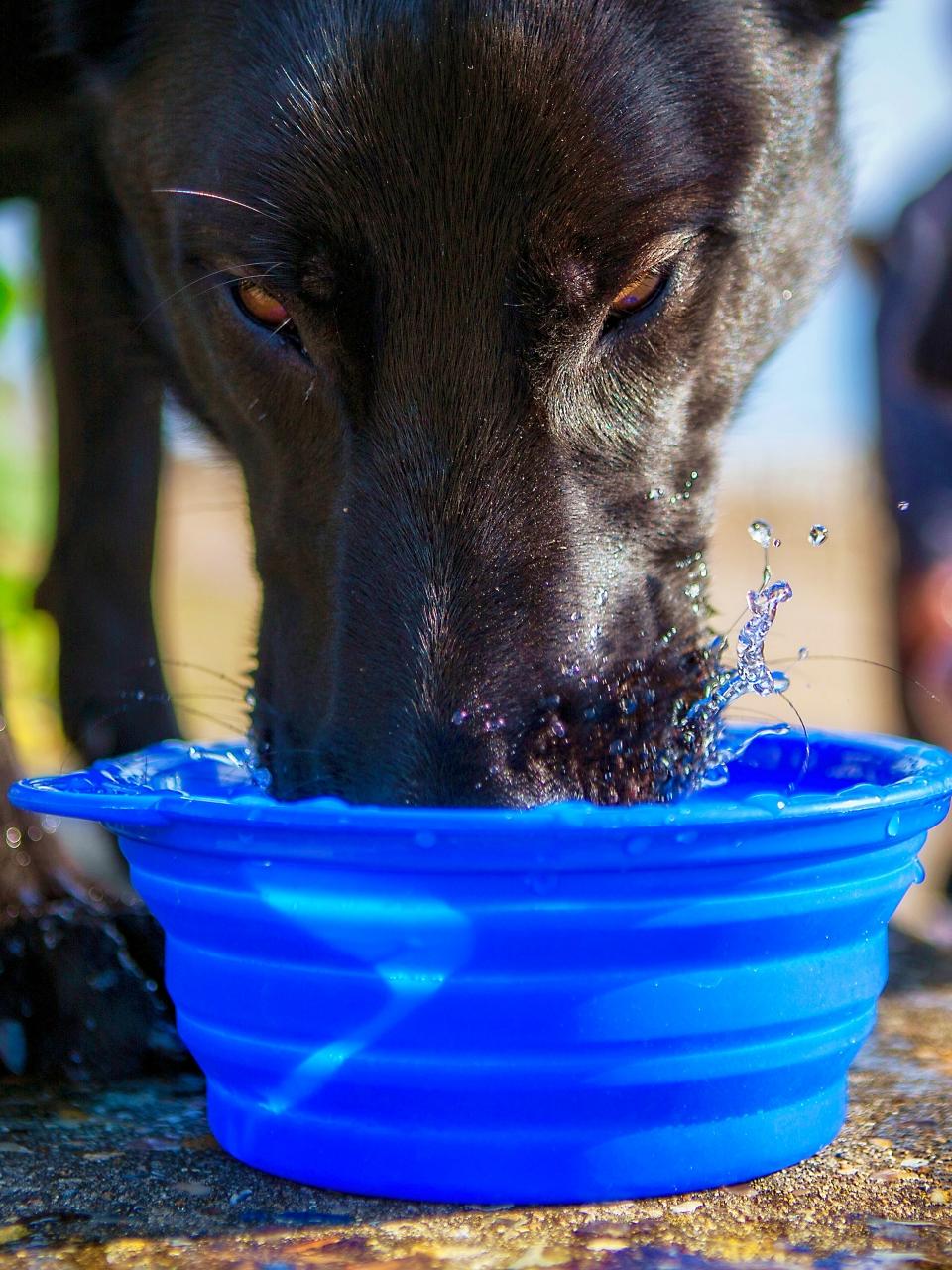
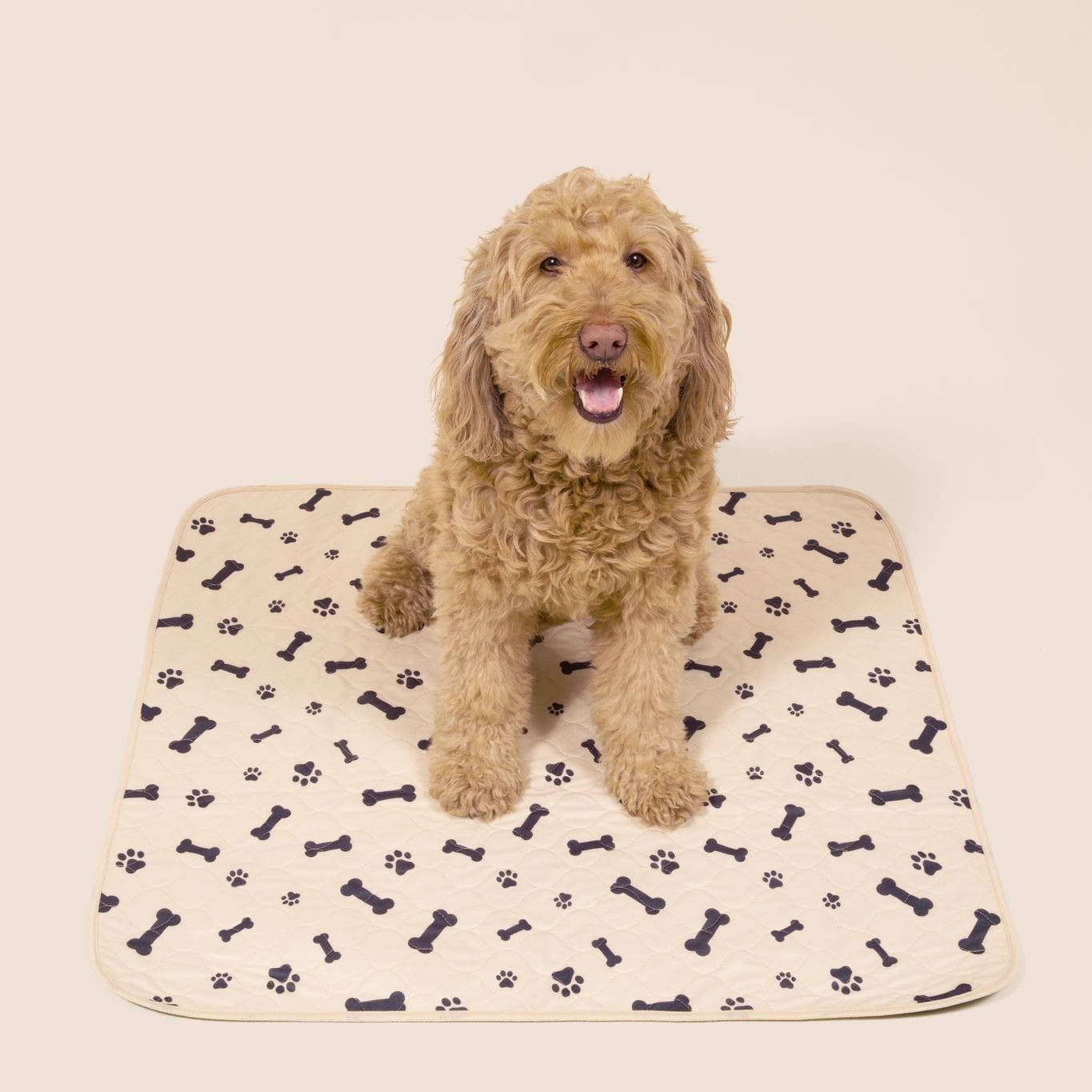
Washable dog pee pads, originally designed for potty training, offer superior water absorption (holding multiple cups of liquid), leak-proof protection, anti-slip backing, and can be machine washed hundreds of times, making them ideal for containing water bowl mess while protecting floors.
Washable pee pads employ sophisticated multi-layer construction that addresses every aspect of the water bowl mess problem:
Fast-drying top layer features knitted fabric that wicks moisture away from the surface quickly, preventing your dog from stepping in puddles and tracking water throughout your home.
Ultra-absorbent core membrane captures and holds multiple cups of liquid, far exceeding the capacity of standard bowl mats. This layer locks moisture away from the surface and prevents saturation during typical daily use.
Waterproof intermediate layer creates an impenetrable barrier between absorbed water and your floor, ensuring zero moisture reaches vulnerable flooring surfaces even when the pad is fully saturated.
Non-slip bottom layer keeps the pad securely positioned even when wet, preventing the sliding and bunching that creates trip hazards and defeats the purpose of floor protection.
The larger coverage area of washable pads extends well beyond the immediate bowl vicinity, catching the water trail as your dog walks away. Standard bowl mats typically measure 12-18 inches, while washable pads are available in sizes up to 24 x 36 inches or larger, providing comprehensive protection.
Potty Buddy washable pee pads bring additional benefits specifically valuable for the water bowl application:
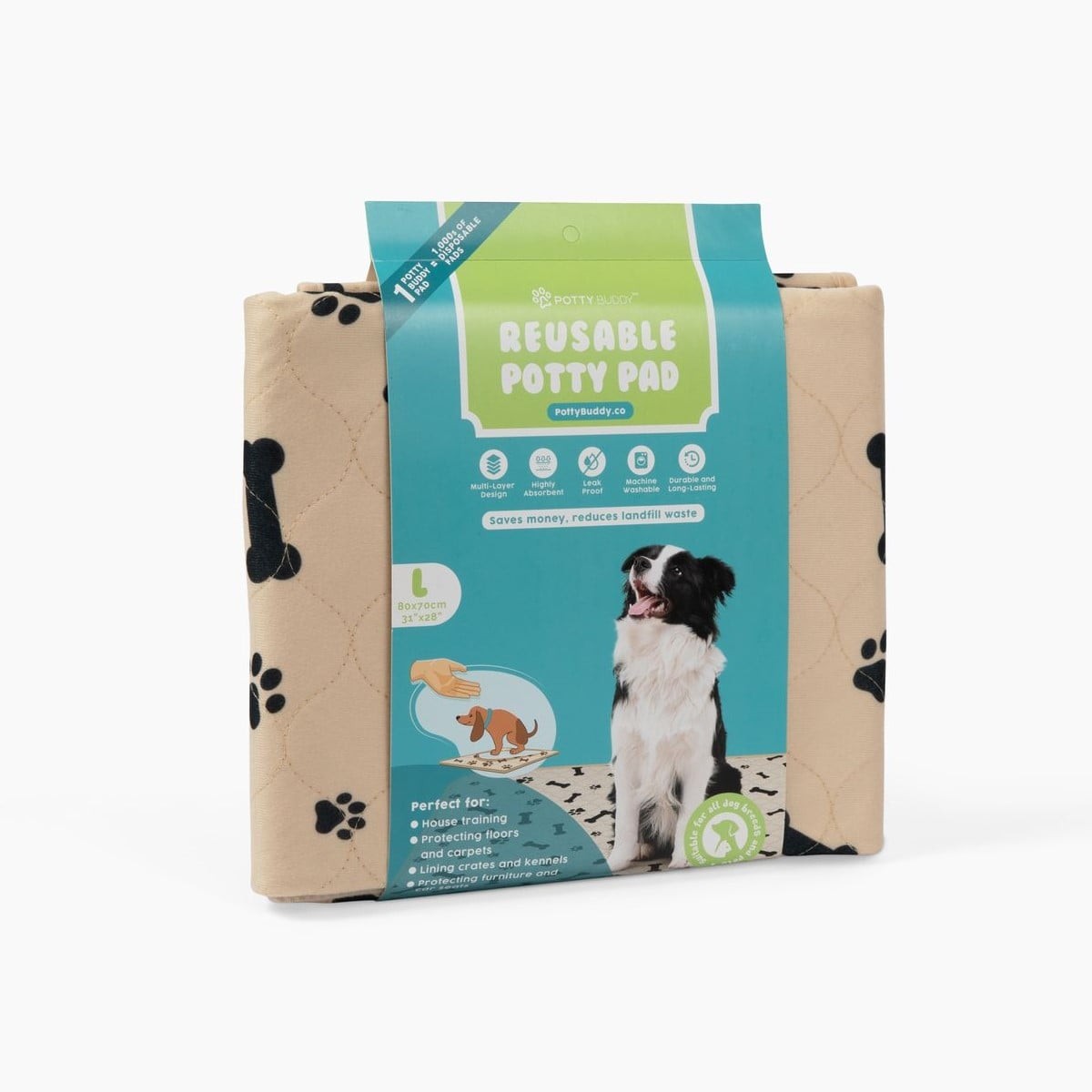
OEKO-TEX® Standard 100 certification ensures the materials are safe and non-toxic, important since the pad sits where your dog drinks and eats.
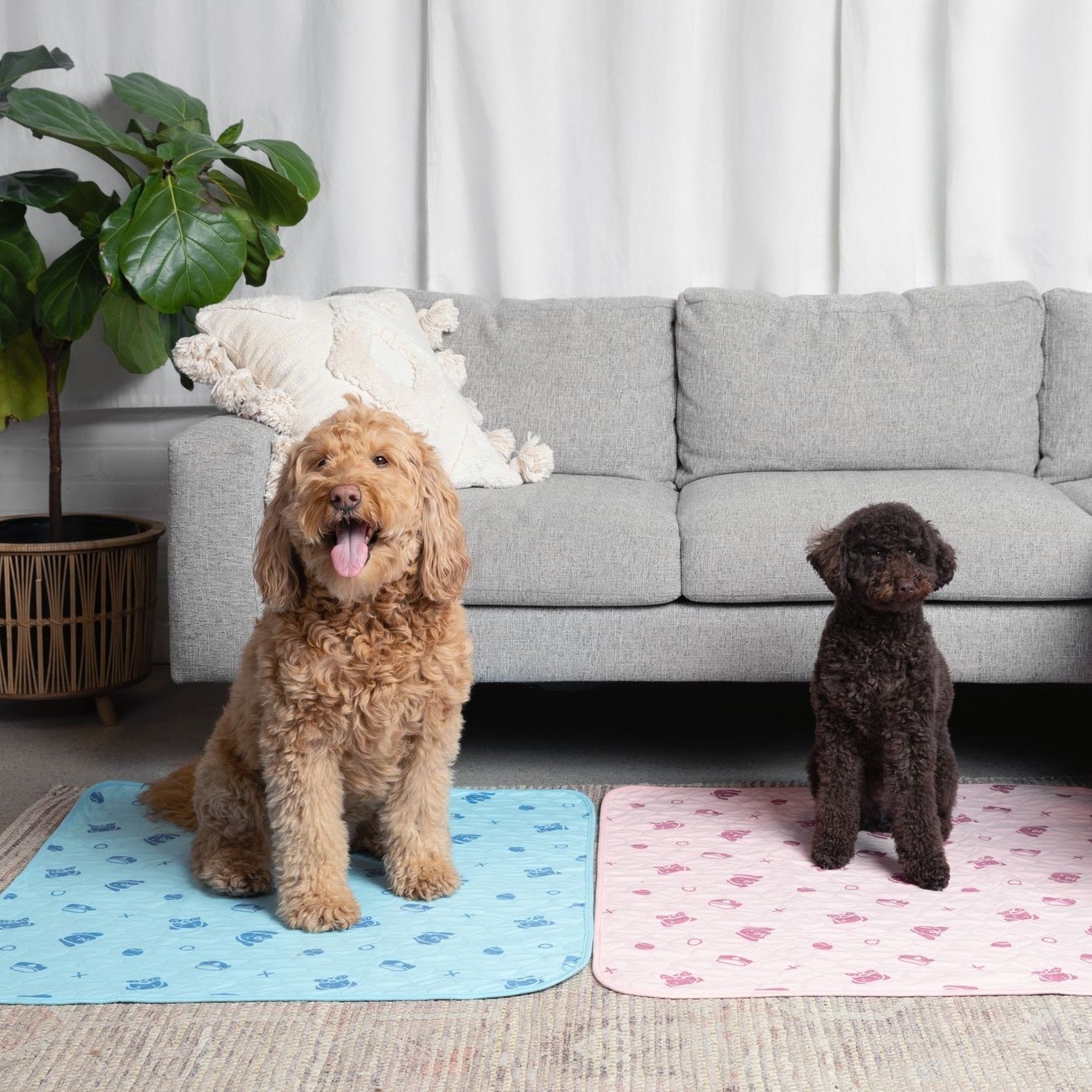
Multiple size options from 13" x 18" up to larger formats accommodate different bowl sizes and drinking styles, from petite lap dogs to giant breeds.
Ten design patterns allow the pad to blend with your home decor rather than looking like obvious pet supplies. Choose patterns that complement your kitchen or laundry room aesthetics.
Durability through hundreds of wash cycles means these pads maintain their absorption and leak-proof qualities through years of regular use, not just weeks or months.
Odor-trapping technology originally designed for urine absorption works equally well for the musty smell that can develop in constantly damp areas, keeping your water bowl station fresh.
To set up a water bowl area with washable pads: choose a pad 6-12 inches larger than your bowl on all sides, place it in a low-traffic location, position the bowl in the center, and train your dog to drink in that designated area. Replace or wash the pad when visibly soaked or weekly.
Measure your water bowl's diameter and select a pad that extends 6-12 inches beyond the bowl on all sides. This captures not just immediate splashes but also the drips your dog carries away from the bowl.
Larger breeds and messier drinkers need bigger pads. A Great Dane requires significantly more coverage than a Chihuahua. Consider the high-traffic paths your dog takes after drinking – if they consistently walk in one direction, position that side of the pad to provide extra coverage.
Choose a low-traffic area to minimize pad movement and reduce the chances of people stepping on the wet surface. Ensure the surface is stable and level to prevent bowl tipping.
Position the water station where your dog can easily access it but away from the food bowl if possible. Keeping dry kibble separate from water splash zones maintains food freshness and prevents soggy meals.
Center your water bowl on the pad to maximize coverage in all directions. Ensure the pad's anti-slip bottom makes complete contact with your floor for security.
For elevated bowl stands, still place the pad underneath to catch drips and provide a designated drinking area. The pad serves as a visual marker that helps your dog recognize the water station.
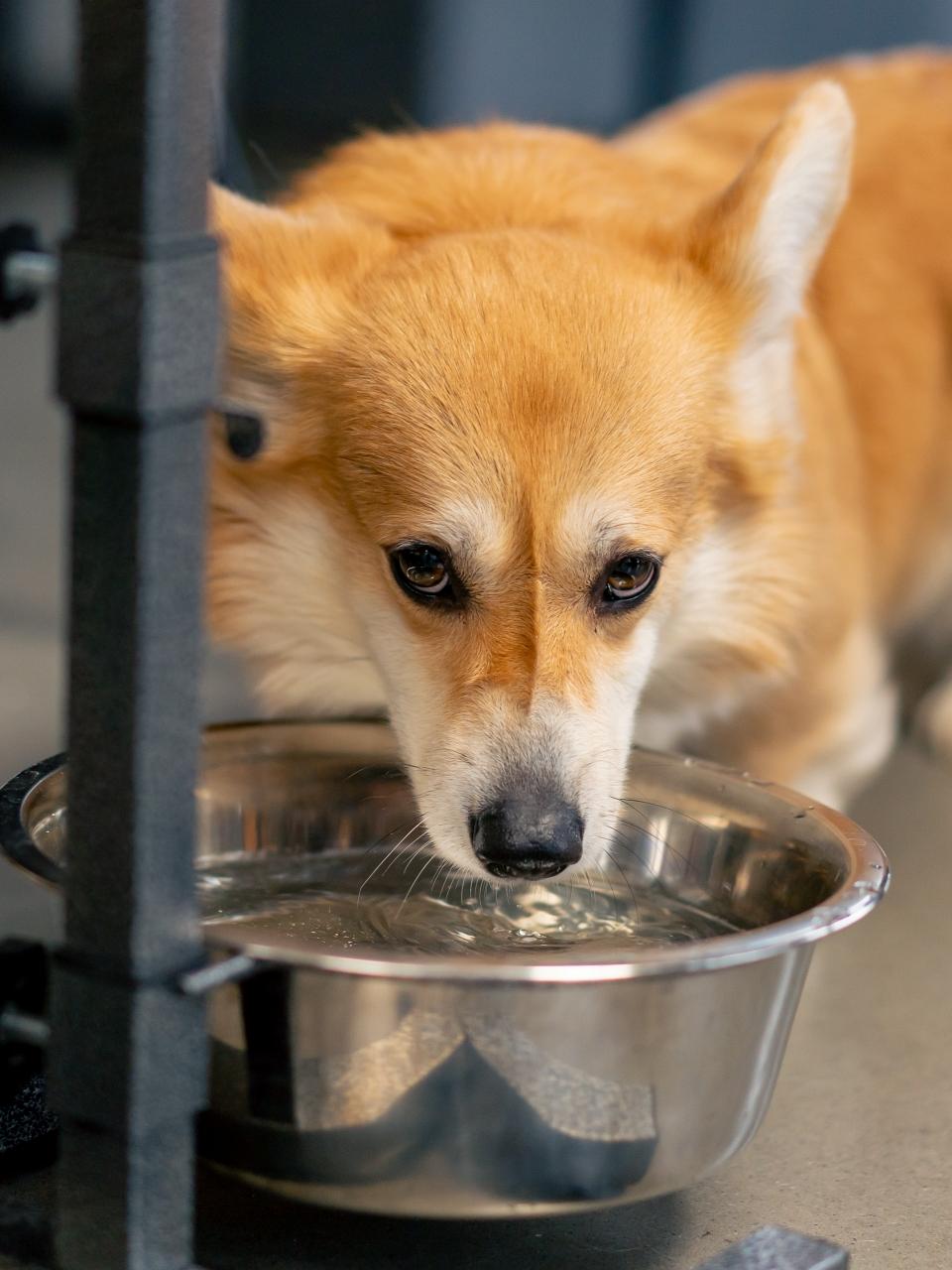
Combine a rubber boot tray with the washable pad inside it for double-layer protection in extreme cases. This setup contains any pad overflow while the pad handles all absorption duties.
Some pet owners use the same large pad for both water and food bowls, creating a complete feeding station that protects floors from all mealtime messes.
Store used pads in a dedicated mesh laundry bag until washing. When the pad feels saturated or after approximately one week of use, wash it on a quick or normal cycle with pet-safe detergent.
Multiple pads can be washed together. Tumble dry on low or air dry depending on your preference. Having 2-3 pads in rotation means you always have a clean one ready while others are in the wash.
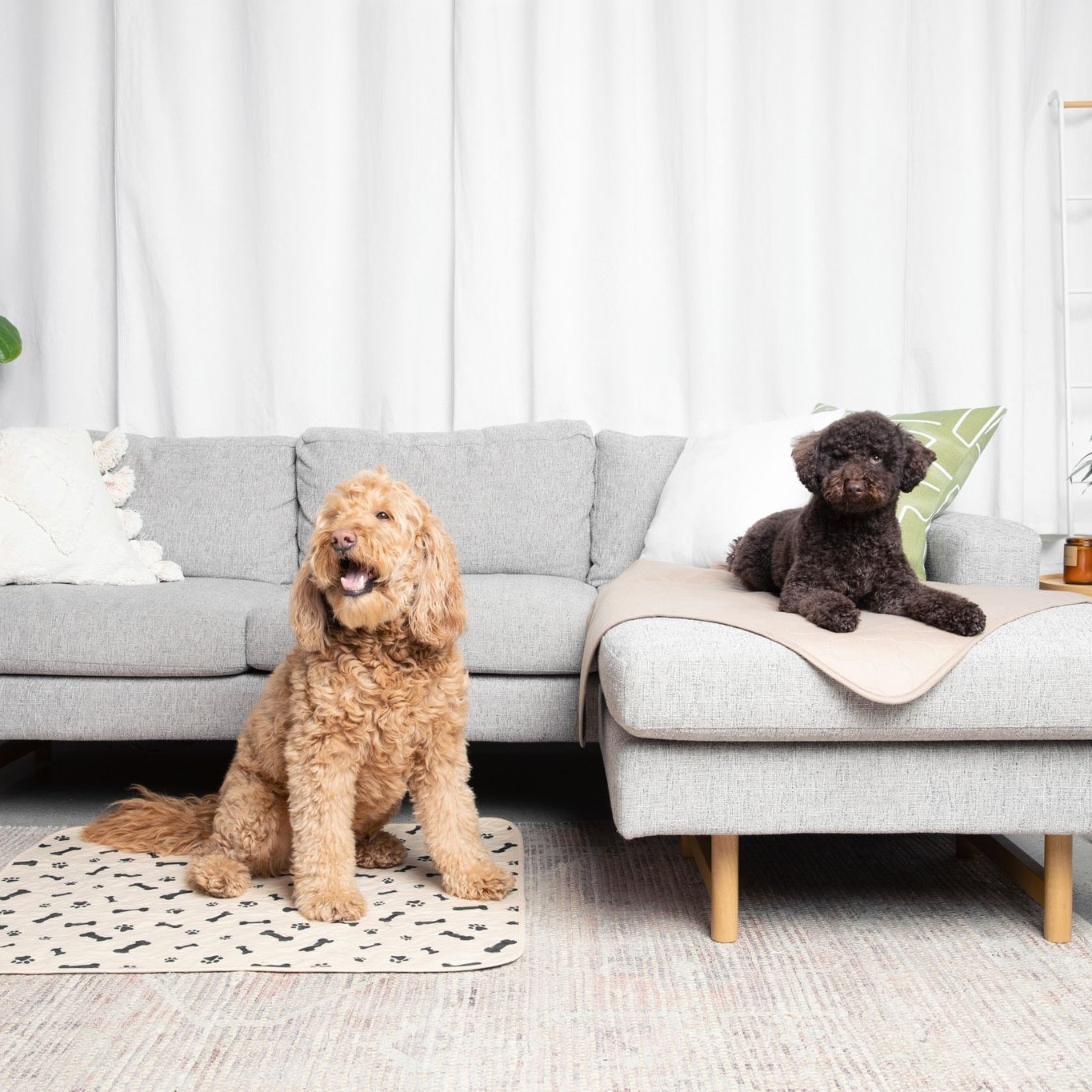
Beyond water bowl mess control, washable pee pads offer versatile household uses including furniture protection during bath time, crate liners for travel, under food bowls for kibble spills, muddy paw cleanup stations, and grooming surface protection.
Under food bowls for catching kibble scatter and wet food spills
Post-bath drying station to contain water while your dog shakes off
Muddy paw entry mat during rainy weather
Car seat protection during veterinary visits or road trips
Crate or kennel liner for comfort and accident protection
Furniture protection when wet dogs need to rest indoors
Grooming surface that catches hair and protects floors during brushing
Each washable pad replaces approximately 300-400 disposable pads over its lifetime. At typical disposable pad prices, this saves $40 or more monthly – over $480 annually per dog.
The environmental impact matters too. Disposable pads contribute significantly to landfill waste, with materials that don't biodegrade quickly. One washable pad eliminates hundreds of pounds of waste over its usable life.
The initial investment of $20-40 per pad pays for itself within 2-3 months compared to disposable alternatives, then continues providing savings for years.
Pet owners report that washable pee pads effectively contain 95% of water bowl mess, eliminate floor damage from trapped moisture, and significantly reduce daily cleanup time while providing a comfortable, non-slip surface their dogs readily accept.
A Bernese Mountain Dog owner reported: "I was mopping three times daily before using washable pads under the water bowl. The floors around the bowl were starting to show water stains despite my efforts. After switching to a large washable pad, I wash it twice weekly and my floors stay dry. The pad catches everything, including the water trail he leaves walking away."
Another pet parent with two Cocker Spaniels shared: "Their long ears would drip water across the entire kitchen. Traditional bowl mats were too small and didn't absorb enough. The washable pad extends far enough to catch the drips and holds multiple days of water mess. I initially bought them for potty training but discovered they're perfect under the water bowl."
A Mastiff owner noted unexpected benefits: "The large size pad covers both water and food bowls. It catches water splashes, food drops, and provides a designated feeding area my dog recognizes. The non-slip bottom keeps everything in place even when he's drinking enthusiastically after his walks."
Maximize water bowl pad effectiveness by choosing pads larger than needed, washing before first use to boost absorbency, maintaining 2-3 pads for rotation, addressing excessive mess at the source with appropriate bowl design, and checking for floor moisture weekly to prevent damage.
1. Size Up
Choose a larger pad than you think necessary. Water travels farther than expected, especially with enthusiastic drinkers or breeds that carry moisture away from the bowl. The extra coverage proves worthwhile.
2. Pre-Wash
Wash pads before first use to activate full absorbency. Manufacturing and packaging can compress the fibers, and an initial wash cycle fluffs them up for optimal performance.
3. Buy Multiple Pads
Maintaining 2-3 pads in rotation ensures one is always clean and ready. This prevents the temptation to leave a saturated pad in place longer than ideal, which reduces effectiveness and can allow odors to develop.
4. Combine with Bowl Solutions
Using the right bowl type reduces the amount of water your dog can displace. Elevated bowls minimize splashing for many dogs by improving drinking angle. Deeper, narrower bowls contain more water than wide, shallow designs.
Consider specialized no-spill bowl designs for extreme cases, though even these benefit from absorbent mat for drips. Never overfill bowls – leave 1-2 inches of clearance from the rim to reduce displacement.
5. Regular Maintenance
Shake out the pad daily if using it under food bowls too, removing trapped kibble pieces that can create lumps. Wash weekly or when visibly soaked, whichever comes first.
Check the floor underneath the pad weekly, especially during the first month, to ensure no seepage is occurring. This catches any issues early before floor damage develops. Rotate pads regularly to extend their lifespan.
6. For Heavy Slobberers
Breeds with heavy jowls may benefit from layering two pads for extra absorption capacity. Extend pad coverage into your dog's typical walking path from the water bowl to catch trailing drips.
The combination of a boot tray with a washable pad inside provides maximum protection for extreme cases where water displacement is substantial.
7. Training Reinforcement
Keep your water station in a consistent location. Dogs develop habits around where they expect to find water, and consistency helps them recognize the designated drinking area.
The distinctive appearance or pattern of the pad serves as a visual marker. House-trained dogs quickly learn the pad indicates the water station, not a bathroom area, due to context and permanent placement.
Washable pee pads outperform traditional water bowl mats in absorption capacity, cost-effectiveness over time, environmental impact, and versatility, though they require washing maintenance that quick-dry stone mats don't need.
Absorption capacity: Multi-layer washable pads hold multiple cups of liquid before saturation, while traditional mats handle only minor splashes before becoming overwhelmed.
Coverage area: Washable pads are available in sizes up to 36 inches or larger, providing comprehensive floor protection that extends beyond the immediate bowl area. Standard bowl mats rarely exceed 24 inches.
Maintenance requirements: Machine washing takes minimal effort every 5-7 days, similar to washing pet bedding. Diatomite mats require careful wiping and occasional sun exposure. Microfiber mats also need washing but lack waterproof backing.
Durability: Quality washable pads last for years with proper care, maintaining their absorption and leak-proof qualities through hundreds of wash cycles. Traditional mats often require replacement within 6-12 months due to wear, cracking, or deterioration.
Cost analysis: While the initial investment of $20-40 per washable pad exceeds basic bowl mats ($10-15), the one-time purchase eliminates ongoing costs. Specialty diatomite mats cost $50 or more and need replacement. Disposable pads create recurring monthly expenses of $40 or more.
Environmental impact: One washable pad replaces hundreds of disposable products and prevents specialty mats from entering landfills every year. The sustainability factor matters to environmentally conscious pet owners.
Versatility: Washable pads serve multiple purposes throughout your home, from grooming stations to travel protection. Single-purpose bowl mats lack this flexibility.
The primary maintenance consideration is washing frequency.
Unlike self-drying diatomite mats, washable pads require machine washing when saturated. However, most pet owners find this minimal effort compared to constant floor mopping and the risk of water damage.
How often do I need to wash pee pads when using them under water bowls?
For water bowl use only (not potty training), washing frequency depends on your dog's drinking habits. Most pet owners wash pads every 5-7 days or when visibly stained. Messy drinkers or multi-dog households may need a quick wash 3-4 times weekly. Store damp pads in a dedicated laundry bag between washes.
Will the pee pad slip around when my dog drinks?
Quality washable pee pads like Potty Buddy feature non-slip silicone or textured backing that grips floors securely, even when wet. The pad stays in place during drinking, preventing bunching or sliding that could create trip hazards.
Can I use the same pad under both food and water bowls?
Yes, washable pee pads work excellently under both bowls simultaneously. The absorbent layers handle water spills while the waterproof bottom protects floors from wet food. Choose a larger pad size to accommodate both bowls with adequate coverage around each.
How much water can these pads absorb before needing replacement?
High-quality washable pee pads can absorb multiple cups of liquid before saturation. The exact capacity varies by pad construction, but multi-layer pads like Potty Buddy's design can handle several days of typical water bowl spillage. Unlike disposables that absorb up to 4 cups once, washable pads can be reused hundreds of times.
Are washable pee pads really more cost-effective than cheap absorbent mats?
Yes, despite higher upfront cost ($20-40), washable pads save money long-term. They replace both disposable pads (saving $40+/month) and specialty water bowl mats ($30-60 that need periodic replacement). With proper care, quality washable pads last years, providing superior value over time.
Do these pads work for dogs with beards or long ears that drip water?
Absolutely. The high absorbency is particularly beneficial for bearded breeds (Schnauzers, Terriers) and long-eared dogs (Cocker Spaniels, Basset Hounds) that carry water away from the bowl. Place the pad to cover the path your dog typically takes after drinking to catch trailing drips.
Will using a pee pad confuse my house-trained dog?
No. House-trained dogs understand context and location. When the pad is consistently placed under the water bowl (not in their usual potty spot), they recognize it as part of the drinking station, not a bathroom area. The distinctive purpose and permanent placement prevent confusion.
Water bowl mess is inevitable given how dogs drink, but the damage and daily frustration aren't. Washable pee pads solve the problem by providing superior absorption that captures multiple cups of liquid, leak-proof protection that prevents floor damage, and coverage area that extends well beyond traditional bowl mats.
The solution works because it addresses the real behavior of messy drinkers – not just the immediate splash but the trailing water, the enthusiastic post-drink shake-off, and the moisture carried on beards and jowls throughout your home.
Beyond immediate mess control, washable pads deliver meaningful cost savings by eliminating disposable products and replacing specialty mats that need frequent replacement. The environmental benefit matters too, keeping hundreds of disposable pads out of landfills while providing years of reliable service.
The versatility adds unexpected value. The same pad that protects your kitchen floor today becomes a post-bath drying station tomorrow and a travel crate liner next week. This multi-purpose functionality maximizes your investment beyond the water bowl application.
Potty Buddy's washable pads combine OEKO-TEX certification for safety, multiple sizes for different needs, and designs that blend with home decor. The 60-day satisfaction guarantee removes risk from trying this unconventional solution.
Ready to stop mopping multiple times daily and protect your floors from water damage? Explore Potty Buddy's range of washable pads in various sizes and designs.
See How Dog Owners Are Using These Leak-Free Potty Pads to Keep Their Homes Clean and Pups Happy
4.7 ⭐⭐⭐⭐⭐
Over 100,000 Dog Owners Saved Money With Potty Buddy™
The washable pee pads that absorb anything your dog throws at them, while keeping your floors and furniture stain-free.
✅ Super Absorbent and Leak-Proof
✅ Great for Potty Training
✅ Ideal for Puppies and Older Dogs
✅ Washable and Reusable For Years
✅ Save over $400/year by not buying disposables
-60 Day Money Back Guarantee-
⭐⭐⭐⭐⭐
-Diana D.
These pads are a life saver for my kitchen floor and bedroom carpet! Just ordered 2 more!
Follow Us On
Check Out Our Most Popular Content