Your Cart is Empty



Checking for signs of pregnancy in dogs can be a daunting task, especially when you are inexperienced and unsure what to look for. The earlier signs can be subtle and this guide talks you through all of the physical and behavioral changes you can expect for your furry friend.
While only a vet can truly confirm pregnancy, this guide discusses all of the tell tale signs, and provides information on pregnancy diagnosis, the pregnancy timeline and- perhaps most importantly!- how to take the best care of your beloved pet.
Can you tell if your dog is pregnant at home?
Early signs of pregnancy in dogs
Physical signs of pregnancy in dogs
Behavioral signs & shifts: How a dog acts when pregnant
How veterinarians diagnose pregnancy
How to care for your dog during pregnancy
Signs your dog’s labor is near
During your dog’s labor & the birth canal
False pregnancy (pseudopregnancy) & behavioral mimics
The typical gestation length is anything from 57-72 days, with 63 days being the average
Signs of gestation start to appear at about 3-4 weeks of gestation
Some of the more obvious symptoms include weight gain, mammary gland enlargement, and nesting
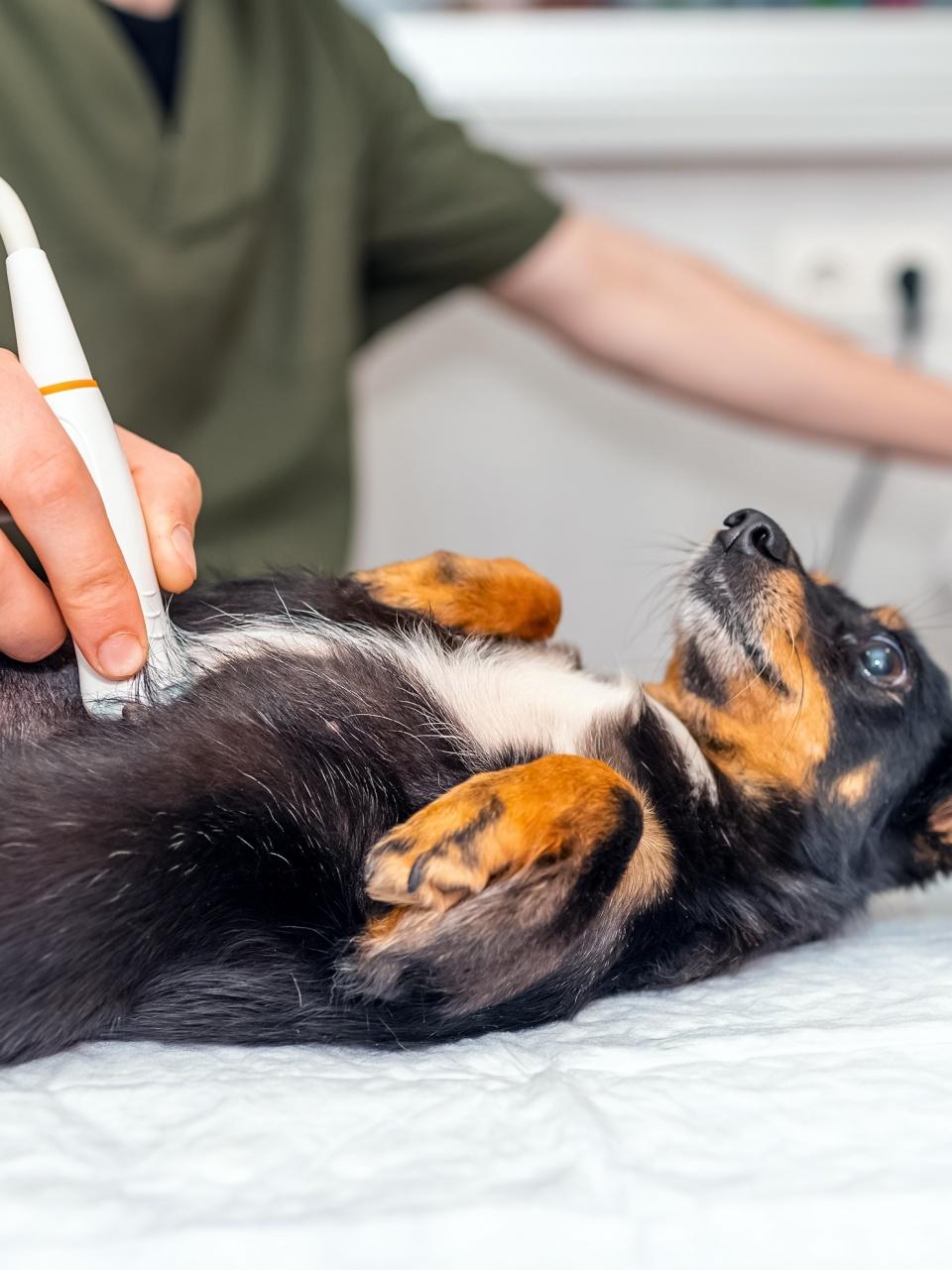
As the signs are the same for a false pregnancy, your vet can confirm the pregnancy with imaging such as X-rays or an ultrasound scan

After mating, if your little buddy falls pregnant, the dog gestation period lasts about 63 days (9 weeks). Signs begin within about 3-4 weeks, but these signs are also seen during phantom pregnancies. For this reason, only a vet can truly diagnose pregnancy in dogs. Before vet confirmation, it is impossible to know for sure if you have a pregnant dog, or one who just has elevated hormone levels.
A dog's pregnancy can be a risky time. Early veterinary care is wise so any early issues can be detected and your vet can ensure that your bitch is up to date with the correct wormer before whelping. You'll also want to have the contact details of the local emergency vet at hand, just in case.
Most dogs will show some signs of pregnancy by about the fourth week. Early signs are easily missed so knowing what you are looking for can make all the difference.
Your pet will experience significant changes to their body and behavior, so be prepared for a slightly bumpy ride!
You may notice signs including enlarged nipples and nipples that are darker or more pink in colour. Just before labor, milk can be squeezed from the teats. Your dog's nipples are likely to be noticeably enlarged by about week 4-5.
Of course, a key sign of early pregnancy is a belly that grows bigger. Be aware that first-time moms may not 'show' as quickly, as their abdominal muscles are stronger and more capable of holding the uterus up high in the abdomen.
What is initially a slight swelling at week 4 or so, becomes a very enlarged abdomen within just another 2-3 weeks. By the end of her pregnancy, your dog's body shape will be completely different- those growing puppies need a lot of space!
Weight gain is not evident initially, but starts by day 35 or so. How much she gains depends on factors including her activity levels, diet, and litter size. Most females are expected to gain about 10-20% of their original weight.
Many dogs experience decreased appetite and nausea (akin to morning sickness), particularly in the early weeks. As things progress, you may notice your pet has an increased appetite.
As hormone levels fluctuate, it is not unusual for us to see a slight, clear vaginal discharge. There should be no blood or foul smell and this should not be present in copious amounts.

Behavioral shifts are to be expected during pregnancy, and should not be taken personally. The hormonal changes can be difficult for your female dog to cope with, particularly if this is her first litter.

It is common for a bitch to experience mild to moderate lethargy. You may catch them napping more often or being less vigorous on their daily walks.
Some females experience a loss of interest in their favorite toys, and may need more persuasion to join in with training and play.
Some dogs get clingy while others will seek isolation or seem irritable. A dog’s behavior is rarely predictable, and this is especially true during their pregnancy.
Nesting is a term to describe the female getting things ready for their pup's arrival. They may gather bedding and teddies, and then spend time in this quiet spot. This is the area she feels safest to give birth in.
As the date approaches, ensure you are happy with the nesting spot and that it is easily accessible for you and safe for the puppies.


Canine pregnancy progresses in a predictable manner. While it may only last a few weeks, pregnancy in dogs is a magical time where a lot is happening beneath the surface.
| Stage | What's happening | What you may notice |
|---|---|---|
| Weeks 0–3 (early) | The embryos are developing rapidly and moving to the uterine horns where they go on to implant, at about day 16-22 | There may be no signs at all. Some owners pick up on subtle changes such as mild restlessness or nausea |
| Weeks 4–6 (mid) | Puppies grow from the size of a chickpea to a lime | Your female dog experiences mild abdominal swelling and nipple changes. Puppies can now be detected at your veterinary clinic |
| Weeks 7–9 (late/pre-labor) | The skeletons become calcified and the fur grows, these little bundle of joy are now looking like puppies | The belly is very large and movement can even be seen and felt within the abdomen. Your dog may slow down and lose her appetite. |
Signs are limited at this point and it is quite possible for you not to notice anything different. Hormonal changes are beginning though and some females may experience slight behavioral changes, even in these early stages.
You should start to detect abdominal growth and your dog's nipples looking more prominent. Canine pregnancy can be confirmed by an ultrasound (from about day 26) at this point. The litter is not visible on X-ray until about week 7-8.
At this exciting phase, fetal movement can be detected and your dog has a very pronounced belly. The large, developing pups are taking up a lot of space which may make your dog more tired and less eager to eat.
You are likely to notice some nesting behavior, as she gears up to give birth. It is sensible to monitor her body temperature as she enters the final phase, as a sudden temperature dip predicts labor is imminent.

Veterinarians diagnose pregnancy in dogs routinely and should be very experienced in this area. There are a number of ways pregnancy diagnosis can be achieved.
| Method | Typical timing | What it tells you |
|---|---|---|
| Abdominal ultrasound | From about 24-28 days | There may be no signs at all. Some owners pick up on subtle changes such as mild restlessness or nausea |
| Relaxin blood test | From 28 days | This blood test detects the pregnancy hormone relaxin. It confirms a fetus has implanted and a placenta is developing |
| Abdominal palpation (vet only) | 3-5 weeks | The vet feels for fetal swellings. After 5 weeks, this becomes difficult due to the fluid present |
| X-ray | After day 55 or so the skeletons are developed enough to be visible on X-ray | This is a great method as the vet counts puppies, to know how many puppies are due when the time comes. |

Ensuring a healthy pregnancy does not have to be a difficult task. As a pet parent, it can feel like there is a lot of responsibility on your shoulders, but you will be able to ace this stage with a little preparation.
Just like for you, your dog’s health is a priority for us, and these are some simple ways she can be supported during this important time.
In the first half of the pregnancy, her diet should be as normal. In the latter half, it is better to offer more frequent and smaller meals, as her stomach size will have reduced.
Puppy food is advised from week 6 as it contains more calcium and calories. It is not advised to supplement calcium, as this increases the risk of hypocalcemia after delivery. Continue this puppy food until the litter have weaned.
Keep her moving with gentle walks but avoid overexertion. Your dog's energy levels will be lower than usual and you do not want to push things.
Set up a quiet whelping box and line it with washable pads. These pads help to manage the normal, post-labor discharge and any post-birth mess.
Potty Buddy make a range of washable pads that are perfect for this situation, and will help any pet parent feel more prepared for what is ahead. As they are reusable, they are good for the planet as well as your wallet.
Familiarise yourself with the signs of impending labor, as you will want to be nearby to ensure all goes smoothly.
Body temperature dropis a reliable indicator that the puppies are on their way. Her temperature will drop from about 38-39 degrees celsius to 37 degrees or below. This means labor should begin within 24 hours.
Restlessness & increased nesting.The bitch finds it hard to settle and sleep and may pace about, dig in her nest and look towards her back end. She is also likely to lick at her vulva excessively and she may start to pant.
Decreased appetiteis also expectedshortly before labor. Some bitches may experience mild nausea and vomiting too.

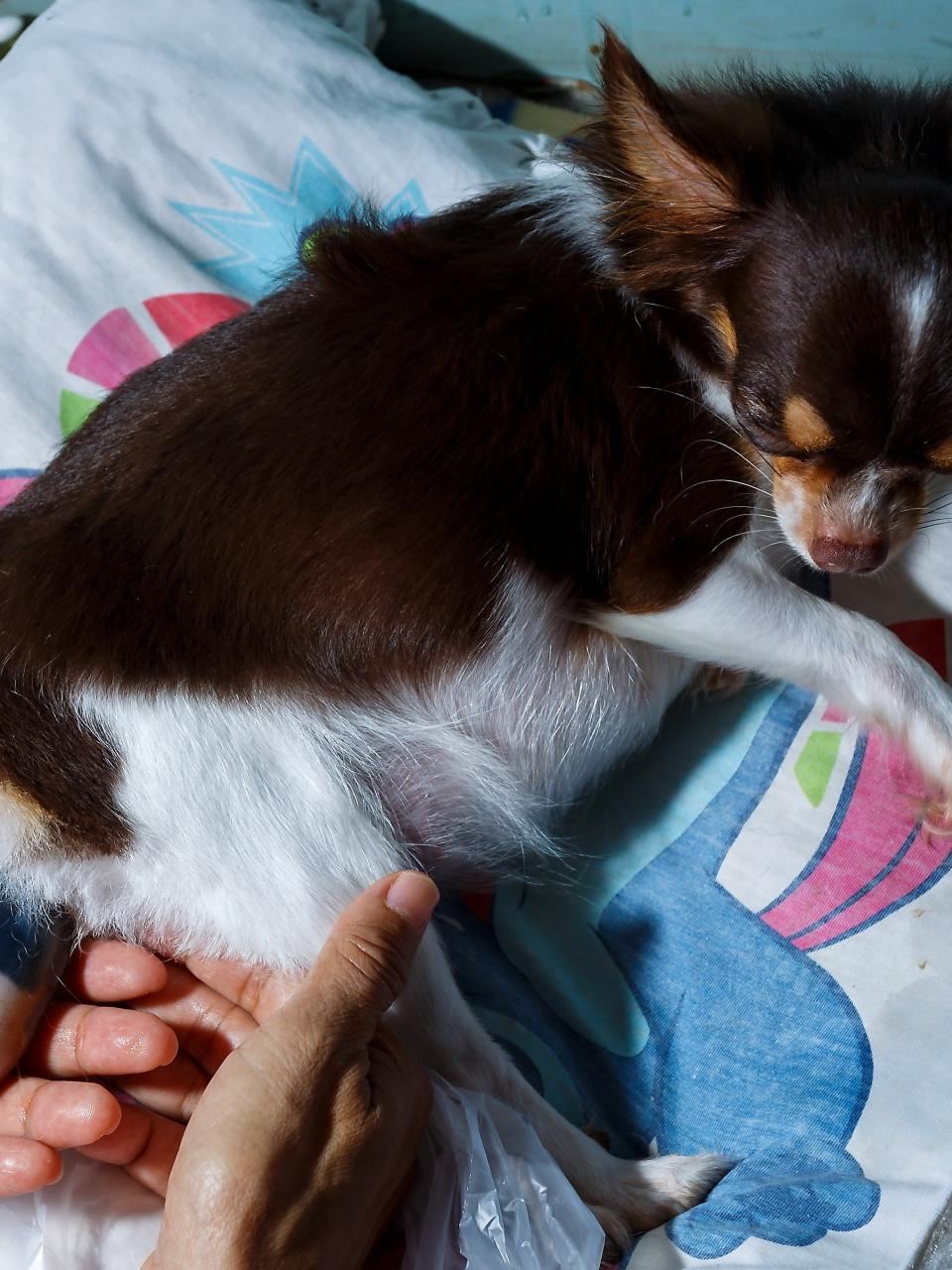
For most, the labor is straightforward and mom knows just what to do.
As uterine contractions begin and puppies enter the birth canal, your dog will enter her whelping box and lie down. Once contractions have started, a puppy should appear within an hour or two. If more than two hours pass or contractions stall, this could indicate a problem and it is important to contact your local veterinarian.
After passing her puppy, the placenta (afterbirth) will follow and this may be quickly eaten. It is sensible to check for each afterbirth, to ensure none are retained.
Newborn puppies should drink milk within the first 1-2 hours. If they are struggling, place them right on the teat. Some puppies may need formula, if not eating well from mom.
It is important to be aware that a female can show strong signs of pregnancy even whent here are no puppies. Common signs include nesting and lactating. This is called a 'false' or 'phantom' pregnancy. While it seems like she's pregnant, this is all caused by her hormones.
Signs last from weeks to months but should subside on their own without intervention. If your fur baby is really struggling, discuss medication to halt the false pregnancy with your vet.
Although most labors progress smoothly, when things start to go wrong, immediate care is required as complications can rapidly become life-threatening. Heed expert advice, to ensure the best outcome possible.
Seek emergency veterinary care if you notice:
Stalled labor.Your dog is having active contractions for more than an hour but no puppies are coming, or there is a prolonged interval between puppies.
Weakness, pronounced shaking or collapse.These signs can indicate the mom is not coping due to e.g. low calcium, dehydration, or low sugar levels
Abnormal discharge. This can mean mean foul smelling or heavy bleeding. If green discharge is expelled and a puppy does not quickly follow, this is also a red flag
A high fever that is not coming down.This can be seen with infection which may be linked to a retained placenta
It is best to stay ahead of any complications that are arising, contacting your local vet at the first sign of an issue.
Follow Us On
Check Out Our Most Popular Content