Your Cart is Empty


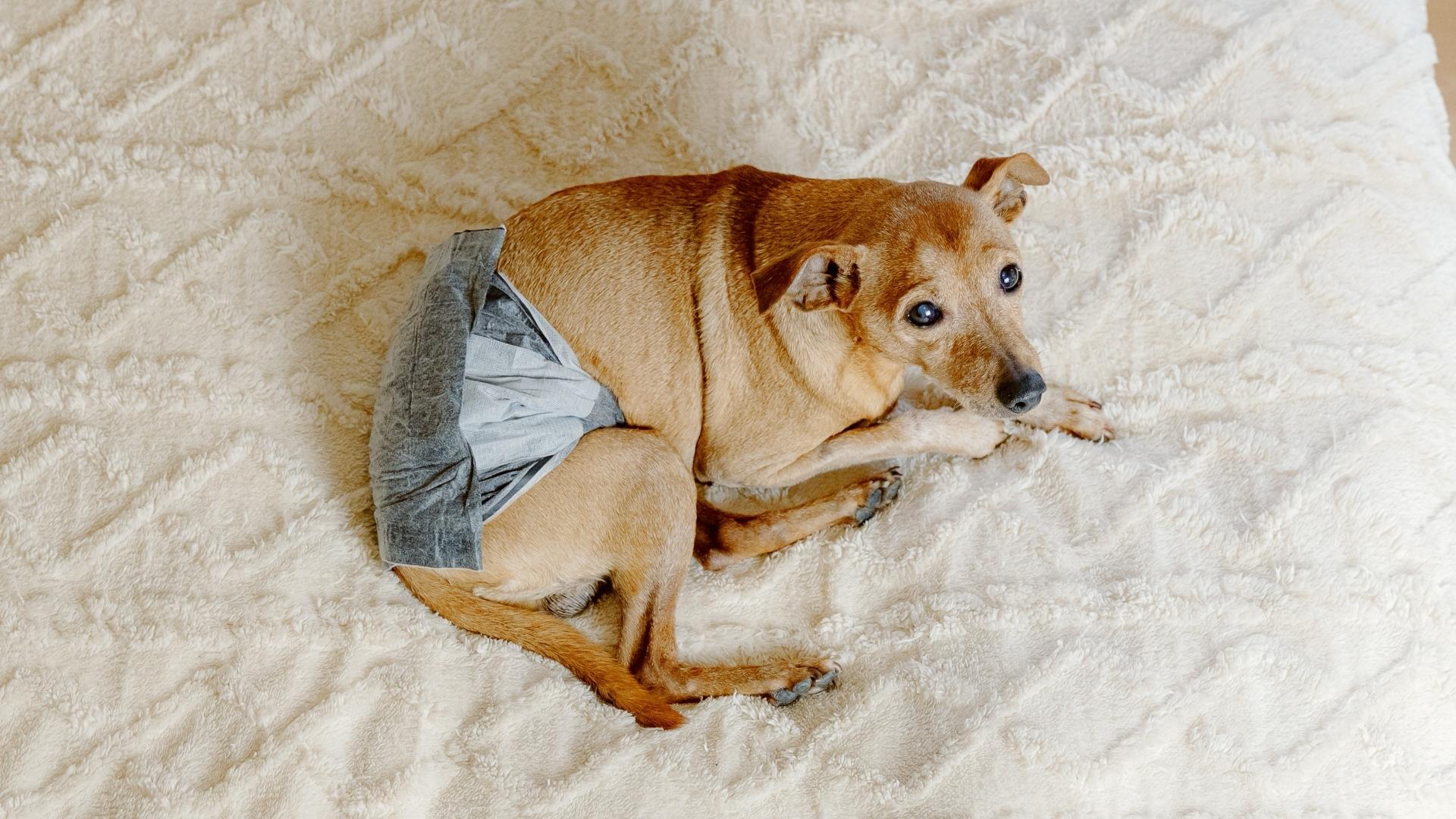
This article takes a deep dive into reusable vs disposable dog diapers, and discusses how which one you choose will depend on factors including the dog, the situation, the budget, and how much laundry you are willing to do. This vet-written article compares both diaper choices across cost, hygiene, comfort, and specific needs.
Reusable vs disposable dog diapers: the quick answer
Quick comparison: reusable vs disposable dog diapers
What are reusable (washable) dog diapers?
What are disposable dog diapers?
Benefits of reusable dog diapers (cloth diapers)
Drawbacks of reusable dog diapers
Benefits of disposable dog diapers
Drawbacks of disposable dog diapers
Which is best for your dog's needs?
How to choose the right diaper: right size and leak-proof fit
Cleaning, maintenance, and long-term use
Proper hygiene and health risks
Environmental impact and cost over time
Both reusable and disposable dog diapers work well to contain mess and maintain cleanliness
Reusables win on long-term cost and environmental impact
Disposables win on convenience and travel
Correct sizing matters most for leaks
See a vet if incontinence is new or worsening, or you are concerned your dog has any sort of diaper rash
Washable dog diapers are usually the better choice for daily, long-term use, heat cycles, and incontinence, while disposable dog diapers are more convenient for travel, overnight, and short-term or occasional use. In the reusable vs disposable diapers debate, you can swap sides depending on the situation!
Let's compare some of the key considerations, including convenience, cost, and hygiene differences. While disposable diapers offer convenience, this comes at a cost (both environmental and financial) which may not be worth it to you long term.
| Factor | Reusable (washable) Diapers | Disposable Diapers |
|---|---|---|
| Upfront cost | Higher — but this is a one-time purchase. Consider it an investment | Low per pack |
| Cost over time | Lower | Ongoing repurchases mean a high cost. Disposable diapers can cost hundreds to thousands annually. |
| Convenience | Wash and reuse; laundry required | Grab, use, toss; no laundry, so much more convenient |
| Hygiene | Clean if changed & washed properly. Change your dog's diaper about every 2–4 hours during use. | Fresh diaper every change |
| Absorbency | This depends on core/liner but should be sufficient for all dogs | Often high |
| Wetness indicator | No | Often yes |
| Environmental impact | Lower waste; but you do have to consider the laundry footprint | Single-use disposable diapers create significant landfill waste over time |
| Lifespan | Washable diapers can be reused up to 300 times. | One use |
| Best for | Daily / long-term use, heat cycles, incontinence | Travel, overnight, short-term, occasional |
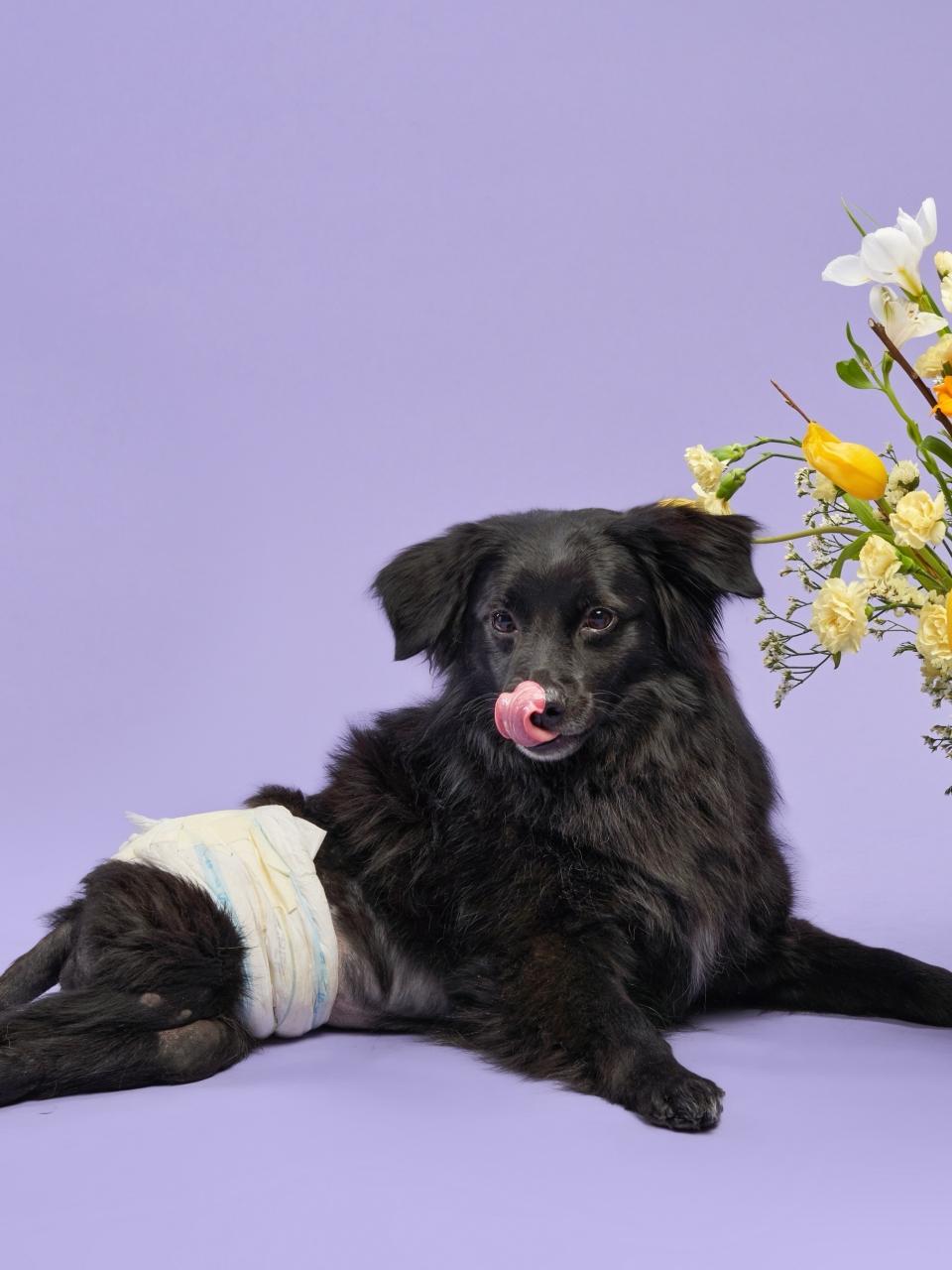
Cloth diapers are fabric wraps with an absorbent core. They are machine-washable and can be reused many times. As well as washable diapers, some owners may consider female wraps and male belly bands, for comfort and ease of use. These are also reusable.
Single-use diapers are disposable; worn once then thrown away. They are often plastic-backed, have a wetness indicator and offer high absorbency. Plastic backed disposables offer real convenience but are not environmentally friendly.
Pet parents will be pleased to know that cloth diapers are a vet-approved and very effective way of keeping their furry friend clean and of maintaining great hygiene within the home.
Most pet parents want a solution to their indoor urine problem that isn't going to break the bank. With reusable dog diapers, you buy once and reuse them many times. Frequent washing of reusable diapers can wear down their materials over time, but they should last for at least 300 washes.
Reusables cut single-use landfill waste, so washable diapers align better with long-term environmental goals. However, do not discount the laundry footprint . While this poses less of an environmental impact, it must still be considered. Air drying can help lessen this impact.
Reusable dog diapers are made from soft, washable materials such as cotton or microfiber. These breathable fabrics are gentler for longer wear and sensitive skin and there is less risk of irritation than plastic-backed disposables.
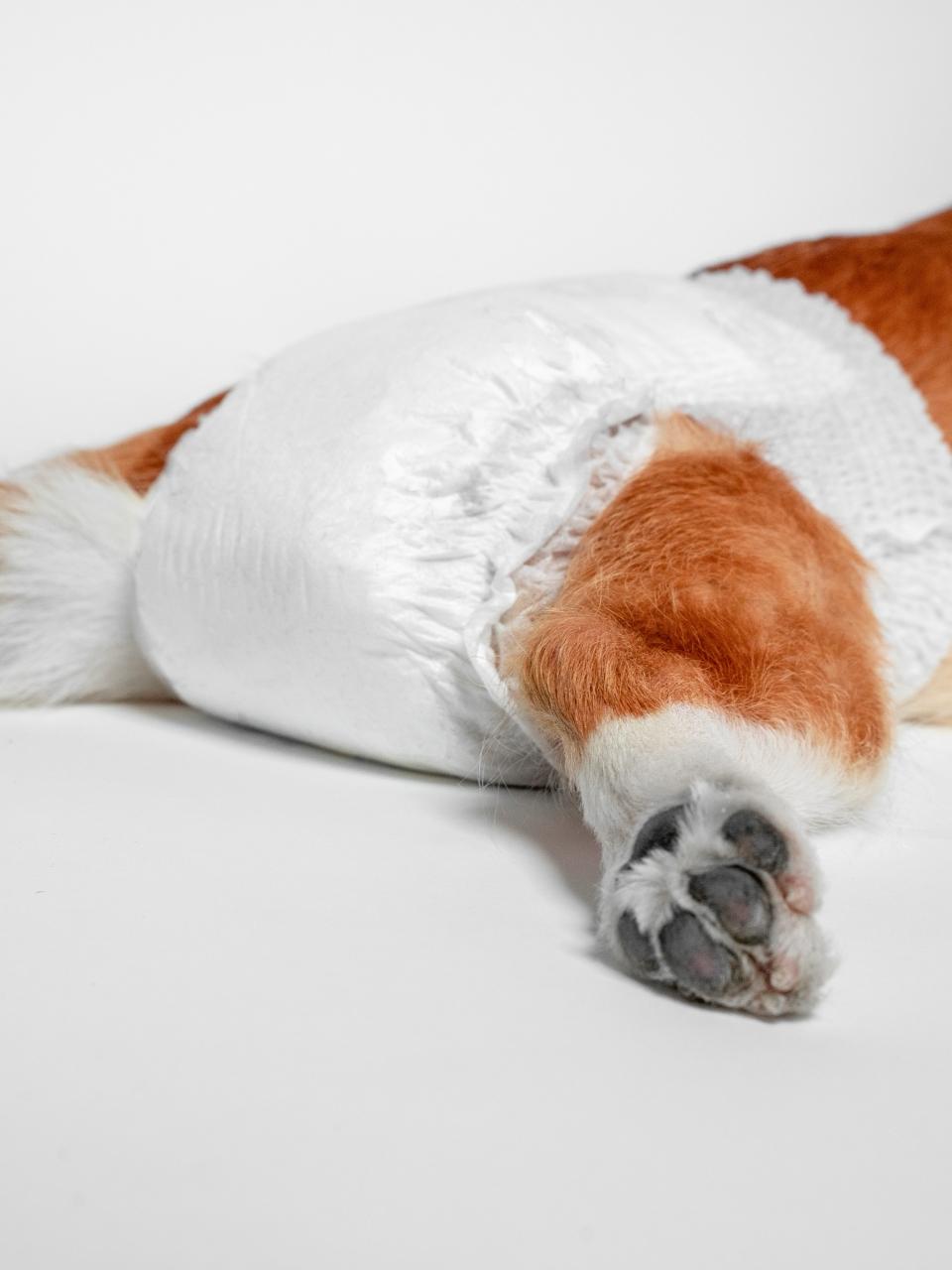
Adjustable closures and elastic bands allow a snug, leak-proof fit. A true leak proof fit is dependent on correct sizing, but once the right size has been determined, this should prevent any leaks or spills.
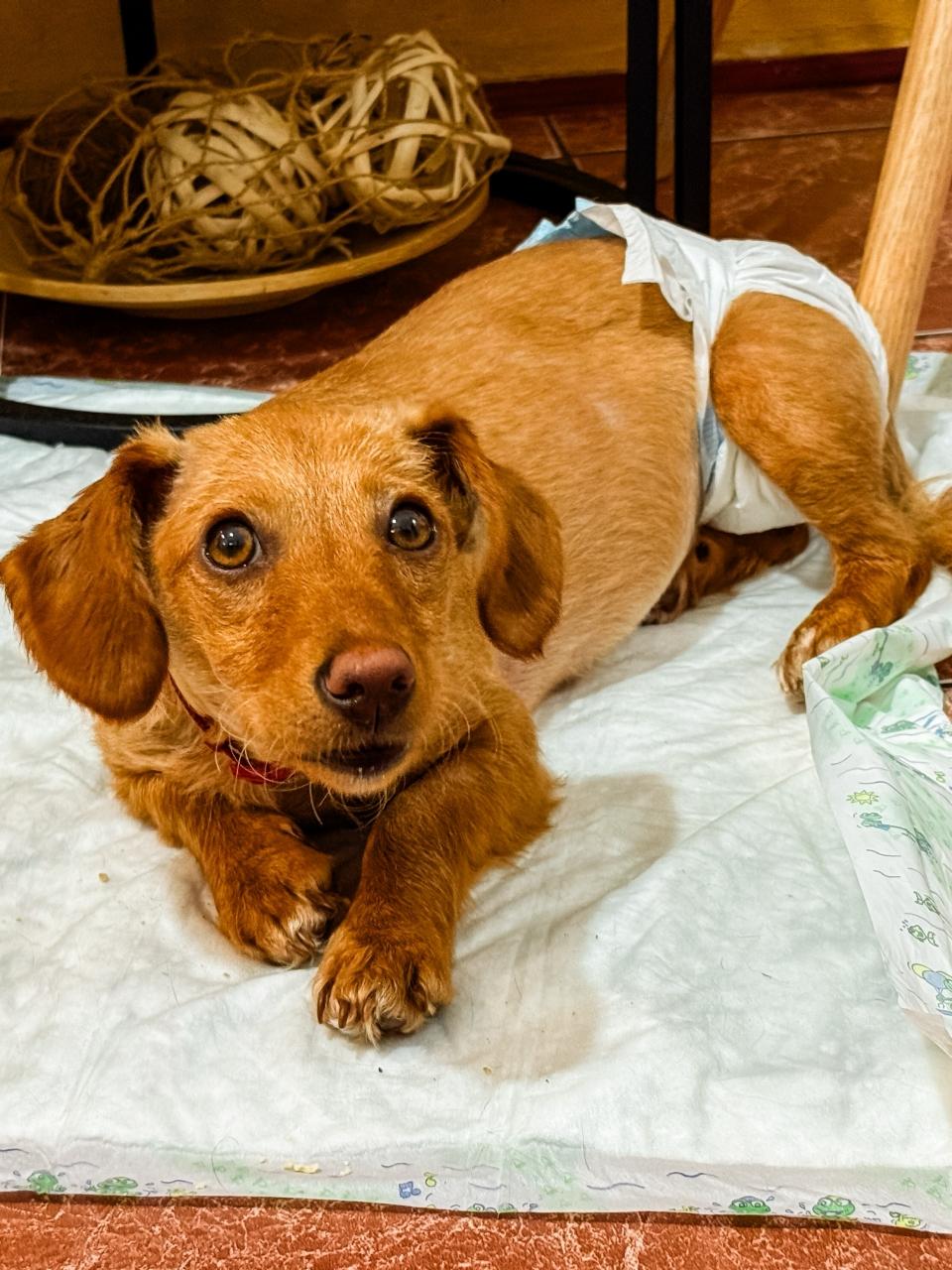
Pet owners do need to be on the ball when it comes to cleaning. They need to rinse soiled diapers promptly and to have a good laundry schedule. Many pet parents will own 5-6 (or more) reusable diapers, which they rotate.
No one can deny that disposable diapers are a quick and easy to use alternative to reusable diapers.
It is very convenient to use a disposable diaper and then toss it once soiled, with no need to run a load of laundry.
Many disposables include a wetness indicator so owners can tell at a glance when to change to a new diaper. This is particularly useful for dogs prone to sore skin or urine scalding.
High absorbency and no laundry make disposables handy for travel, overnight use, and unexpected extra protection. Disposable options are widely available.
The top issues with disposable diapers include the ongoing repurchase cost and the single-use waste. Disposable ones can also easily leak if the size is wrong, and plastic backing is less breathable, which may irritate some dogs' skin.
Each individual dog has different needs and these may change over the course of their life.
Not all puppies need diapers during the potty training period, but they may be something you consider if you struggle to meet your puppy's toilet break needs. Opt for reusable if you will be using the diapers for several weeks. Or, consider single-use diapers for very short-term training.
Remove the diaper for outdoor elimination practice so it does not interfere with learning. Using diapers should not replace proper supervision for toilet training and this will still need to be carried out as normal.
Reusable dog diapers are best for multi-week heat cycles, particularly in larger female dogs and in those who leak a lot during their season. You can use liners to reduce washing frequency. Female dog diapers should cover all of the rear, including the vulva.
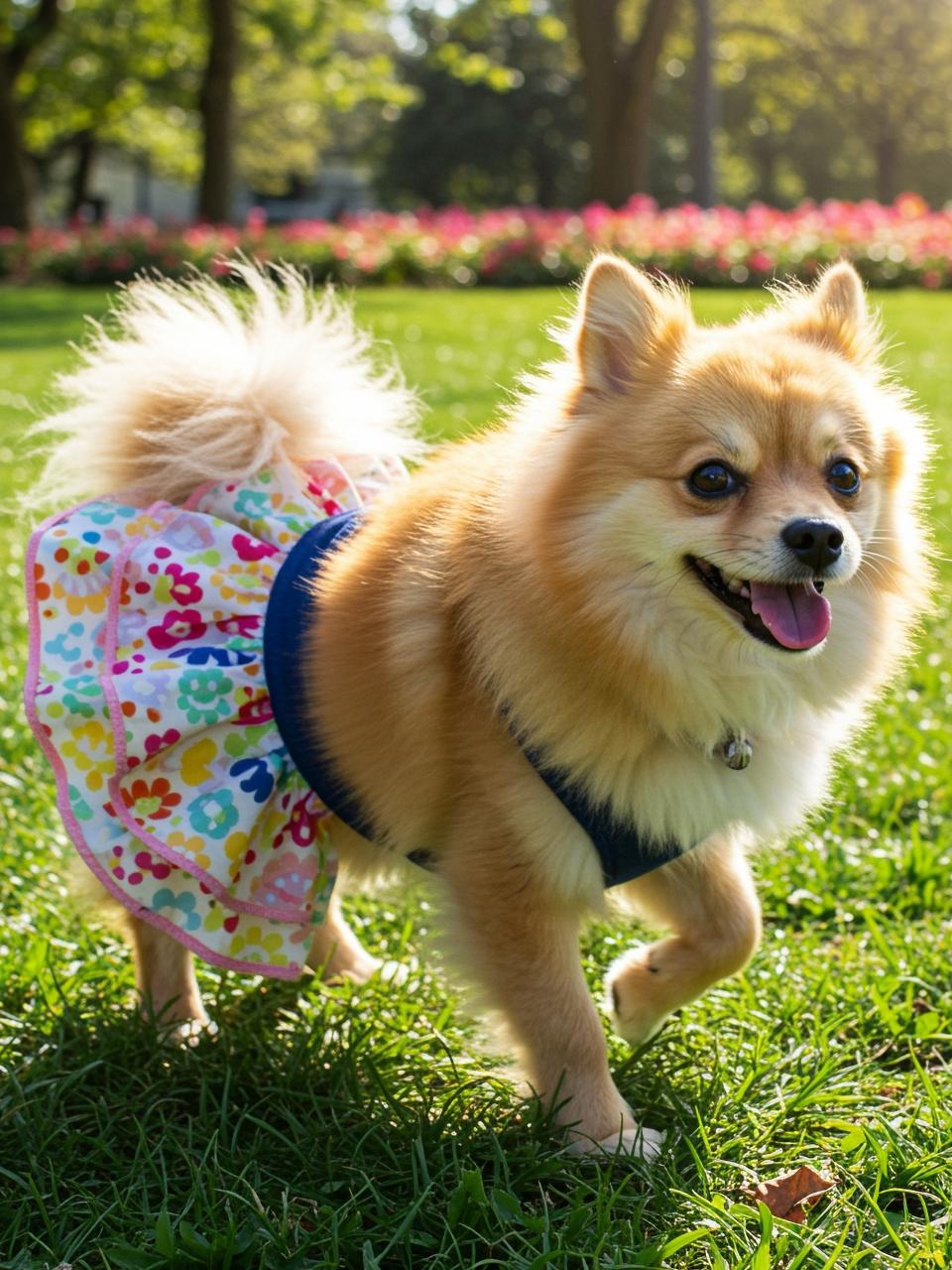
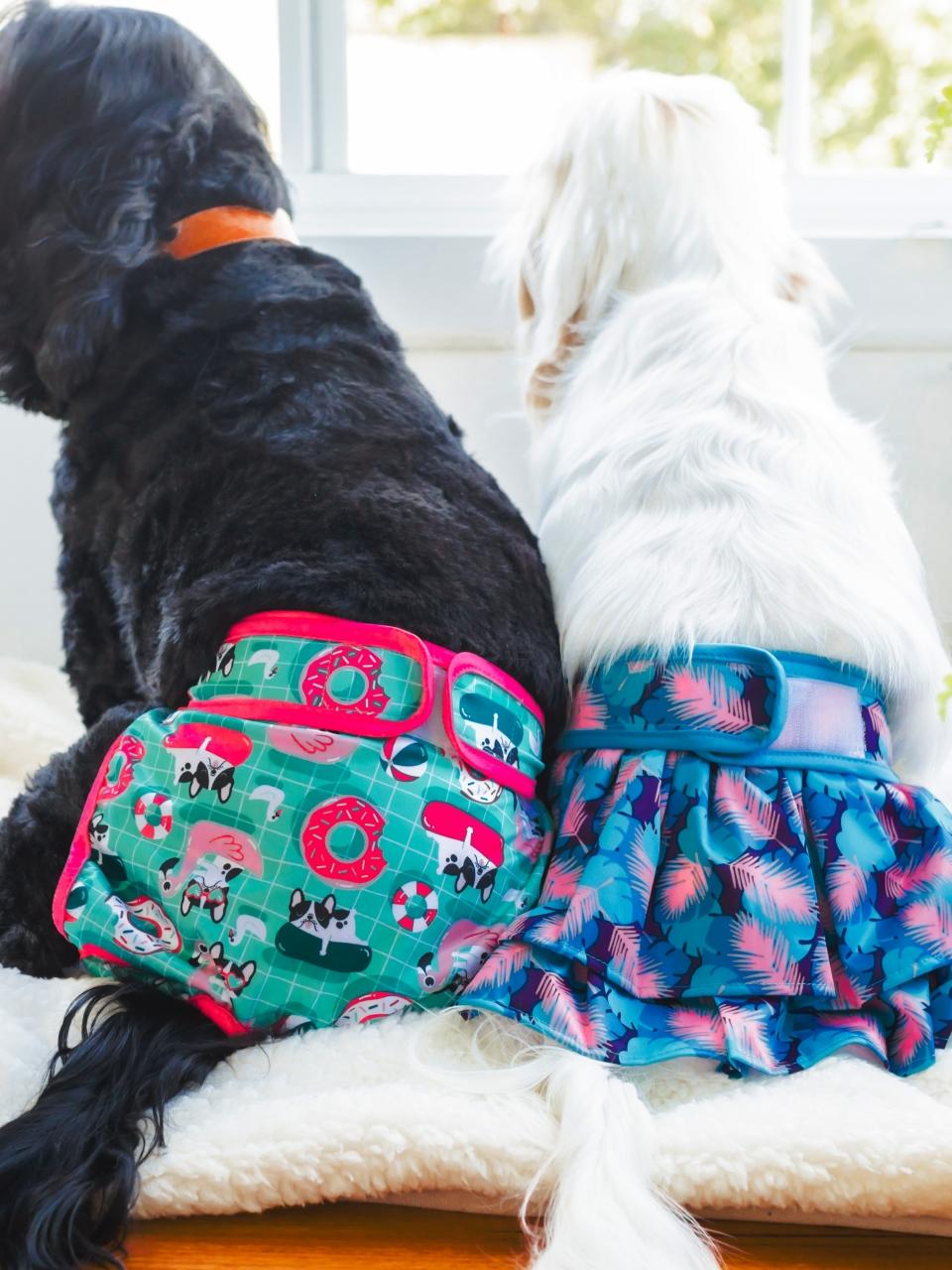
Reusable systems are superior for daily incontinence management, in senior dogs or those with ongoing medical issues. Frequent checks are needed to prevent skin irritation.
Be aware that urinary incontinence is never 'normal', even in senior dogs. It is something that always warrants a vet visit, to determine the underlying cause, which may be treatable.
Belly bands for male dogs wrap around their abdomen and cover their penis. They are great for marking / excitable urination, but they do not catch any poops. You can also buy disposable versions, for travel.
Disposable options are great for convenience and overnight use, when laundry is impractical. They can certainly take a lot of the stress out of the equation, and it is sensible to take at least a few as a back up on any trip.

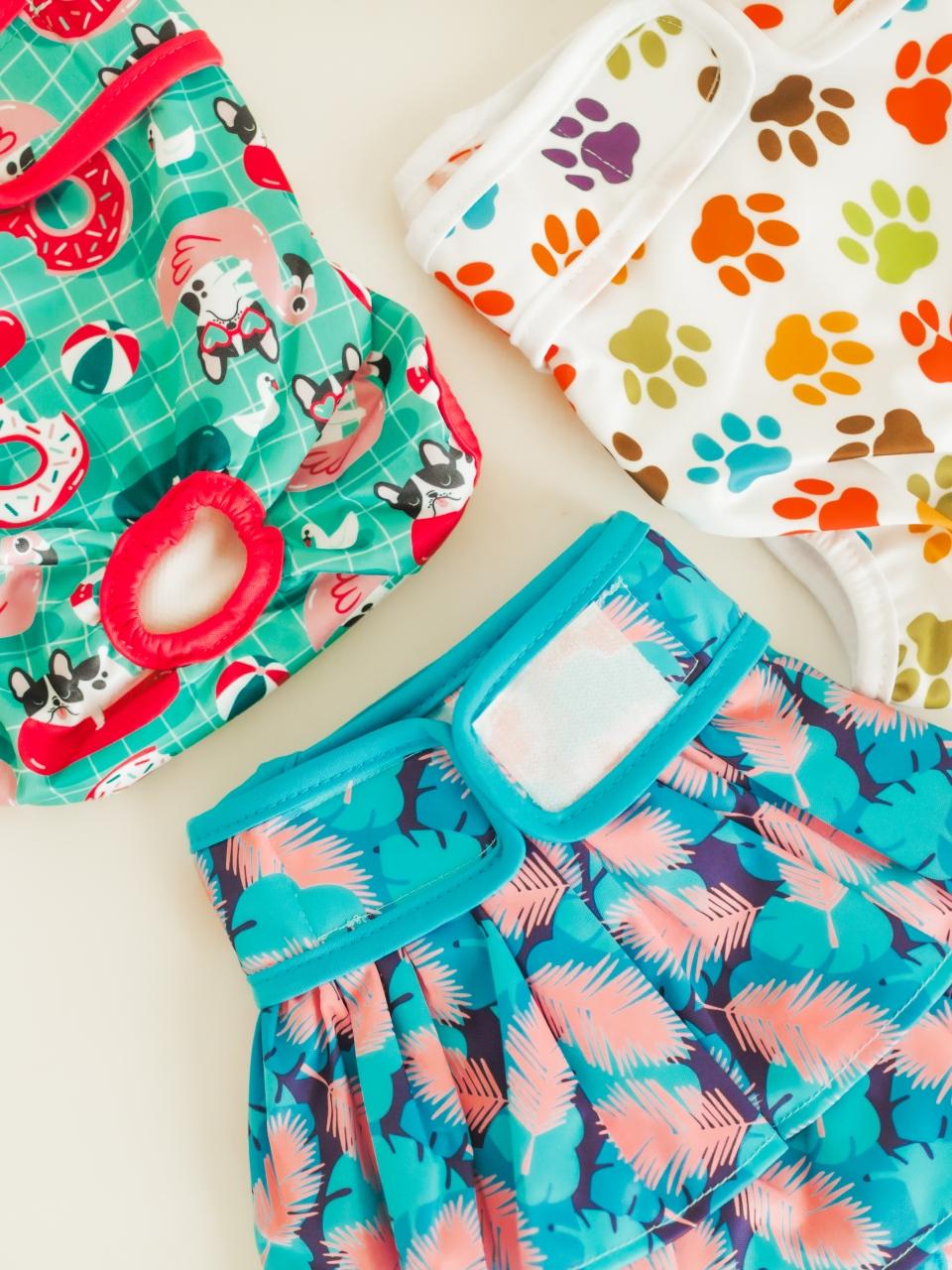
The single biggest cause of leaks is a poor fit, not the diaper type. You need to choose the option that best fits your dog's body, in a snug manner, and this varies a lot among dog breeds. The right diaper in the right size should not leak at all.
Weigh your dog
Use a soft measuring tape to calculate the diameter of their waist and girth, at the most narrow part
The tape should be snug; so you can just fit a finger underneath
Follow the manufacturer's instructions and size chart.
| Size | Weight Range | Waist Range | Example breeds |
|---|---|---|---|
| XS | 2-9 lbs | 8-12 in | Chihuahua, Yorkshire Terrier |
| S | 9-18 lbs | 12-16 in | Maltese, Shih Tzu, Dachshund |
| M | 18-33 lbs | 16-21 in | French Bulldog, Beagle |
| L | 33-55 lbs | 21-26 in | Border Collie, Cocker Spaniel |
| XL | 55lbs + | 26-35 in | Labrador, German Shepherd |
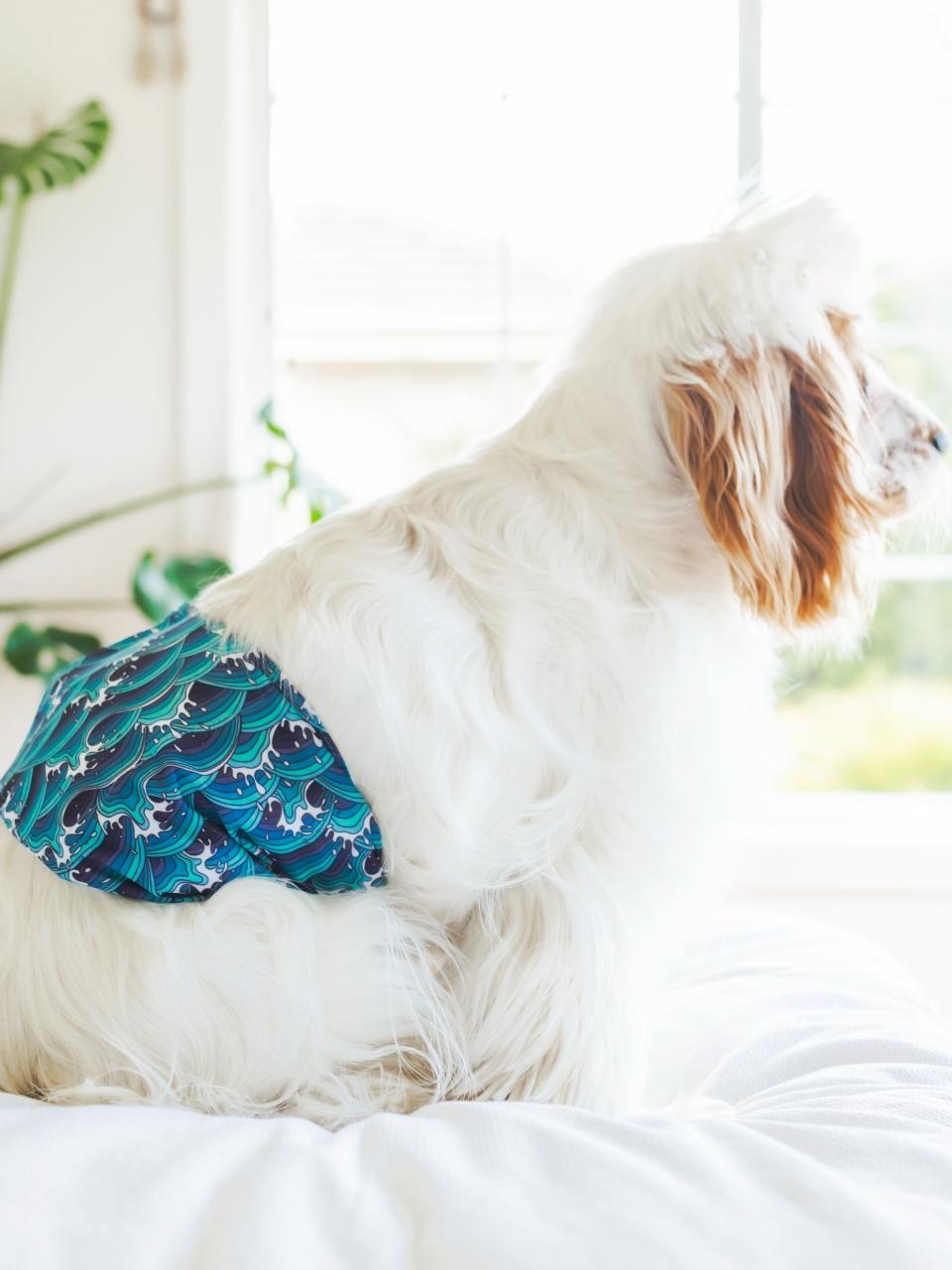
Check mobility as your dog walks; they should not seem stiff or uncomfortable. Their tail should be able to move freely. At the waist, you should be able to just about fit two fingers between your dog and the diaper, for a comfortable fit.
Consider some add-on suspenders for dogs that wriggle out of their diaper, for extra protection. Most doggos won't need this, but it can make a real difference for those who somehow manage to get the diapers off from time to time.
A good washing routine for the soiled diapers helps keep odor and stains to a minimum. Wash promptly after each use to maintain cleanliness and ensure the diapers last for months or years.
Pre-rinse soiled reusable diapers, then soak using a pet-safe detergent to lift stains and odor.
Most diapers are washed at 30 or 40 degrees celsius, on a normal or eco cycle. You can use a probiotic stain-and-odor pre-treatment, to help with lingering smells. Avoid fabric softeners, as they reduce absorbency, and wash reusable diapers separately to maintain hygiene.
Air drying preserves elastic bands and the waterproof layer versus high heat. It also means less tumble dryer use, so less stress on the environment.
Owning multiple reusable diapers to rotate keeps a few clean and dry while others are in the wash — this sort of organisation is key for long term use.
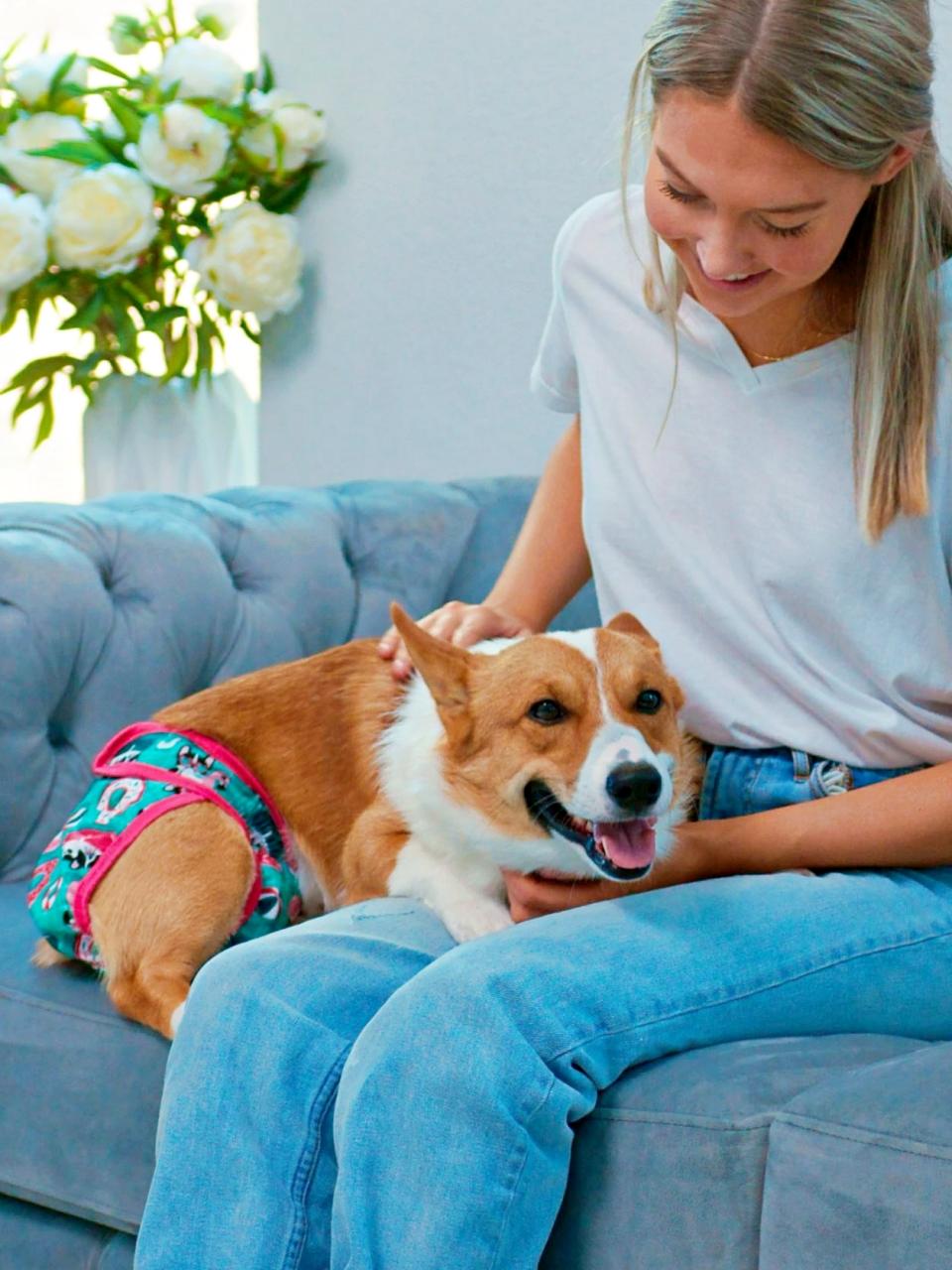
A dog's skin is very sensitive and proper hygiene is a vital part of diaper use. Urine can become trapped in a dog's coat and quickly causes skin irritation. Seek veterinary care at the first sign of your dog's skin becoming red, broken, or sore.
Leaving a diaper on for an extended period opens up your dog to skin irritation and infection. Once established, sore skin in the diaper area can become a recurrent and painful issue.
| Situation | Recommended change frequency | Notes |
|---|---|---|
| Female in heat | Every 4 hours | Less if she has a low flow or season is almost finished |
| Urinary incontinence | Every 2-4 hours | Sooner if diaper is saturated |
| Overnight | Every 6 hours or so | Always change right before bed |
| Stools | Immediately | Remove the diaper and clean the skin right away. Leaving stool for an extended period leads to bacterial growth and infections |
Clean the soiled area and check your dog's skin at every diaper change to catch irritation early. Make sure the coat is dry before putting a new diaper on, which can mean rubbing with a towel or quickly using the hairdryer on a cool setting.
You should schedule a vet consult for any new or worsening leakage, since incontinence will have an underlying cause.
Organise a vet check if your dog is experiencing diaper rash or you are concerned there could be an infection or discomfort in the area.
Single use diapers, if used every day, can mean upwards of 1,000 diapers a year sitting in landfill. The laundry detergent and wash cycles required for reusable diapers do also have an environmental impact, but likely not as large.
The overall winner when it comes to long term savings has to be reusable dog diapers. Many single use diapers cost up to $1 each, meaning you are easily spending $1,500-$2,000 a year with regular use. Compare this to the cost of buying 5-8 reusable diapers, at about $100-200, and you see the clear winner, even taking laundry into account.
There is no reason you could not use a hybrid routine. A common example would be reusables for daily / at-home use and disposables for travel and overnight use.
Not all diapers are created equally. You will want to evaluate the material used, a leak proof fit and wetness indicator.
A good diaper must-have: a snug, leak-proof fit. Choose an option which has an absorbent, leak-proof core, to ensure high absorbency.
For disposables, a wetness indicator helps time changes, particularly when you are just getting used to diapers.
Look for breathable fabrics and skin-safe materials for longer wear.
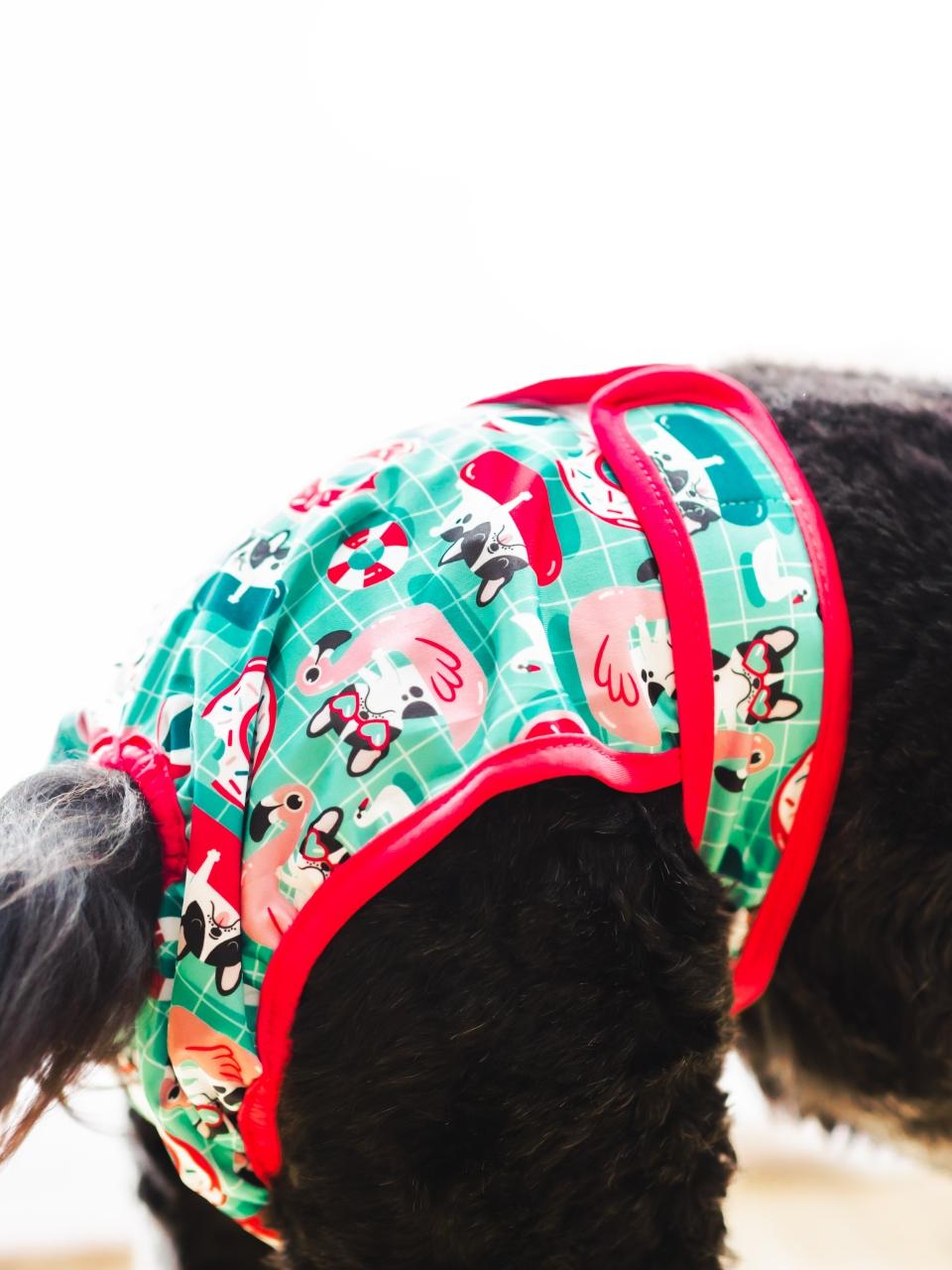
Doggy diapers aer available in both reusable and disposable options. You may choose to stick to one type, or to alternate between the two. These diapers help keep your dog clean and happy, and maintain good hygiene around your home. Regular changing of the diapers is vital to prevent any skin irritation.
Follow Us On
Check Out Our Most Popular Content