Your Cart is Empty


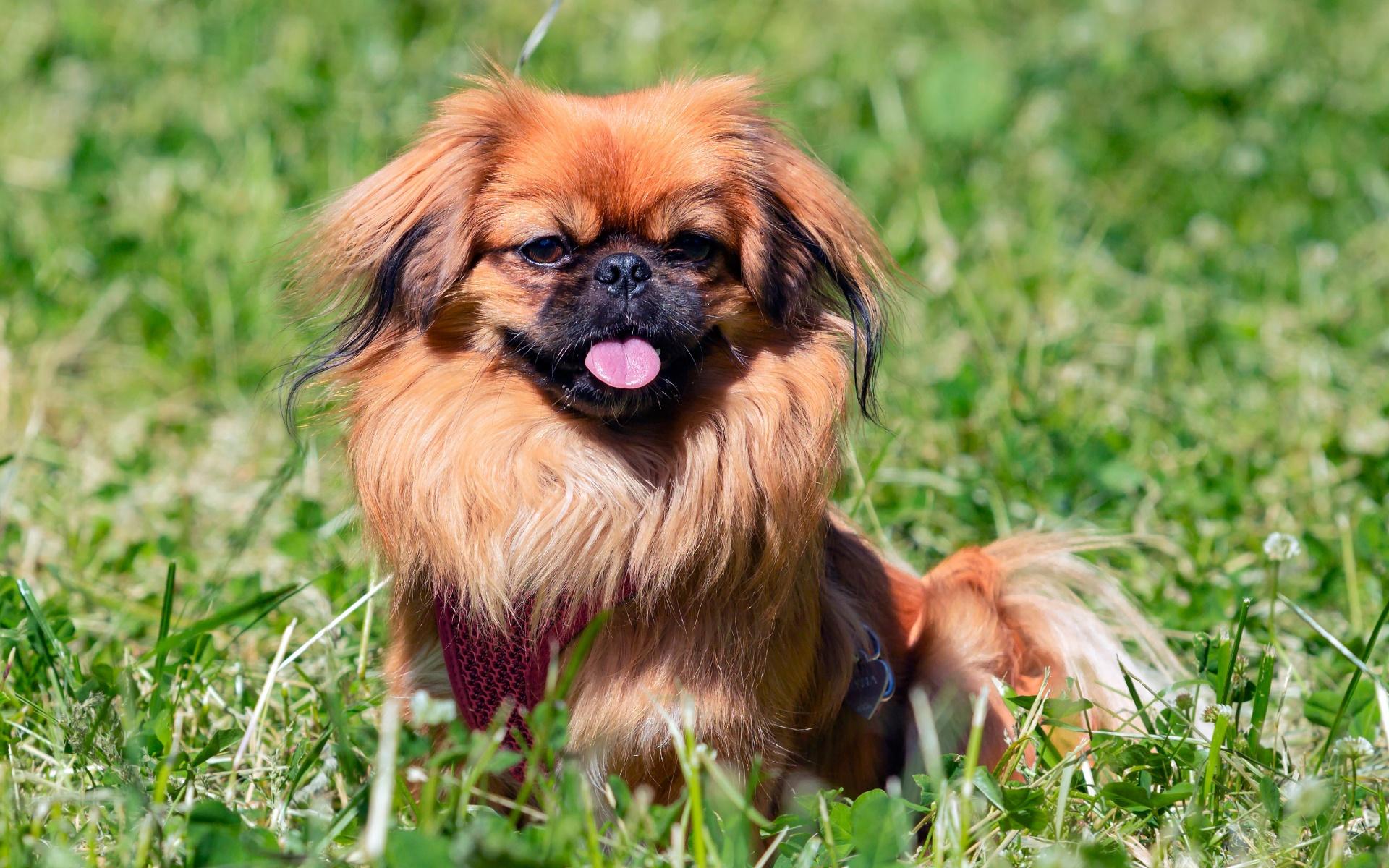
The Pekingese is a confident and loyal dog with a flowing coat and monkey-like face. While small, they make up for this with their presence and regular barking. You’ll always know when a Peke is in the room!
This article covers all you need to know to become an expert on this ancient Chinese dog, including their grooming needs, exercise requirements, temperament and potential health issues.
Whether you’re a proud Peke owner already or you’re considering welcoming one into your fold, you’ve come to the right place. For all of the Pekingese info you’ve ever wanted, simply read on.

Lifespan
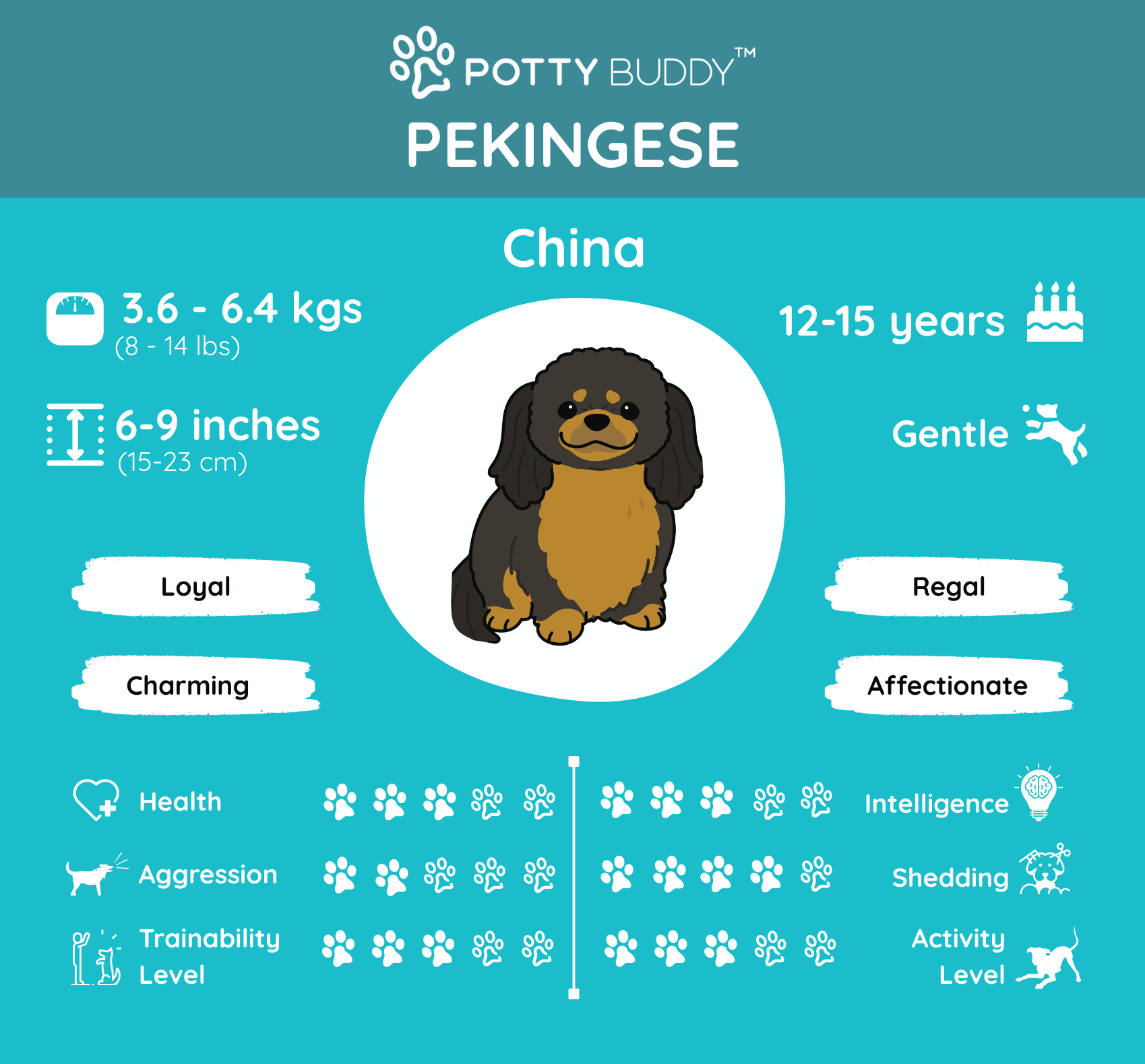
12 - 15 years

Size
Small toy breed

Weight
Typically 8 - 14 lbs (3.6-6.4 kg)

Height
6-9 inches (15-23 cm) at the shoulder

Colors
Red, gold, cream, sable, black, black & tan, brindle, parti-color, white (and combinations)

Size of home
Well suited to apartments or small homes — does fine indoors as long as it has a comfortable resting area and short access to outdoors

Exercise
Low-to-moderate — short daily walks (15–30 minutes total) plus indoor play; avoid heavy exercise, overheating, and strenuous activity

Grooming
High — daily brushing to prevent mats, weekly thorough combing, regular bathing, careful cleaning of facial wrinkles and eye area, routine ear checks, nail trims, and dental care
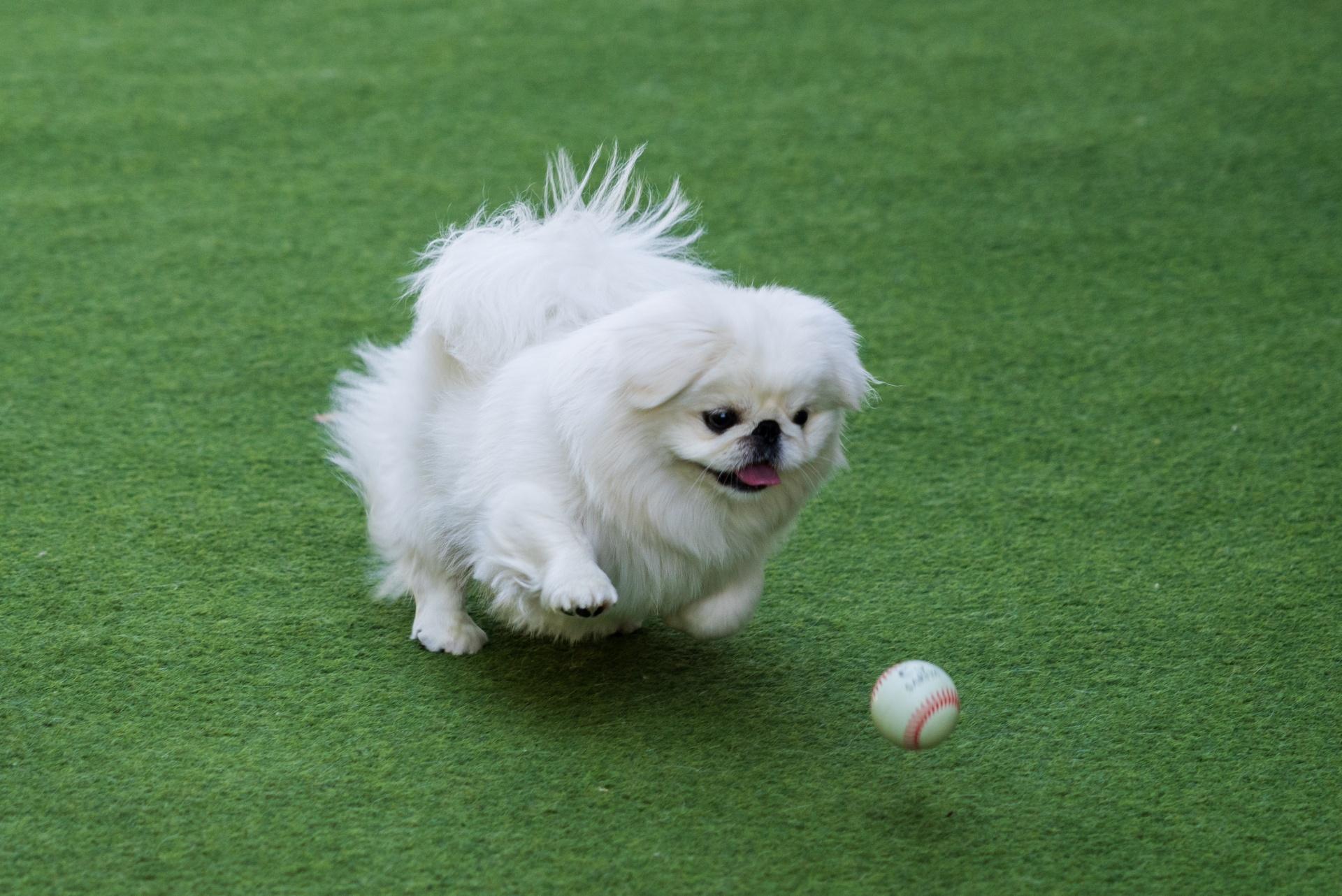
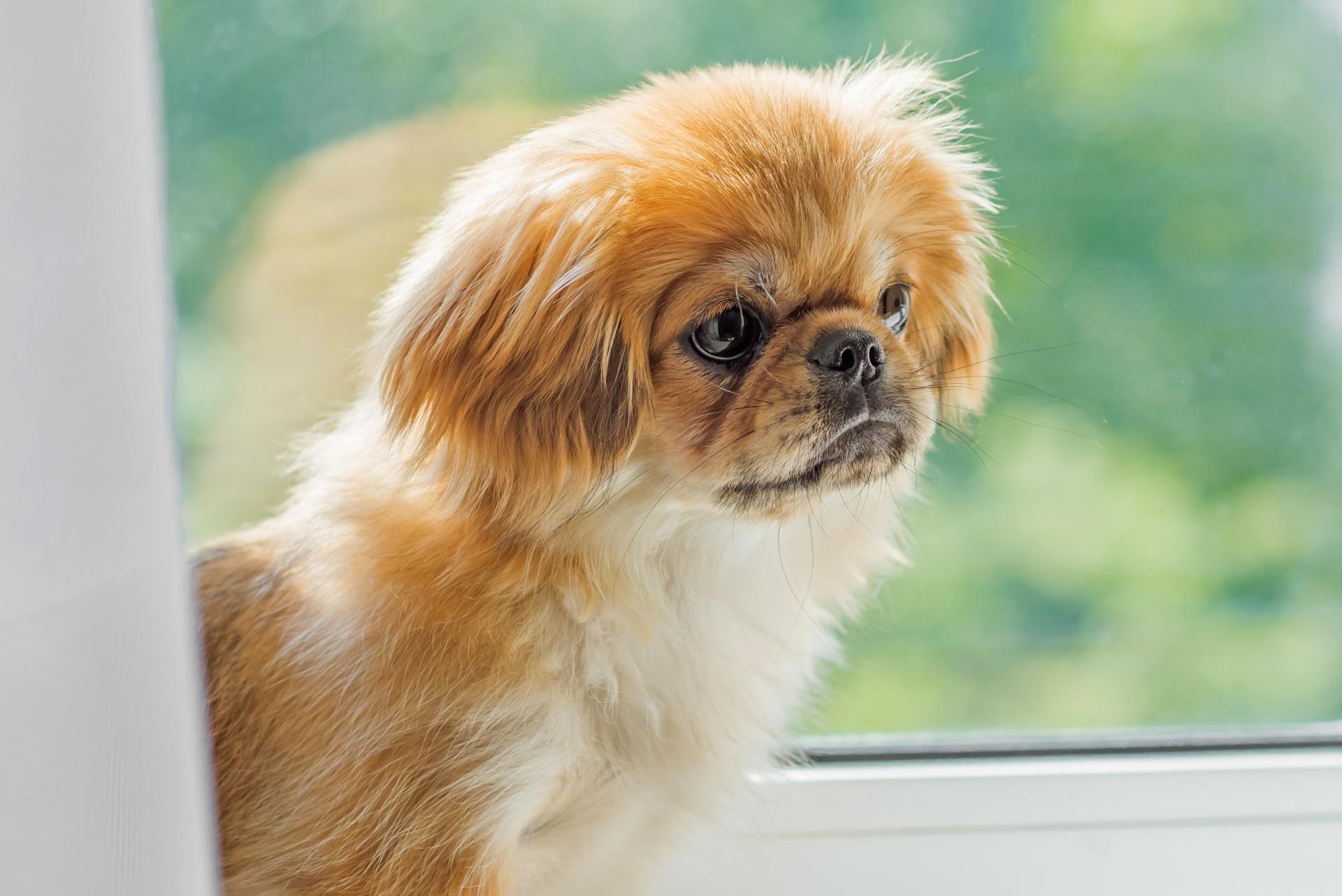
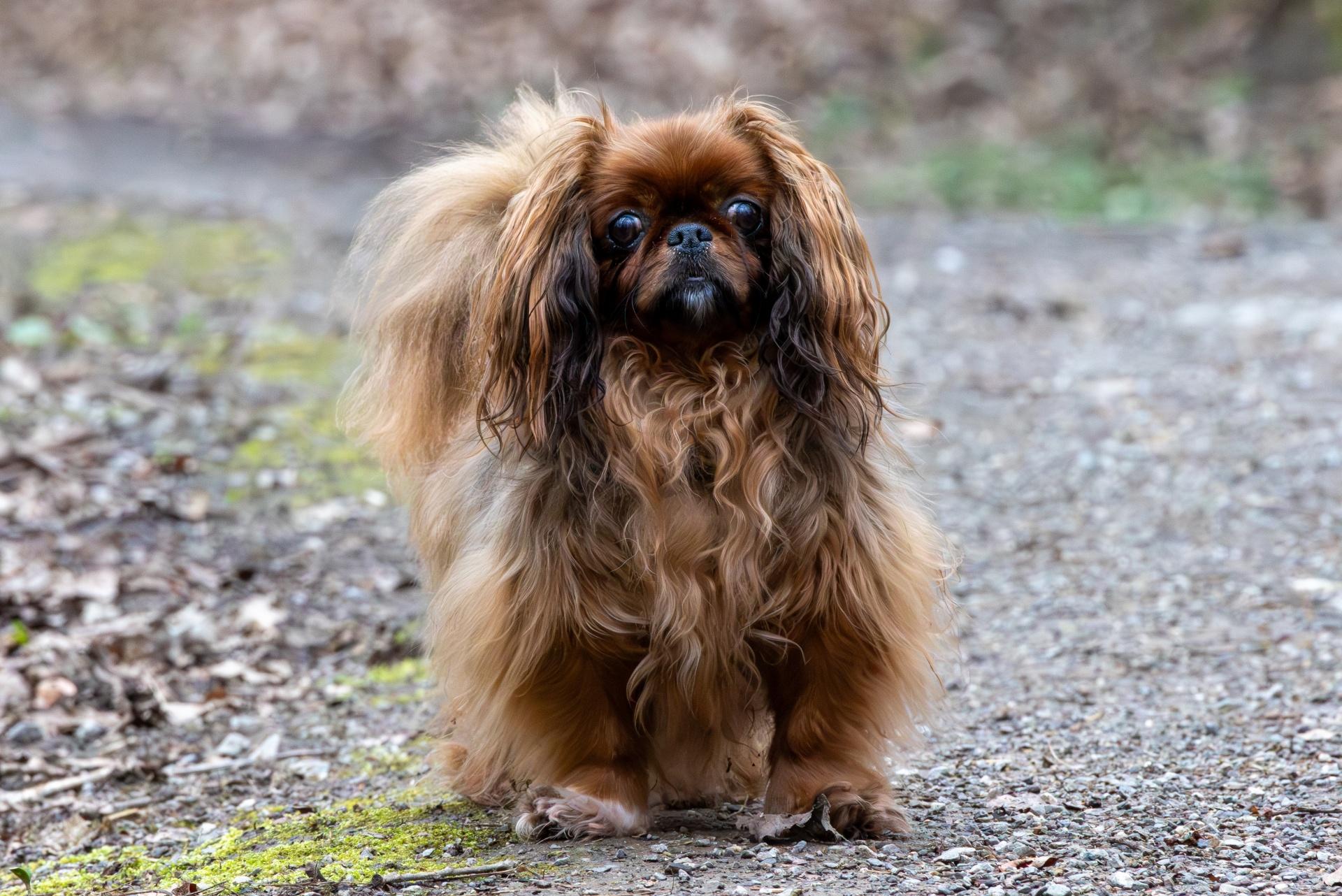
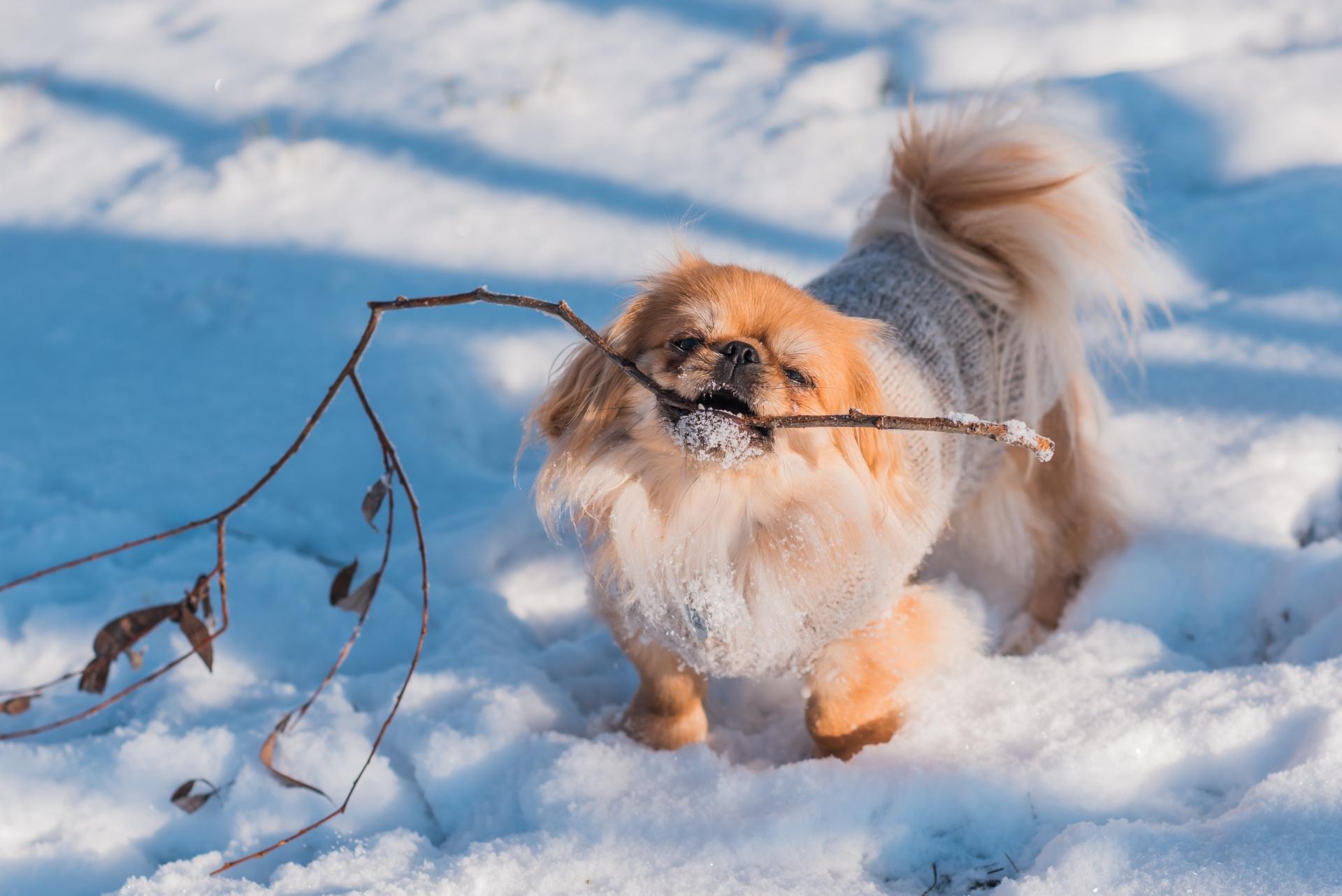
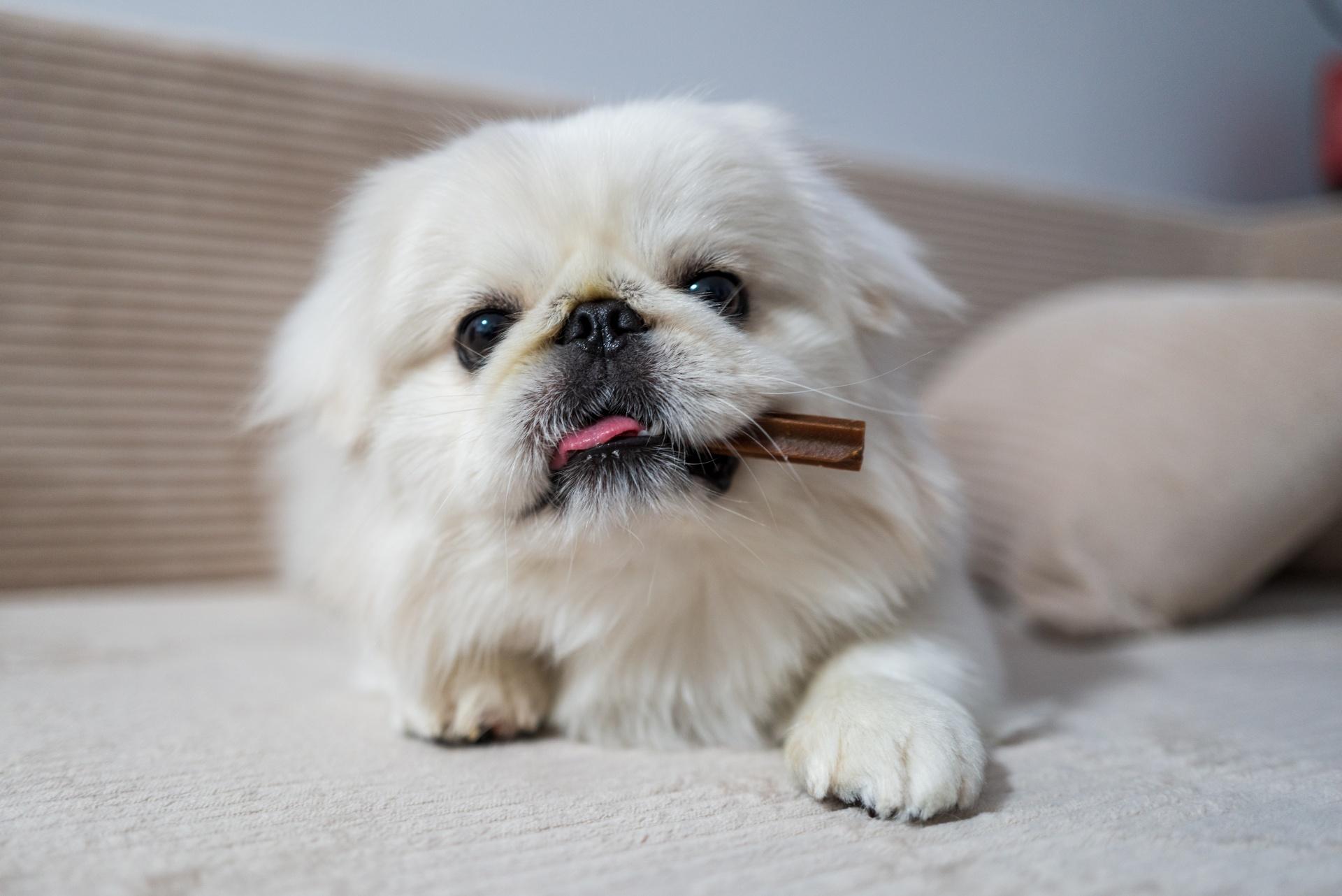
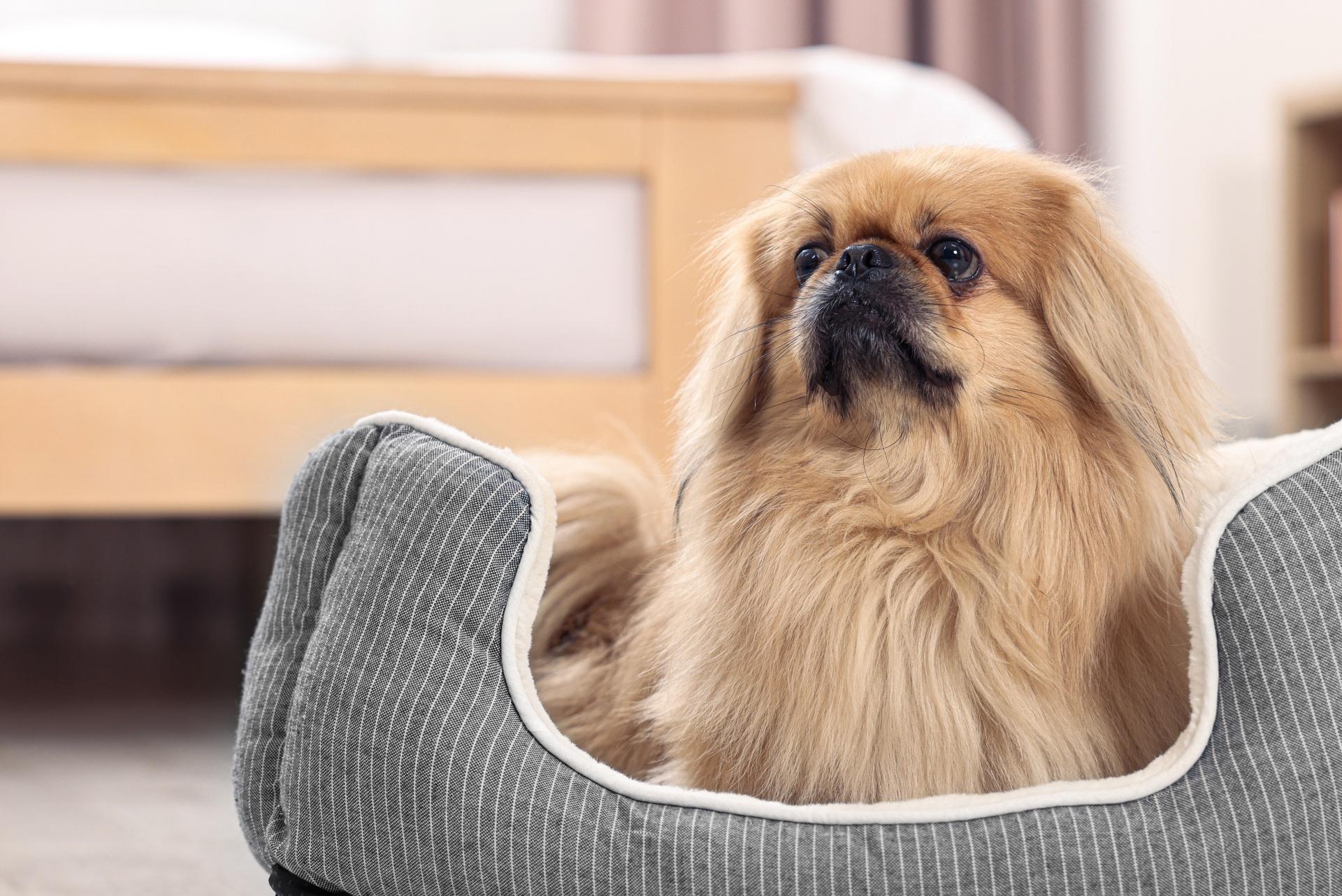
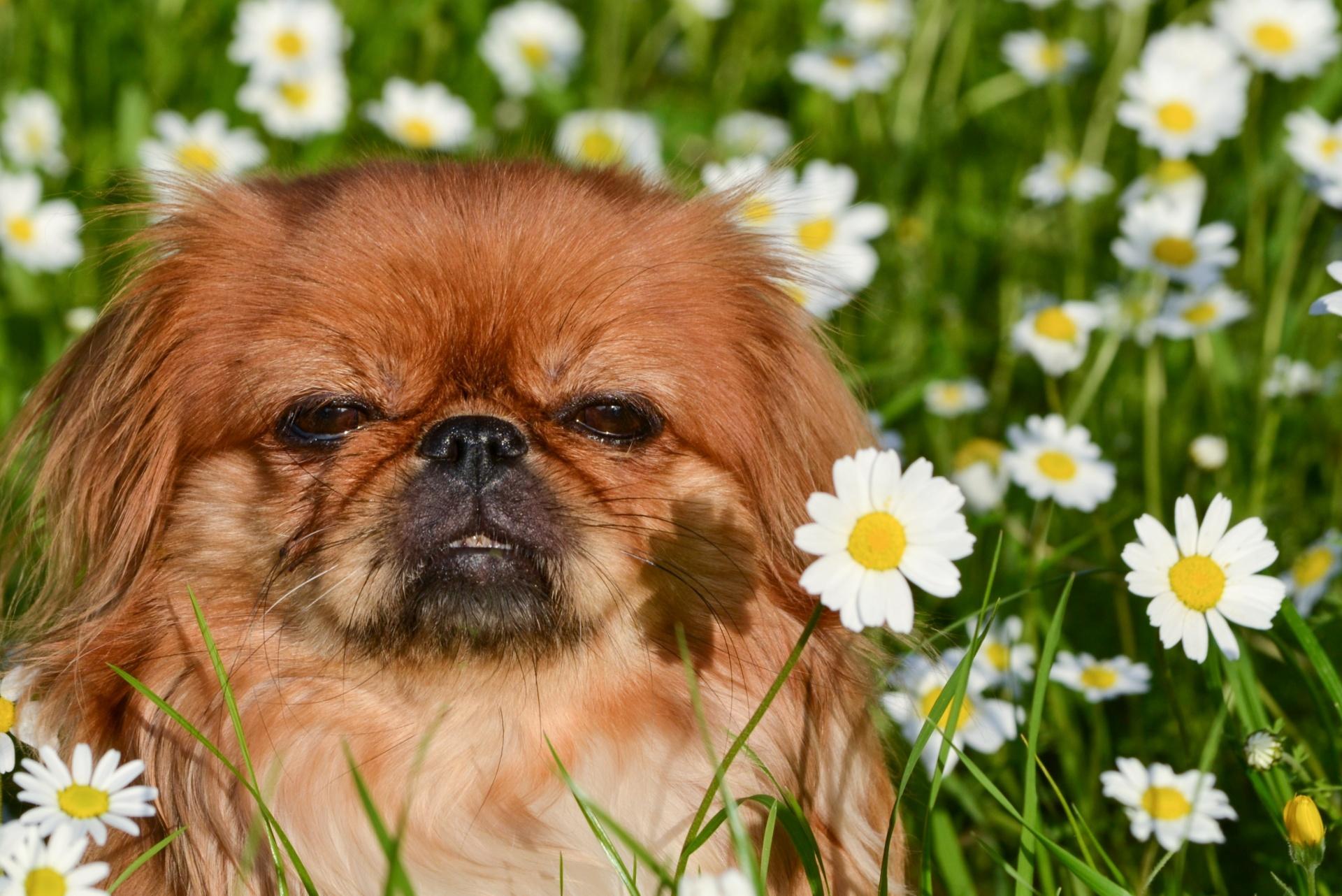
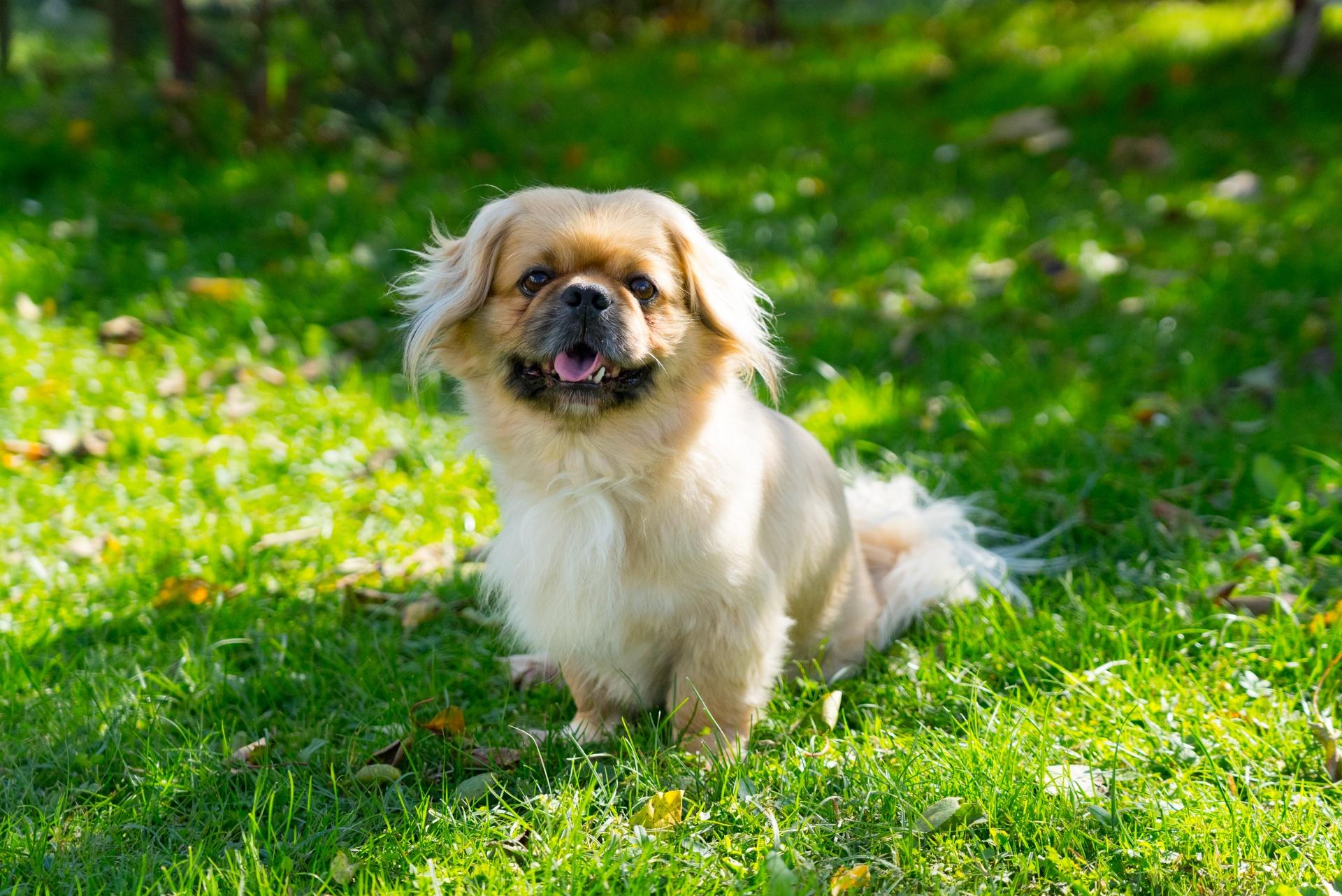
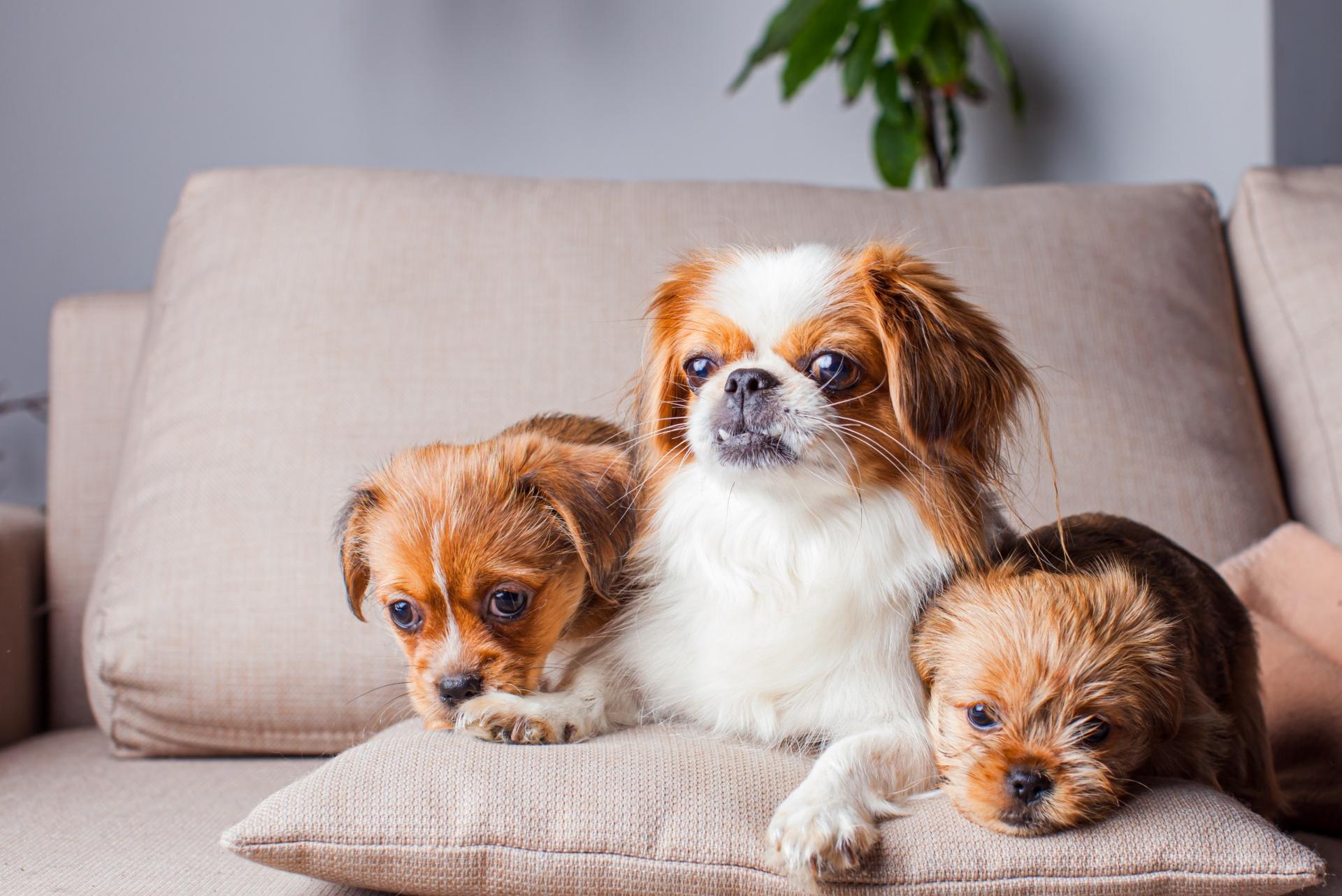
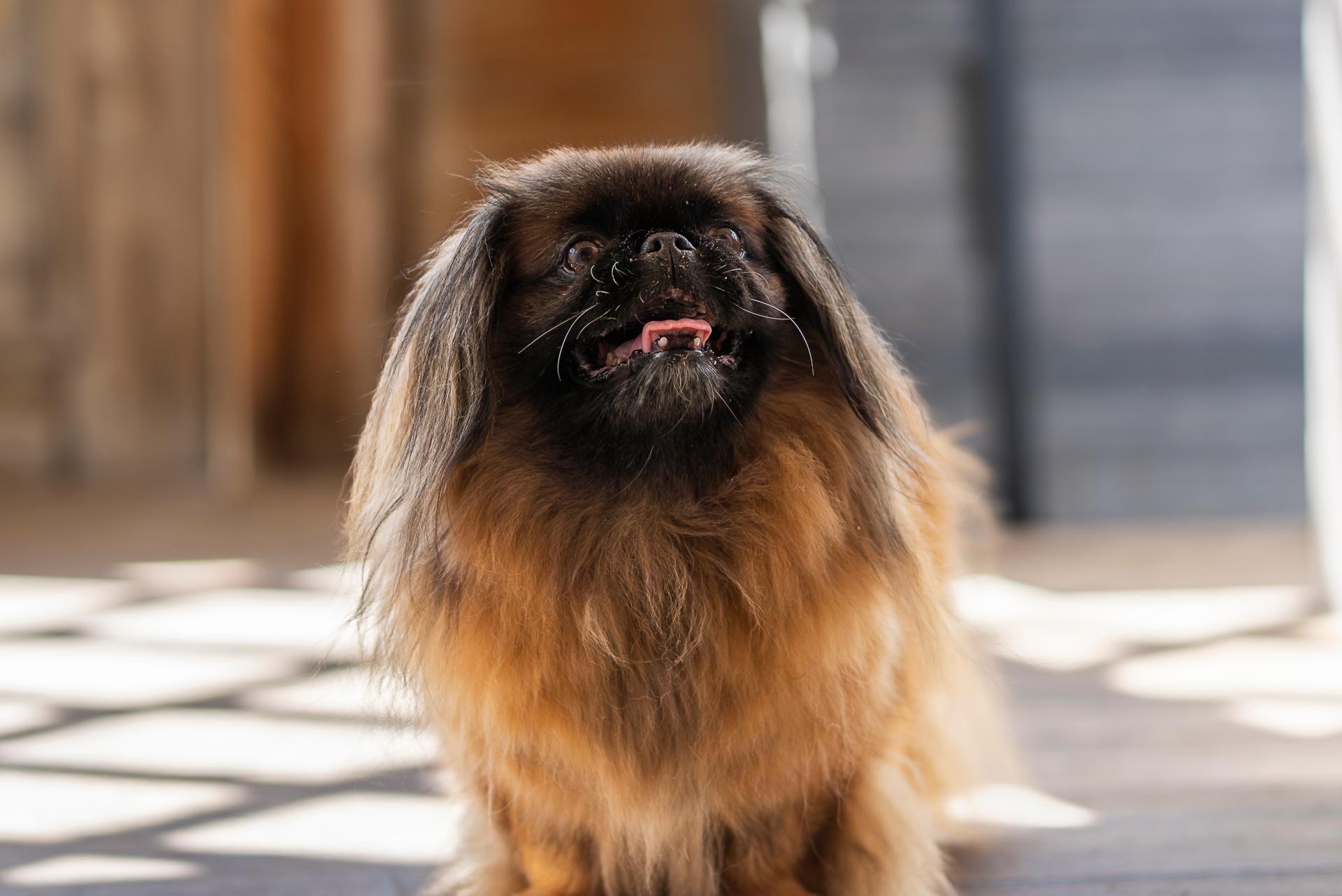
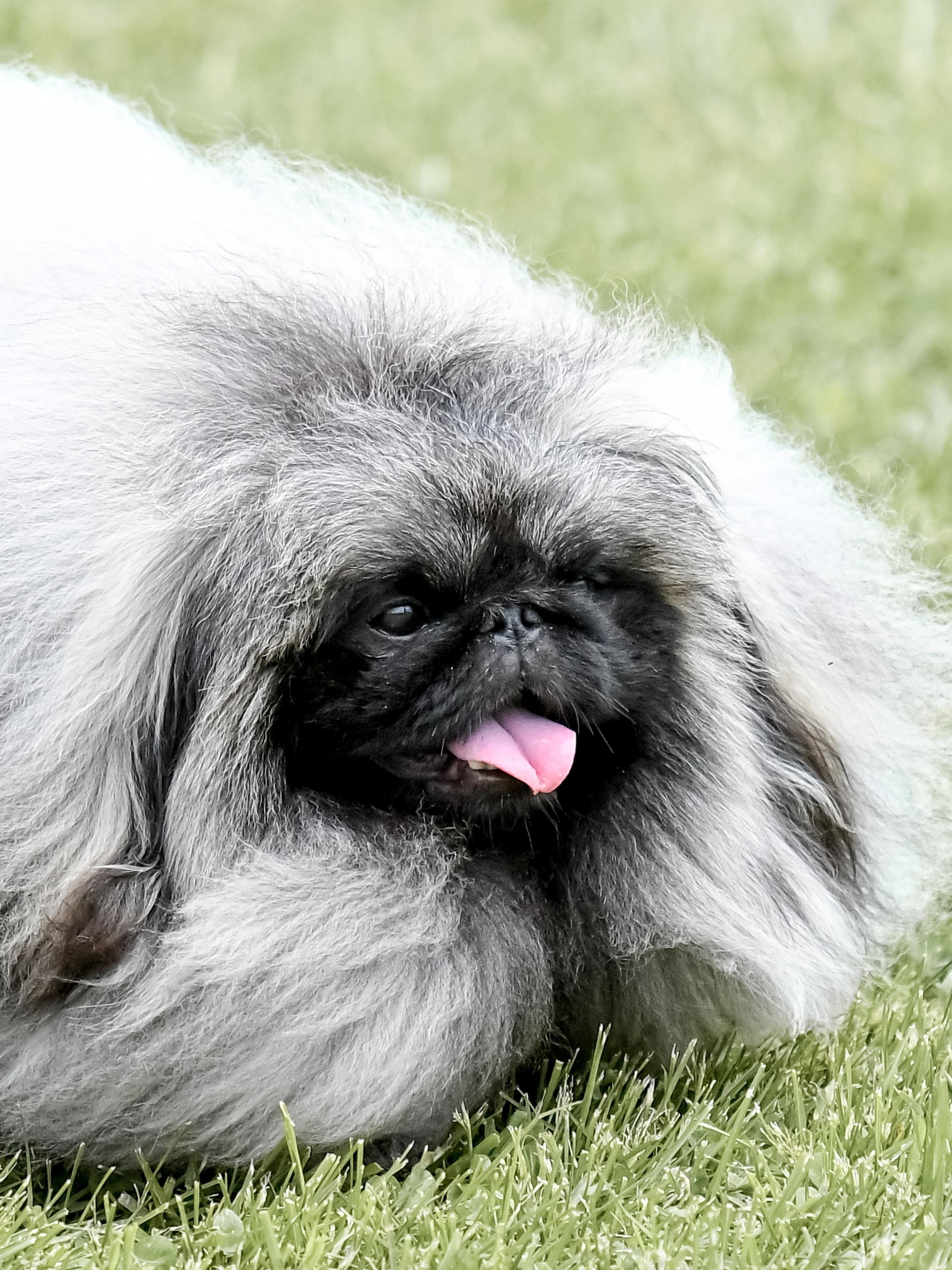
A dog that could not make their mind up, they are described as lion-like thanks to their fur and ruff, but monkey-like because of their soulful eyes and flat face. Perhaps the truth is that the Pekingese dog breed is a mix of both the proud lion and smart monkey?
Although they are a toy breed, they are remarkably sturdy. Defined as ‘brachycephalic’ they have a shrunken face and short nose, which can make for breathing difficulties in some breed members.
They are reserved with strangers but fiercely loyal to their family, with whom they form close bonds. While independent, they enjoy spending time with their two-legged ‘pack’. Many are stubborn and slow to learn, so training sessions will require patience.
These little dogs resemble lions and are renowned for their plush coats. They are small in stature, measuring from just 6-9 inches (15-23cm) at the withers and weighing about 5kg (11lbs).
Interestingly, although they are diminutive, their breed description states that they should be ‘surprisingly heavy when picked up. This is thanks to their dense skeleton, well-muscled body and thick coat.
Their coat is a double coat, with a very soft inner layer and a thick, coarse outer coat. The thick ruff around their neck is what makes them particularly lion-like. Their fur can be many different colors including red, gold, sable, black, white, cream, and gray. Their heavily plumed tail curls right up over their back.
Their dark eyes are very alert and their flat face is described by many as being ‘monkey-like’. This combination lends them an intelligent and knowing facial expression; much appreciated by the breed fanciers.
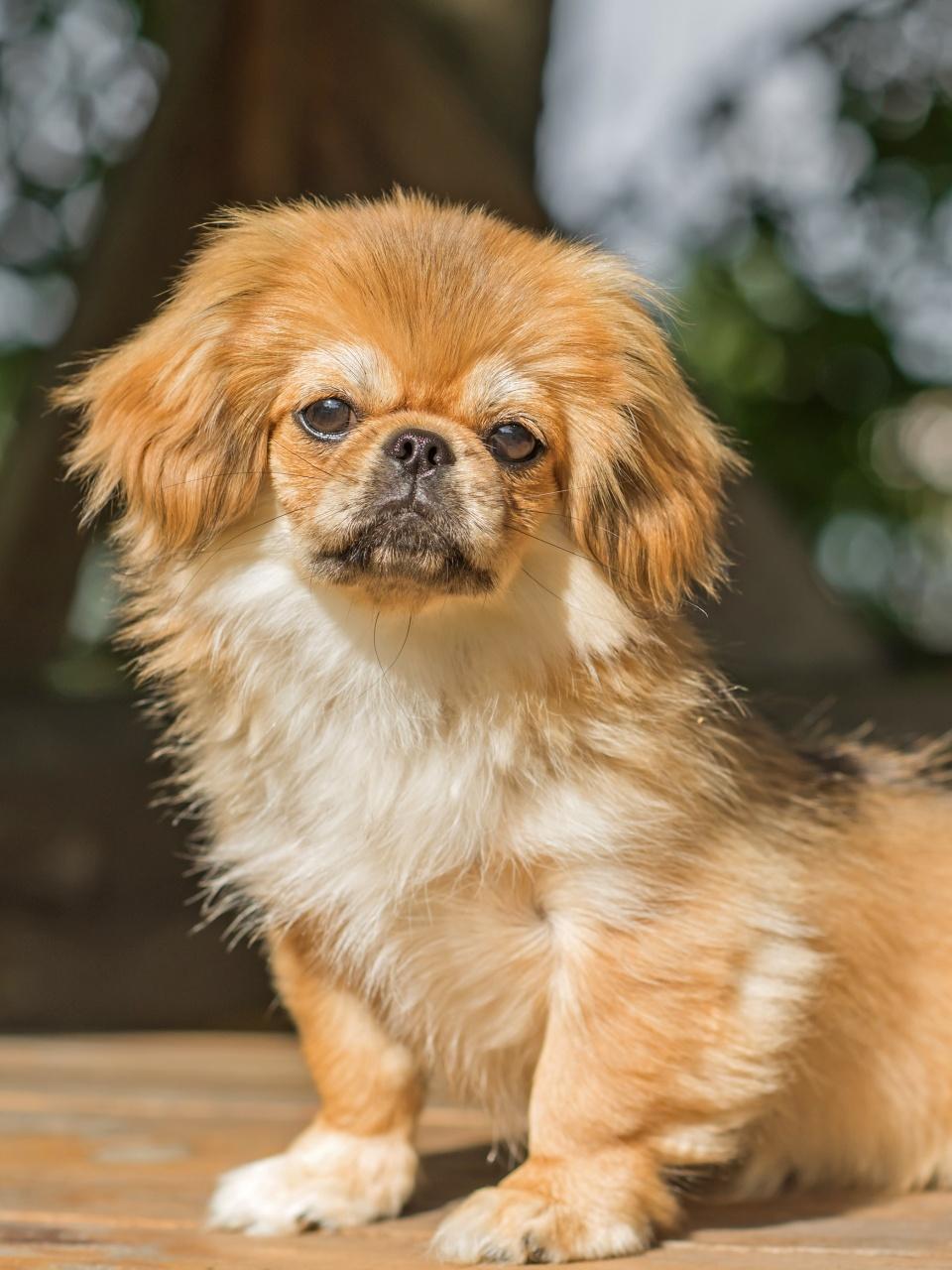
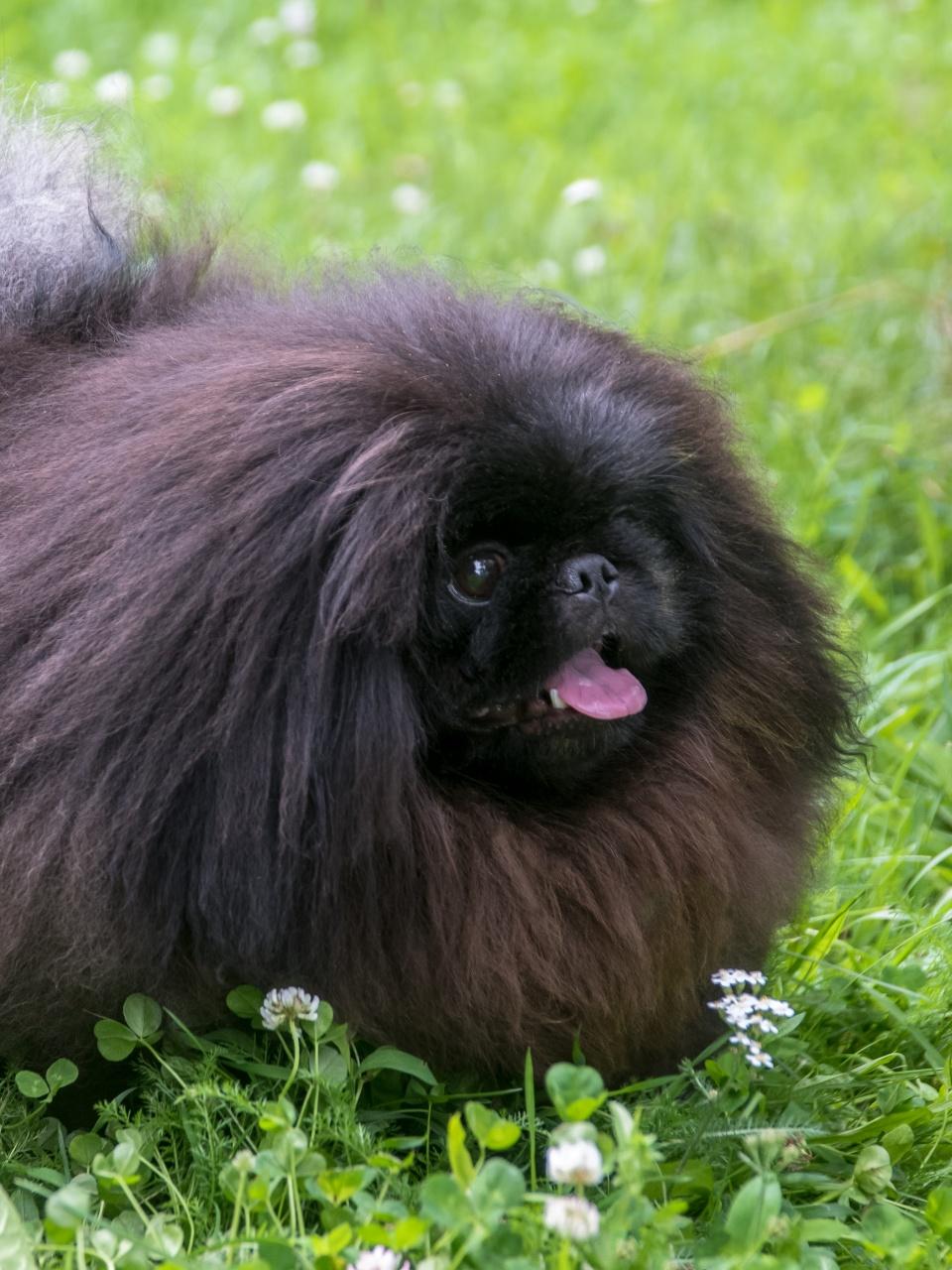
Amazingly, the Pekingese is thought to be more than 1,000 years old, dating back to the 8th century and the Tang dynasty in China. Rather than being used as a working dog, they were kept by royalty and nobility as lap dogs and companions.
Legend has it that the smaller breed members (Imperial Pekingese dogs) were called ‘Sleeve dogs’ as they could fit in the wide sleeves of the robes worn by their owners.
Chinese nicknames included ‘Lion dog’ and ‘Sun dog’ and they were so revered that it is thought that stealing a Pekingese had a punishment of death.
It wasn’t until 1850 when this breed was first introduced to Europe, when they were brought back by some British troops, who were rumoured to have gifted one to the Queen.
Fun Fact: A Pekingese called Sun Yat-Sen was one of the only dogs to survive the sinking of the Titanic.
This is not a dog who will shy away from danger. They have an independent and brave personality, needing quite little input from their owners a lot of the time. Many feel secure when around their family and will choose a specific family member to bond with more than others. With their chosen person, they can be very loving and affectionate.
They are self-assured and confident, needing little encouragement to engage with new tasks if it is something that interests them. However, if it is an activity that they’re not keen on, they’re likely to ignore your efforts to get them to engage.
Although it is possible for them to live happily with children, they aren’t the most natural of friends. They can find children too loud and unpredictable and many will show their distaste with a quick snarl or snap. However, if raised together from when the dog is young, many can adapt to life with children. It is key that the kids are taught how to respect their boundaries, read their body language and to never try and pick them up or carry them about.
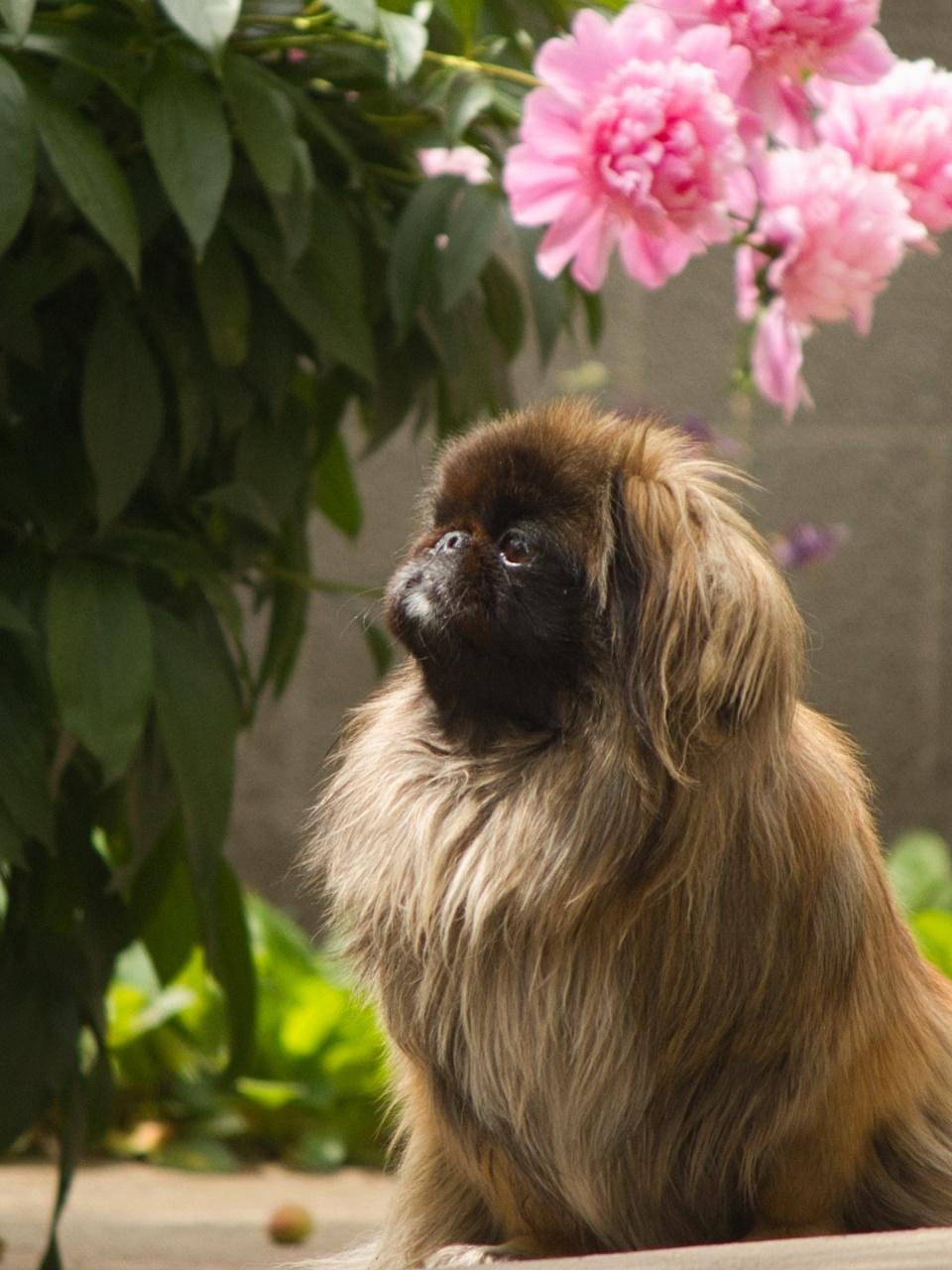
If socialised calmly and positively from a young age, they can get along well with other dogs. Their independence and aloof nature can make it harder for them to ‘make friends’ once out of the puppy phase. Indeed, some Pekes are quite territorial and don’t take kindly to sharing their home with other dogs- even those who are calm and quiet.
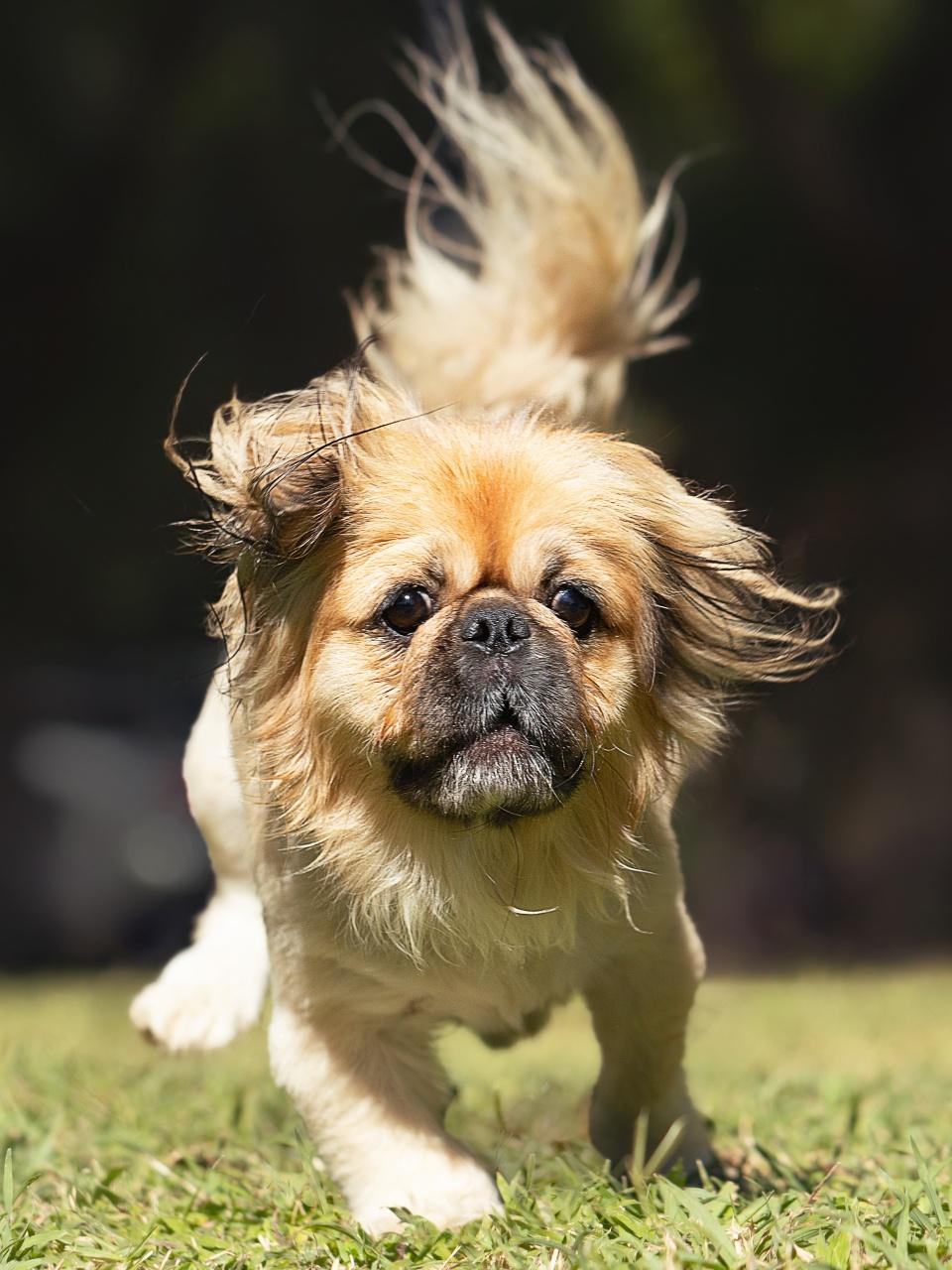
I’m afraid the Pekingese is not likely to be classed as the ‘star pupil’ in any dog class. This is thanks to their reluctance to engage when not interested in the task, their stubborn streak and the fact that many are not particularly treat or praise driven. Still, with consistent attempts and plenty of positive reinforcement, they should make steady progress.
Owners should steer clear of using any sort of negative reinforcement- whether physical or verbal. Pekes can associate this with negative feelings and stop engaging in their training. Rather, let them know how proud you are when they get things right, and reward them with their favorite treat or toy.
Anecdotally, and true to my experience, the Peke is slow to house train. This is in part due to their small size and small bladder and in part due to their preference for the warmth and comfort of the indoors.
These small dogs enjoy creature comforts like warm blankets, plush cushions and cozy blankets. They are well-suited to living in small homes, and can do without a yard, as long as they have some outdoor access each day.
Due to their small stature, they may struggle with high steps or large jumps off furniture. To protect their joints, owners may consider using ramps where needed, and blocking off high steps by using baby gates.
Their small jaws make for overcrowded teeth, meaning that dental hygiene is especially important for them. Owners are encouraged to brush their teeth daily from a young age, so they get used to it. Finger toothbrushes are usually easier to use than conventional ones, and they prefer the daily brushing if a tasty dog toothpaste is used.
Their facial skin folds and the skin under their eyes require regular cleaning and checking. This may include bathing and drying, as well as spot-treating any infections that crop up.
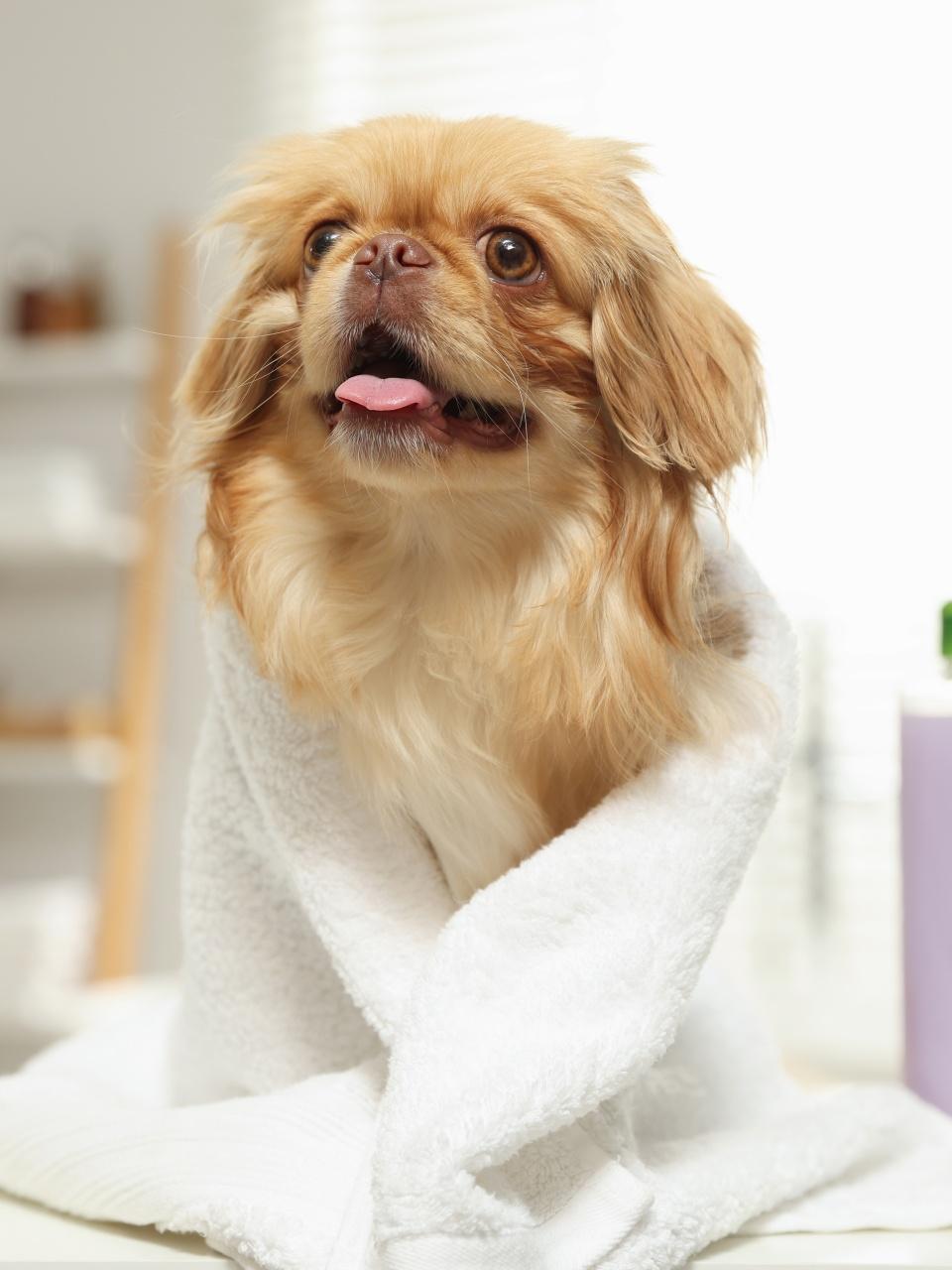
Their coat will get matted if not brushed regularly, at least every few days. Some adult dogs can be snappy and disagreeable when being groomed, so owners should work on making this a positive experience from a very young age. A visit to the groomer every 6-8 weeks is a must to keep their skin and coat in top condition.
If not walked regularly on pavement, they can be prone to overgrown claws. This is especially true for senior Pekes. Claws can be cut every few weeks as needed, with special attention paid to the dew claws, which grow the quickest.
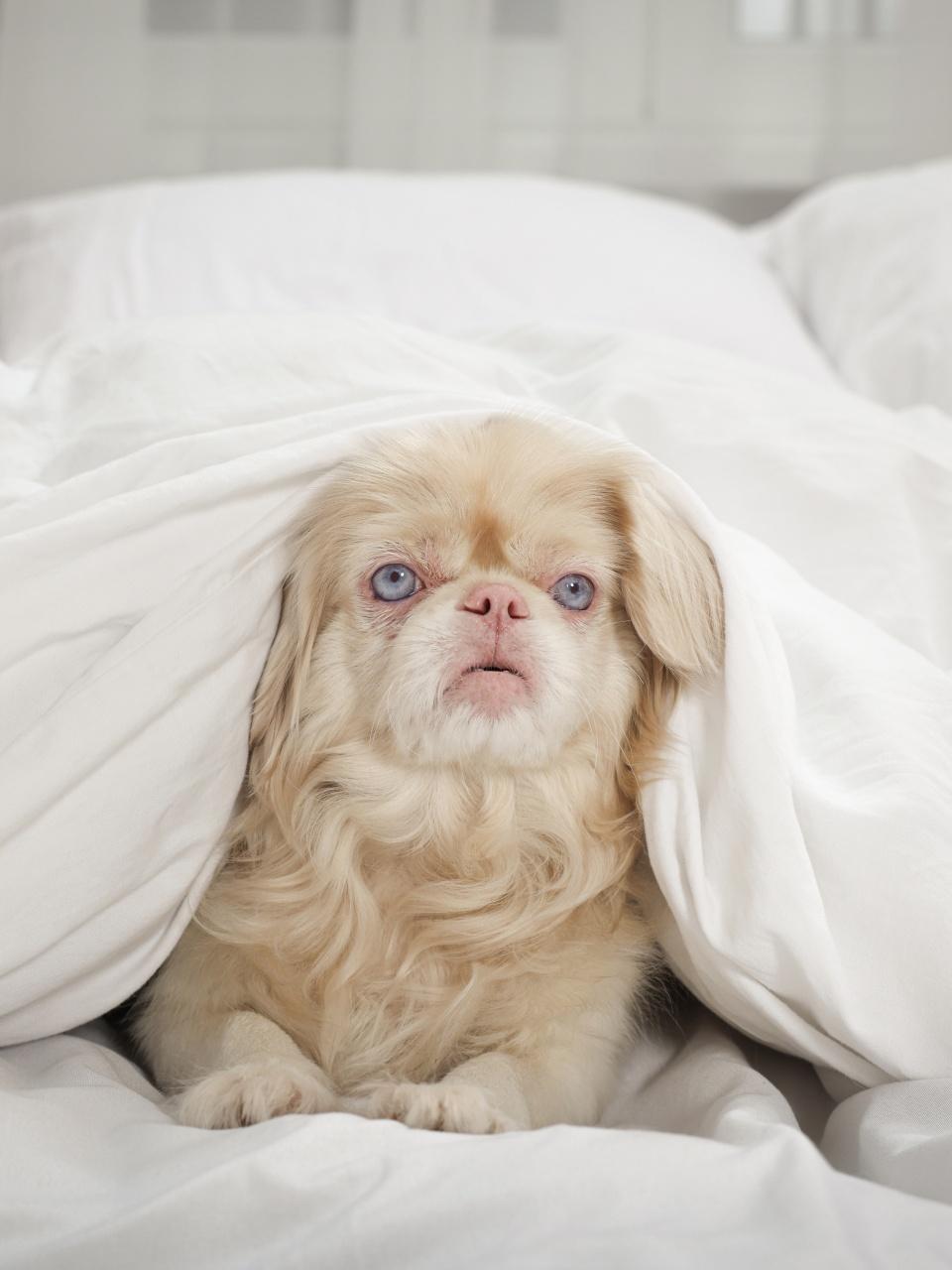
Most Pekingese dogs thrive on a high quality diet that is rich in protein and contains some grains or legumes, and some vegetables too. Although owners may be eager to offer a home-cooked diet, there is a risk of nutritional deficiencies unless the diet is created alongside a canine nutritionist.
While some may assume they will struggle with hard food or kibble, this is not the case for most. Except in the cases of the most advanced dental disease or jaw disorders, kibble can be offered. Indeed, many vets recommend kibble over softer diets, as they can prevent plaque building up on the teeth.
Unsurprisingly, as these little guys love to be lap dogs, they are quite prone to obesity. Owners can prevent this from happening by sticking to their daily calorie requirements and weighing out their portions. As these dogs do not need a lot of food each day, weighing the amount can help prevent a slow trickle of weight gain over time.
The Pekingese will not be winning any medals for athleticism. They are low energy dogs, who live at a slow pace. Offering just 20-30 minutes of exercise a day should be enough to keep them happy. This generally includes slow ambles, sniffing sessions outside and some training sessions.
Their short face makes them especially prone to heat stroke and breathing difficulties if exercising in warm weather. Owners need to pay close attention to their breathing and should always exercise them during cooler parts of the day and in the shade. When the weather is very warm, it is usually safer to keep them indoors.


These little dogs can live into their early teens, but are prone to a number of health problems. Let’s take a closer look at some of the more common ones we see:
You may notice that your Pekingese hops or skips for a few steps. This is not their way of dancing, but a sign that their knee cap has popped out! For some dogs, signs remain mild and they may never be too bothered by it. For others, the knee cap stays out of place or is associated with arthritis and chronic pain. These patients usually benefit from pain relief and anti-inflammatories, as well as adjusted exercise. For those who are worst affected, surgery offers the best prognosis.
While obesity is not a disease in itself, being over-weight is strongly associated with a poorer quality of life and shortened lifespan. It can have a negative effect on your Peke’s breathing and mobility and makes them more prone to certain diseases including some cancers. We want to aim for a Body Condition Score of 4-5 out of 9, meaning the dog’s waist is visible and their abdomen tucks in.
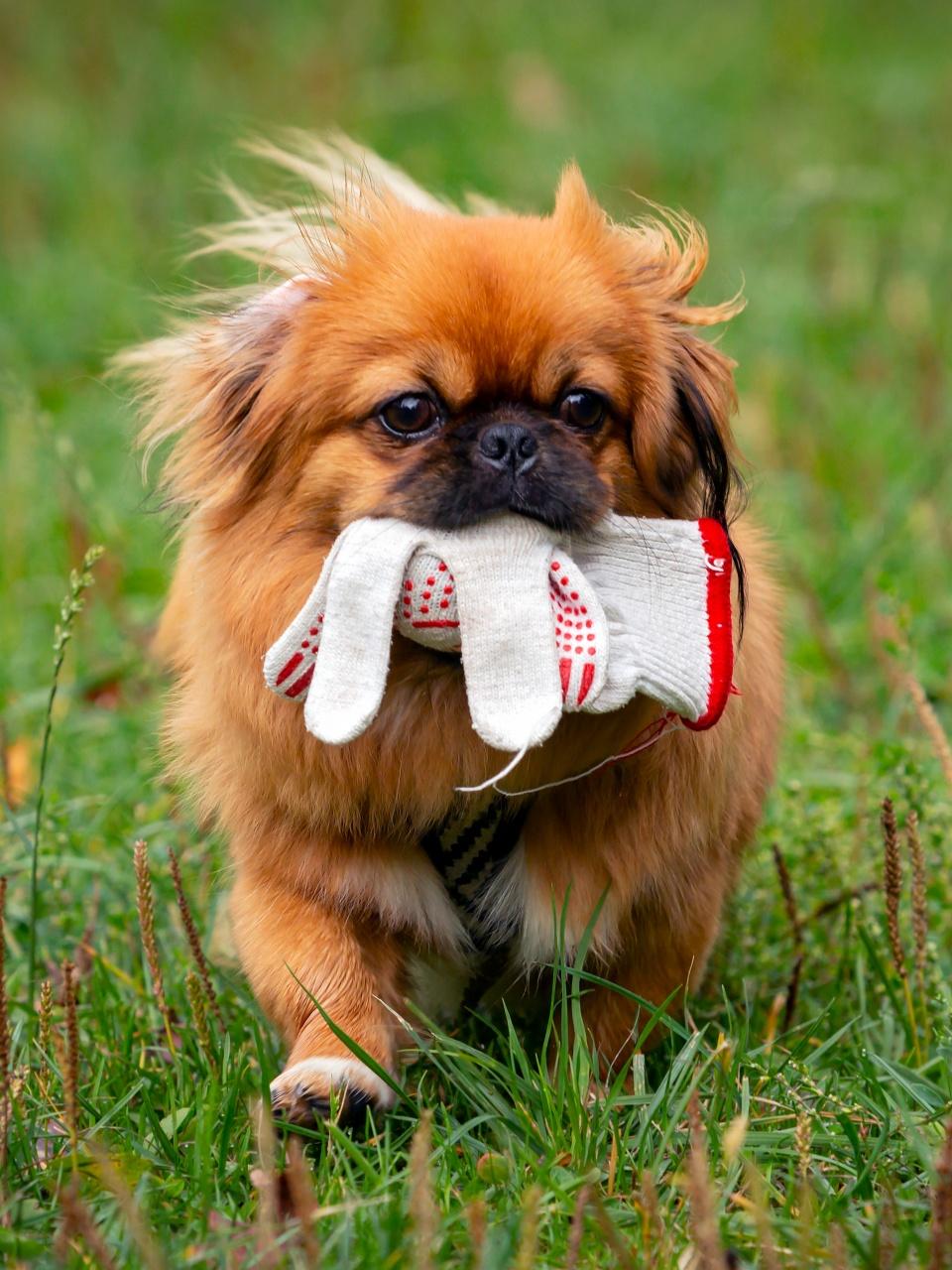
Periodontal disease is common in the Pekingese breed and can cause symptoms including bad breath, red gums, drooling, and a preference for softer foods. Owners often tell me their dog cannot have dental pain as they are still eating, but the truth is that the dog is going to continue to eat even if in intense pain, as they really have no choice. Dental disease can be prevented with consistent brushing, though dogs may also need a few dental cleanings at the vet clinic during their lifetime.
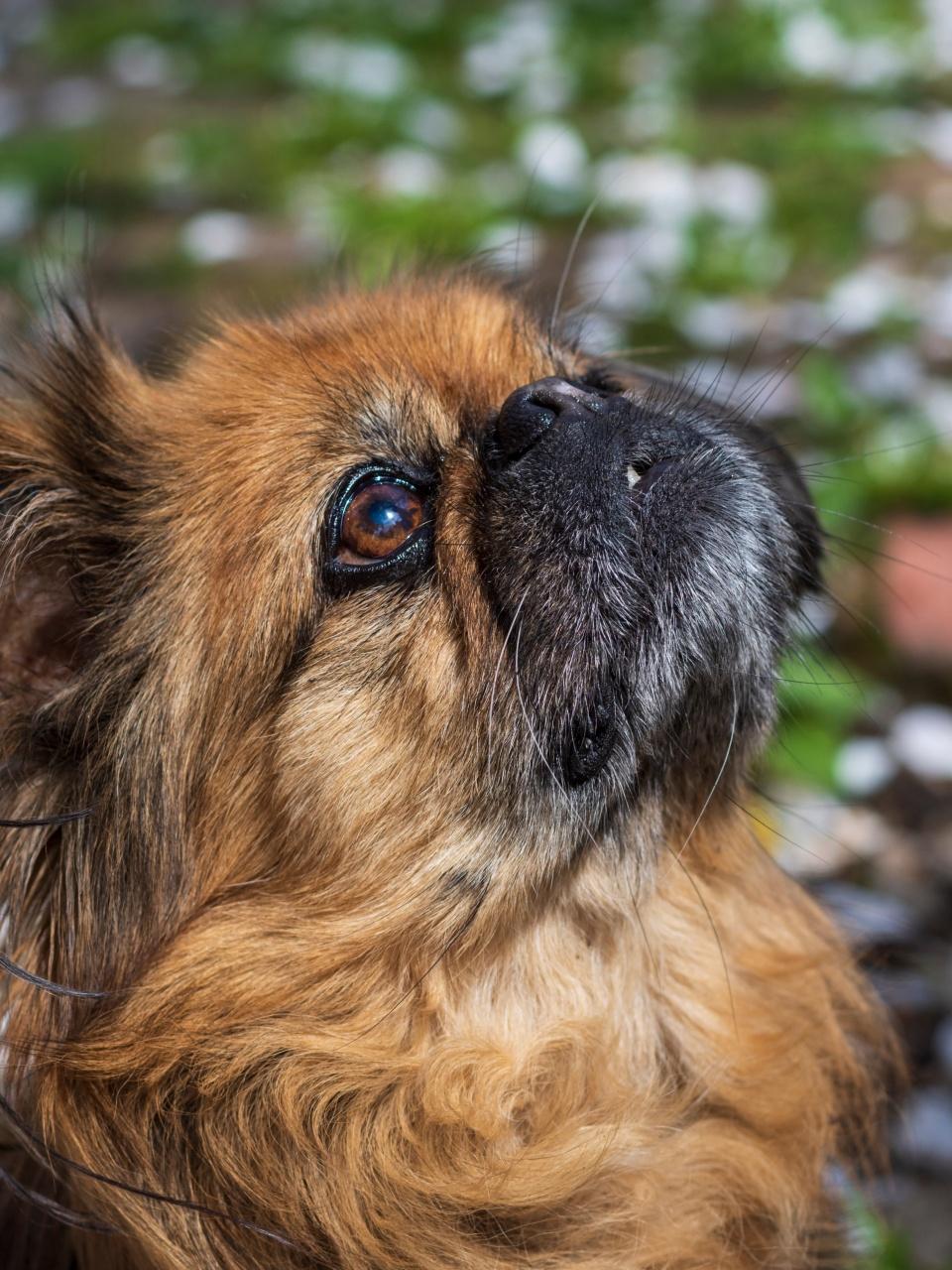
The Pekingese breed is prone to skin fold infections, as the skin in these crevices becomes moist and humid. The lack of airflow makes skin folds the perfect place for yeast and bacteria to proliferate. Owners may notice a musty smell and a reddening of the skin. Regularly cleaning and drying these areas is the best way of preventing infections.
The classic sign associated with anal gland disease is scooting or shuffling along on the butt. Dogs may also quickly glance behind them and may have a fishy smell coming from their back end. Often, anal gland impaction can be prevented by encouraging daily, solid bowel movements. This is achieved by feeding a healthy diet, avoiding obesity and encouraging exercise.
If left untreated, blocked anal glands can become infected, resulting in a painful abscess to the side of the anus. This requires urgent care, as affected dogs will be in a lot of discomfort, and in need of antibiotics and pain relief.
A collapsing trachea causes an ongoing cough which worsens during exercise. This is a dry cough that sounds like a goose honking. Owners may confuse the cough for a viral infection such as Kennel Cough, but if the cause is an infection, it is not going to persist more than a few weeks.
Although we cannot cure tracheal collapse, it can be managed by keeping the dog slim, avoiding the use of neck collars, and not exercising when it is very hot or humid. Many patients also benefit from the use of medicine such as cough suppressants and bronchodilators.
A heart disease commonly seen in older Pekingese dogs, they can experience a cough that is worse after lying down, as well as other signs such as panting and a reduced desire to exercise. The diagnosis can be made with imaging such as an X-ray and heart scan. Veterinarians will also detect a heart murmur during the physical exam.
Treatment of MVD includes medicine such as diuretics to drain excess fluid and Pimobendan to improve the contractility of the heart.
The long back of the Pekingese means that they are more prone to slipped discs. Affected dogs can suddenly become very weak and lame. Depending on where the spinal cord is compressed, signs may affect a single leg, one side of the body, all four limbs, or only the hind legs. Patients require emergency veterinary care, as this is a very painful occurrence.
Milder cases may be treated with conservative therapy including strict cage rest, strong pain relief and anti-inflammatories. For more severe spinal lesions, surgical repair may be recommended.
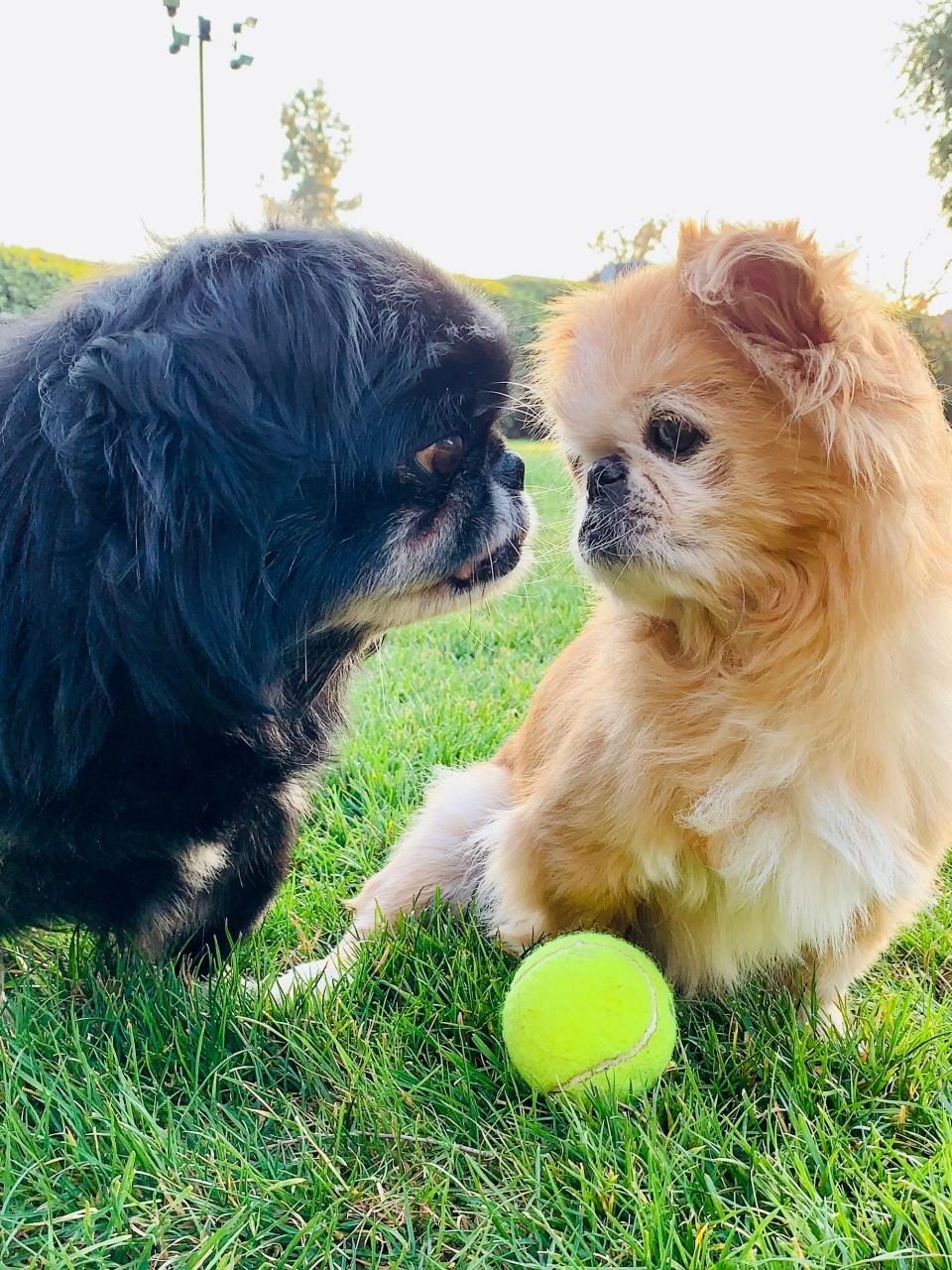
The prominent and protruding eyes of this breed are prone to a number of issues. Many breed members will not produce enough tears, resulting in the surface of the eyes drying out and the development of excess ‘crust’ underneath the eyes. If left untreated, this can lead to the development of uncomfortable eye ulcers.
Those who develop KCS need ongoing therapy, which usually consists of drops to encourage natural tear production as well as eye lubricants that need to be applied regularly.
The Pekingese is an excellent choice for the older owner, who is perhaps less active and interested in a low-needs companion. It is no problem if the house is small or lacks a yard, as they need limited space. This dignified dog enjoys a calm and ‘plush’ lifestyle, and is happy to spend a lot of time relaxing.
They are not a great choice for families with younger children or other pets. However, there will always be exceptions to the rule and some Pekingese are perfectly content with children and pets in the picture.
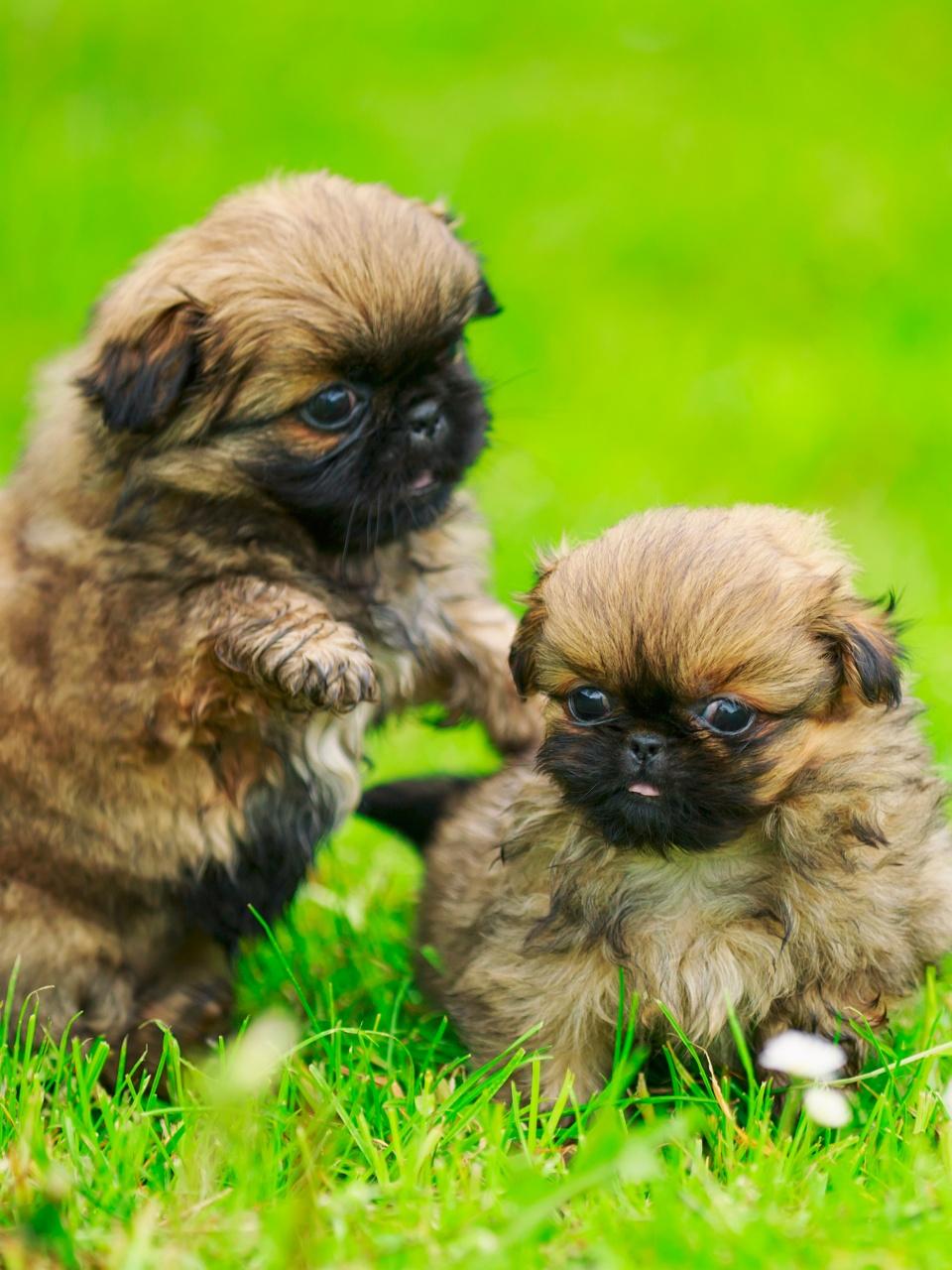
If you are going to visit a litter of Pekingese puppies, it can be very difficult to determine which one to reserve. Consider what sort of dog would suit your lifestyle. Are you more interested in a boisterous pup who is outgoing and eager to run to you, or would you be more suited to a calmer puppy, who takes some time to warm up?
Health-wise, be on the lookout for any red flag symptoms that could indicate poor health. This can include a stunted size in comparison to their peers, a limp, a swollen belly, a lot of tear staining, or evidence on their fur of recent diarrhea.
Do you know if you’d like a male or female? Some people feel that females are more aloof, while males can be better guard dogs and more likely to show affection. However, there is a lot of individuality from one dog to another and this sort of thing is not always predictable based solely on their sex.
Your Pekingese puppy is likely to set you back anything from $1,000 to $3,000. Keep in mind that more expensive puppies may come from a better line, with better general health. A cheap puppy is unlikely to come from health tested stock and may be at higher risk of inherited diseases such as KCS or Mitral Valve Disease.
Of course, that initial cost of the puppy is really just the tip of the iceberg. A small and long-lived dog like the Peke can cost anything from $10,000-30,000 over the course of their lifetime, when we consider things like their food, boarding, grooming, and vet bills.
Follow Us On
Check Out Our Most Popular Content