Your Cart is Empty


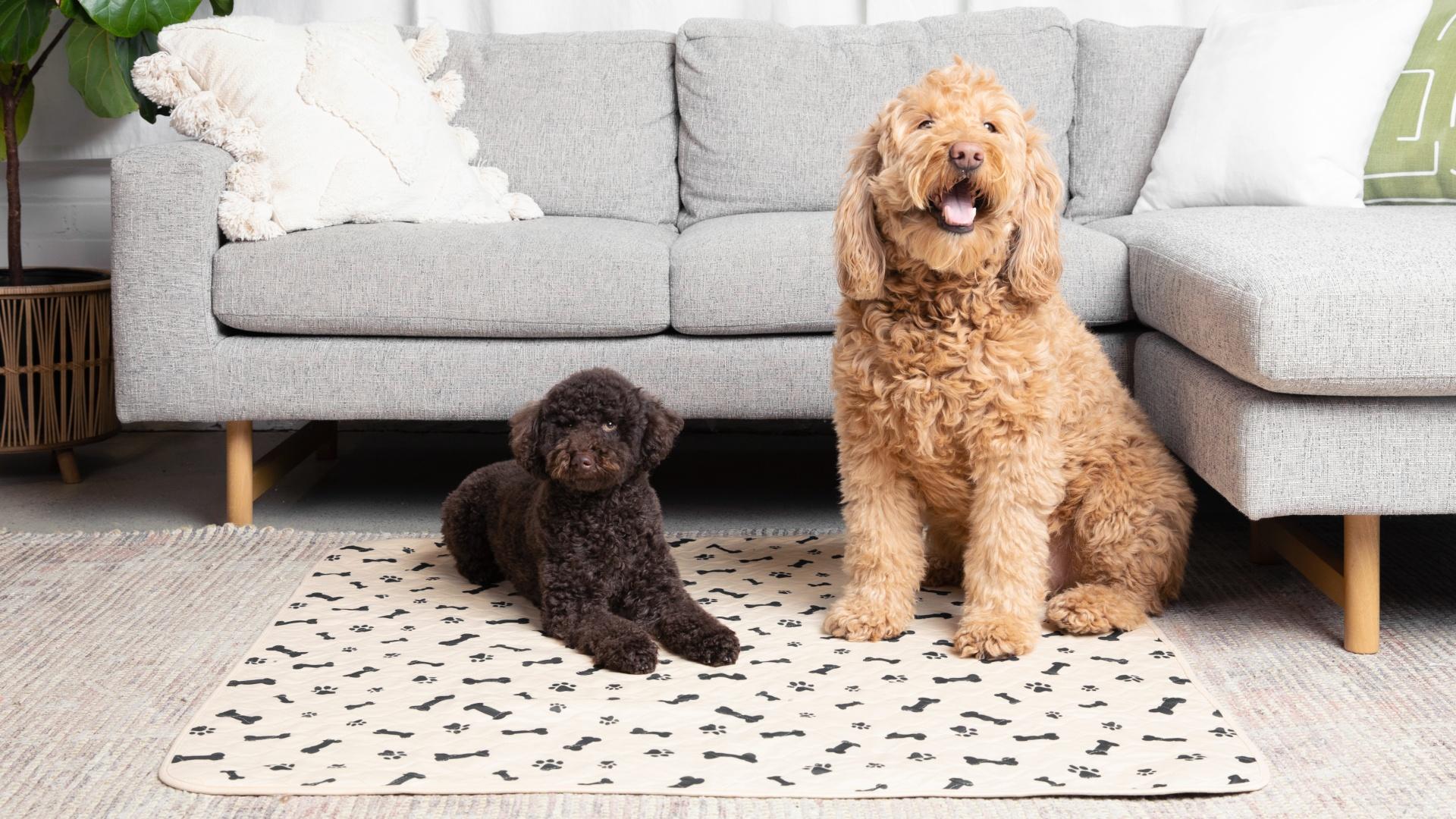
Most owners want an indoor toilet option initially, considering how a young puppy needs to toilet every couple of hours. Pee pads are seen as a convenient way to keep the home clean and to limit pees and poops to small areas.
Some critics of puppy pad training dislike the environmental impact, feel that offering an indoor toileting option confuses puppies, and would rather use an alternative. Let's take a close look at pee pads, and discuss in detail if they're an important part of potty training or not.
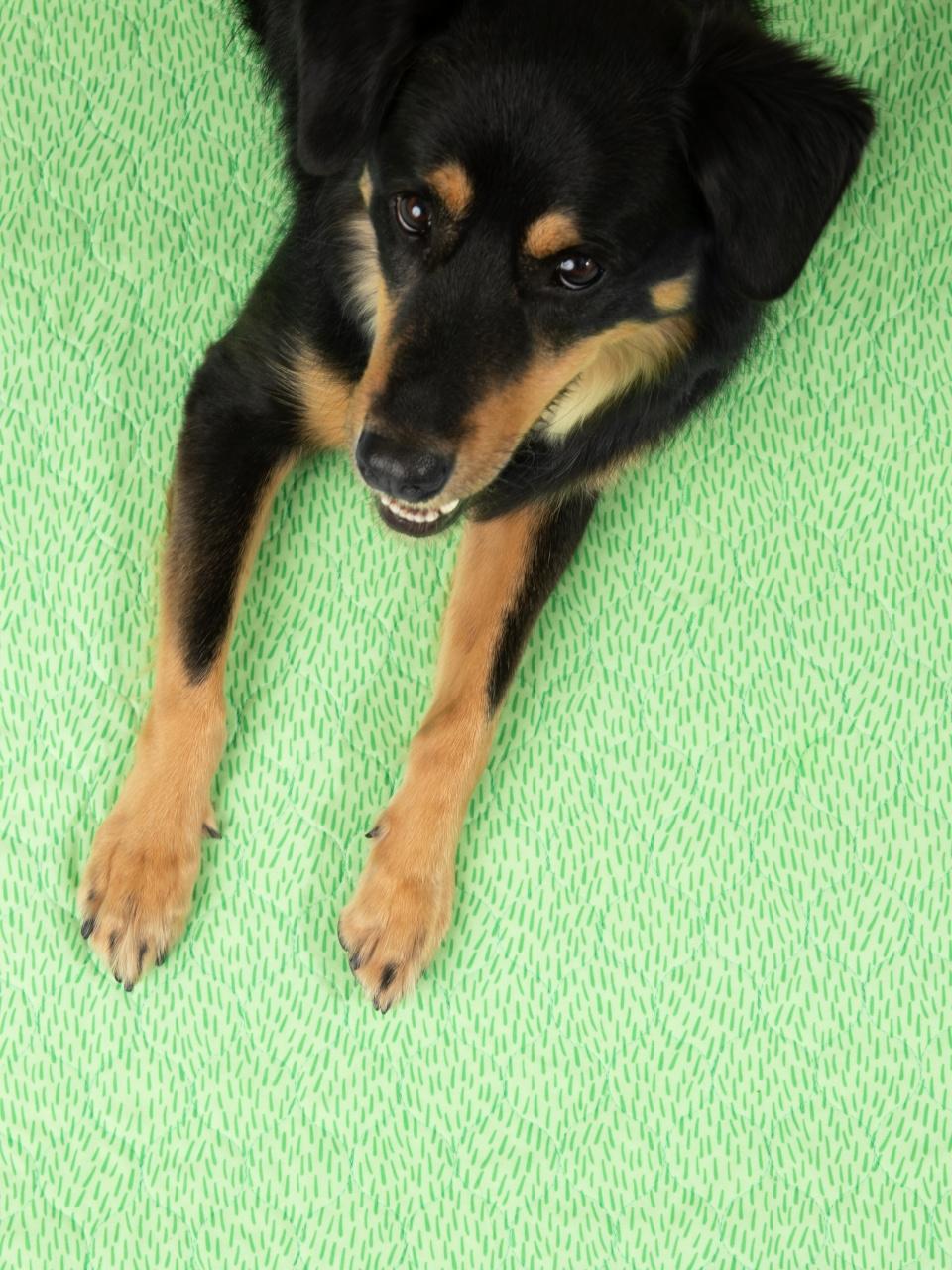
Potty training with pee pads has both benefits and drawbacks. They're convenient and affordable, and provide an obvious toilet area for your young dog. This said, some pet parents feel they delay the full potty training process and are concerned about the amount of plastic waste generated.
There is no denying that these puppy pads are useful, especially during the night or when there is bad weather. Having a designated spot for toileting inside means less need for frequent trips outside at awkward times.
Owning a new puppy can be a confusing time, with many decisions to be made. You'll want the best for your pup, and to set them up for a smooth training experience. This article will help you determine if pads are the right choice for you.
Traditional puppy pee pads are absorbent sheets made of several layers. They soak in the urine and contain chemicals which can help reduce bad smells, at least for a few hours. Unfortunately for the environment, these puppy pads take hundreds of years to break down in landfill.
Reusable puppy pads are a more eco-friendly option, but do require pet parents to perform lots of laundry loads. Still, for the eco-warriors out there, this may be a preferential option. On top of this, they'll end up costing a lot less in the long-run.
Let's examine some of the definite advantages of potty pads.
Convenient for those who struggle to get outdoors easily and quickly, like people who live at the top of an apartment block.
A quick and easily accessible option for very young puppies with tiny bladders.
Handy for those pets or owners who are very senior, have chronic health issues, or are mobility‑impaired. We often use them within veterinary clinics for our sick patients who struggle to get outside to toilet.
Hygienic and easy to dispose of. Leaving waste indoors can expose residents to ammonia and bacteria such as E. coli and Salmonella.
Provide moderate odor control , especially if scented.
No need for outdoor excursions in the middle of the night!
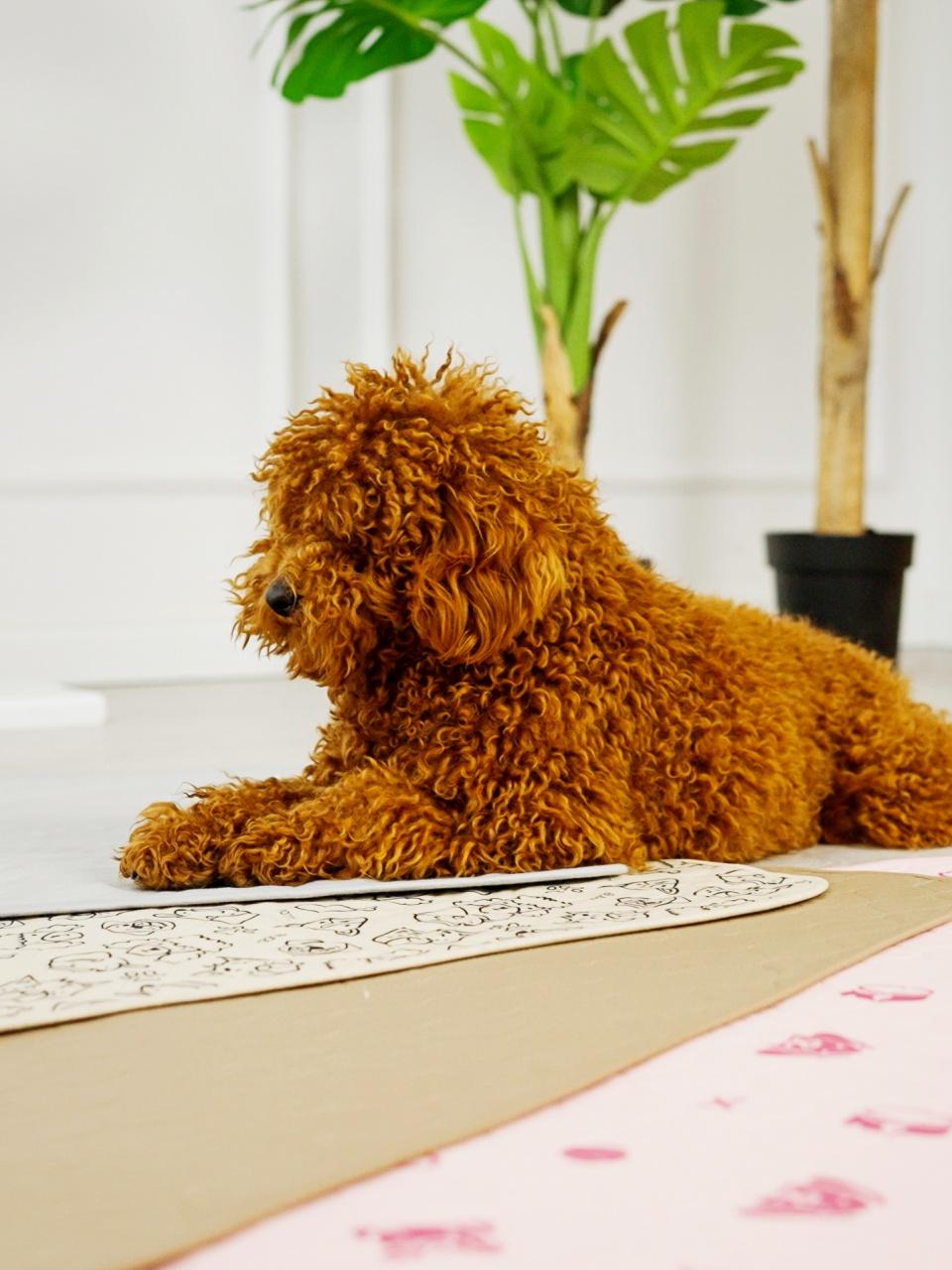
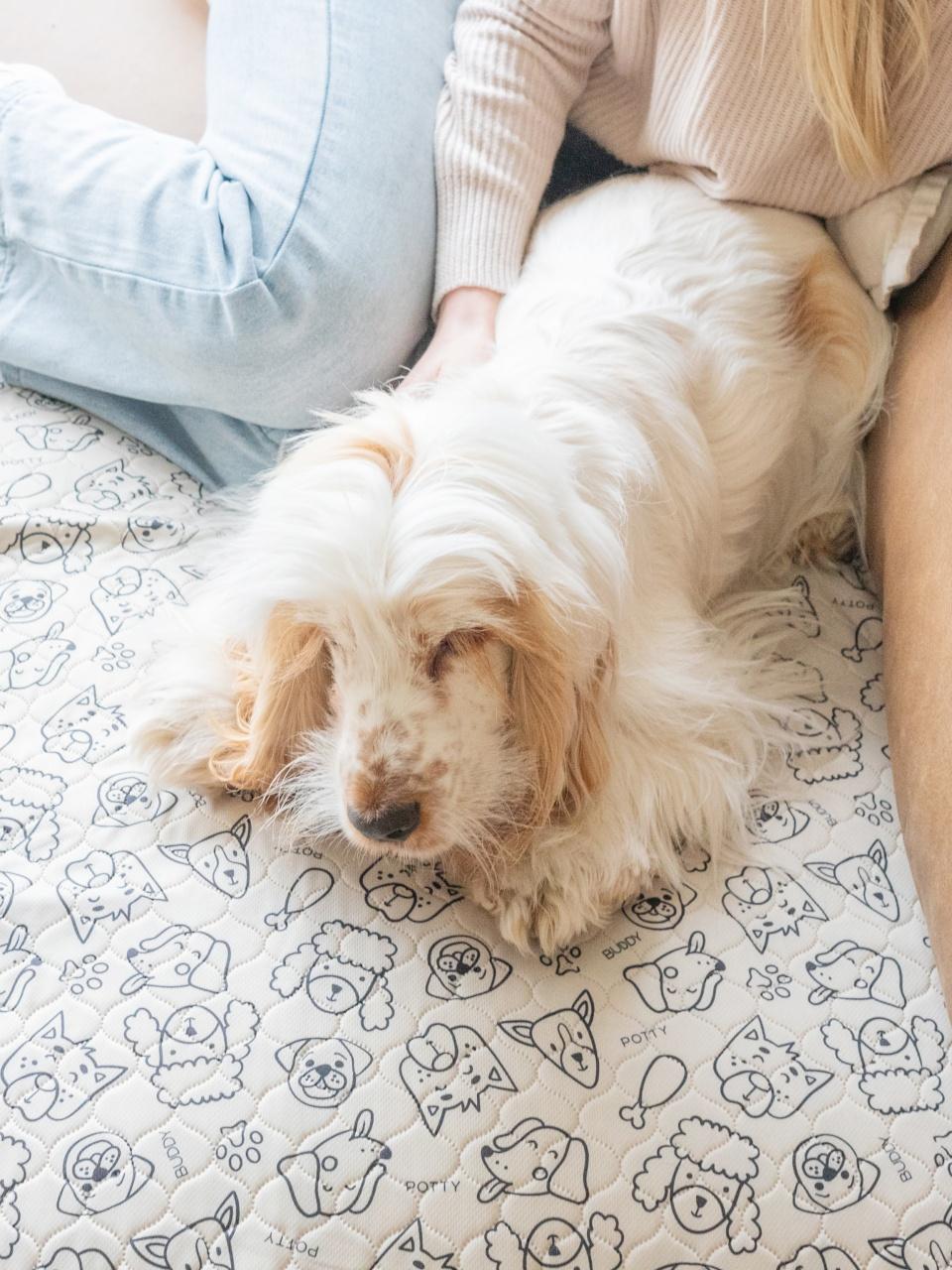
There is no denying that there are a few pitfalls when it comes to potty pads:
The risk of reinforcing indoor toileting habits, leading to more accidents as the dog ages. By teaching a dog that it is acceptable to go potty indoors, pads can require owners to housebreak their pet twice: once for the pad and once for outdoor use. However, a solid training program should be able to overcome this.
Some dogs have difficulty transitioning to outdoor potty routines. This said, when owners create specific outdoor areas for toileting, this can largely be overcome.
May get chewed up or eaten, especially with bored puppies. As long as you closely monitor your puppy and provide plenty of chew toys, this can generally be avoided.
Ongoing cost of disposable pads. When cost is a hurdle, consider the reusable pad option.
The possible bad smell build‑up does put some people off. Regularly throwing the pads away should ensure this is not an issue.
Puppies often cannot distinguish between the soft texture of a pad and other absorbent surfaces, leading to accidents on those items. Using potty training spray on the potty pad can help with this.
Those who benefit most from pee pads include people who do not have a yard, apartment dwellers and owners who find it hard to get outside regularly with their pup. They can also be handy for those with very busy schedules.
Potty pads may be a poor fit for you if you already have easy yard access, your pup constantly chews the pads, you're very environmentally conscious or you'd rather opt for something more natural (like an indoor grass patch).
| Features | Disposable Puppy Pads | Reusable Puppy Pads |
|---|---|---|
| Absorbency | High thanks to the multiple absorbent layers | Depends on material, so does vary quite a bit |
| Leak-Proof Backing | Some have a built-in plastic barrier to protect floors | Not as standard, only if bought with a waterproof base or tray |
| Size Options | Wide variety | Wide variety |
| Cost (per use) | Higher long-term (each pad is one-time use only) | Lower long-term (wash & reuse, but do need to pay for laundry) |
| Convenience | Simply throw away when soiled | Must wash and dry, so more work for you |
| Best For | Busy homes, travelling, high-rise dwellers | Long-term at-home training, eco-minded owners, those who have many pets |
Bonus Tip: Some disposable pads contain chemical scents to better mask odors, or even 'attractant' pheromones to encourage the puppy to use them.
Potty pads are not the only potty training solution. You may also consider:
Crate‑based toilet training. This is where the puppy is kept in a small crate for parts of the day and most of the night, and (hopefully!) instinctively will not pee in it. Never place puppy pads inside a crate to avoid undermining the natural instinct to keep sleeping areas clean.
Very regular outdoor potty breaks, as long as you can go out at least every hour initially.
Litter boxes. These can work great, especially for smaller dogs. These are sometimes used as long-term indoor toilet areas.
Fake grass‑mat and draining systems are also to be considered, but do require a higher initial investment.
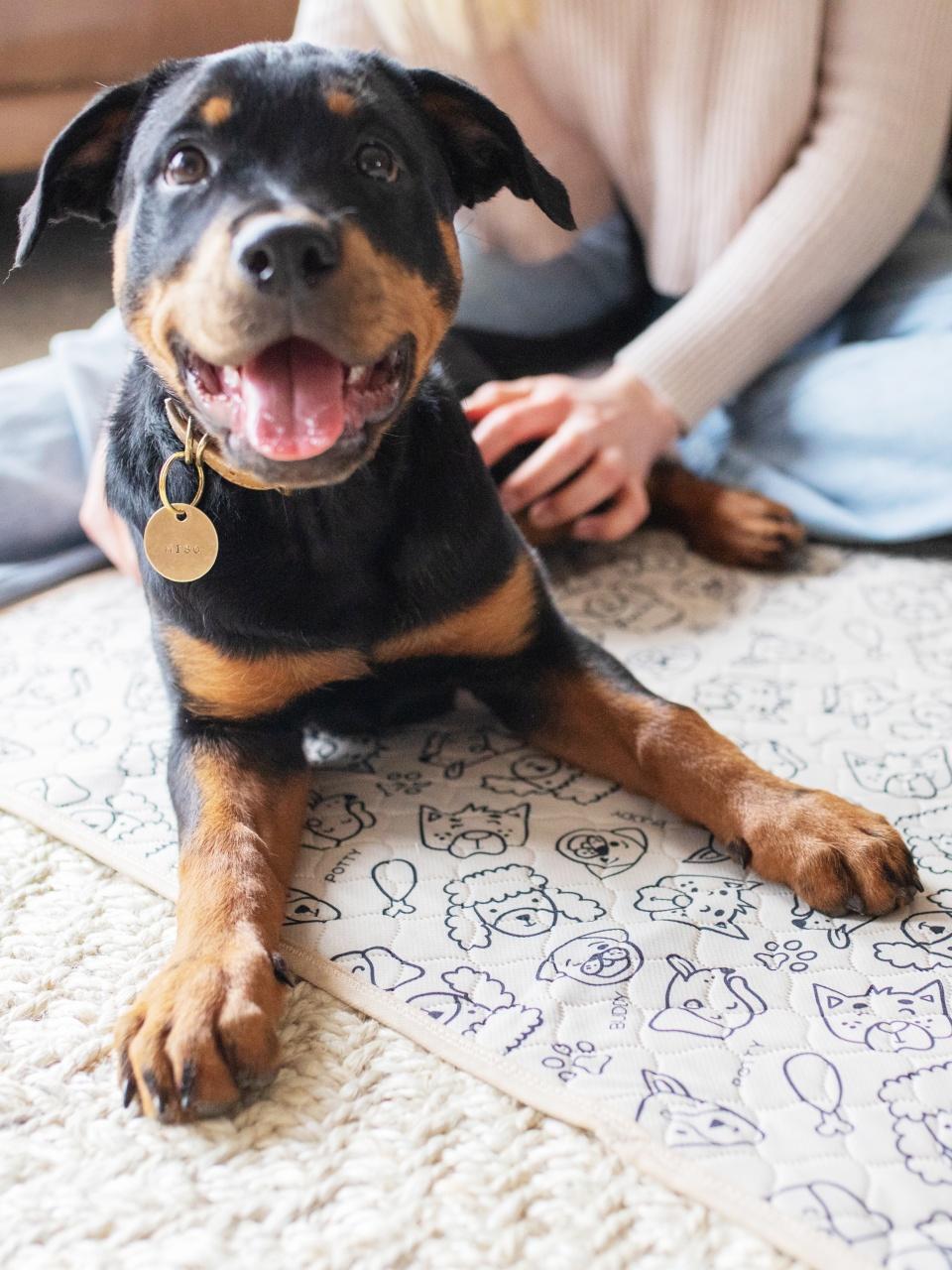
For many of us, disposable pads are not just for potty training, but will be for ongoing use. This may be for older dogs who lack bladder control, for senior dogs with poor mobility, or for owners who cannot get outdoors frequently enough.
For those using the puppy pads as a means of toilet training, they can be gradually phased out by moving the pad closer to the door, and then outside. Most dogs understand this easily, and owners can use positive reinforcement (treats and praise) to reward outdoor toileting.
Hopefully you're now much better informed on the puppy pad training pros and cons. Although potty training can be time consuming and frustrating at times, products like pee pads can make it a lot more pleasant to deal with. While there can be some downsides to their use, their popularity proves that, for many, they continue to be a vital tool in the world of toilet training.
Follow Us On
Check Out Our Most Popular Content