Your Cart is Empty


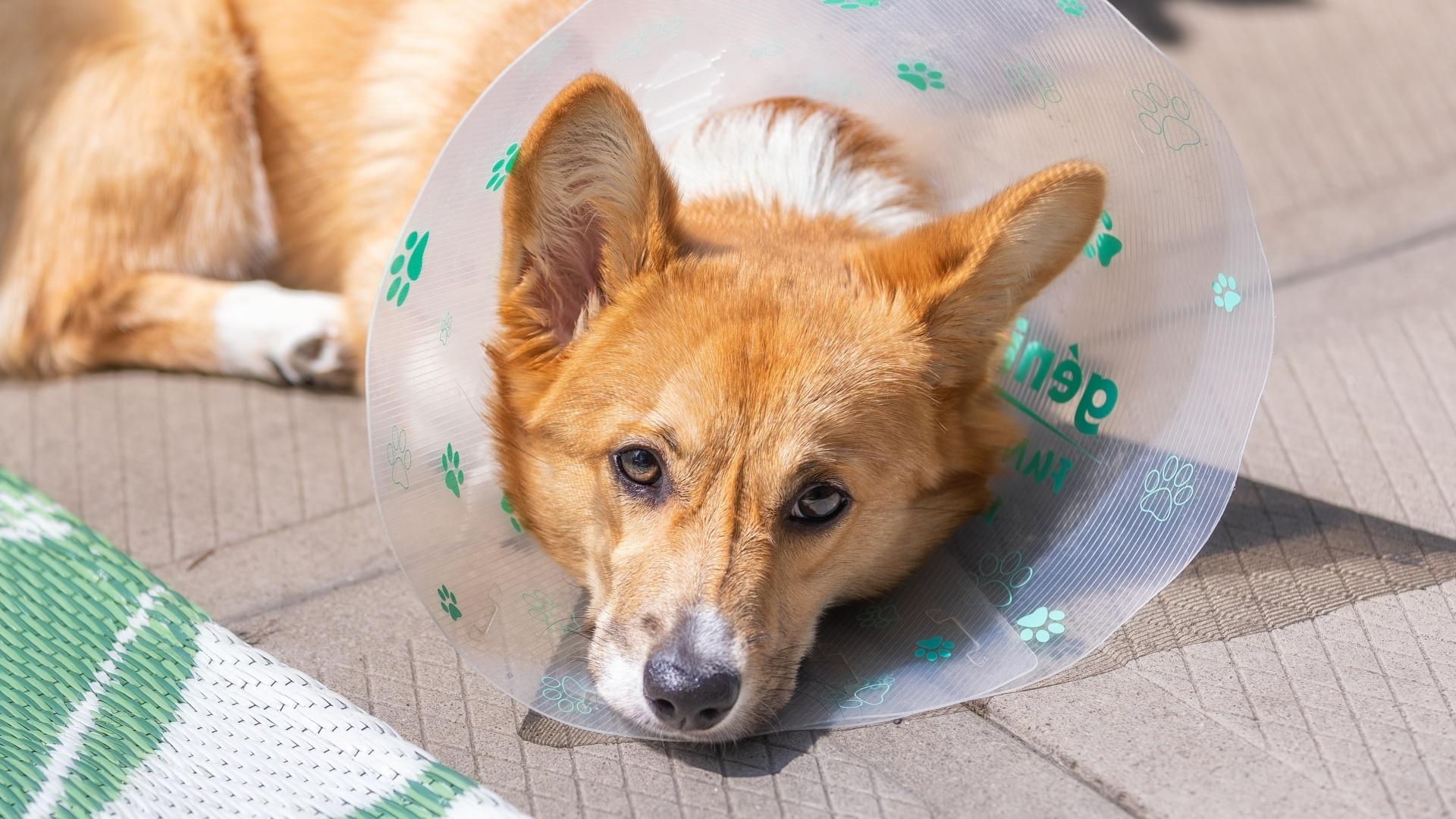
If you’ve noticed your older female dog is suddenly urinating inside, leaving wet patches on the sofa, dribbling urine around the home or waking up wet, you may be wondering what is going on. Perhaps you’re concerned they’ve regressed with their toilet training, or are putting up a ‘dirty protest’ against something at home that is bothering them.
The truth is, urinary incontinence in older females is prevalent, and not something they have any control over. This article takes a deep dive into ‘Spay Incontinence’ (Urinary Sphincter Mechanism Incompetence), a disease that affects many females who were neutered earlier in life. We’ll touch on the mechanisms behind it, how it is diagnosed and, of course, the best treatment options out there.
Although this medical condition can be a frustrating and somewhat unpleasant one to deal with, it is one that can be well managed. Given that anything from 10-20 percent of spayed females are thought to be affected to some degree, you’re certainly not alone here.
⚠️ Disclaimer: This article is informational only and not a substitute for veterinary care. Always consult your veterinarian if you suspect your pet may have a medical condition and before starting or changing any treatment.
Incontinence in this case refers to urinary incontinence, meaning that the dog cannot hold their urine adequately. This can lead to drips and drops being passed without them realising as they walk around or stay still. It can also mean full puddles of urine being passed. By definition, the dog has no say in the matter- they’re probably as upset by it as you are.
Dogs who are affected are those who have been neutered, usually earlier in life. Indeed, the younger the bitch was at the time of surgery, the higher her risk of developing spay incontinence. Signs do not begin immediately after the procedure however, it takes many years before they develop. Most dogs show their first signs in late middle age.
While estimates of numbers affected vary by study, many agree that roughly one in five neutered females are affected. Larger dogs including Labradors and St Bernards are more commonly affected than their smaller peers.
It is important to know the difference between this sort of incontinence and leaking urine for another reason- such as when anxious or excited, when toilet training has taken a step backwards, or when there is a medical issue. In spay incontinence, urine leaks out without the dog being aware and without an obvious trigger.
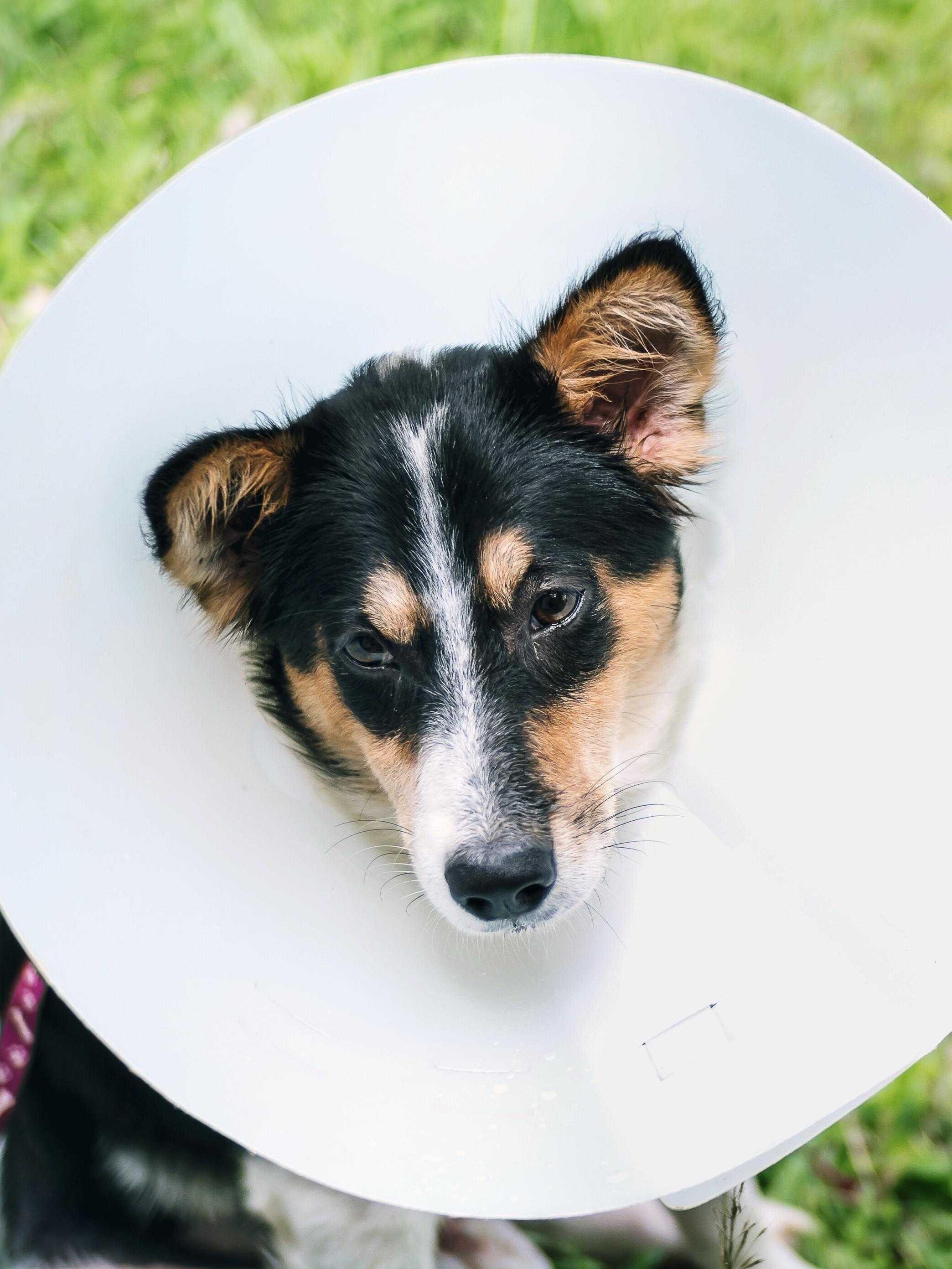
To better appreciate how we treat and manage this disease, it is good to understand why exactly it happens.
For a female dog who has not been neutered, she has a steady supply of the sex hormone estrogen. We now know that this hormone is crucial for supporting muscle tone of the tube that exits the bladder (urethra) and responsiveness of the urethral sphincter muscle, which controls the flow of the urine.
During a spay surgery, the ovaries (and typically the uterus as well) are removed. This means the bitch no longer has a steady supply of estrogen. Over the years that follow, the muscles involved in urination may weaken and lose tone, with the ‘seal’ no longer tight enough to hold urine inside the bladder. Dogs find it hardest to hold their urine when resting or asleep, as the muscles and tissues are very relaxed at these times.
Signs do not develop immediately after the surgery, but usually many years later. However, some dogs may become symptomatic sooner- especially if they were neutered before six months of age, are a large or giant breed, or are very sensitive to hormonal changes.
The true significance of the risk factors is still being debated, but most agree on the following vulnerabilities:
Very early spay, especially if before the first season and/or before six months of age. Spaying before puberty can mean the urinary system is not fully developed and that the tissue may be less responsive to nerve signalling in later life
Being a large or giant breed e.g. Doberman, German Shepherd, Labrador, Old English Sheepdog
Obesity, due to the increased pressure being put on the bladder
As with many medical conditions, genes will be playing a role, and dogs may inherit weaker muscles or an increased hormonal sensitivity
The research is still ongoing into how we can predict which bitches will develop spay incontinence and which will not. Importantly, most females will not develop this condition.
While it can be offputting, we also need to remember our reasons for neutering in the first place- including reducing the risk of significant diseases such as mammary cancer, uterine infections and uterine cancers.
We want to be sure of our diagnosis, as many medical conditions can mimic spay incontinence in the older female.
Be on the lookout for common signs such as:
Wet spots on bedding, blankets or on the floor where the dog rested
Damp fur around the vulva or hind legs
Dribbling urine when the dog is sleeping or relaxed, or sometimes when walking about
Excessive licking of the vulvar area, as they attempt to keep themselves clean
Urine scald, or red and sore skin where the urine has contact with
An ammonia smell coming from the dog’s backend
Importantly, these dogs are still going to urinate as normal when brought outside- still squatting and producing good quantities of urine.
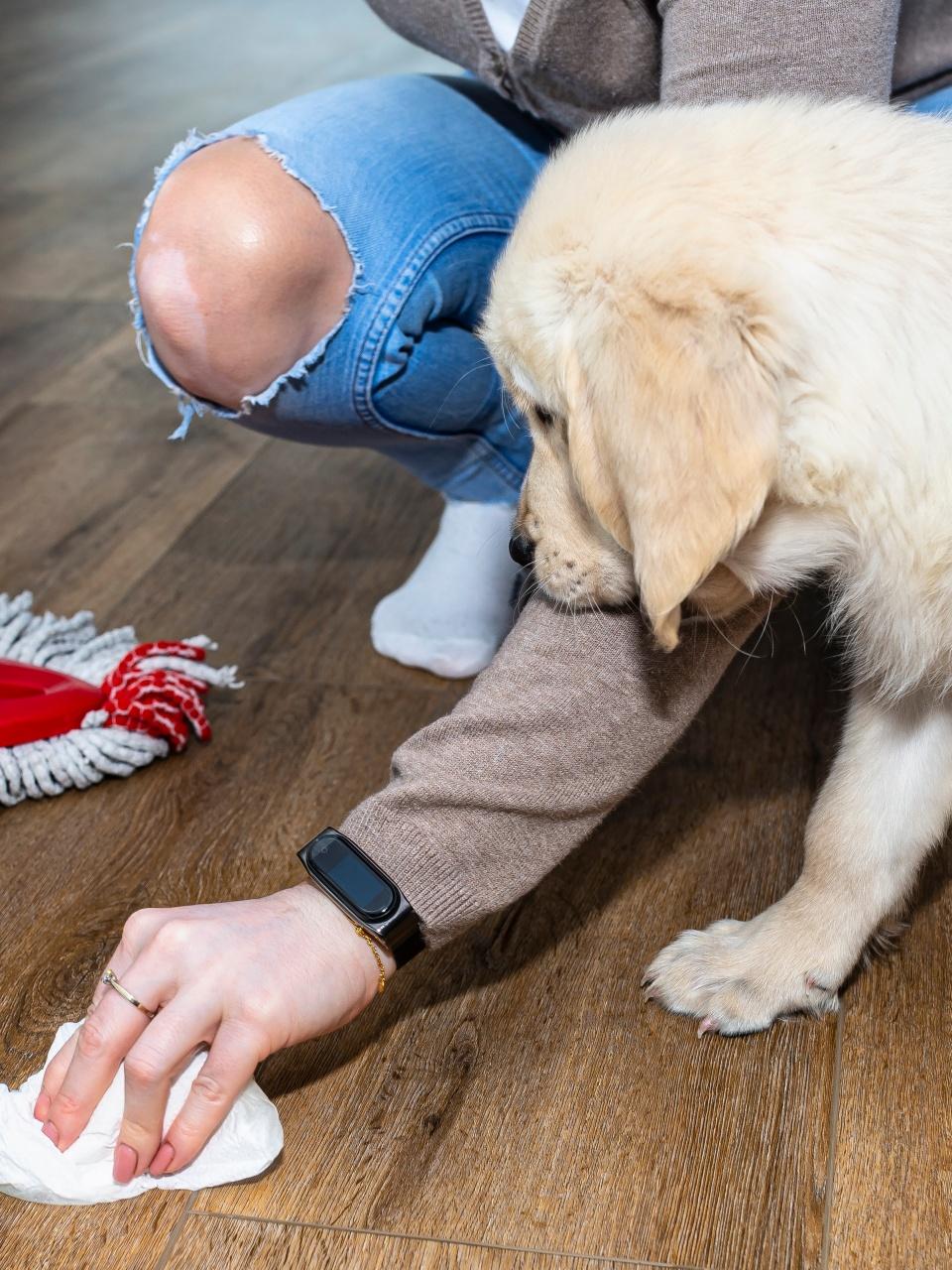
Another side effect to be aware of in these patients, is that many females who have spay incontinence will also develop urinary infections. This can be due to their bladders not fully voiding, weak muscles and chronic moisture around the vulva. Symptoms of a UTI can include increased thirst, frequent urination and a fishy smell to the urine or the presence of blood within the urine.
Your vet visit is the first step towards finding a resolution for this unpleasant problem.
As urinary incontinence is a symptom rather than a diagnosis, your vet will want to work to establish that 1) We are truly dealing with urinary incontinence and 2) The cause is definitely Urethral Sphincter Mechanism Incompetence (USMI).
Your vet will want to rule out other potential issues, such as bladder stones, spinal cord compression, diabetes, or kidney disease.
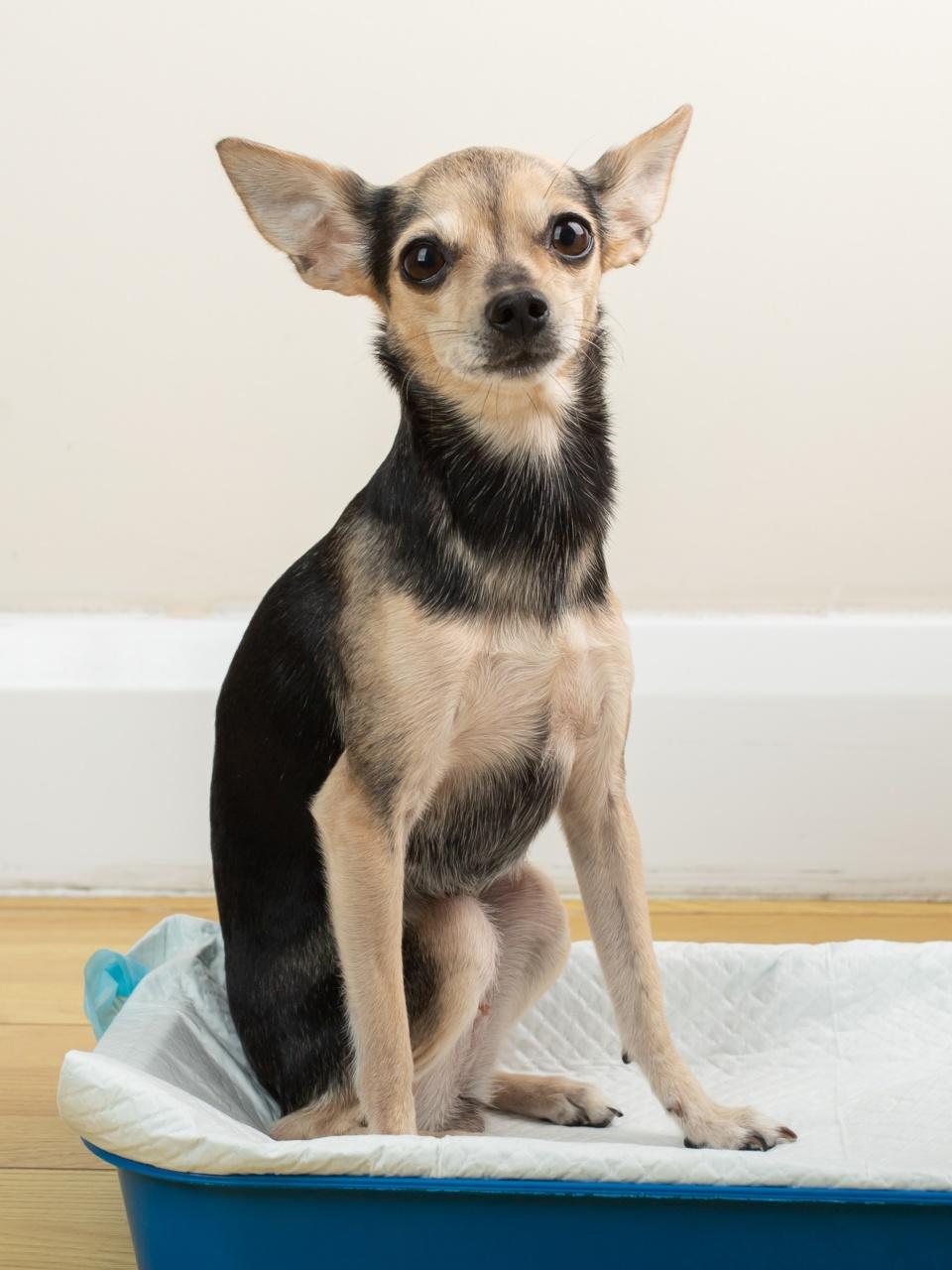
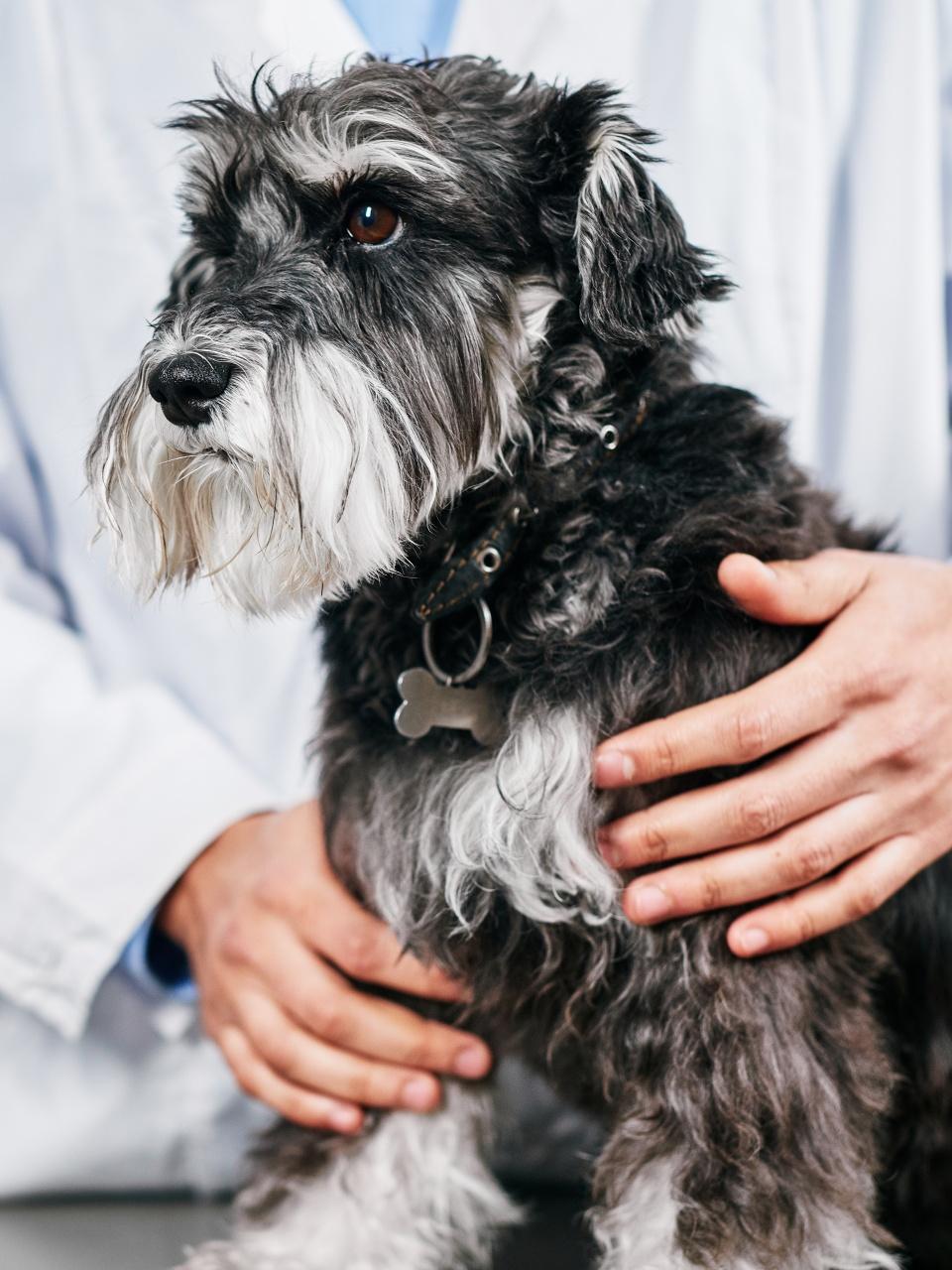
The first step will be to take a detailed medical history. This will include information on when the urine is being passed and in what amounts. Your vet will also perform a thorough physical examination, checking your dog from nose to tail and assessing for any nerve deficits or sources of pain.
Next up, your vet is going to want to perform a urine analysis. This can be from a free catch urine sample, or your veterinarian may collect the urine directly from the bladder using a needle. A urine test can screen for the presence of things like crystals, bacteria or sugar.
For many patients, blood tests will be ordered too, to check things like liver and kidney health. Where there are supporting symptoms, your vet may also run specific blood tests, such as those to check for hormonal disorders like Cushing’s disease.
Finally, imaging studies may be recommended. This can include X-rays of the spine and bladder, and/or an ultrasound of the urinary tract. Imaging can help detect abnormalities including bladder stones or tumors.
Urethral Sphincter Mechanism Incontinence (USMI) is a diagnosis of exclusion, meaning we need to rule out other potential causes before we can say with any confidence that this is the likely diagnosis. Your vet will reach the diagnosis based on your dog’s presenting history as well as on the test results and response to therapy.
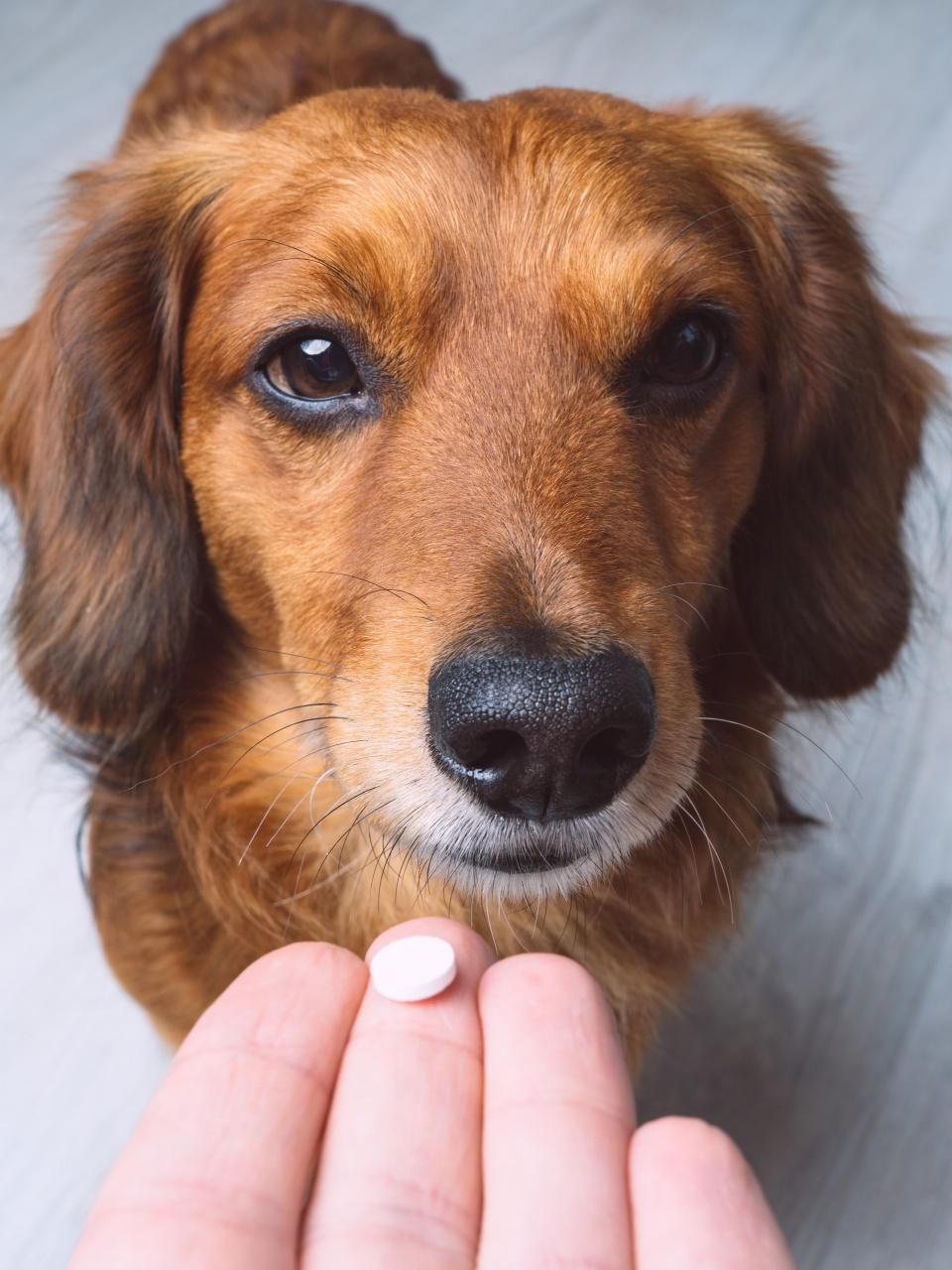
The great news about this condition is that the vast majority (70-95%) of affected canines will respond well to therapy and, for many, we can stop the incontinence completely.
Most patients will be managed with ongoing medicine. This medicine controls symptoms, though does not cure the condition. If the medicine is stopped, signs will quickly begin again.
This syrup works by increasing the muscle tone of the sphincter muscle. Vets may prescribe dosing every 12 hours and it can take a few days for the effect to kick in.
There is a high success rate with this drug. Vets may advise owners about the potential for some side effects, including restlessness and high blood pressure. In rare cases, cardiotoxicity has been reported. For this reason, veterinary monitoring is essential.
For some patients, an estrogen-based medicine may be trialled. This short-acting estrogen increases muscle tone and urodynamic function. It is available in tablet form and dogs are usually started on one tablet once a day but may be reduced down to every other day dosing.
Estrogenic side effects are possible, and these can include swelling of the vulva and becoming attractive to male dogs. Rarely, bone marrow suppression is reported.
Some dogs will need a mixture of both therapy types discussed above, in order to achieve urinary continence. Combining the medications typically means we can use lower doses than if they were to be used alone.
With all of the medications discussed above, regularveterinarychecks are essential. This is to ensure the dog is coping well and has not developed any side effects or UTIs. While therapy is generally going to be lifelong, the dosing schedule may change over time.

There are plenty of things that you can do to make your dog’s life more comfortable, and to make things as easy as possible for you and your household.

When there is still some urine leakage, especially during the diagnostic period or in the earlier stages of medicating your dog, it can be a good idea to use products such as:
However, you’ve got to be conscious that, if not used prudently, they can do more harm than good. Leaving a damp diaper on for too long can quickly lead to urine scalding, sores and infection.
Waterproof mattress covers and reusable absorbent pads.
These are excellent products to use under bedding, to protect flooring and to keep the home clean and fresh smelling.
Your dog is likely going to need more frequent potty breaks, especially before naps or just before bed. These dogs tend to like to pee many times a day but in small amounts, so try to accommodate this when you can.
Daily bathing of the skin around the vulva is essential, and this can be done with a mild dog shampoo. Be sure to dry the area thoroughly after, as any moisture will irritate and crack the skin.
For those with medium or longer hair, it can make sense to cut the fur into a ‘hygiene clip’, meaning the fur around the back end is very short. This makes it a lot easier to keep the dog clean.
Although we want to be monitoring every senior dog closely, we need to be especially vigilant in these patients for any signs of a UTI- including straining to pass urine, frequent small urinations, blood in the urine, or a strong odor.
Seek vet care early if an infection is suspected, as the sooner we treat it, the easier to eliminate the infection.
Owners commonly ask me about more natural alternatives to prescribed medicine. In my experience, while they can be used alongside prescription medication in certain patients, they are not effective enough to be used as a sole therapy in the majority of patients I see.
Cranberry-based urinary supplements and those containing D-mannose can be helpful for preventing UTIs, especially in those dogs who seem to get one infection after another. For these dogs, we also want to ensure we are supporting them with an appropriate diet and ensuring they are taking enough fluids every day.
Probiotics may be useful too, with research highlighting their importance for a strong immune system and the potential infection fighting effects.
If your dog is on a balanced diet, adding multi-vitamins should not be needed. Indeed, excessive amounts of things like calcium could even lead to bladder stones forming.
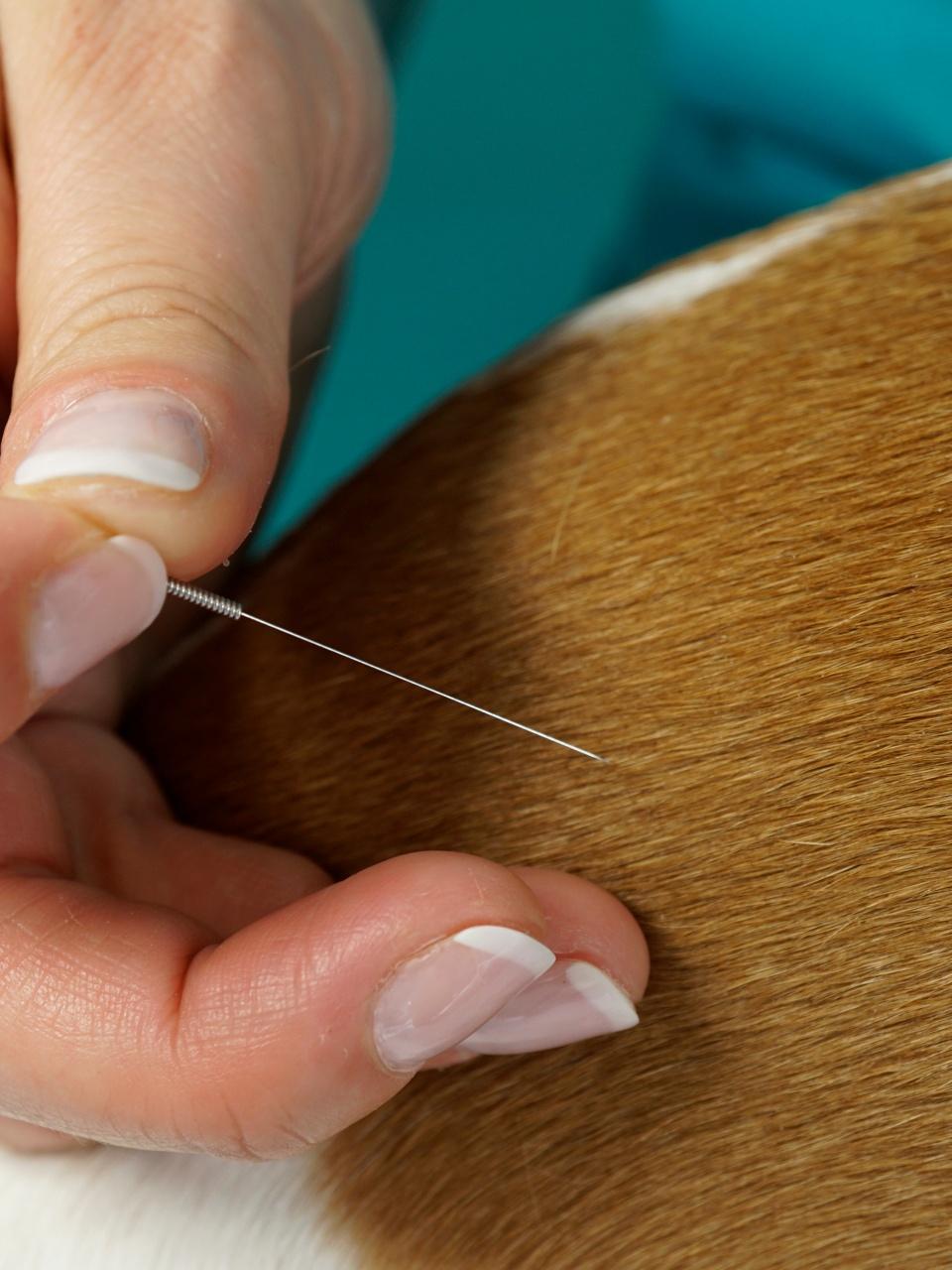
Complementary therapies like acupuncture and herbal medicine may be something some owners wish to explore. However, scientific evidence here is lacking and results are highly variable. Always make sure any sort of adjunctive therapy is supervised by your veterinarian.
We can usually expect to manage this condition well and to restore both a good quality of life for the patient, and a happier home life for the owner! Thankfully, response to medicine tends to be very positive and should not take longer than a few days.
Long-term monitoring is important and dose adjustments are not uncommon. Regular check-ups and urine analyses help ensure the dog is coping well.
We want to be especially vigilant for any evidence of urine scalding on the skin or urinary tract infections, as these patients are particularly prone to them.
Veterinarians are aware that the many check-ups, urine tests and medication can become costly. However, the cost of this has to be weighed against the potential problems if left untreated i.e. ongoing soiling in the home and needing to replace furniture and bedding, sore skin, infections. There would be a huge impact on the dog and household alike.
If the financial side of things is a concern for you, please discuss this with your vet so they can try to keep costs down. This can mean purchasing medicine from an online pharmacy, and keeping tests to a safe minimum. Remember, your pet's care should always be a shared decision between you and their healthcare provider.
Contact your local vet if you’ve noticed any recent wet fur, leaking or dribbling of urine, or if your dog has been leaving patches of wet behind them.
Where possible, it can be helpful to bring along a fresh urine sample. This can be collected in a ladle or tupperware box, while she is passing urine. Store it in the fridge if your appointment is not for another few hours.
If you can, keeping a simple log noting when accidents happen and in what quantity, can be quite helpful for your vet. This is especially true during the first couple of weeks of therapy.
Remember, your vet is there to support you — by working together, you can ensure your pet receives the best possible care and any urinary incontinence is addressed as quickly and effectively as possible.
Follow Us On
Check Out Our Most Popular Content