Your Cart is Empty


Sleep Norms for Different Ages
A dog’s sleep habits and structure vary quite a lot from ours. You may notice your dog has several ‘cat naps’ throughout the day, and is happy to wake at any time through the night, if disturbed. This ‘polyphasic’ sleep pattern means they have many bursts of sleep, throughout both the day and the night.
You should get to know your dog’s sleep habits, as they will be unique to them. Sleep behavior varies a great deal from one pooch to another, and depends on things including age, breed, daily activity levels, and health. Picking up on changes can help you identify any problems or medical issues early on.
This article is a comprehensive guide to canine sleep, exploring dog sleep by age, common sleep problems, and how to manage sleep disorders effectively. Read on to become an expert on your dog and his sleep.
How Many Hours a Day Do Dogs Sleep in Total?
Why Do Dogs Need So Much Sleep?
Are Sleeping Habits Dependent on Breeds?
How Often Do Dogs Nap During the Day?
Signs Your Dog Isn't Sleeping Enough
Which Sleep Behaviors Are Concerning?
When Sleep Might Indicate Health Issues
What About Dog Sleep Disorders?
Factors That Affect Your Dog's Sleep Quality
It may surprise you that your dog needs quite a lot more sleep than you. Although sleep needs vary with age, a dog of any age is not going to be happy with the meagre seven or eight hours a night that we get by on.
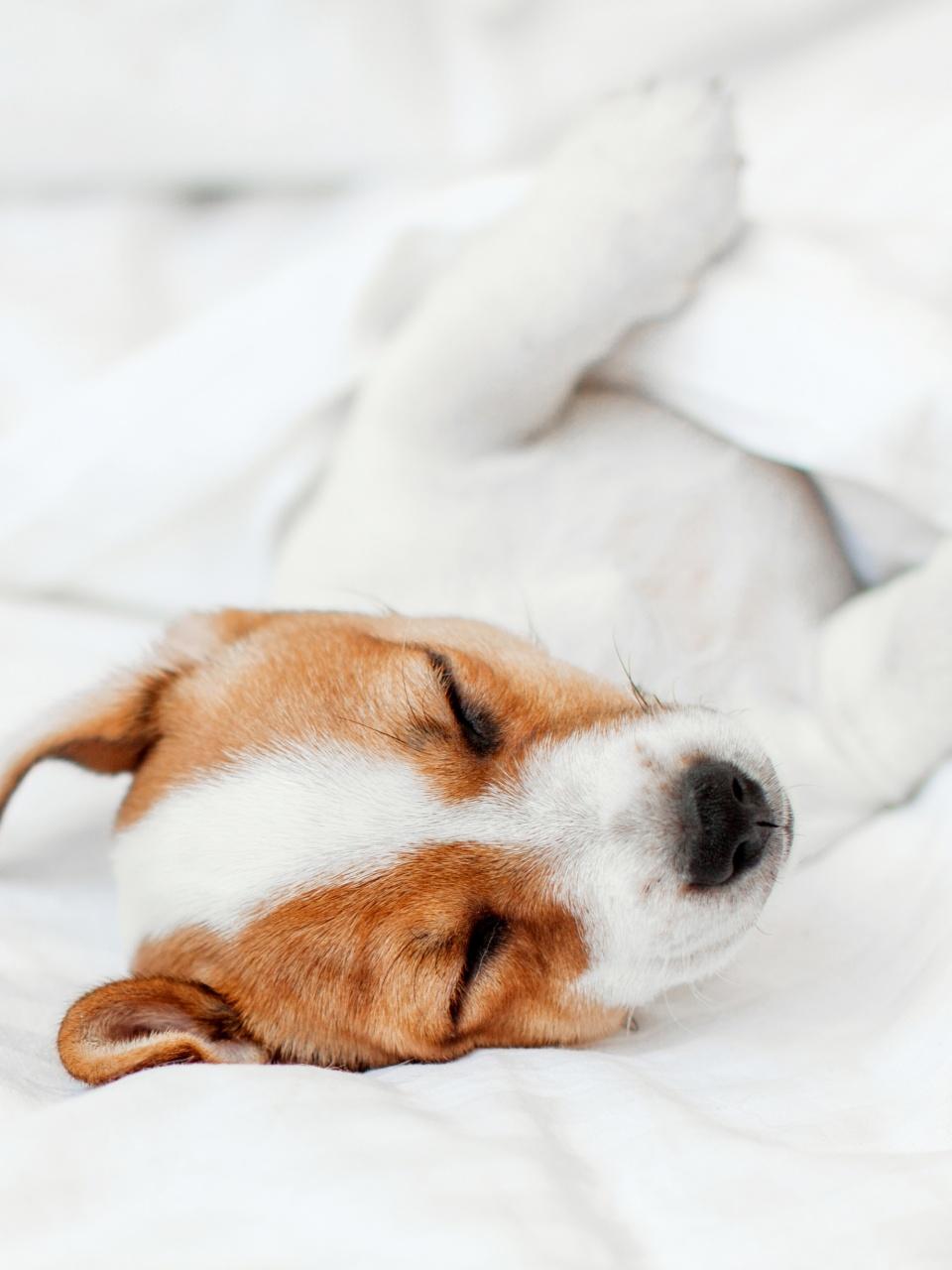
Puppies are champion sleepers. Their first few weeks of life are largely spent sleeping, with small periods of feeding and toileting in between. This is comparable to a human baby. At this age, they are growing rapidly and going through huge leaps in mental development- two things which require vast amounts of energy and reserves.
Their sleep cycles are highly fragmented, as their nervous systems mature and they struggle to link sleep cycles and have prolonged rest periods.
Adults need the least amount of sleep, reflecting the fact that their brains and bodies have already developed. They sleep both in the day and overnight, experiencing ‘polyphasic sleep cycles’, meaning they prefer to sleep and wake several times a day, rather than having one long sleep like we do.
Never restrict your adult dog’s daytime naps, as they are a very important part of their sleep. They are used to recharge both brain and body, and are equally as vital as night time sleeping.
You will notice that your golden oldie requires more sleep as they mature. Their metabolism slows down and they often experience reduced hearing and vision; making them less responsive to the world around them.
For many older dogs, health issues (like arthritis, hormonal imbalances, or organ failure) will be at play, making them require more time to recharge and also taking away some of their vitality and willingness to run about.
You’ll likely notice that senior dog sleep is quite disrupted, and many older dogs will be restless at night and find it harder to sleep for long stretches.
Through the ages, dogs have evolved to have sharp bursts of activity (like playing and hunting) interspersed with rest and sleep. There are many things at play, influencing their high sleep needs.
Puppies and seniors need the most sleep.
The rapid growth and brain development experienced by young puppies is a huge drain on energy reserves.
Older dogs have high recovery needs thanks to their slower metabolic rate, reduced circulation, decreased cell regeneration and chronic medical issues.
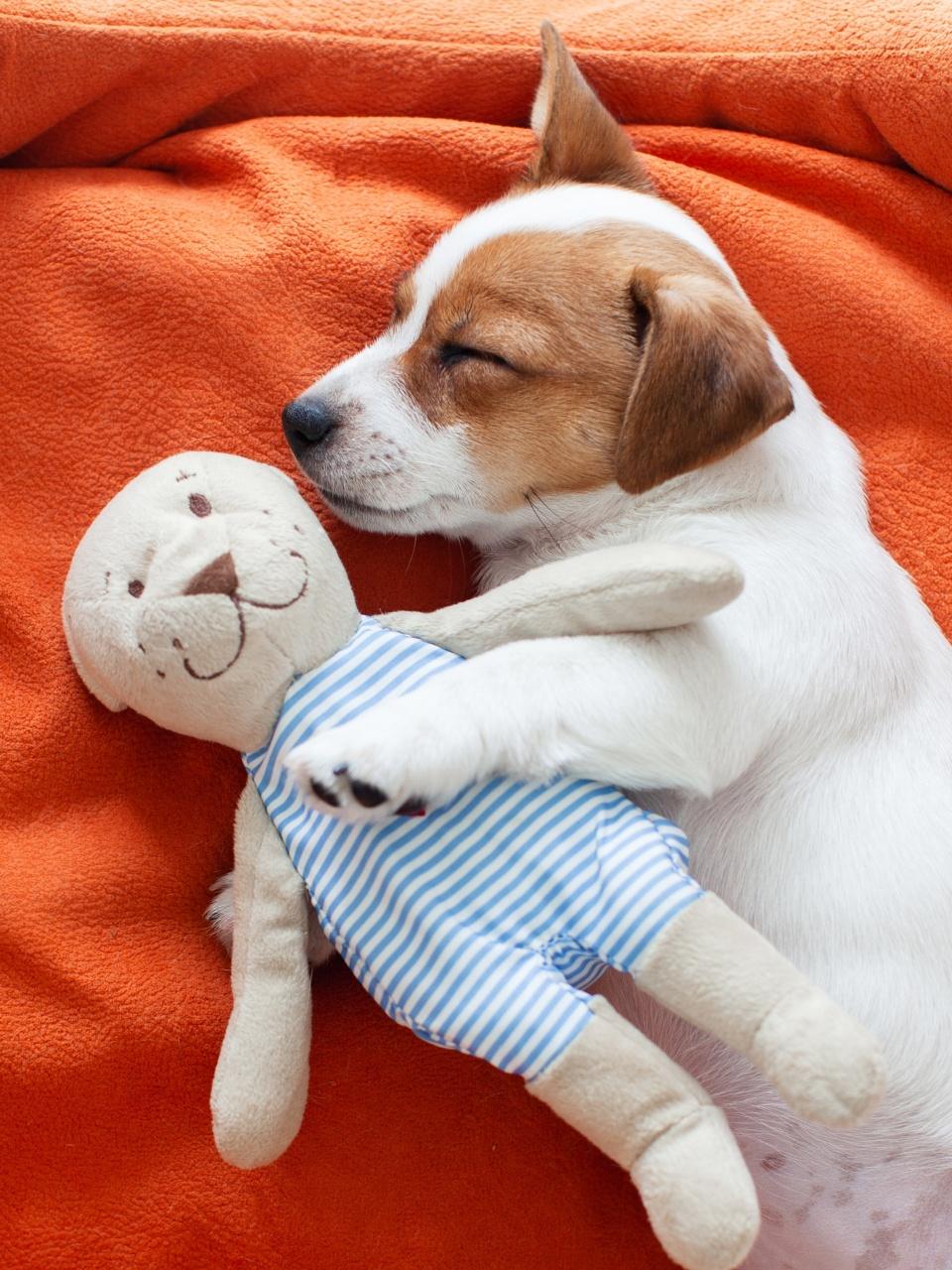
Sleep needs vary significantly from one breed to another. Over time, we have specifically bred dogs based on factors including their energy levels, exercise requirements, and preference for lounging about!
Larger breeds like Mastiffs and the Great Dane will sleep more as they need to conserve more energy, have a slow metabolism, and generally struggle with joint issues.
Workingbreeds like the Retrievers, Hounds, Collies, and Spaniels can dedicate more time to moving and working and require comparatively less sleep.
Companionbreeds such as the Maltese, Pekingese, and Shih Tzu were prized as lap dogs through the ages- chosen for their ability to sit still and rest for hours on end. These guys like to sleep.
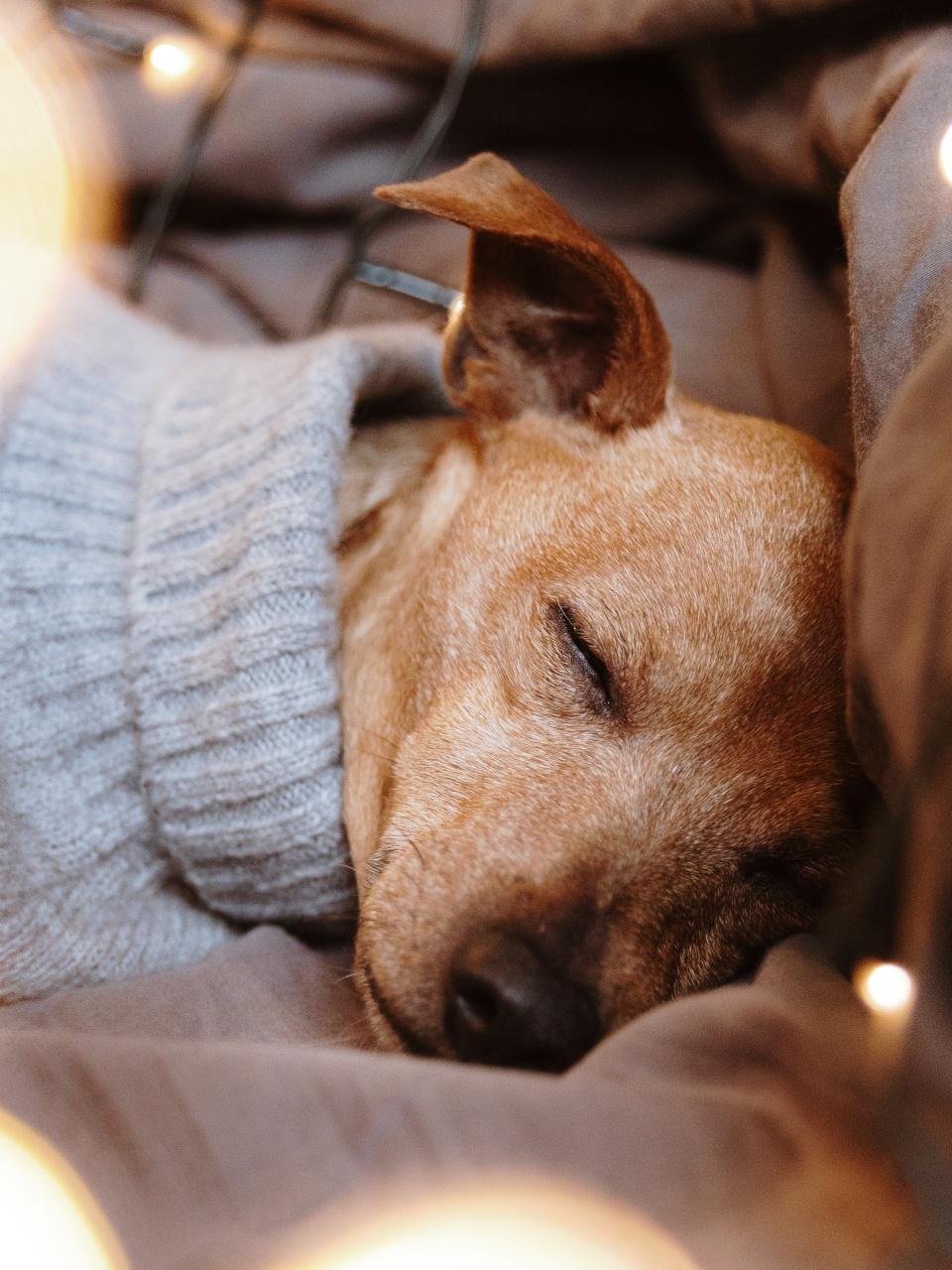
The answer to ‘How long does a dog sleep?’ is highly influenced by both their health and lifestyle.
Activity levels influence sleep requirements. You’ll have likely noticed the pattern- your dog sleeps a lot more the day after a long hike. In contrast, a lazy day can precede hyperactivity and an unsettled dog who struggles to relax.
Environmental factors. Often I notice that pets who come from a busy household with lots of people and animals are more energetic. On the other hand, a dog who lives with a quiet person or seniors, typically mimics their energy levels over time.
Overall health status impact. It goes without saying that a dog who is unwell (whether an acute or chronic illness) will need more sleep.
There is no doubt that sleep habits depend on breed- factoring in their size, health, and what they have been bred to do.
This table outlines general sleep requirements by breed, focusing on some of the most popular pet dogs:
| Breed | Breed Type | Average Sleep (hrs/day) |
|---|---|---|
| Bulldog | Companion / Low-energy |
14 - 16 |
| French Bulldog | Companion | 13 - 15 |
| Great Dane | Giant Breed | 16 - 18 |
| Mastiff | Giant Breed | 16 - 18 |
| Saint Bernard | Giant Breed | 16 - 18 |
| Greyhound | Sighthound | 14 - 16 |
| Basset Hound | Scent Hound | 14 - 16 |
| Labrador Retriever | Sporting | 12 - 14 |
| Golden Retriever | Sporting | 12 - 14 |
| Beagle | Hunting / Active | 12 - 14 |
| German Shepherd | Working | 11 - 13 |
| Border Collie | Herding / High-energy |
10 - 12 |
| Australian Shepherd | Herding / High-energy | 10 - 12 |
| Jack Russell Terrier | Terrier / Very active | 9 - 11 |
| Chihuahua | Toy breed | 12 - 14 |
| Poodle (Standard) | Sporting | 12 - 14 |
*Be aware, puppy sleep requirements are higher.


‘Cat nap’ is a bit of a misnomer, as dogs love sleeping too.
Dogs pepper their naps throughout the day, and while some may have 2 or 3, others can have many more than this. Naps will last anything from a few minutes to a couple of hours, and they’re usually taken at times of the day when the household is quiet.
Your dog should be quite happy to wake up from their nap as soon as something more exciting is going on- like the postman coming to the door or a friend coming over to play.
You’ll find your dog naps a lot more on days when there is not much going on, the weather is bad or when they’ve had plenty of exercise the day before.
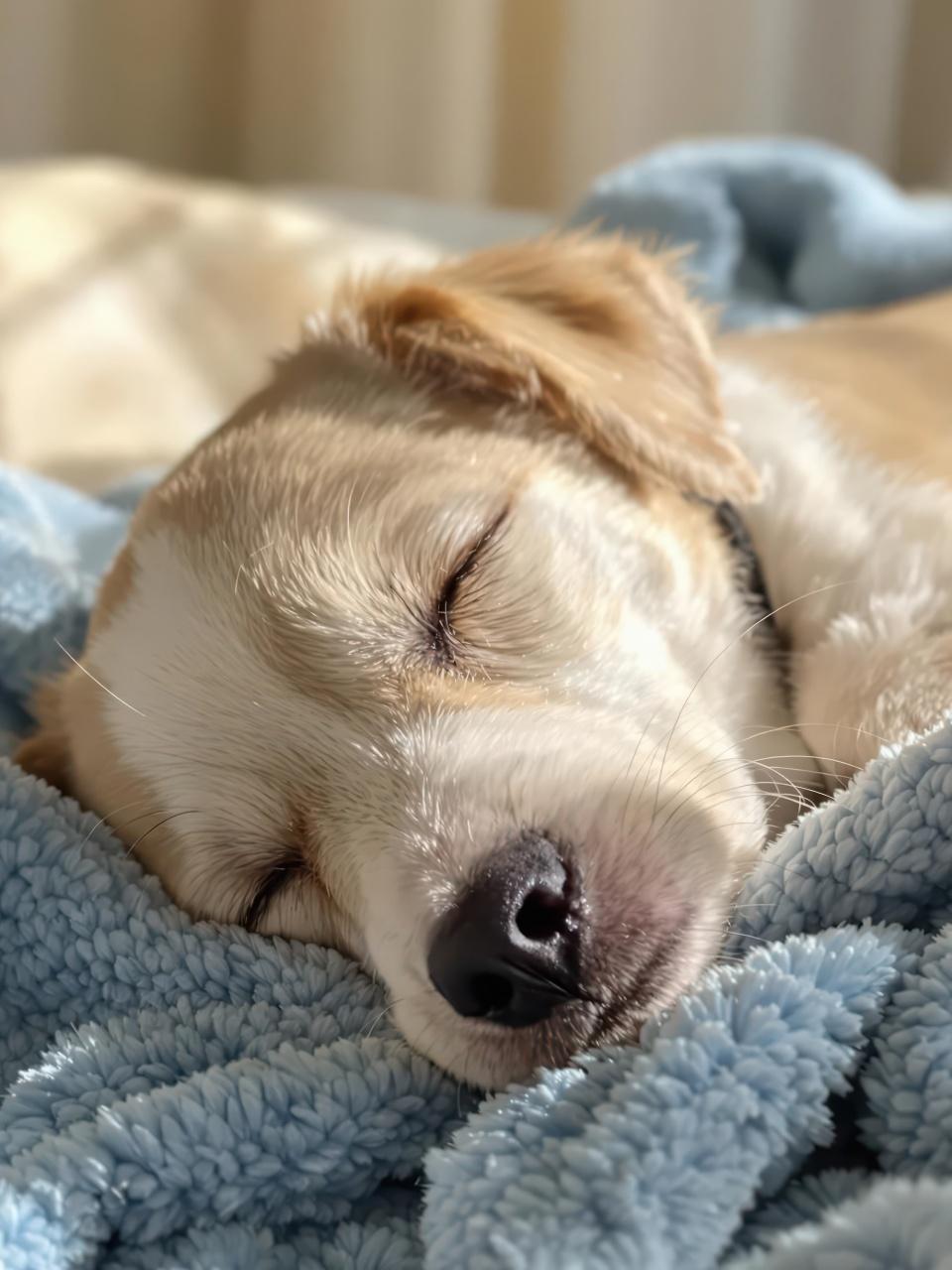
Many owners worry that their dog is not getting enough sleep.
Some signs that can indicate poor sleep include restlessness, irritability, increased reactivity and grumpiness.
As the brain is not well rested, you’ll likely find that your dog struggles to pay attention during training, is quick to forget things, and struggles to take on much new information. This can be irritating for owners and pets alike.
A lack of sleep puts huge stress on the body, and this can show up in a poorly functioning immune system and a propensity for picking up infections such as stomach upsets and respiratory infections.
You may find your dog loses their appetite at times, and picks at their food. They may also have less energy and be less eager to play or go for a walk.
These dogs are less resilient and struggle more to cope with stress. Something that may not have bothered them before (like a storm or new visitor) may suddenly set them on edge and cause them to retreat to another room or bark.
Your beloved pet may also start to experience mood swings, and to tolerate certain situations well some of the time, but not others. It can be hard to cope with this unpredictability and many owners will struggle to understand why their dog is behaving like this.
Sleep is a good indicator of general health and certain behaviors or shifts in sleep patterns can be a warning.
Sudden changes in sleep patterns without an obvious explanation
Extreme lethargy with disinterest in usual activities
Frequent night waking, or restlessness and pacing at night
Breathing issues or unusual movements
Difficulty waking up
Sudden, unexpected sleep episodes
There are times when a change in sleep will be due to a medical problem. In this case, you would notice other symptoms too.
Dogs with an underactive thyroid, for example, sleep more. You may notice other signs such as heat-seeking behavior, weight gain and general lethargy.
Heart disease can also make dogs sleepier, due to the lower oxygen levels circulating in the body. As well as increased sleeping, your dog may get breathless, struggle to keep up on walks and cough.
A common issue in seniors is restlessness at night, and trouble staying asleep for long periods. This is seen with joint pain and arthritis (dogs tend to be slow and stiff) as well as canine dementia.
As a vet, I do not diagnose sleep disorders very commonly, but they are something to be aware of.
Narcolepsy is when a dog experiences sudden sleep attacks and collapse episodes. Muscle weakness (cataplexy) can be alarming to witness, especially before the dog has been diagnosed.
Predisposed breeds include the Labrador, Poodle, Dobermann and Dachshund. Although not curable, medication is available to help manage this condition. Owners will need to tailor their dog’s environment, avoiding high stress situations.
Sleep apnea occurs when dogs aren’t able to breathe easily while asleep- an issue typically seen in brachycephalic (short-nosed) and obese dogs. You may notice loud snoring, gasping and pauses in breathing.
If you are concerned your dog has this issue, consult your vet urgently. Those with Brachycephalic Obstructive Airway Syndrome (BOAS) often benefit from surgical correction.
Weight loss (where appropriate) can help a lot, as can keeping the room well ventilated. Dogs tend to benefit from ‘donut-style’ beds, so they can elevate their neck as they sleep.
Just as can be said for us, many things are going to affect your dog’s sleep quality.
Physical activity and mental stimulation
A thoroughly stimulated and exercised dog is typically one that will sleep well at night. If you are able to use up your dog’s energy and to keep their brain engaged, you should find that they sleep like a log.
Diet and digestive health
Over-feeding or giving a diet rich in sugars or carbohydrates can make it harder for your dog to settle and sleep. Similarly, regular stomach upsets or an imbalanced gut microbiome, can all lead to reduced sleep quality and frequent wake-ups.
Environmental factors
Do what you can to set up a restful sleeping area for your dog. This should be a place with low foot traffic that is secluded, quiet, dimly lit and a comfortable temperature. Be sure they have cosy bedding, and the option to sleep in a cooler spot if preferred.
Routine consistency and schedule changes
Dogs are creatures of habit. A consistent routine helps their body know when to rest and when to wake. You’ll likely notice your dog struggles to sleep or sleeps less when away from home or when their schedule is abruptly changed.
Anxiety, stress, and emotional well-being
A sympathetic nervous system that is stuck in the ‘on’ position can make it very difficult for a dog to switch off and sleep. Whether your dog is generally an anxious individual, or they are experiencing a stressful time in their life, this will have a huge impact on their sleep quality and duration.
You can have a big influence on your dog’s sleep, and simple changes can make all the difference.
Set a consistent daily schedule- aiming for similar wake times, feeding times, training times and walk times every day.
Create a quiet, dark sleeping area- your dog can’t be expected to sleep when the TV is blaring at full blast and all the lights are on.
Maintain appropriate temperature. Anything from about eighteen to twenty four degrees celsius is a comfortable sleeping temperature for most adult and senior dogs.
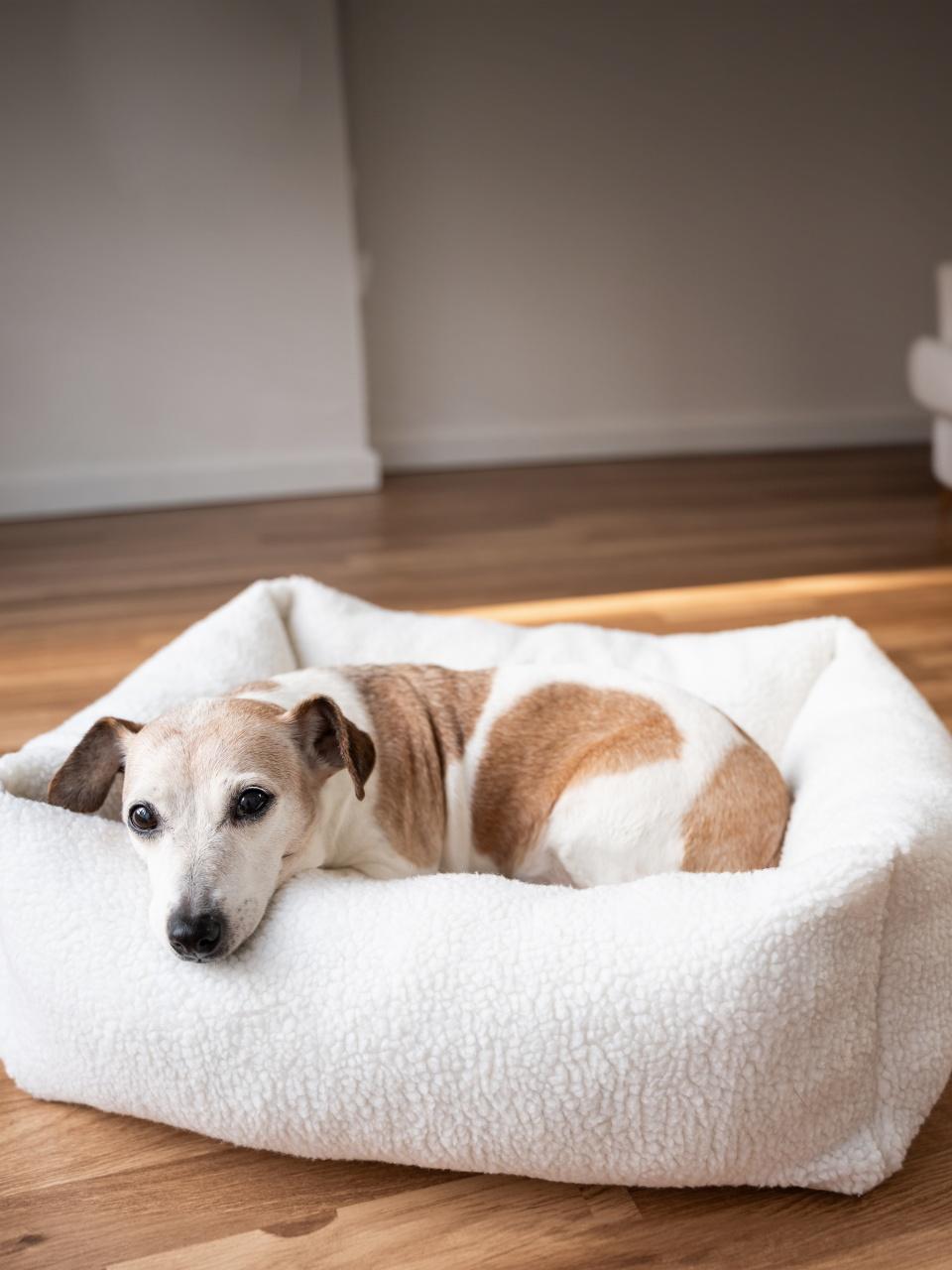
Invest in a quality, supportive dog bed. Opt for an orthopedic bed if your dog has joint disease.
Regular exercise is key. Specific needs vary by age and breed, but be sure not to under-exercise your dog.
Mental stimulation and training are just as (if not more) important than walks and runs. Keep your dogs on their toes and try to add plenty of variety here.
Allow for periods of relaxation without interruption. Try to be mindful of your dog’s sleep needs. While you may be happy to stay up from 7 a.m. to 10 p.m., they’ll need several periods of rest during this timeframe.
Create safe, familiar territory. Set up your dog’s sleeping spot and ensure it is not disturbed, and that your dog knows he can go there when needed.
Avoiding bed-sharing disruptions. Try not to wake your dog up with your alarm, and consider sleeping in separate rooms if you find you are constantly waking them up.
Follow Us On
Check Out Our Most Popular Content