Your Cart is Empty


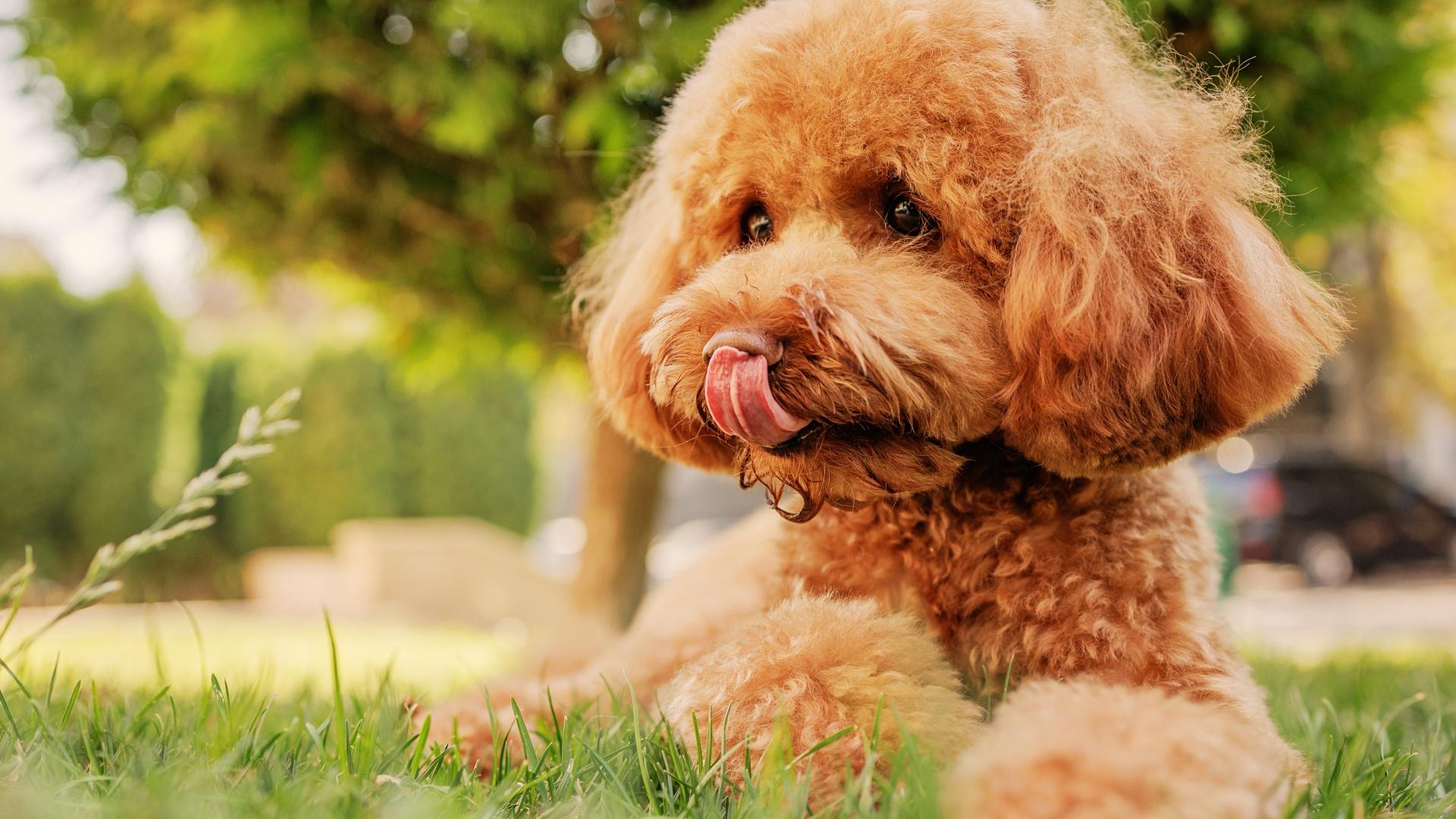
How long can a toy poodle hold its pee in the typical day? Well, the answer will vary depending on several factors such as the dog's age and lifestyle, and what they've been doing that day.
While the length of time will be no more than a couple of hours for a puppy, adult dogs should easily go for eight hours without urinating overnight. Take a look at our table below to get a better idea of what is expected for your dog, dependent on their current age.
How long can a toy poodle hold its pee?
Why toy poodles need more frequent potty breaks than bigger dogs
How long can a toy poodle puppy hold their pee?
How long can an adult toy poodle hold its pee?
Can a toy poodle hold its pee overnight?
What happens if a toy poodle holds its pee too long?
Health issues that change how long your toy poodle can hold it
Signs your toy poodle needs to go out
An adult Toy Poodle should usually be able to hold their pee for a good eight hours
A general rule of thumb is that a puppy holds their urine for about an hour per month of age
Young puppies need plenty of regular potty breaks, while an older dog just needs a handful each day
Once your dog has entered their adolescent phase of life, they should be able to hold their pee overnight
A sudden inability to hold their pee, passing no urine, or any urinary incontinence is a red flag, and warrants an urgent vet trip
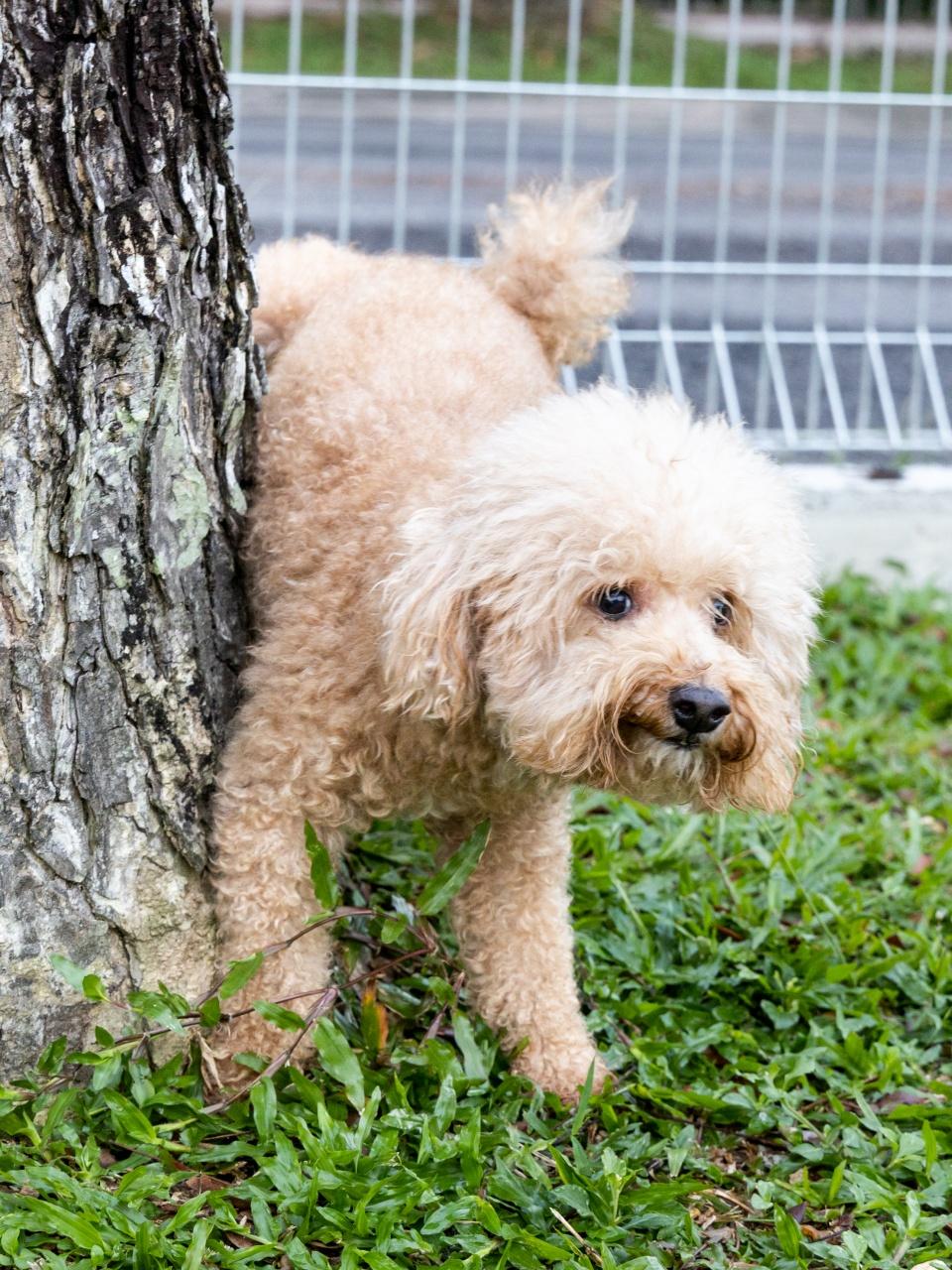
The length of time that a Poodle goes between pees depends heavily on their age. Keep in mind that there is a big difference between "can hold it" and "should be asked to hold it", as we do not want to constantly ask our dogs to stretch their bladders and hold it in.
You may notice that published ranges vary quite a bit and this is largely down to the fact that some sources focus on how long an individual dog should ideally go between pees while others quote the maximum amount of time possible.
We've summarized the stats in our table below:
| Age | Max time between potty breaks (daytime) | Potty breaks per day | Overnight |
|---|---|---|---|
| 8–10 weeks (two month old puppy) | 1 - 2 hours | 12 - 15 | 3 - 4 hours |
| 3 months | 2 - 3 hours | 8 -10 | 4 hours |
| 4 months | 3 - 4 hours | 6 - 8 | 4 - 5 hours |
| 5 months | 4 hours | 5 - 7 | 5 - 6 hours |
| 6 months | 5 - 6 hours | 4 - 5 | 6 hours |
| Adult (1 year+) | 6 - 8 hours | 3 - 4 | 8 hours |
| Senior | 4 - 6 hours | 6 - 7 | 6 - 8 hours |
As you can see above, that puppy rule of thumb holds true: Puppies hold their pee for about an hour per month of age, until they have more control over their bladder. An adult Toy Poodle is usually happy to hold their pee for a good 6-8 hours.
As mentioned already, the golden rule is 'A puppy holds his wee for about an hour per month of age'. However, this is a very crude summary as there is so much variation between each pup.
Of course, the rule does not continue to scale, and we cannot expect a 10 month old to hold their pee happily for 10 hours! Similarly, very young puppies need more frequent breaks than the rule alone implies.
Still, a puppies age correlates strongly with their ability to hold their urine and puppies hold their pee for longer periods as their bladder control improves. Things change quickly during the first several months of a pup's life and we need to keep up with them!
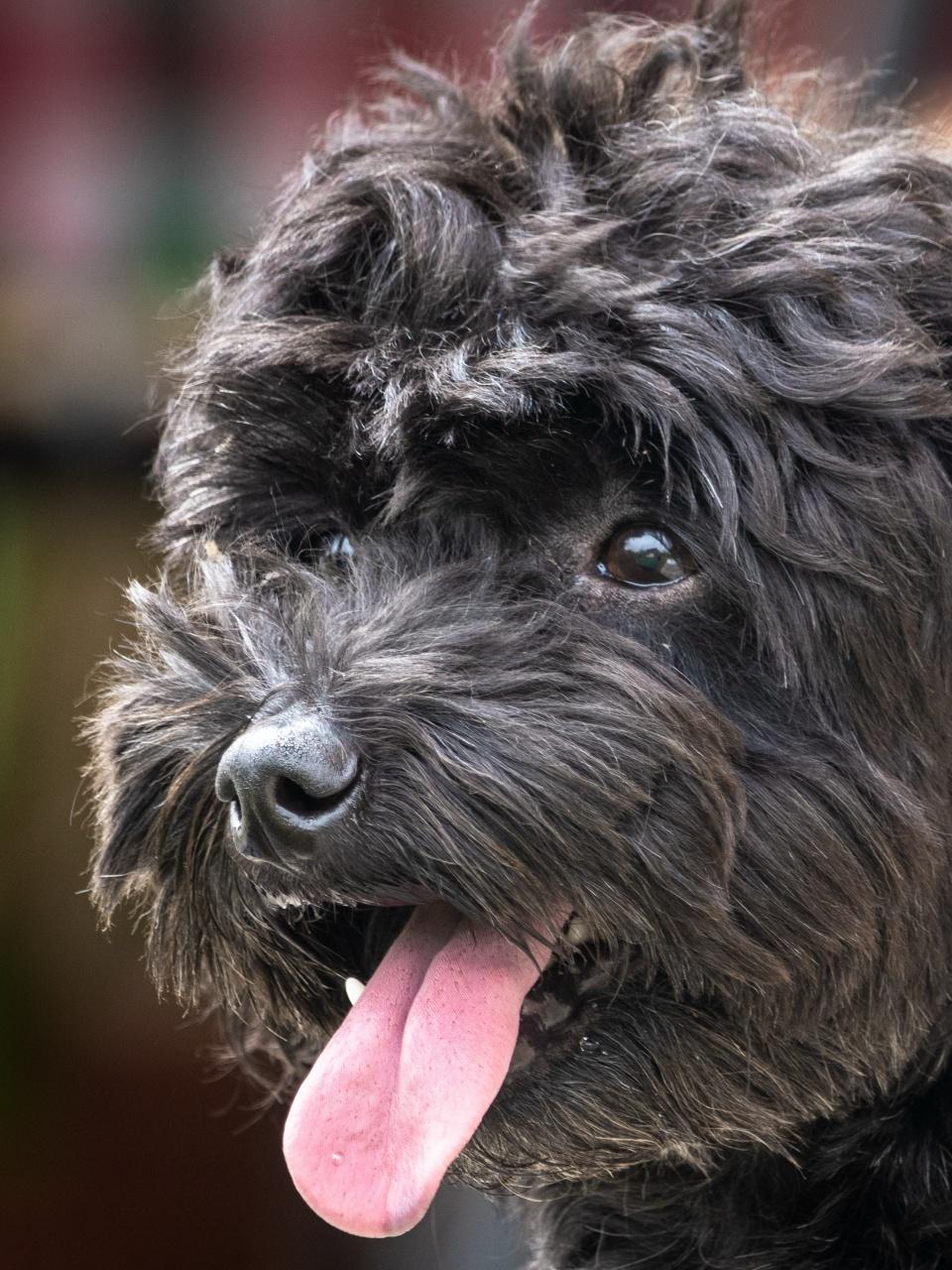
Weighing from four to six pounds, Toy Poodles are a very small breed of dog. Given their smaller size, they will have smaller bladders and this means they struggle to hold their pee for long periods of time.
Interestingly, smaller dogs also have faster metabolisms and process fluids more quickly. In the early days, this can mean more frequent accidents.
Given the above, a tiny toy Poodle stands no chance against larger breeds like a big Labrador or Great Dane! These little guys undoubtedly need more frequent potty breaks than other dogs. These regular breaks give them a chance to empty their bladder when it fills, avoiding indoor accidents.

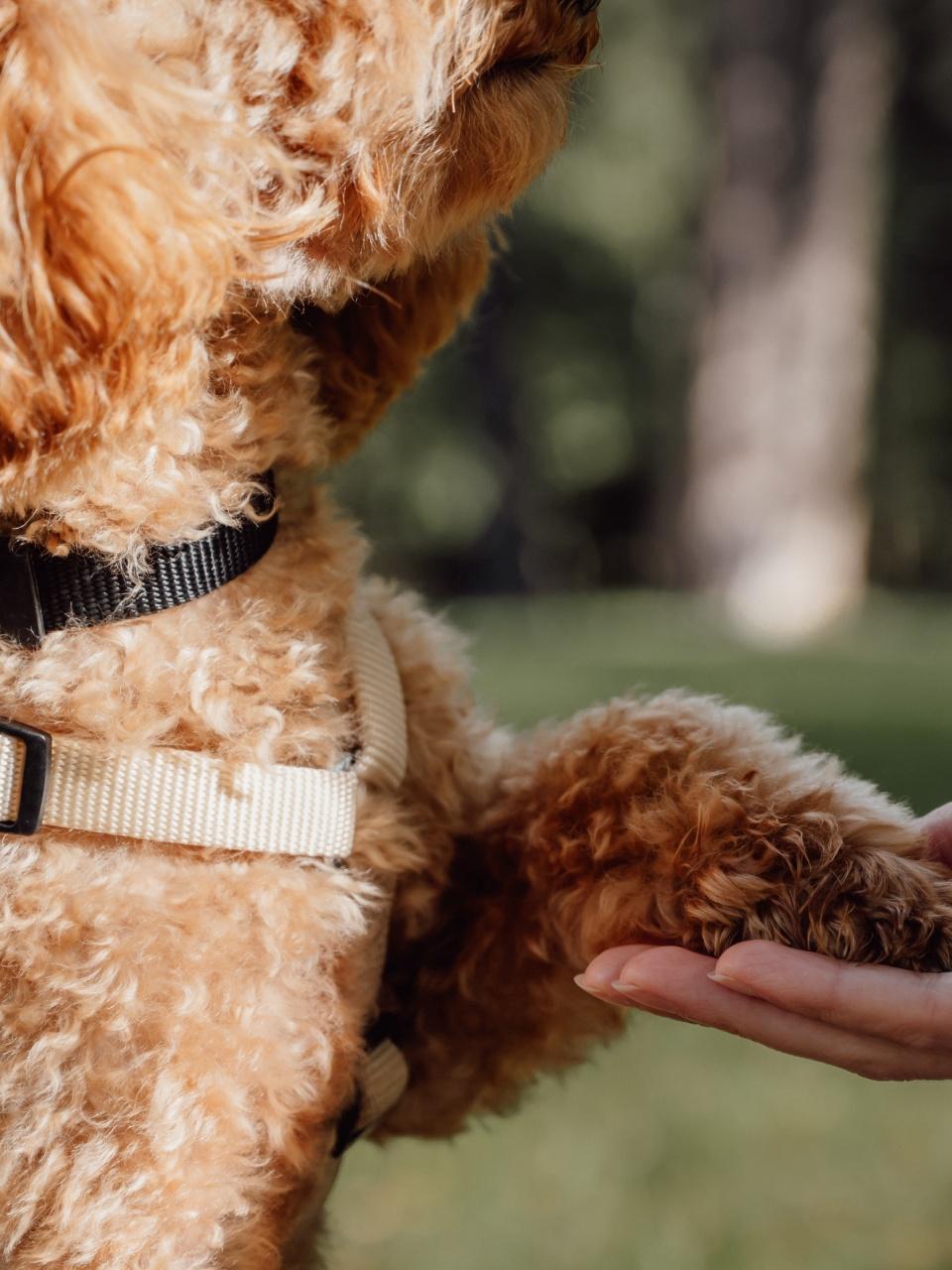
Your new puppy needs you to understand their bladder limitations. Between the ages of 2-6 months, these fluffy pooches need very regular bathroom breaks. At the same time, frequent unwanted accidents are expected. Puppies only hold their urine for so long, and house training is a process.
As a puppy parent, your role is to provide the opportunity for consistent potty training and to reward the good behavior when it happens. House training can be more frustrating in smaller breeds, but they get there in the end.
Let's take a look at a realistic schedule for your new Toy Poodle:
| Time | Bathroom Break |
|---|---|
| 7:00 AM | First thing on waking |
| 7:30 AM | After breakfast |
| 10:00 AM | After morning nap or play |
| 12:30 PM | After lunch (and about 10 minutes after drinking fresh water) |
| 3:30 PM | After afternoon nap or play |
| 6:00 PM | After dinner (and about 10 minutes after drinking fresh water) |
| 10:00 PM 2.00AM | Last thing before bed And another (boring and quiet one) half way through the night |
A potty schedule does not have to be over-complicated. Aim for plenty of breaks and schedule them around sleeping, eating and drinking. The most effective potty training stems from being consistent with timing.
Healthy adult dogs manage a longer stretch than most owners expect, but remember that "can" is not "should", and routinely maxing it out is how you get accidents and urinary problems. Yes, these guys can typically hold their pee for 8 hours, but this is a big ask from a dog owner.
Your adult dog should have several toileting opportunities spread throughout the day. When pet parents are away from home for an 8+ hour day it is wise to consider a mid-day dog walker or provide an indoor bathroom option. Daycare is another consideration here too.
While true that adults have better control of their bladder than puppies and seniors, we do not want to constantly put their bodies under stress. Fewer potty breaks per day can set your dog up to fail.
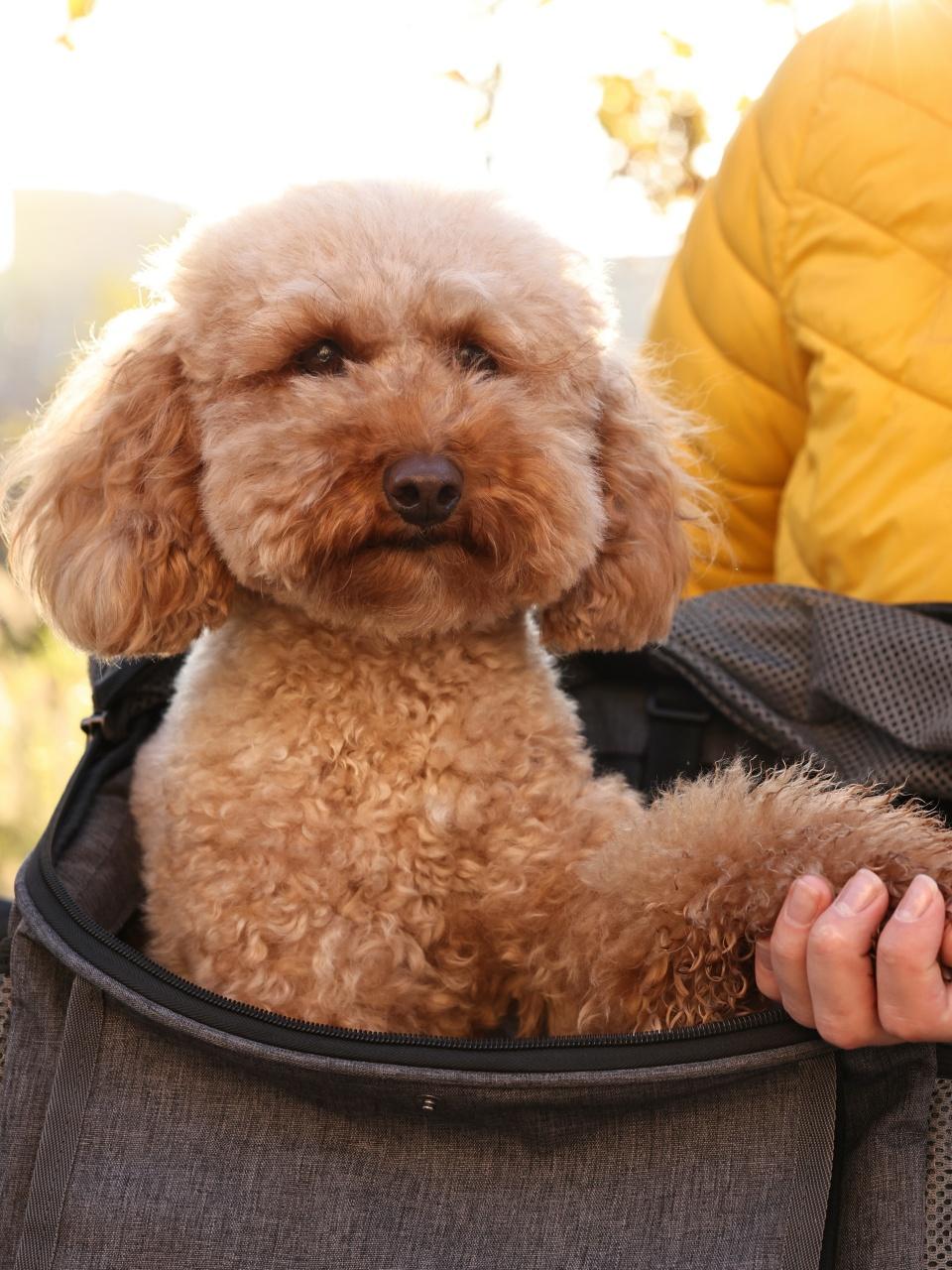
For an adult toy poodle, is it not unreasonable to expect them to be able to go the whole night without a toilet break. However, this is asking too much of a young pup. Most puppies under six months will need to be brought out for a bathroom opportunity during the night, to avoid soiling indoors. Their bladder control is just not developed enough for 'all-nighters'.
Senior dogs who suddenly start to pee overnight may have a medical problem. This can be seen, for example, in seniors with mobility issues or who have canine dementia. It is also a problem in those Poodles who have health issues such as Cushing's disease, diabetes, or kidney disease.
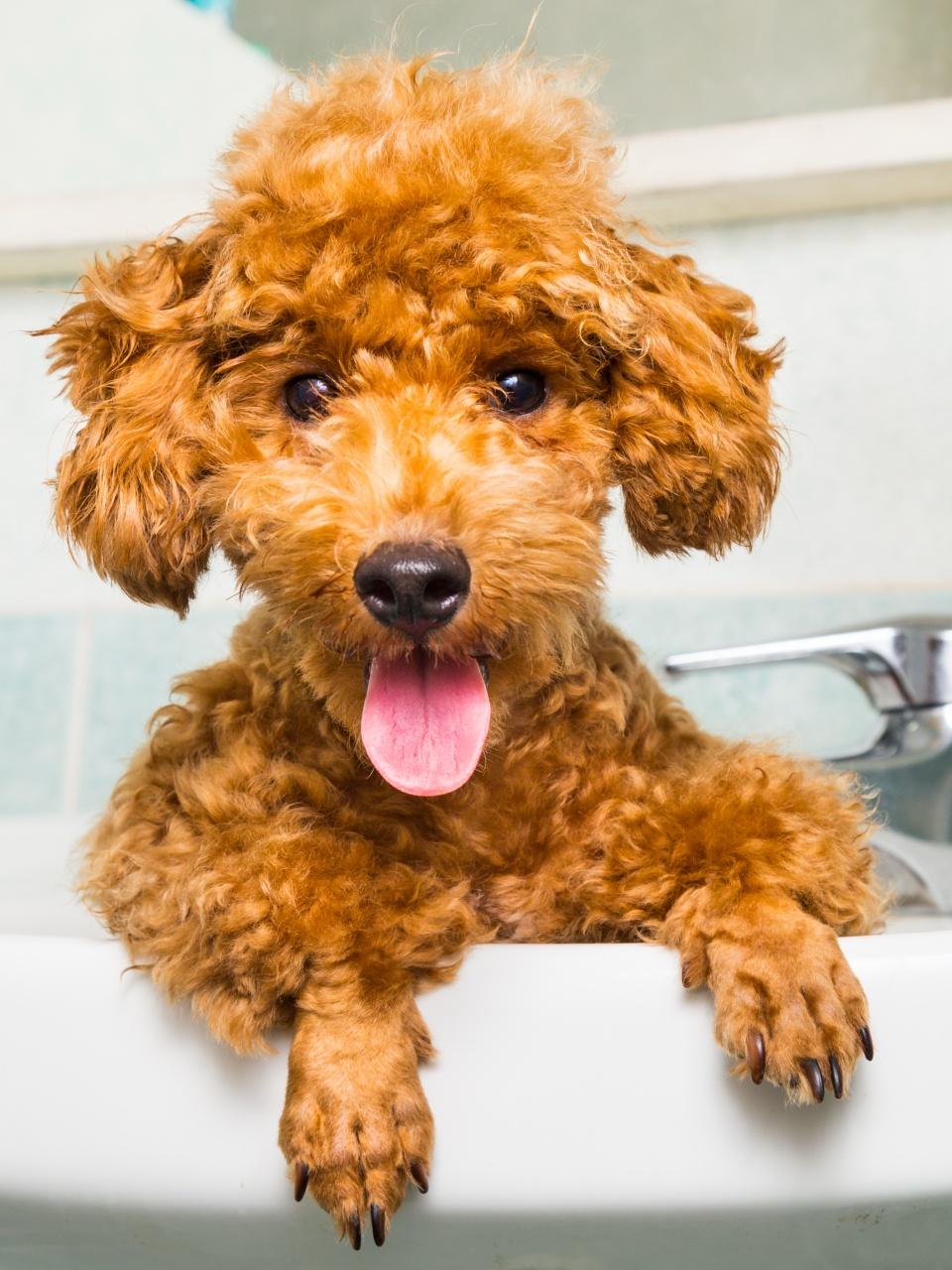
Repeatedly holding urine is linked to urinary tract infections and bladder stones — and Toy and Miniature Poodles are among the small breeds over-represented for calcium oxalate stones.
Urine that sits in the bladder becomes more concentrated and crystals can form, creating the potential for bladder stones and urinary tract infections. Fewer breaks has the potential to mean big health issues down the line.
Also, stretching the routine produces more accidents, not fewer. To provide a solid house training program, you need to be providing lots of opportunities for bathroom breaks.
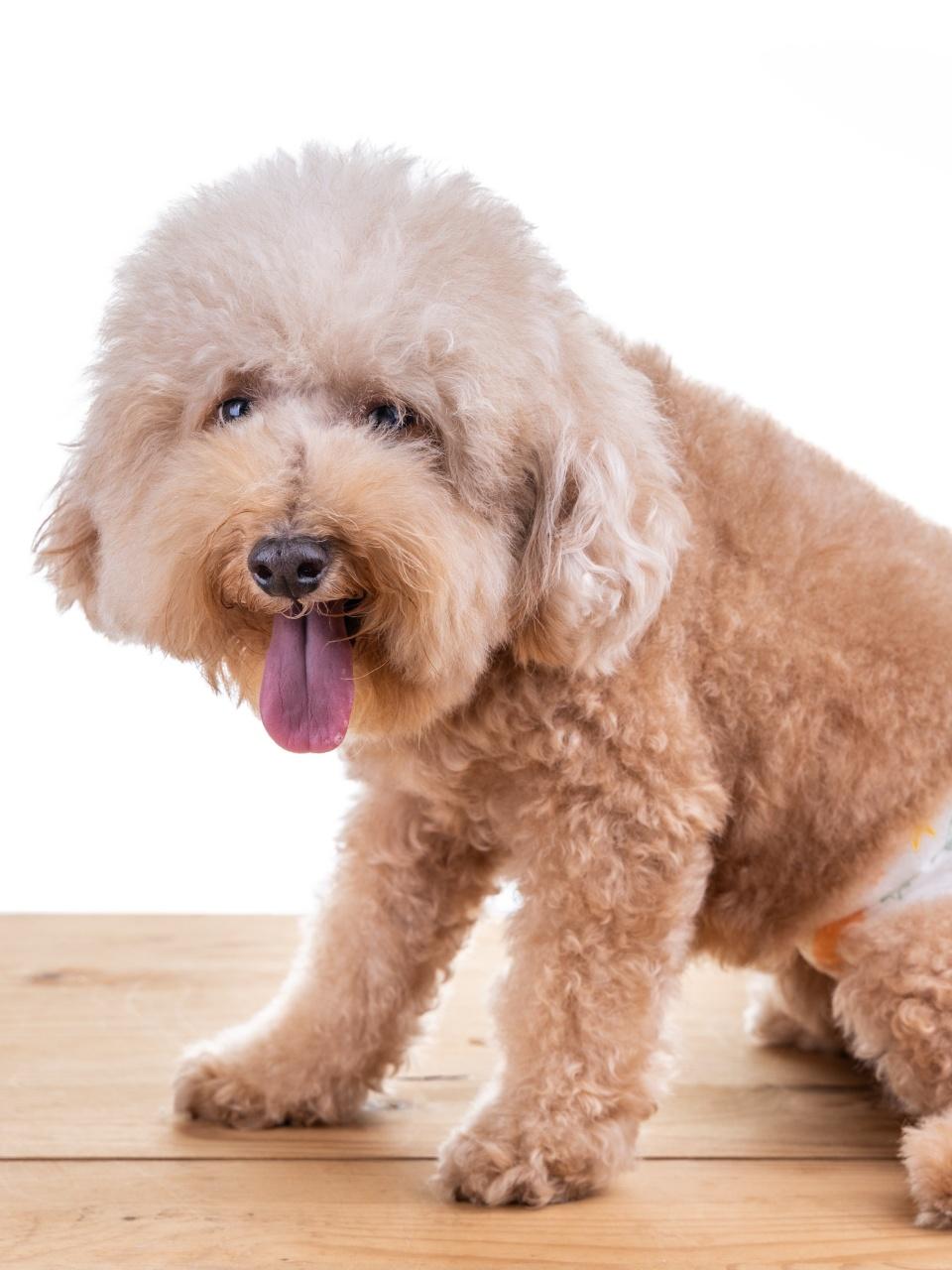
A sudden change in bathroom habits is a health signal, not a behavior problem. This is especially true when we are dealing with a senior Toy Poodle, or an adult who has had toilet training cracked for some time.
Keep an eye out for symptoms such as:
Bloody or cloudy urine
Strong or foul-smelling urine
Peeing a lot more frequently
Indoor accidents
Licking of genitals
Difficulty passing urine
Excess thirst
Crying when urinating
Health issues can occur at any age, and be aware that Toy Poodles are prone to diseases including diabetes and urinary issues like bladder stones.
Arrange an appointment with your vet if you've noticed any of the symptoms listed above or if your dog's toilet habits have suddenly changed.
Be aware: It is a true emergency if your pet is straining and nothing is coming out. This can indicate a blockage of the urinary tract, which becomes quickly life-threatening.
Even young puppies are good at giving signal when they need to go out. However, we are not always so good at listening. Some of the typical signs include:
Circling
Sniffing the floor
Whining
Scratching at the door
Sudden restlessness
Acting eager to leave the house
Heading back towards a previous accident spot.
As touched on before, you are aiming to provide your Toy Poodle with a consistent schedule. They need to understand that they will be getting regular toilet breaks when they need them.
As well as this, reward them immediately when they toilet in the right spot, with praise and high-value treats. This positive reinforcement helps your dog understand the fact that toileting outdoors is a good things.
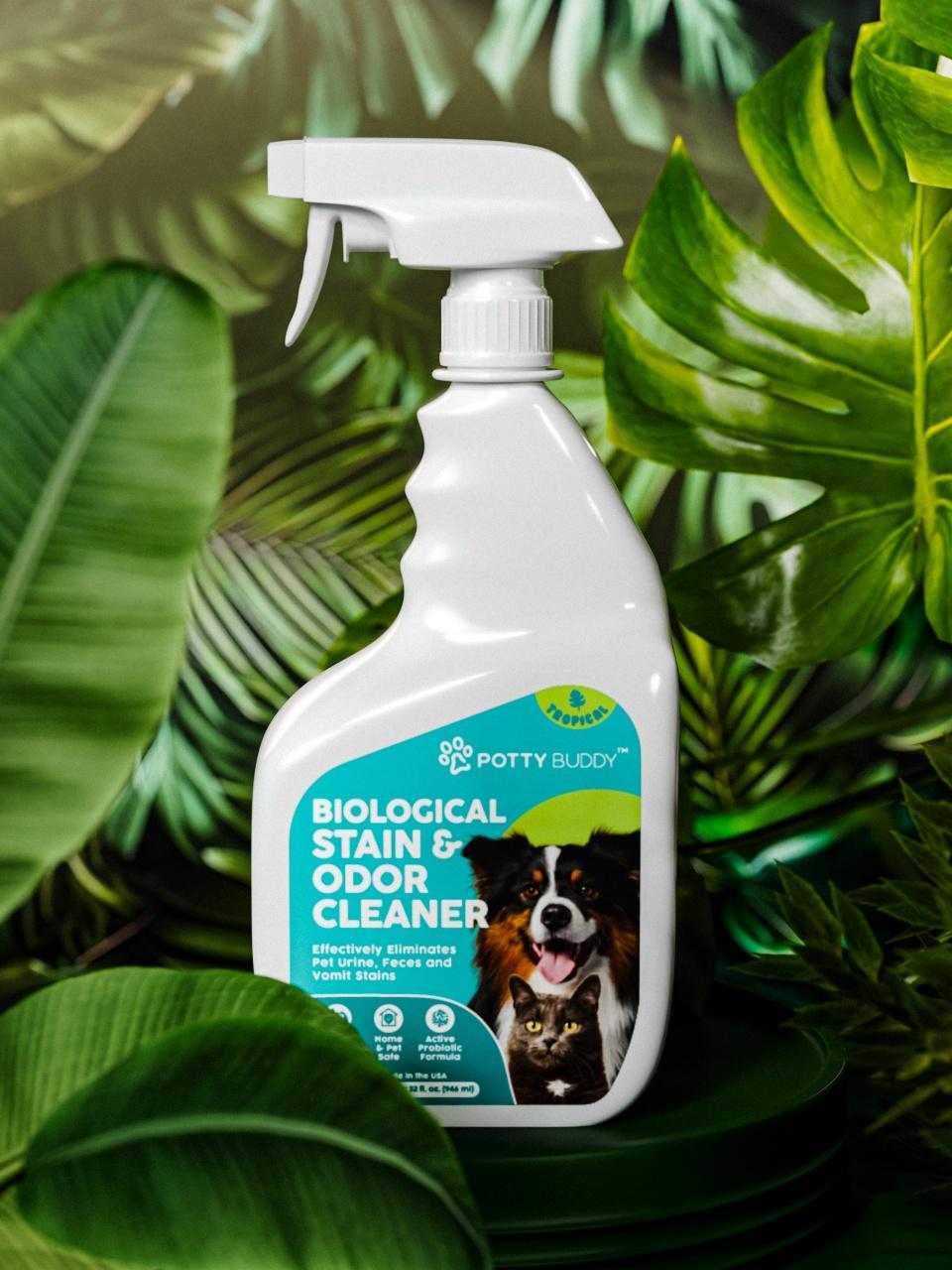
Never punish an accident discovered after the fact; all this does is teach your dog to hide away when they want to potty. Accidents should be cleaned with anenzymatic cleaner and serve as a little reminder that your dog may need some more frequent bathroom breaks!
Do not grant too much freedom in the house too early; this makes it a lot harder for you to spot the signs when your dog needs to go.
You may want to usewashable pee pads as an indoor option, when a long absence is unavoidable.
Follow Us On
Check Out Our Most Popular Content