Your Cart is Empty



All un-spayed female dogs will experience going into heat many times throughout their lifetime. Heat cycles in dogs are a normal and natural process and they tend to occur with predictable timing. Knowing all about your dog's heat cycle enables you to plan around it and to feel confident and reassured when it is happening.
What is the heat cycle in dogs?
When do dogs have their first heat?
How often do dogs go into heat?
How long does a dog’s heat cycle last?
The 4 stages of the dog heat cycle
How do you know when a dog’s heat cycle is over?
How to care for your dog during her heat cycle
Dogs experience their first heat cycle between 6-24 months of age
Many dogs will then cycle every 6 months or so, but this can vary
There are four stages of the heat cycle: Proestrus, estrus, diestrus and anestrus
Once your bitch starts her first season, she will be fertile and has the potential to have puppies if mated during certain windows
The dog's heat cycle is a 2-4 week period of great hormonal change. During a window in this period, the female becomes receptive to the male and can become pregnant. The estrogen, progesterone, LH and prolactin hormone levels are what drive the changes within the body.
You may have also heard the term 'in heat'. This phrase has been used in a colloquial way for many years to describe a female that is showing signs of wanting to mate, while in their fertile period.
While it is true that there is some blood when dogs experience heat cycles, this is not true menstruation. The bloody discharge seen is simply a response to hormonal changes and a knock-on effect from the increased blood flow to the reproductive tract.
During the dog's reproductive cycle, their endometrial lining is not shed outside of the body, unlike humans when they have their period. On top of this, female dogs never go through menopause, and continue to have heat cycles into their old age.
The first cycle will occur any time between about 4-24 months of age, with large and giant breeds taking longer to become fertile and smaller breeds typically entering their first estrus cycle before they are 9 months old.
It is not uncommon for the first heat cycle to be a silent cycle, with symptoms that are barely noticeable. However, the female will still be fertile.
On average, dogs go into heat twice a year. However, this can be a bit more frequent in large and giant breeds. For young dogs, it can take a few years for things to sync up and initially they can experience irregular cycles.
As your dog becomes a senior, you may noice that she starts cycling less frequently. However, be aware that there is still a risk of unwanted pregnancy, at any age.
Overall cycle lengths vary widely from one dog to another, though the cycle length tends to hold true for the individual. A typical cycle will last from 2 to 4 weeks. If a cycle lasts longer than this, it is worth having a chat with your local vet.

The estrus cycle has 4 distinct and predictable phases.
| Stage | Typical Length | What You See | Fertile? |
|---|---|---|---|
| Proestrus | 6-11 days | Swollen vulva, bloody discharge, attracts males but not receptive | No |
| Estrus | 5-9 days | Discharge lightens, ovulation, receptive / “standing heat”, flagging | Yes |
| Diestrus | 2 - 3 months | Discharge stops, behaviour normalises; false pregnancy possible. | No |
| Anestrus | 2 - 10 months | Resting phase, body resets before the next cycle begins | No |
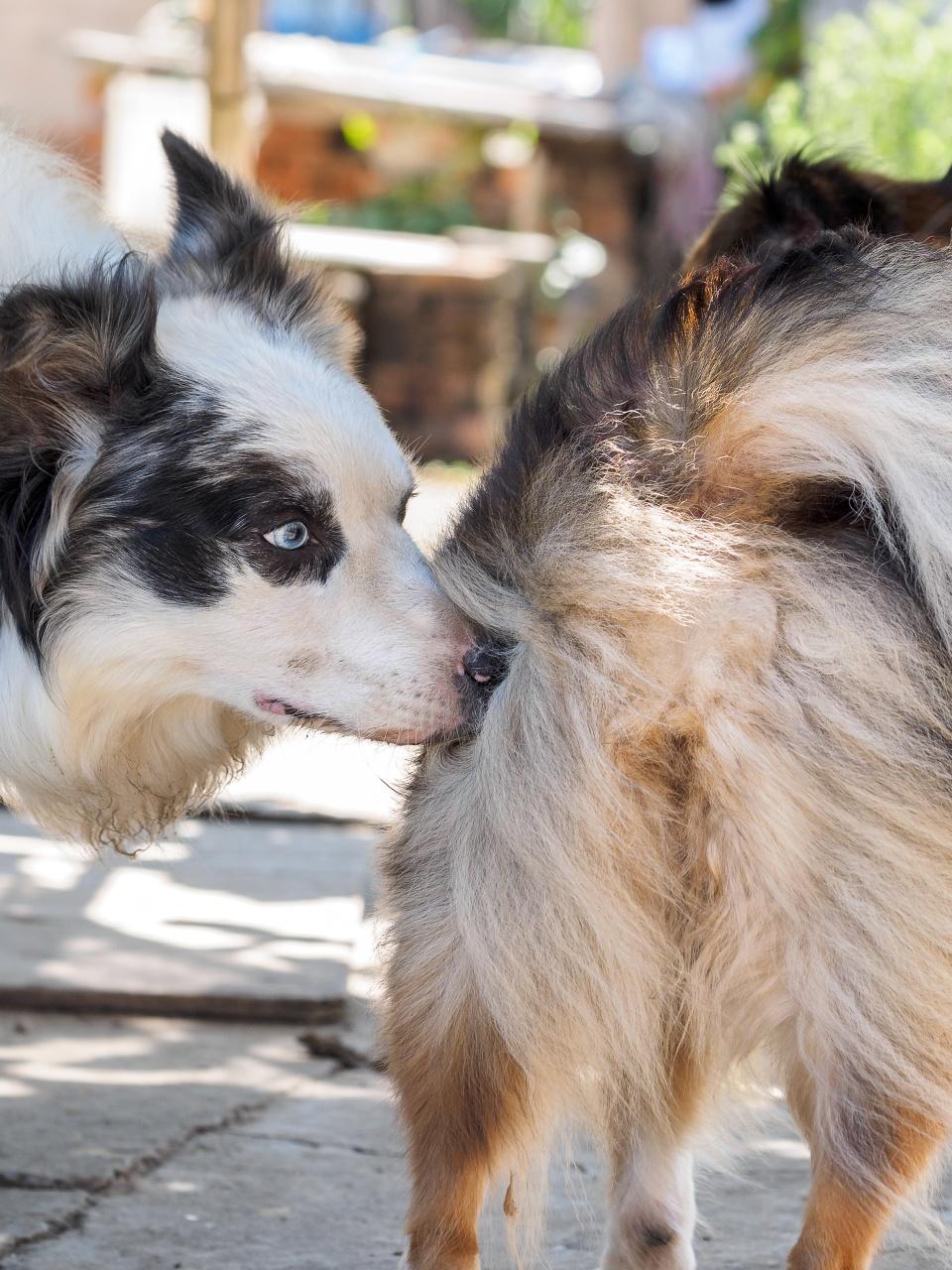
Proestrus is often confused by inexperienced pet parents for the fertile phase, due to the visible swelling of the vulva and the bloody discharge. At the same time, the bitch will attract local male dogs. However, she will not yet be receptive to their advances and may run away or become aggressive if they attempt to mate with her.
As the vulva becomes less swollen and softer and the discharge lessens, the female will now be receptive to the male. During her fertile window, you may notice a sign called 'flagging' whereby she will hold her tail up and to the side, to encourage mating.
This is the fertile stage and ovulation will occur about 48 hours after the LH surge. This is a change that your vet can detect using a blood test, if you are planning to breed your female and need to time the intercourse.


After the estrus phase, things start to settle down. The bitch is no longer fertile, she stops producing any vaginal discharge, and she will no longer be receptive to any sexual attention from male dogs,
While progesterone levels increase, the estrogen level drops right down. This can trigger false pregnancy, as it mimics what happens during a true pregnancy. A false pregnancy is nearly impossible to distinguish from a normal pregnancy without running tests (such as an ultrasound) as the signs are so similar and the timings line up.
There is a prolonged resting phase before the next cycle begins, when reproductive hormone levels are low. The body has time to rest and reset before the next cycle starts all over again. On average, this phase lasts 4 months but this is highly variable and depends on the dog's breed and age.
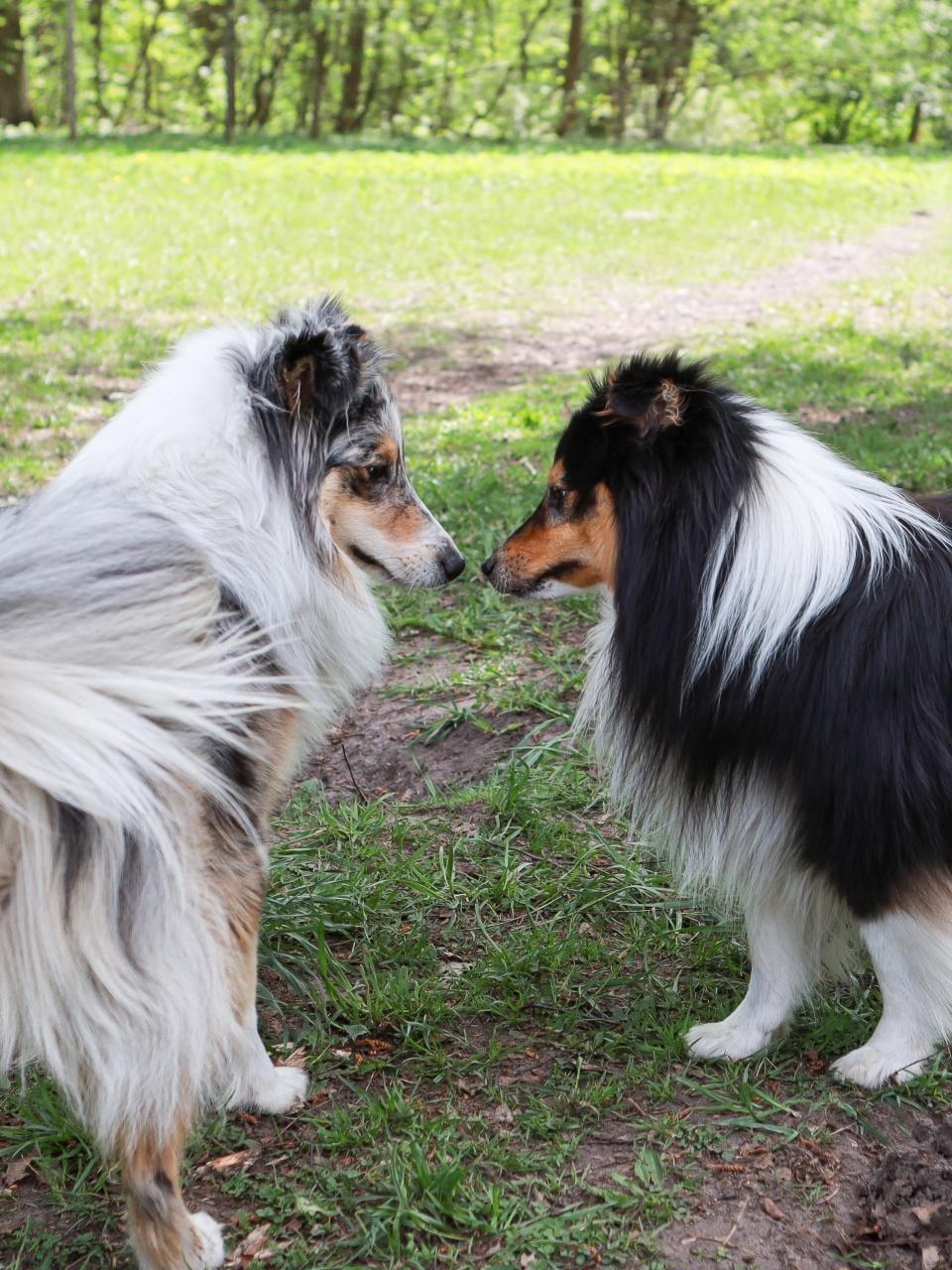
There are visible symptoms when a dog is in heat that are difficult for any pet parent to ignore.
A dog in heat experiences a range of signs due to the hormonal shifts that occur, These include:
Swollen vulva
Bloody vaginal discharge
Increased urination, which can include indoor accidents
Excessive licking of the genital area to try and keep clean
Tail flagging. The tail is held stiffly to one side when the base of the spine is touched, particularly when uncastrated male dogs are nearby
Humping beds or toys
Reduced appetite
As well as physical signs, you are probably going to notice some behavioural changes too. These include:
Mood swings, and they may act differently to what you are used to
Clinginess
Anxiety
Heightened interest in male dogs, who they suddenly act differently around
Hostility towards other dogs
The end of the heat cycle is signalled by a return to normalcy. Your dog acts like their old self once again. She returns to her normal behaviour pattens and is no longer receptive to males.
You'll also notice the end of physical symptoms. Vulva discharge stops and your pet will stop licking their back end. As well as this, the vulva returns toward normal size.
Your dog will be grateful for your help while she experiences her heat cycle, particularly if it is one of her first and she is unsure of what is happening.
Reusable diapers and pads are wonderful for keeping your home clean and hygienic. Doggy diapers are a comfortable way to keep any discharge off your floors and sofas, as well as to keep your dog's bed clean. They should be changed frequently, ideally every three to four hours.
By opting for reusable hygiene products, you're doing your part when it comes to saving the environment. At the same time, they are a wise investment and should save you money over the lifetime of your pet.
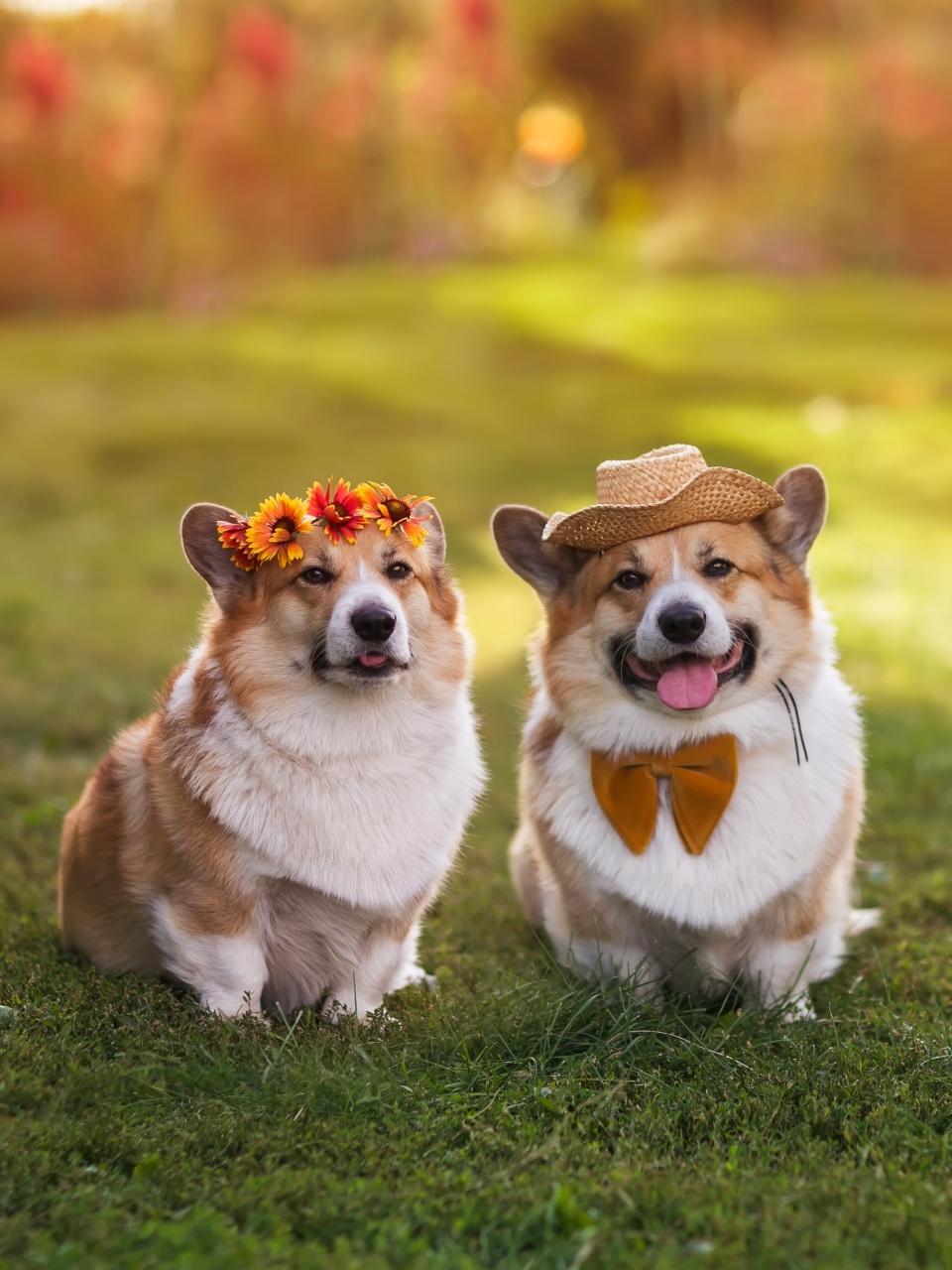
Your furry friend will have a target on her back when in heat and all of the off leash male dogs will be eager to run over and 'spend some time with her'. It is vital that you prevent unwanted matings and that you keep her well away from unneutered male dogs. It can be especially risky when off leash larger breeds are involved, as trying to hold larger dogs away from each other can be a physical challenge.
Carry out all outdoor walks in quiet areas and well away from other dogs. It's advisable to avoid dog parks and other areas with many dogs while your furry friend is in heat, to prevent unwanted attention and potential mating.
Your bitch must be kept on-lead at all time, and she will need to be supervised closely when outdoors. Keep in mind that intact males can detect a female in heat from a distance.

During a dog's cycle, they benefit from a calm and predictable routine and plenty of rest. Provide a comfortable environment, which may include soft bedding and a quiet space away from household activity and other pets, to help her feel secure.
As your fur baby is likely to be going on less frequent or shorter walks, it is wise to increase the enrichment and mental stimulation at home.
Keeping your pet hydrated and maintaining a consistent feeding schedule is important during her heat cycle, as some dogs may experience mild nausea and a reduced appetite.
As much as you can, try to exercise extra patience as she experiences hormonal shifts. As a pet parent, we should not be taking any bad moods or training difficulties personally.
A female who has not been neutered is at a greater risk of certain health issues and medical conditions.
Pyometra is a potentially life threatening infection of the uterus that causes a foul-smelling discharge to build up within the reproductive tract. This discharge may be expelled through the vulva. Other symptoms of this serious uterine infection include panting, excessive thirst, and abdominal bloating.
Pyometra tends to occur in the diestrus phase, and the risk is greater the older a female is. Seek veterinary care if you suspect your bitch may be experiencing a uterine infection, as urgent treatment is needed. For most dogs, surgery is performed to remove the infected uterus, though medical options may be suitable for some patients.
Interestingly, it is hypothesised that females experience false pregnancies to enable them to lactate and to feed puppies that are no theirs. In the wild, this is a valuable way of ensuring as many puppies as possible survive.
Some of the more concerning symptoms of a false pregnancy include lethargy, vomiting, nesting, guarding of toys, milk production, and bloating. If a female is not coping well, there is medication that can be prescribed to help, however this will not be needed for all dogs.
Spaying is a valuable tool to avoid having to deal with recurrent heat cycles, prevent pregnancy and to stop a female from experiencing phantom pregnancies. Neutering a female also ensures she will not have a pyometra, and reduces the risk of mammary cancer, when done early on.
Pet parents should be aware, however, that neutering young can be associated with urinary incontinence in later life. There is also a link between obesity, orthopaedic disease and some cancers in females spayed young.
The decision to neuter your fur baby is not always a straightforward one. It is something to discuss with your own vet and will depend on your personal preference and your pet's medical history.
The recent Frontiers study highlights the best age to neuter, which is now known to be highly breed dependent. This is a study that has been widely praised in the veterinary medicine circle.
Most veterinary professionals agree that, when it comes to long term health, spaying is a sound decision.
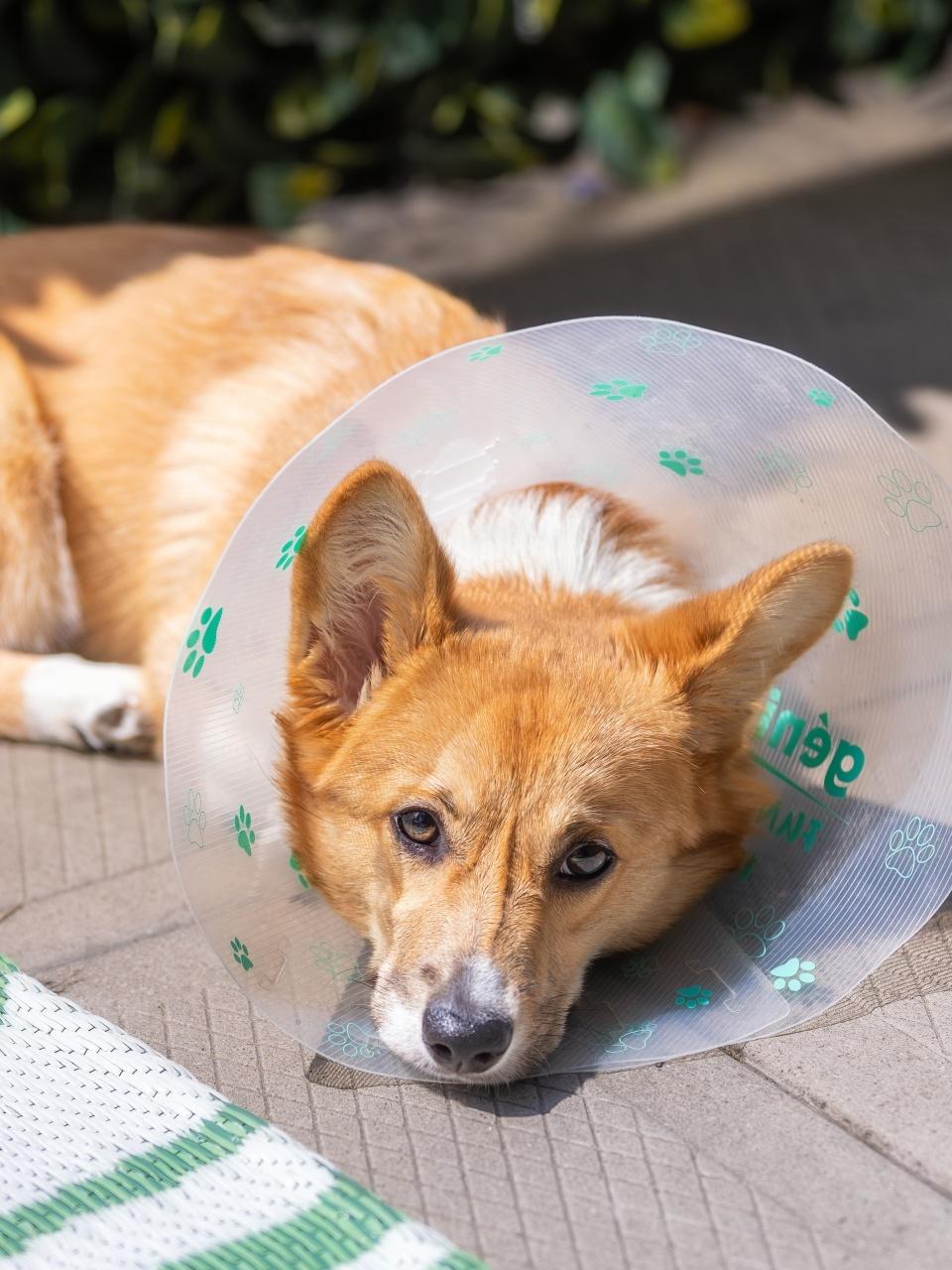
Of course, reproductive health is just one facet of your beloved pet's life. Routine health care consists of a wide range of preventative and ongoing practices.
To ensure your pet is in optimal health, you will also want to stay on top of:
Regular vet checks
Vaccine and parasite prevention
Dental care (Dental Hygiene Article)
Maintaining a healthy weight
Providing a nutritional and balanced diet
Routine grooming and claw clipping
Follow Us On
Check Out Our Most Popular Content