Your Cart is Empty


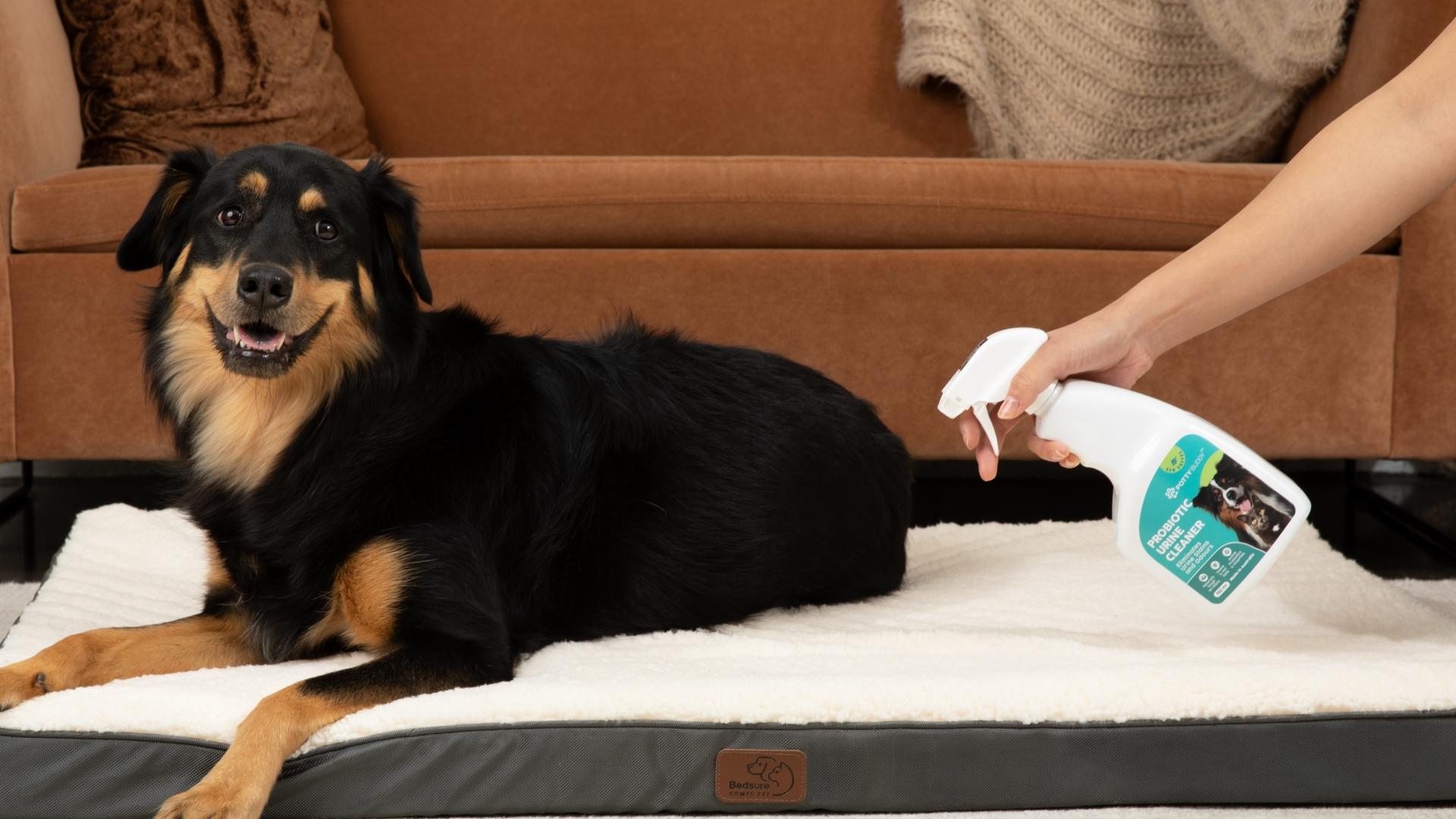
Both an enzyme cleaner and a probiotic pet urine cleaner will clean away pet urine and fight the odors, but they have different mechanisms of action. This guide compares the two cleaners and discusses the situations in which they are appropriate.
Enzyme cleaner vs. probiotic cleaner at a glance
What is a probiotic (bacterial) cleaner?
Odor removal for dog pee & litter boxes
Surface safety: hardwood floors, carpet & upholstery
Are enzyme & probiotic cleaners safe around pets and children?
Home-fresh toolkit: baking soda, air purifiers & odor remover
How to use an enzyme or probiotic cleaner (step-by-step)
An enzyme cleaner uses biological catalysts to speed up the reaction of the cleaning process
Probiotic cleaners contain live, helpful bacteria that produce the enzymes and will consume the waste
Probiotic cleaners keep making the enzymes, so continue to work in the same spot for up to 3 days
Enzymatic cleaners are good for fresh accidents and spot cleaning, while probiotic cleaners are preferable for ongoing odor control and long-term prevention of bacterial build-up
Which cleaner you need will depend on what sort of stain or smell you are targeting. Enzymatic cleaners work rapidly and are great for cleaning recent accidents, while probiotic cleaners take a little while to work but then continue working for quite some time.
| Dimension | Enzymatic cleaner | Probiotic (bacterial) cleaner |
|---|---|---|
| How it works | Enzymes (such as protease, lipase, amylase) break down urine components and organic matter on contact | Beneficial bacteria consume the organic source and keep producing enzymes as they multiply |
| Speed | Fast initial knockdown and starts working right away | Slower start but keeps working for hours and even days |
| Longevity | Active until enzymes are used up or dry out | Continues while a food source and moisture remain, often several days |
| Best for | Fresh spills, quick surface odor control | Set-in, recurring, and deep pet urine odors; multi-pet homes with lots of stains and smells |
| Surfaces | Carpets, fabrics and flooring | Best for porous surfaces like fabric sofas, upholstered furniture, carpets and curtains. Anywhere that microbes can really soak in |
| Sensitivities | Deactivated by heat, bleach, vinegar, harsh cleaners | Avoid using any disinfectants that kill the useful bacteria |
| Safe around pets & kids | Yes, when used as directed | Yes, when used as directed |
| Verdict | Great for recent stain removal and smell control | Choose for ongoing odors, tough stains, and porous surfaces |
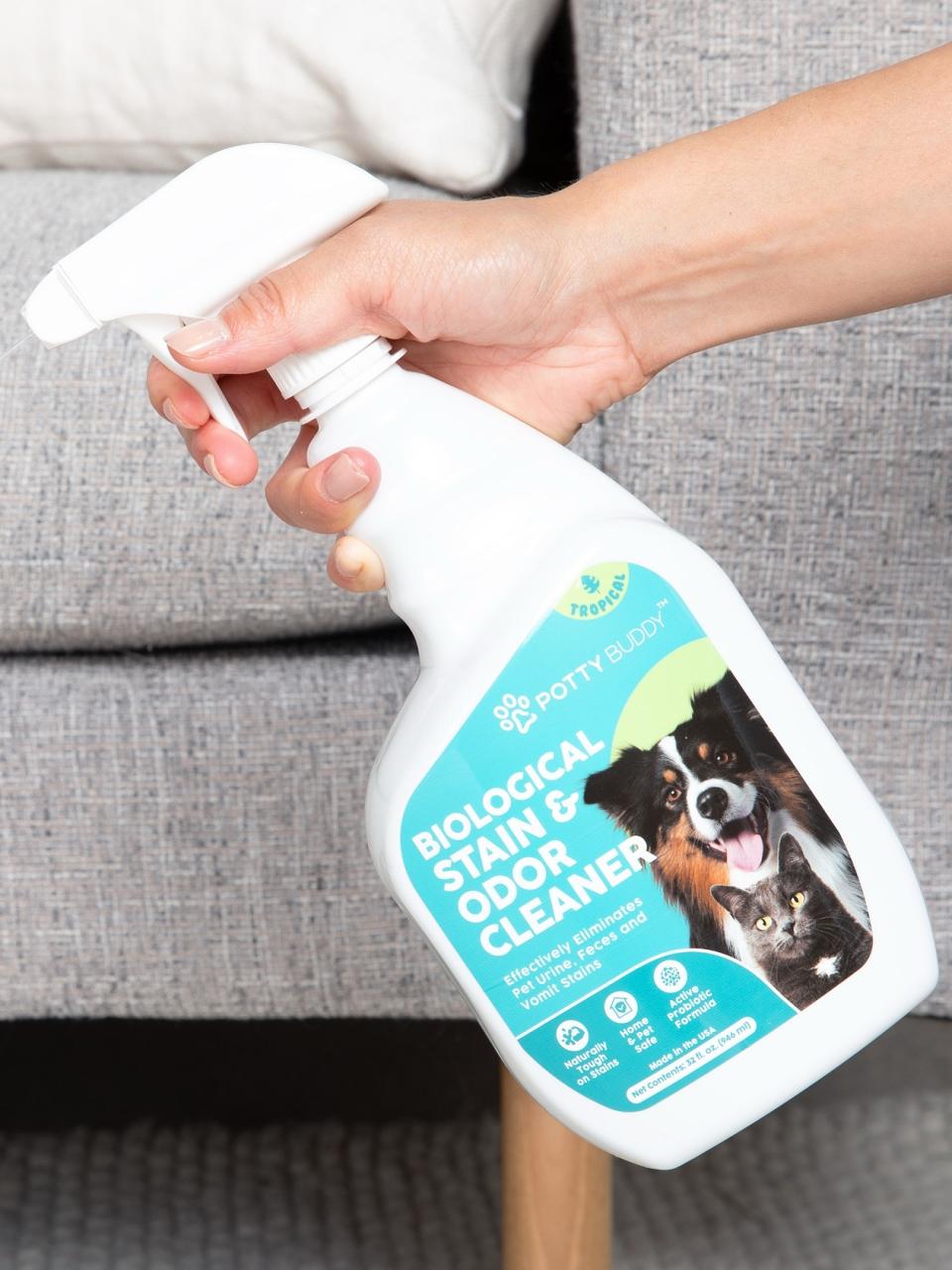
An enzymatic cleaner will use enzymes including protease, lipase and amylase to break down urine and uric acid on contact. As an example, lipases target fat and oil-based stains including grease while amylases digest starch-based messes like dog kibble stains.
An enzyme cleaner is also an effective odor remover and can quickly eliminate that strong urine smell. However, these enzymes can quickly be deactivated by harsh chemicals (such as bleach) and high heat.
Enzyme cleaners are not the best choice for rust, mineral scale, or purely chemical stains.
No. Vinegar is acetic acid. Vinegar can temporarily neutralise or mask some odor, but it does not enzymatically break down uric acid crystals, so the urine smell often returns rapidly.
Vinegar can also smell very unpleasant to some pets, meaning they may actively choose to mark in an area where vinegar has recently been used to clean.
Hydrogen peroxide is different, but not necessarily "better". Peroxide is an oxidiser that bleaches/breaks odor molecules but it can lighten fabrics and doesn't colonise or keep working; enzymatic and probiotic cleaners target the organic source.
For removing certain pet stains, hydrogen peroxide may work better, depending on the surface it is being used on. Do always test it on a small patch before applying to the whole area, as it can lighten colors.
A probiotic / bacterial cleaner used beneficial bacteria (often Bacillus spores) which consume the organic mess and continuously produce enzymes as they multiply. This means they keep working while a food source and moisture remain, and they can reach deeper into porous surfaces.
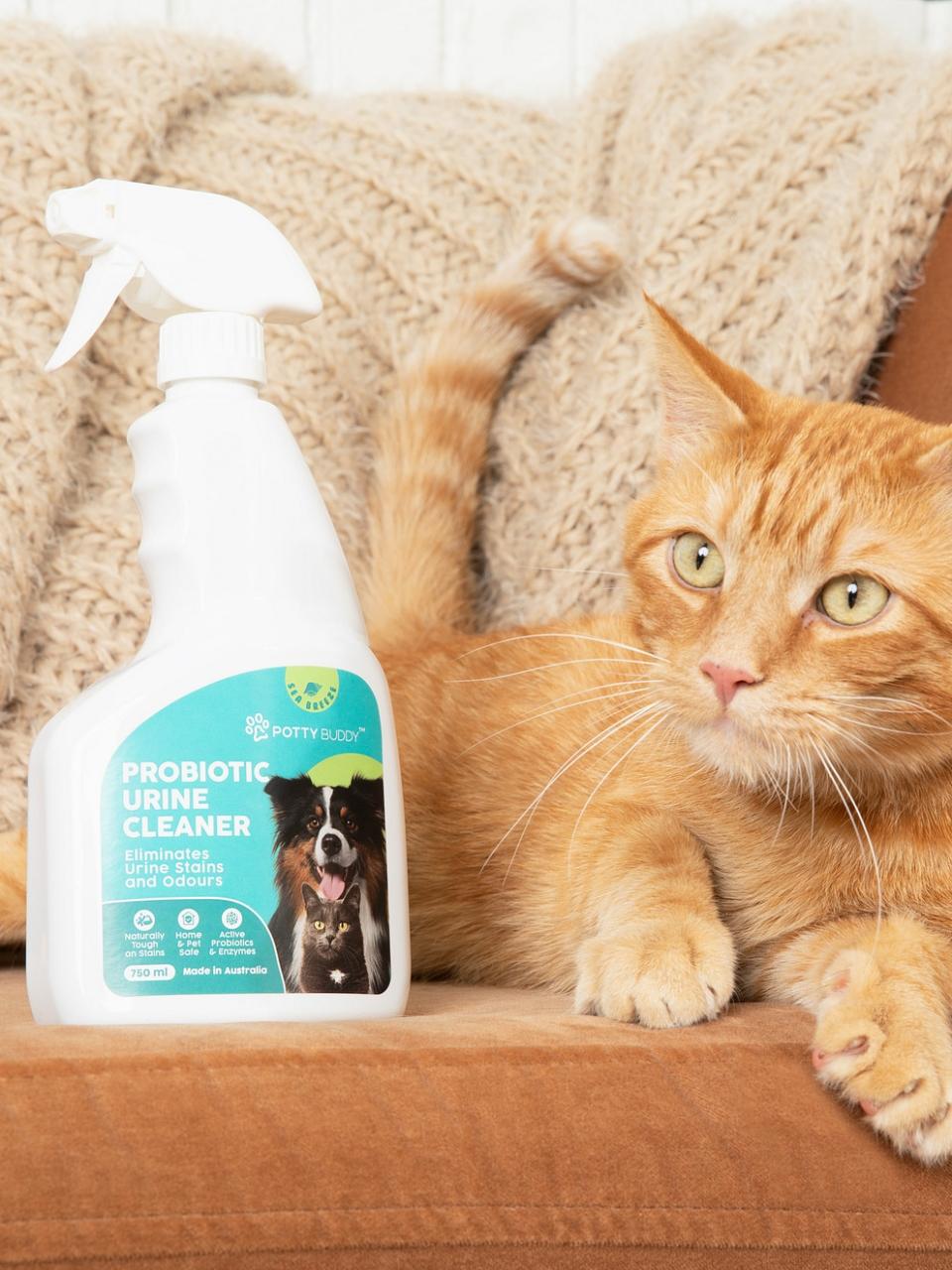
Potty Buddy's probiotic cleaner is a much-loved and well-reviewed probiotic formula that is a staple in many pet owner's cupboard.
Even after cleaning the visible residue, you may notice that dog urine odor recurs. This is due to the uric acid crystals reactivating with humidity and moisture. Using effective cleaners can ensure this does not become an ongoing and frustrating issue in your household.
With enzymatic cleaners, the enzymes break the uric acid down on contact. Similarly, probiotic bacteria keep consuming residue near the dog pee and litter box over time, maintaining odor control over a long period of time.
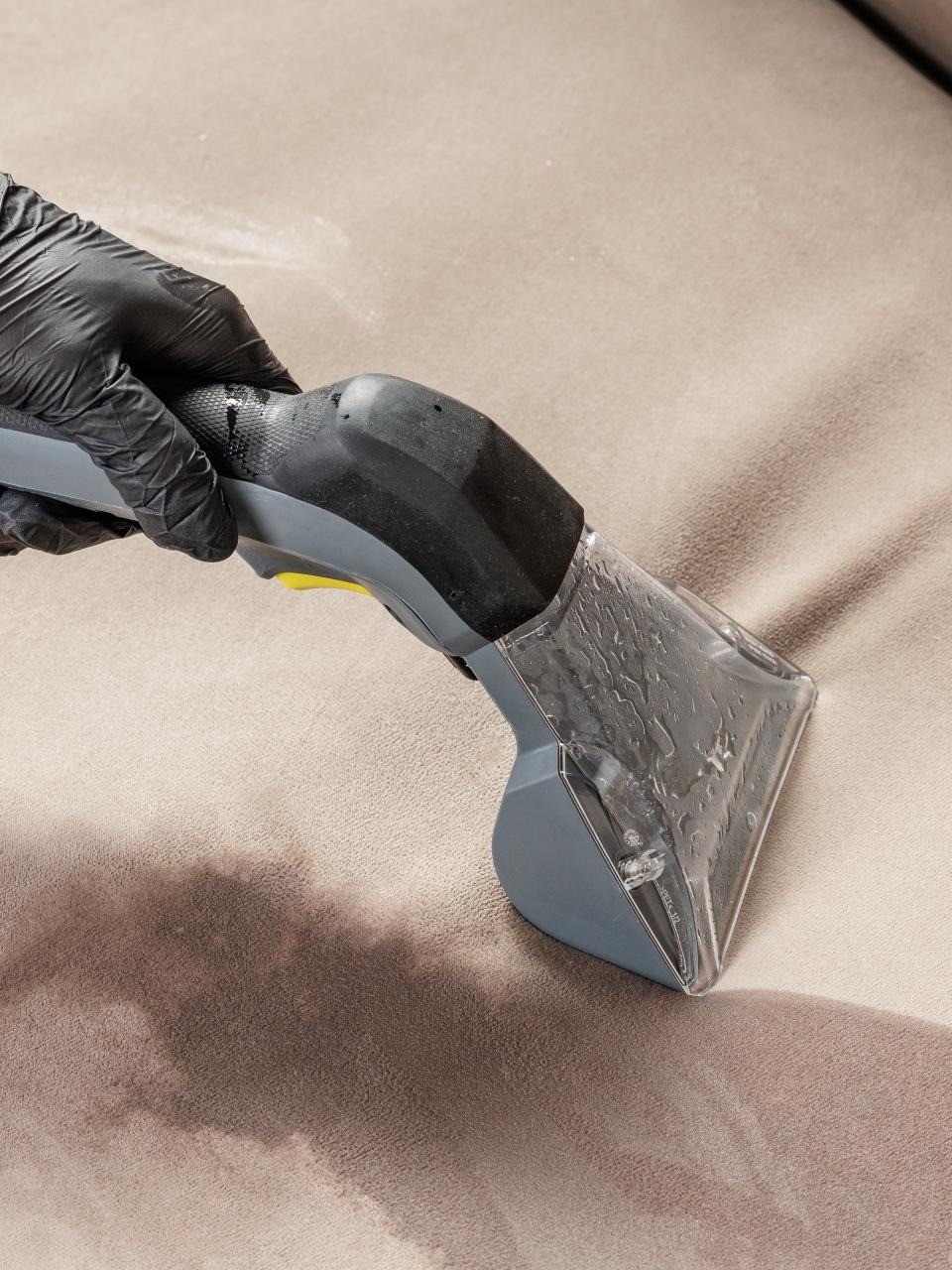
You'll want to spot test on the desired surfaces first, and adhere to the instructions regarding the suggested dwelling time and any dilution recommendations; some products may specify a certain amount per gallon.
For hardwood floors, check whether the surface is sealed or unsealed, as some cleaners may dull or stain the finish. When it comes to carpets and couches, check a small patch to see how color is affected and avoid over-wetting any fabrics or upholstery.
Both are generally pet- and child-safe, and should not have an effect on their health when used as directed, and allowed to dry before any contact.
Do not mix the cleaners with bleach, vinegar, or disinfectants (these deactivate enzymes and kill probiotic bacteria).
Ingredients like baking soda are supporting tools when it comes to home hygiene, but would not be replacements for proper cleaners.
Baking soda can be used to absorb excess moisture before or after treatment. Air purifiers with HEPA filters near a litter box help remove pet odors. An odor eliminator or an odor remover spray may be used after the cleaner has dried, but is not always needed.
Many owners like to use essential oils and fragrances like lavender to mask odors and keep their house smelling fresh. However, some essential oils can be toxic to pets, so do always double check the ingredients of what you are using first. The ASPCA lists safe and unsafe essential oils on their website, which is worth double checking before introducing any new one into the home.
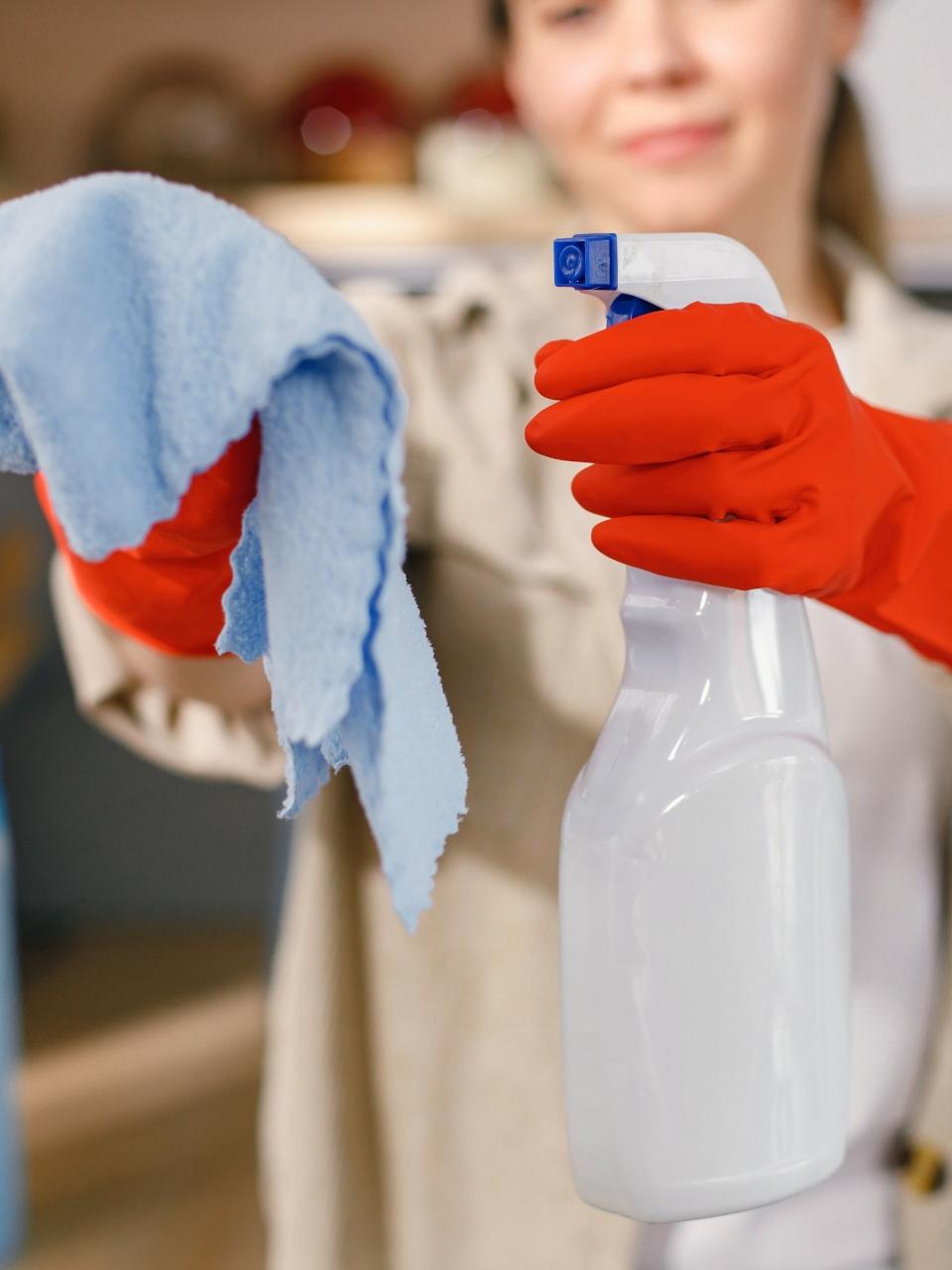
Remove any solid material or residue and blot up excess moisture using clean paper towels
Saturate the area with your cleaner
Let it dwell (do not scrub dry) for 10-15 minutes
Let it air-dry
Avoid heat (including very hot water) and harsh cleaners as they can denature and destroy the protein structure of enzymes.
There is no 'best' cleaner as it does depend on your needs and the surface it is being applied to. Generally speaking, pick an enzymatic cleaner for fast knockdown of a fresh single spill. Pick a probiotic cleaner for recurring accidents, a set-in odor, porous surfaces, and multi-pet homes where ongoing action matters.
As a good example, Potty Buddy uses a probiotic formula for continuous odor control, and many owners pair this with washable pads/diapers where appropriate.
Follow Us On
Check Out Our Most Popular Content