Your Cart is Empty


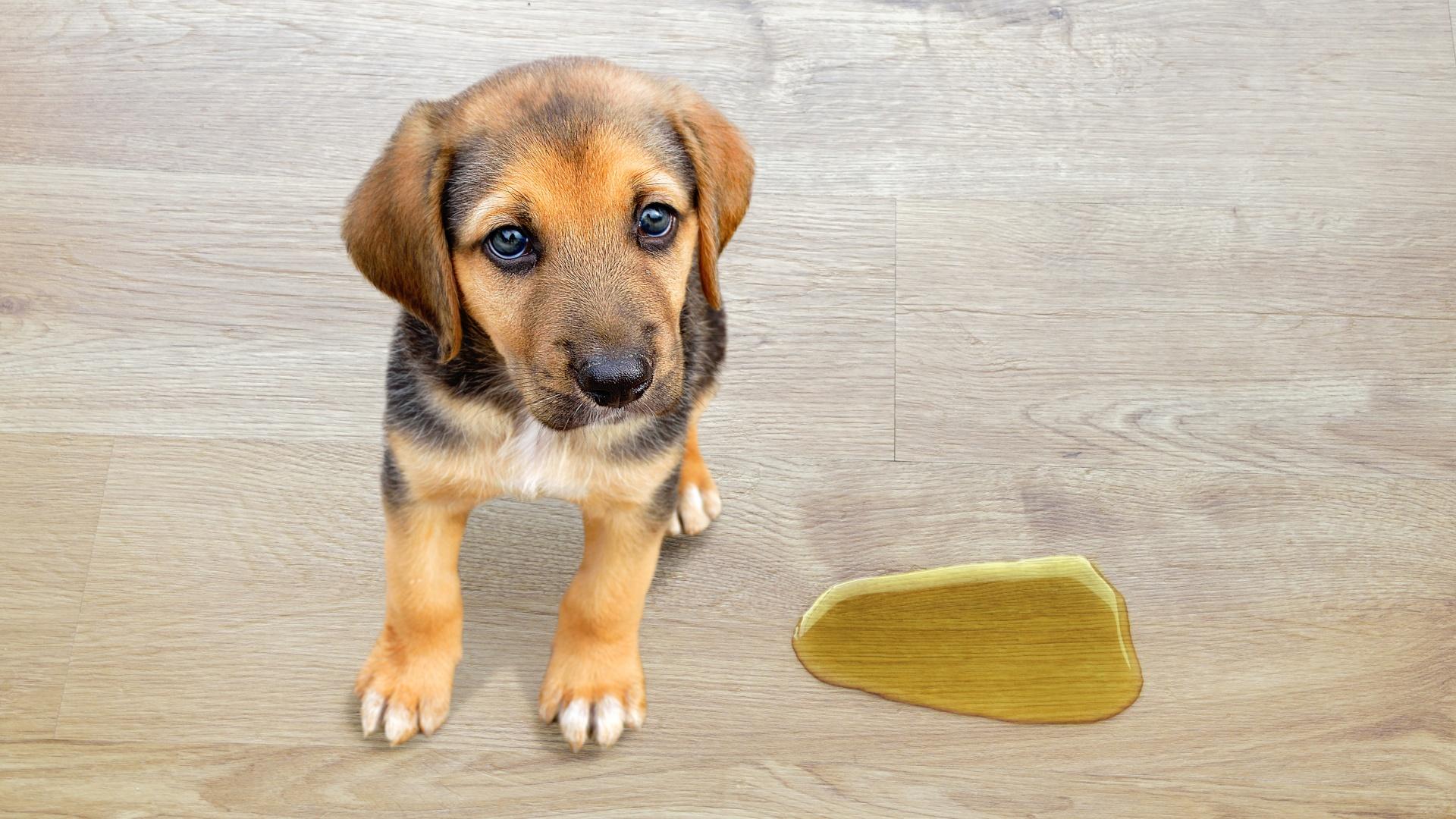
While it may seem like an odd thing to do, keeping note of what your dog's urine normally looks like, is a pretty sensible pursuit. If you establish their baseline, you'll be able to quickly identify if something is amiss. When it comes to urinary issues, time is often of the essence and we want to treat any issues promptly.
Normal dog urine should be yellow with a mild ammonia smell and should be quite clear. Dogs pass urine several times a day and this will be more often if your dog is an uncastrated male or a female in season.
This article is a full diagnostic guide to your dog's urine- the smell, the color, the transparency, and even the dogs' behavior during urination. Here, you'll learn when a vet visit is due and if urgent veterinary attention is warranted.
As mentioned, normal urine color is usually a shade of yellow. Depending on the concentration of the urine, it can be anything from a light yellow to a dark yellow. So, what if your dog's urine is a different color?
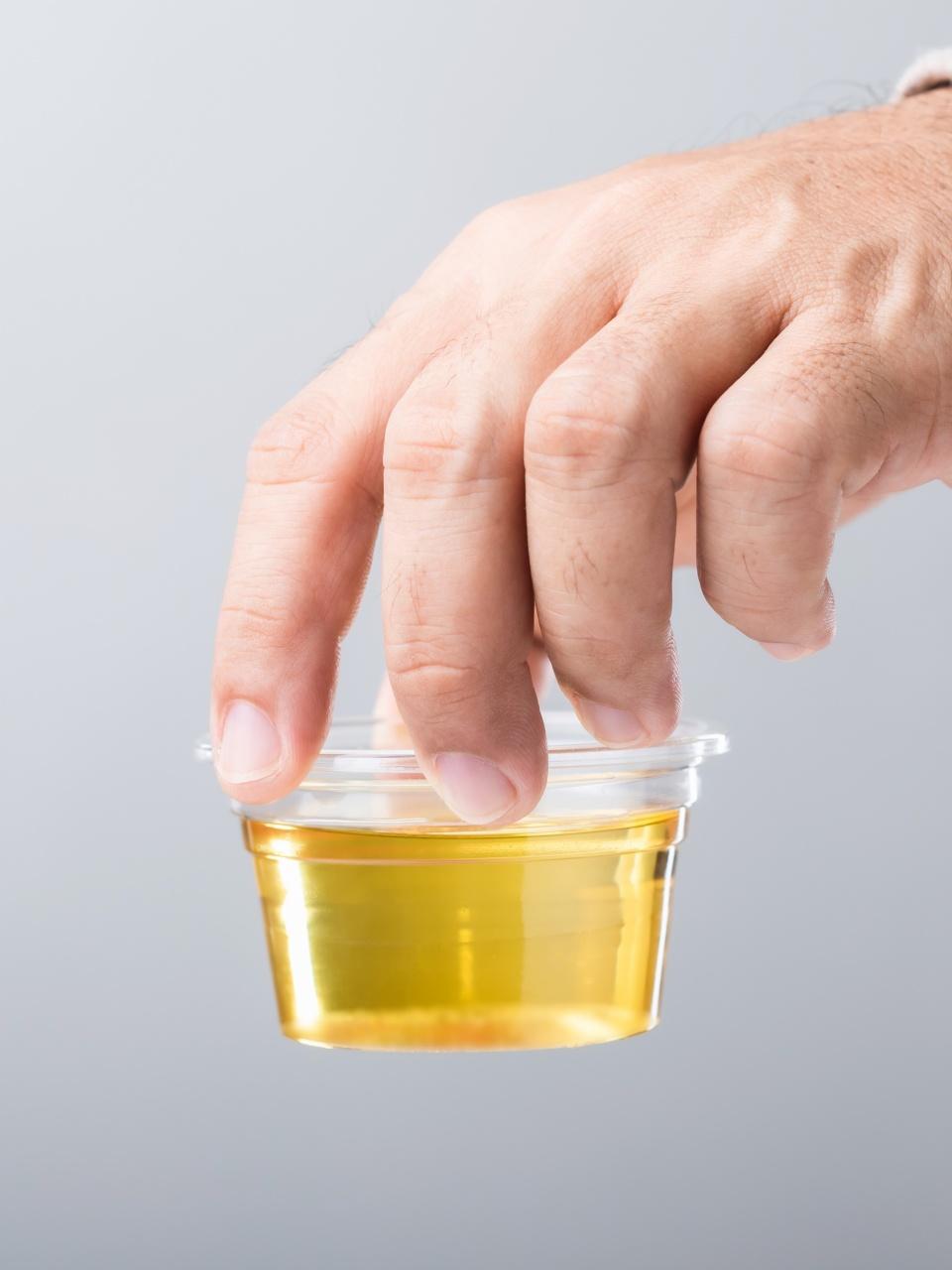
Urine should have some sort of color and if it is consistently transparent, this is abnormal. Urine that lacks color and looks like water is dilute urine which has not concentrated sufficiently.
Depending on the cause of this, you may notice other signs such as excess thirst and urinating more often. Some of the more common causes would include over-hydration, diabetes, and chronic kidney failure.
Highly concentrated urine will be a very deep yellow color. Even healthy dogs can have urine like this at times, if they are a bit dehydrated or have overexerted themselves or gotten very hot. However, you should find that the urine returns to normal once the dog has had a good drink and regained proper hydration.
As deep yellow urine is concentrated urine, it is generally not concerning as it confirms the kidneys work well.
Orange urine is abnormal and can be seen when there is bilirubin in the urine, which can occur in certain liver and bile duct disorders. Other symptoms would be expected in these dogs, and these could include yellow mucus membranes, nausea, abdominal swelling, and lethargy.
An orange color may also be a side effect of certain medications and vitamins, so it is worth considering if your dog has recently changed their diet or has started to take any nutritional supplements.
If you've spotted red or pink urine, this can be quite alarming. It may indicate the presence of red blood cells. Bloody urine can be seen in cases including urinary tract infections (UTIs), bladder stones, cancer, or injuries to the genital or reproductive tract.
Urine can also appear red when there has been red blood cell destruction, which is called hemoglobinuria. Causes for this include toxicity and medical conditions like immune-mediated hemolytic anemia.
Very dark coloured urine is a red flag and is quite rare. It is a true medical emergency and can indicate that there has been muscle break down (rhabdomyolysis), a toxicity, shock, or a kidney infection.
Head to your closest veterinary clinic if your pet's urine turns brown or black, as this does need urgent veterinary attention.
Cloudy urine indicates that there is sediment or extra cells within the urine and this is seen, for example, with urinary infections or prostate issues in male dogs.
If there is pus, this confirms infection. Pus in the urine is quite uncommon, and owners should check their dog's rear end to ensure the pus is not coming from the anus or vulva (for female dogs).
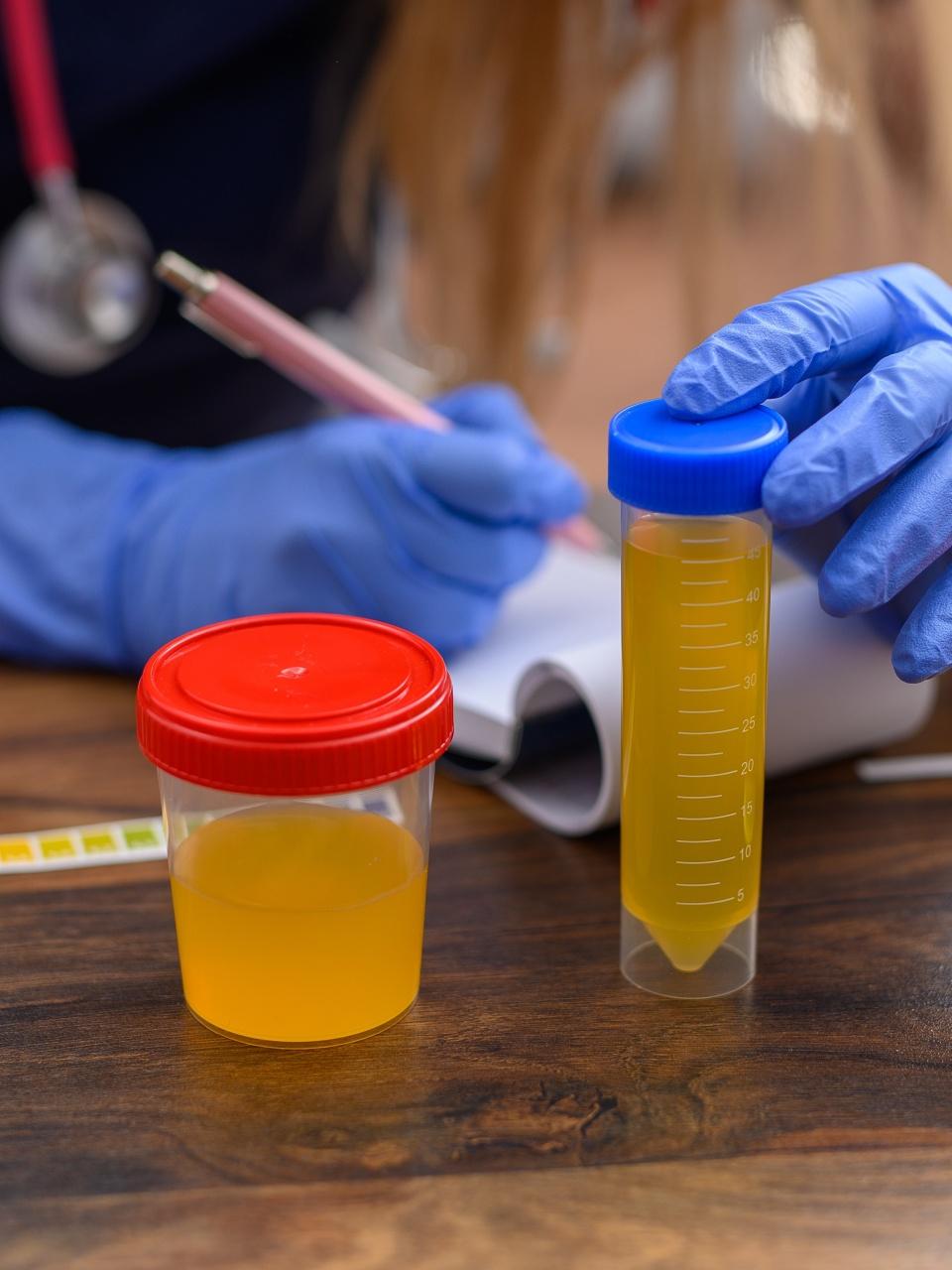
The smell of their urine is a good indicator of your dog's health. If you've noticed your dog smelling differently, one of the first things to check is their urine.
Interestingly, certain dog breeds may have stronger smelling urine. This can be seen in those with excessive skin folds and oily skin, such as Boxers and Pugs. However, the urine smelling more strongly than usual could be an indication of an issue.
Pungent urine can be due to excess protein in the diet, dehydration or perhaps a medical issue like an infection. Males, especially un-neutered dogs, may produce a more intense urine odor due to hormonal marking.
A fishy odor can mean a urinary infection but can also occur when there is prostate disease, a uterus infection, anal gland issues, or a yeast overgrowth on the skin.
When it comes to a UTI, the strong smell is caused by the 'bad' bacteria multiplying.
It is not typical for urine to have a sweet smell and it occurs if a dog is diabetic or ketotic. This smell has been described as 'buttered popcorn'.
If your dog is also drinking excessive amounts and has lost weight, diabetes is highly likely.
Most pets do have an ammonia smell to their urine (just like people), but you should pay attention if it is suddenly much stronger than usual, particularly if your dog has additional symptoms.
Contact your veterinarian if there is a strong ammonia smell along with signs including excessive thirst or nausea, as this can be caused by kidney disease.


Other factors should be assessed, alongside the smell and color.
If the urine is cloudy or murky, there is likely to be an excess of cells, bacteria or pus (white blood cells). Other substances such as urinary crystals or semen could be present too.
A little bit of sediment is not unexpected but if you are seeing much more than usual, this provides valuable insight. Urine tests can check the sediment, to determine what it is (cells, crystals, or bacteria).
It is very uncommon to be able to see oil on the surface of urine and this can be seen rarely in cases of pancreatitis or in certain metabolic diseases.
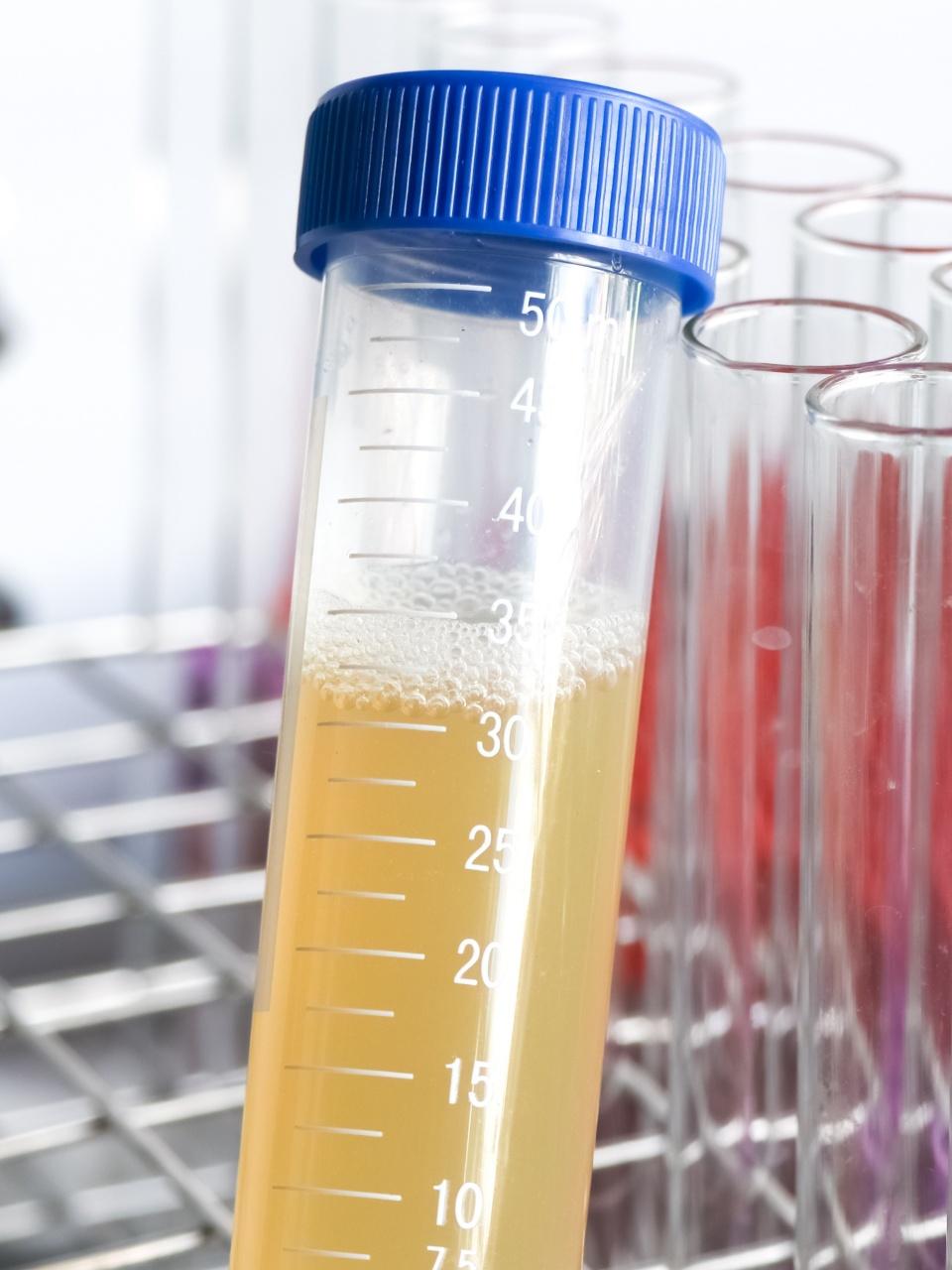
Sometimes urine is a bit foamy, especially if it has been expelled with force. However, excess bubbles could indicate that protein levels are too high.
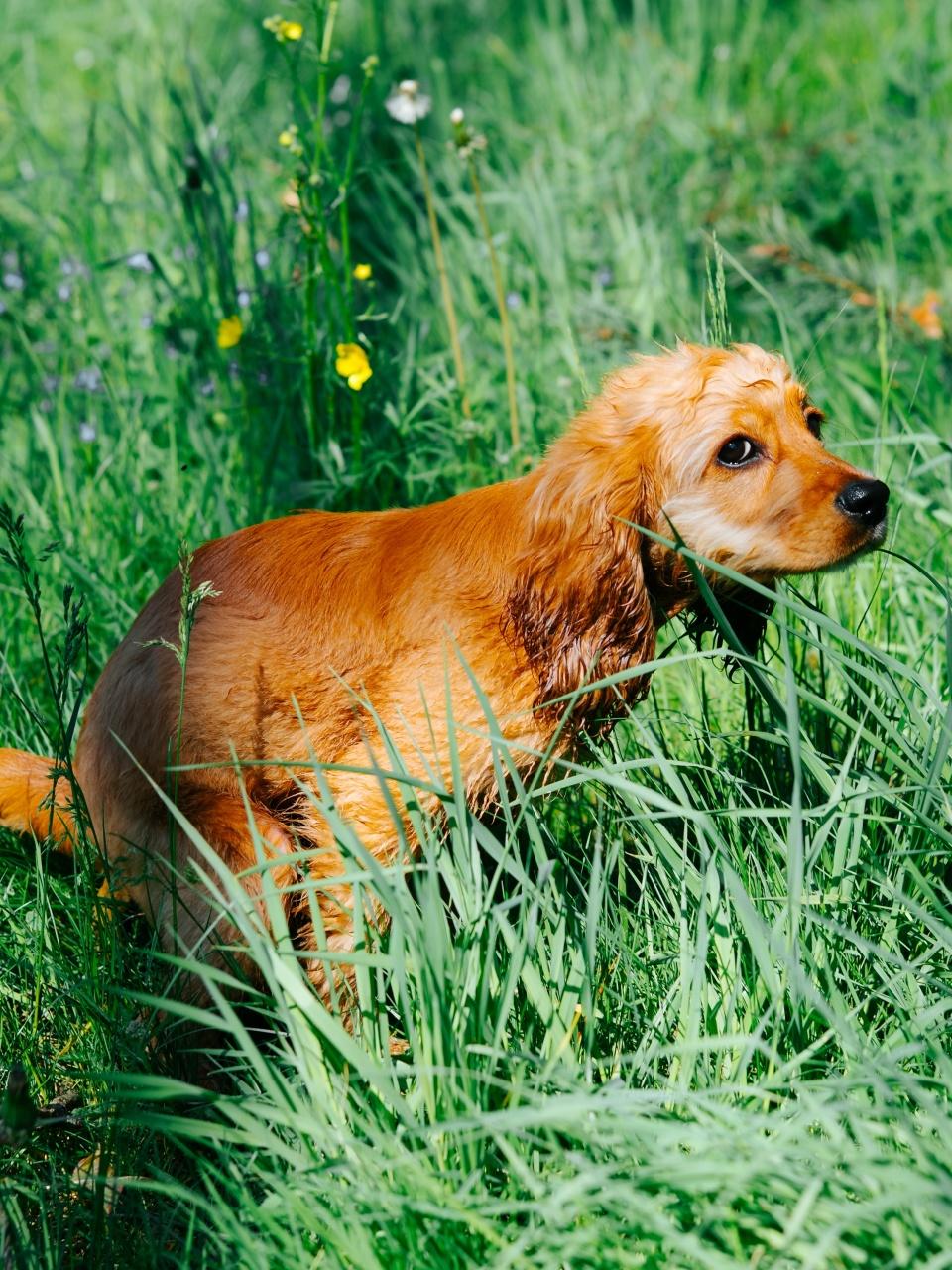
It is a sensible idea to watch your pet as they urinate, to ensure they are posturing as normal and passing a steady stream.
Passing much larger quantities of urine typically makes a dog want to drink a lot more and you may find they're having accidents around the home. We see this in medical conditions including diabetes, kidney failure and Cushing's disease.
Frequent urination attempts, despite little urine flow could be a sign of a UTI, cystitis or bladder stones. The dog is constantly passing urine and their bladder feels empty when the vet examines it.
Be aware that if your pet is struggling to pass urine, it could be that there is a blockage. When the bladder is full and unable to empty, this is potentially life-threatening and does warrant immediate investigation at the veterinarian's office.
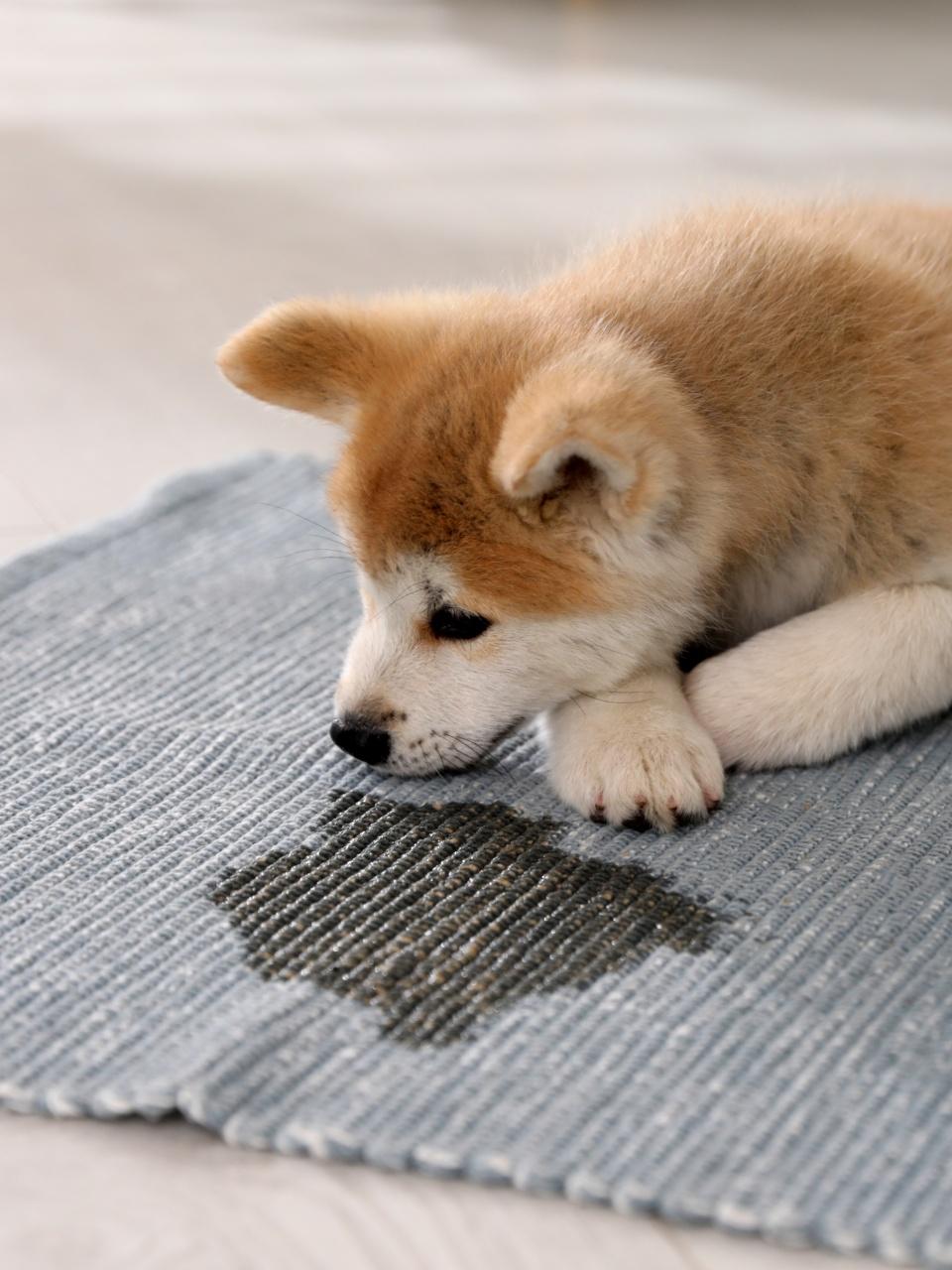
If your dog starts to have urinary accidents out of the blue, this is important to note. We can see it in cases of diabetes and urinary infections, but also in those with poor mobility or cognitive decline.
A dog should never be in pain when urinating, and any indicator that they are confirms a problem. This is a sign that they should see a vet urgently.
Any form of local irritation or infection is likely to cause the dog to lick their genitals. We can also see this when there is a reproductive infection (such as a pyometra).
| Monitor At Home | A mild urine color change Slight change in smell One off accident |
|---|---|
| Vet Appointment Within 24 Hours | Frequent accidents Cloudy or bloody urine Signs in addition to thirst/urine changes, such as weight loss or vomiting |
| Emergency | Brown or black urine Crying in pain Unable to pass urine Sweet smelling urine coupled with lethargy Pus coming from the vulva |
Understanding what normal urine looks and smells like ensures you can spot a problem early on. Changes in urine odor or appearance, or the manner of frequency in which your dog urinates, should not be dismissed as quirks.
Urine is one is one of the most reliable early indicators of underlying health issues. So, when in doubt, a vet visit is always the right call.
Follow Us On
Check Out Our Most Popular Content