Your Cart is Empty


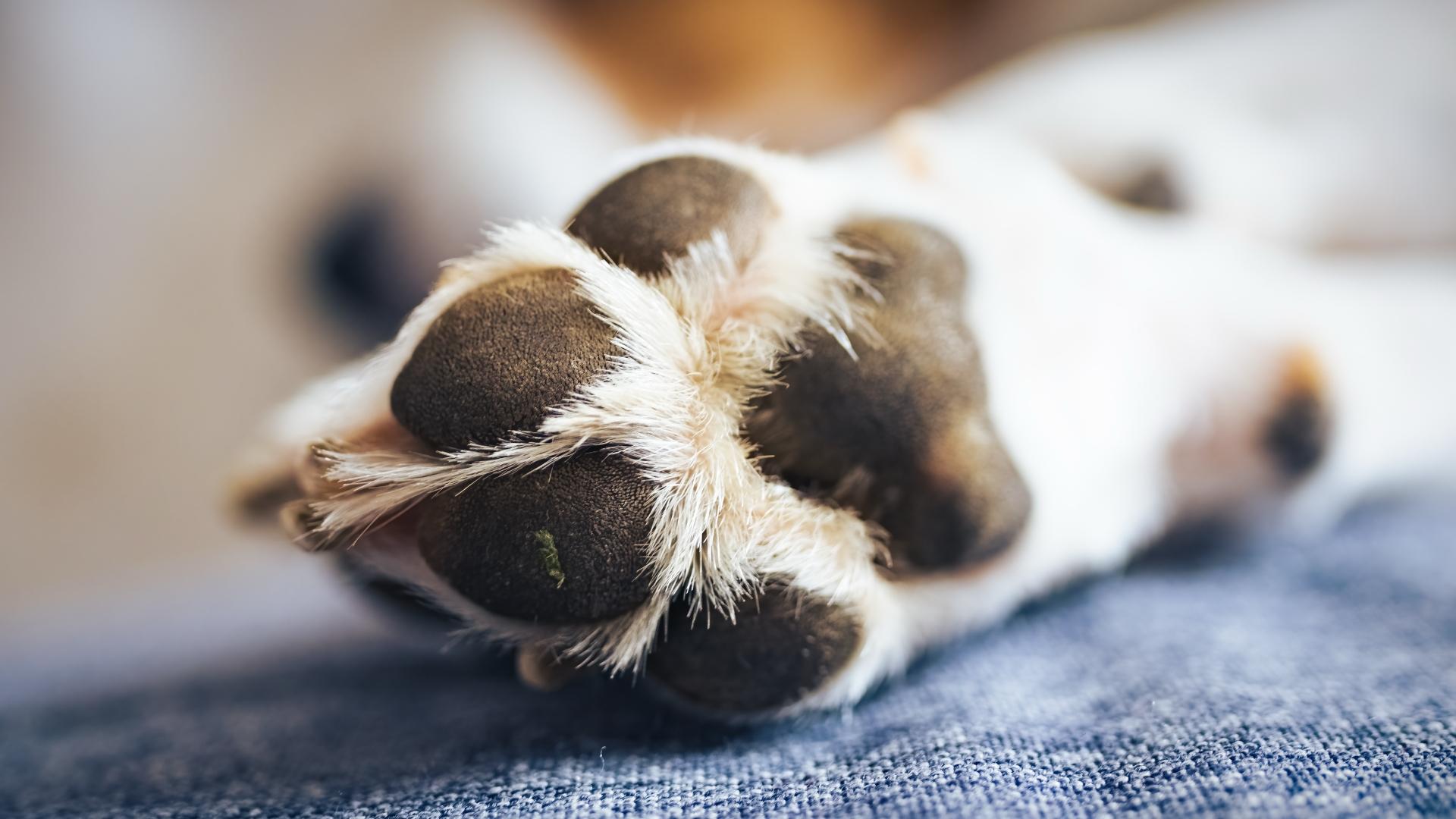
A dog paw cleaner is an essential bit of kit for anyone who likes to go on mucky walks and who values a clean home and furniture. It takes a lot of the hassle out of paw cleaning, which can be a tricky task. The article covers how paw cleaners work, the ideal type for your dog and how to care for and get the most use out of your paw cleaner.
Dog foot washer vs. automatic dog paw cleaner: which to choose
How to use a dog paw cleaner with a built in silicone brush (step by step)
How to clean and maintain your paw cleaner
How to choose the right dog paw cleaner
When not to use a dog paw cleaner
Alternatives for very dirty paws
Paw cleaners make regular paw cleaning easy, preventing mud and dirt getting tracked into your home
Bristles and warm water combine to remove dirt and debris from the surface of dirty paws
You can opt for a manual or automatic dog paw cleaner
These cleaners work best for regularly cleaning paws, right after they have been dirtied. They are less effective for dried on dirt or matted fur.
Paw pads cleaners work at removing fresh mud, dirt, salt, snow, grime, vegetation, and pollen.
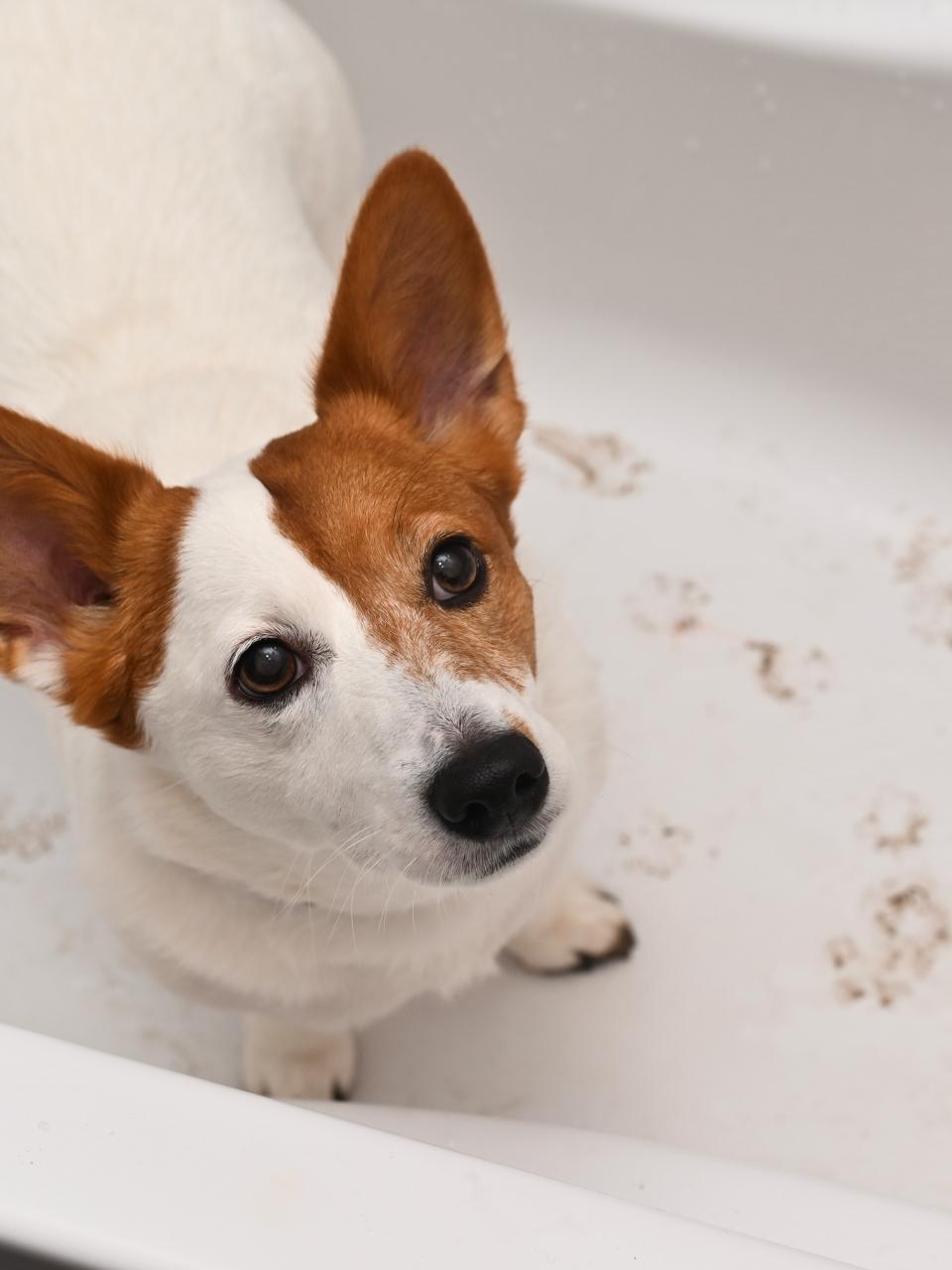
A dog paw cleaner is a portable cup-style device with soft silicone bristles used to clean mud and dirt from a dog's paws after walks. They can also be called a paw washer or dog foot washer. The device often uses a silcone brush in a cylinder cup and examples include the Paw Plunger, MudBuster andPotty Buddy's Portable Dog Paw Cleaner.
These paw cleaners work very well at removing loose dirt and debris, and any grime or vegetation that have recently got stuck to paws. There are limitations though, and they are less effective at removing thick or caked on mud. They work best when used regularly to clean paws, before they have become severely matted or dirty.
Paw pad cleaners work by using abrasive forces alongside warm water. Cleansers can also be added, to maximise the effect.
You add warm water to the cup and insert the paw pads, including all toes. The soft silicone bristles flex around the paw and the twisting/rotating dislodges dirt from between the pads and toes. You then lift the paw out and dry it using a clean towel or hairdryer.
There are a number of options when buying these cleaners, and which you opt for will depend on the types of walks you do with your pet and how portable you need your cleaner to be.
| Type | Best for | Portability | Effort | Cost |
|---|---|---|---|---|
| Manual cup washer | Everyday muddy / rainy walks | High (packable) | Medium | Low |
| Automatic (electric) washer | Frequent heavy mud, hands-free | Medium | Low | Moderate |
| Paw wipes / foam | Quick light messes, travel | High | High | Very Low |
| Towel / mat | Fast surface wipe-downs | High | High | Very Low |
A manual style washer is a small dog foot washer that has a built in silicone brush. You add some warm water and gently twist and turn the paw, to aid in the cleaning process.
You choose the size based on the width of your dog's paw and there are options available to suit everyone, from a teacup Chihuahua to a Great Dane.
Anecdotally, the MudBuster is easier to use than the Paw Plunger, andPotty Buddy's is the easiest of all to use. The MudBuster is smaller and more portable than the Paw Plunger, much like the smaller Potty Buddy offering.
Potty Buddy has a large dog option, and similarly, the Paw Plunger holds up to 48 ounces of water for cleaning.
Automatic washers are more of a hands-free operation. You press a button on the device to activate the moving bristles. An automatic dog paw cleaner is especially good for people with limited dexterity or for dogs who need very regular paw cleaning.
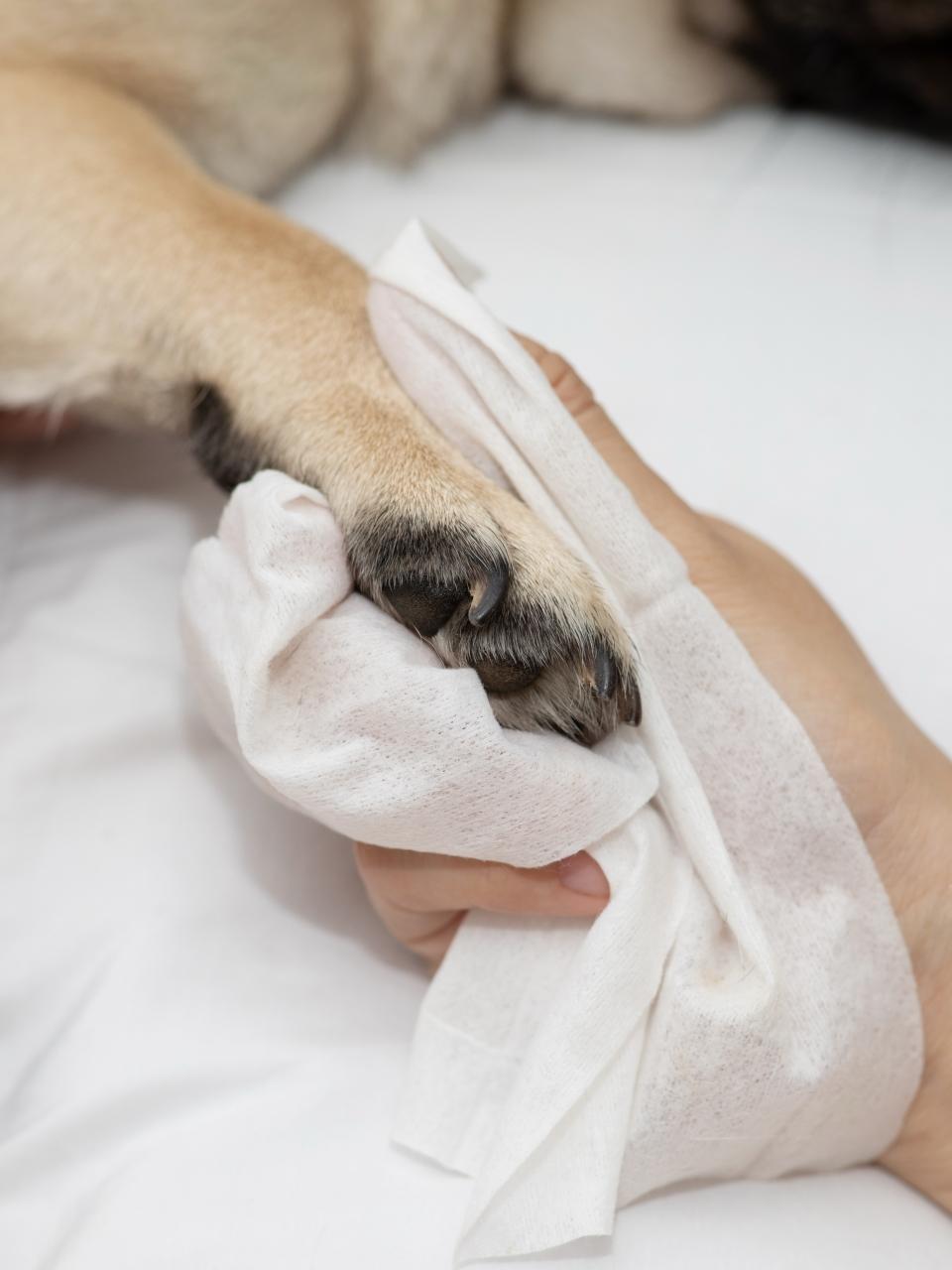
Of course, you can always use the 'classic' options, like wipes and foam cleaners. They are best for light messes and also for travel. As a vet, I recommend going for the fragrance-free / unscented options, as they are less likely to cause irritation or flare allergies.
Many paw wipes come in resealable pouches, meaning you can easily pack them in your bag for easy day-to-day access.
If you want to keep it very old school, there is a lot to be said for using an abrasive towel! They can be kept by front doors and are ideal for fast surface wipe-downs and drying. For very muddy paws, these towels complement paw cleaners, rather than fully replacing them.
A traditional paw cleaner is the more obvious choice for a simple, compact and on the go option. They are convenient, compact, and highly portable so you can carry them with you wherever you go.
An automatic cleaner does more of the work for you, making it the better choice for paws caked in mud and for dogs who need daily cleaning. However, automatic dog paw cleaners are bulkier and not so easy to transport.
Using a dog paw cleaner is quite straightforward and is something you'll master within a few uses.
Fill the cup with a small amount of warm water (around body temperature) and fill the cup about half full, to avoid it overflowing
Insert one paw gently into the silicone bristles – avoid forcing it.
Twist / rotate the cup several times so the bristles reach between the pads. This usually takes about 30 seconds or so.
Lift the paw and check between the toes; repeat if needed.
Dry the paw and pads thoroughly with a towel. Using the right cleaning routine prevents trapped moisture between toes.
Repeat for each paw, then empty and rinse the cup.
You will need to empty dirty water after each use. It is also important to rinse the silicone brush and sleeve, air-drying all parts before storage.
Regular maintenance prevents odor and buildup and keeps your brush and container in good working order.
When choosing the right dog paw cleaner, you'll be looking at criteria including the size, materials and price.
Measure your dog's paw pad width using a soft tape measure, when they are standing in a relaxed position. The size of a paw cleaner should match the dog's paw size. It is not advisable to buy a paw cleaner that based on the weight or height of your dog.
Many cleaners on the market are aimed at medium dogs, so if you have a very large dog or a very small one, you'll need to purchase a specific one that is designed for your dog's feet size.
Where possible, opt for soft, non-toxic silicone bristles. These are gentle on foot pads while offering good durability. If your dog has sensitive skin, choosing the wrong material could make things worse and may result in a significant dermatitis.
Warm water is usually enough but if you are adding a solution, use fragrance free (unscented), pet-safe formulas and avoid harsh soaps.
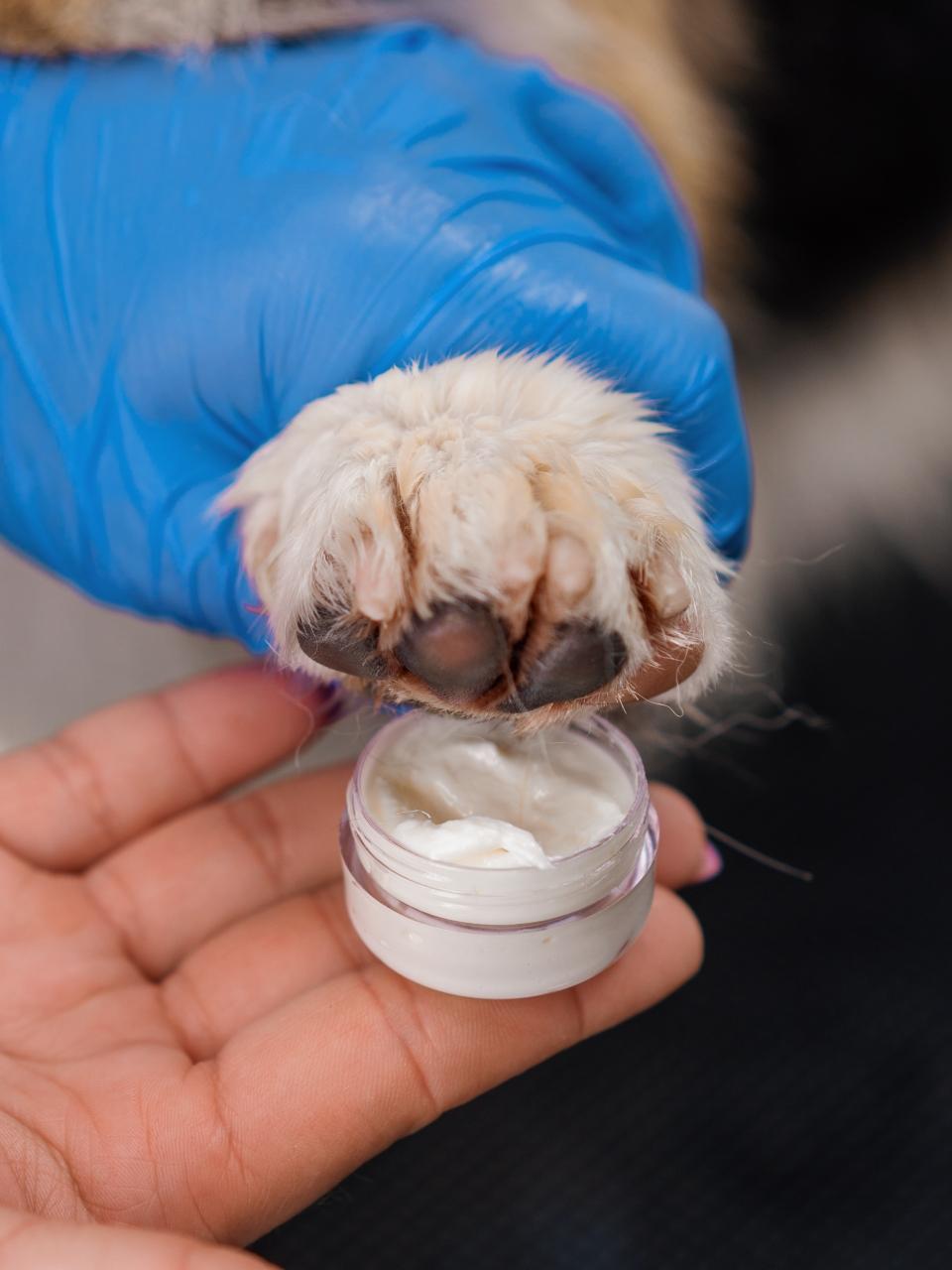
Your jobs is not quite finished after the paws have been cleaned. After drying, you can moisturize cracked or dry pads with a pet-safe balm. Good options include those containing natural ingredients that nourish such as coconut oil, and vitamin E.
Using a paw cleaner helps detect minor injuries on paws, as it makes any issues much more visible. Only apply paw balms to intact pads; see a vet for cracked or injured pads.
Vet Note:Some aloe products can be toxic to dogs, particularly if licked off and ingested. When using aloe, ensure it is labelled as a dog-safe product.
To be safe, avoid using this apparatus on open cuts, wounds, or inflamed/cracked pads. For any paw pad health issues, contact your local vet who can book you in for an appointment.
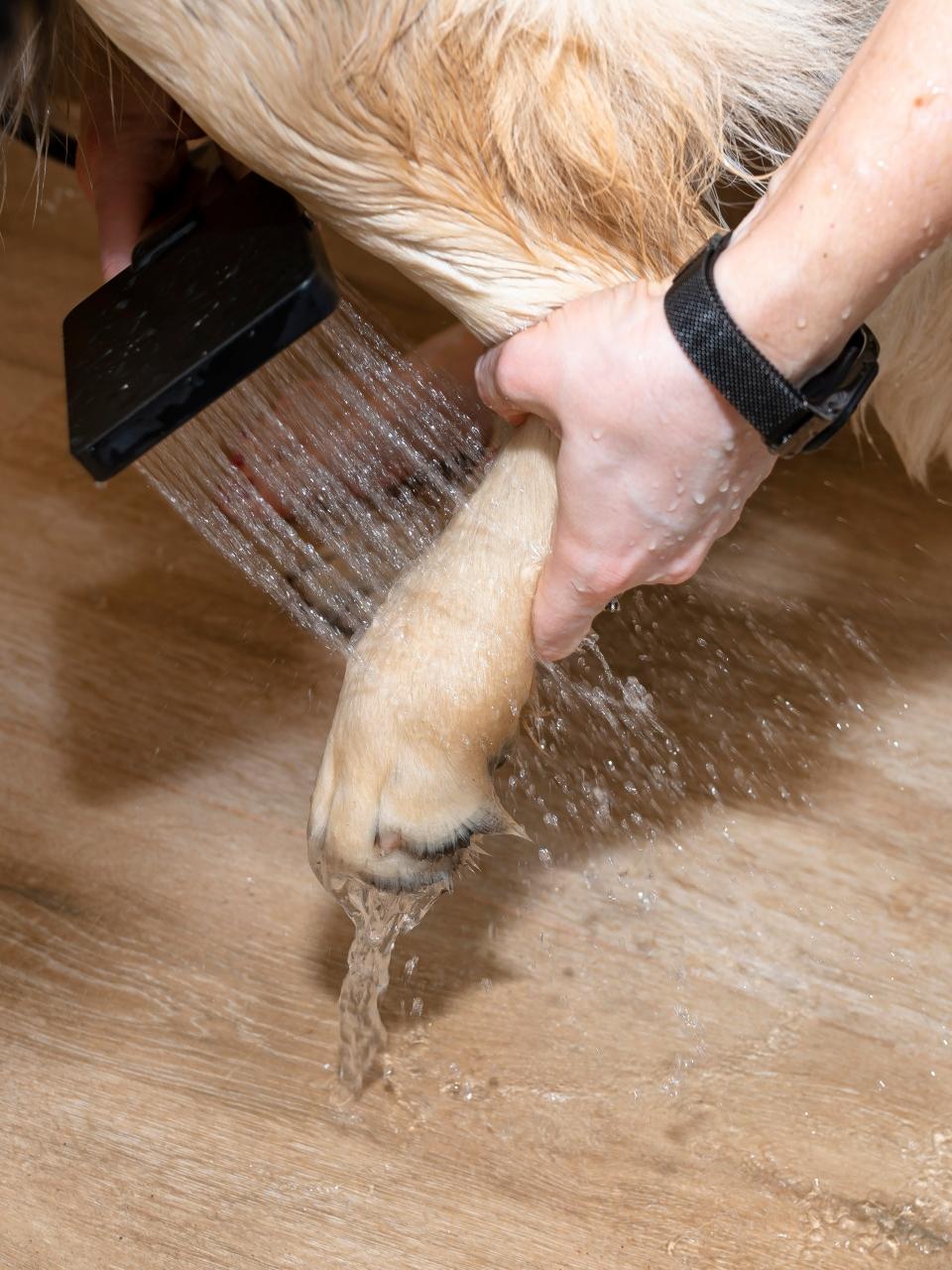
It is a good idea to perform the initial scrub using microfiber towels. A wet rag in a zip-top bag is a compact cleaning option too. Or, you can then use dog wet wipes to break up any caked in mud, on very dirty paws.
Cleaning paws is quicker than giving the dog a full bath. However, for very dirty dogs, a full bath may be the best solution. It can take some time for the warm water and soap to start loosening caked on mud, so patience is key.
Dog paw cleaners are a handy and effective way to spot clean muddy paws before coming into the home. They work very well to remove muck, snow, road salt, bacteria, pollen, and other allergens.
If you are going on frequent muddy or rainy walks, a paw cleaner is the overall pick and easily beat wipes or a towel. Paw cleaning reduces the risk of skin irritation or infections.
A popular choice is thePotty Buddy cup-style paw cleaner. It is a best-seller, which comes in a convenient size and is great value for what it offers.
Follow Us On
Check Out Our Most Popular Content