Your Cart is Empty


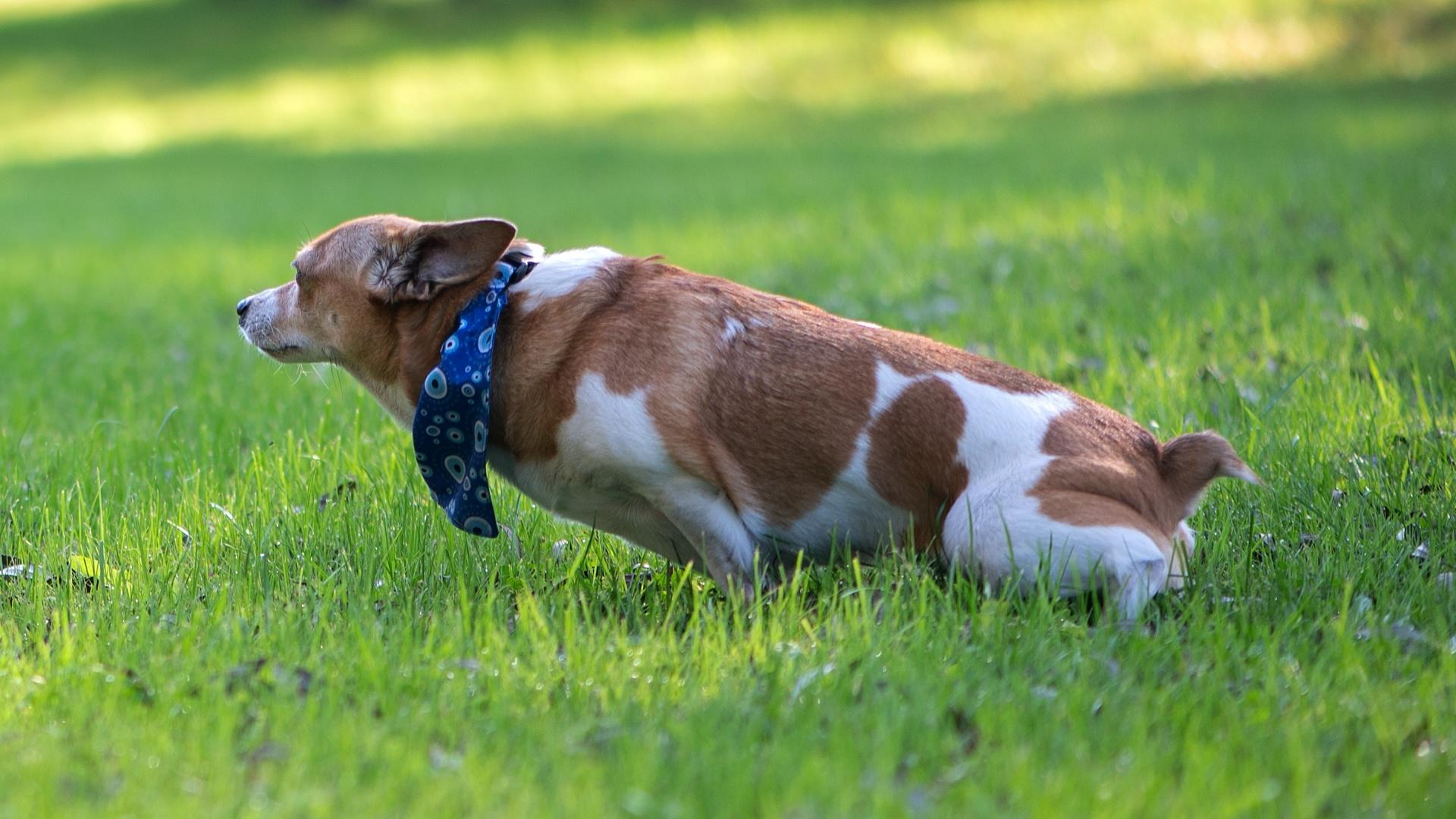
Yes, there is no doubt among professionals that female dogs mark their territory. Urine marking is a normal behavior and an important way that dogs communicate. Scent marking is not something confined to male dogs only. In fact it is often, though not always, related to the heat cycle in female dogs.
While indoor territorial marking can feel like your dog is acting out or failing in their toilet training, we must understand that marking is instinctive for them. This article discusses what marking is, why it is done and how we can prevent urine marking indoors.
Do Female Dogs Mark Their Territory? Yes — But Not Like Males Do
Urine Marking vs. Regular Urination: How to Spot Marking Behavior
Why Female Dogs Mark: Hormones, Territorial Marking, and Anxiety
Female Dogs Marking in the House: Triggers and Common Targets
Outdoor Marking: Walks, Visits, and New Environments
How to Control Urine Marking in Female Dogs: 7 Steps That Reduce Marking
Dog Marking and Dog Behavior Problems: When to See a Vet or Behaviorist
Some females will mark and this is typically small volumes of urine and it may be upright urination on objects
Main triggers include estrus, acting territorial, anxiety and new possessions or smells within the home
Organise a vet check if the behavior is unexpected or worsens
Punishment is never the right answer as it serves to increase any anxiety and worsen marking behavior
While we usually expect the intact males to be the ones marking, we regularly see it in intact females too. Indeed, even neutered dogs will do it, especially if they were neutered later in life.
While hard to determine an accurate figure, it is estimated that about 50-60% of females will urine mark in specific circumstances.
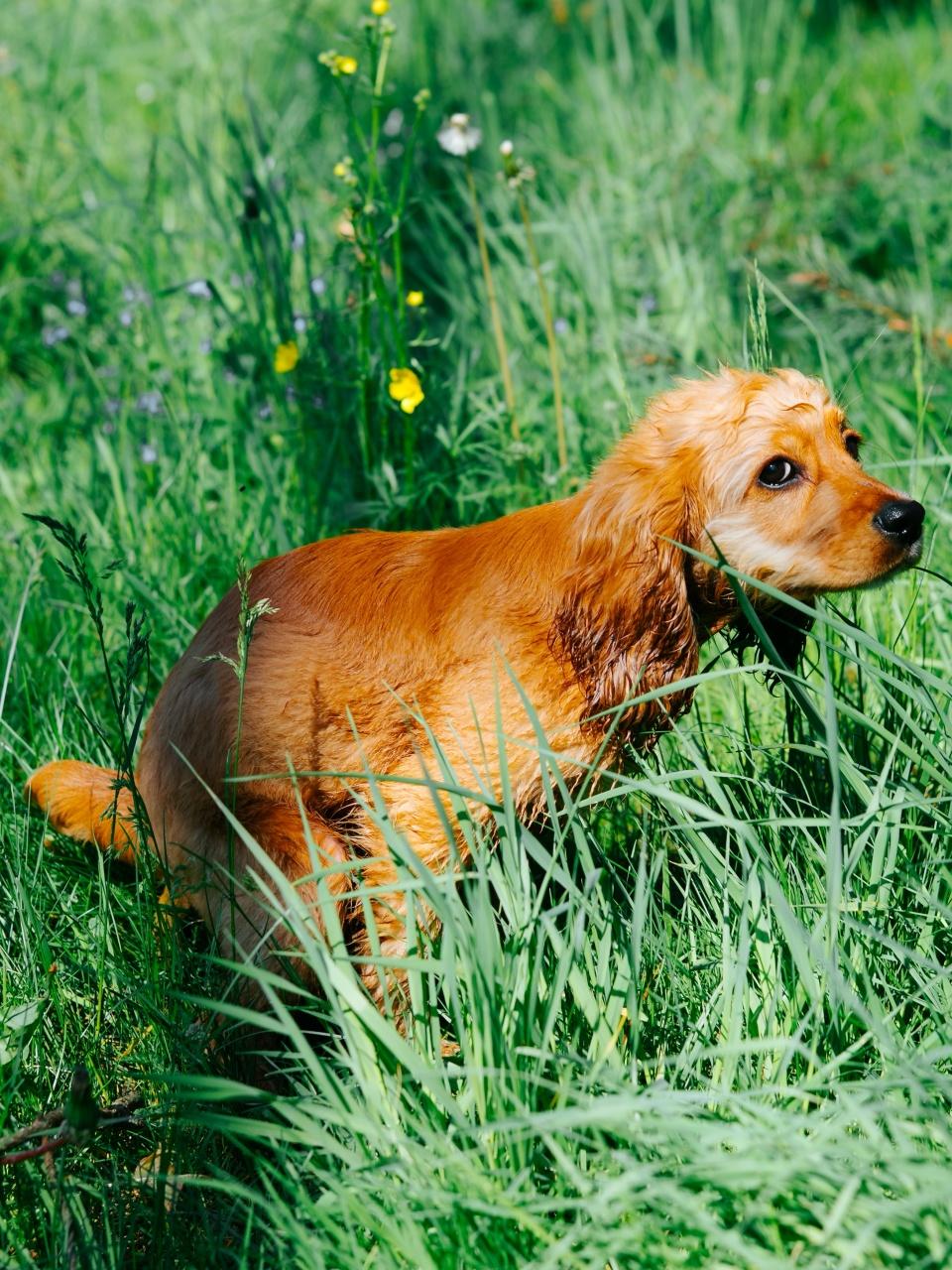
Some owners may miss urine marking, particularly as females tend to squat rather than cock their legs. For this reason, it can look like an ordinary pee, when she chooses not to lift a leg.
Interestingly, female dogs scent mark most when confronted with a fresh pee from another dog. Females are more likely to 'adjacent-mark' (urinate beside another dog's pee) than to 'over-mark (urinate on top of another dog's scent) compared to males (1). It is thought that they are attempting to preserve the original scent and message.
Urine marking is a deliberate and conscious deposit of a small amount of urine. The purpose is not to relieve themselves and empty their bladder, but rather to leave a message for another dog. Scent marking is usually done on an upright object like a lamp-post, trash can, or wall.
| Urine Marking | Full Urination / Accident | |
|---|---|---|
| Volume | Small drops. Once the bladder is empty, they may try to scent mark but nothing comes out | Bladder empties |
| Target | Vertical, upright objects: furniture legs, doorframes, bags, new furniture | Flat surfaces, the floor |
| Posture | Squat, squat-lift, occasional leg lift | Sustained full squat |
| Pattern | Several small spots, repeated in the same 'high interest' places | One larger puddle. Dogs often have a specific type of spot they like to relieve themselves e.g. grass or leaves |
| Trigger | Other dogs, cats, new objects, stress, estrus | Needs to empty her bladder |
| Red flags | Excessive or unexplained marking | Straining, frequent tiny volumes, blood or discoloured urine → See a veterinarian |
| Purpose | Communicate through scent with other dogs | Empty the bladder |
Many neutered and un-neutered males will squat to pee too. They do not always cock their legs!
There are set reasons that a female dog will mark and it is sensible to be aware of each one.
Hormonal influences and the heat cycle.Intact females mark more before and during estrus; the urine advertises that she is ready to mate. This begins when she enters sexual maturity, at about 6-18 months of age. Learn more about the Heat Cycle in Dogs here.
Territorial marking.Triggered by the sight or scent of other dogs, cats, and other animals. For example, this could be a new dog in the neighborhood, a cat crossing the yard, or another dog's urine on your property.
Underlying anxiety and change.A new dog or new pet, a new baby, a move, a change in your work schedule, or a new environment are all very common triggers. Veterinary behaviorist Dr. Gary Landsberg co-authors a paper (2) in which he discusses the important of keeping the routine predictable and providing plenty of stimulation, to keep anxiety at bay and your dog regulated.
New objects and novel smells.New furniture, luggage, shopping bags, a guest's coat... Some objects appear to trigger marking on their own, even in a relaxed dog. A new smell can act as an invitation to introduce their scent.
Remember, marking is not done out of spite, and it is not a house-training failure. Dogs have marked for many centuries and it is something that we need to manage rather than punish.
| Likely cause | What you would see | First move |
|---|---|---|
| Hormonal / estrus | Marking spikes around her heat cycle; she is intact | Talk to your vet about spaying, where appropriate. Consider diapers while in heat |
| Territorial | Marks at doors, windows, the yard fence; other dogs or cats nearby | Block the view and prevent access |
| Anxiety | Started after a change — new pet, baby, move, schedule | Restore a regular routine to reduce anxious marking |
| Medical | Sudden onset in a house-trained dog; straining, blood, smelly urine, excess thirst | See a veterinarian before anything else |


Dogs mark indoors to communicate, and this can happen even when there is no other dog to read their message. Common indoor targets include furniture legs, doorframes and thresholds, as well as windows and doors where she can see or smell other dogs, new furniture, bags or even the corner of a rug.
If a marked spot is not fully deodorised, she will come back to it. Clean up her pee promptly and consider using an enzymatic cleaner.
A house-trained dog will often still mark, because she does not file marking under "going to the bathroom" in her brain, so doesn't view her scented messages as accidents.
Outdoor marking is normal communication, and it is neither realistic nor fair to eliminate it entirely. Your job as a responsible pet parent is to allow her to mark where it is acceptable, and calmly but consistently redirect where it is not.
Many owners allow their dogs to scent mark freely when outside. If there is a specific spot you'd rather she not pee, learn to preempt signs like prolonged sniffing and circling. Use a leash to turn her head away before she starts, and re-direct her to somewhere more appropriate. This sort of supervised exploration allows her to have independence in an appropriate way.
Then the visiting problem: dogs that mark when visiting places like friends' homes, veterinary clinics, obedience classes, and dog shows. While you may feel embarrassed, this is a hugely common issue and you are by no means the only one dealing with it. Keep her on leash until she has settled and feels more secure in her new environment and try to ensure she has a new bladder before entering a new indoor territory.
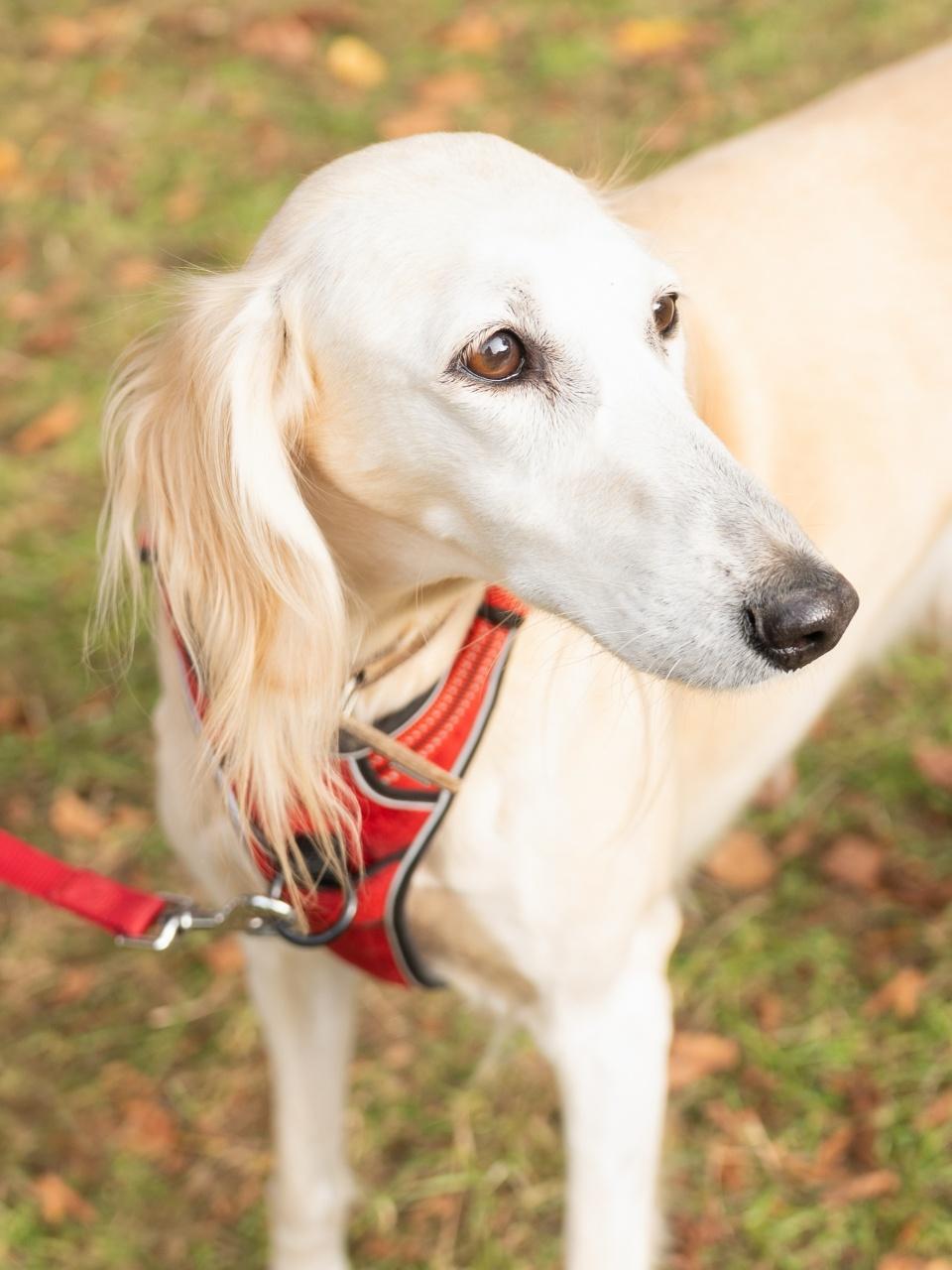
When indoor pees becomes problematic, there is plenty that can be done to control urine marking.
Step 1: Rule out a medical cause first.Book a veterinarian exam with a urine sample, especially if a house-trained dog has suddenly started urinating indoors. Straining to urinate or any evidence of discomfort is a medical concern, not a training issue.
Step 2: Clean every marked spot with an enzymatic cleaner.Residual urine odor is an open invitation to re-mark; ammonia-based and heavily fragranced cleaners can make it worse. Opt fora spray that breaks down uric acid crystals and eliminates smell.
Step 3: Talk to your vet about spaying if she is intact.Neutering is sometimes recommended for female dogs that mark during estrus. Be aware, however, that spaying will not resolve marking that is driven by anxiety and is not a replacement for proper training.
Step 4: Identify the trigger and prevent access.Block the windows and doors she marks at and keep her away from specific objects if she constantly pees on them. It is also sensible to keep things, particularly new items, up off the floor.
Step 5: Supervise, interrupt, redirect — never punish.Watch for pre-marking behavior (such as sniffing intently and walking in circles) and call her away. Once she comes, offer her something that makes it worth her while, like a toy she loves. After, reward correct elimination outdoors with a treat. Any punishment teaches her to mark out of sight and worsens anxiety, which only drives more scent marking and indoor accidents.
Step 6: Use management tools while training.If your female is marking a lot, you may need to confine her or usediapers, in order to protect your home. This is a temporary solution while you work on her training. Doggy diapers need to be regularly changed to prevent urine scalding and skin infections.
Step 7: Give her a regular and stimulating routine.Exercise, play, training, and enrichment reduce anxiety, which is the driver behind a large share of indoor marking. When you are not playing, training, or supervising, teach her to settle in her bed or confinement area with her own toys. A busy dog is a content one.
While tempting to always see indoor scent marking as a training or behavior issue, it can be medical.
See a veterinarian if marking begins suddenly in a house-trained adult, if she strains, or dribbles, or if the urine is bloody or discoloured.
See a certified behaviorist if the marking is persistent and there is no response to your training methods. You may also need external help if her behavior is tied to conflict with another dog or a person in the home. Relationships between pets are complicated, and dog behavior problems of this kind need a plan.
For some individuals, anti-anxiety medication will be prescribed alongside a behavior plan, particularly if the dog is dealing with an underlying anxiety disorder.
Scent marking in females is normal and expected behavior. When she is soiling indoors, this is something we can manage and prevent. Cleaning up indoor accidents with an appropriate cleaner is half the battle. When the problem is persisting, do not hesitate to get professional help.
https://www.sciencedirect.com/science/article/abs/pii/S0003347211000078?utm_source=chatgpt.com
Lindell E, Feyrecilde M, Horwitz D, Landsberg G. Dog Behavior Problems: Marking Behavior. VCA Animal Hospitals.
Follow Us On
Check Out Our Most Popular Content