Your Cart is Empty


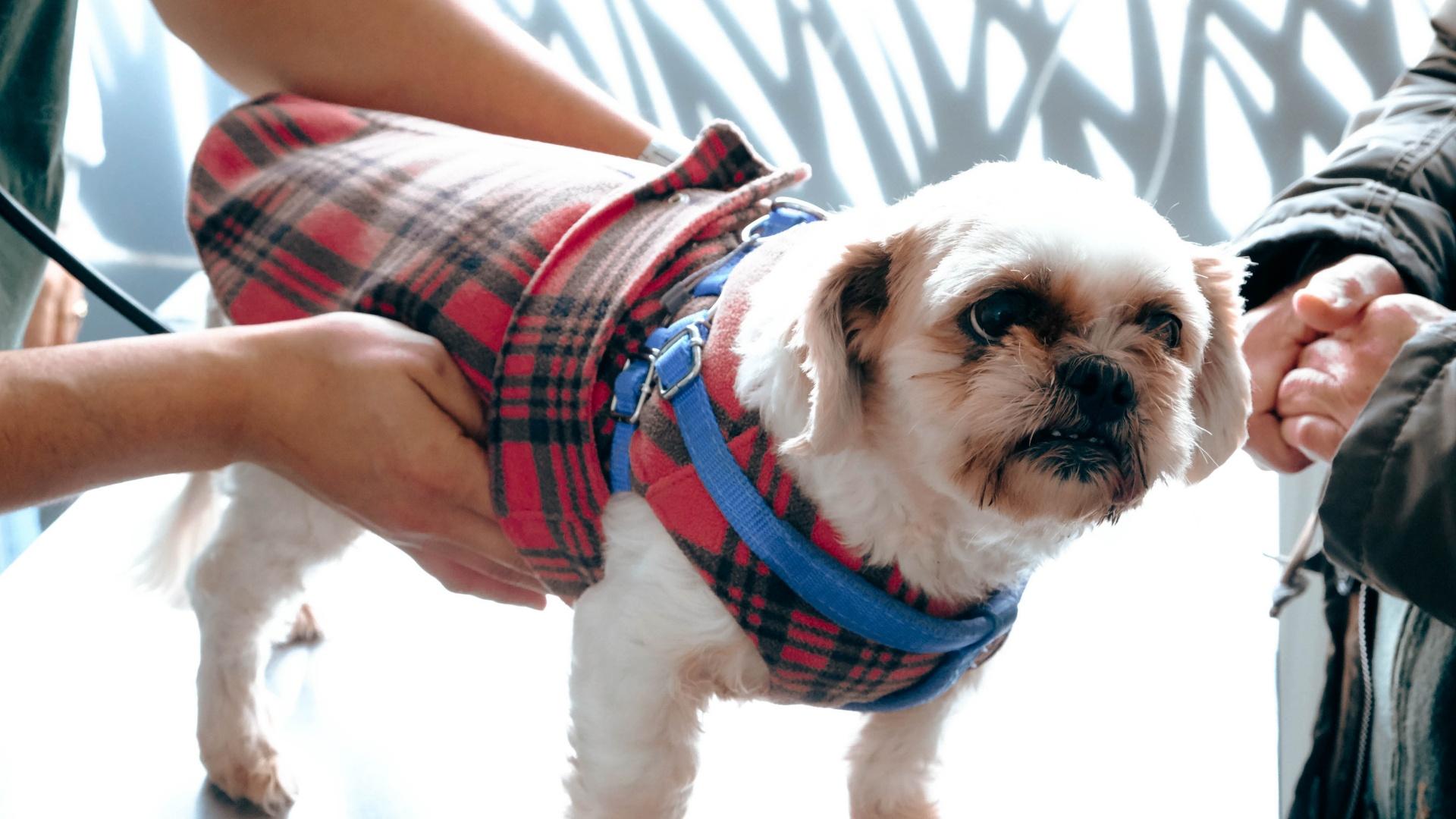
Colitis is the medical term used to describe an inflammation in the large intestine, or colon. It is thought that about 1-2% of dogs will suffer from colitis. There are a range of known triggers which include stress, infections, and allergies.
While any dog can be affected, it occurs more in certain breeds such as the Yorkshire Terrier, Frenchie and German Shepherd. Once a dog has one bout of colitis, they are more likely to develop another in their future.
This article covers colitis in detail, discussing both the acute and chronic forms. We talk you through the symptoms, causes, diagnosis, and the typical management of this condition, ensuring you’ll be well-informed and well-placed to best help your pet. Although it can be frustrating and upsetting to deal with canine colitis, little changes can accelerate recovery and prevent future episodes.
⚠️ Medical Disclaimer: This article is informational only and should not replace professional veterinary advice, diagnosis, or treatment. Always consult your veterinarian before starting any treatment or medication for your dog. Only a qualified veterinary professional can properly diagnose your pet's condition and recommend appropriate treatment based on individual circumstances.
An inflamed colon has a negative impact on digestion, as the water is not absorbed effectively. The localised inflammation also negatively impacts nutrient absorption and makes the dog feel the need to constantly strain.
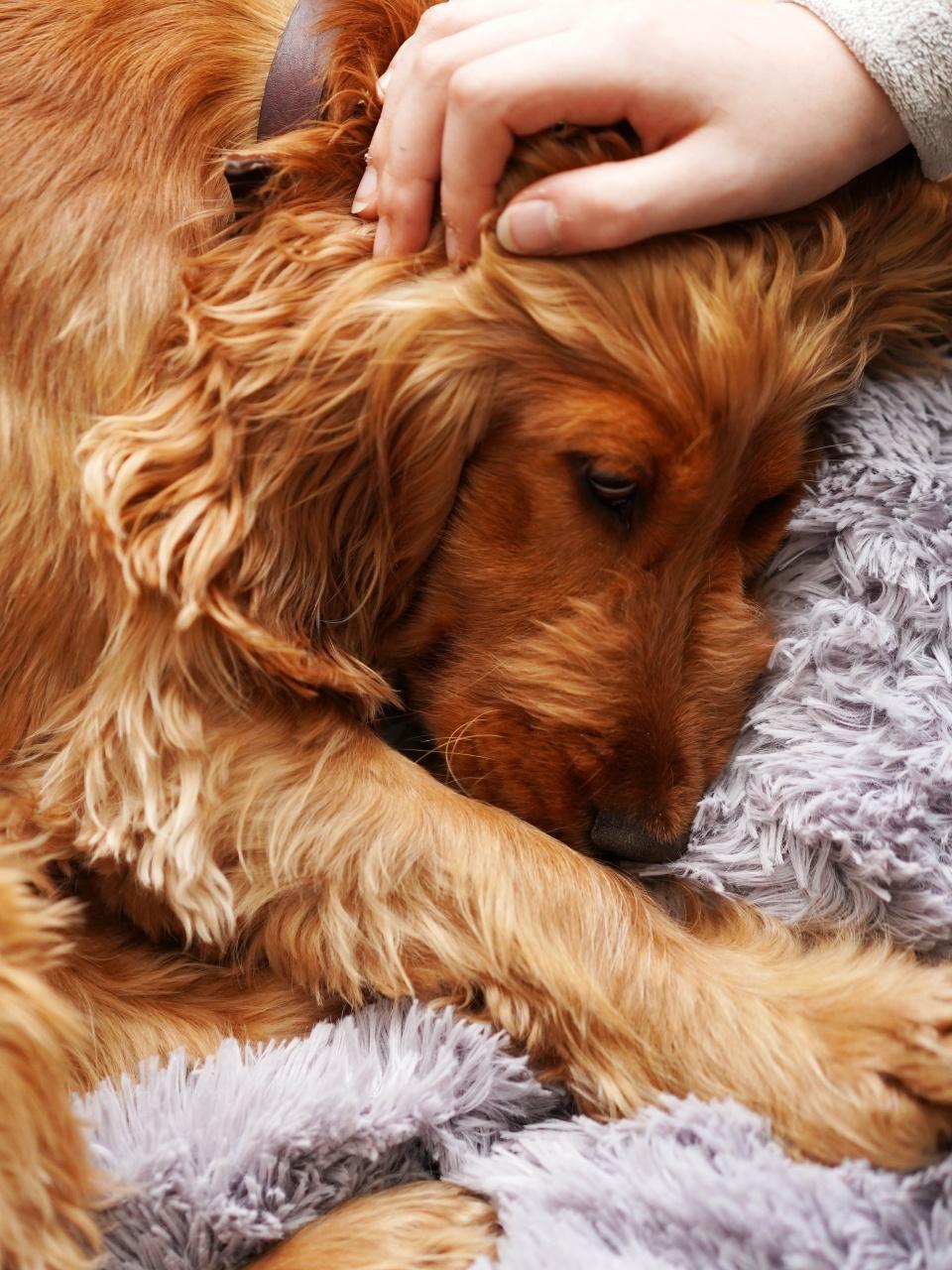
Acute Colitis. The colon becomes inflamed suddenly and for a short amount of time. Most cases last just a few days and dogs cope well, recovering with minimal veterinary intervention.
Chronic Colitis. Chronic colitis is a much more debilitating disease, with patients suffering from ongoing and long-term digestive issues. It is especially important for these dogs that we establish an effective therapy plan quickly.
Other types. Your vet may diagnose a particular type of colitis, if they biopsy your dog’s gut. It is determined by the types of cells that are present. Examples include eosinophilic, granulomatous (such as histiocytic ulcerative colitis in dogs), and lymphoplasmacytic colitis.
The symptoms that occur in colitis can be seen in a range of different conditions, so achieving a diagnosis is not always straightforward at first. However, we may be more suspicious of colitis if the dog’s signs are localised to their GI tract, if the episode is preceded by a common colitis trigger, and if the dog is suspected to have had colitis in the past.
So, let’s take a look at some of the more common signs of colitis in dogs, splitting the descriptions into the acute and chronic forms.
Sudden onset diarrhea. The dog’s poop becomes watery or sloppy very quickly. They will pass stool more often and in greater volumes.
Bloody stool. Blood originating from the colon does not have time to be digested before it is passed, so it retains its bright red color. For most dogs, they just pass a few drops of blood, but some patients may lose a lot more blood than this.
Urgency. Sometimes the dog urgently needs to go and they may experience indoor ‘accidents’, even if they are fully toilet trained.
Straining during defecation. The dog may have a sensation like their bowel is not fully emptied, and as though they need to continue to pass poop for a long time.
Mucus in stool. Stringy mucus or slime that looks like snot can be seen. This often coats the stool.
Bloating and flatulence will feature for some dogs.
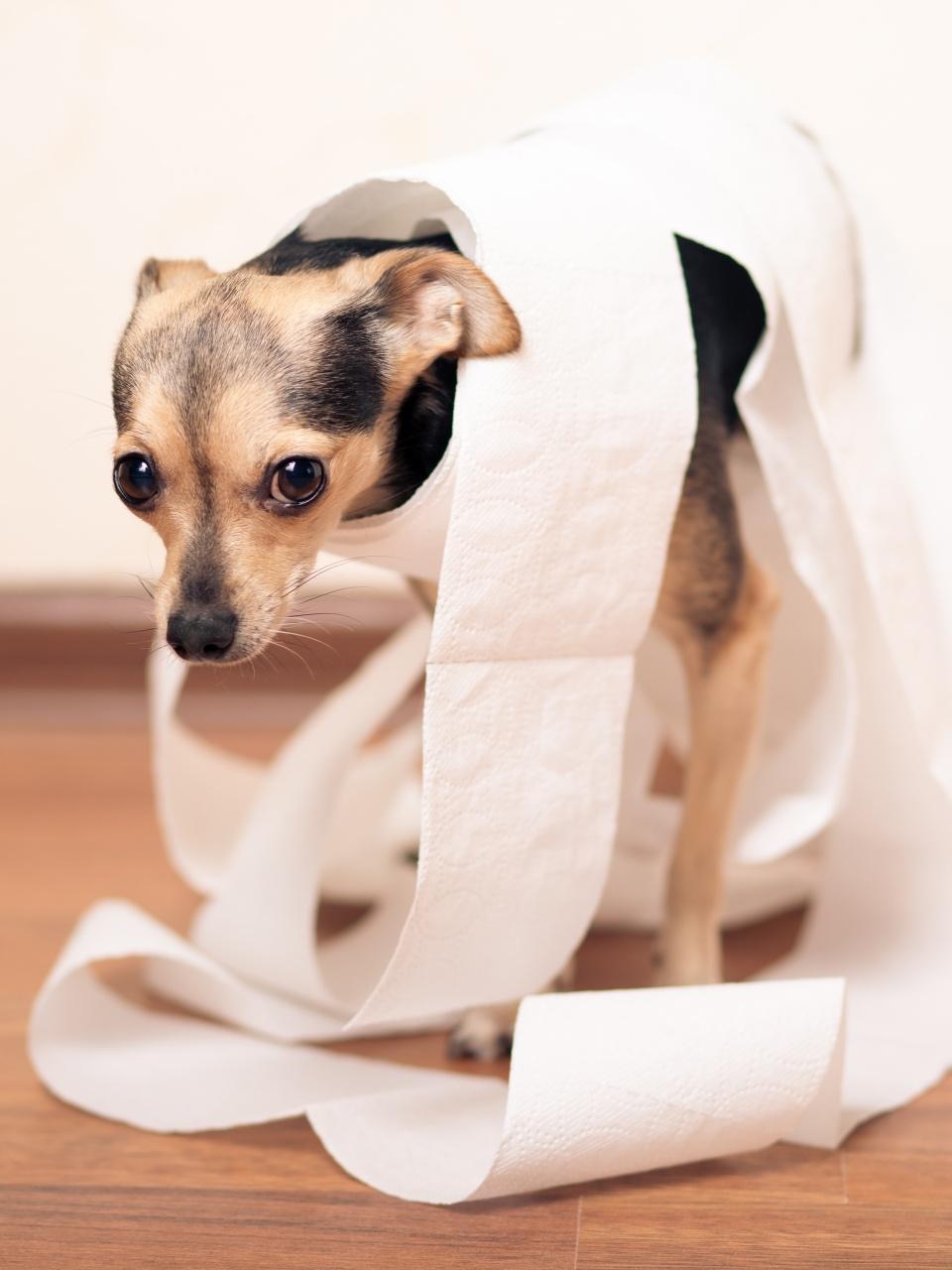
Recurring episodes. Dogs get better for periods of time, before another episode will occur. This ‘on again off again’ nature of the condition can feel very defeating for an owner.
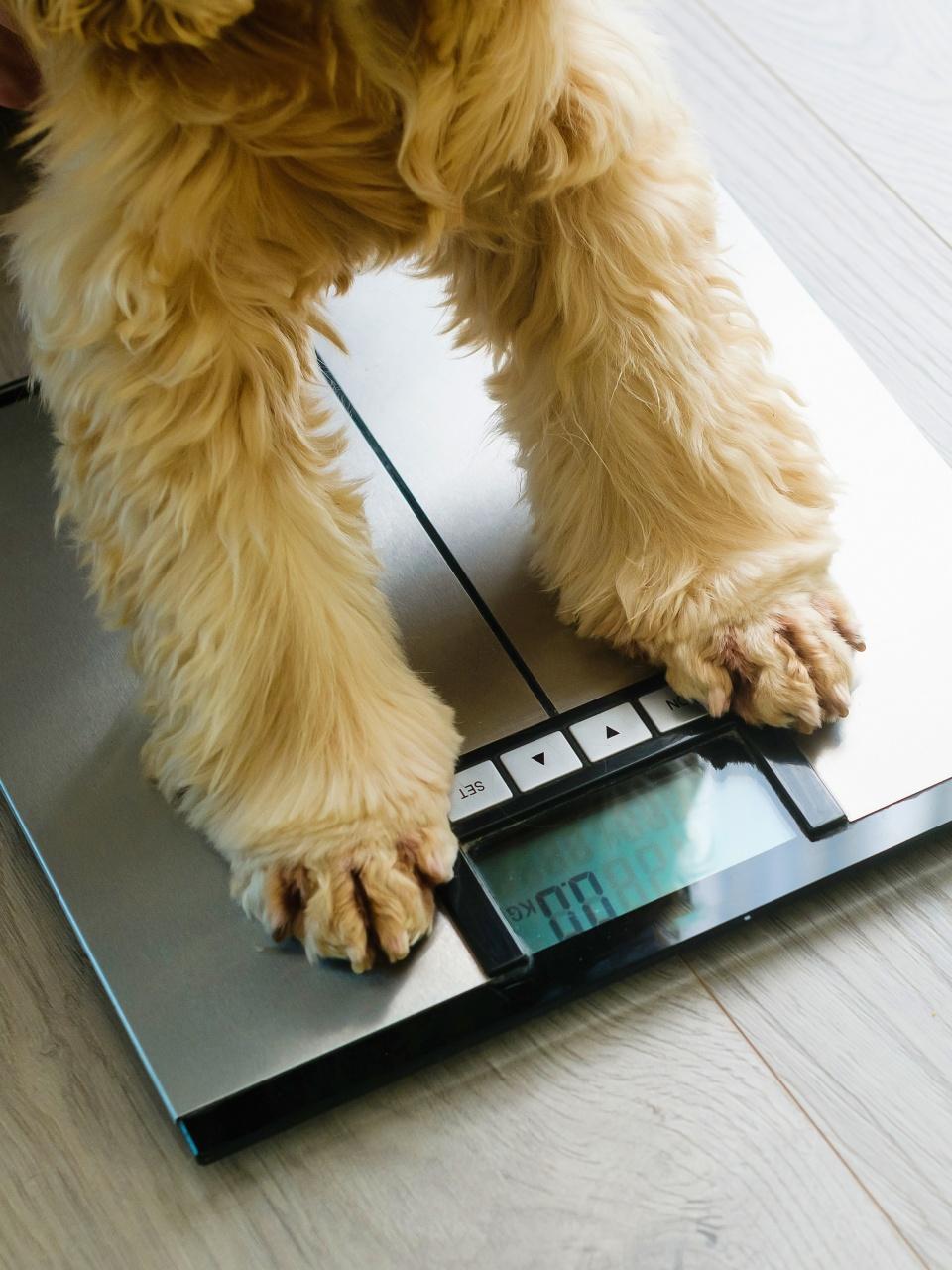
Weight loss (in severe cases). As those with colitis are passing a lot more stool than normal and experiencing an inefficient digestive process, it is inevitable that over time this will lead to weight loss and muscle atrophy. The weight loss is exacerbated by a reduced appetite in some dogs.
Persistent mucus/blood in stool. Stools are not ‘normal’ and can vary from soft to sloppy to watery. They may have blood and/or mucus in them, in varying quantities.
Vomiting (occasional). Some dogs may experience some nausea and vomiting, particularly if they are straining excessively or have abdominal pain.
It's usually advised to book your dog in for a routine appointment if they’re coping well but are straining when they pass stool or are experiencing a little blood or mucus being passed. Similarly, it's typically recommended to have them seen if they’ve had diarrhea for more than a couple of days.
Emergency signs that require immediate attention
It's best to see your vet immediately if your dog has any concerning signs such as pale gums, weakness, collapse, labored breathing, or if they are passing large amounts of blood.
Colitis can have many causes, which makes it harder to diagnose and manage than other conditions. For some dogs, you can almost predict they will have colitis if, for example, their diet is going to be abruptly changed or their owners are planning a holiday. For others, it can present much less predictably.


Let’s take a closer look at some of the more common culprits.
Stress. Any change in routine can cause a colitis flare up and some refer to this specific condition as ‘stress colitis in dogs’. We see this in those who are boarding, those who travel away from home, or when an owner spends time away. Dogs can also experience colitis after a stressful event such as a trip to the groomer or vet clinic, or being near a fireworks display.
Dietary indiscretion. If sensitive dogs eat things they shouldn’t, their gut can become inflamed. This may be a treat they are given, or something they manage to snaffle from the ground.
Sudden diet changes. A diet change should be carried out over several days, to avoid inflaming the gut.
Parasites. Protozoa and worms can wreak havoc on the digestive tract. They are more commonly seen in puppies, and are easily prevented and treated with medication.
Bacterial infections.Infections such as Salmonellosis or Colibacillosis are regularly seen in dogs, especially those who are raw fed.
Food allergies/hypersensitivity. It is not uncommon for dogs to react to specific proteins, with chicken, beef, lamb, grains, and milk being some of the most frequently diagnosed allergens.
Inflammatory bowel disease.IBD can cause inflammation in any part of the gut, including the colon. This is the classic example of an immune-mediated disease that can cause canine colitis.
Persistent parasites (giardia, whipworms). Dogs may carry a parasite burden for a long time, leading to ongoing symptoms.
Bacterial infections. Chronic bacterial infections are more common in those who are immune-suppressed. As these infections can be passed on to humans, we need to be especially careful with regards hygiene.
Certain breeds are more genetically prone to colitis, especially if they have parents or siblings who are affected. Studies have shown that some breeds are more likely to have high numbers of inflammatory cells within their GI tract.
Breeds with a reputation for developing colitis include Frenchies, Boxers, German Shepherds, Labradors and Bulldogs.
For some patients, they will experience a short episode of colitis for a few days and this then resolves. These patients may not need an extensive work-up. Usually, we’ll run diagnostic tests when colitis is lasting a long time or recurring.
When your dog presents to the vet clinic, your vet will usually ask about their previous medical history and what has been going on over the last few days. They generally perform a thorough physical exam, which should include assessment of your dog’s hydration status, palpating their abdomen, checking their temperature and performing a rectal exam.
Your vet may discuss analysing your dog’s stool, and request a pooled sample collected over the space of three days. This may include both a culture and a microscopic exam, checking for any parasites or pathogenic bacteria.
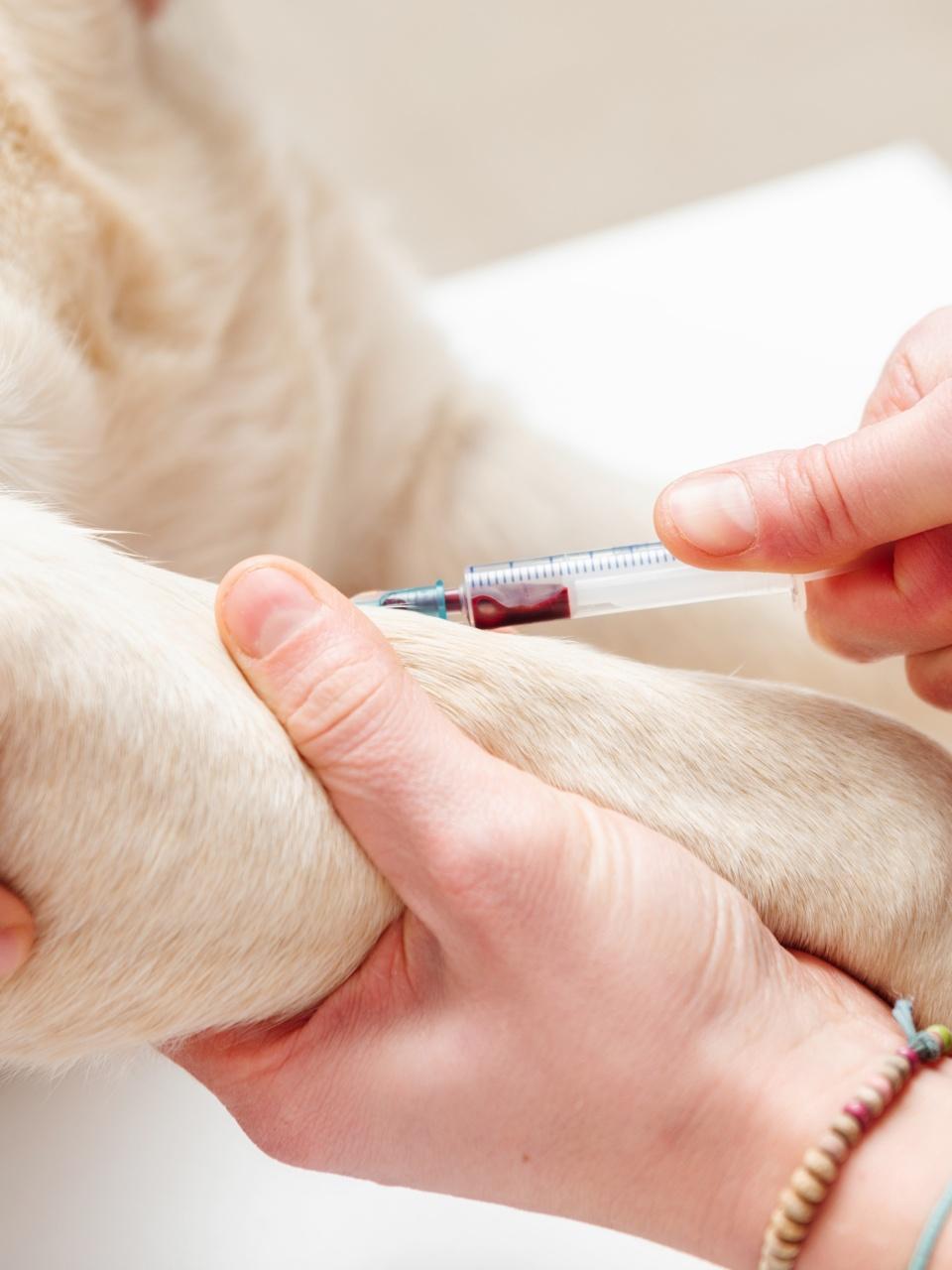
A work-up might include hematology and biochemistry blood tests, to assess for infection or inflammation, to check protein levels, and to check organ health. There are also more specific tests which can be run to evaluate intestinal health, including measuring B12, Folate, and TLI levels.
Your vet may also discuss an abdominal ultrasound, which allows them to check intestinal thickness and to assess for any changes to the organs.
It is not uncommon for vets to suggest a diet trial, which can include a gastrointestinal diet, or perhaps a hydrolysed hypoallergenic food, if food allergies are suspected. These trials should be given a couple of months to work, as effects are not immediate.
A small camera can be inserted into the colon (colonoscopy) and biopsies can be taken, to achieve a more specific diagnosis, so that the best and most specific treatment plan can be initiated.
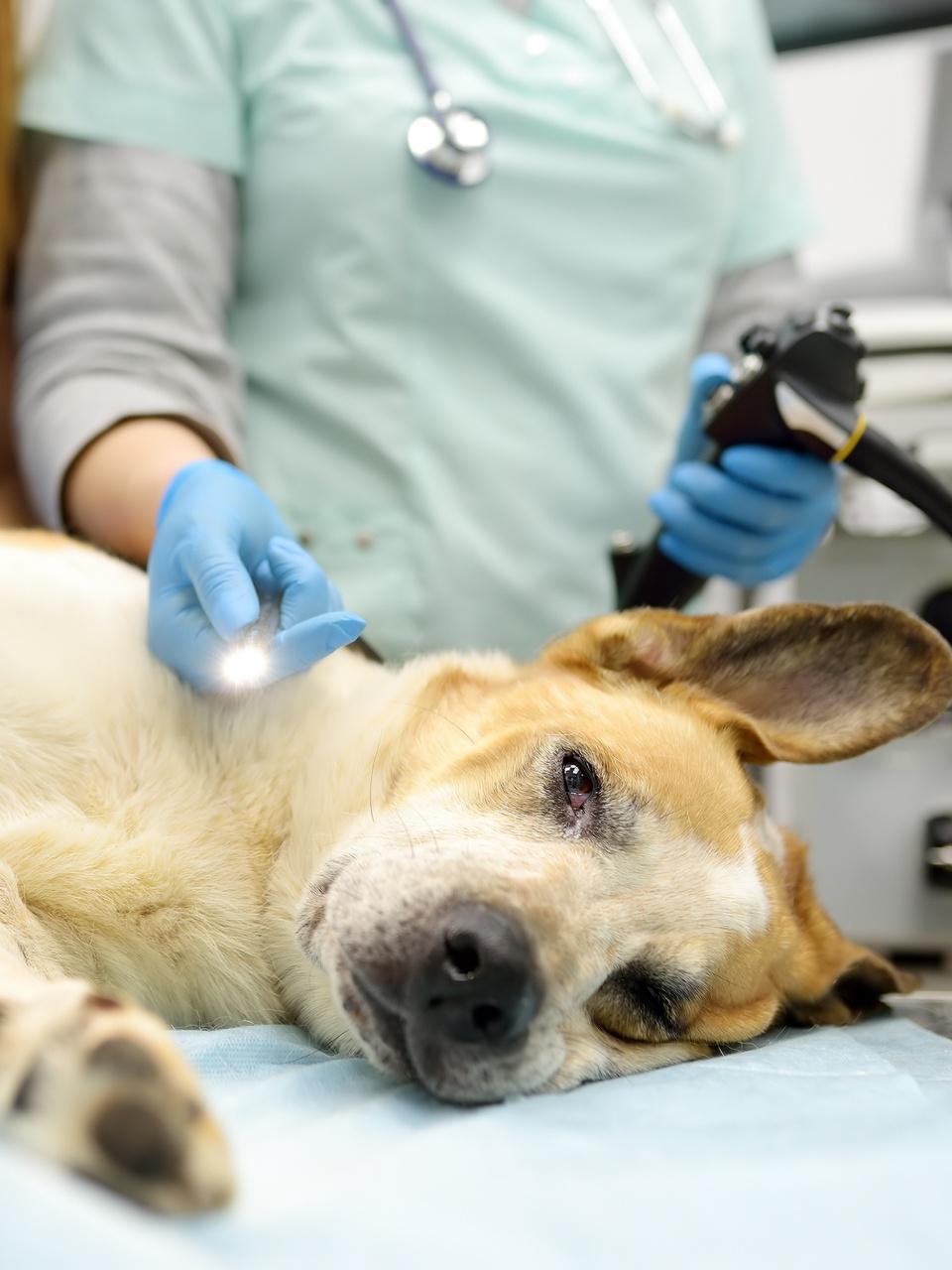
How we go about treating colitis in dogs will vary depending on if the patient has acute or chronic colitis, what their specific signs are, and for how long they have been unwell.
⚠️ Medical Disclaimer: All medications mentioned in this section are for informational purposes only and should never be used without professional veterinary guidance. Your veterinarian must examine your dog, confirm the diagnosis, and prescribe appropriate medications with proper dosing instructions. Self-medication can be dangerous and may worsen your dog's condition.
Fasting period (24-48 hours). Some vets will advocate fasting your dog for a day or two, but this is only advised in healthy, adult dogs who are well hydrated.
Hydration management. As these patients lose excessive fluid from their GI tract, your vet may advise to maximise their hydration by encouraging them to drink water and rehydration solutions.
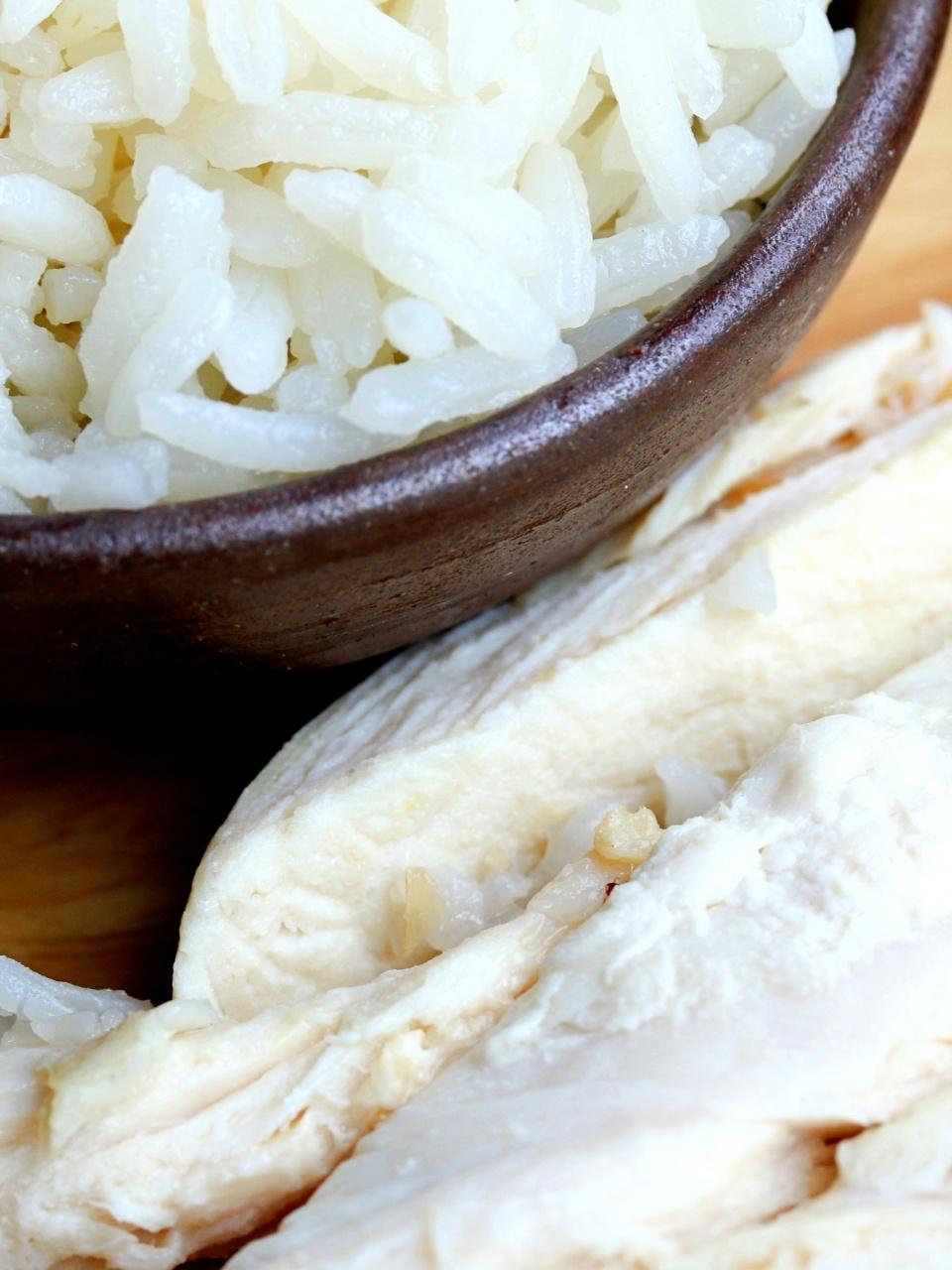
Bland diet introduction. After fasting, it's usually recommended to stick to a food that is simple to digest and that your dog tolerates. The diet will depend on the individual but may include chicken, fish, rice, egg, or sweet potato.
High-fiber diets. Increasing fibre can bulk up the poop and improve the stool consistency. Ideally this would be a mix of soluble and insoluble fibers.
Low-residue diets. Some dogs do better on a low fiber diet, such as chicken and rice. This can encourage the colon to rest. This sort of diet is regularly recommended for acute colitis dogs.
Prescription diets. Diets that are hydrolyzed or hypoallergenic may be trialled as part of a therapy plan, as certain food proteins can trigger IBD or colitis.
Supplements.Fiber supplements such as pumpkin and psyllium, probiotics, postbiotics, and omega 3 fatty acids can all be helpful.
It is not uncommon for medicine to be needed in those cases that do not quickly clear up. This can include antibiotics such as Metronidazole or Tylosin, anti-inflammatory drugs such as corticosteroids or cyclosporine, and antispasmodics. Treatment may be needed for weeks or even months.
Your vet may be happy for you to manage an acute case of colitis from home, particularly when symptoms are mild and your dog is coping well.
This can include a short course of probiotics, plenty of fluids, stress reduction, and rest. Many advocate for a short period of fasting, before introducing a low residue diet like chicken and rice.
Acute colitis should just last a few days and avoidance of triggers can prevent flare ups.
Chronic colitis is much more complicated and can be harder to manage. Dogs typically have underlying medical issues that need ongoing care, such as IBD or food allergies. Cure is not always achievable and many individuals experience flare ups.
If your dog is prone to colitis, you’ll need to manage their homelife and diet, to try and prevent episodes.
Some of the cornerstones include:
Stress management - particularly avoiding your dog’s specific triggers. For example, if they do not cope well in a kennels, consider having someone mind them in their home.
Consistent diet. Although it can be trial and error to find the ideal diet, once identified, it should be maintained.
Regular parasite prevention. Your vet can advise on the ideal parasite prevention protocol, which will depend on your dog’s lifestyle.
Avoiding dietary indiscretion. If your dog is known for eating things they shouldn’t, you can work on controlling their environment, keeping them on lead, and teaching commands such as ‘Leave it’ and ‘Drop’.
A one-off episode of colitis that is managed from home with rest, diet, and fluids won’t cost anything at all. However, those who have chronic colitis may require ongoing and costly vet care. A thorough work-up including imaging and biopsies may cost several thousand dollars.
Given the potential high costs associated with colitis, and the ongoing medical care that some patients need, pet insurance can help ensure they can receive the gold standard treatment.
Follow Us On
Check Out Our Most Popular Content