Your Cart is Empty



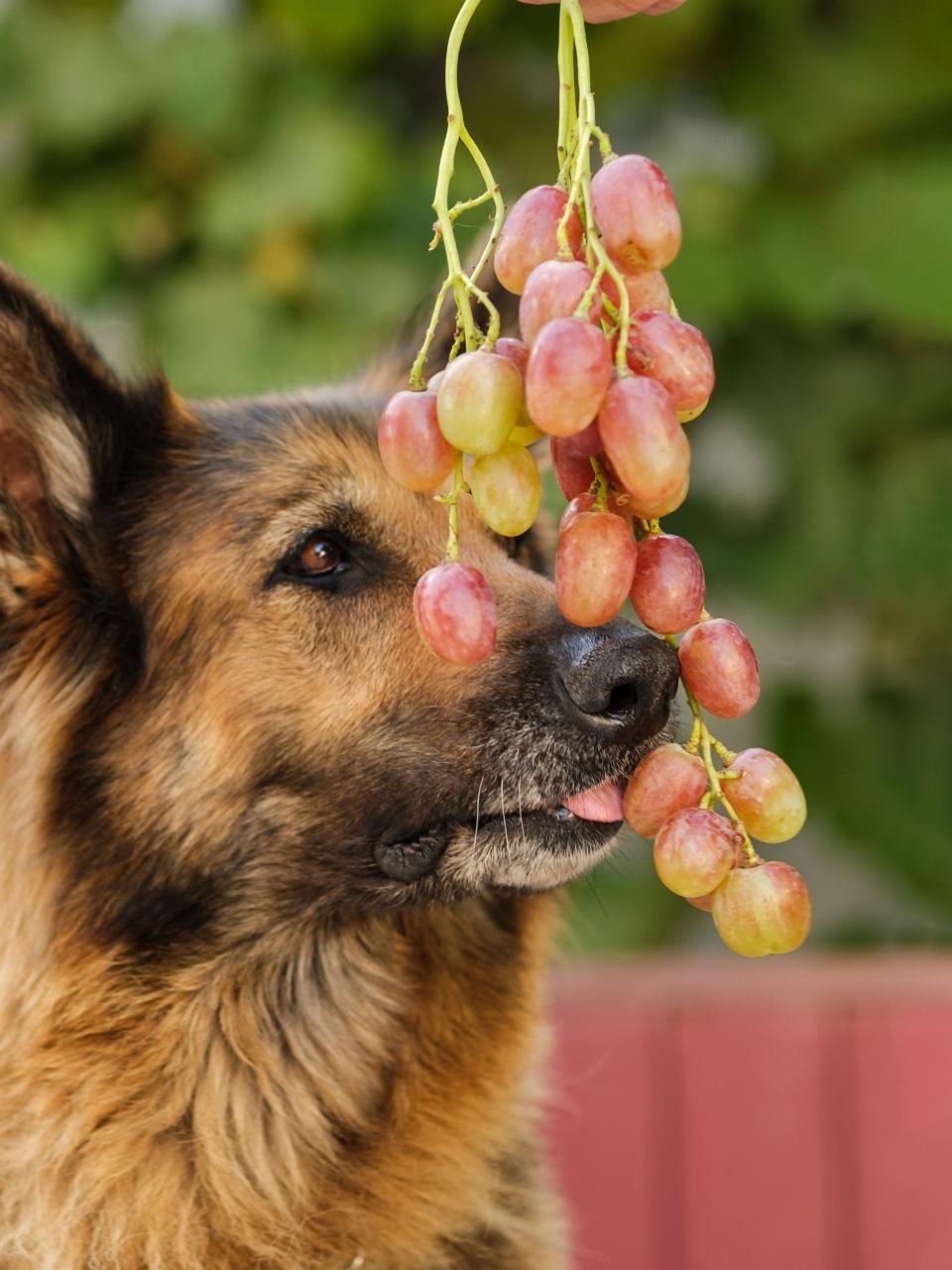
If you’ve left your dog alone in a room with a fruit bowl and you’ve come back to find the grapes eaten, this is potentially a very serious incident. Grapes are highly toxic, and some dogs are very sensitive to the toxic compounds they contain.
Sadly, without urgent intervention, grape ingestion has the potential to cause kidney failure and to be fatal.
This article covers what to do if you think your dog has eaten grapes, the treatment options available, the prognosis, and sensible prevention advice. Although grape toxicity in dogs can be scary, dogs usually recover well if they are treated promptly after ingestion.
It was recently discovered that the toxic component in grapes is likely to be tartaric acid and its salt, potassium bitartrate. As tartaric acid is present in the flesh, seeds, and the skin, all parts of the grape are toxic to dogs. Similarly, all colors and varieties of grapes are toxic to dogs.
Tartaric acid is present both in fresh grapes and in dried ones (sultanas, raisins, currants). Indeed, dried fruits can be more concentrated and potent than fresh grapes, so eating them is potentially more dangerous for your furry friend.
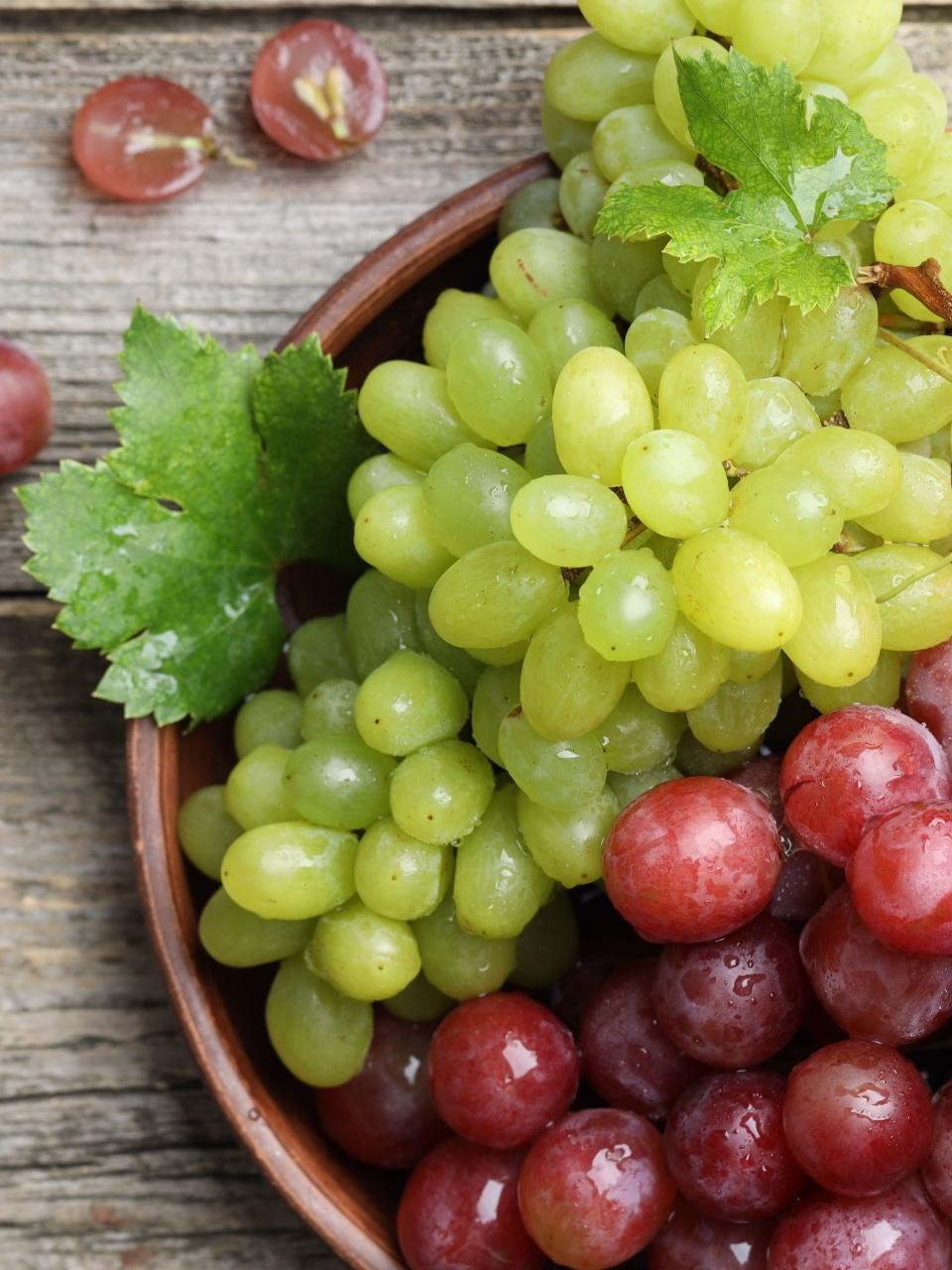
It was only very recently that tartaric acid was identified as the likely culprit of the toxicity. Prior to this, it was a big unknown. Interestingly, the amount of this compound contained in the fruit varies a lot, and it is present in a higher amount the more ripe the fruit is.
Certain grape products including wine, grape juice and grape jelly do not seem to be associated with toxicity. This is likely because the food processing eliminates or significantly reduces the concentration of the tartaric acid.
Some dogs can tolerate grapes better than others, and it is not always clear why. It is generally found that dogs who are very small or young can tolerate the least amount.
As well as grapes being highly toxic, they are also a significant choking hazard if eaten whole. This is due to their smooth texture and ovoid shape. They pose the biggest risk to small and young dogs, due to their smaller windpipe.
There is the potential for a whole grape to block the airway completely, and to cause a choking event. In practice, thankfully, this is not seen very commonly.
If your dog eats grapes, symptoms are not going to begin immediately. Initial signs can occur within about 12-24 hours and these are not always too severe. They can include:
Drooling, nausea and vomiting
Diarrhea
Mild lethargy
A reduced appetite
As time goes on, usually after 48 hours or so, symptoms of acute kidney failure may begin to show. These more concerning signs may include:
A sudden increase in thirst
Urinating lots or not urinating at all
Extreme lethargy
Weakness
Abdominal pain
Dehydration
Uremic breath (rotten fish smell)
Mouth ulcers
Tremors
Seizures
It is important to emphasize that the presentation and timeline do vary somewhat from one patient to another, so an owner should not be on the lookout for every sign, or assuming their dog would adhere to a certain schedule.
You should not be lulled into a false sense of security if your dog eats grapes and seems fine right after. It takes time for symptoms to develop. Do not wait until this point before seeking vet care.
If there is suspicion your dog has eaten grapes or raisins, your vet will advise you to bring them in immediately- regardless of the time or day.
The first step is usually to induce vomiting with an injection, and this is most successful when done within the first 4 hours of ingestion- the sooner the better.
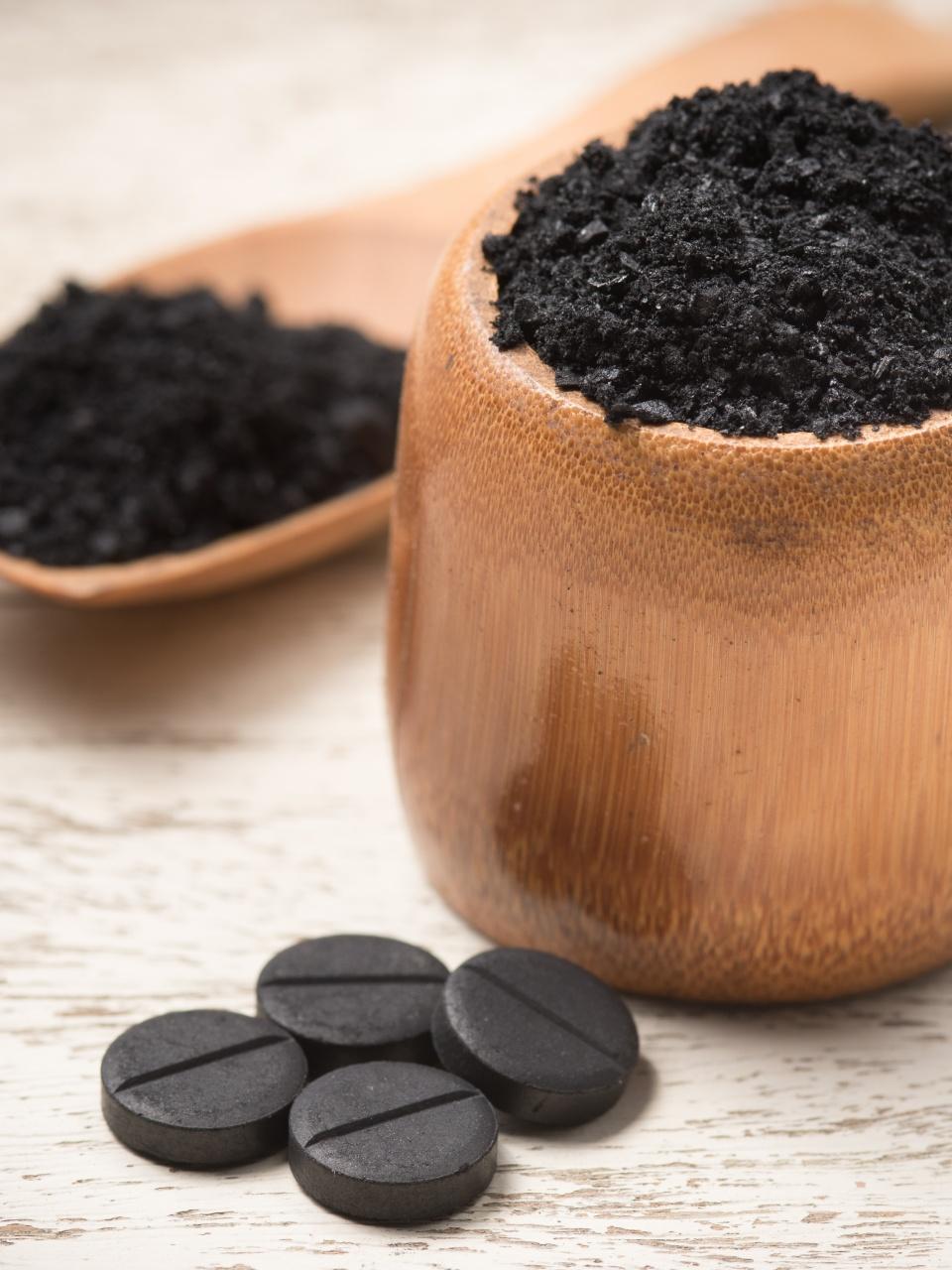
Once vomiting has finished, your vet may provide activated charcoal orally, to further minimize any toxin absorption within the GI tract.
Intravenous fluids may also be started, to support the kidneys and address the fluid loss caused by any vomiting or diarrhea your pet is experiencing.
Medication including antacids, gastroprotectants and anti-nausea drugs can be given to those patients who are symptomatic.
Your vet will run bloodwork to assess kidney function, though this test is often delayed until a couple of days after the ingestion, and then repeated a day or two later.
For those dogs who have eaten a large quantity of grapes or who do develop kidney failure, they are likely to be hospitalized for several days, on continuous IV fluids and under close monitoring.


While there is a real potential for dogs to develop kidney failure and to pass away, thankfully the prognosis here is good- just as long as treatment is sought promptly.
The prognosis is affected by the amount of the toxin ingested and at what point the dog presents to the clinic for treatment. Once acute kidney disease has developed, the prognosis does become a lot poorer.
Puppies, senior dogs or those who are already dealing with medical conditions such as chronic kidney failure, tend to respond worse to therapy.
Very sadly, those who develop kidney failure can pass away shortly after, or may be humanely euthanized.
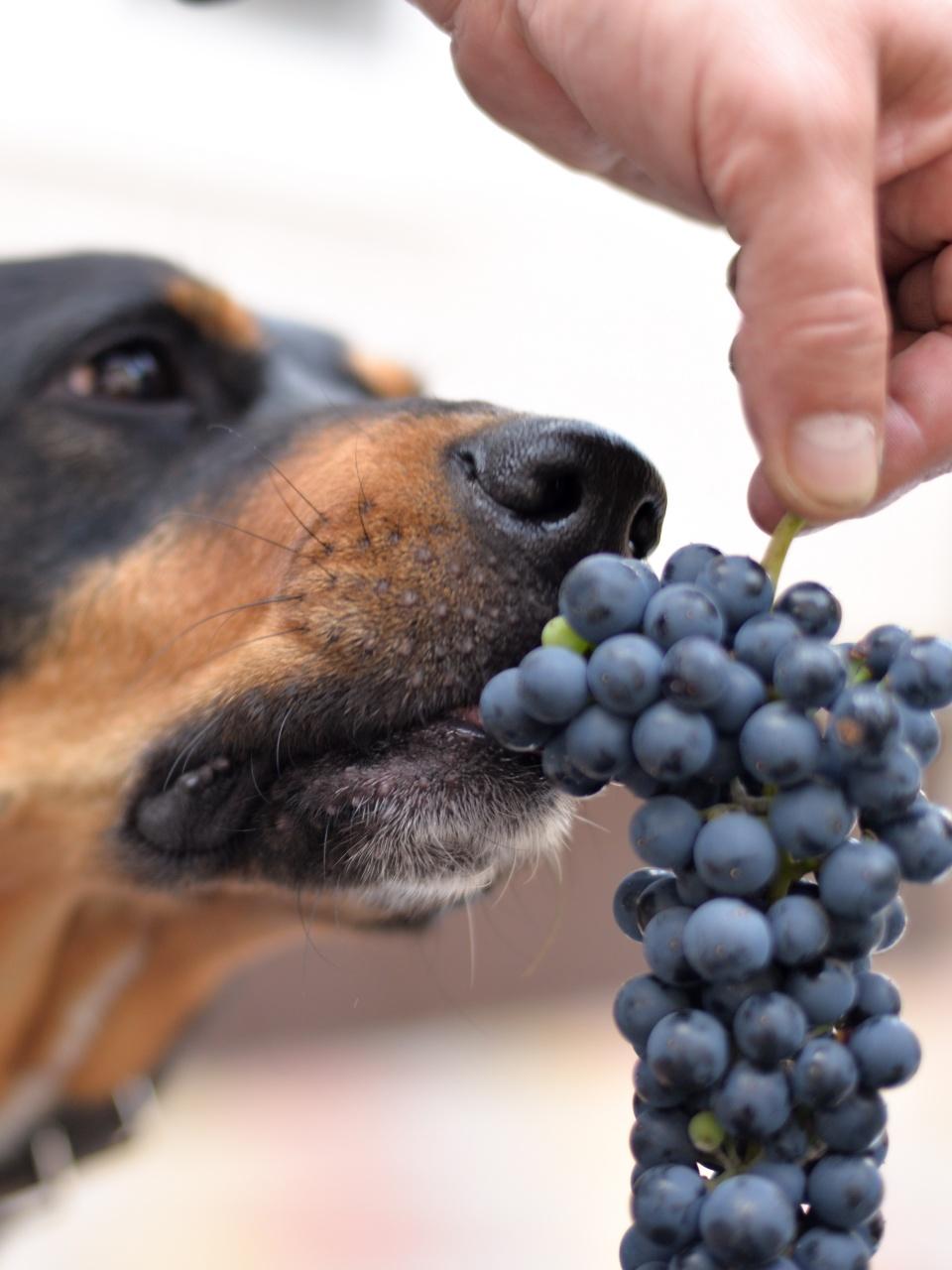
If your dog has potentially eaten grapes, contact your local vet immediately. If your regular vet clinic is not open, they should have the details for their out of hours provider on their voicemail service or website.
This is not something to ‘sit on’, you do need to take action right away. Even though your dog will be acting as normal initially, keep in mind that symptoms are not going to develop for at least 6-12 hours, even after large ingestions.
If you're in the United States, you can also contact the ASPCA Poison Helpline (888) 426-4435 (consultation fee applies) or the Pet Poison Helpline: 855-764-7661, for further help and guidance.
It is generally not advised to induce vomiting at home, at least not unless your vet has directly recommended that you do this. Most veterinarians agree that this is safest done within the clinic.
If you are unsure if your dog ate any raisins or grapes but think it is possible, it is best to err on the side of caution.
Identify what was eaten and approximately how much
Contact your local veterinarian or poison control immediately
Follow their specific instructions, and head straight to your local veterinary clinic if advised
Although not every poisoning case can be prevented, there are certainly things that you can do in your home to help try and keep your pooch safe.
Grapes and raisins are highly dangerous to dogs and should never be kept within reach. Make yourself aware of any ‘hidden’ danger foods too- such as muesli, baked goods and flapjacks.
Fruit bowls containing grapes need to be inaccessible, and toddlers and children eating grapes and raisins must be closely supervised at all times- ideally keeping the dog out of the room until they’ve finished eating and after the tabletop and floor has been checked for any rogue grapes.
Many dog owners will choose not to feed their children grapes or raisins within the home, due to the high risk.
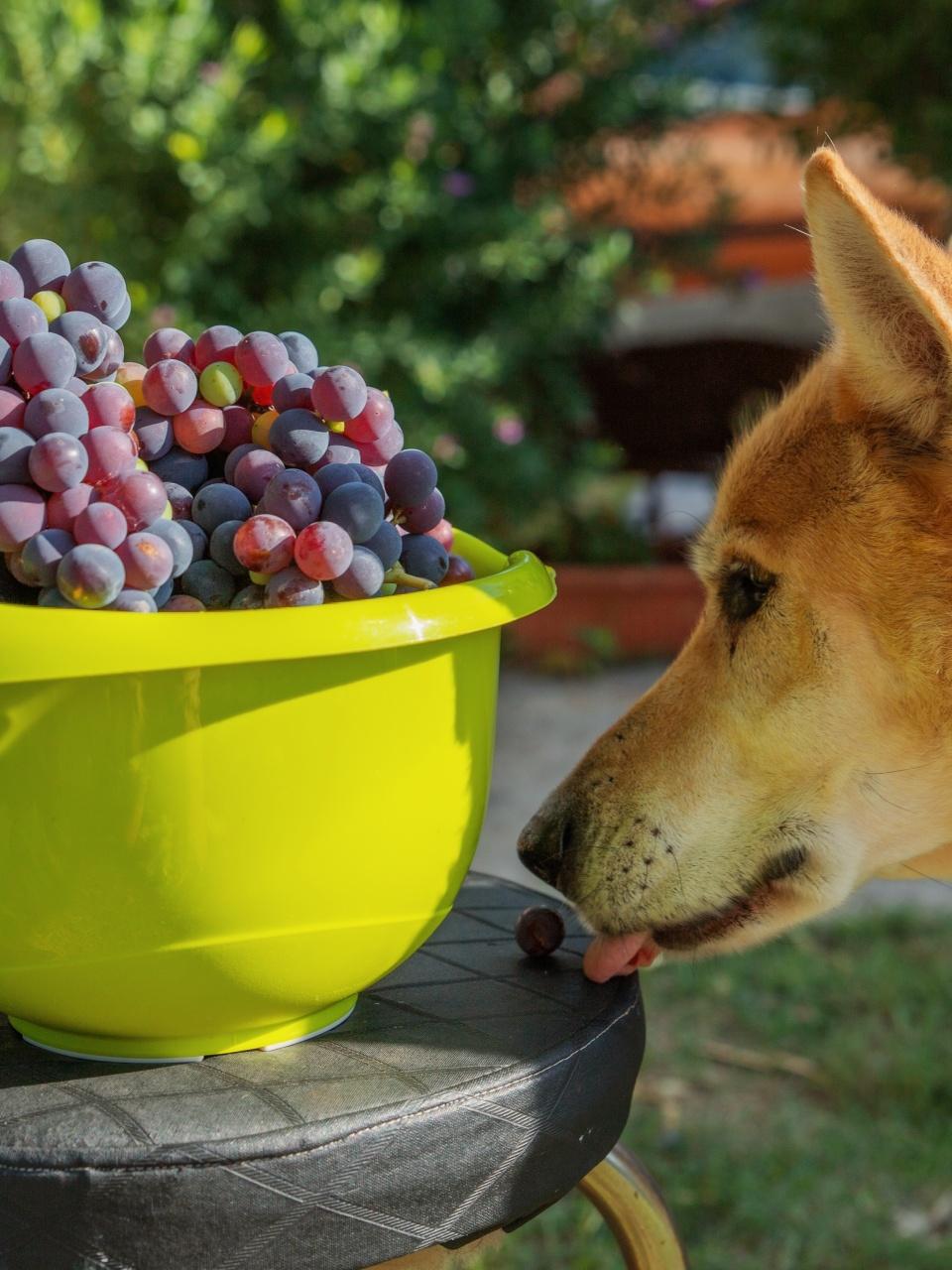
Raisin boxes are a common snack put in lunchboxes or given out at Halloween. Be on the lookout for these small cardboard boxes, ensuring your dog does not have access to them.
It is wise to let the people around your dog know about the real risk that grapes and raisins pose. This includes friends or family who come to visit as well as dog walkers and dog sitters. Although awareness is increasing, it is not as well known as some of the other toxic foods (such as chocolate).
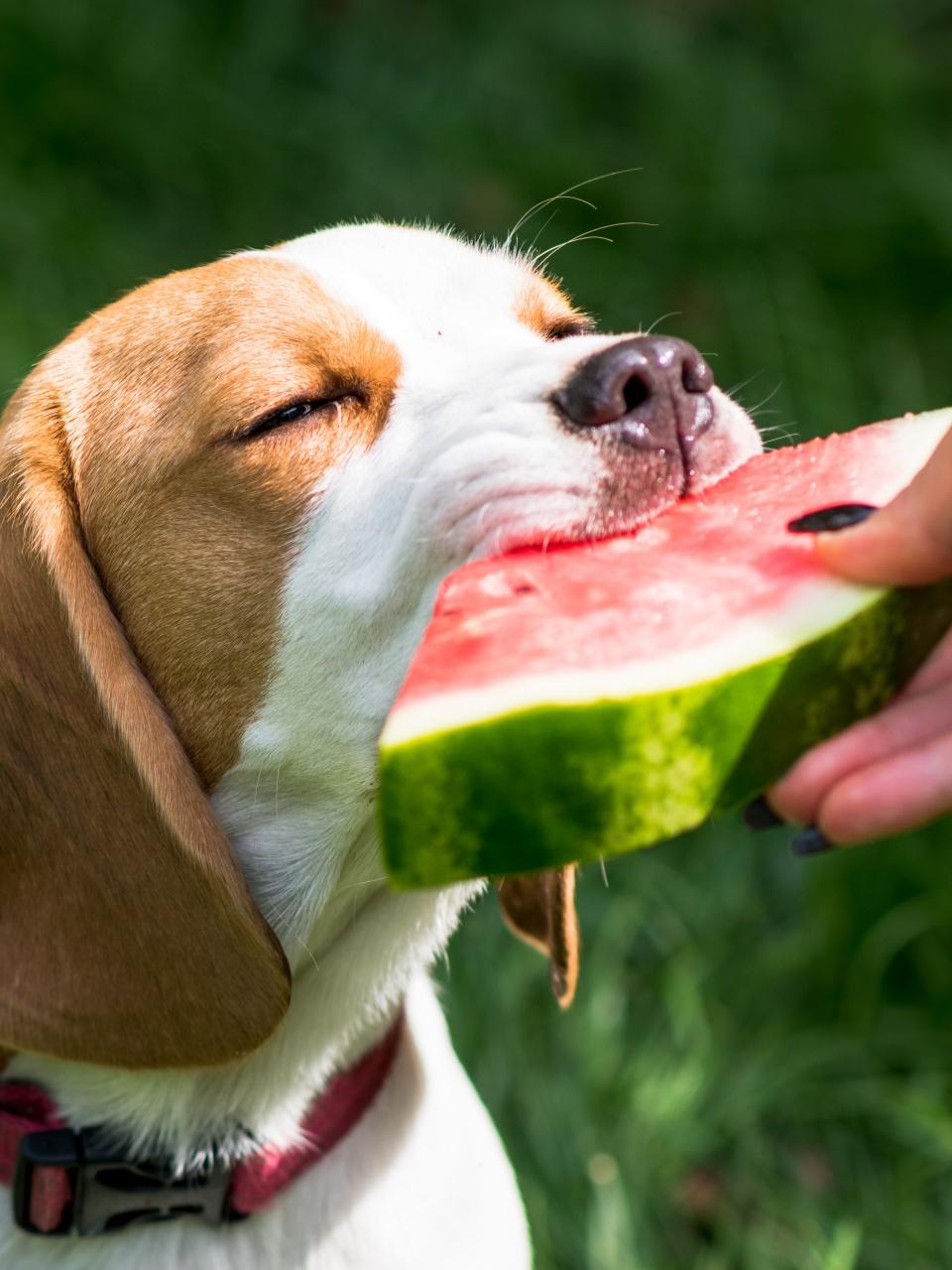
Not all fruits are out of bounds, and there are plenty of fruits that your dog will be able to eat without issue. However, do not go overboard as eating a large amount can lead to some runny poos or vomiting, especially in smaller breeds or those with a more sensitive stomach.
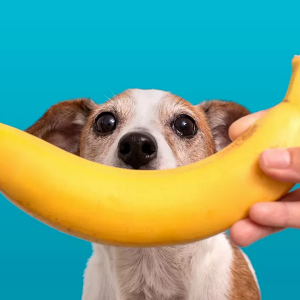
Some safe alternatives to grapes include bananas, apples, blueberries, watermelon and pears.
With regards to veggies, dogs can eat many, and often will like peas, pumpkin, squash, potato and broccoli. These can be given separately or added to meals.
My personal favorites include raw carrots and raw apples. Not only are these a refreshing and tasty snack, they also promote good oral hygiene, as they can help to remove plaque build up from teeth in the same way that dental sticks do.
Dogs will have taste preferences and it is a good idea to offer small amounts of fresh fruit and veg, to see what your dog enjoys. Keep in mind though, that any snacks or treats should make up no more than 10% of your dog’s daily calories.
If you are introducing a brand new food, this should be done by testing a small amount out first, to ensure your dog tolerates it. It is best to only introduce one new food per day.
Follow Us On
Check Out Our Most Popular Content