Your Cart is Empty


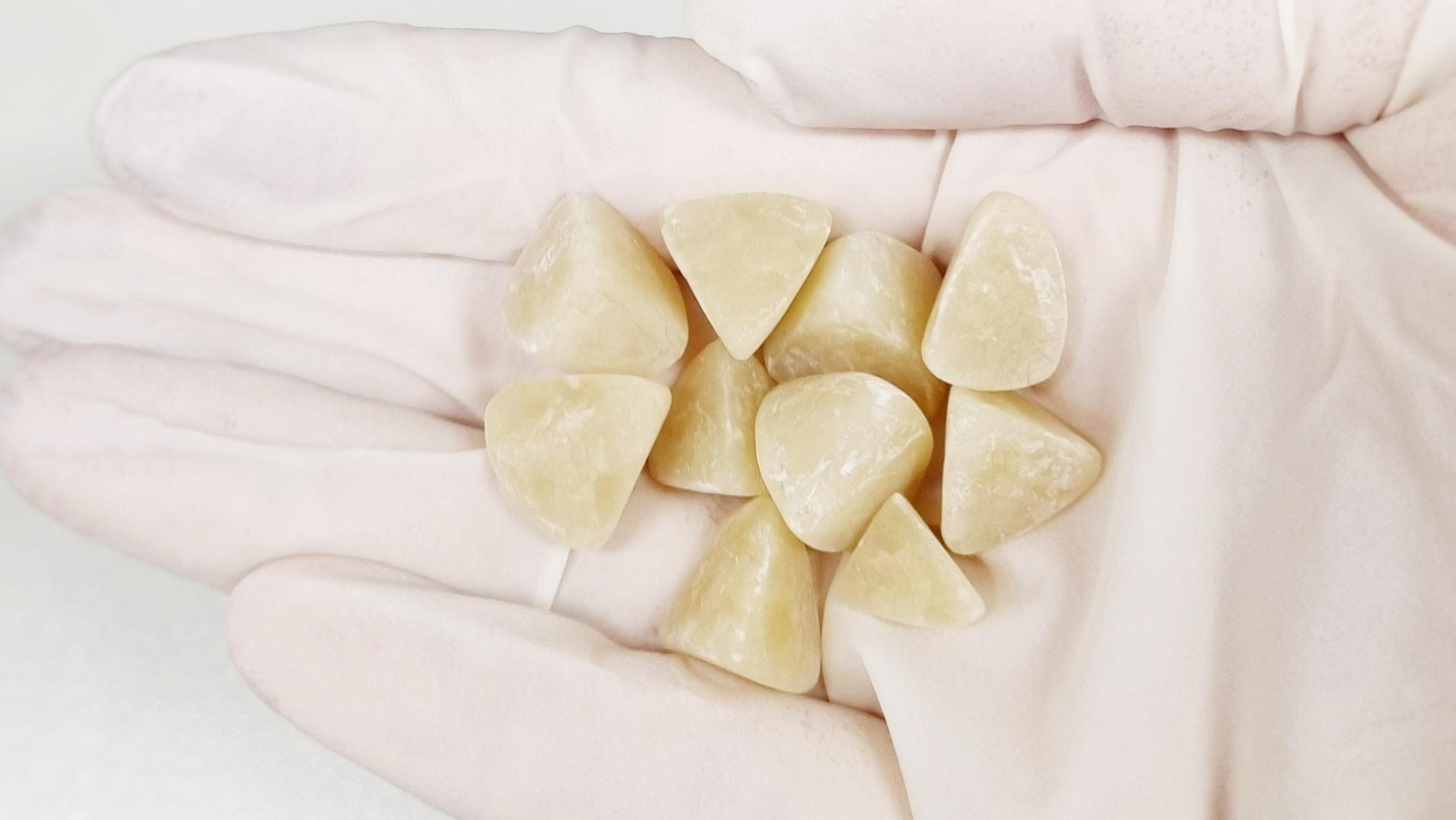
Bladder stones form from minerals within the urine in the bladder. Particles clump into crystals and then form into hard, little rocks. There are several types of bladder stones, each composed of different minerals.
There is no doubt that, while small, these stones can cause a lot of ongoing discomfort. There is even the risk of them causing life-threatening urinary blockages or kidney damage. Thankfully, they are well understood and can usually be resolved in a timely manner.
This vet-written, comprehensive guide discusses the most common signs of these stones, what causes them, how we can prevent them, and some of the best and most up-to-date treatment strategies.
We also discuss when to see a vet, as we know that early treatment of stones makes for a better outcome and a happier dog.
⚠️ Medical Disclaimer: This article is informational only and should not replace professional veterinary advice, diagnosis, or treatment. Always consult your veterinarian before starting any treatment or medication for your dog. Only a qualified veterinary professional can properly diagnose your pet's condition and recommend appropriate treatment based on individual circumstances.
‘Bladder stones’ to most and ‘uroliths’ to your vet, these little rocks are made up of minerals and form in the bladder. Stones can form in other places (like the kidneys) too, but this article focuses on those that develop within the bladder.
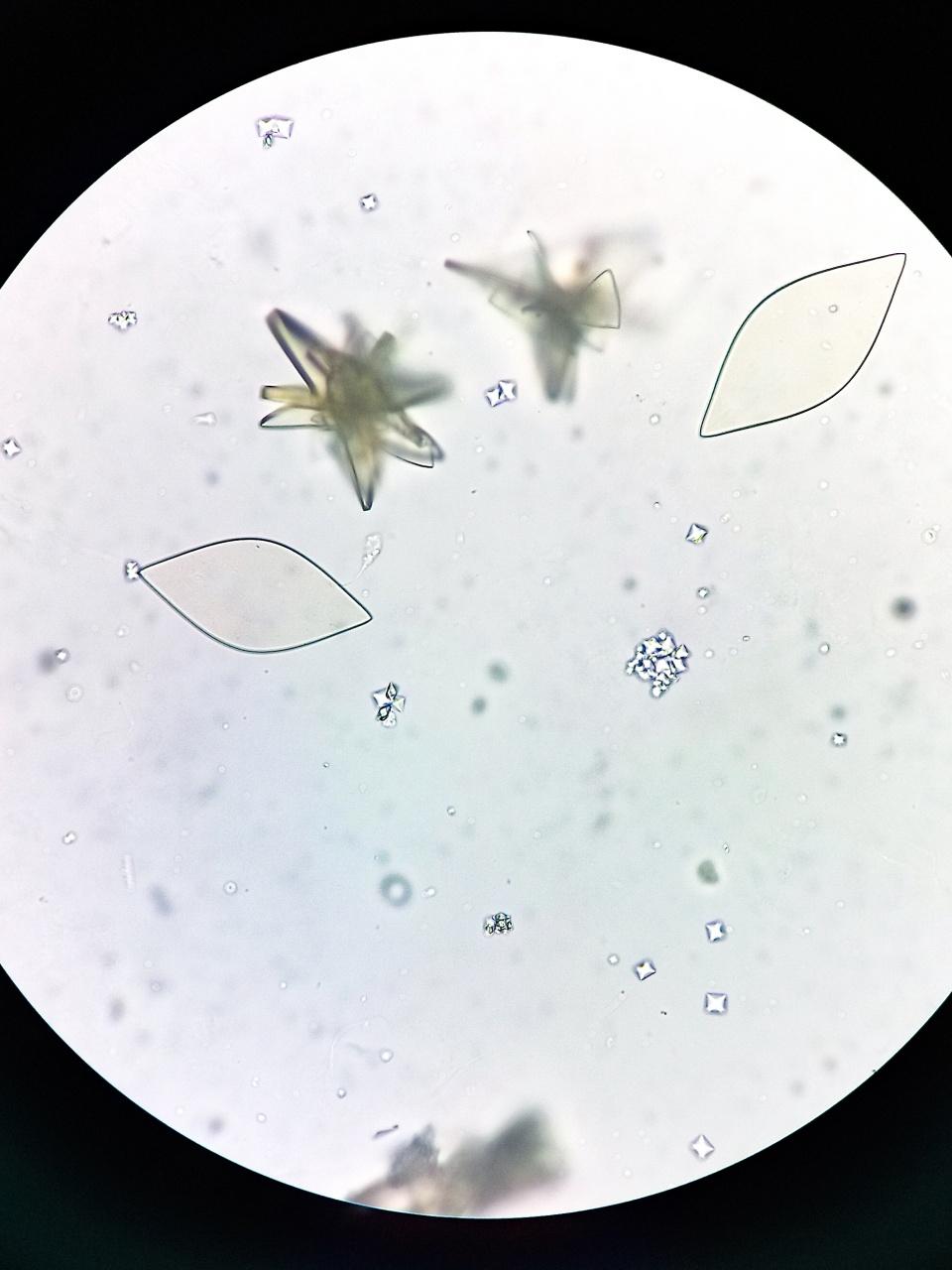
While bladder stones are made up of urinary crystals, they are not the same thing. Dogs can have crystals in their urine but no stones. Stones are visible without a microscope and will usually show up on an X-ray or ultrasound. Crystals are microscopic, and not visible to the naked eye.
As a vet, the stones I most commonly see in my canine patients include struvite (magnesium ammonium phosphate), calcium oxalate, and urate stones. Other types include cystine and silica. Knowing the type of stone is important, as the mineral make up determines the prognosis and how your vet is going to treat them.
Bladder stones affect dogs in different ways and they’re not always easy for owners to detect. For some dogs, signs may be hardly appreciable, while other dogs can struggle to cope.
Some of the more frequently seen signs that you’ll see include:
Frequent urination (pollakiuria)
Straining when urinating (dysuria)
Bloody or cloudy urine
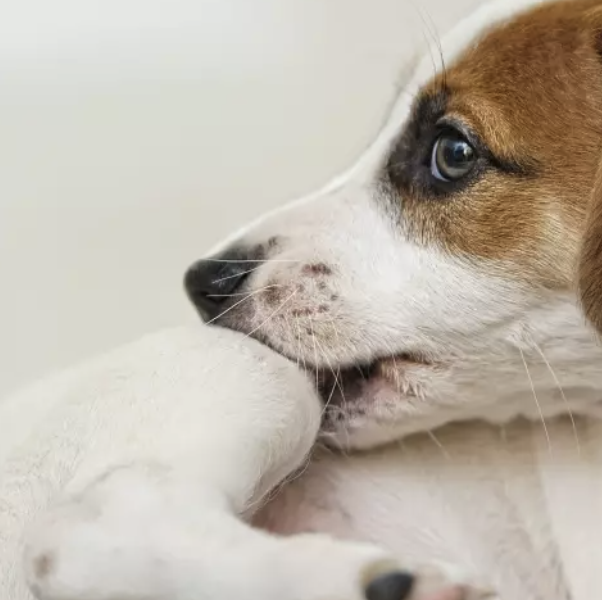
Genital licking
Indoor toileting (accidents)
Discomfort when urinating
Increased thirst
As signs may come and go and can be subtle, owners may not notice signs for quite some time. This usually leads to a gradual worsening of the symptoms.
With stones, there is always that potential risk that they can shift into the urethra and block it. The urethra is the narrow tube which transports urine from the bladder to the outside of the body.
If the urine cannot flow out of the bladder, the dog will become very quickly distressed. They are trying to pass urine- straining and pushing- but none comes out. Dogs may whine or howl and lick their genitals, in an attempt to cope with the discomfort.
If left untreated, the kidneys begin to fail and toxins build up. Dogs can become weak, and then go into shock, and even pass away. A bladder blockage is always a true emergency that requires immediate intervention.
Most dogs will never develop stones, but some will be highly prone to them. Discovering why this is can help us prevent urinary stones in dogs in a large number of cases.
An excess of minerals in the urine, particularly if the urine is very concentrated and they stay inside the bladder a long time, can precipitate out to form crystals. Crystals may then clump together, with the help of mucus and debris that is in the urine.
Not every dog is at equal risk of bladder stones, so why is this? In my clinic, the typical patient will be a middle-aged, female, diabetic- perhaps a Schnauzer or Shih Tzu. However, in truth, any dog can be affected.
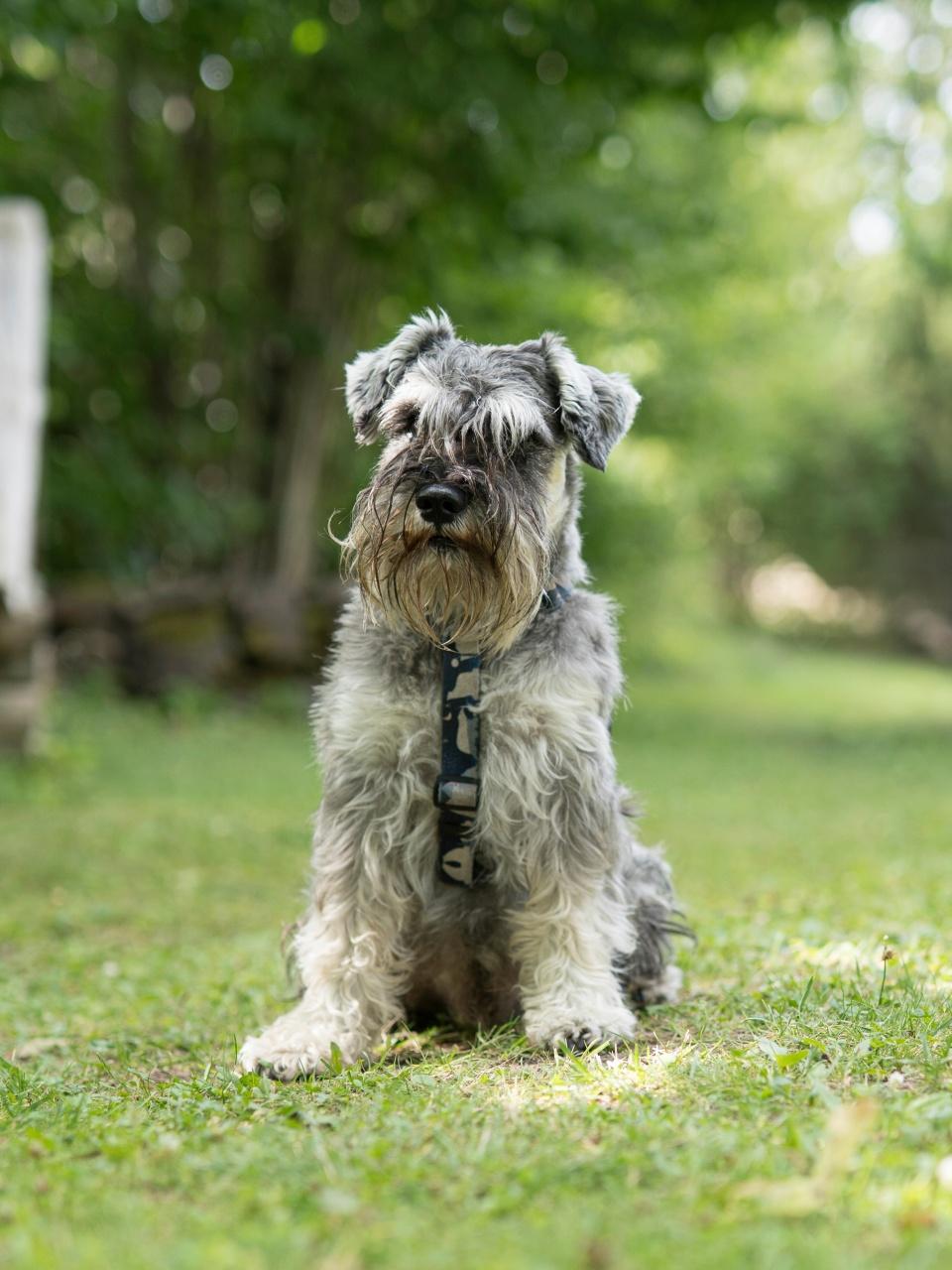
Female dogs seem more prone to stones in general. However, you need to pay slightly closer attention to males, as their narrow urethra makes them more prone to life-threatening blockages.
As mentioned, certain breeds will be more likely to be diagnosed with certain stones, as outlined in the table below:
| Stone Type | Breeds Most Implicated |
|---|---|
| Urate | Dalmatians, English Bulldogs |
| Calcium Oxalate | Mini Schnauzer, Shih Tzu, Yorkie |
| Struvite | Mini Schnauzer, Bichon Frise, Maltese |
| Silica | Golden Retriever, Labrador, German Shepherd |
| Cystine | Bulldog, Mastiff, Newfoundland |
Stones are seen at any age, but the younger dogs who develop them tend to have UTIs, while the older ones generally develop stones for other reasons.
Those who are over-weight and more sedentary, have limited bathroom access and who do not drink a lot of water are also at a higher risk.
Some of the factors involved include:
Genes. It is clear to see that certain breeds are more likely to develop specific types of stones. Dalmatians are predisposed to urate stones, while Cystine stones are more often seen in Newfoundlands and Bulldogs.
Diet.If a diet is imbalanced or contains excess salts or minerals, this is a recipe for disaster. This can be seen in dogs receiving supplements or on poorly researched home-cooked diets.
Abnormal Urinary pH. A pH of about 6-7.5 is usually cited as normal, and if it becomes too alkaline or too acidic, this can lead to crystals and stones developing.
Dehydration.Dehydration means dark and concentrated urine, with a higher proportion of minerals. There is a greater risk that minerals join together and form crystals.
Urinary Tract Infections.The signs of a UTI (frequent urination, bloody urine) can be the same as the signs of bladder stones, which can muddy the waters when it comes to diagnosis.
Medicine.Medication like steroids and diuretics, particularly when used long-term, may elevate the risk of stone formation, as urine can contain more calcium and patients can be dehydrated.
Underlying Disease. A typical co-factor is diabetes, as the sugar in the urine makes UTIs much more commonplace in these dogs. Chronic liver or kidney disease can also be a factor, as the composition and pH of the urine might change over time.
A note on Bacterial UTIs and Struvite Stones
Some bacteria produce urease, and this enzyme breaks urea into ammonia, meaning the urine becomes more alkaline. Struvite stones occur much more regularly in alkaline urine.
Your vet will be suspicious of bladder stones based on things like your dog’s age, breed, medical history, and the signs they are presenting to the clinic with.
Your vet can tell a lot from checking your dog over, feeling for any tension in the abdomen and gently palpating the bladder for any thickening or masses. In smaller dogs who are not too fat, it may even be possible to feel large bladder stones!
It is important to state that the physical exam can be unremarkable, even in a dog with lots of bladder stones.
A urine test is a key diagnostic test. It can detect an abnormal pH, the presence of blood, bacteria or white blood cells (which can indicate an infection), dehydration (if the urine is very concentrated) or even diabetes (if there is sugar in the urine).
If an infection is suspected, the urine can be sent to an external lab for a culture and sensitivity test, to see which bacteria are present and which antibiotics would be most appropriate to use.
If crystals are seen, this makes us more suspicious of bladder stones. However, crystals are also seen in urine that has been sitting out for some time or that has been in the fridge. They do not always mean there is a problem.
Importantly, a dog may not have any crystals detected in their urine, but this does not exclude bladder stones as a possibility.
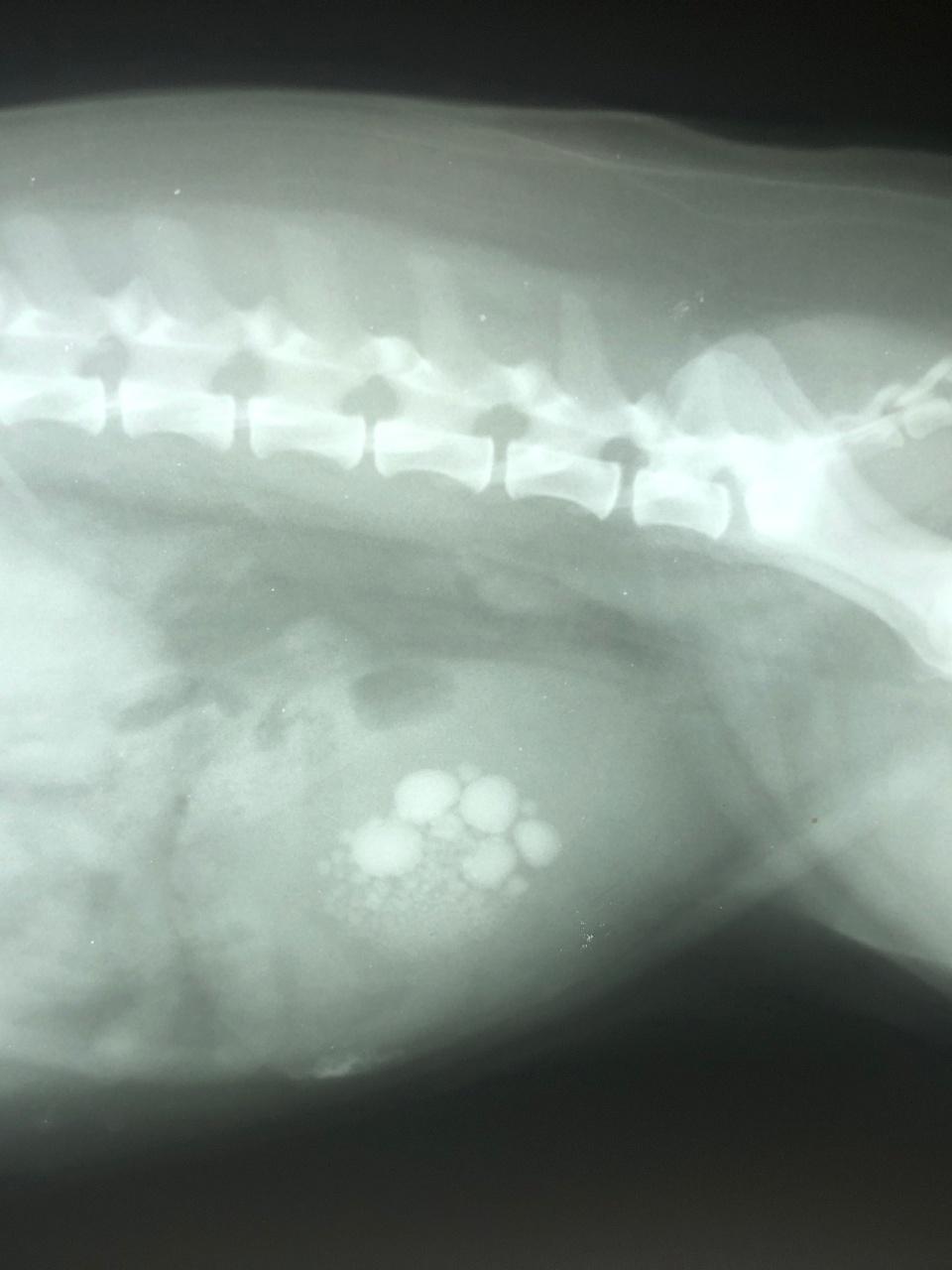
The best way to check for stones is with a combination of radiography and ultrasonography. Some stones will show up on X-rays, while others show up better on ultrasound.
Struvite and oxalate (the most common type of stones) are radiopaque, meaning they should show up on plain X-rays.


Once bladder stones have been confirmed, the next step is to make a therapeutic plan. This treatment plan will depend on many factors including the suspected type of stone, the size, how many stones are present, and the general health of the dog.
It is true that small stones can be passed in the urine, but this is not a treatment method that should be relied upon. Stone passing occurs more in females, as their urethra is wide compared to males. Still, there is a real risk of an obstruction occurring as they are being passed.
Where realistically an option, non-surgical options would usually be preferred to surgical, as they are seen as safer and should be less costly.
Dissolution diets can work very well, especially for struvite stones in dogs. However, the diet must be fed exclusively. By acidifying the urine and limiting the amount of magnesium, ammonium and phosphate consumed, many times the stones will shrink and resolve.
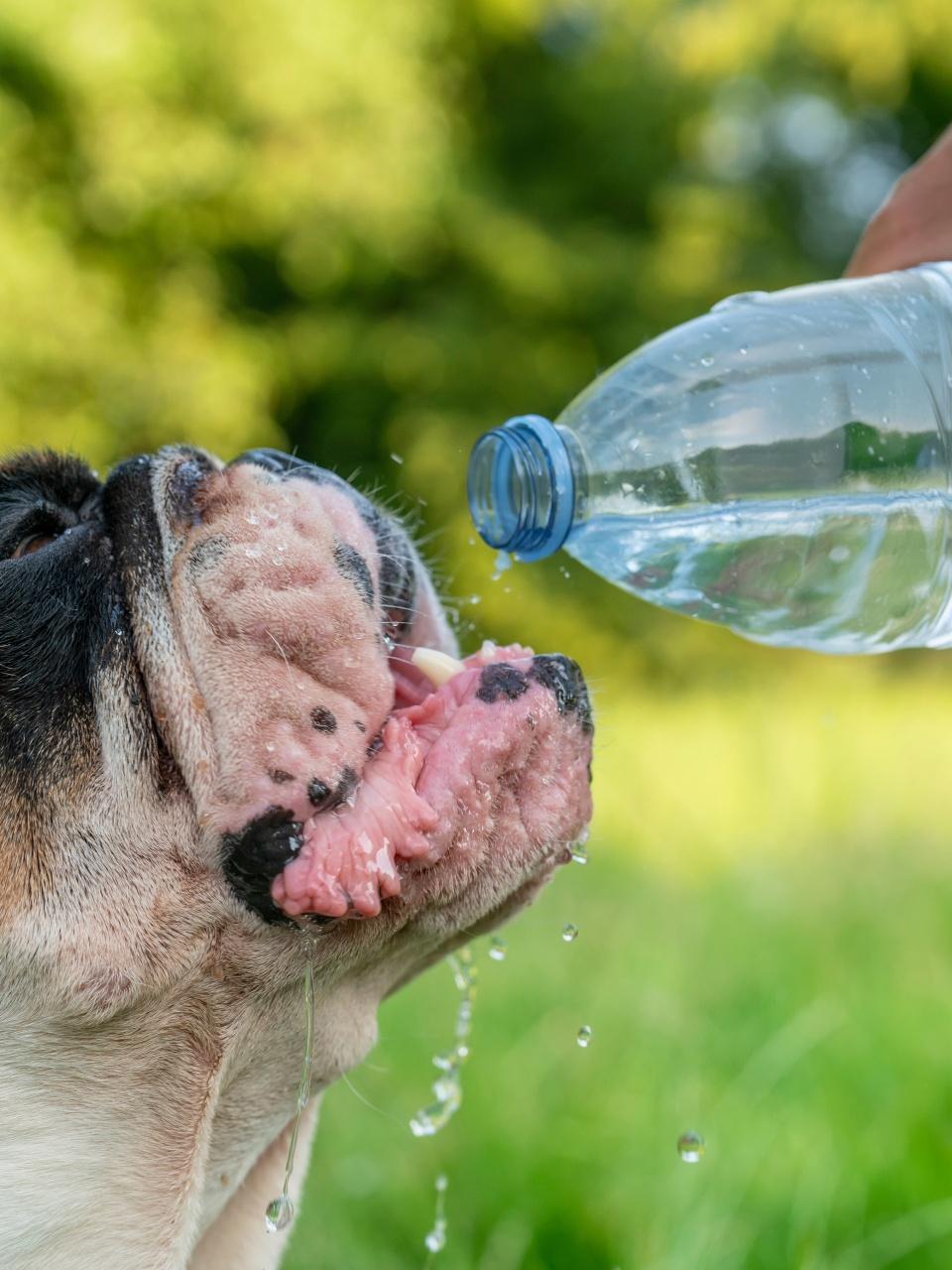
Alongside any diet, you should be aiming to increase water intake. The better hydrated the dog, the less concentrated their urine, and the fewer crystals should form. This can mean offering wet food and adding water to meals, as well as providing things like ice cubes and salt-free broths.
Any urinary infection is usually treated promptly by the vet with antibiotics, testing the urine at the end of the course to confirm the infection has resolved. Where needed, pain relief and anti-inflammatories are normally issued, to keep patients comfortable.
When diet fails or is not an option, there are other routes to take
Cystotomy may be the best known method, which is when the dog is put under anaesthetic and the bladder is opened up to physically remove any stones. Dogs may be hospitalized overnight and require check-ups for several weeks after, to ensure their surgical wounds have healed.
Sometimes, surgery is avoided by performing urohydropulsion (flushing stones out of the urethra) or breaking the stone down using a laser or shockwaves (lithotripsy) and removing them using a cystoscope (a small camera) and forceps. As surgery is avoided, recovery time tends to be a lot quicker and easier.
When treated promptly, most dogs make full and complete recoveries. Your vet will need to identify why their stone(s) occurred in the first place, to hopefully ensure they do not come back.
Owners should be on the lookout for any signs of recurrence after surgery, and your vet may ask you to monitor your pet’s urinary pH using dipsticks, to ensure it is not going too high or too low.

If a dog has developed a stone, this puts them at high risk of future recurrence. For this reason, you’ll want to do what you can to minimize these risks.
The right diet and maintaining good hydration are the cornerstone of prevention for most. Some patients will be maintained on prescription diets for life, while others may only need them for a few months.
Constant access to fresh water is a must, and a wet diet is usually preferred over a dry one.
Your vet will want to see your dog in the weeks after their stone has been removed or dissolved, to analyse their urine, and monitor for any signs that another stone could be forming. This can include repeat urine tests as well as imaging.
Bladder stones should not affect lifespan. Indeed, a small number of dogs will live with stones for years and never show any signs.
Follow Us On
Check Out Our Most Popular Content