Your Cart is Empty


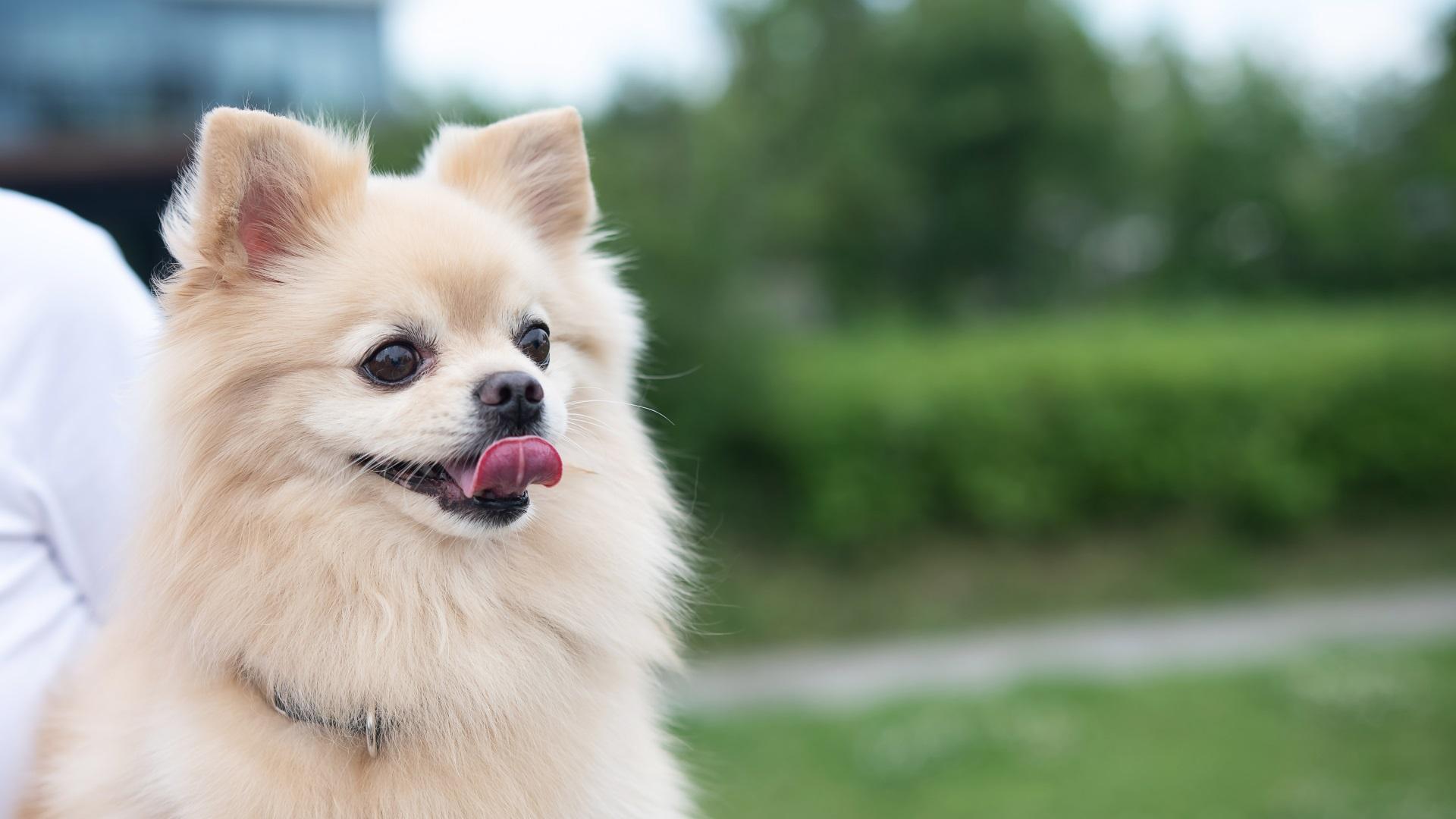
You've fallen for the Pomeranian's cloud-like coat and fox-faced charm, but finding a reputable breeder feels impossible. Or maybe you love the look but worry about the breed's vocal tendencies and high energy in your apartment. You're not alone. Pomeranians rank among the most sought-after toy breeds, yet their popularity creates waitlists that stretch months and prices that climb steadily.
The good news? Several dog breeds similar to pomeranian offer that same fluffy appeal with different temperaments, sizes, and care requirements. Some bring the Pom's signature spitz features in a calmer package. Others maintain the compact size but dial down the barking. A few even answer the "dog like pomeranian but bigger" search with medium-sized alternatives that keep the fluff factor.
This guide explores 12 pomeranian similar breeds across the size spectrum. Whether you need a quieter companion for apartment living, a larger dog with similar looks, or simply want more temperament options, these breeds deliver the visual appeal you're after while matching different lifestyles. Let's find your ideal fluffy companion.
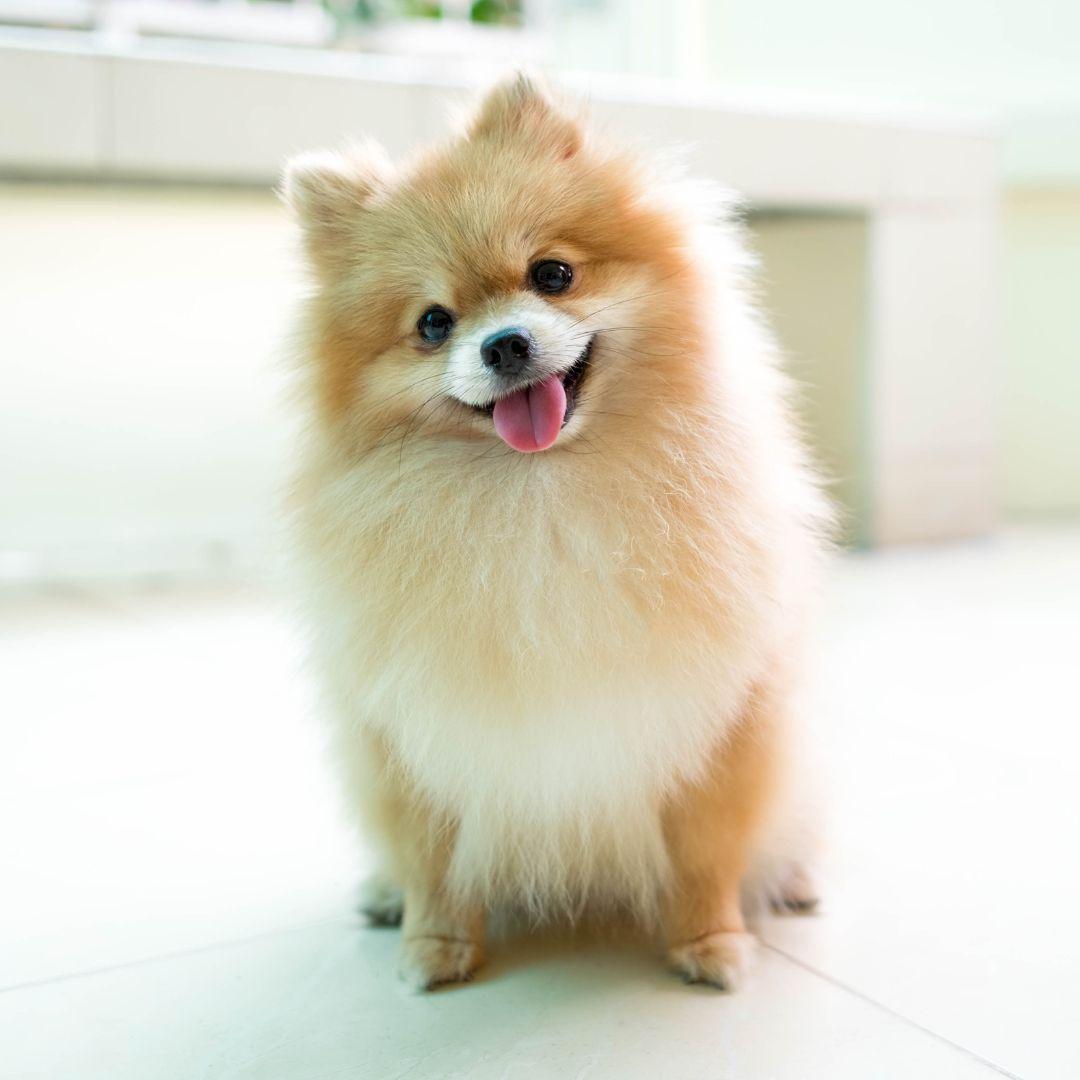
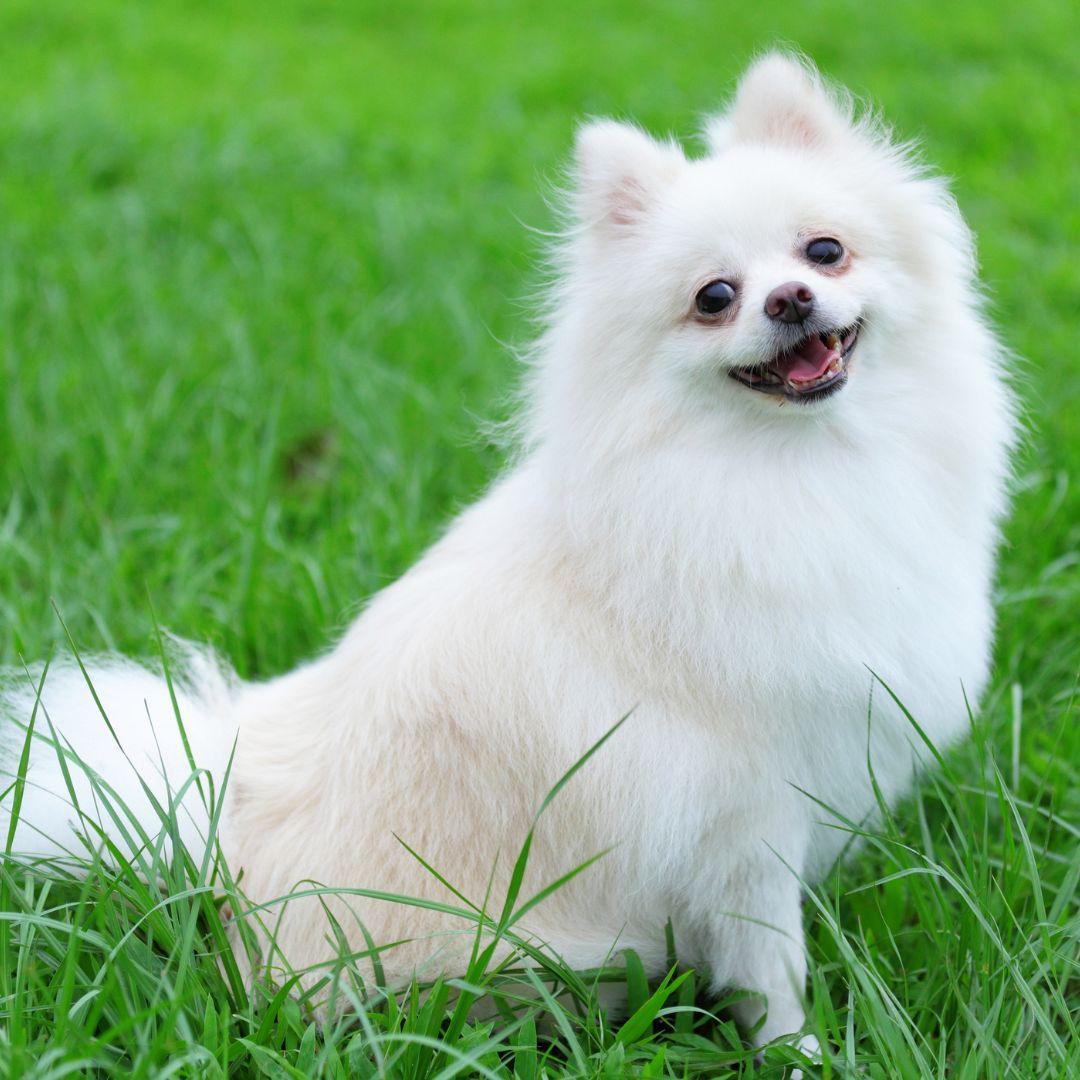
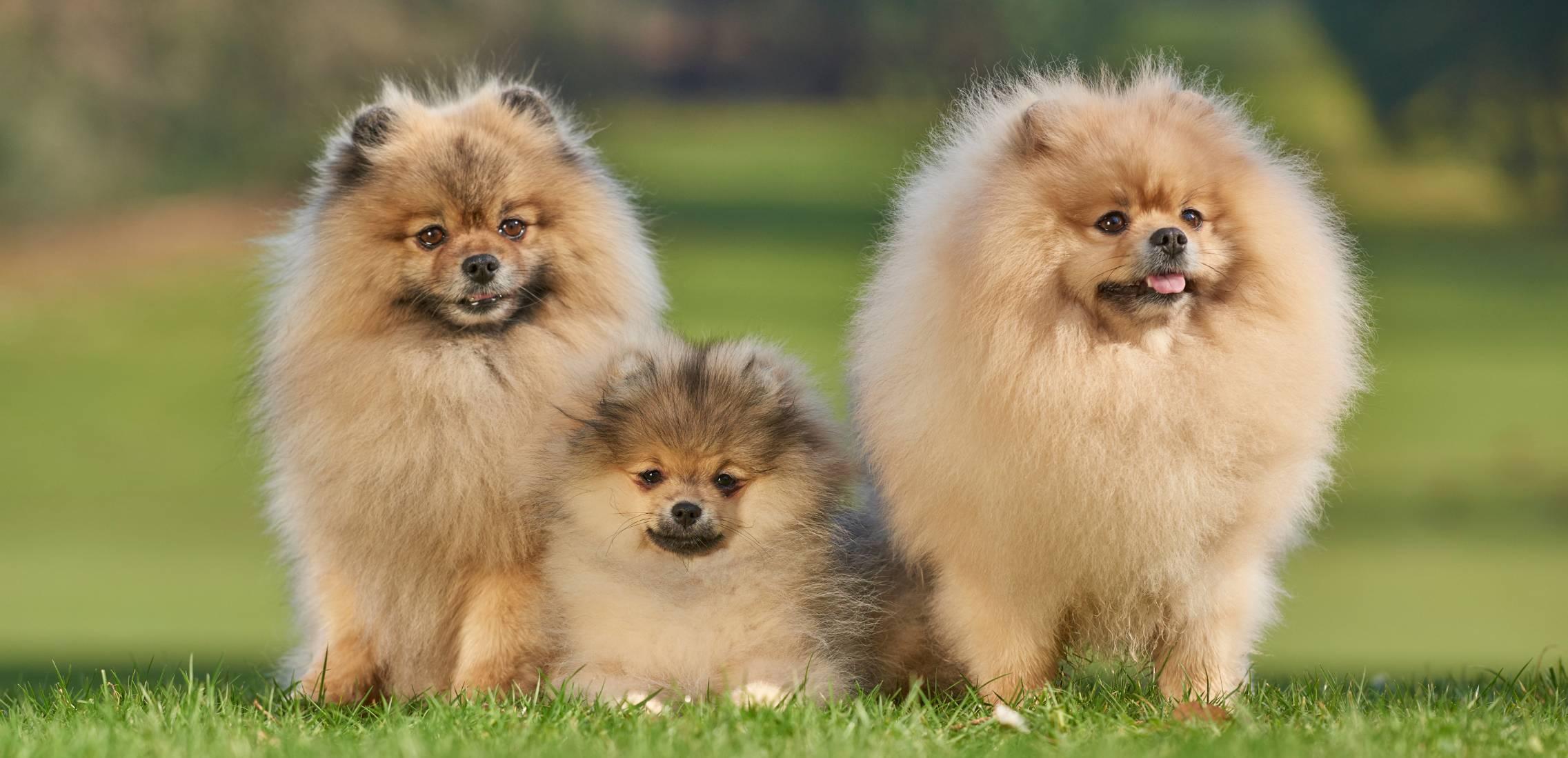
Pomeranians pack remarkable presence into a 3-7 pound frame. Their double coat forms a dramatic ruff around the neck and chest, while the plumed tail curls confidently over the back. Erect triangular ears and a wedge-shaped face create that distinctive fox-like expression. The coat comes in nearly two dozen color variations, from classic orange and black to rare lavender and blue.
Behind that teddy bear exterior lives a bold personality. Pomeranians approach life with surprising confidence, often forgetting their toy-breed status. They're fiercely loyal to their families, highly alert (translation: they bark at everything), and possess energy levels that contradict their lap dog appearance. Intelligence makes them trainable, though their independent streak requires patient, consistent methods.
Their compact size suits apartment living perfectly, and moderate exercise needs mean a few short walks satisfy their physical requirements. However, that luxurious coat demands commitment. Daily brushing prevents matting, and seasonal shedding turns your furniture into a fur festival. Professional grooming every 4-6 weeks maintains coat health.
Why seek alternatives? Some prospective owners discover the Pom's vocal nature clashes with noise-sensitive living situations. Others want the look in a larger, sturdier package for families with young children. Health considerations matter too. Pomeranians face breed-specific issues like luxating patellas and tracheal collapse. And yes, availability remains a real challenge, with quality breeders maintaining long waiting lists and prices ranging from $1,500 to $4,000.
These breeds share the spitz family heritage or visual characteristics that capture the Pomeranian's appeal. Each offers unique advantages for different households and lifestyles.
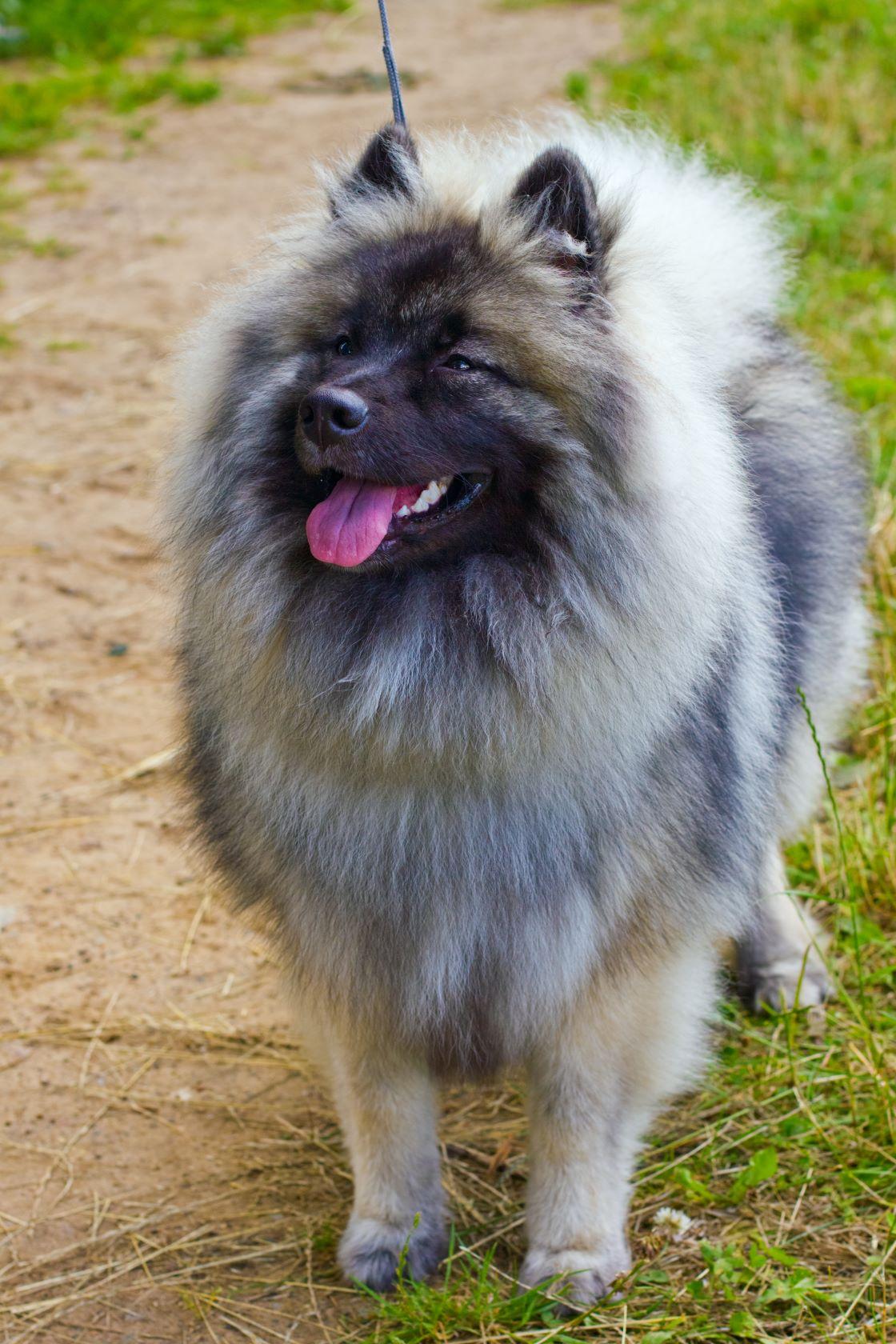
The Keeshond delivers everything you love about Pomeranian aesthetics in a 35-45 pound body. This Dutch barge dog sports the same plush double coat, erect ears, and curled tail, but adds distinctive "spectacles" (darker markings around the eyes) that create an expressive, intelligent face. The coat mixes gray, black, and cream in striking patterns.
Temperamentally, Keeshonds trade the Pom's feistiness for a more even-keeled, people-oriented personality. They're gentle with children, sociable with other pets, and significantly less vocal than their tiny cousins. Training comes easily thanks to their eagerness to please, though they require firm, kind guidance to prevent clingy behavior.
Unlike Poms, Keeshonds need moderate daily exercise (30-45 minutes) and thrive on family inclusion. Their larger size makes them sturdier for active households, though apartment living still works if you commit to regular walks.
This breed suits families seeking a low-drama companion with Pomeranian looks. Grooming demands remain high with twice-weekly brushing minimum, increasing during spring and fall shed seasons. Health-wise, they're generally robust but monitor for hip dysplasia and cardiac issues.
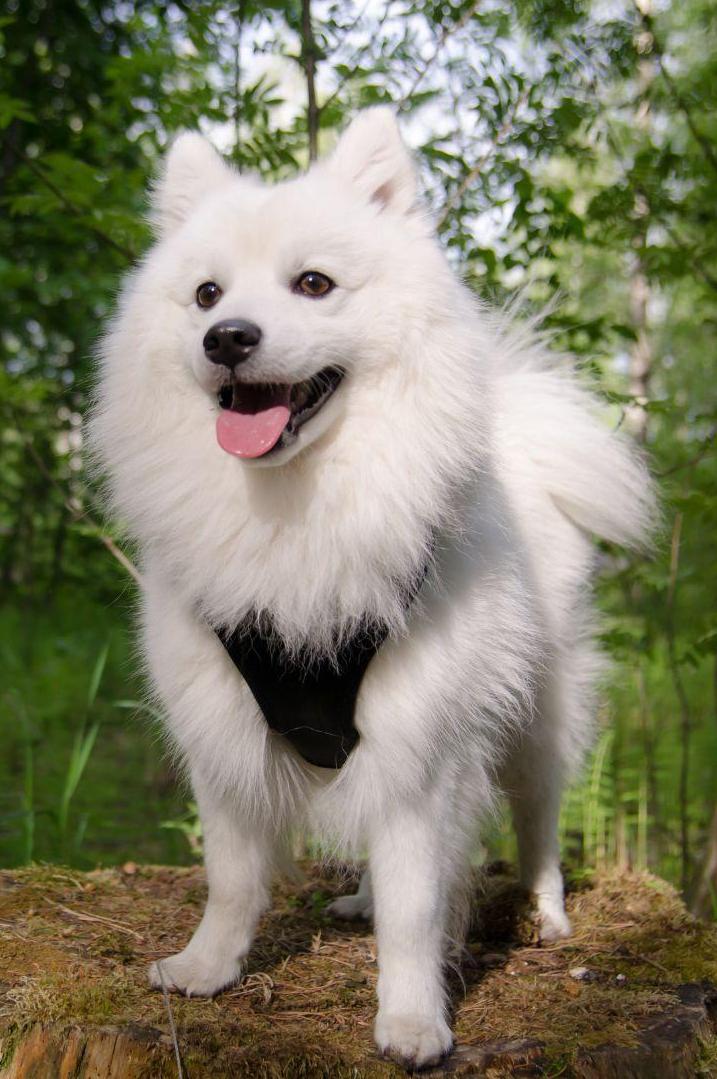
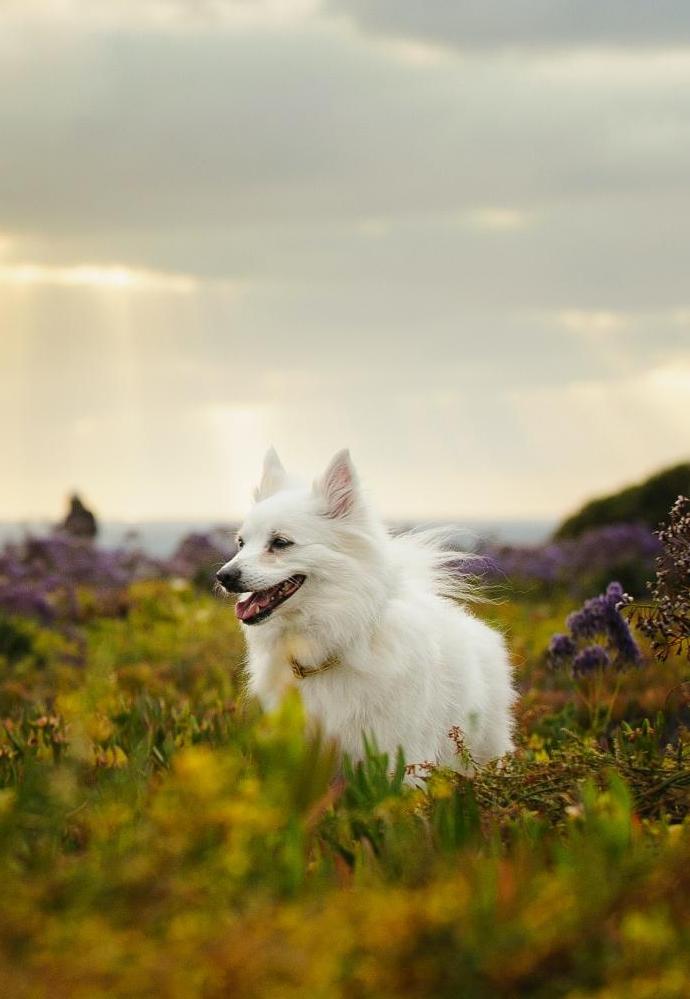
If someone created a white Pomeranian and increased the size slightly, you'd get the Japanese Spitz. These 10-25 pound dogs feature the same profuse double coat, triangular ears, and curled tail, but exclusively in pure white. The face maintains that alert, fox-like expression with dark, intelligent eyes that contrast beautifully against the snowy coat.
Japanese Spitz personalities lean friendlier and more adaptable than Pomeranians. They're playful without being hyperactive, alert without excessive barking (once properly trained), and remarkably good with children. Their social nature extends to other dogs, making them excellent multi-pet household candidates.
The key difference? Japanese Spitz are significantly easier for first-time owners. They respond well to training, rarely display the stubborn streak common in Poms, and adapt smoothly to various living situations. However, they need more exercise than Pomeranians, requiring 45-60 minutes of daily activity.
This breed works beautifully for families wanting Pomeranian aesthetics with a calmer, more trainable temperament. The white coat requires regular brushing but surprisingly resists dirt. They're generally healthy, though patellar luxation occasionally appears in the breed.
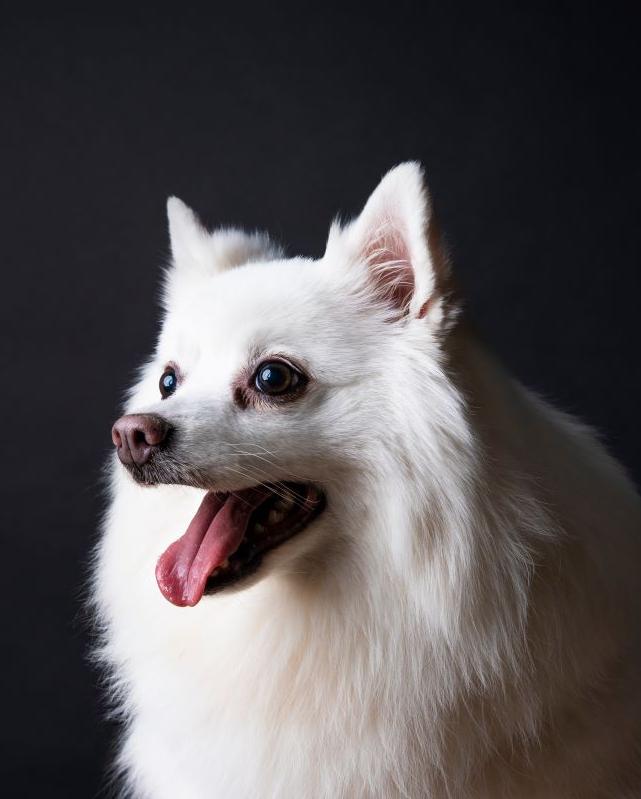
German Spitz dogs are essentially Pomeranians before selective breeding miniaturized them. Available in Klein (small, 18-22 pounds) and Mittel (medium, 23-29 pounds) varieties, they showcase the same abundant coat, prick ears, and confident tail carriage. Color options rival Pomeranians, including white, black, brown, orange, and parti-colors.
These dogs maintain the Pomeranian's spirited, alert personality but in a slightly mellower package. They're devoted family companions, naturally suspicious of strangers (making them excellent watchdogs), and possess that signature spitz independence. Energy levels sit between moderate and high, requiring daily mental and physical engagement.
Unlike their tiny relatives, German Spitz dogs offer more durability for families with children while maintaining apartment suitability. Their larger size means fewer fragility concerns, though they retain the vocal tendencies that define spitz breeds.
Choose German Spitz if you want authentic Pomeranian temperament and looks without extreme miniaturization. Grooming matches Pom requirements with daily brushing during shed seasons. They're generally healthier than Pomeranians due to less extreme breeding, though dental care remains important across their lifespan.
American Eskimo Dogs come in three sizes (toy, miniature, standard) ranging from 6-35 pounds, letting you choose your preferred scale. All feature brilliant white double coats, erect triangular ears, and that characteristic spitz tail curl. The coat forms a lion-like ruff and heavily feathered legs that create an elegant, flowing appearance.
Eskies bring higher intelligence and trainability than Pomeranians, historically performing in circus acts that showcased their learning ability. They're naturally reserved with strangers but deeply bonded to their families. Energy levels run high, especially in younger dogs, requiring substantial daily exercise and mental challenges to prevent destructive boredom.
The primary difference from Pomeranians? Eskies need jobs. Without adequate stimulation, they develop behavioral issues. They also tend toward protective barking, though training can moderate this tendency more easily than with Poms.
This breed suits active individuals or families who can provide 60+ minutes of daily exercise and training. The stunning white coat requires twice-weekly brushing, increasing to daily during heavy sheds. Watch for progressive retinal atrophy and hip dysplasia in standard-sized dogs.

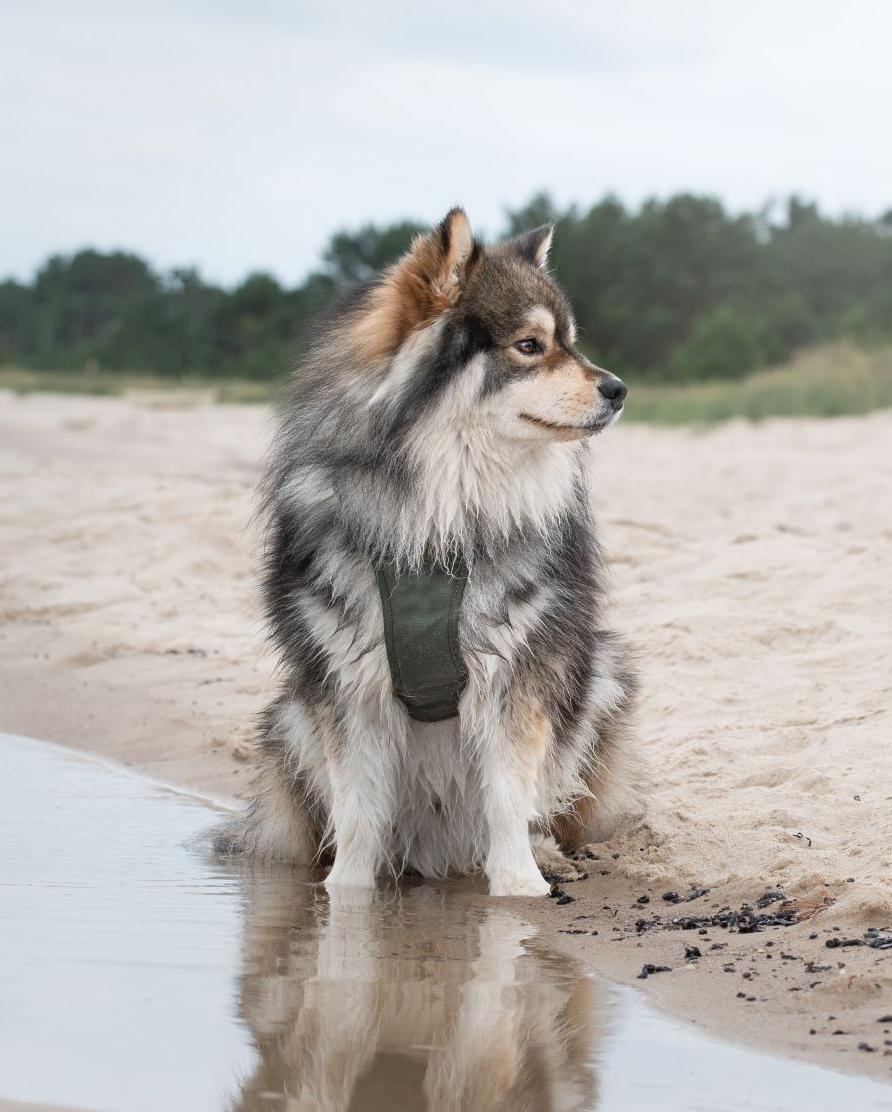
Finnish Lapphunds offer Pomeranian looks scaled up to 33-53 pounds with a markedly different personality. Originally reindeer herders, they sport dense double coats in various colors (black, brown, cream, wolf-sable), small erect or semi-erect ears, and the signature curled tail. Their faces carry a softer, more gentle expression than the Pom's sharp fox features.
Temperamentally, Lappies are among the calmest spitz breeds. They're patient with children, friendly toward strangers after proper introduction, and surprisingly quiet for the family. Intelligence runs high, but they prefer collaborative training over dominance-based methods. Their herding background means they naturally stay close to family members.
Unlike Pomeranians, Finnish Lapphunds require significant daily exercise (60+ minutes) and mental enrichment. They're built for endurance work in harsh climates, so apartment living works only with committed exercise routines. Cold weather? They thrive in it.
This breed excels for active families seeking a larger, calmer alternative to Pomeranians. Grooming demands are substantial with weekly brushing minimum and professional coat care quarterly. They're generally healthy but screen for hip dysplasia and progressive retinal atrophy.
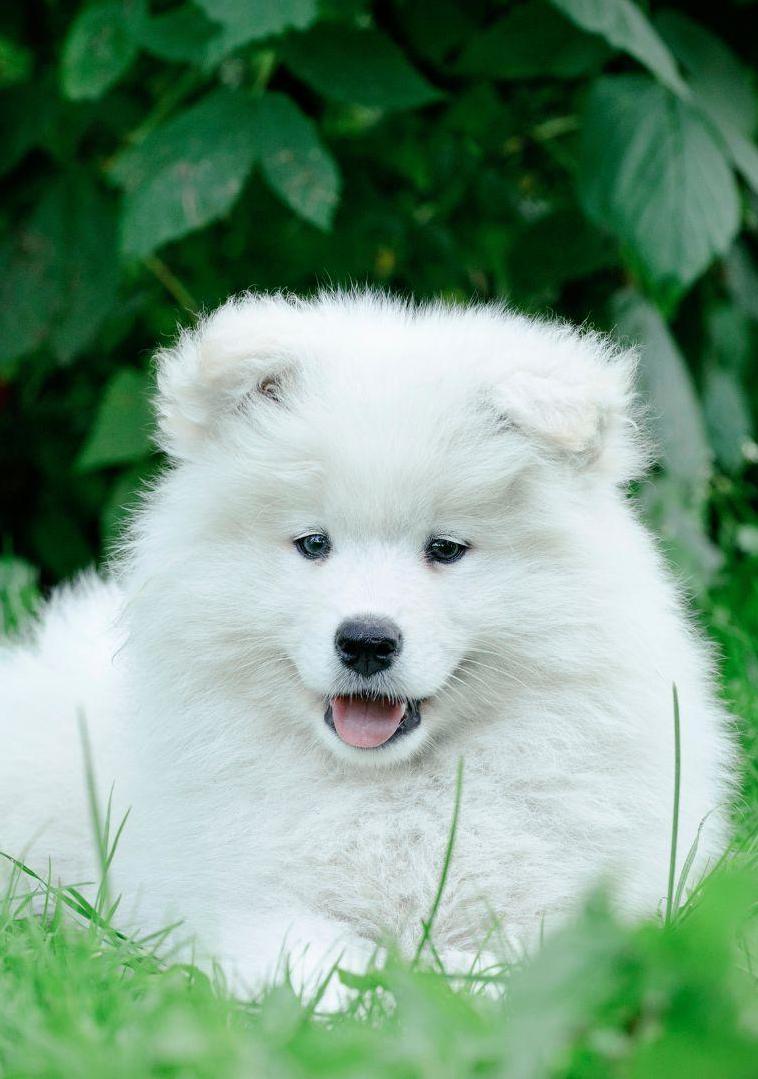
Samoyeds take the white spitz aesthetic to 35-65 pounds of fluffy magnificence. That famous "Sammy smile" (upturned mouth corners), pristine white double coat, erect ears, and plumed tail echo Pomeranian features at a completely different scale. The coat's texture feels softer and more cotton-like than the Pom's harsher guard hairs.
Personality-wise, Samoyeds are exceptionally gentle and people-oriented. They lack the Pomeranian's feisty independence, instead preferring constant family involvement. They're notoriously friendly, even with strangers, making them poor guard dogs but excellent therapy dog candidates. Energy levels demand attention with 90+ minutes of daily activity required.
The size difference from Pomeranians is obvious, but so is the temperament gap. Sammies need space, extensive exercise, and suffer genuine distress when left alone for long periods. They're also vocal but in a different way, "talking" to their families with varied sounds beyond simple barking.
Choose Samoyeds if you want Pomeranian looks in a large, gentle companion for an active household with space. The coat requires serious commitment with daily brushing and professional grooming every 6-8 weeks. Health screening should cover hip dysplasia, cardiac issues, and progressive retinal atrophy.
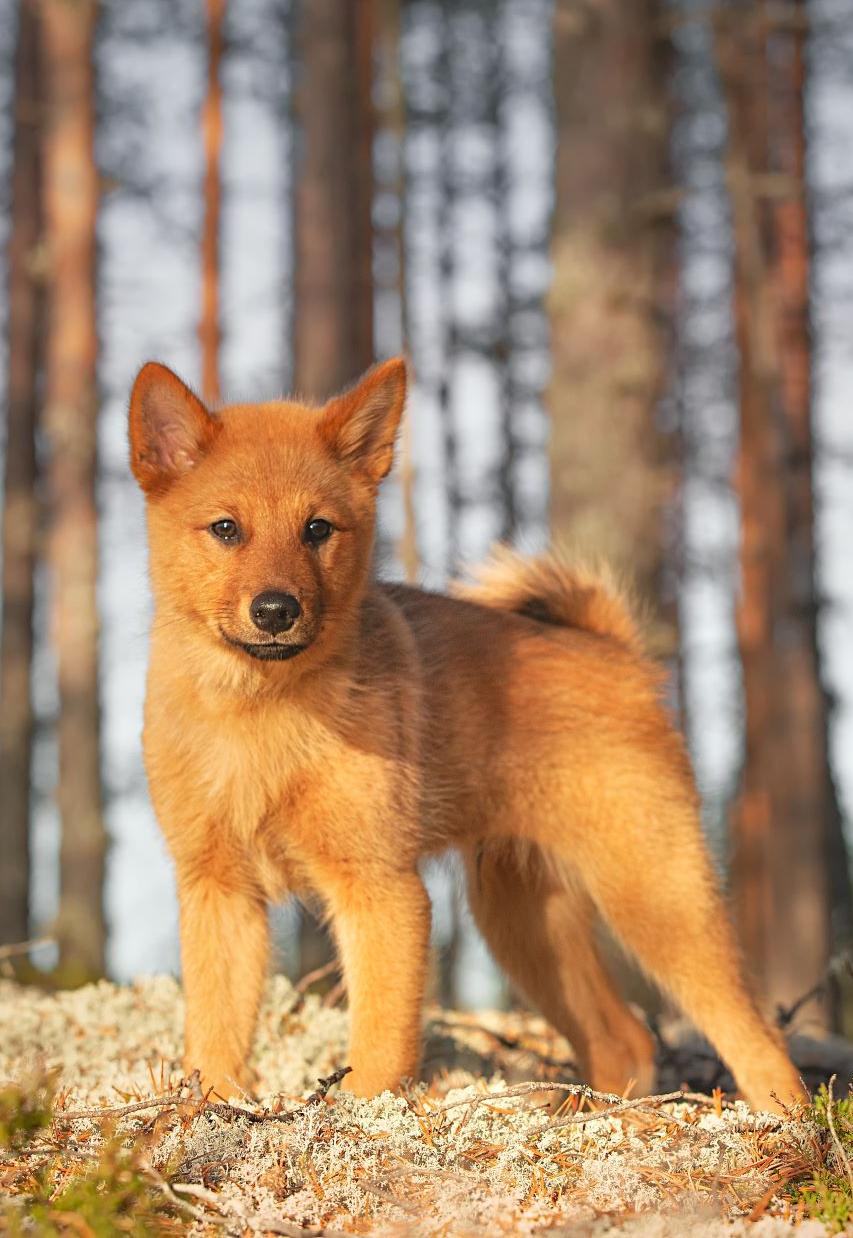
Finnish Spitz dogs bring Pomeranian aesthetics with a working dog mentality. Weighing 20-35 pounds, they feature vibrant red-gold to honey-colored coats, erect ears, and bushy curled tails. The face carries a sharp, fox-like alertness with darker coloring around the muzzle and eyes that intensifies their expression.
Bred to bark at treed game until hunters arrived, Finnish Spitz are exceptionally vocal. They're independent thinkers, energetic, and require experienced handling to channel their hunting instincts appropriately. Loyalty runs deep with family members, but they maintain more aloofness than Pomeranians toward strangers.
Unlike Poms, Finnish Spitz need substantial outdoor time and mental challenges. They're not ideal apartment dogs unless you commit to extensive daily exercise and accept their vocal nature. Their hunting background means strong prey drive requiring careful management around small pets.
This breed suits experienced owners who appreciate working spitz temperament in a medium-small package. The coat needs weekly brushing with seasonal increases. They're generally healthy but screen for hip dysplasia and eye conditions.
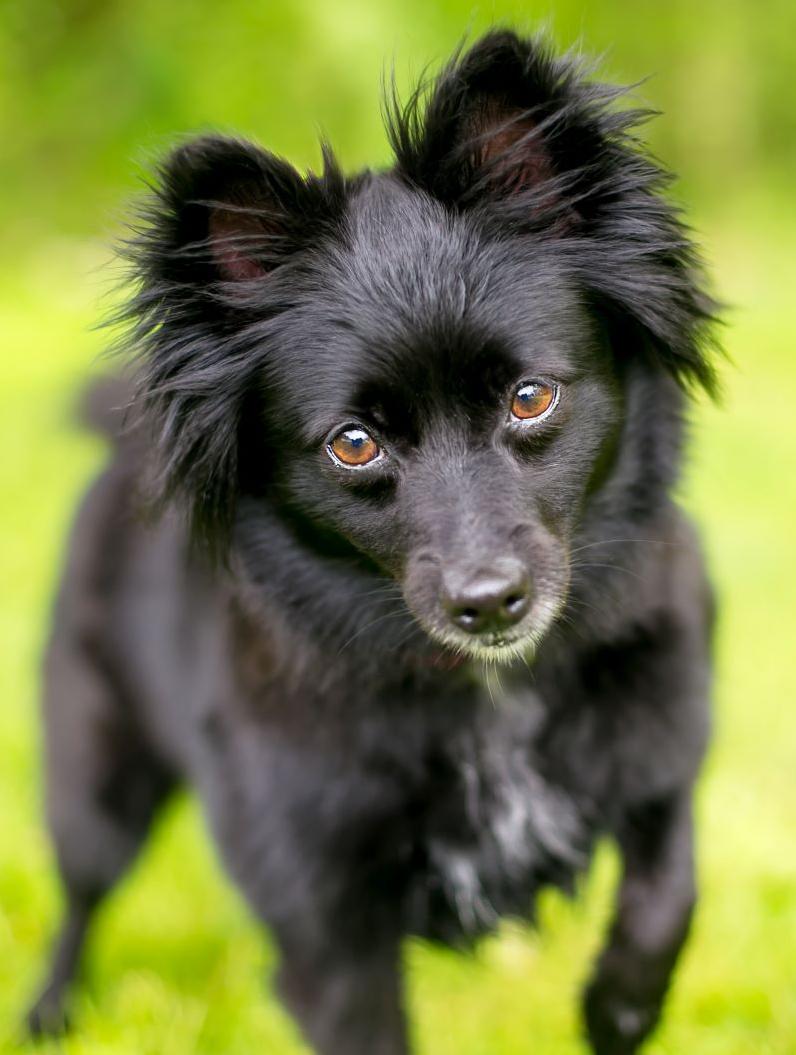
Schipperkes pack mischief and energy into 10-16 pounds of solid black fluff. While lacking the Pomeranian's full tail (traditionally docked, now often naturally bob-tailed), they share the erect ears, fox-like face, and dense double coat that forms a distinctive cape around the shoulders. Their all-black coloring creates a completely different but equally striking appearance.
Temperament-wise, Schipperkes bring even more independence and cunning than Pomeranians. They're watchful, territorial, and possess high prey drive that makes them enthusiastic ratters. Energy levels rival terriers, demanding substantial daily activity despite their small size. Training requires patience as they constantly test boundaries.
The key difference from Poms? Schipperkes are working dogs first, lap dogs never. They need jobs, whether that's learning tricks, puzzle toys, or actual vermin control. Without outlets, they create their own entertainment, usually destructive.
Choose Schipperkes if you want a small, active dog with Pomeranian-like appearance but working terrier personality. Grooming is easier than Poms with weekly brushing sufficient. They're remarkably healthy and long-lived, though patellar luxation and eye issues occasionally appear.
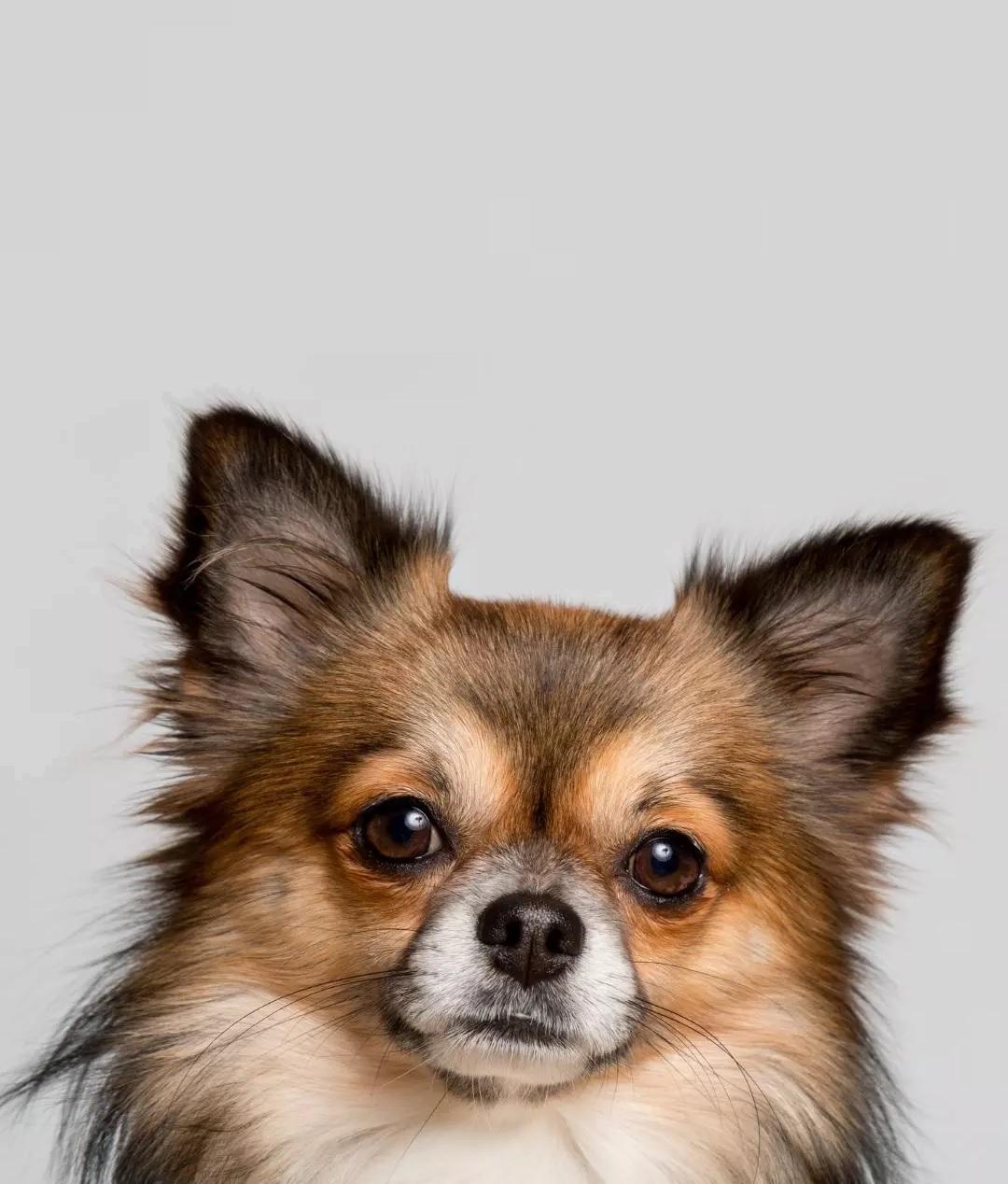
Long-haired Chihuahuas offer Pomeranian aesthetics condensed to 2-6 pounds. The flowing coat (especially around ears, neck, legs, and tail) creates surprising fluffiness, while the apple-shaped head and large, expressive eyes provide different but equally appealing features. Colors span the spectrum from solid to marked patterns.
Chihuahua personalities range widely, but they often match Pomeranian confidence and loyalty. They bond intensely with one or two people, show suspicion toward strangers, and will absolutely challenge larger dogs despite their fragile size. Their energy comes in bursts rather than sustained activity.
Unlike Pomeranians, long-haired Chihuahuas require even more careful handling due to extreme fragility. They're poor choices for families with young children. However, their grooming needs are significantly lower, requiring only 2-3 brushings weekly, and they adapt well to various climates with proper protection.
This breed suits individuals or couples seeking an ultra-portable companion with lower grooming demands. Health concerns include dental issues (even more than Poms), patellar luxation, and hypoglycemia in very small individuals. Regular veterinary care is essential.
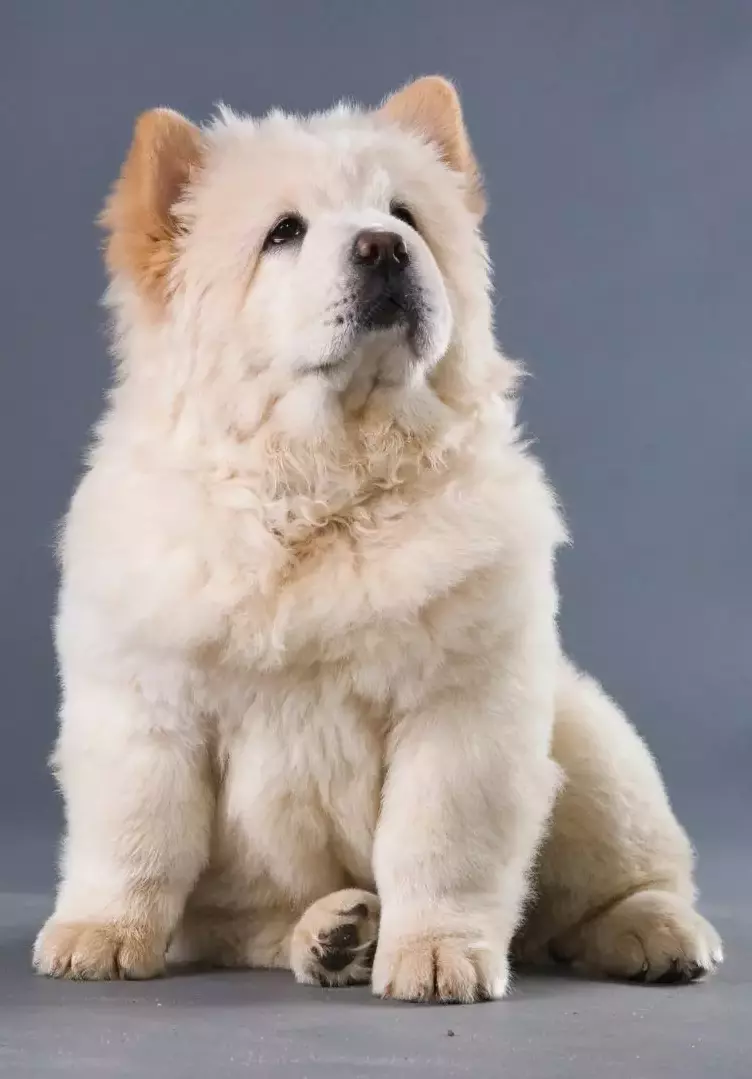
Chow Chows scale Pomeranian features to 45-70 pounds of dignified presence. That profuse double coat (rough or smooth variety), small erect ears, and tail carried over the back echo spitz characteristics, while the distinctive blue-black tongue and lion-like mane create unmistakable appearance. Colors include red, black, blue, cinnamon, and cream.
Temperamentally, Chows are the opposite of Pomeranian friendliness. They're reserved, independent, and often bond with one person while tolerating others. Early socialization is critical to prevent aggression. Unlike the Pom's playful energy, Chows are calm, even aloof, requiring moderate exercise but intense loyalty once bonded.
The size and temperament differences make Chows suitable for experienced owners only. They need space, consistent training, and respect for their independent nature. Apartment living is challenging given their size and exercise needs.
Choose Chow Chows if you want impressive spitz aesthetics in a guardian companion. Grooming demands are extreme with daily brushing essential to prevent matting. Health concerns include hip dysplasia, entropion (eyelid issues), and heat sensitivity due to coat density.
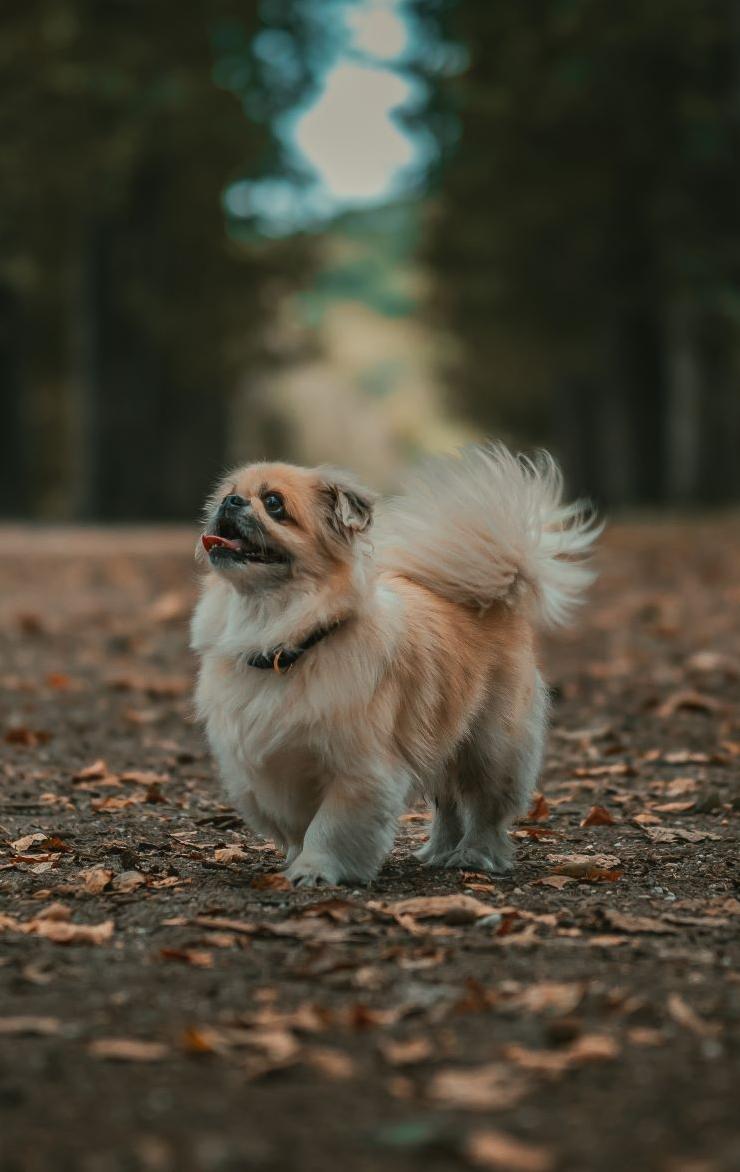
Tibetan Spaniels bring Pomeranian charm in a 9-15 pound, slightly less fluffy package. The silky coat feathers the ears, tail, and legs, while the slightly longer muzzle and large, expressive eyes create an appealing, alert expression. Colors vary widely, with parti-colors particularly striking.
These dogs were monastery companions, bred to watch from high walls and alert monks to visitors. They're independent thinkers, affectionate with family, and surprisingly athletic despite their size. Unlike Pomeranians, Tibetan Spaniels are notably quieter and less demanding of attention, content to observe rather than constantly engage.
The key difference? Tibbies (as enthusiasts call them) offer Pomeranian size with lower maintenance. They need moderate exercise (30 minutes daily), tolerate alone time better, and require only weekly brushing. Their calmer temperament suits first-time owners or seniors seeking manageable companions.
This breed works beautifully for those wanting a small dog with Pomeranian appeal but lower intensity. They're generally healthy, though progressive retinal atrophy and patellar luxation appear occasionally. Their heat tolerance exceeds cold tolerance given their Himalayan origins.
Volpino Italiano dogs are essentially Italian Pomeranians, though the breeds developed separately. Weighing 9-14 pounds, they feature the same profuse white (occasionally red) double coat, erect triangular ears, fox-like face, and plumed tail. The similarity is so strong that distinguishing them requires expert eyes.
Temperament-wise, Volpinos are more reserved and dignified than Pomeranians. They're devoted family companions, naturally alert, and possess strong watchdog instincts. Energy levels sit between moderate and high, requiring daily engagement. Intelligence makes them highly trainable, though they maintain typical spitz independence.
Unlike Pomeranians, Volpinos are exceptionally rare outside Italy, making acquisition challenging. However, for those who find them, they offer similar aesthetics with slightly calmer temperament and potentially fewer health issues due to less extreme breeding practices.
This breed suits enthusiasts seeking an uncommon spitz with Pomeranian characteristics. Grooming matches Pom requirements with daily brushing during sheds. They're generally healthy, though responsible breeders screen for patellar luxation and eye conditions.
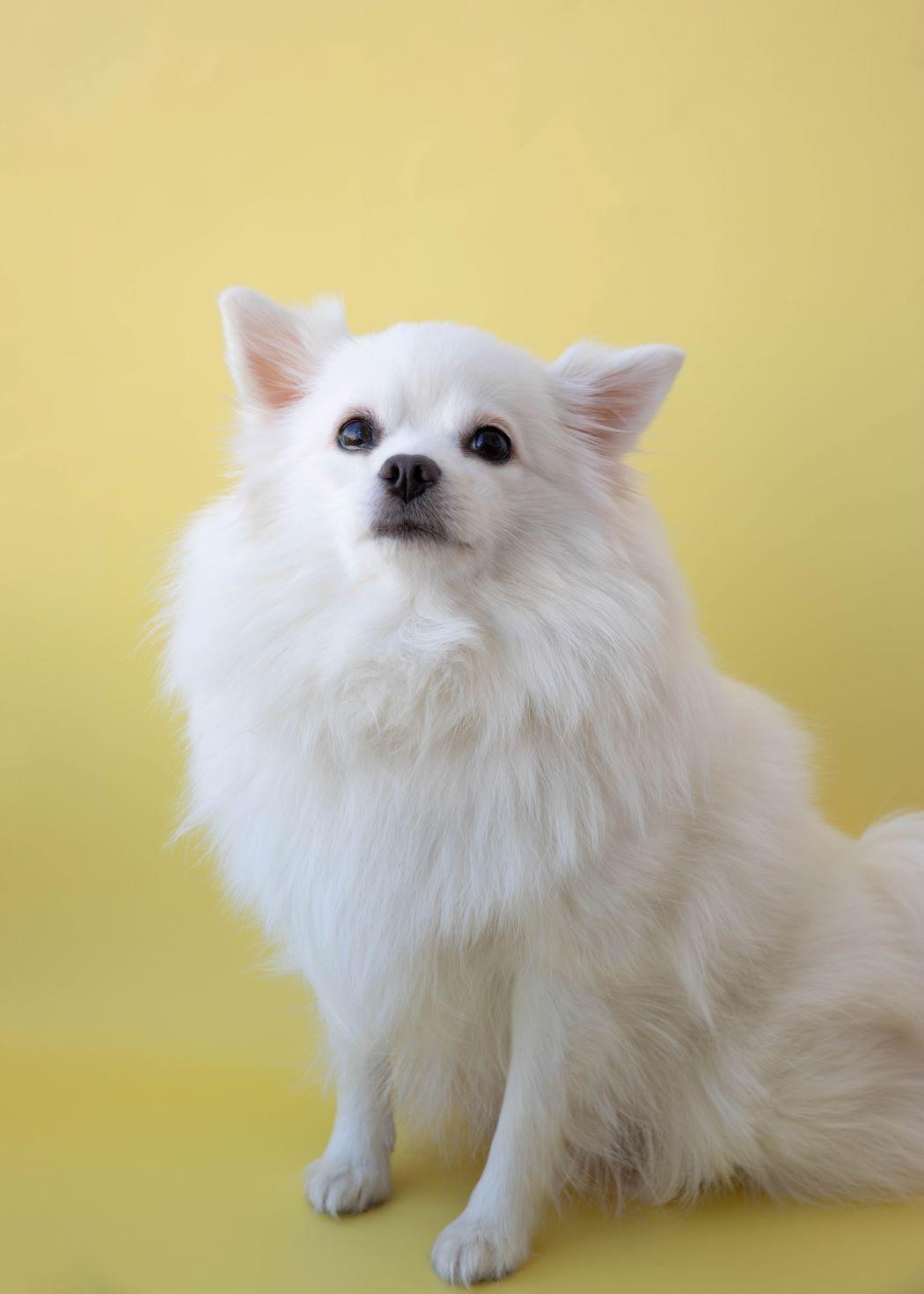
Size considerations should guide your initial filtering. Toy breeds (Japanese Spitz, Tibetan Spaniel, Long-Haired Chihuahua, Volpino Italiano) suit apartment living and limited mobility owners. Medium breeds (Keeshond, Finnish Lapphund, Samoyed) require space and transportation considerations. Evaluate honestly whether you can comfortably exercise and transport your chosen size.
Energy levels vary dramatically across these breeds. High-energy options (American Eskimo Dog, Finnish Spitz, Schipperke) demand 60+ minutes daily exercise plus mental stimulation. Moderate-energy breeds (German Spitz, Japanese Spitz, Tibetan Spaniel) work well for typical households. Calmer choices (Keeshond, Chow Chow) suit less active lifestyles.
Grooming commitment separates casual from dedicated owners. All these breeds require regular brushing, but intensity varies. Pomeranian-level maintenance (daily brushing, professional grooming every 6-8 weeks) applies to Samoyed, Keeshond, and Chow Chow. Moderate care (2-3 times weekly) suffices for Japanese Spitz, German Spitz, and Tibetan Spaniel.
Temperament matching ensures long-term success. Independent, vocal personalities (Finnish Spitz, Schipperke) challenge first-time owners. Family-friendly, trainable types (Keeshond, American Eskimo Dog, Japanese Spitz) suit households with children. Reserved, dignified breeds (Chow Chow, Tibetan Spaniel) work for experienced owners seeking calmer companions.
Research responsible sources thoroughly. Reputable breeders health-test parents, provide documentation, and support you throughout the dog's life. Consider breed-specific rescues for adult dogs whose personalities are already established. Avoid puppy mills and pet stores regardless of wait times or prices.
Each breed on this list offers genuine value for different households. The Keeshond brings Pomeranian looks with family-friendly calm. Japanese Spitz deliver trainability in a beautiful white package. German Spitz maintain authentic heritage without extreme miniaturization. Larger breeds like Finnish Lapphund and Samoyed scale up the aesthetics for active families.
The right choice depends less on which breed most resembles a Pomeranian and more on which temperament, size, and care requirements align with your lifestyle. A working professional in a small apartment has different needs than a family with a yard and active children. Be honest about your capacity for exercise, grooming, and training.
Connect with breed clubs, attend dog shows, and spend time with adult dogs before committing. Many breed-specific traits emerge fully only after puppyhood. Talk to multiple breeders and owners to understand day-to-day realities beyond the appealing photos.
And remember, if after exploring these alternatives you still find yourself drawn to the original? There's no shame in joining that Pomeranian waitlist. Sometimes the heart wants what it wants, and understanding what makes these breeds similar only confirms that the classic Pom is your perfect match. The key is making an informed choice, whether that's a Pomeranian or one of these equally captivating alternatives.
Follow Us On
Check Out Our Most Popular Content