Your Cart is Empty



Everything you need to know on how to start your dog as a stud dog or how to find the right one for breeding.
When it comes to dog breeding, the number one priority should be to ensure the optimum health of the future puppies and, at its core, improve the breed.
There are a few things to take into account when looking for a 'stud' dog to help bring new pups into the world, and we are here to give you the best introduction to all things stud dogs. Whether you have a golden retriever, a cocker spaniel, a border collie, a poodle or any other breed, the same core principles apply, and good breeders weigh them all carefully. So, bring out the canine bachelors and let's have a look at the criteria!

'Stud' is the name given to a male dog in the breeding process who will father the litters of puppies, and careful stud ownership can help preserve desirable traits in future generations. The better the stud, the better the head start those little fluff balls get in life.
It is vital that a male dog is fully sexually mature before beginning the breeding process — but being physically capable isn't quite the same as being ready. A stud should be settled, confident, and in peak condition before he ever meets a date.
Sexual maturity arrives at different times depending on size — around 8-10 months for smaller breeds and roughly 2 years for larger breeds. But just because the plumbing works doesn't mean it's time!
2 years old is the recommended age for any stud dog, as males are at their most fertile around this age- and enough time has elapsed to establish the dog’s general health and temperament. Age matters for both fertility and the quality of the litter, so it's worth getting the timing right rather than rushing your young lad into fatherhood before he's good and ready.
You'll hear all three thrown around, and it can get a bit confusing for beginners. 'Stud' is the everyday name for the male dog offered for breeding. 'Sire' is the term for the actual father once a litter exists — so every sire was a stud, but a stud only becomes a sire once he's produced pups. A 'proven' stud is simply one who has already sired a healthy litter.
So, what does a male dog need in order to be considered for stud dog status? Beyond the right age and breed, a big part of the answer comes down to health tests — but there are a few other boxes to tick too. Let's run through the full checklist.
Standard of breed
Your dog should closely match the breed standard in type and overall appearance. Look at the full package: key traits, conformation, and pedigree, along with structural soundness, including a correct bite, bone structure, and movement.
Genetic diversity also matters, so a 5-generation pedigree can help evaluate line diversity and inbreeding risk to support longevity and reduce inherited diseases. If you're unsure whether your boy measures up, always ask a breeding expert and perhaps consult the breeder of your dog's litter. There's no shame in finding out he's better suited to being a beloved pet — we still adore them either way!
A good temperament
The temperament of a stud can be passed down to his pups, and so you want to make sure he has a good temperament and a lovely manner. Ask yourself: is he friendly? Sociable? Is he prone to anxiety, disobedience or lashing out?
A good temperament means a stable, confident, friendly disposition. A sociable dog should be able to relax with people, enjoy a good play at the dog park, and stay comfortable around other dogs and animals, including cats. Breeders should evaluate how a dog behaves under stress, around other dogs, and as a family companion — because that easy-going nature is exactly what you want passed on. You're aiming for a litter of friendly, happy puppies!

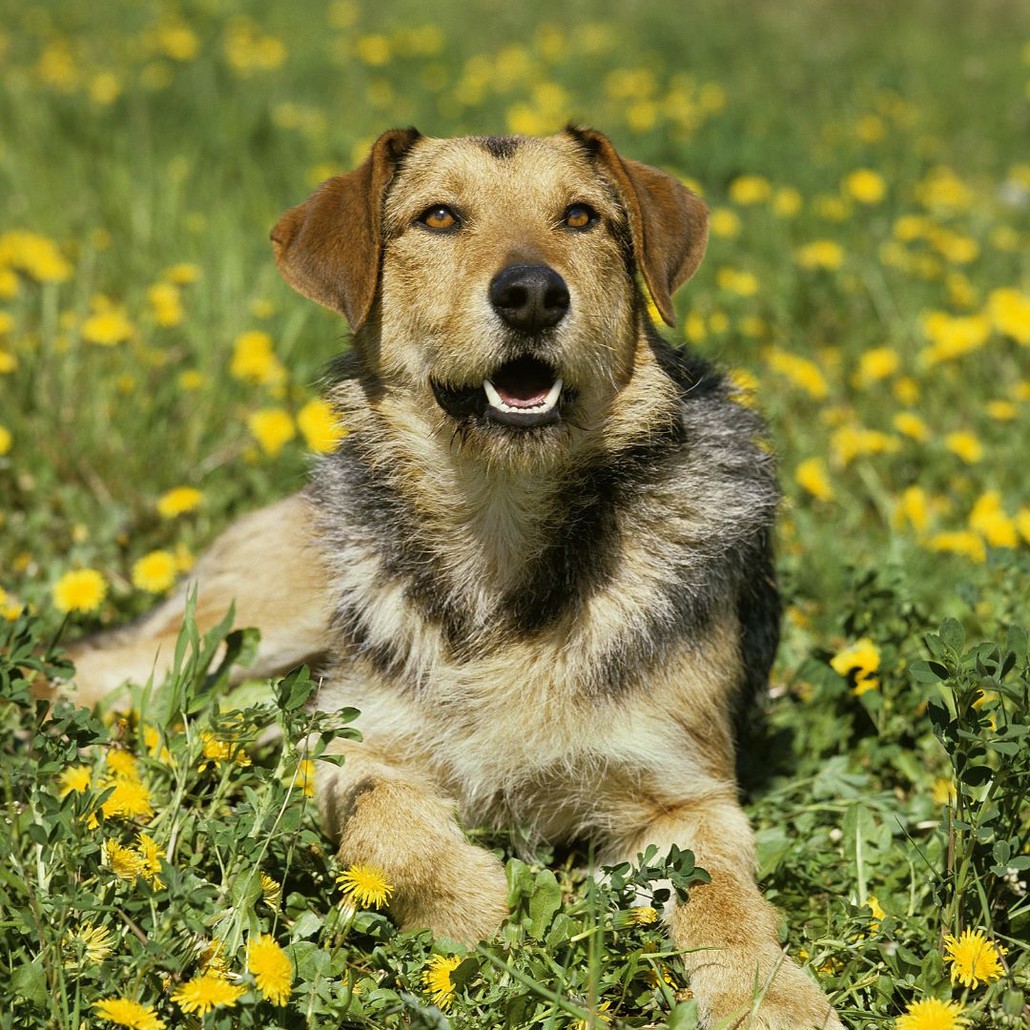
Condition of health and health tests
Top priority should be to check the health of your potential stud. Is he healthy, and does he have any underlying health issues that could potentially be passed onto a litter?
Health tests should include breed-specific health tests for both the stud and the female, and every stud should be tested for heritable diseases. Depending on the breed, that often means hip evaluations, eye exams, and cardiac screenings that help catch complications early. A DNA test can also help confirm hereditary disease status and support better breeding decisions. These are essential checks, not optional extras — a responsible mating starts with two healthy parents.
Registration
If you're looking to stud your pedigree dog, it is vital that he be registered with the appropriate kennel club so that you can track bloodlines, maintain the health of the breed, and ensure any puppies can also be registered. Registration is also what allows future puppy buyers to trace a clear, honest history — and that paper trail is part of being a trustworthy breeder.
Prowess
More of a cherry-on-the-cake criteria, but any outstanding skills and shows of prowess could be passed down to puppies. Does your dog participate in agility competitions? Demonstrate show-dog skills, or natural ability in hunting common to working breeds? Working or obedience titles can help evaluate quality, intelligence, and trainability — all of which could make a wonderful addition to a potential stud dog.
Fertility
Like any form of breeding, having your stud tested for fertility is a good way to ensure your endeavours will be successful, giving you the best chance of a full litter. Proven or tested studs are usually preferable — a proven sire has established fertility and a record of passing desirable traits on to future generations. If your boy is brand new to the game, a simple fertility check with your vet gives real peace of mind.
Owning a stud isn't just about turning up for the fun part! It's a genuine responsibility, and a good stud owner takes it seriously.
You'll be expected to keep your dog healthy, up to date on his health tests, and in good condition all year round, to handle enquiries from other breeders honestly, to keep clear records and contracts, and to be upfront about your dog's strengths and any flaws. The puppies your stud helps create are part of his legacy — so a little care now means happier homes down the line.
Ready to take the plunge? Here's the step-by-step run-down to get your handsome chap from canine bachelor to doggy dad.
Step 1: Get the paperwork in order
Make sure all legal criteria is met first, including responsible breeding, the appropriate registration, documentation, and health tests, as well as understanding the duties of the breeder and dog owner. Owning a stud dog also means keeping clear contracts and records in place.
You are required to present the proper identification and documentation when mating your dog. Before moving forward, weigh the risk to the bitch and the puppies, and make sure suitable homes are lined up for the litter. Once everything is squared away, you can begin the fun bit — advertising your stud!
Step 2: Advertise your stud
Time to show off your handsome boy! Look out for possible pairings in kennel club groups, sign up to reputable stud dog websites where stud owners list their males, and enquire in your local dog breeding network groups.
Have a good search, then contact likely matches directly to find a fit that suits your dog. Don't be shy about asking questions and meeting other breeders along the way — it's all part of the fun.

Step 3: Choose the right mate
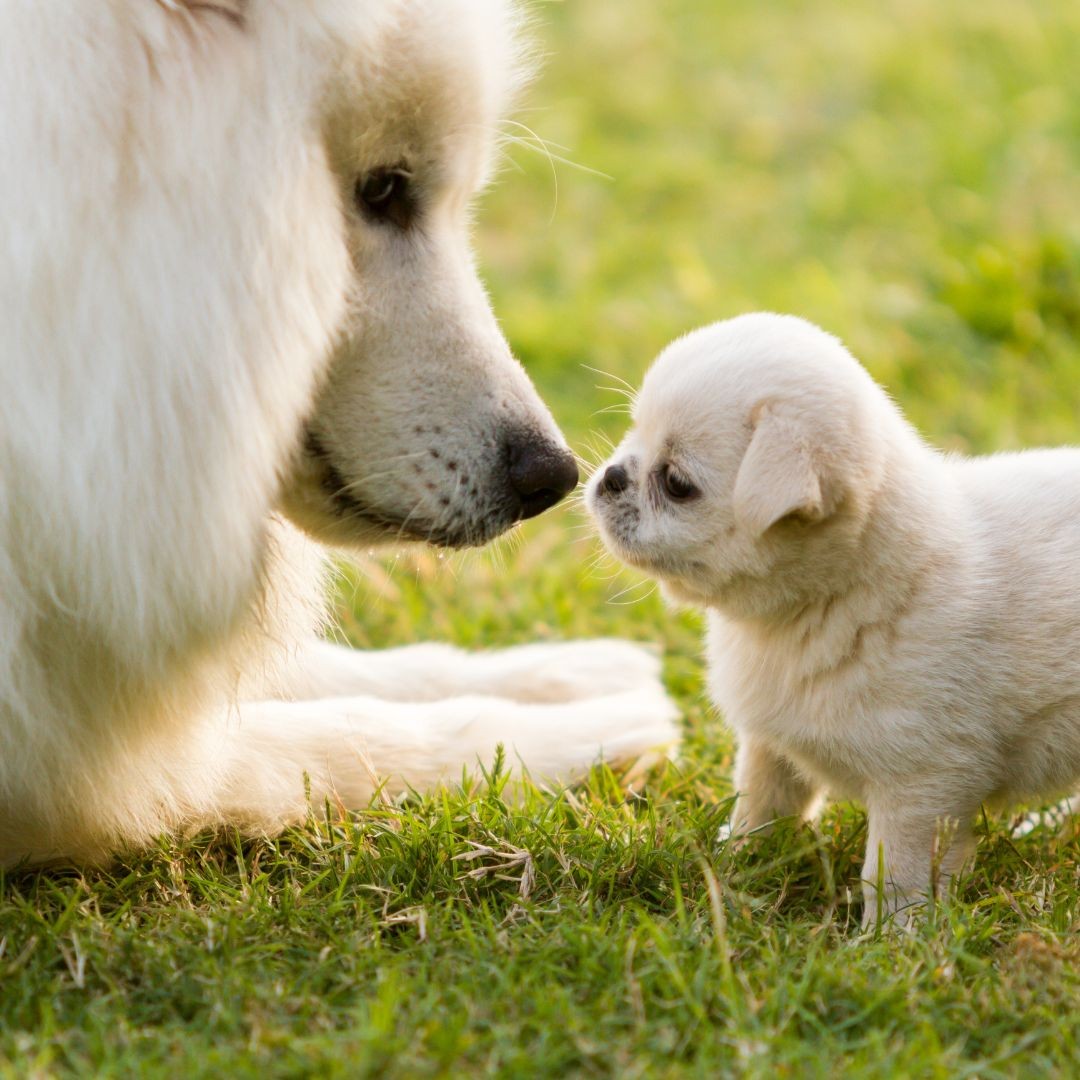
When it comes to choosing a mate for your stud, it is important to get it right. If your dog is a first-time stud, pairing him with a more experienced bitch can be a good idea and will increase your chances of success — she'll often know exactly what she's doing!
Letting the two dogs meet beforehand is always wise so that they can get familiar with one another, and it also gives the owners an indication of whether there will be any compatibility issues. Breeders should assess the pair in person, and natural breeding should only go ahead if both dogs are healthy and compatible. Brucellosis testing is recommended before every breeding for both the stud and the female, so don't skip it.
It is also advised that the first breeding encounter be at home in a comfortable and familiar environment, putting the future pup parents at ease.
Step 4: Seal the deal with a contract
It's a match! Once you've found the perfect bitch for your stud, you'll need to draw up a contract covering the breeding terms, including the stud fee, return service terms, puppy choice if applicable, and each party's responsibilities.
The contract must be mutually accepted and signed by both parties involved, and once that's all settled you can set a date night for your pups!
Let's talk money — because a stud's services aren't usually free! The stud fee is the payment the stud owner receives for the mating, and it can be handled in a few ways: a flat fee, a 'pick of the litter' arrangement, or one or more puppies from the resulting litter.
Stud fees commonly range from $500 to $5,000+, with stronger pedigree, health clearances, and proven offspring usually commanding a higher stud fee. A 'return service' clause is also common — meaning that if the bitch doesn't fall pregnant the first time, a repeat mating is offered at no extra cost. Get all of this in writing so there are no awkward surprises later.
If you're new to all this, the mating itself can look a little alarming — so it helps to know what's normal. Once the dogs have mated, they'll typically be connected for around 15-20 minutes in what's known as a 'tie'.
This is completely natural, so whatever you do, do not try to separate them, as injury can occur. After a little while they'll part naturally. Be ready to gently guide an inexperienced stud, and always keep an eye out for any signs of stress or aggression. Calm, patient, and unhurried is the name of the game!
Most matings happen the old-fashioned way, with the two dogs meeting in person — and for a healthy, compatible pair, that's usually the simplest route.
But natural breeding isn't always practical. If distance is a factor, or there's a size mismatch or another reason a natural tie isn't on the cards, artificial insemination may be an option. Fresh, chilled or frozen semen can be collected and shipped, which opens up a much wider pool of potential mates. If you go down this road, a recent semen evaluation should be checked first to confirm the stud's semen is healthy and viable. Your vet or a repro specialist can walk you through the process.
Your stud's job may be done after the date, but don't forget to give him a little TLC! A short rest, plenty of water, and a calm environment will help him settle back into normal life. Keep up his regular health checks and good nutrition so he stays in prime condition for next time. And while the new mum will be in the bitch owner's care for the pregnancy ahead, a thoughtful stud owner stays in touch and ready to offer support.
Even the most loving owners can trip up the first time around, so here are a few pitfalls to sidestep:
Skipping the health tests. Heritable diseases don't always show on the outside, so a healthy-looking dog isn't automatically good to go.
Breeding too young. A male dog might be physically able well before he's truly ready — patience pays off in fertility and quality.
Forgetting the contract. A handshake and good intentions aren't enough. Put the breeding terms and stud fee in writing.
Ignoring temperament. A gorgeous dog with a tricky nature can pass that on, so don't let looks alone win the day.
Having no plan for the puppies. Always have a clear plan for placing pups in the right family homes to help avoid overpopulation.
A healthy, mature stud can be used fairly regularly, but it's sensible to space matings out and let him rest between them. If he's being used often, periodic semen evaluations help confirm everything is still in good working order.
So there we have it, a beginners guide and run-down of the steps needed to make your best boy into a stud muffin. Always consult an expert or ask for advice if you're ever unsure about the breeding process — there's a whole community of breeders happy to help.
Above all, remember that being a good doggy dad starts with responsible owners. Put the health, temperament, and happiness of the dogs first, line up loving homes for the pups, and you'll be giving the next generation the very best start.
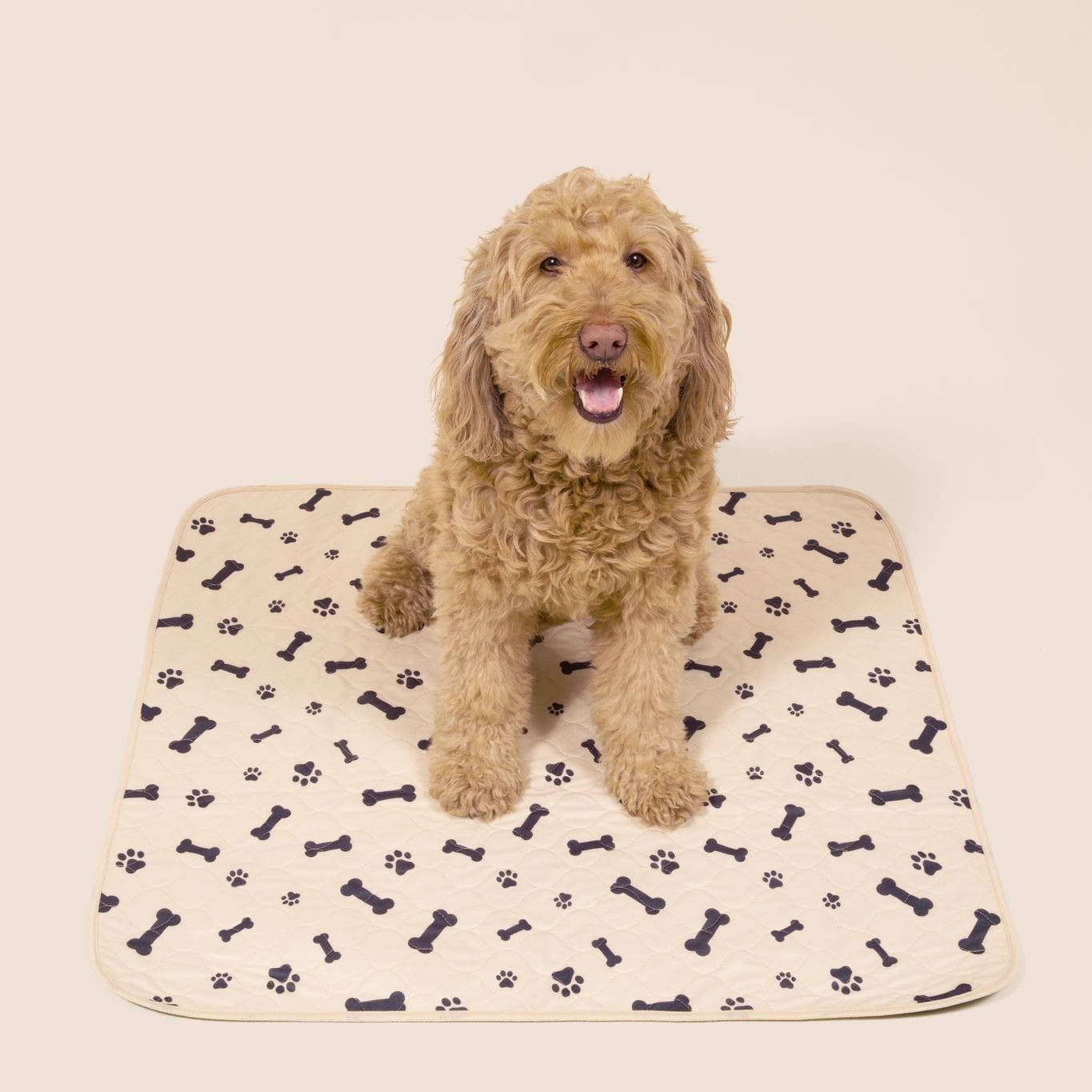
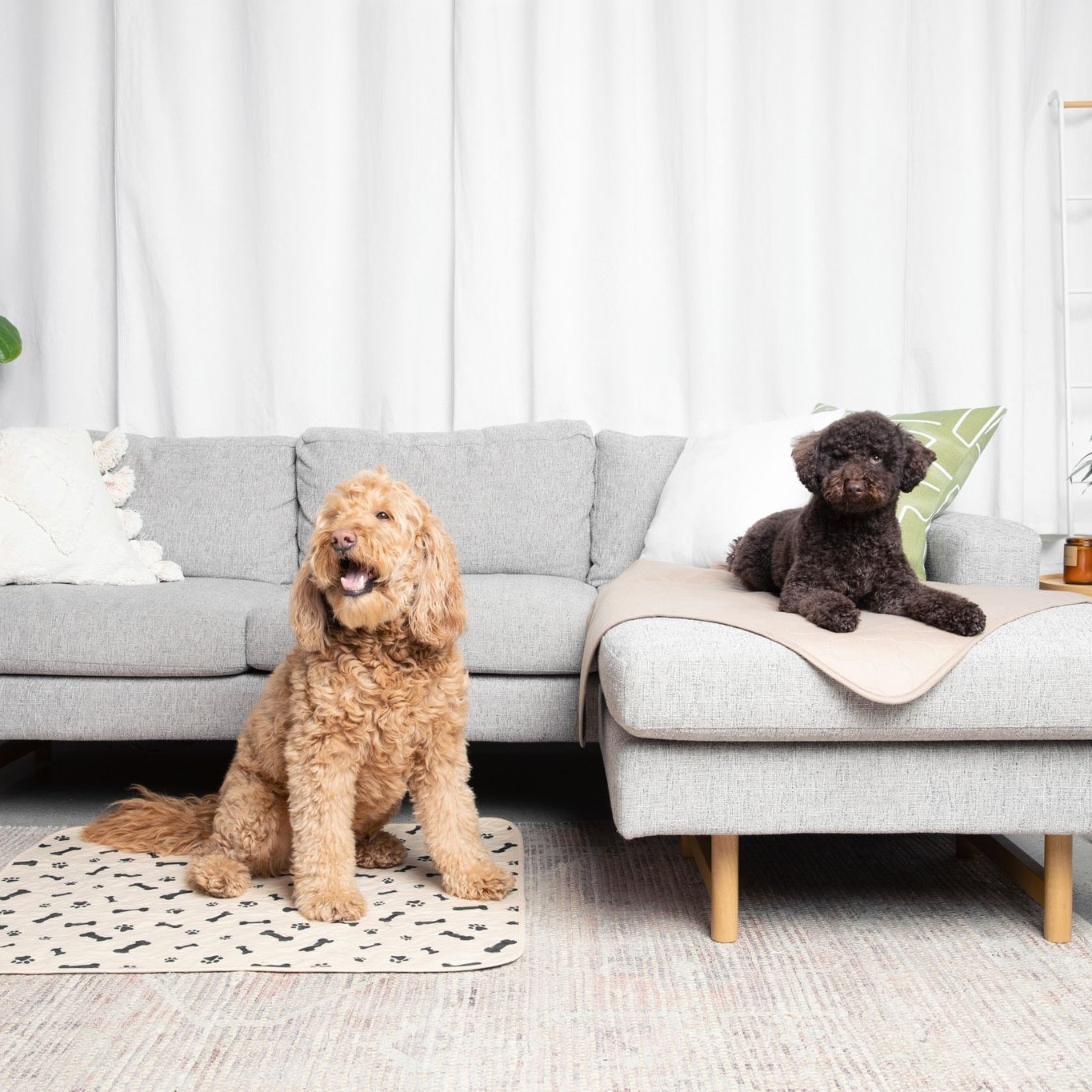
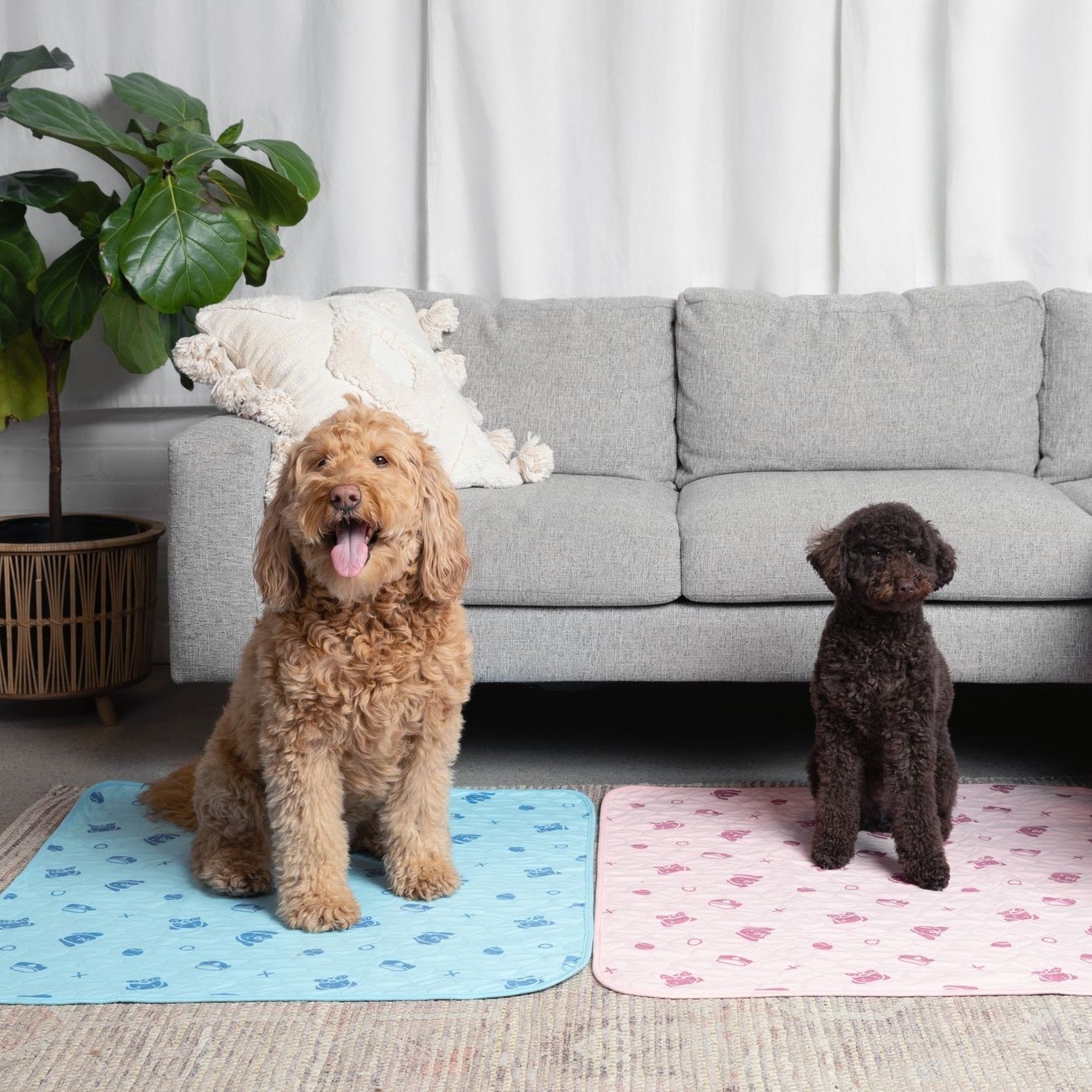
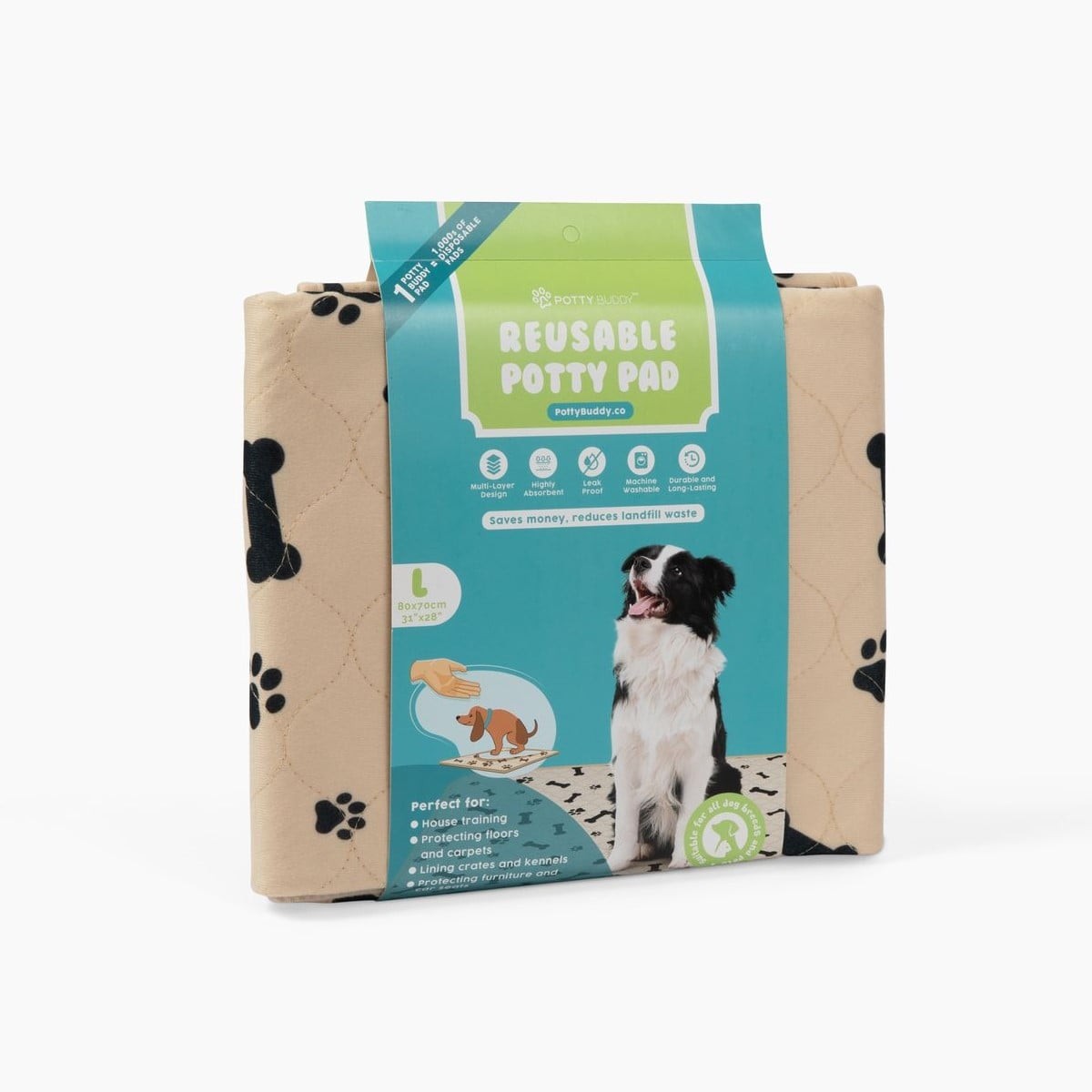
And when it comes to whelping, don’t forget that our Premium Reusable Potty Padsare the ideal tool to help keep mom and pups clean, comfortable & hygienic throughout.
See How Dog Owners Are Using These Leak-Free Potty Pads to Keep Their Homes Clean and Pups Happy
4.7 ⭐⭐⭐⭐⭐
Over 100,000 Dog Owners Saved Money With Potty Buddy™
The washable pee pads that absorb anything your dog throws at them, while keeping your floors and furniture stain-free.
✅ Super Absorbent and Leak-Proof
✅ Great for Potty Training
✅ Ideal for Puppies and Older Dogs
✅ Washable and Reusable For Years
✅ Save over $400/year by not buying disposables
-60 Day Money Back Guarantee-

⭐⭐⭐⭐⭐
-Diana D.
These pads are a life saver for my kitchen floor and bedroom carpet! Just ordered 2 more!
Follow Us On
Check Out Our Most Popular Content